Tag Archives: painting in acrylics

Sunlight and Sargent

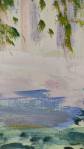
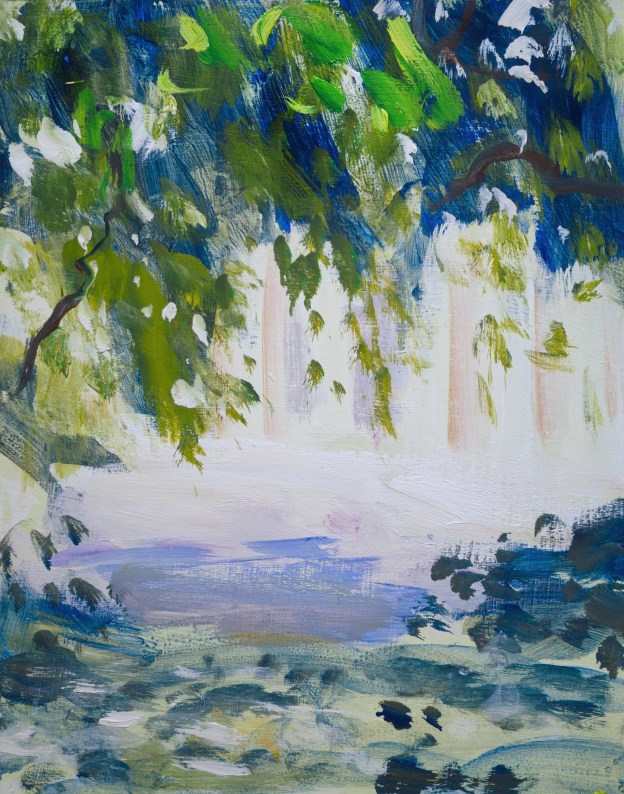
Above: Lime Tree. Leopold Place. Acrylic on 14×11″ wood. Rose Strang 2026

By the fountain, near the gate,
There stands a linden tree;
I have dreamt in its shadows
so many sweet dreams.

Thus wrote Wilhelm Müller in the 1820s, a few years before Schubert set it to music in his 24-song cycle, Winterreise. Der Lindenbaum (The Linden Tree, or Lime Tree) was the 5th song.

Müller’s poem goes on from summer reverie to melancholy when he passes the tree in winter. So it feels an appropriate quote for the start of this blog since I’m painting a lime tree in June in late September and I can feel the chill hand of winter in the air! Limes look surprisingly gothy in winter, with twisty, spindly black branches. You’d never guess they could become so gloriously lush and heavy with foliage.

Lime trees have become a bit of an obsession of mine recently. Their scent has always enchanted me, but this year I decided to explore them thoroughly and holistically; photographing and drawing the tree in its seasonal stages and paying attention to all facets of the scent. This year the beautifully fragranced blossoms arrived later than last year and seemed even more ephemeral. Probably because I was too busy to appreciate them, then summer’s gone in a flash.

I bought several samples of perfumes inspired by lime blossom, including a tiny half ml of pure lime blossom absolute. You can read about that on my perfume-related Substack page if you like! Lime Blossom at Leopold Place

Closely observing nature is a particular interest this year, and you can read about my interest in Goethean observation here Fairhill, but for this particular blog I want to explore the other inspiration behind today’s painting; Sargent.
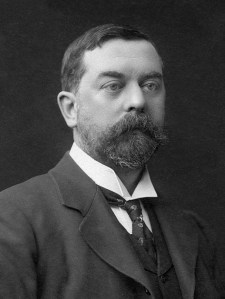
John Singer Sargent. One of the most overlooked (in terms of posthumous accolade) painters that ever existed. He was at his height in the late 1800s and early 1900s, then impressionism, fauvism, futurism etc all happened, and Sargent’s beautiful painterly expression and observation was kind of dismissed as irrelevant.

Inevitably though, his work is enjoying a resurgence, in America anyway (where he lived part of his life) which will no doubt spread to the UK and Europe. He was born in Florence, Italy, to well-travelled American parents, and Europe was a huge influence. He enjoyed huge commercial success with his beautiful, flattering portraits of the upper classes, the most famous being Portrait of Madame X. Or his portrait of Lady Agnew.

If you only looked at the portraits, you would tend to agree that his work, while stunningly beautiful, isn’t heavy with meaning. It’s the watercolours and quick sketches of his later years that really entrance us now.

If you’re an artist who’s interested in painting light, his brilliance is dazzling, moving even. His brushstrokes, so fluid and seemingly effortless, seem to capture the very essence of what he observes, fleetingly and effortlessly. That’s always the way of truly brilliant people; to make it look effortless, when it’s not.

Then there’s the way you can lose yourself in the subtlety of tone he brings in to depict a wall. It’s mesmerising. He clearly felt free in watercolour, often capturing the beauty of men in an erotic sense, as he was gay. He always captured beauty, in all his subjects, and this was simply too ‘nice’.

He was also criticised for the fact that he didn’t use watercolours ‘properly’. Hilarious to us now, the idea of a ‘proper’ way to paint. I mean, there are rules for things like preventing ageing in terms of materials, or damage to paintings, but the idea that there has to be a technique such as ‘light to dark’, or that you shouldn’t use gouache on top of water colour appears ridiculous to us now.

Given I had a deadline for today’s painting I decided to paint in fast-drying acrylics rather than oils. I also decided to use acrylics like water colour, in transparent washes, but using Sargent’s approach of dark to light, then adding opaques. I didn’t really stick to that in the end, but it gave some lovely fresh results that help me understand how he worked so rapidly.

With that in mind it’s interesting to look at one of his watercolours – I’ve added this as I think it’s ok to post the link and credit here:
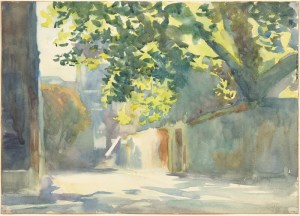


(Landscape Watercolor Study by John Singer Sargent. Source nga.gov.  https://www.nga.gov/artworks/129320-sunlit-wall-under-tree )

You can maybe see how I’ve attempted  his technique here …
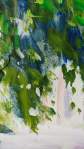
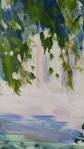
My own painting (main painting and details above) doesn’t have those incredibly silky, fluid patches of colour of Sargent’s, and the tones are much cooler, though that’s fine since it’s Edinburgh, but basically (if you’re interested in technique) I started with a wash of very pale lemon yellow, let it dry then blocked in shapes with ultramarine and ochre. After those dried I mixed up some white, ochre, cadmium red and yellow to make a very pale warm cream, and added in the suggestion of architecture with slightly darker shade of the same. When that dried, I mixed ultramarine and lemon yellow to create a mid-chartreuse lime to create the lighter splashes of the trees. I then blobbed in dashes of light lemon yellow just at the top. The violet shadow on the street was rose madder/ultramarine, then lastly I mixed very light off white to create the dapples in the ground and to break up the trees. Done. It was fun! It was absolutely an exercise in depicting light. The only structures were the suggestions of pillars and the twisty branches.

More about why I painted this in a couple of weeks. In the meantime, I’ll be creating a series of of Fairhill/Pishwanton in this style of painting over the next couple of weeks, for the Graystone Gallery.
Painting The Living Mountain. Artist’s journal. Pt 3

Pt 1: Here

Pt 2: Here

Pt 3: Here

Pt 4: Here

Pt 5: Here

Pt 6: Here

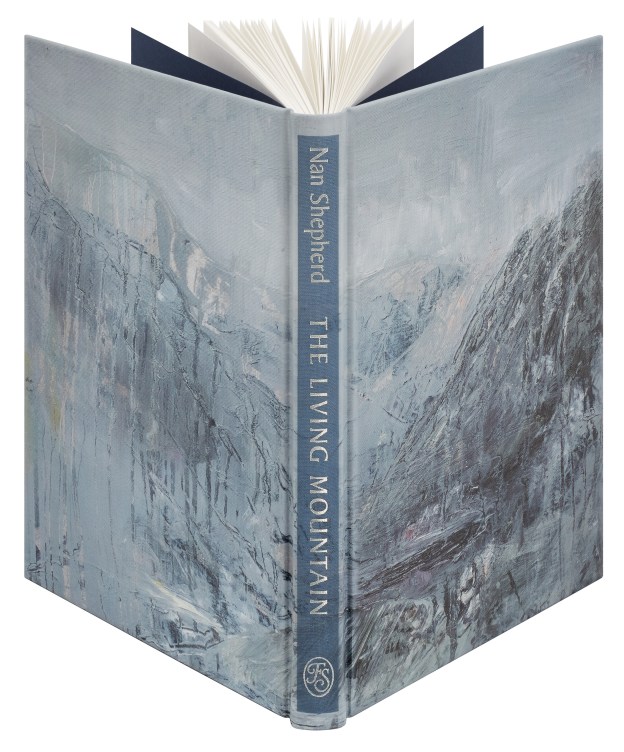
In the next few weeks I’ll be posting an artist’s diary about creating a series of paintings for The Folio Society’s publication of The Living Mountain, by author Nan Shepherd.

(The Folio Society edition of Nan Shephard’s The Living Mountain illustrated by Rose Strang and introduced by Robert Macfarlane is exclusively available at www.foliosociety.com)

Link to book …

The Living Mountain by Nan Shepherd, published by the Folio Society 2021

Pt 3: Painting Among Elementals

cover2

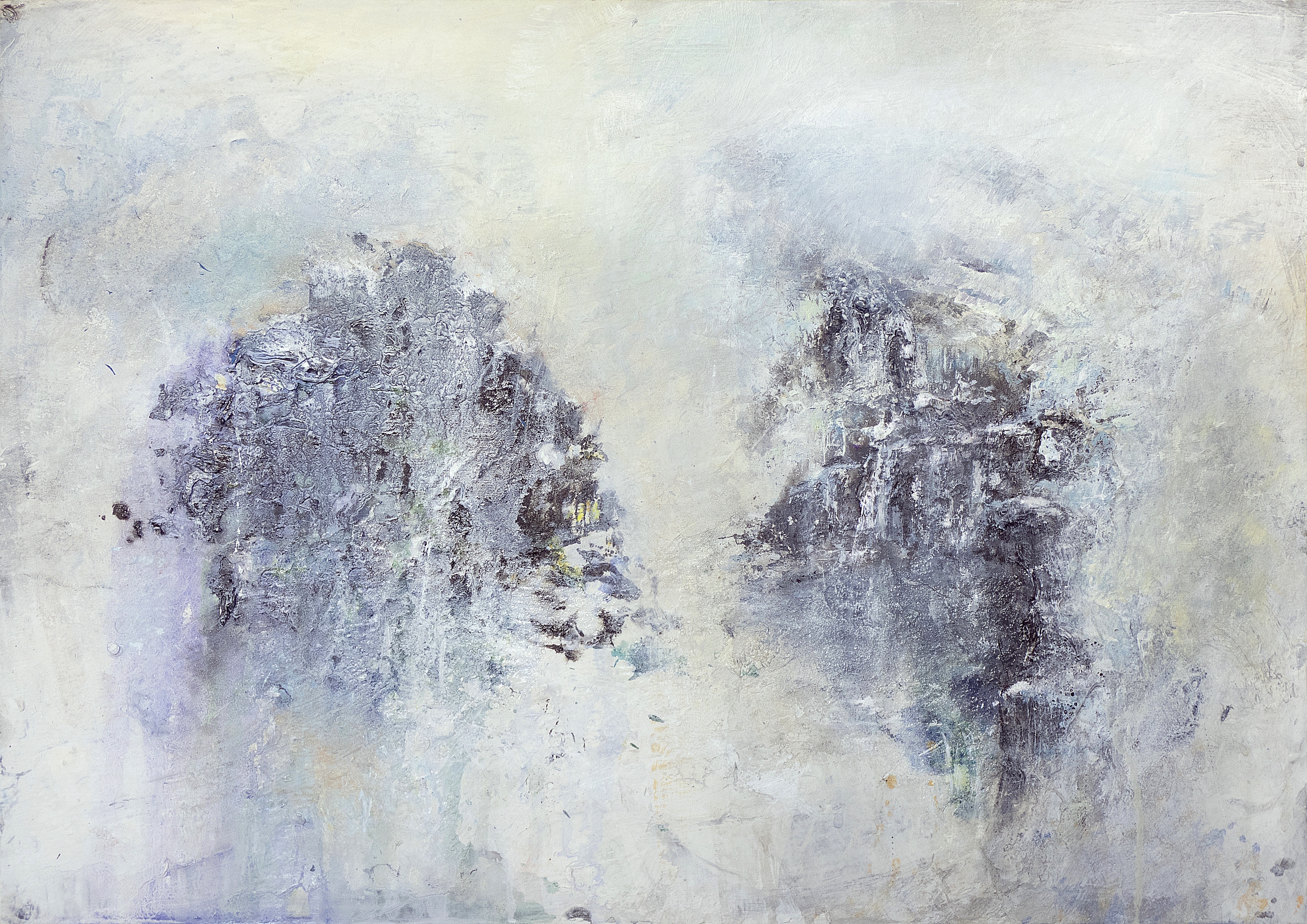
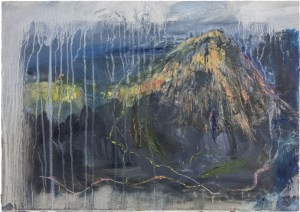
‘Among Elementals. Book cover. The Living Mountain Series. Oil on 60x42cm wood. Rose Strang 2020

My first painting attempt for the series was the book cover. Artists reading this journal can imagine how overwhelmed my mind was with possibilities. How was I going to paint Nan’s experience of the Cairngorms? Any decent landscape artist could paint a scene of the Cairngorms and, had someone got in touch with me to say; ‘Can I commission you to paint a view of the Cairngorms for my friend’s birthday?’ I’d know they were probably looking for an iconic and recognisable Cairngorms vista!

This was definitely not what Sheri Gee was looking for, nor was I. I knew what she was looking for because of the selection of paintings she sent me as examples of why she’d chosen my work. They were paintings I’d created over recent years that were mostly inspired by literature or music. None were commissions – they were all self-motivated experimental works from imagination, mostly taking the form of semi abstract landscape. I was intrigued by Sheri’s selection, because these were paintings I’d struggled over – to create something meaningful. The process had had no known outcome at the start of each painting. I wondered how I’d manage to keep this very loose experimental and intensive approach while also expressing something of Nan’s descriptions and vision; it felt like a bit of a creative tightrope to me.

I started with the idea that Nan was inspired by Buddhism. She might have seen paintings by Chinese or Japanese artists expressing ideas of space and spirituality in landscape –  a sense of being. The painting below was my first attempt at a book cover. I was quite pleased with it and the Folio Society were too in a sense, but the problem was that it didn’t say ‘Mountain’, and for the book cover at least there needed to be something to hint at the contents of the book!

3DEC20. LivingMountainCover. Rose Strang

Front Cover painting 1. Rose Strang 2020

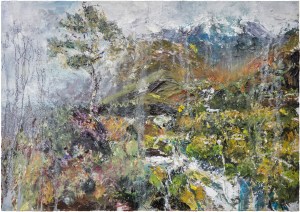
I made the following attempts (below) but wasn’t satisfied with those either.

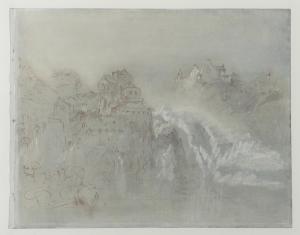
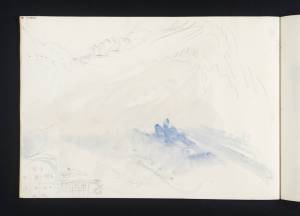
By this time I’d been feeling frustrated for days. I’d ended up with too much colour when what I’d dreamed of was a mystical elemental feel in monochrome. I looked at the two beautiful Turner sketches (below), which re-inspired me to start again with a black acrylic base, onto which I began paintings swathes of oil in various shades of pale grey.
December light in Scotland is horrible to paint in – I ended up chucking solvent at the painting just to break it up and deliberately make a mess. This helped me break away from indecisive dabbing, so I could stand back and see more objectively. Usually I’d look at the painting in a mirror at this stage for further objectivity, but I just felt grumpy and tired. Later on two of our neighbours, Andrew and Carly, dropped by and said ‘that’s great’. I hmphh-ed in response then realised they weren’t just being polite and said, ‘Thanks’.

The next day I worked a little more on the area of water. The oils had dried somewhat, and as often happens with oils, the colours had resolved into something subtle and interesting. I sent it off to Sheri Gee, alongside the other cover image painting. They liked it and though I still wasn’t satisfied, I felt it worked as a book cover.

Looking at it now, with a little more perspective, it actually does capture the feel of Cairngorms in the snow, especially the sense of ever-changing snowdrifts and subtle colour changes.

Part of my frustration was that, thanks to lockdown, I didn’t know if it was possible to visit the Cairngorms. There seemed to be nowhere open where we could stay. There was also the restriction on going further than five miles. Usually I’d have gone there immediately and stayed a few days to at least imbibe the atmosphere before painting, it felt utterly wrong not to be there. I  began to scrutinise government guidelines for possibilities; how dangerous could it be to drive with Adam to the midst of a windswept remote mountain range? In terms of covid-risk surely almost zero – we’d seen almost no-one outside of close family and friends.

A peruse of the convoluted government guidelines revealed (five or so pages and several links in) that it was possible to travel for work-related purposes if the work couldn’t be carried out at home. I wanted Adam to come for photography reasons, to document our trip as well as the fact I wanted to share this experience with him. I take my own photos as occasional painting references, but I wanted to focus on that rather than documenting, plus it freed me up to focus on surroundings.

In terms of mountain climbing the Cairngorms in winter, the risk was real though. I hadn’t climbed a mountain for a few years and neither my nor Adam’s map and compass-reading skills were impressive – I’d always relied on someone else for those. Neither was our fitness level. I felt lockdown-softened and I knew I was no ‘Nan’ in terms of mountain adventure, I accepted that my role was artist not mountaineer! I decided to get in touch with Liam Irving of Cairngorm Adventure Guides, who recommended one of their guides – Emma Atkinson – to steer us up to the plateau.

To prepare, we embarked on a daily walking regime, starting with circuits of the peaks of Arthur’s Seat, then on to the biggest hills to hand near Edinburgh – the Pentlands. Conditions were ideal, with recent snowfalls the conditions were almost Cairngorm-esque we felt. All that remained was to upgrade our anoraks and wax our boots.

Coming up: Pt 4: In the Cairngorms

Ardban Series completed!

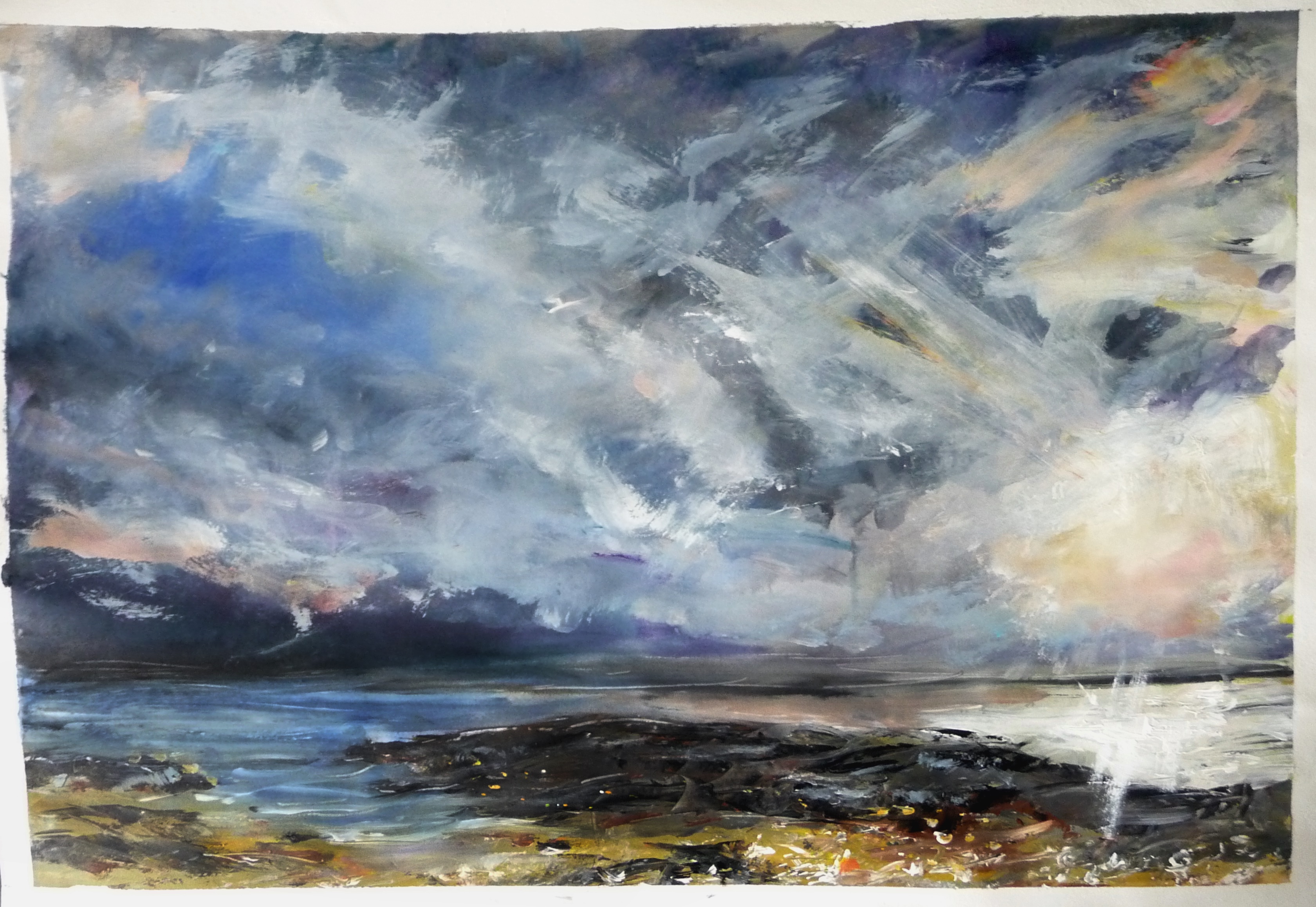
‘Stormy Sky. Ardban’. Mixed media on 31×22″ paper. Rose Strang 2019

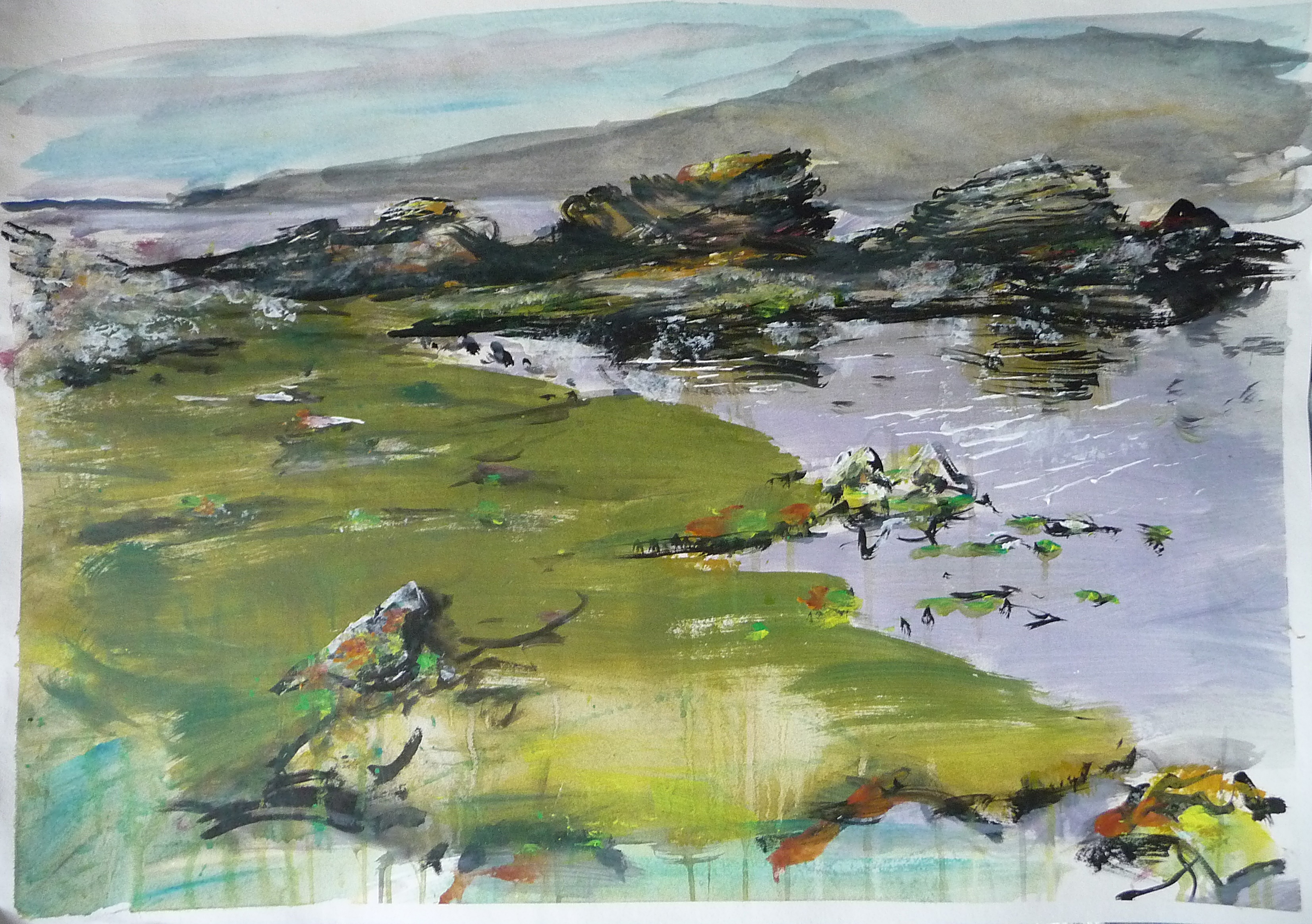
‘Sea Pools. Ardban’. Mixed media on 31×22″ paper. Rose Strang 2019

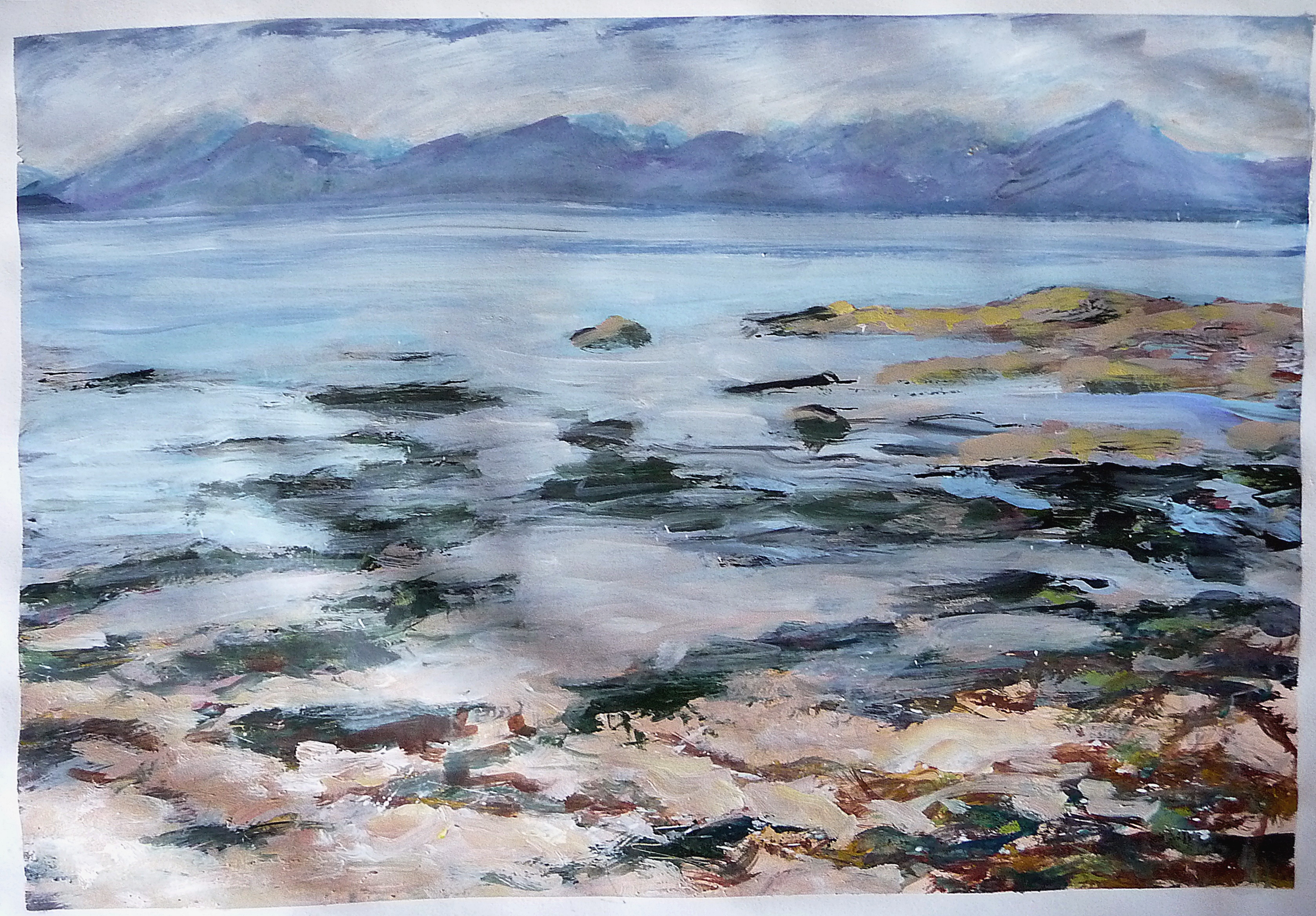
‘Morning. Ardban’. Mixed media on 31×22″ paper. Rose Strang 2019

The three paintings above complete the series for an upcoming exhibition at Limetree An Ealhain Gallery, in Fortwilliam, opening on the 18th October.

The full series can be viewed Here. If you’d like to reserve a painting, please contact the Limetree Gallery Fortwilliam at info@limetreefortwilliam.co.uk

I’ve been fighting off a cold as well as painting all week so I’m too puggled (old Scots word for tired) to write more today, but here are two more videos (by Adam Brewster, thanks Adam!) of painting on the beautiful beach of Ardban (one showing that it can be sunny, the other showing that sometimes you can dispense with brushes). Thanks again to Donald Ferguson for arranging this amazing holiday – I look forward to going back there again!

Painting workshop on Lindisfarne

13995531_1175062502564585_2088970070315757245_o

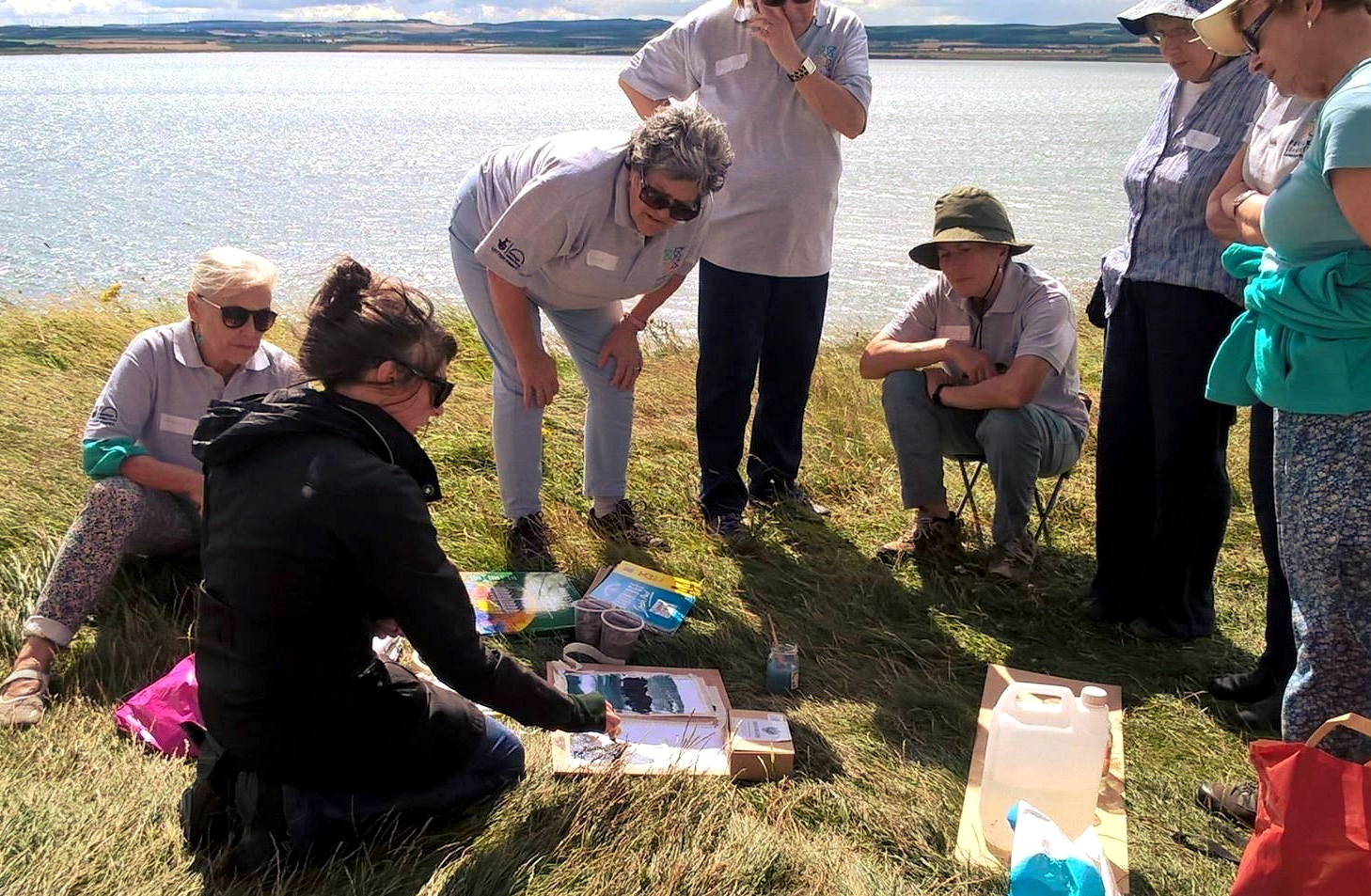
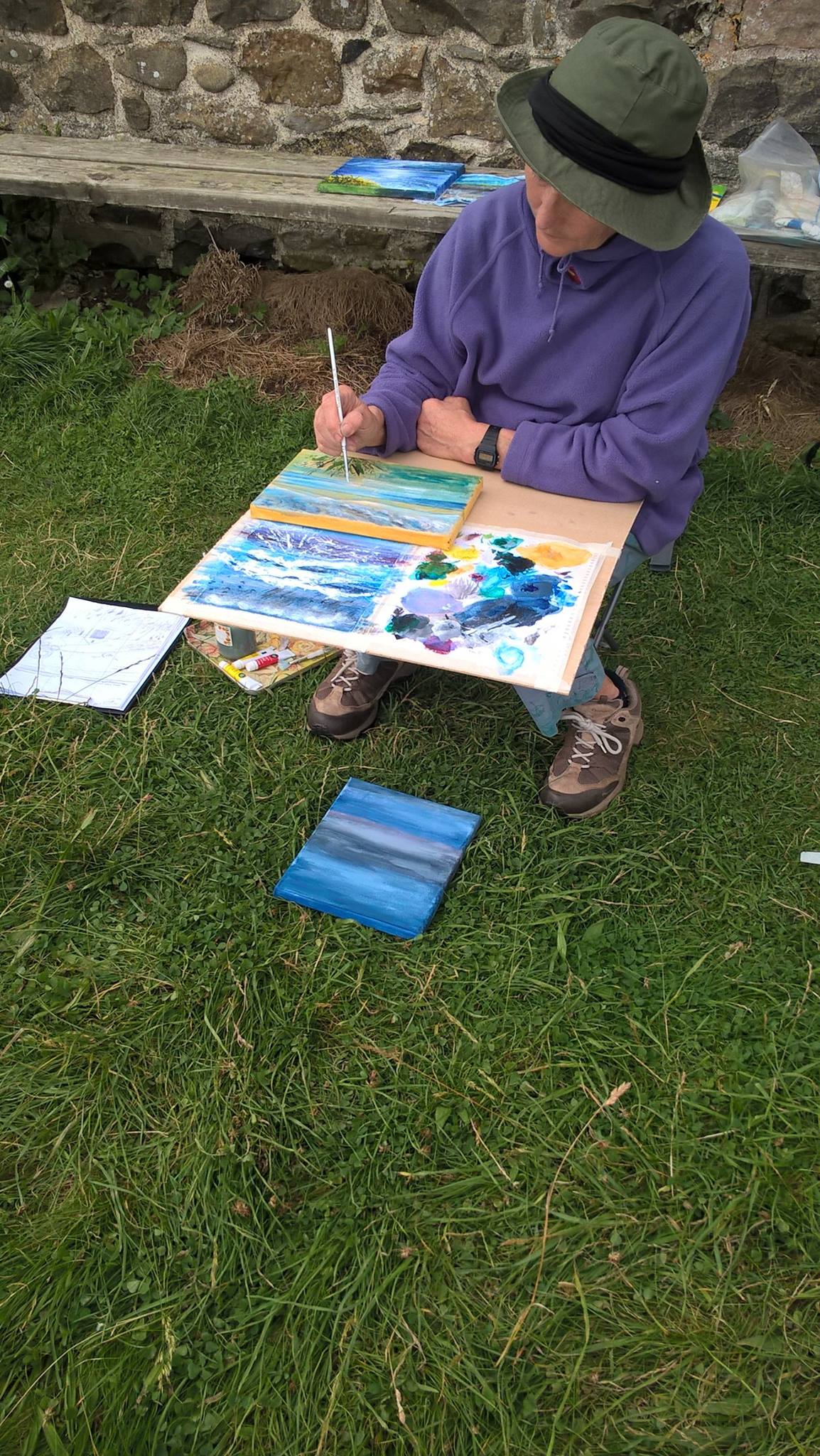
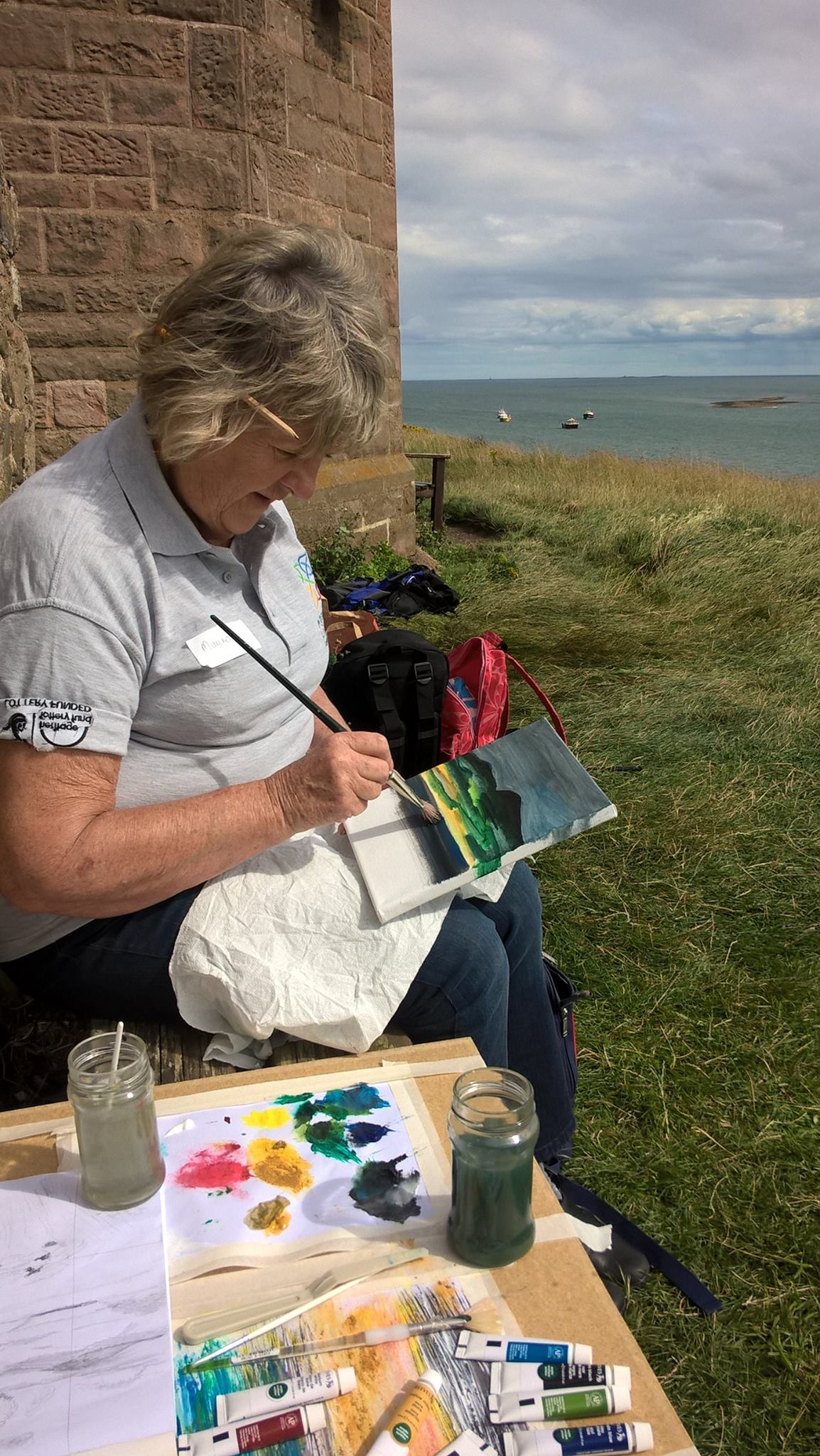
Demonstrating painting techniques on Lindisfarne this weekend. (Photo by Ros Duncan)

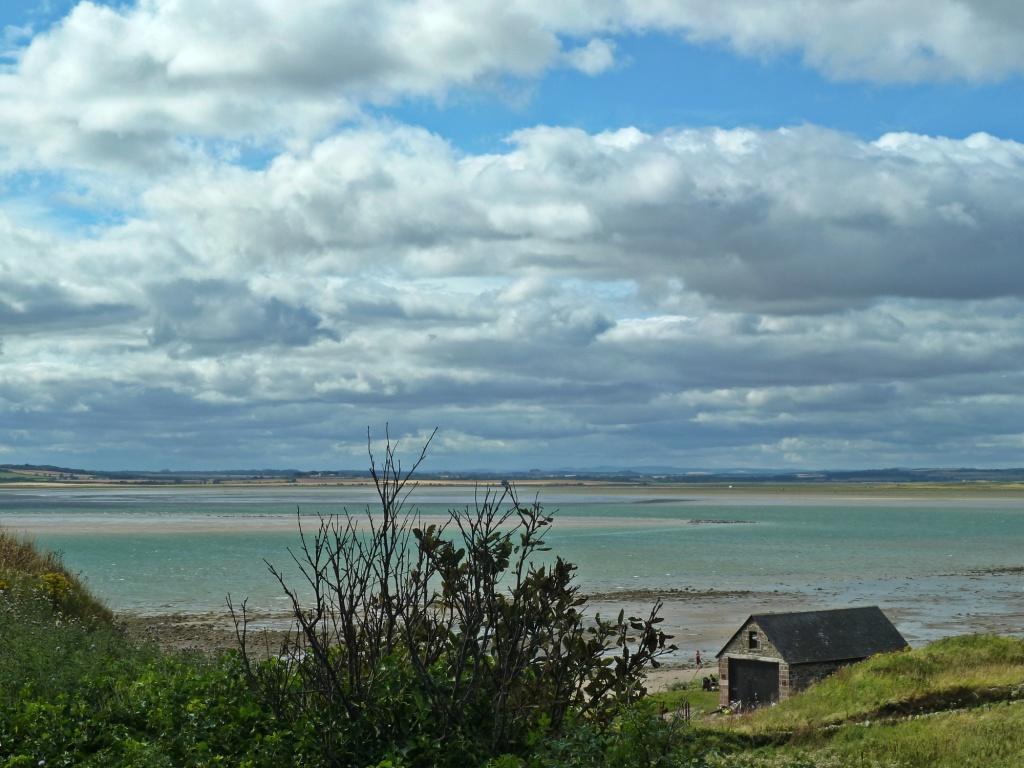
The landscape painting workshop on Lindisfarne this weekend was a wonderful experience, I couldn’t have wished for a better day or more enthusiastic participants!

Some feedback from participants…

Excellent tutor”    “Friendly helpful organiser”    “Wonderful location”      “Lots of tips”   “Fun!”  “An artistic challenge”  “A nice break from the day to day”   “Good teaching”   “Happy”  “Friendly”   “Generous” “Inspiring” “Enjoyable”   “Productive”   “Stimulating”   “Motivating”  “Satisfying” ”Creative”   “Informative”

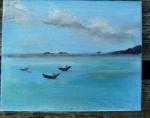
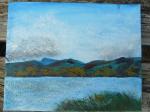
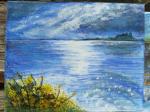
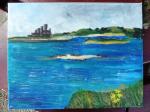
A warm thank you to everyone who came along on Saturday and Sunday, for their good cheer and for throwing themselves into the challenges of painting. Most had painted in watercolours before, but for this workshop we used acrylics since they’re adaptable.

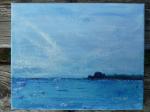
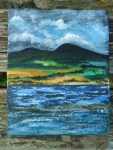
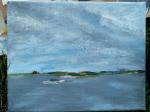
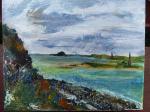
They do have their challenges though, and everyone did a fantastic job of experimP1100122enting and mastering some of the techniques I demonstrated with palette knife and fan brushes; creating highlights, atmospheric effects and building up layers to show contrast and texture.

It was a real pleasure to see the results, I think everyone captured the atmosphere of Lindisfarne beautifully – shimmering sea, cloud patterns, the vivid warm colours of the landscape in summer. I was truly impressed and delighted to see these.

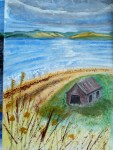
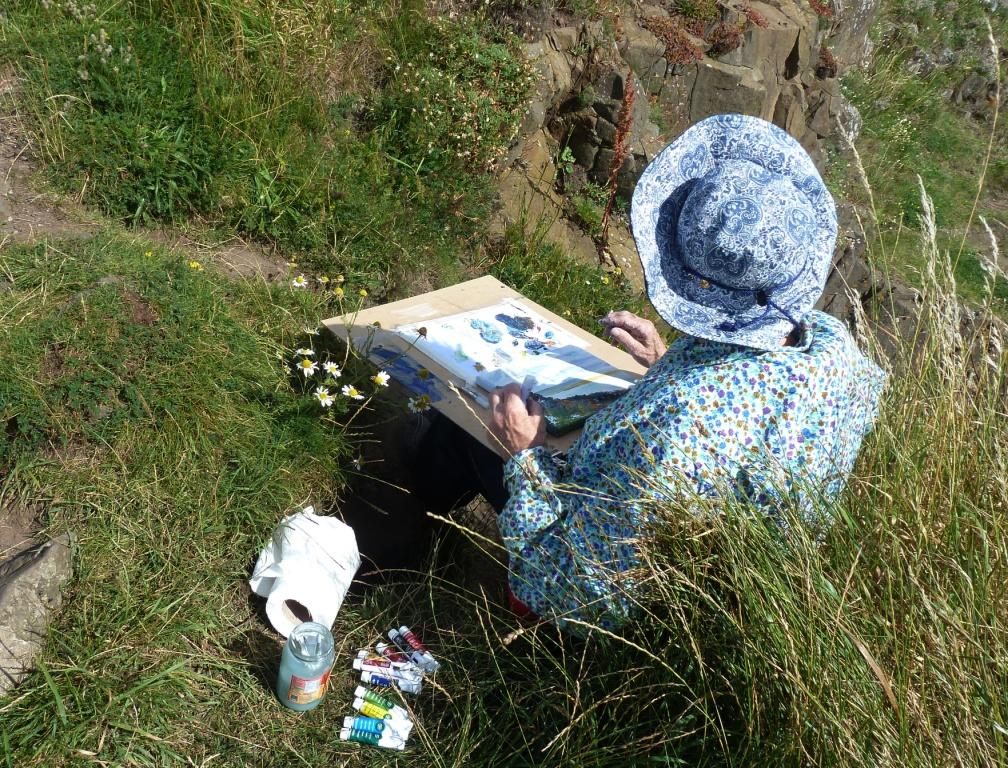
(I tried to photograph all paintings and hope I’ve included most). Here they are! –

Weather on Saturday was dazzlingly sunny, also extremely windy so we had a challenge keeping everything pinned down at some points! Sunday was calm but midgy, all part of the challenge of outdoors painting. I really enjoyed chatting and offering feedback to everyone throughout the afternoon, it was lovely to see the works in progress..

13925750_1175063979231104_1326192012714953625_o P1100101 13975295_1175064015897767_4633829433804700883_o13919997_1175062962564539_5100905536246418782_o


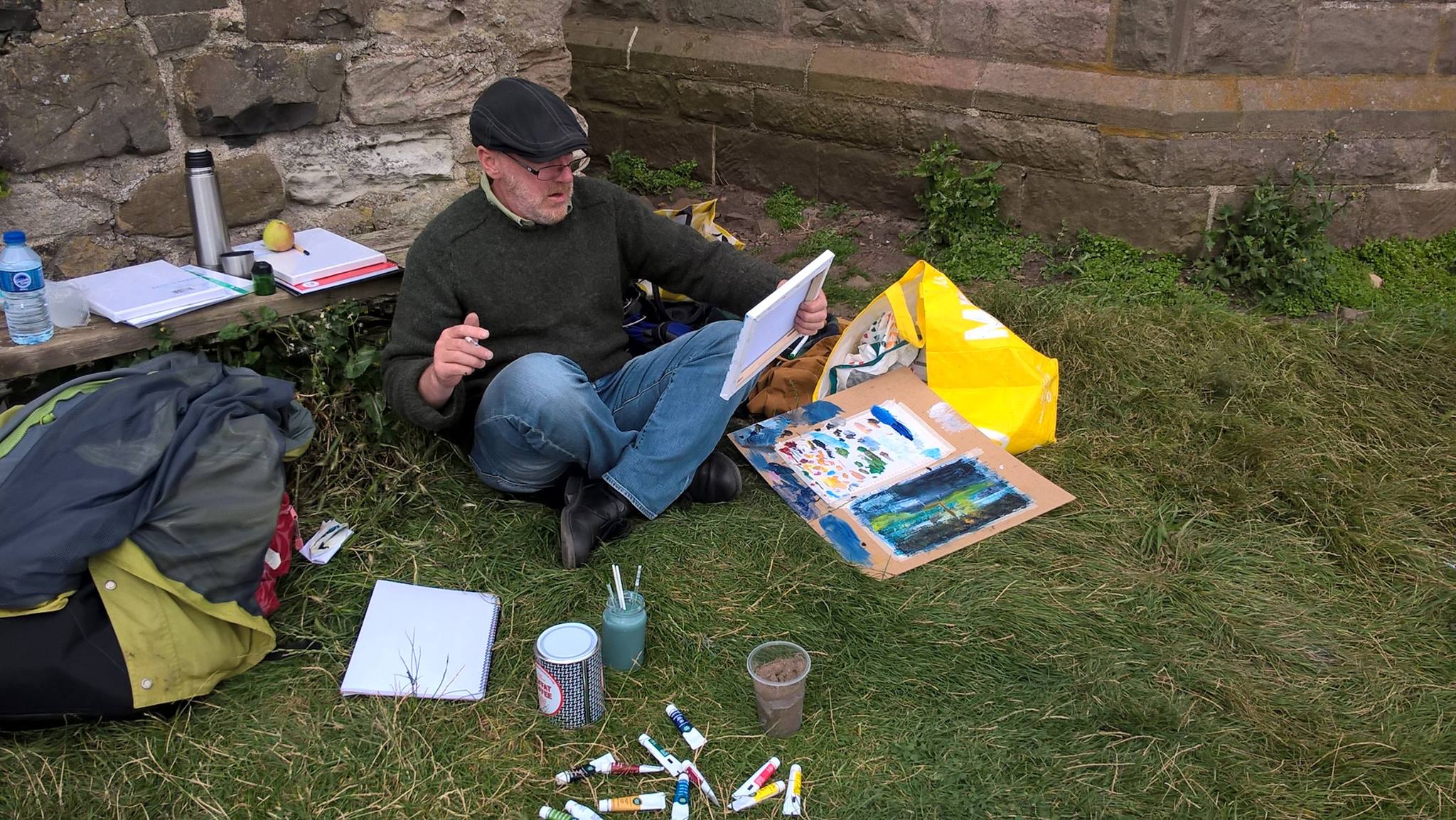
Before starting their painting for the afternoon, everyone experimented on sketch paper fixed to a large board , with some great results…


You can see the effects of drybrush, sand mixed with paint, rain effects – and sea shimmer, lovely stuff!

Ros Duncan and I are really keen to continue offering these free workshops and I’ll be posting more info here when we’ve confirmed new dates and times.

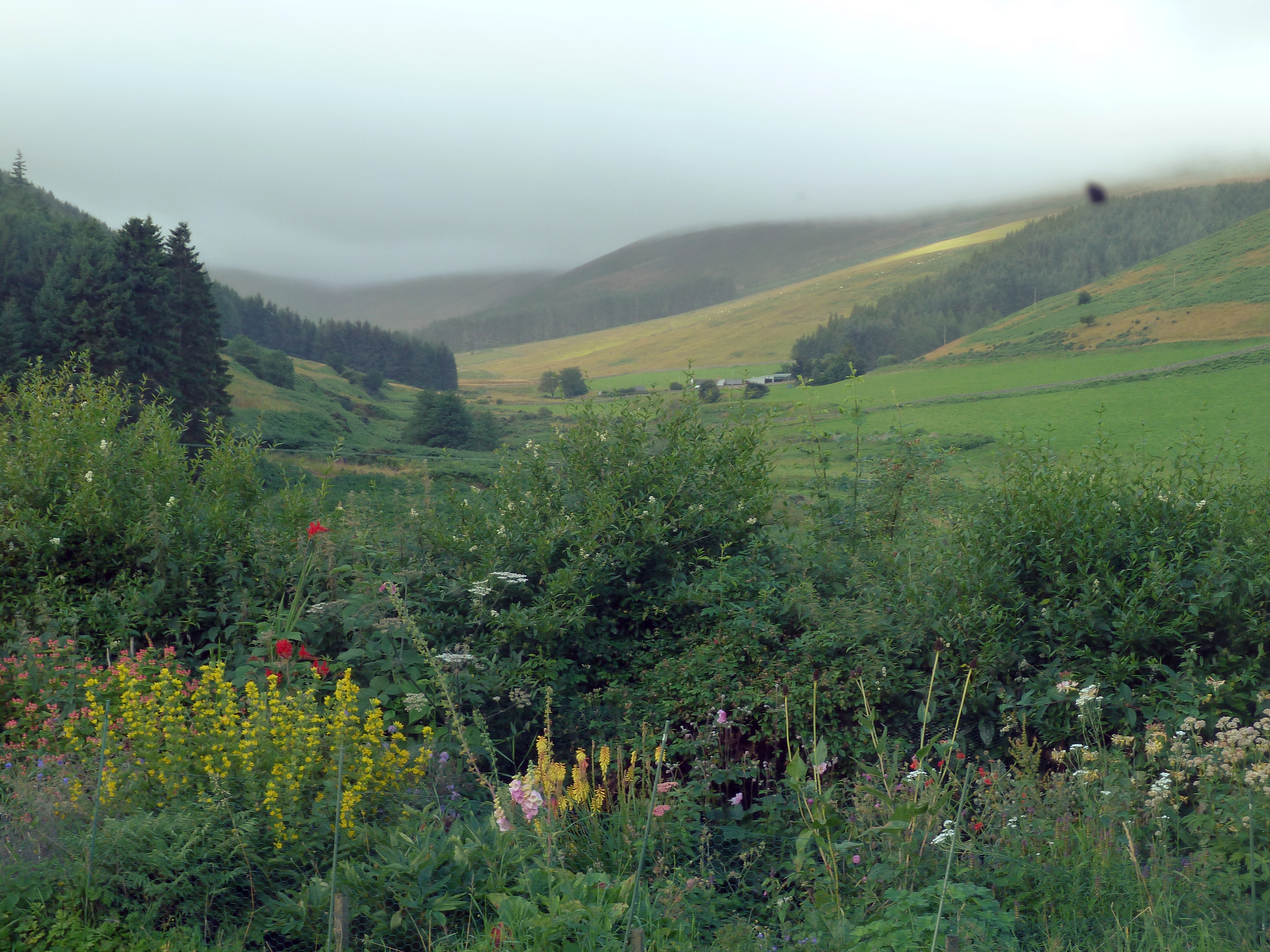
Idylic view from my bedroom window in College Valley, Northumbria

Idylic view from my bedroom window in College Valley, Northumbria

A huge thank you to the Peregrini Landscape Trust and to Ros, for making these workshops happen , also for Ros’s warm hospitality over the weekend – I had a wonderful time discovering more of Northumbria, and look forward to return visits in the near future!


If you’d like to participate in future workshops, contact Ros Duncan (Community Engagement & Heritage Education Officer of the Peregrini Landscape Trust) at – ros.duncan@northumberland.gov.uk

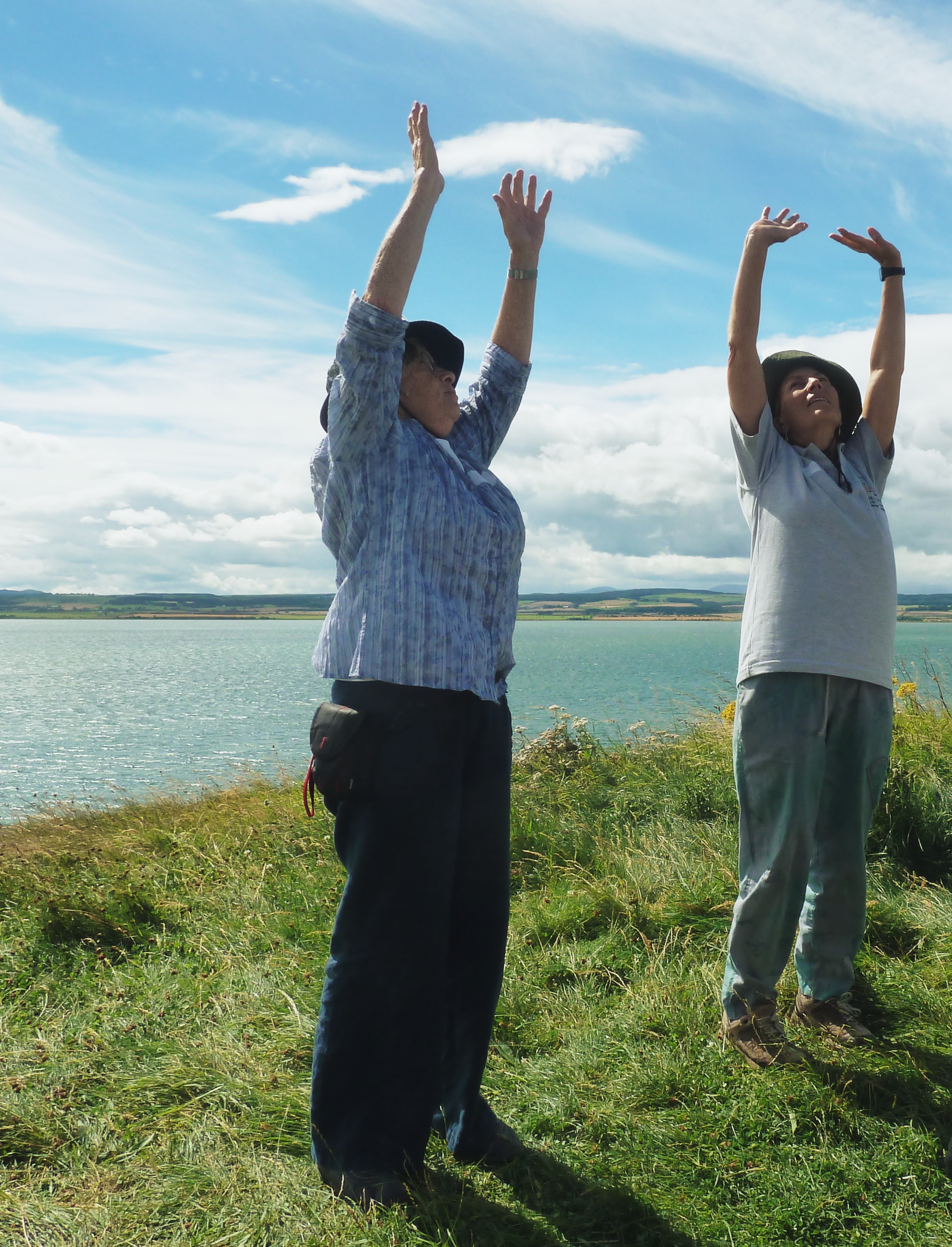
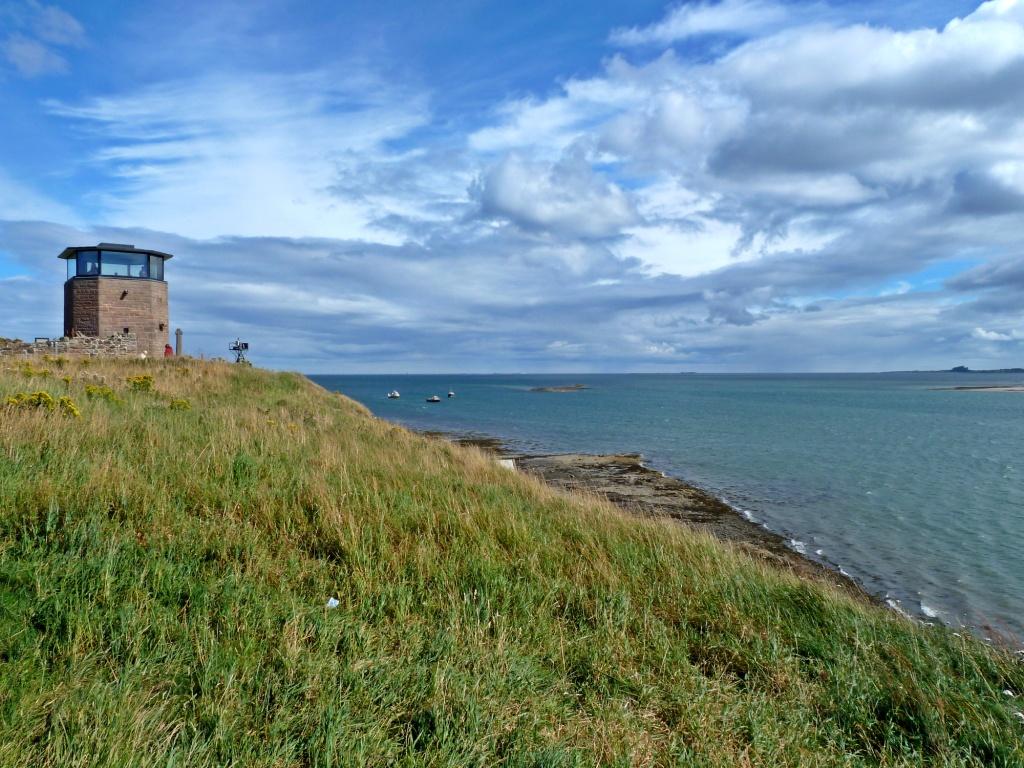
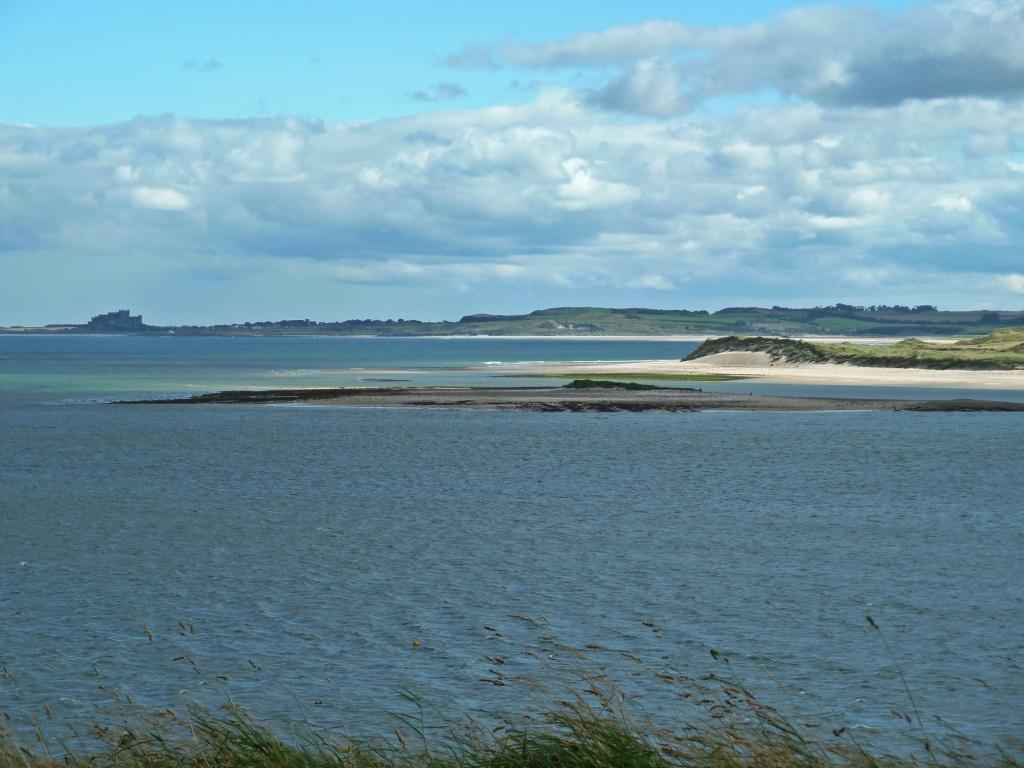
And lastly, a few more photos below from this weekend; a spontaneous Tai Gong demonstration! and the beautiful landscape of Lindisfarne…

P1100085


P1100094 P1100112 P1100107