Tag Archives: Aberlady

Forest of Luffness, painting progress 10

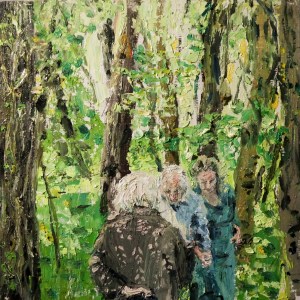
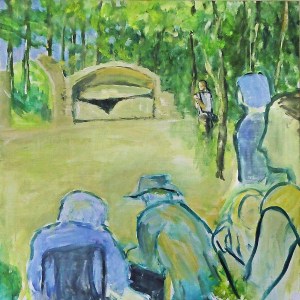
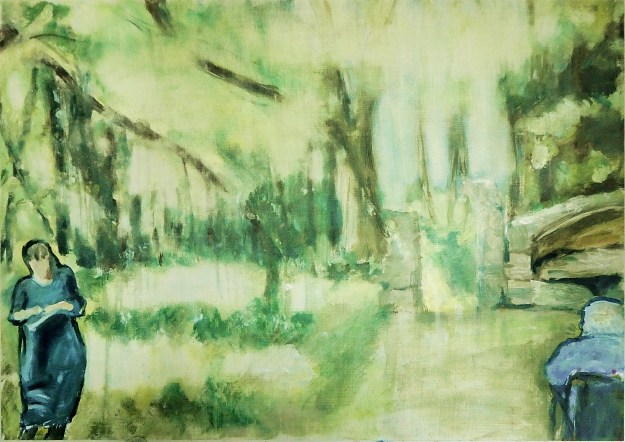
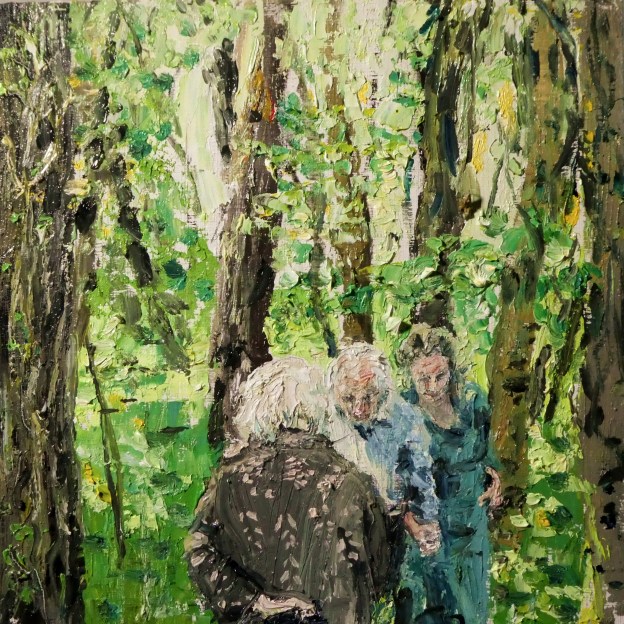
Above: First of June. Forest of Luffness 7. Oil on 12×12″ canvas. Rose Strang 2025

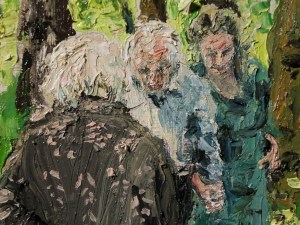
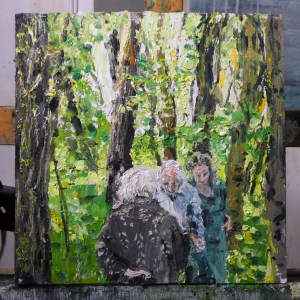
Today’s 12 by 12 inch oil on canvas sketch for the Forest of Luffness series. Also below, the same image (clickable) and a detail …

One more at this size then I’ll be on to 30×30 inch canvas, which will make life easier in some ways. It’s impossible to get more detail on faces at this small scale without getting finicky, which I don’t want.

With today’s painting I wanted to explore the sense of a group of people lost, or searching in a forest. On a larger scale it will be possible to have them smaller and more in the distance.

More on Monday …

Forest of Luffness, painting progress 6

Above: In progress – First of June. Forest of Luffness 3. Oil on 12 x 12 inch wood. Rose Strang 2024.

It feels good to be getting into the swing of a series for the first time in a while. I’ve created three so far in this First of June series, though today’s panting does need a bit more work ..

A bit more definition would help the painting and a few tweaks on the faces. The figure I’m happiest with is that of Terry Ann Newman (in the foreground with her back to us). Terry is the Deputy Director of the Demarco Trust and a very talented artist, when she finds time to paint. She’s holding a mobile in her hand behind her back, and it’s part of this series that we’re recording and witnessing the day in our different ways – there will be more of that.

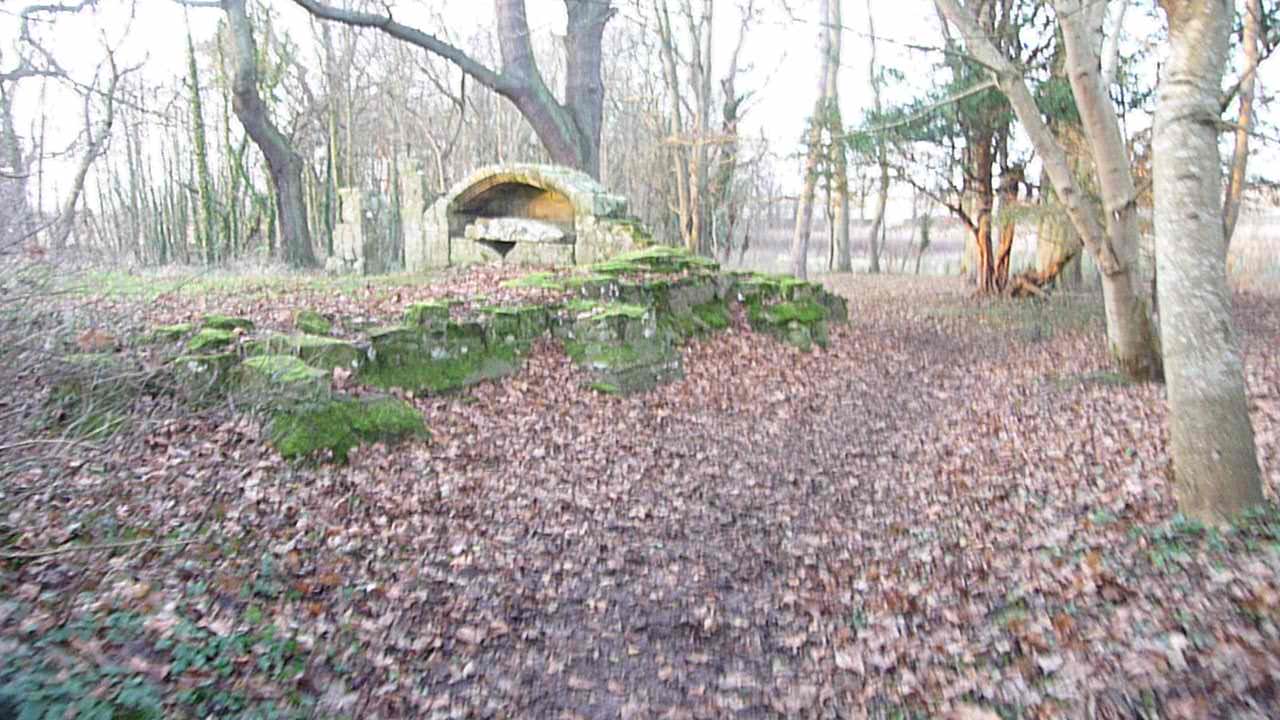
I think I’ve managed to capture the feel of Richard’s detemination and physical struggle. I remember on the day in question I was a bit worried Richard might not want to walk the path to the Carmelite friary, because at 94 walking has become a challenge and the path required struggling over uneven ground in a forest for about ten minutes. Richard was characteristically determined however! He took great delight in the dappled light, the architecture of the stonework protecting the effigy and many other aspects of the day.

I think it was partly that he’d been inspired by my description of the ruined Carmelite friary near Aberlady but also, on the day, he was telling us about Pope Pius II who in 1435 walked barefoot in the snow all the way from Dunbar to Whitekirk to give thanks for his survival from a shipwreck in the Firth of Forth.

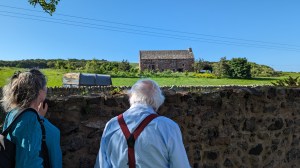
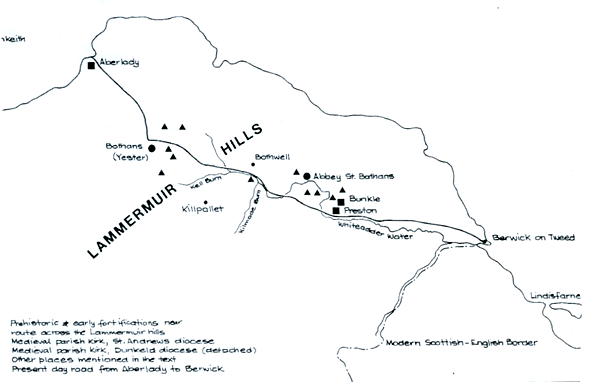
Whitekirk is just a few miles along the road from Aberlady and apart from the church, St Mary’s (which dates back to the 11th century) it also has a beautiful two-story stone building that served as a hostel for pilgrims travelling from Iona to Lindisfarne. Aberlady was an important stop on the way. After Aberlady and our visit to the Carmelite Friary, we also visited St Mary’s.

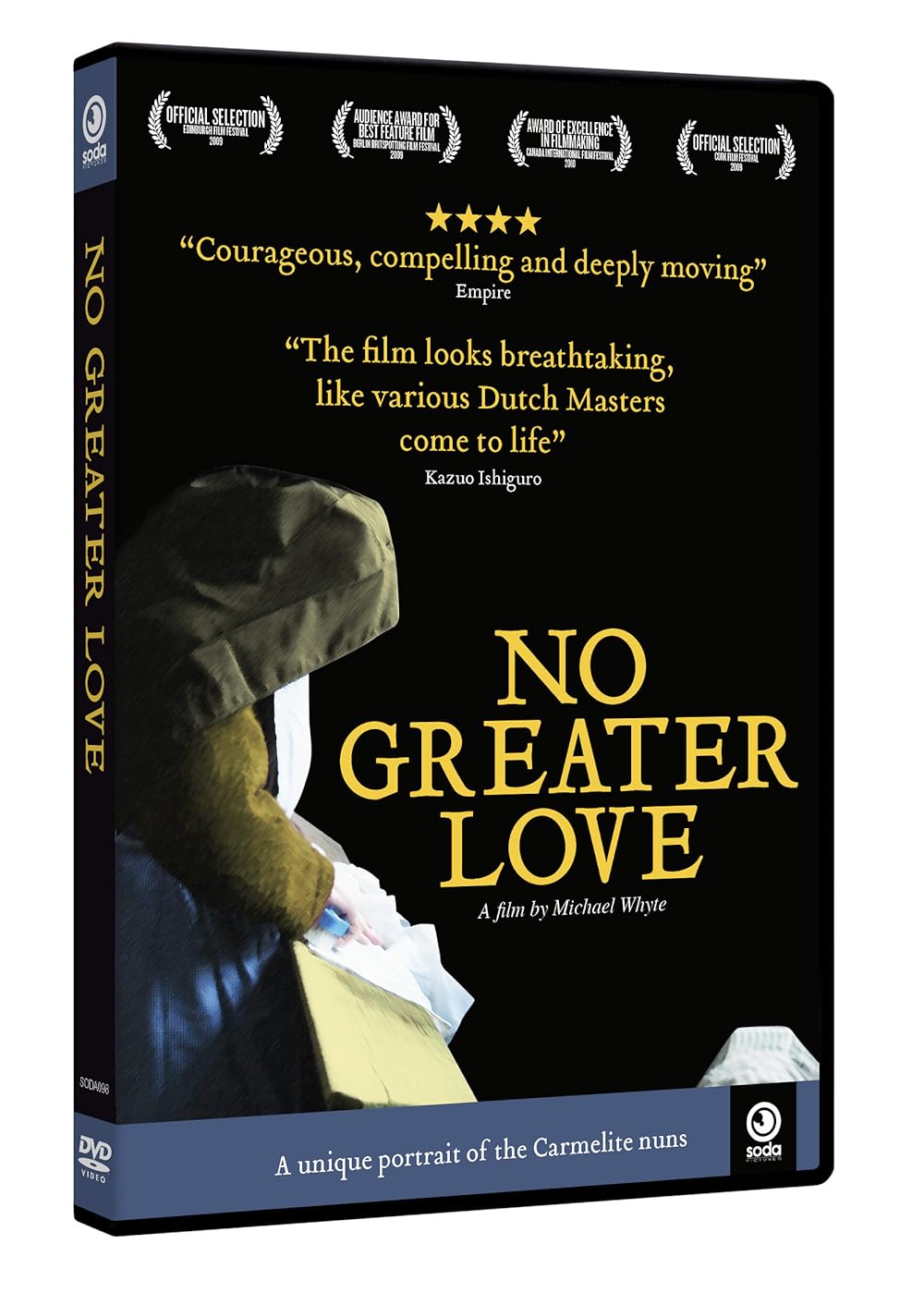
Readers of this blog might remember I took part on Landscape Artist of the Year a couple of years ago. It was fairly pointless escapade, frankly, except for meeting some nice folks (the other artists) one of whom was called Gregory Miller (artist website Here). He recently sent me a link to a film called No Greater Love, about a Carmelite Convent in Nottinghill, London.
MV5BMTk2ODc0NTAwMV5BMl5BanBnXkFtZTcwMzU5NzYzNw@@._V1_FMjpg_UX1000_

It’s worth a watch if you’re curious about their lifestyle. The footage and camera-work is Vermeer-like at times – capturing the natural light from windows and candles. It’s very, very quiet for the first half hour, then we get to know some of the nuns, what inspires them and why they’ve taken on this way of life.

It’s viewable on Amazon, not sure where else  …

No Greater Love

More painting tomorrow.
Autumn Exhibition

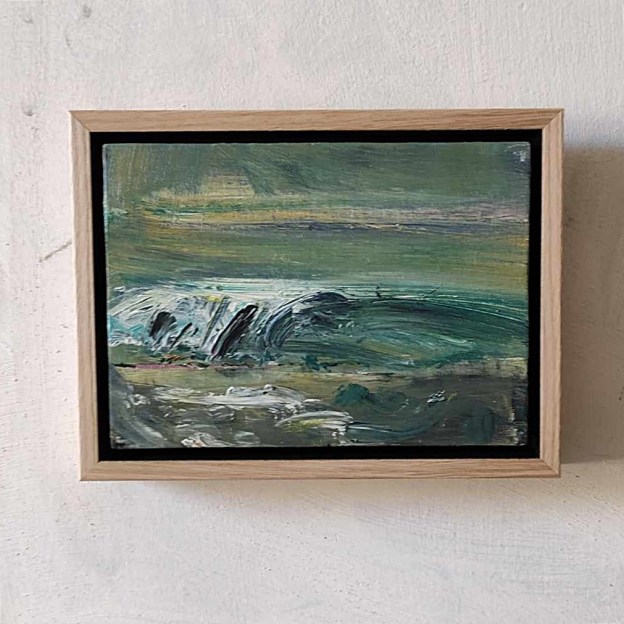
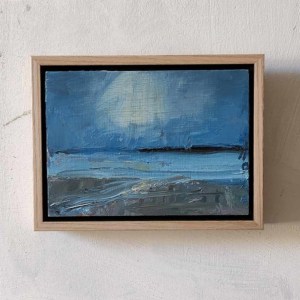
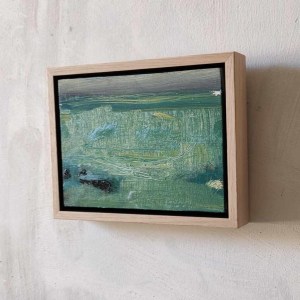
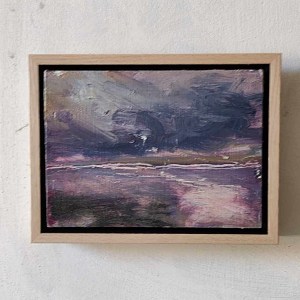
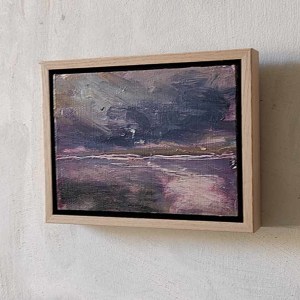
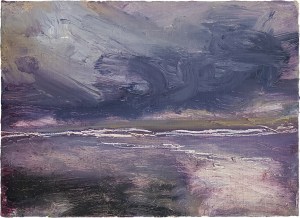
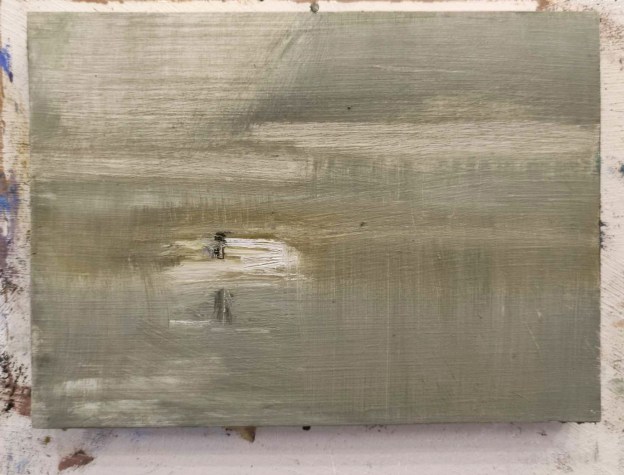
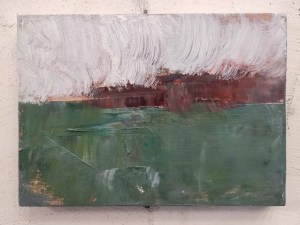
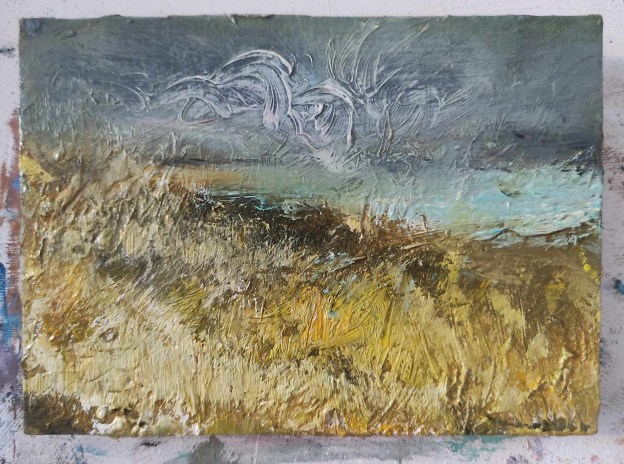
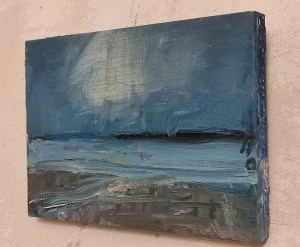
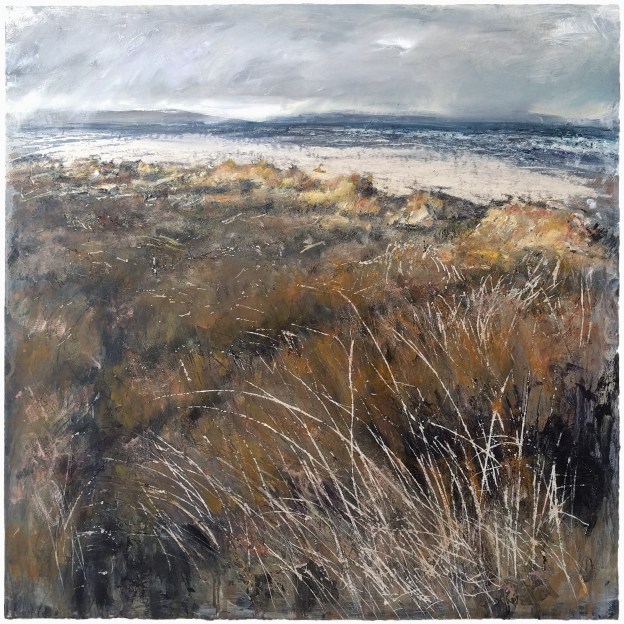
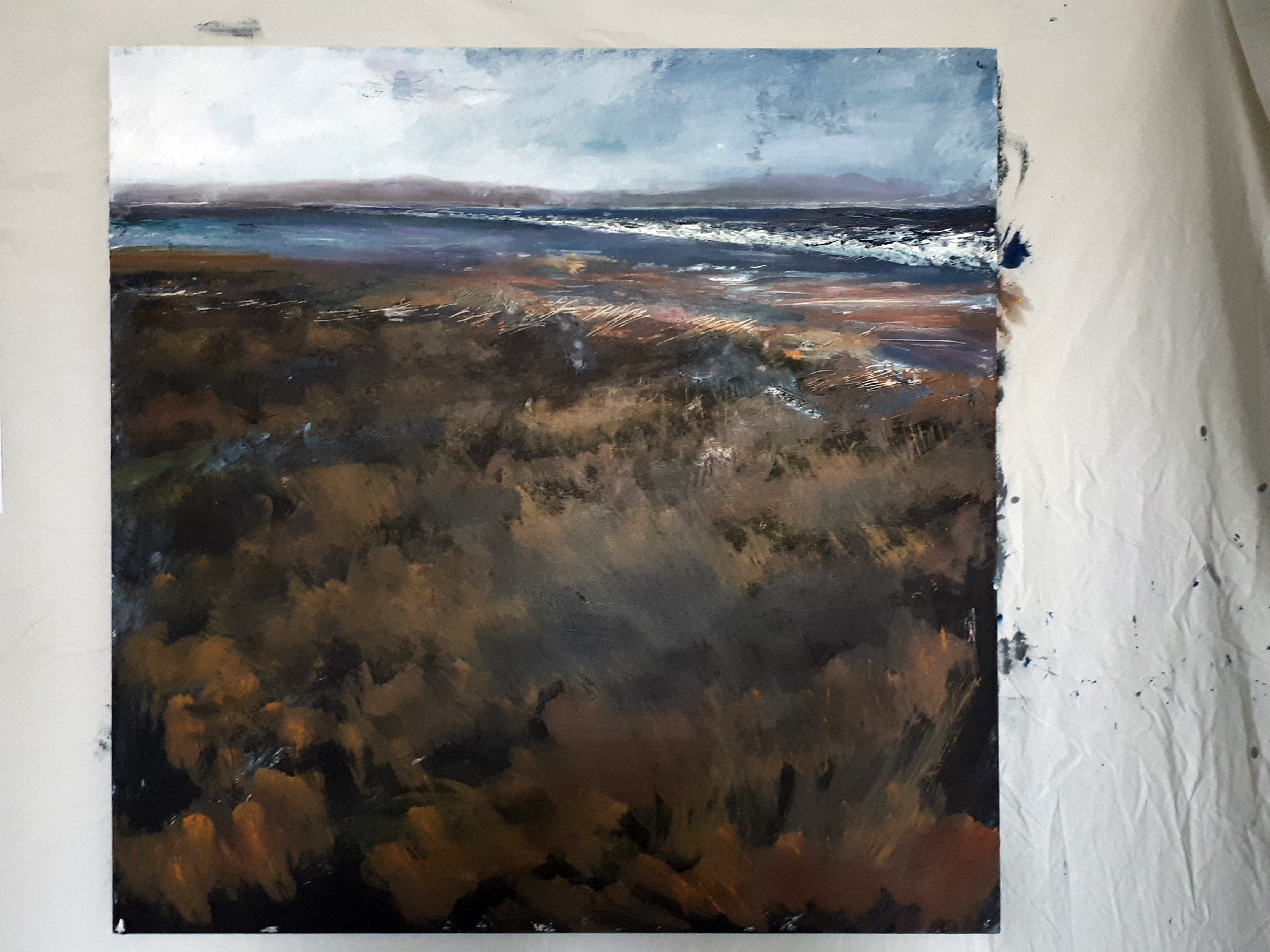
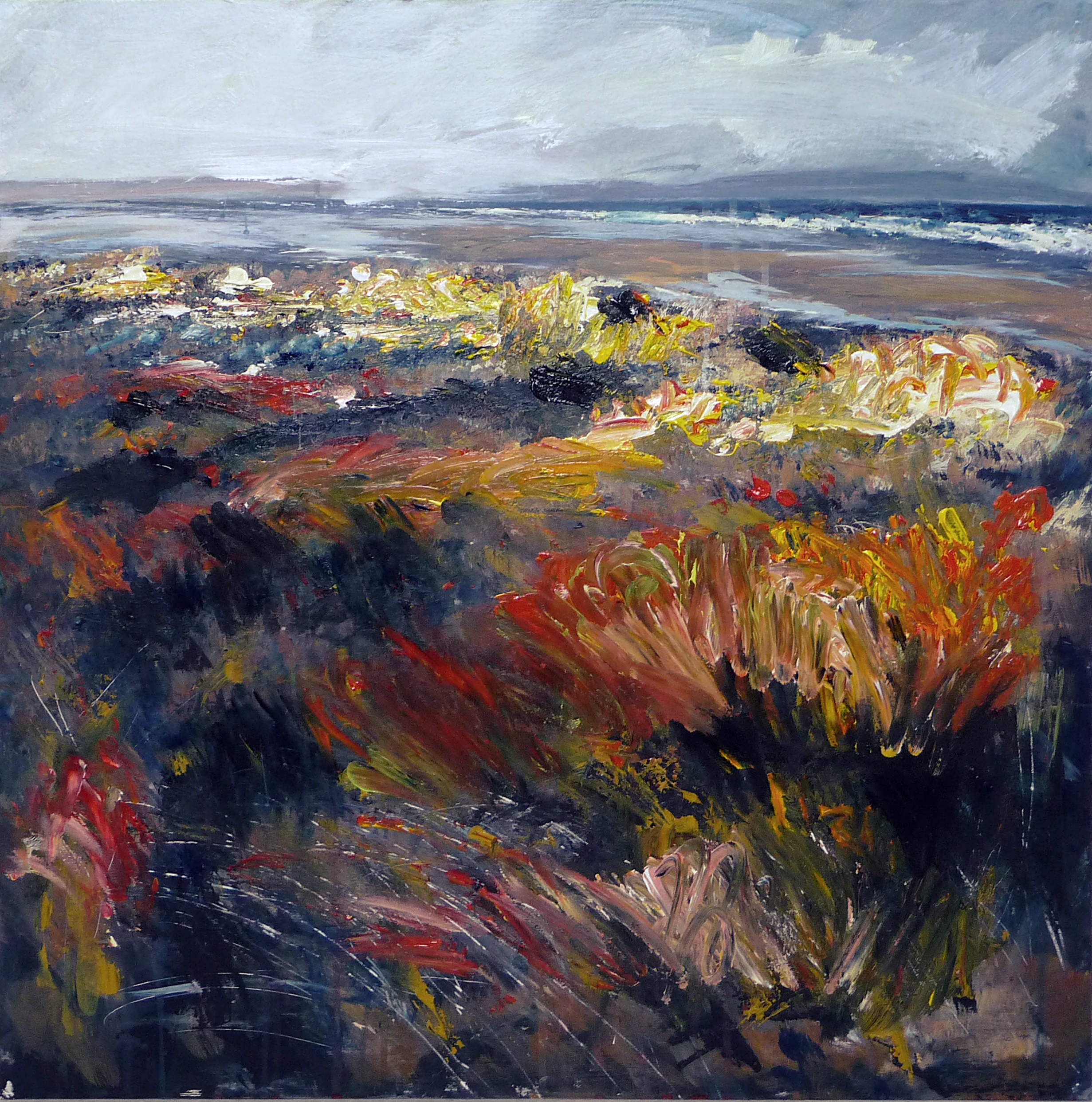
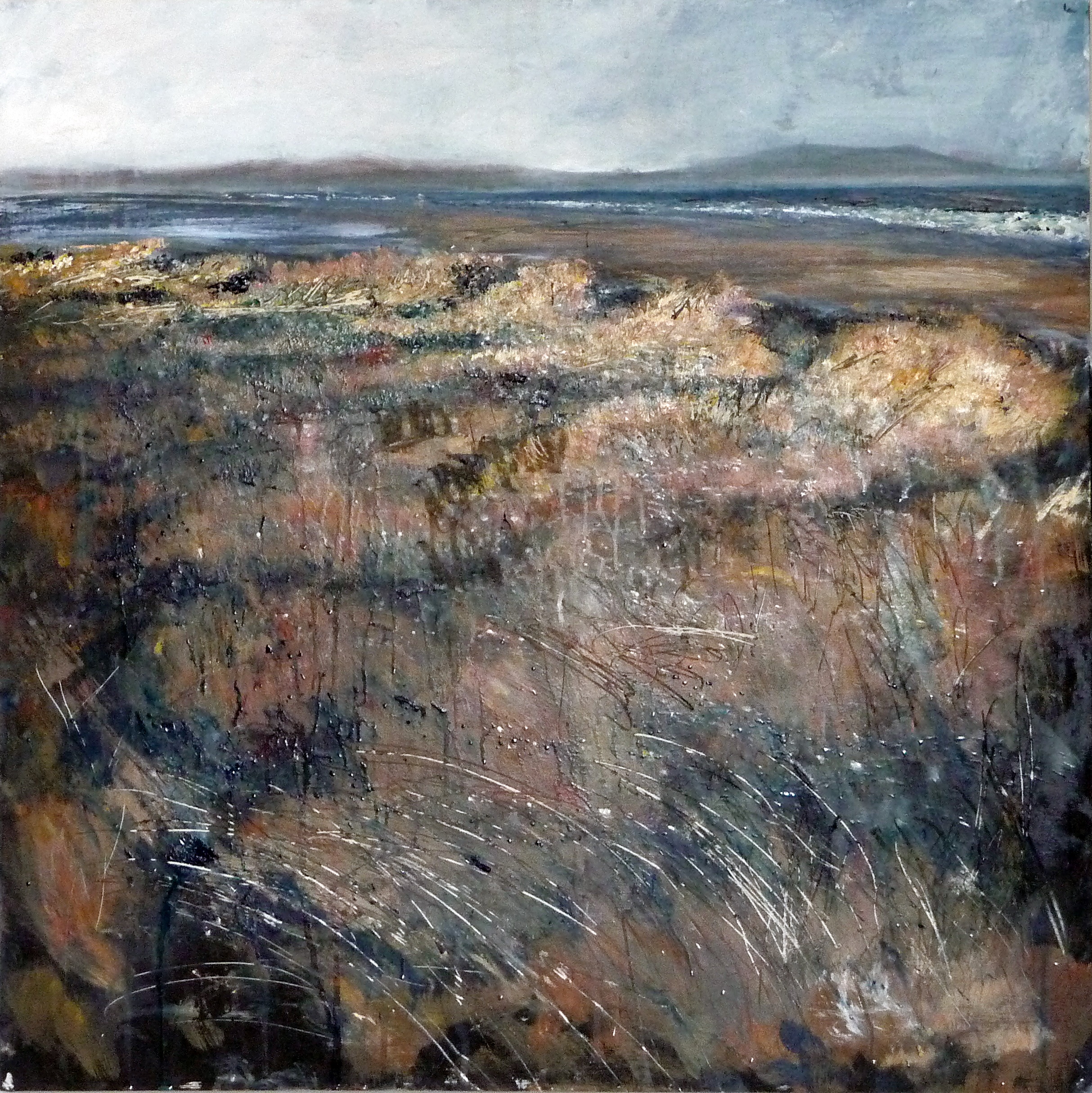
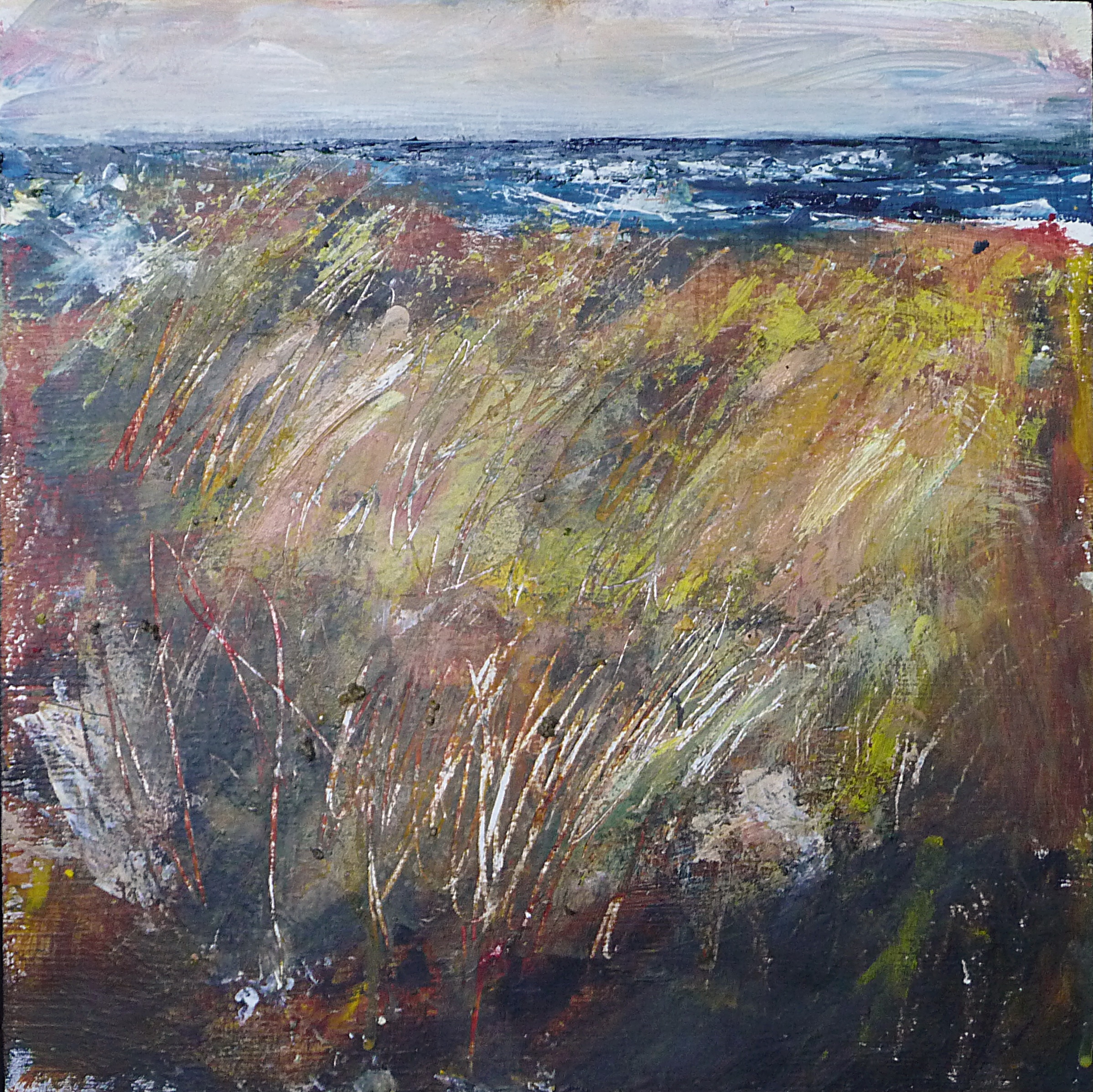
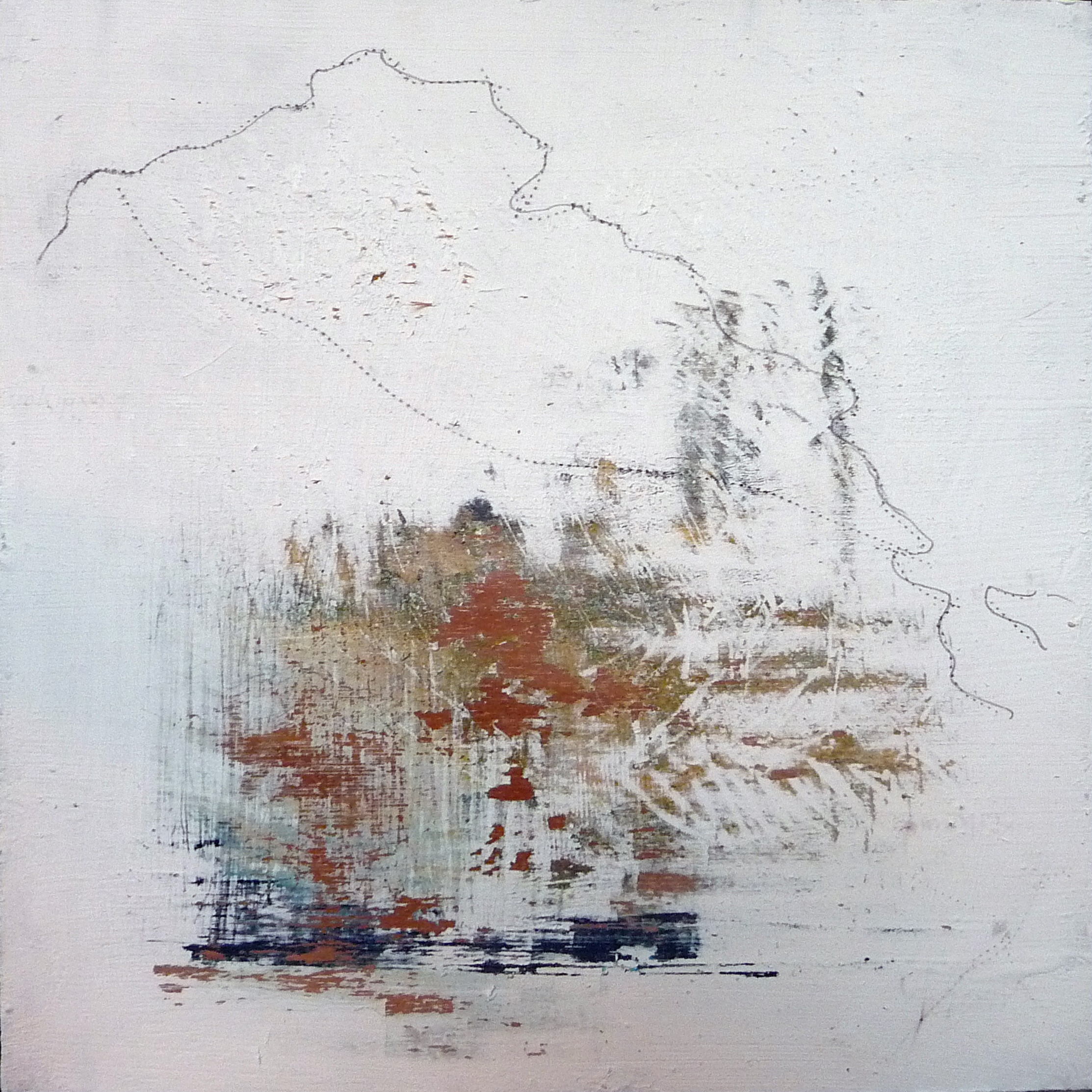
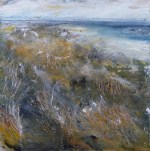
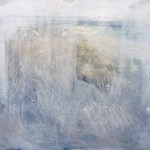
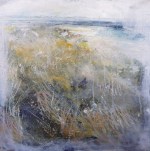
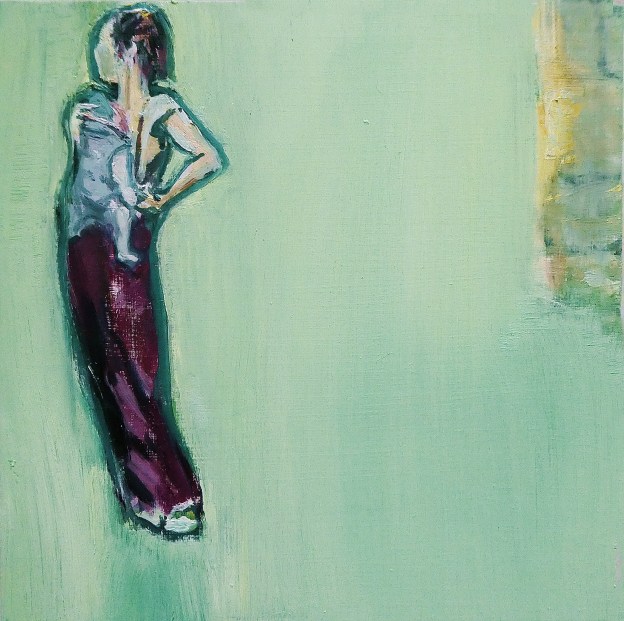
Above – Aberlady Shorelines III. Oil on 8×5.5 inch wood in oak frame. Rose Strang 2024

I’m delighted to be exhibiting these small oil sketches, framed in oak, at The Limetree Gallery this October. If you’re interested in the paintings, or would like to reserve one, please contact the gallery for details.

The Limetree Autumn Exhibition launches on the 24th October at Limetree Gallery, Bristol

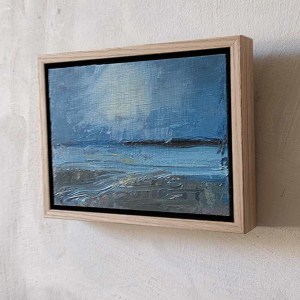
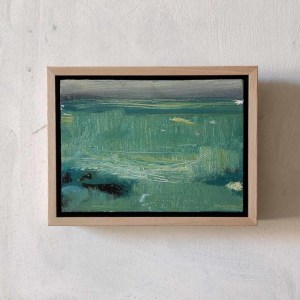
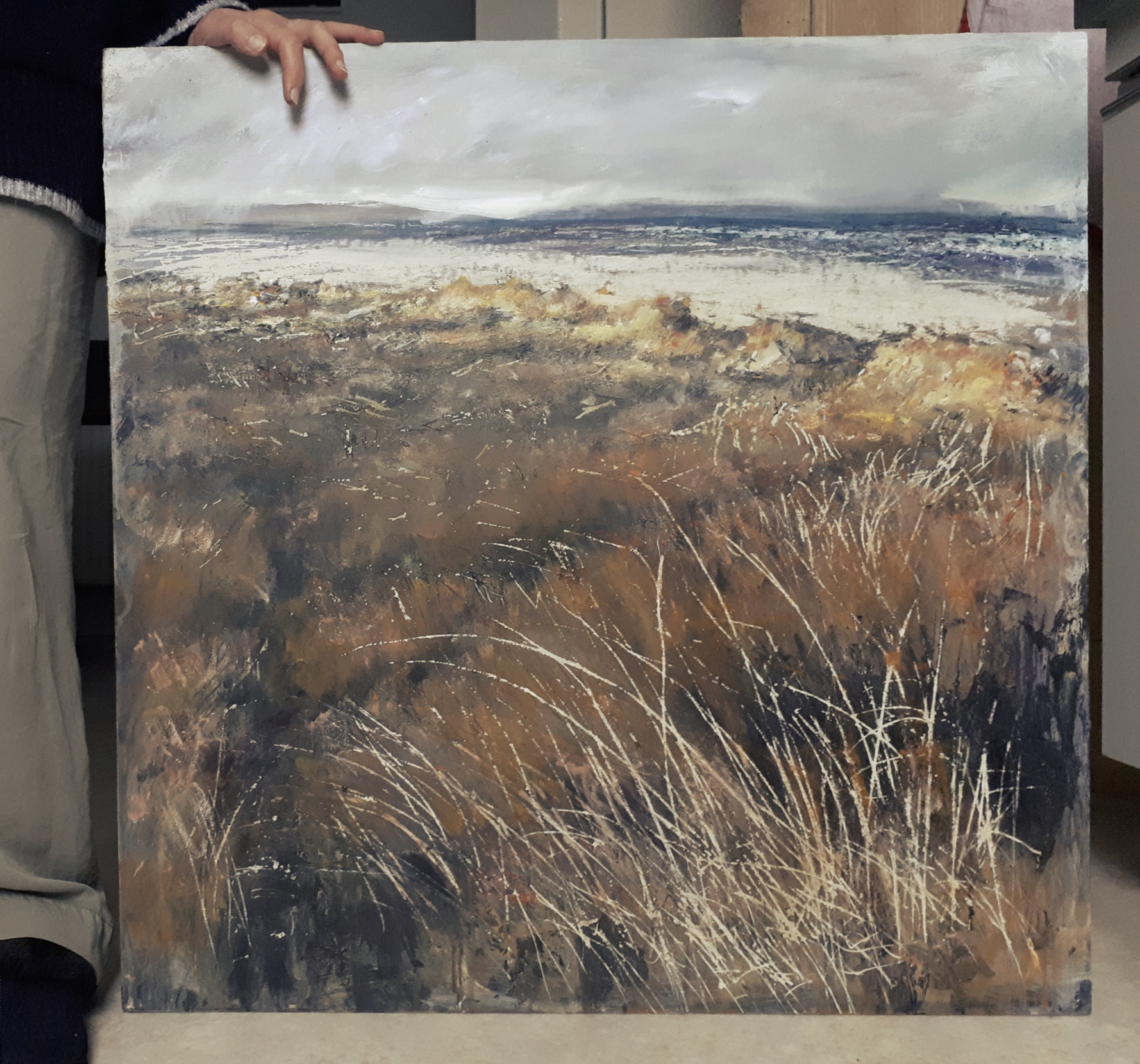
Here are a few photos I took with my mobile today, showing these lovely oak frames, then below those – at the end of this post – are more detailed photos of all the paintings available for the Autumn Exibition at the Limetree Gallery, with titles and sizes.

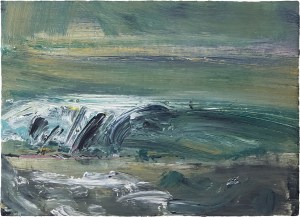
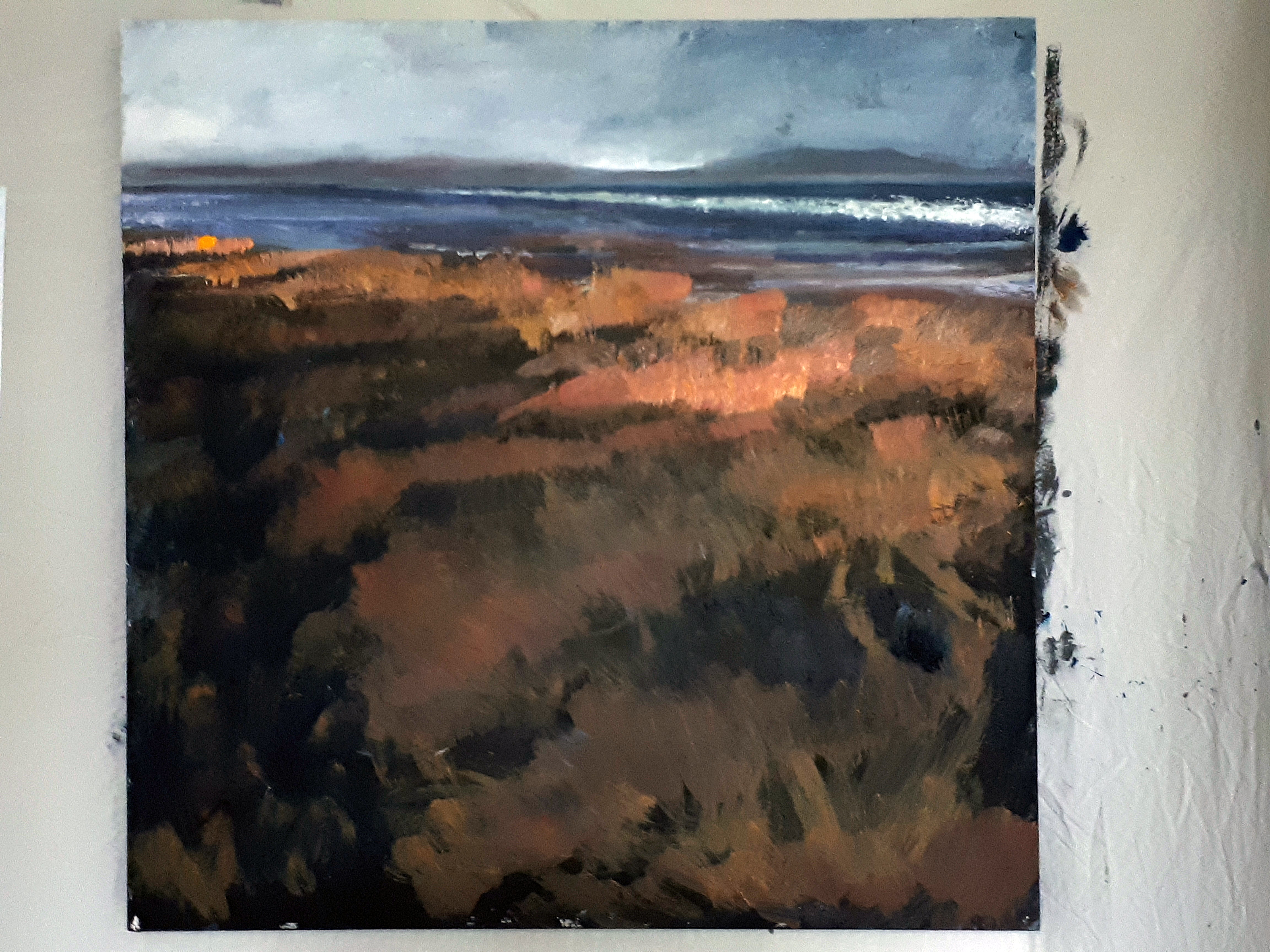
These paintings represent the start of my Aberlady-inspired series this year. They were quick oil sketches designed to capture the atmospheric solitude and moody colours of the east coast in winter, such a contrast to my later paintings of Aberlady in June this year! More on that tomorrow…

In the meantime, here are all the paintings, below, which will be on exhibition at The Limetree Gallery, Bristol. As mentioned,please contact the gallery if you’d like to reserve any of these paintings before they go on exhibition 24th October this year…

Forest of Luffness, painting progress 3

Above Forest of Luffness 4. Oil on 14×14 inch wood. Rose Strang 2024

Today’s painting (from a series in progress inspired by the presence and history of a Carmelite Friary in the forest of Luffness) features my neice holding her new born baby, standing within the Friary.

I wanted to capture the sense of strength and protection that a young mother exudes, then the style of painting changed slightly and became a bit more contemporary. Probably something to do with Emma’s outfit which was quite contemporary.

I like this as a smaller study in the series. (All four paintings from this particular summer series below). I’ve been exploring the theme of the Carmelite Friary in Luffness since January, but each set of paintings is distinct to each season.

Forest of Luffness, painting progress 2

Above Forest of Luffness 3. Oil on 33×23″ wood. Rose Strang 2024.

A few changes to the painting since my last post (both versions below) . .

P1080592

P1080615

Although the character on the left is based on me I wanted to make it more anonymous. The exagerrated outline brings something stronger to the painting and rubbed out areas bring more mystery I hope.

I think the broken archway also becomes more mysterious, with the faint blue sky enhancing the idea of a passageway.

The video I mentioned in my last blog will explore the background of this series, but more than that I think it will reveal what’s interesting about the creative process in general. A painting doesn’t just involve the artist in their studio, but rather many experiences, involving many people. It’s not simply created to make money, or it shouldn’t be at least!

I think it was just a matter of time before I brought people into my landscapes. I’ve always loved figuratve drawing, especially line and expression of line and movement.

Before I studied for a degree in art (back in 1994) I completed the usual art and design course for those interested in becoming artists – a foundation national certificate in art and design at Edinburgh’s Telford College. Luckily while there I was taught life drawing (drawing of the human figure) by one of Edinburgh’s well known artists and teachers, Bill Gillon.

I’ve got to say he was a much better art teacher than those I encountered while studing my degree in art in later years! Every Monday we all spent seven hours intensively painting a nude model. I came to love the human body in all its manifestations ; young and old, large and small, willowy or weighty – all were fascinating to draw.

Mostly it was a process of frustration – my figures looked insubstantial, weightless, out of proportion – but over time – with Bill Gillon’s tuition and encouragement and in fits and starts, I began to make some headway.

I remember when I got a crit’ at the end of the year (always a very difficult thing for a budding artist!) and I glowed with happiness when he described a couple of my life paintings as ‘real crackers!’. He wasn’t so positive about some of my other work – namely a painting of a tedious vase of flowers – ‘Why? What’s it saying?’ he demanded, quite rightly!

Back in 2016 when I was creating my portrait of Richard Demarco, Richard asked me who’d taught me drawing, I replied ‘Bill Gillon’, since I really didn’t get a tuition in drawing and painting at art college. It turned out that Bill had been one of Richard’s pupils when Richard was an art teacher!

I was sad to hear that Bill had taken ill and passed away in 2014, but it was good to see there’s now a Facebook page set up in his honour where artists can upload work inspired by Bill, or talk about their memories. I might add a link to this post.

Forest of Luffness, painting progress 1

Above – another painting in progress – from my new series inspired by the history of a Carmelite friary in Aberlady.

It needs a bit more work to express the same mysterious narrative I amied for in the last painting (below). The painting above feels too distanced somehow – a bit too pictorial if that makes sense!

P1080584

‘Forest of Luffness 2’. Oil on 40×40″ wood panel. Rose Strang 2024

I’m calling this particular series ‘Forest of Luffness’ not just because I like all those ‘F’ sounds! But also because this particular series is all about the magic of that forest in May and June, whereas the paintings from earlier this year, in winter, were far darker in tone and subject matter, which I find is always the case with my paintings seasonally.

Hopefully I’ll find time to paint and post on this blog tomorrow, if not it’ll likely be Wednesday. I’m also going to post some updates on an upcoming documentary aout this series, which is being created by videographer/filmmaker Manuel Pennuto, it’s pretty exciting – more on that next week!

Painting process – finished painting

Here’s the seventh video showing the process of a painting (which I’m calling ‘The Path’ for now) from my new series inspired by the remains of a Carmelite friary in the mysterious forest of Luffness.

I’m talking here about what my intentions were in making the painting – facing our mortality, protecting life and experiencing the wonder of life. I might just call this painting ‘The first of June in the forest of Luffness’ but I’ll have a think!

These videos are also posted on my instagram which is findable under ‘Rose Strang art’

Painting process 6 – nearly finished!

Here’s the sixth video showing the process of a painting (which I’m calling ‘The Path’ for now) from my new series inspired by the remains of a Carmelite friary in the mysterious forest of Luffness.

I’m talking about a couple of dilemmas here that came up – mostly how to make decisions that keep the panting loose without overworking it.

These videos are also posted on my instagram which is findable under ‘Rose Strang art’

More oil sketches …

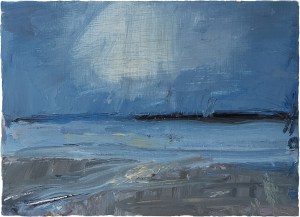
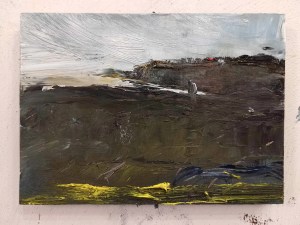
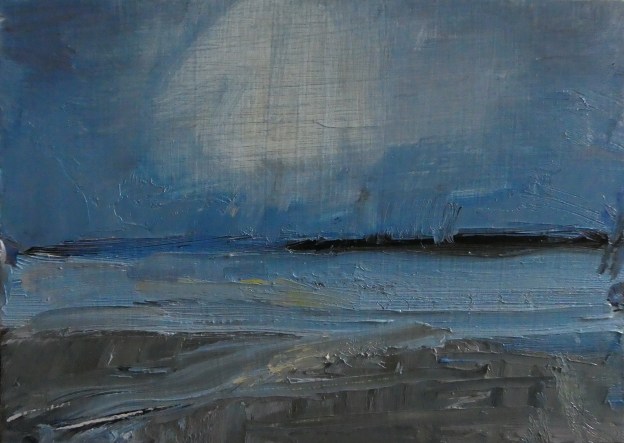
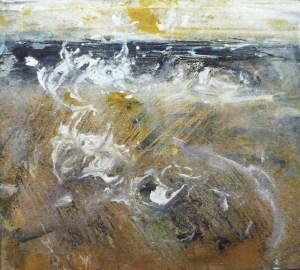
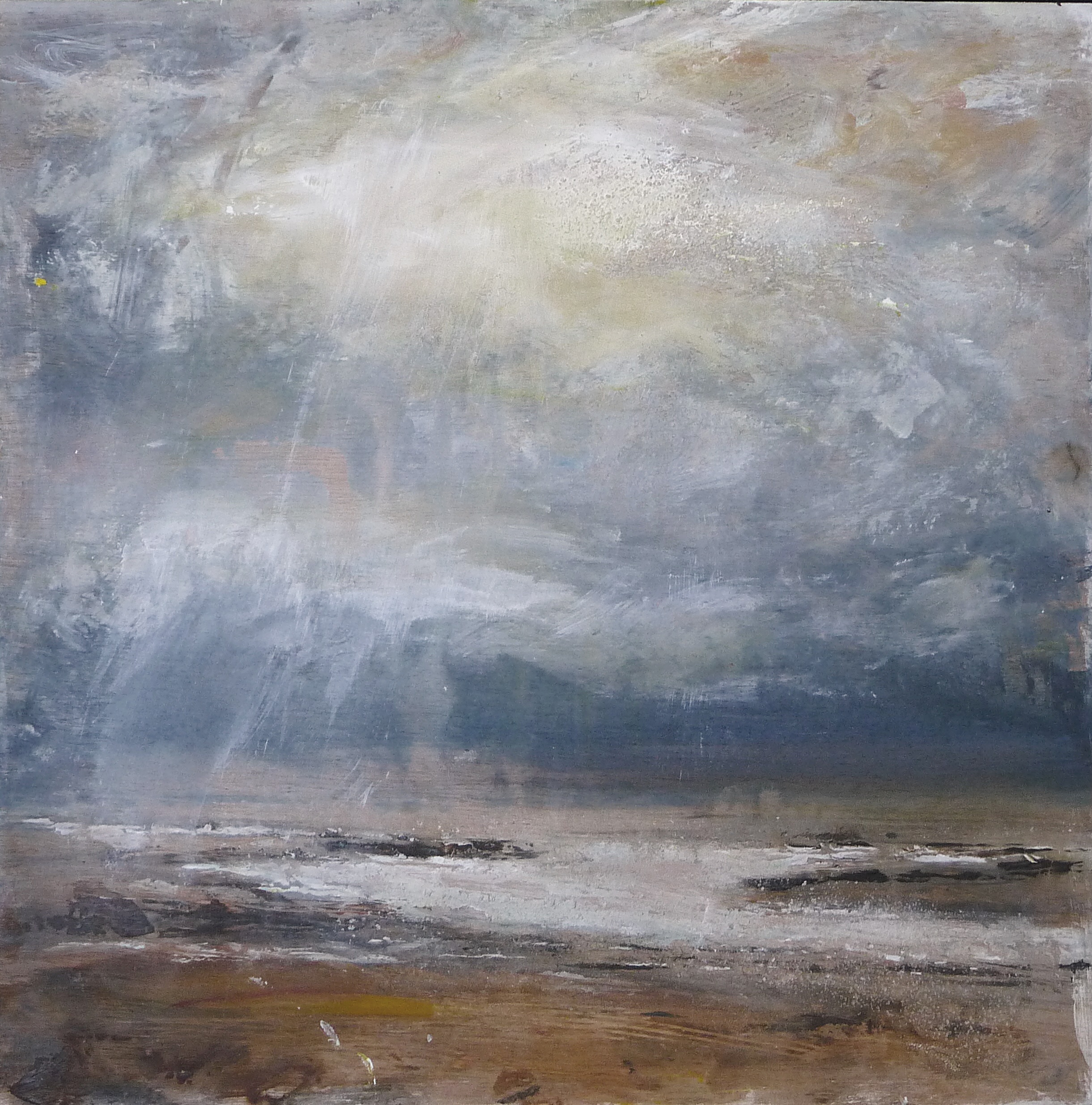
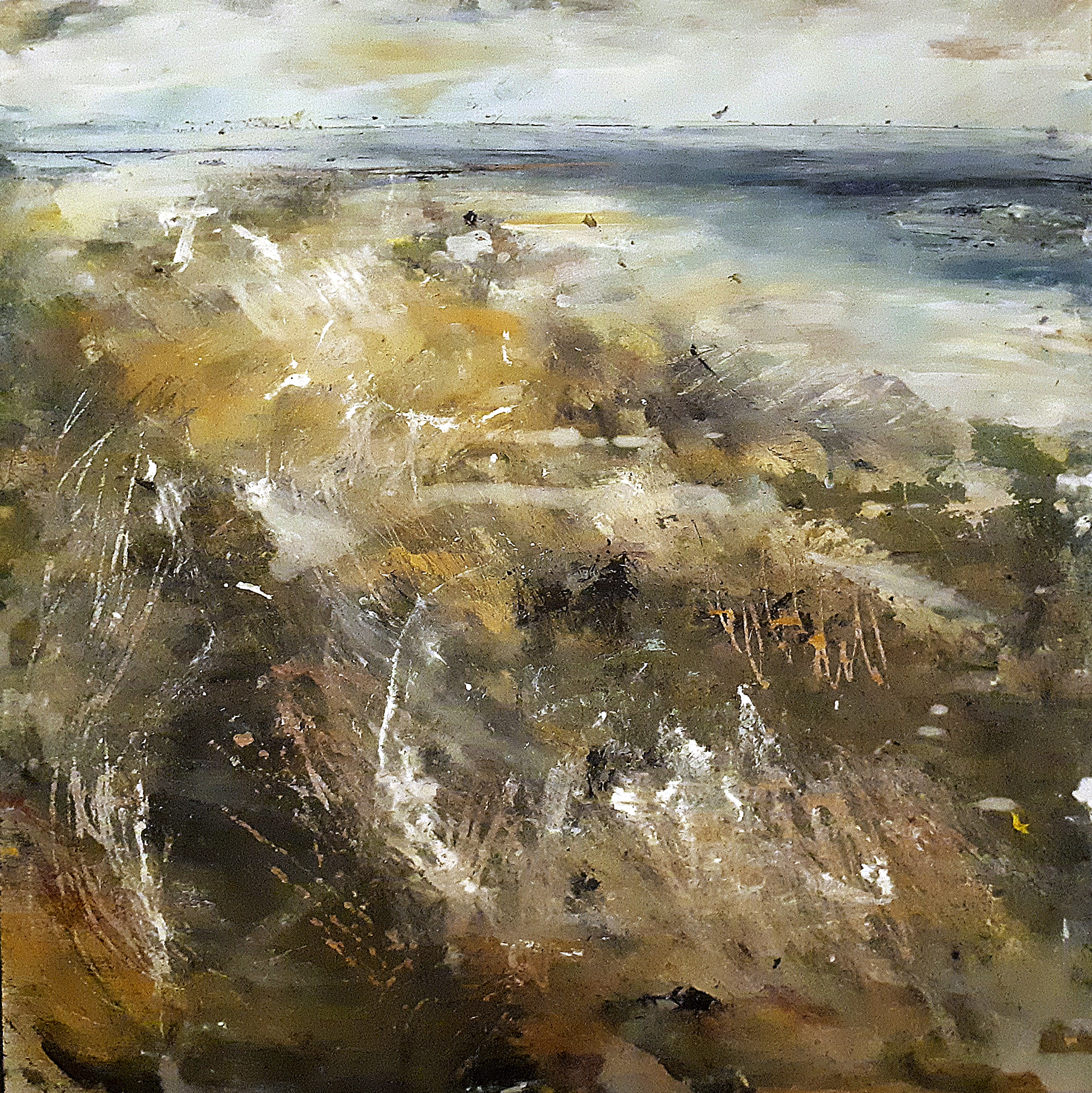
Above: Shorelines, Aberlady. I. Oil on 8×5.5″ wood. Rose Strang 2024

More oil sketches in progress today inspired by the shorelines and moods of Aberlady…

For my experimental paintings and ideas I’ve been working at this size for some time and it really works for me in terms of loose brushwork. It would be a bit of a nightmare to work at a larger size with this more experimental messy approach – that would be a lot of oil paint going to waste when it doesn’t work (which is often!) and a lot of physical energy and time expended.

It’s been a while since I posted a video of my working process. I’m very forgetful of such things but people seem to enjoy them, so one of those coming up soon.

I’m also still working on my Carmelite monastery and Crusader’s tomb series (see older posts) which are very different in feel to these smaller landscape paintings. I love the freedom of my smaller landscape paintings, but I think I have something more to say as an artist so I’ll be persevering with that series over the coming weeks. It’s important to get out of my comfort zone and dig a bit deeper …

Oil sketches …

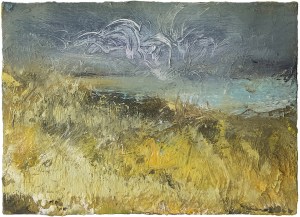
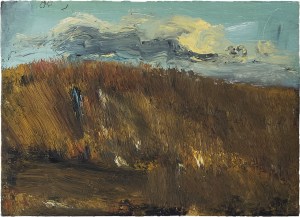
Above: Aberlefdi. Winter I. Oil on 8×5.5″ wood. Rose Strang 2024

These are some oil sketches I’ve been working on as part of a general series this year which explores the history and landscape of Aberlady in the south of Scotland.

Part of the series is a deeper look at the the history of a Carmelite monastery near Aberlady, but the paintings also reflect my love of a landscape that’s deeply familar to me.

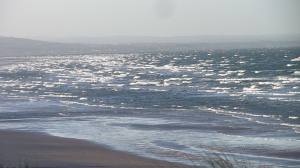
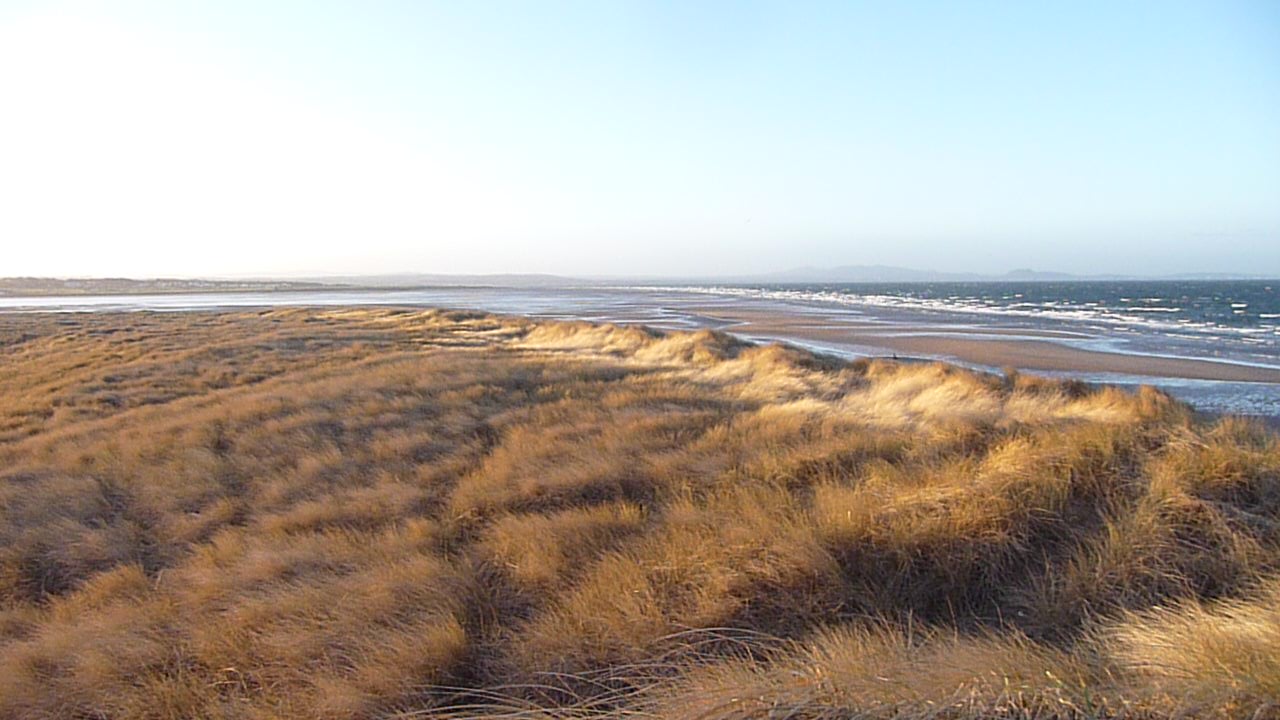
I think there’s something dreamlike about Aberlady. It might be the sheer sense of space in sky, sand and sea, but I think it’s also something I find in particular on the east coast of Scotland. Looking out to the north sea towards Norway and Denmark, there’s something haunting about the fact that about 8000 years ago we’d have been looking at Doggerland, before the series of great landslides called the Storegga Slides occurred, creating the north sea. It looks and feels very different to the soft light of the west coast of Scotland.

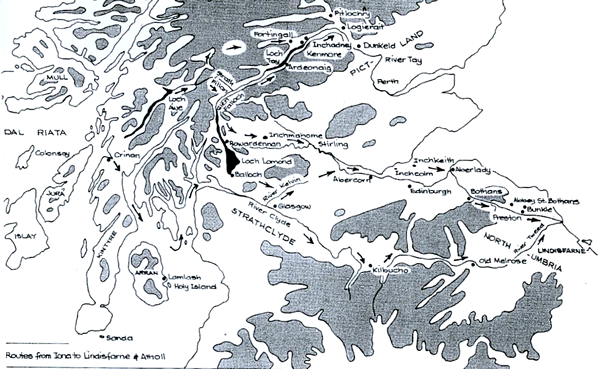
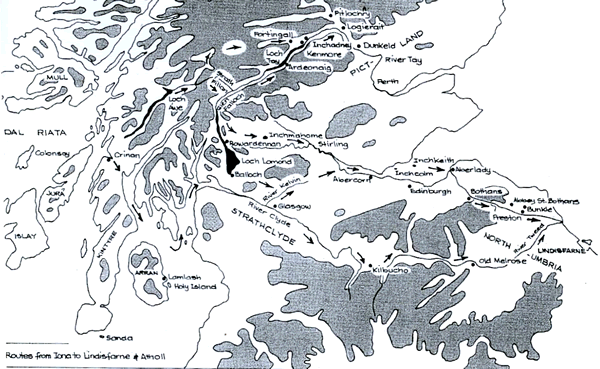
Whenever I look at paths or horizons in this landscape, I also think of journeys, and the fact that not so long ago in the days when Aberlady was called Aberlefdi (hence the title of this series of small landscapes) it was an important stop on the pilgrim route between the Isle of Iona and Lindisfarne, or Holy Isle as it’s also known. That was in around 700AD when one of St Columba’s followers called St Aiden was tasked with setting up a new monastery on Lindisfarne.

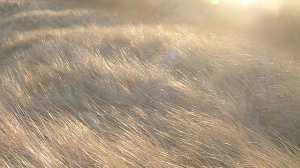
When you camp over night near Aberlady you experience all the moods of the seasons; the burnished gold of marram grass and sand in winter, the soft green of the sea and grass in June when the larks and rabbits are at their busiest, or the thunder, lightning and rainstorms on humid late summer nights.