Tag Archives: scottish painters

January Still Lifes

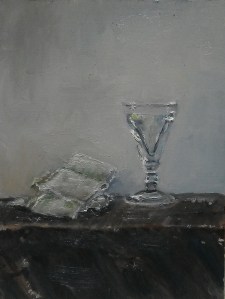
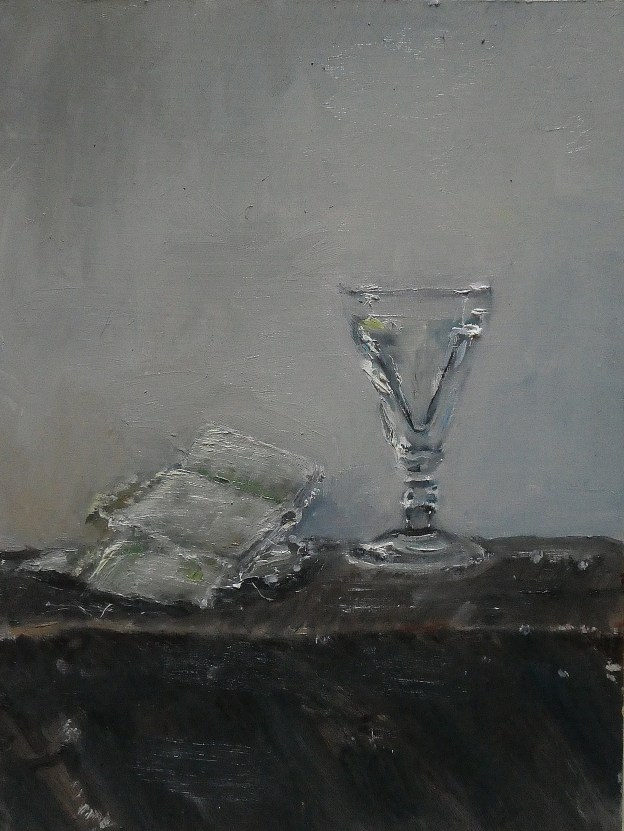
Above: 18th Century Toasting Glass with Scrap of Linen. Oil on 12×9″ wood panel. Rose Strang 2025

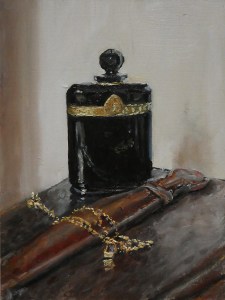
Below: Nuit de Noël (Caron/Baccarat). Oil on 12×9″ wood panel. Rose Strang 2026 and 18th Century Toasting Glass with Scrap of Linen. Oil on 12×9″ wood panel. Rose Strang 2025

Two still lifes for the Limetree Gallery‘s upcoming show; Anew which launches 20th February

“The devil is in the detail” to quote Mies Van Der Rohe!

Still lifes might seem an unusual subject for an artist mostly known for painting landscape, but to me it’s the same exploration; what the subject tells me, the presence, energy and the way light falls on form and texture.

When I paint these objects I become steeped in their story; every tiniest twist of their making, so they become alive for me. “Is a river alive?” asks the author Robert MacFarlane in his latest book. It’s a question that would have struck the 14th century mind as odd, because they believed everything was alive.

With daylight hours being shorter, I want to focus in on a smaller scale. Large canvases are suited to the long hours and energy of spring and summer. That smal panel of twelve by nine inches of wood becomes a universe; a toasting glass made from lead crystal in the 1740s, a piece of scrap linen and the way both of these objects disappear against the neutral-toned plaster wall in my studio, the tones barely differing.

Highlights on glass and the way light catches the edges of frayed cloth offer clues to what’s there, though it’s not immediately obvious on first encounter.
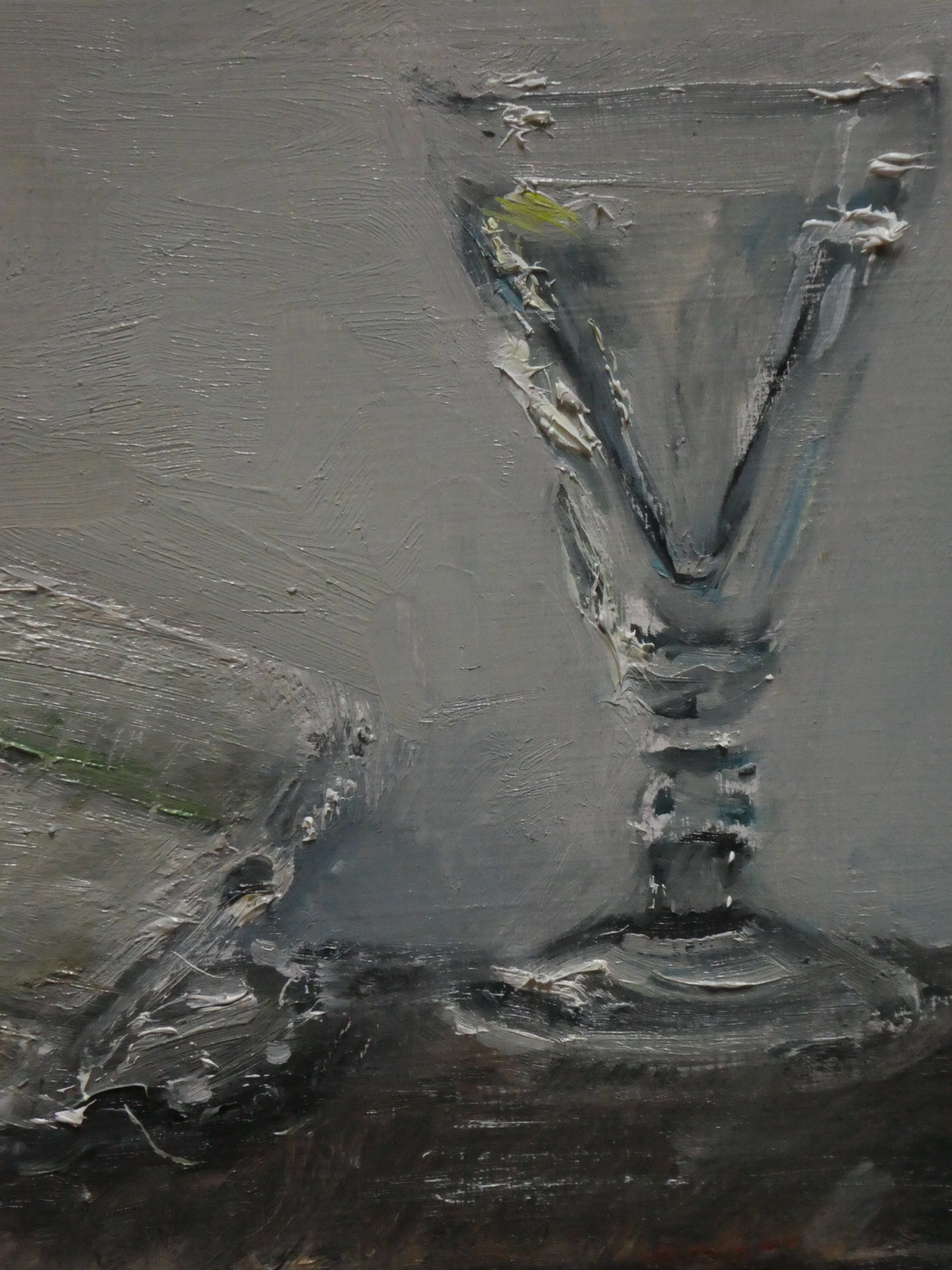
I like the humble, undeclarative amost monastic feel of it. It looks to me as though this glass lay forgotten, maybe on an old pantry shelf (how else does a fragile 18th century glass survive?) I placed it next to a strip of linen; a cut-off from canvas-making in the summer of last year.

The linen doesn’t detract from the subtlety of the glass, the neutral colour hues and the low-key, ordinary setting. The shelf is a weathered, found plank attached to my studio wall by Adam a couple of years ago.

The other painting: Nuit de Noël (Caron/Baccarat) is in deliberate contrast. The subject announces itself assertively, the glamorous black glass, designed by the house of Caron and made by high-end glass-makers Baccarat, placed on a leather vanity case on which a gold necklace with amethyst stone is draped.

The Baccarat glass bottle announces its art nouveau elegance immediately, but I suspect only the makers of this bottle, and those who obsessed over its design, can truly appreciate the beauty of its angles and the story it tells.
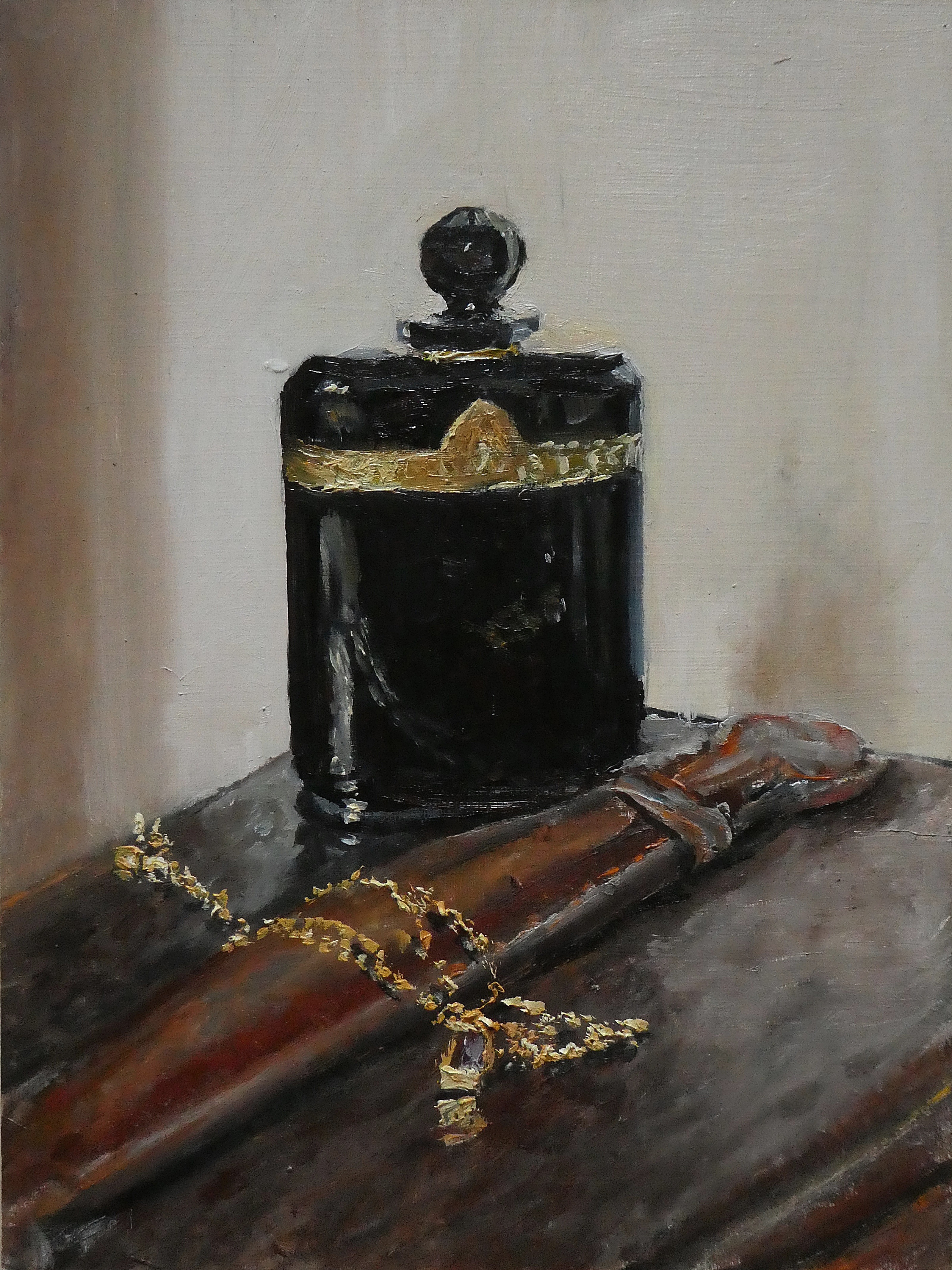
Nuit de Noël (Caron/Baccarat). Oil on 12×9″ wood panel. Rose Strang 2026

I can’t really capture them in paint in a sense, because the viewer knows it’s a painting, they don’t know if I’ve subtly tweaked those angles. In fact I’ve just tried to meticulously copy them and in the process become lost in admiration, and frustration at not being able to reproduce them perfectly!

The designer of this exquisite bottle was Félicie Vanpouille, the artistic director of perfume house Caron, also the lover and muse of Caron’s owner Ernest Daltroff, a highly talented perfumer. Ernest had the perfumer’s equivalent of perfect pitch; the ability to remember thousands of individual scents in order to compose a perfume (an absolutely neccessary skill to become a talented ‘nose’).

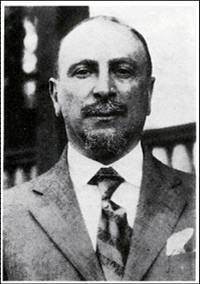
Daltroff created a perfume to evoke Félicie’s favourite time of year, Christmas eve, hence the title Nuit de Noel. I know from descriptions that the perfume is darker than might be expected, more sombre, with a dark Mousse de Saxe (Saxon Moss) base and heart, lightened with sweet floral accords.

It was meant rather to evoke a more introspective Midnight Mass mood than the festive oranges and cloves aesthetic we might expect from a winter perfume.

(I will in fact be sampling it soon as I’ve just ordered 1.5 ml from a reputable vintage perfume sample company. For those interested in my life as a perfume sampler and writer of stories inspired by perfume, have a look at my new Substack page here – Rose Strang. Substack )

Most poigantly, this little bottle captures a perfect moment in time; two sparklingly talented people met, fell in love, worked together and became inseperable as lovers, mutual muses and business partners.

It’s impossible to extract Caron myth and legend from fact when it comes to the finer details of their relationship, but what I do know is that Ernest Daltroff and Félicie Wanpouille created Nuit de Noel (perfume and bottle) at the height of their love affair, though really it was much more than an affair, they were together perhaps twenty years.

It was no doubt described as ‘an affair’ at the time because relationships outside of marriage were believed to be sinful and usually caused a great scandal. Nonetheless, Félicie signed herself Madame Daltroff in all busines correspondence.

It’s suggested she wished to marry Ernest, but he refused, or vice versa. What’s known for sure is that, while he’d been born into wealth and privilege, she had been born into poverty. She had nothing but talent and wit. When they first met she’d already established herself as a designer in Paris. It’s a classic 1920s tale really from the depression era; women were becoming somewhat more emancipated, yet, if they married their money was no longer theirs. Not a great prospect for a woman who had experienced the instability and hunger of terrible poverty.

Around the time that Nuit de Noel was created, Ernest and Félicie signed a 50/50 ownership ‘Tontine’ agreement. This meant that if one outlived the other, the survivor would inherit the wealth and ownership of Caron, but just four years later, Félicie married another man and had moved out of the flat she shared with Ernest.

In some accounts, he’s described as devastated by this change. It leads me to speculate on whether they’d had a falling out. Had he refused to marry? Or had she refused, knowing that to marry would mean handing over the stability and everything she’d worked so hard for?

Interestingly, her husband appears to have been seventeen years younger than her. And when Ernest finally married, years later, at the age of 65, his new wife, Madeleine, was also twenty years younger.

When Ernest and Félicie were together, they’d often visit the Bellagio (in the beautiful area of Lake Como, Italy). I find it telling that decades later, just a year before his death, Ernest Daltroff visited one last time before leaving for the US. As a Russian with Jewish origins he was in danger from the Nazi occupation of France. He moved to the US with his new wife Madeleine and died just a year later in 1941.
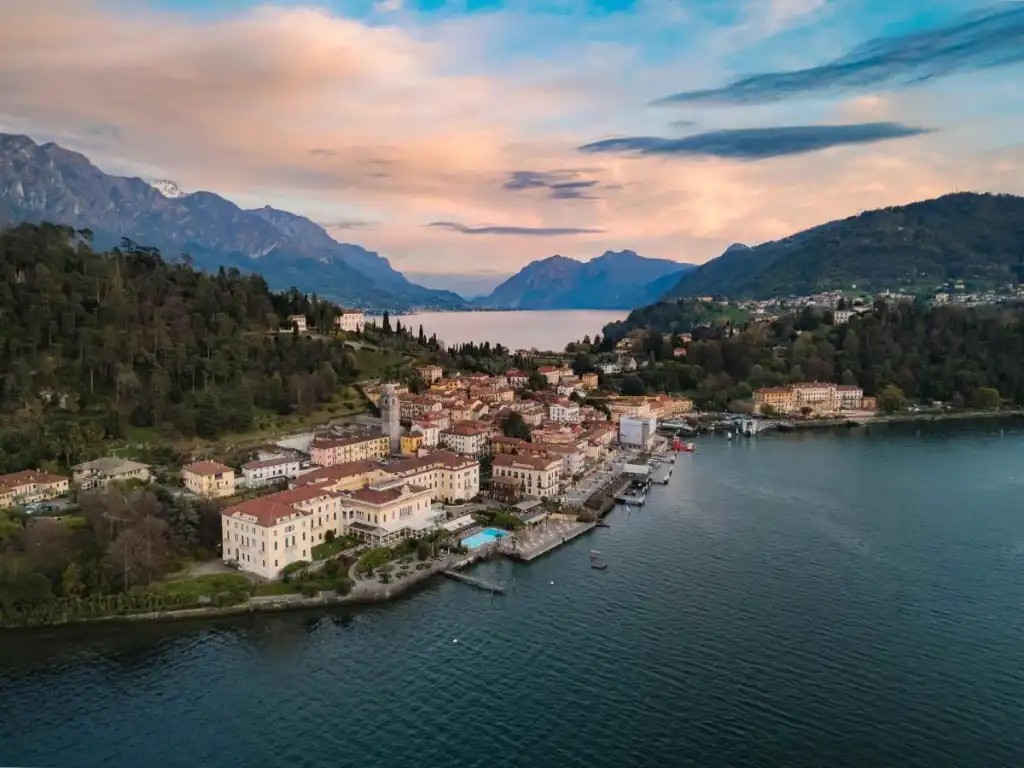
Félicie Vanpouille kept Caron alive during the Nazi occupation since she wasn’t under threat from the Nazi regime, or not in the same sense as Ernest Daltroff.

Their last perfume before embarking on their separate marriages, was Bellodgia, inspired by thier love of Bellagia on Lake Como..

It’s a poignant story and it’s redolent of so many I read about this era of beautiful creativity set against the backdrop of brutal war. This was in fact the ‘Golden Age’ of perfumery. These bottles and perfumes are truly works of art. I see Félicie’s exquisite sense of design in every angle of that bottle. In a couple of weeks, when my perfume sample arrives, I’ll understand a little more of Ernest Daltroff’s talent as a perfumer too.

It’s also worth mentioning the process that created such a beautiful object.

For this particular Baccarat ‘onyx’ black glass, components were melted together at an astonishing 1450-1500°C (this temperature takes a month to prepare). Once the glass is removed from heat it rapidly cools to 500°C, and the master glassblower has only a few minutes to shape it before it hardens. This particular bottle though, was blown in a mold, to the specifications of Félicie Vanpouille’s design.

Lastly, a note on composition; I placed the bottle on top of my own Noel present; a vintage leather vanity case from my husband Adam. The 18th century glasses are a present from my niece and her partner. Beautiful Christmas presents, among others from all the family, my much-loved in-laws, and friends too that make me feel very grateful indeed for the relationships in my life, (not least my mum’s love of perfume that inspired me to love perfume – hound-like noses run in our family!) and for the peace we live in which means we can enjoy them.

Wishing everyone a wonderful, peaceful Happy New Year!
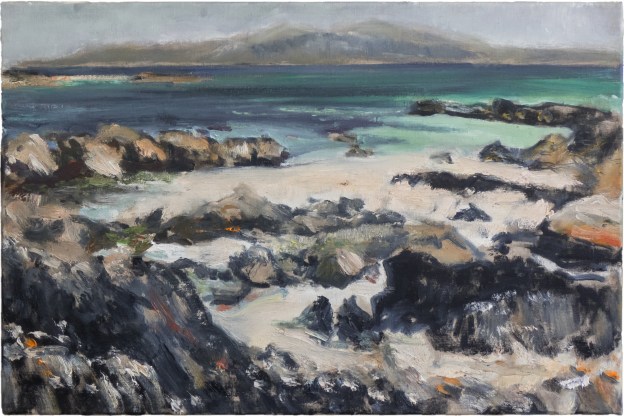
” …waves lapping, light dancing.”

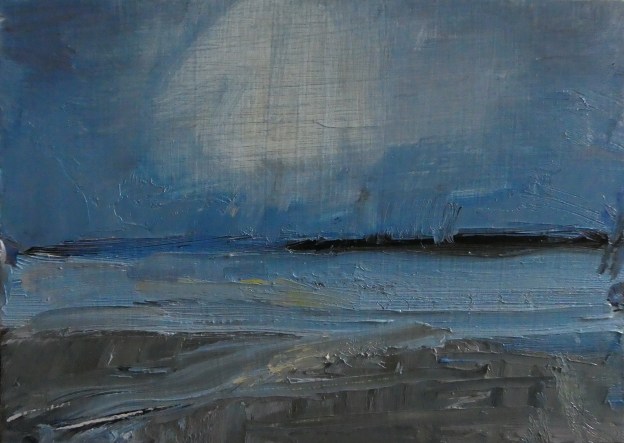
Above: North Beach Iona, May . Oil on 30×20″ linen canvas. Rose Strang 2025

“Rose Strang observes North Beach, Iona (May) with atmospheric close-up clarity. The circle of black rocks, pale sand and turquoise shallows, lead to the misty mountains beyond with a loose, impressionistic style. Textured brushstrokes contrast the weathered ruggedness and calm serenity of the isolated beach on this Spring day.  The palette is cool and luminous dominated by icy blues – waves lapping, light dancing.  Strang’s poetic, painterly voice speaks not just of the physical landscape but of its ever-changing natural elements with quiet contemplation.”

A really lovely review by Art Mag art critic Vivien Devlin today of the Graystone Gallery’s Edinburgh Festival Exhibition. Poetic, descriptive writing by a genuine art lover. Thank you Vivien! –
Edinburgh Festival Exhibition, 2025,  ‘A Convergence of Vision’ by 30 artists @ Graystone Gallery 

Start to the year …

Above Aberlady Sketches 1. Oil on 5×7″ wood. Rose Strang 2024

A start to the year and a new project with this small, twilit painting of Aberlady.

It’s a project a long time in waiting. I was beginning to explore ideas back in early 2020 when the obvious event struck, causing a small panic about income, but then three painting commissions came at me from out of the blue and I’ve been busy ever since it seems.

The Village of Aberlady is not a place you’d describe as mysterious or dramatic, unless you knew it well. The first impression is of a very pretty, conventional village, perfect for the rich retirees. A train used to stop here but the railway was dismantled in the 1970’s. There are one or two shops, a couple of inns and a takeaway.

So why am I so obsessed with painting a series about my response to this place? Well, I’ll be painting and writing about ‘why’ for the rest of 2024!

The most obvious appeal, beyond the village itself, is of course the nature reserve that stretches across a mile or two of grassland and dunes to an expanse of glittering sand reaching far out to sea at low tide. It’s one of the very few places I’ll swim in Scotland. In August when the sea has become less cold and has flowed back in across the warm sand, bathing here in shallow water is almost bath-like. Plus there’s hardly anyone around since, compared to the amount of people at North Berwick further south along the coast, relatively few will walk the two miles to the sea. There are of course hundreds and thousands of birds, and deer, rabbits galore and any amount of other species I don’t know about.

The appeal for most people visiting Aberlady these days is peace in nature. One thing that fascinates me though is the way places change in importance over several hundred years, depending on their function. Think of St Andrews in Fife, it was the ecclesiastical centre of Scotland hunreds of years ago. Now it’s known as the home of Scotland’s oldest university, and for its golf course. (also made more famous by the royal romance I suppose. I was attending post graduate art studies there at the same time as Will and Kate but never bumped into them, not quite moving in the same circles!) Or think of York, known now for its olde worlde timber-framed buildings and awe-inspiring York Minster – when in the past it was the centre of power in England.

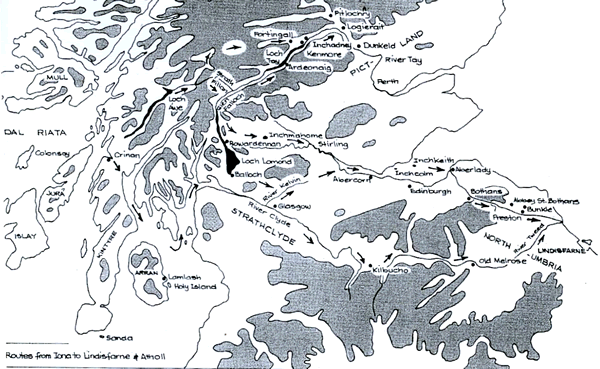
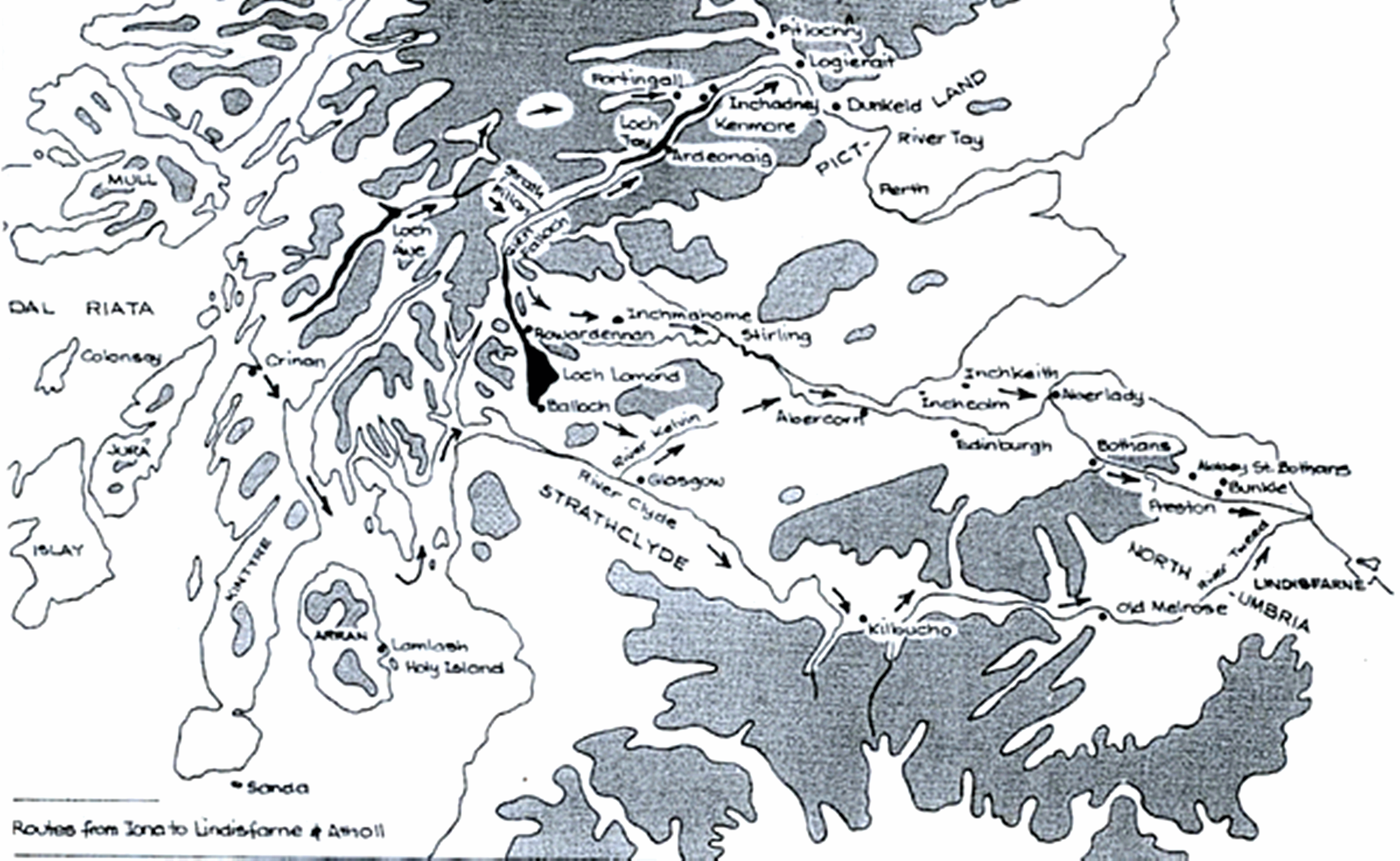
Going farther back in time, Aberlady was a place that had to defend itself from violent attack, and going even further back to  the 7th century it was the last stop for pilgrims on their way from Iona to Lindisfarne.

iona3

Beneath its pleasant exterior I find Aberlady to be a place of deep mystery and drama. It’s something you can’t see, but rather it’s something you feel after years of immersing yourself in its landscape and history.

Hence why I’ll be working towards a series of paintings this year to explore my fascination with Aberlefdi, as it was originally named – a mixture of Pictish aber meaning river mouth and Lef, the name of a Viking warrior whose remains are interred beneath Luffness House in Aberlady Bay. That’s just one little detail in the whole story though.

More to follow in the coming weeks as the light improves and I can really get into painting this series …

One of my Aberlady paintings from 2020:

Launch at the Heriot

Above: Atzi Muramatsu playing at The Heriot Gallery exhibition launch of The Living Mountain: Dreaming a Response

I think this is the first time Atzi Muramatsu and I have collaborated publically since the beginning of lockdown, it felt like old times and the performance, inspired by the atmosphere of the Cairngorms and Nan Shepherd’s The Living Mountain, was really beautiful!

I couldn’t have wished for a more convivial atmosphere, lots of interesting conversations and lovely responses to the paintings – a big thank you to friends old and new who turned up to the launch.

Thanks to Adam Brewster, who remembered to take a few photos capturing some moments, I always get distracted and forget! And of course to Sue Dean and Stephen Edwards of the Limetree Gallery and Lorna, owner of the Heriot Gallery, who thoroughly enjoyed the launch and cello performance too. It was a most enjoyable evening.

The Heriot is a beautiful light-filled space, especially in this April spring light, so do drop in if you find time – the exhibition continues until this Sunday lunchtime (23rd April).

All paintings viewable here – The Living Mountain paintings

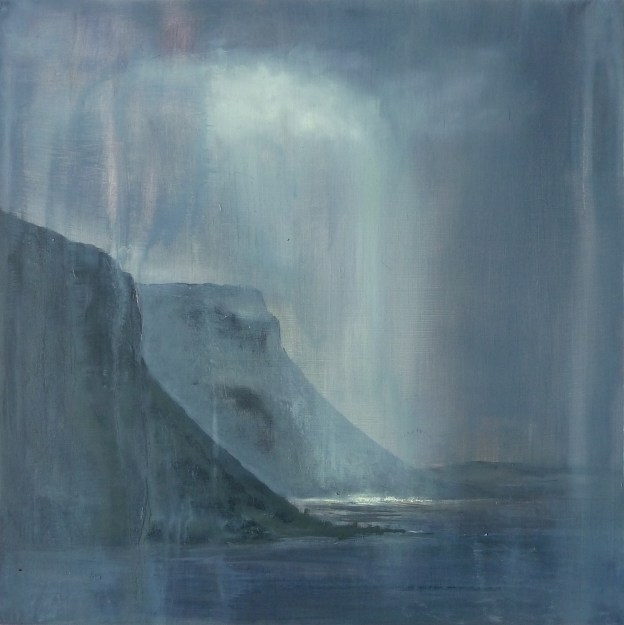
'Cliffs of Griburn, Loch na Keal. Mull'. Oil on 20x20 inch wood panel. Rose Strang 2021

Loch na Keal on the Isle of Mull

Above: The Cliffs of Griburn, Loch na Keal. Mull. Oil on 20×20 inch wood panel. Rose Strang 2021. (please contact the Limetree Gallery if you’re interested in the painting above or have any questions about buying it, on this link Limetree Gallery)

In the past week or so I was busy on a private commission of paintings of Loch na Keal on the beautiful Isle of Mull. This was for someone who wanted two paintings showing the changing light and weather of Loch na Keal. He wanted particular views – of the dramatic cliffs of Griburn and Eorsa Island on the loch – views very familiar to his wife, for whose birthday the paintings were commissioned.

‘Changing Weather, Loch Na Keal’. Oil on 20×20 inch wood panel. Rose Strang 2021
‘Autumn Light Over Loch Na Keal’. Oil on 20×20 inch wood panel. Rose Strang 2021
‘Cliffs of Griburn, Loch na Keal. Mull’. Oil on 20×20 inch wood panel. Rose Strang 2021

I was very touched by his care in describing the features he wanted to include and the fact his wife particularly enjoyed the changing clouds and colours of the sky. I decided to paint three views so he would have a choice of two from those. He decided on Autumn Light Over Loch Na Keal and Changing Weather, Loch Na Keal which I do agree make a lovely pair of paintings, showing the colours of autumn and clouds forming and re-forming over the loch.

The remaining painting The Cliffs of Griburn, Loch na Keal. Mull is, I think, a more dramatic view. It gives a sense of approaching land from a boat, which I always find very compelling since it’s a view you’d never see other than from a boat. It’s now available from the Limetree Gallery. You can contact them on the link above if you’re interested in the painting or have any questions about it.

Thanks very much to John for this lovely commission. He tells me that his wife Sarah loves the paintings, which is music to my ears. What a beautiful place to live, and to paint!

You can view the Limetree Exhibition Brochure on this link ..

Project progress …

‘Aberlady. Winter Light’. Mixed media on 13×13 wood panel. Rose Strang 2020.

‘Aberlady Bay. Dusk’. Mixed media on 13×13 wood panel. Rose Strang 2020.

Above, today’s paintings of Aberlady – different moods and ways of painting the landscape.

I mentioned a while back that I’m taking things slower this year. I think I’ve maybe painted too busily these past few years, and it’s time to have a deeper think about the ideas that inspire me. It’s good to have a bit more time to contemplate and let projects grow more organically.

This year I’m working on three large paintings in response to the 7th century pilgrim’s route from the Isle of Iona to the isle of Lindisfarne, via Aberlady on the east coast of Scotland.

I’m collaborating with my partner Adam, who’s creating music and probably paintings too in response to the places and ideas. I’m creating a little video of each place, so eventually there will be a video showing footage of landscapes, music by Adam and paintings by myself.

I want to explore what pilgrimage meant in those days in contrast to now. We often talk about ‘mindfulness’ or the peace of solitude and retreat, but what is it really like to remain in solitude or silence for weeks on end? I know that I found it a challenge when I camped on Iona by myself for twenty one days in 2018. Part of that was physical challenge (slugs crawling up the tent, numerous over-friendly spiders that hitched a lift on my clothing whenever I entered the sleeping compartment, howling winds shaking the tent all night for the best part of twenty one days, also the sound of the Corncrake is really not pleasant to my ear!) but it also shook up my emotions. There were beautiful moments, but you have to be self-contained on such adventures; how you relate to people changes somehow.

My plan is to talk to some modern-day pilgrims; people who’ve immersed themselves in these landscapes of Iona and Lindisfarne in a spiritual or personal search for meaning. One of those people is a family friend called Jamie. Jamie was a monk for many years, he also lived on the Isle of Lindisfarne for a time, serving the community there as part of the Hilda and St Aidan Centre.

He took a deep commitment into his spiritual path, at one stage taking a long-term vow of silence to contemplate and, I suppose, face deeper questions about faith and commitment. (You can view an earlier post in which I interviewed Jamie here: The Healing Island).

I was delighted that Jamie recently commissioned me to paint a large-scale painting of Aberlady for his home. It will be an absolute pleasure to paint. I’ll be posting our interview on this blog later this year and it will be (I hope!) a more close and personal exploration of faith and healing, landscape and solitude.

Taking vows of silence, or seeking solitude in remote places is challenging. Recently I contacted a film producer and artist acquaintance to chat about all these ideas; landscape, creativity, healing, spirituality and pilgrimage past and present … and I’m excited about the results of our email conversation. It looks like this project may expand beyond my little video and three large paintings!

I’ll post more about this soon once a few more details are confirmed…

Three paintings

Photo: Aberlady. Rose Strang 2020

This year I’ll be working on an arts and music project with Adam Brewster in response to three places: the isle of Iona, Aberlady and the isle of Lindisfarne. Other collaborators will also probably be involved as the project develops, such as Donald Ferguson and Atzi Muramatsu.

I’ve worked with Adam, Atzi and Donald on previous projects, all viewable on the ‘Collaborations’ tab in the menu above,so I’m very excited about this one!

The theme is loosely based around the fact that in the 7th century, the route from Iona to Lindisfarne via Aberlady was a pilgrim route. Our project will involve themes I’ve been exploring for many years – landscape, spirituality and history and not least the element of mystery since not much is known of those times!

Pilgrim map from website: eastlothianheritage.co.uk

Pilgrim map from website: eastlothianheritage.co.uk


Adam will be creating music for the project and I’ll also edit a video showing footage of the places interspersed with Adam’s music and the three paintings.

Other than that, I plan to paint a bit less frenetically this year and solely on request, for example if a gallery would like to put on a solo or small group show, or private commissions, which will give me time to develop paintings more slowly and to explore themes in more depth.

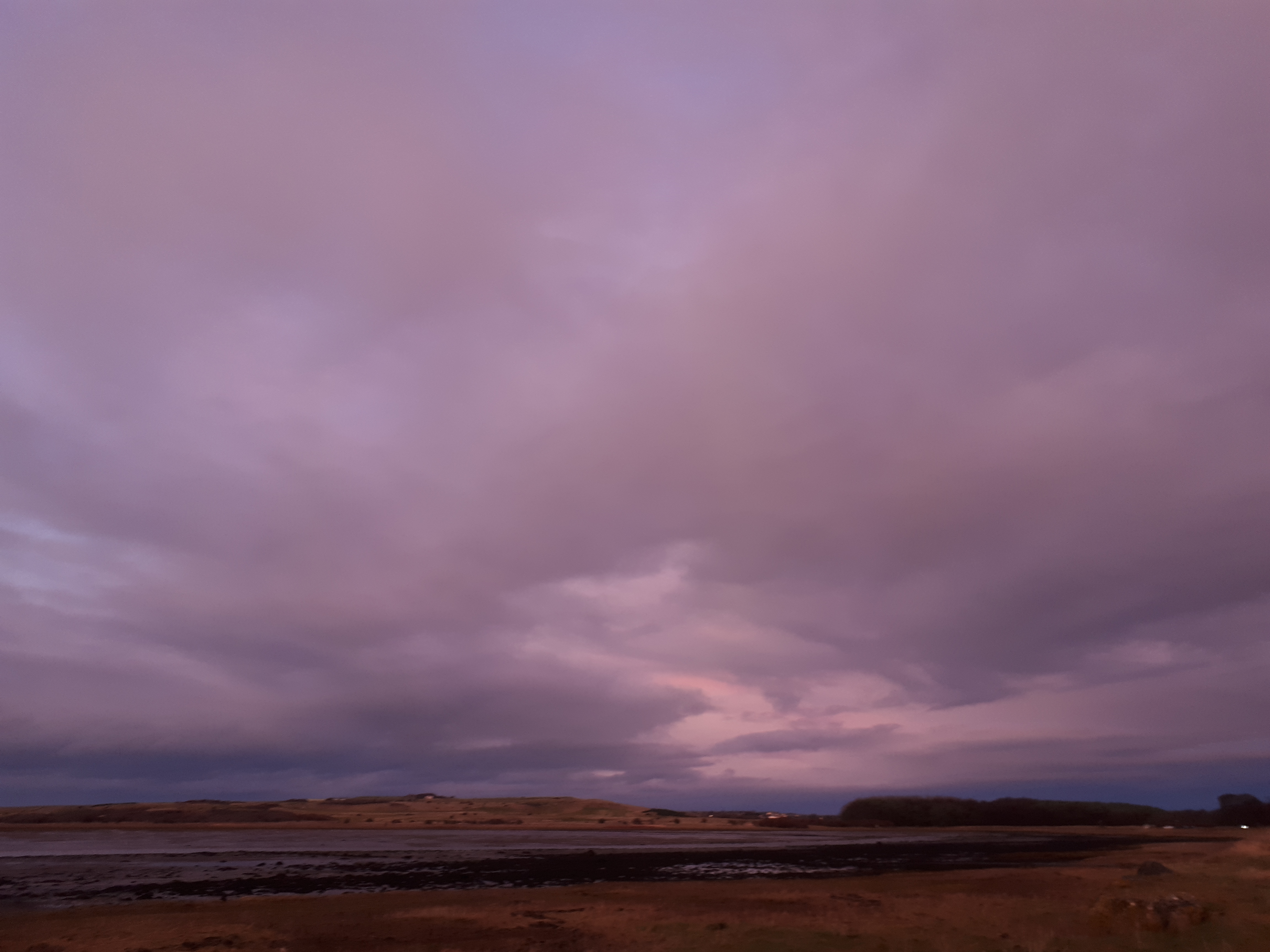
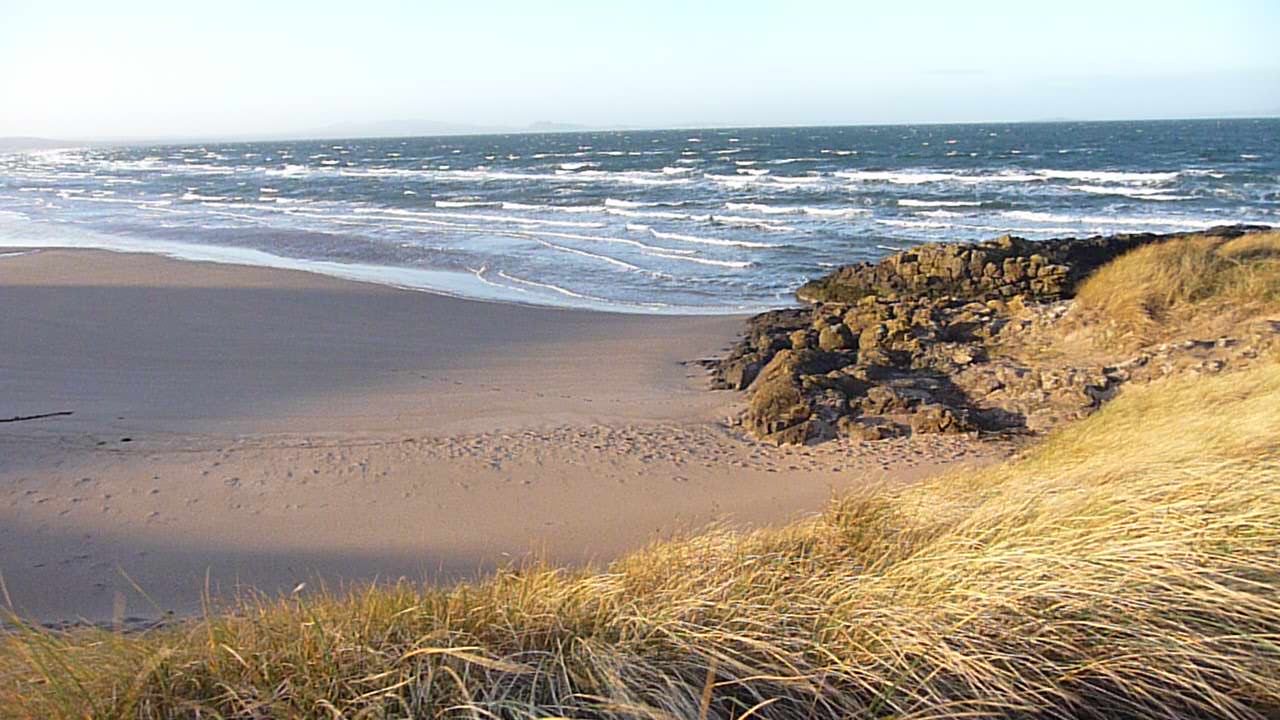
I’ll post updates as I go, in the meantime, here are some photos of our recent trip to Aberlady and paintings from Iona and Lindisfarne from previous years …

Aberlady. Rose Strang 2020

Aberlady. Rose Strang 2020


Lindisfarne, 2014

Iona, 2018


Resipole, Ardnamurchan

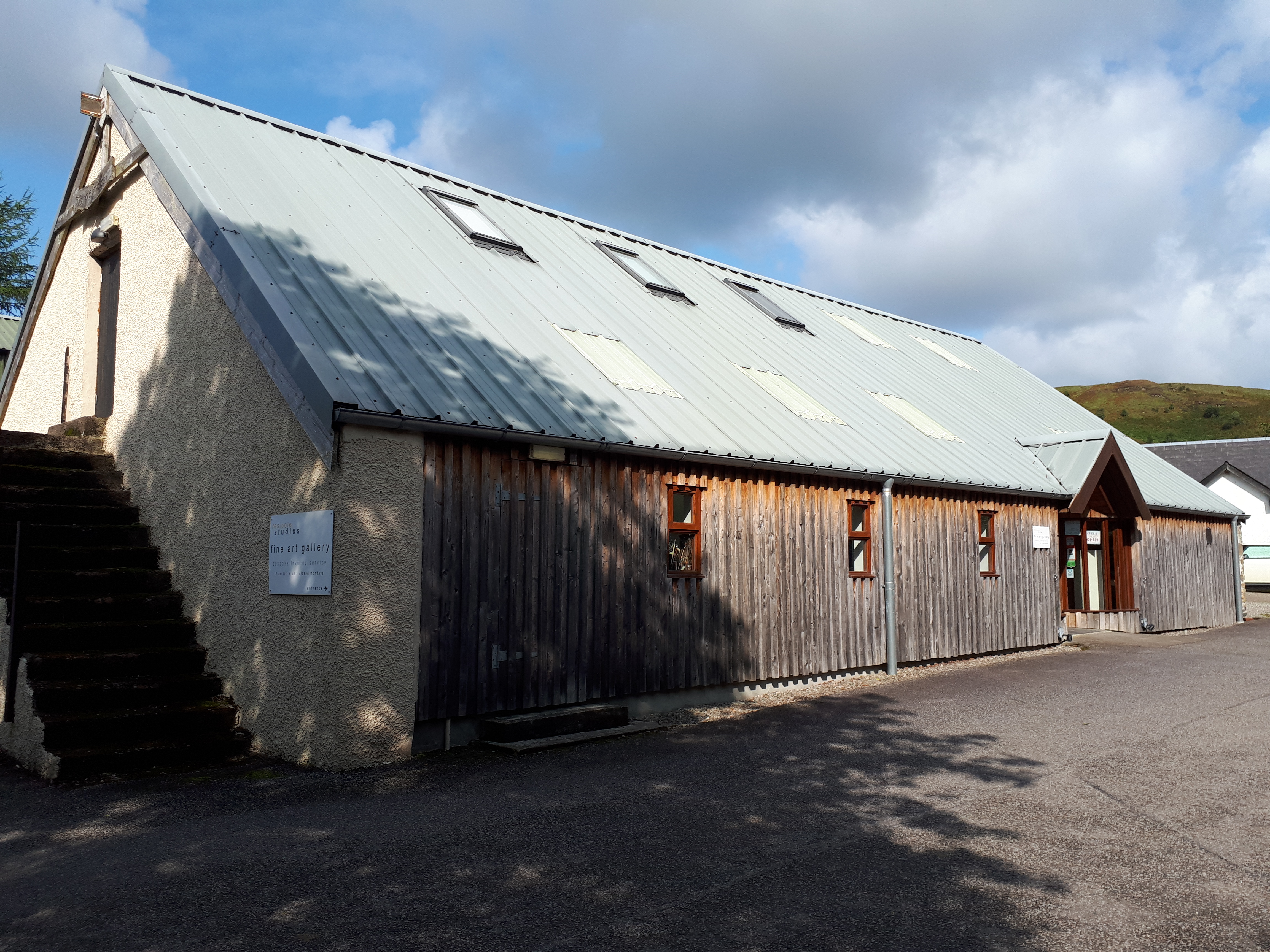
The exhibition launch at the Resipole Gallery was fun and convivial, and Ardnamurchan was beautiful as always. (above – ‘Sanna Bay, Seaweed’, below, photos from the Resipole) ..


The exhibition continues until 28th June. All artworks on this link, also contacts for the gallery if you have any queries about the paintings: https://www.resipolestudios.co.uk/rose-strang

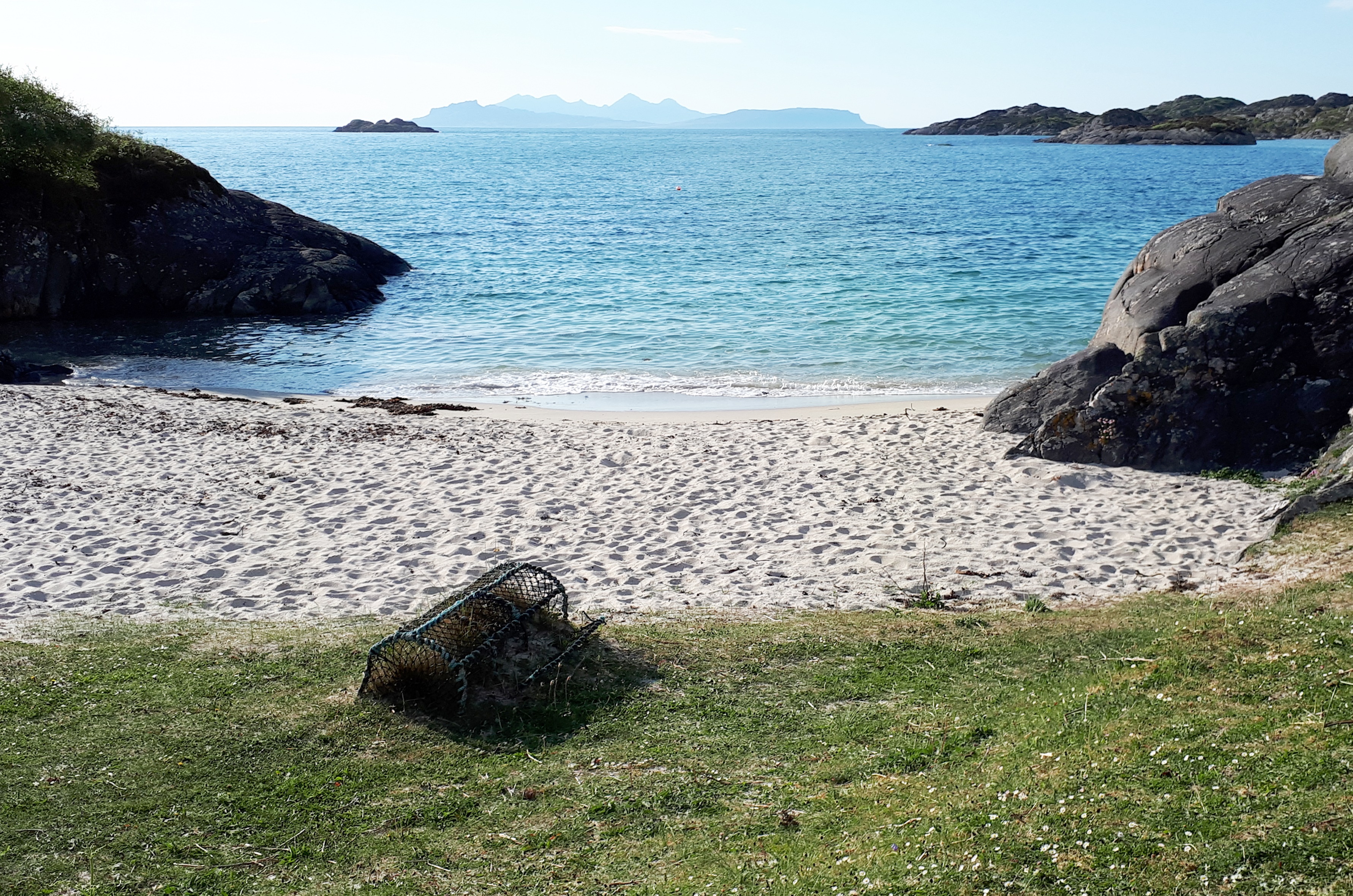
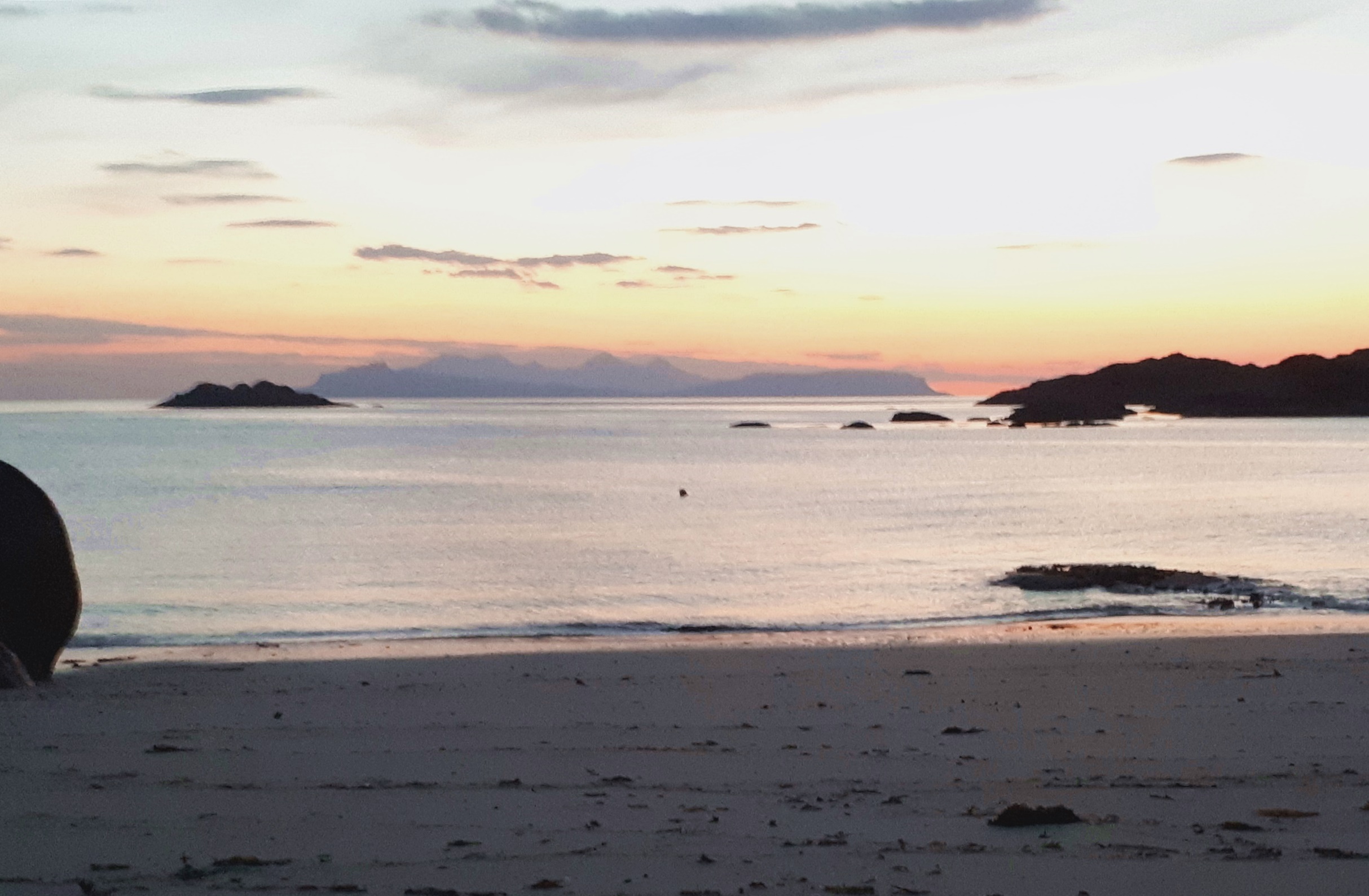
I went up there with a few friends and we stayed on the beach at Ardtoe in the Ardnamurchan peninsula – midgy but lovely.

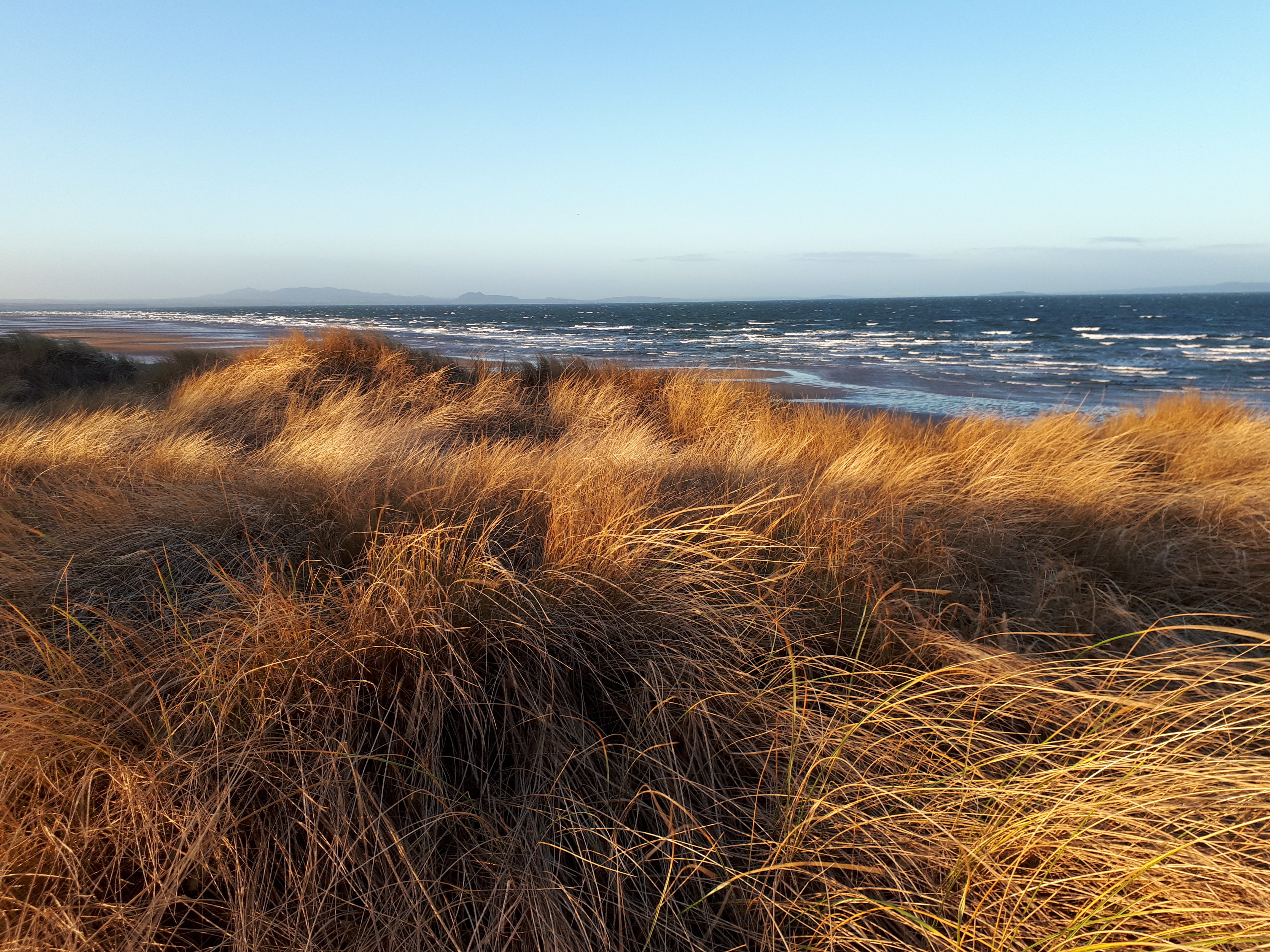
Some photos –  in the afternoon, sunset then dawn…


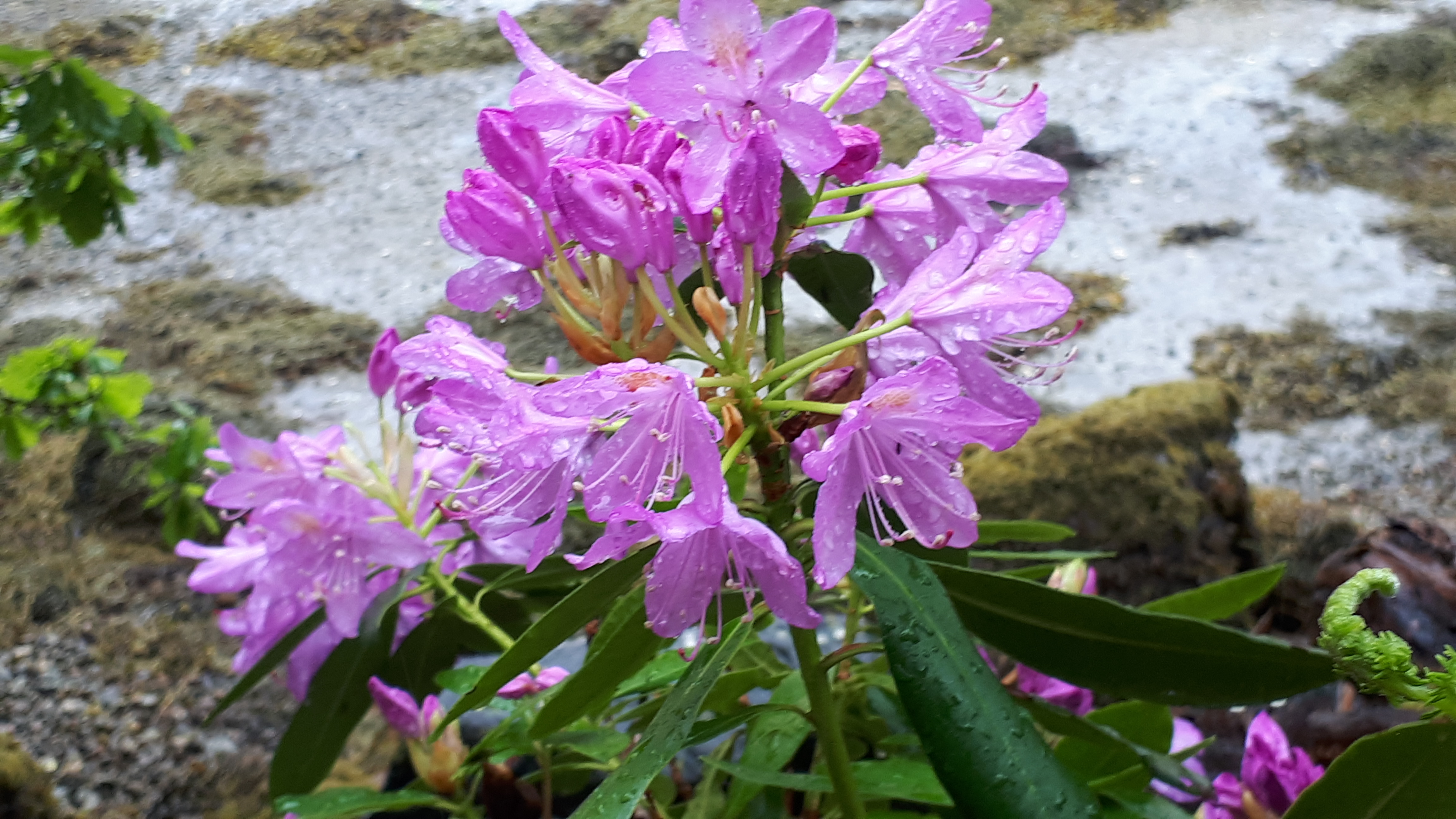
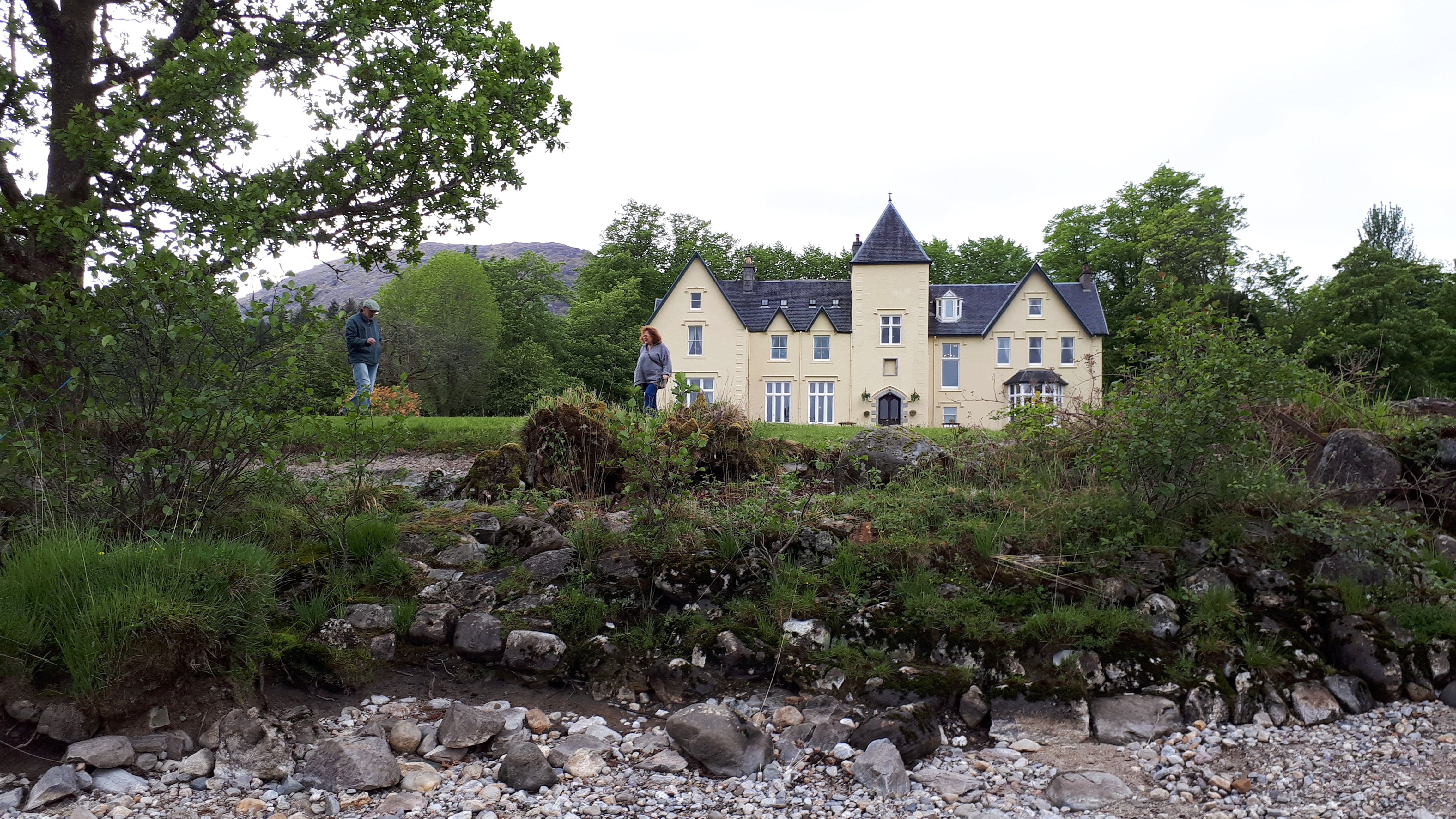
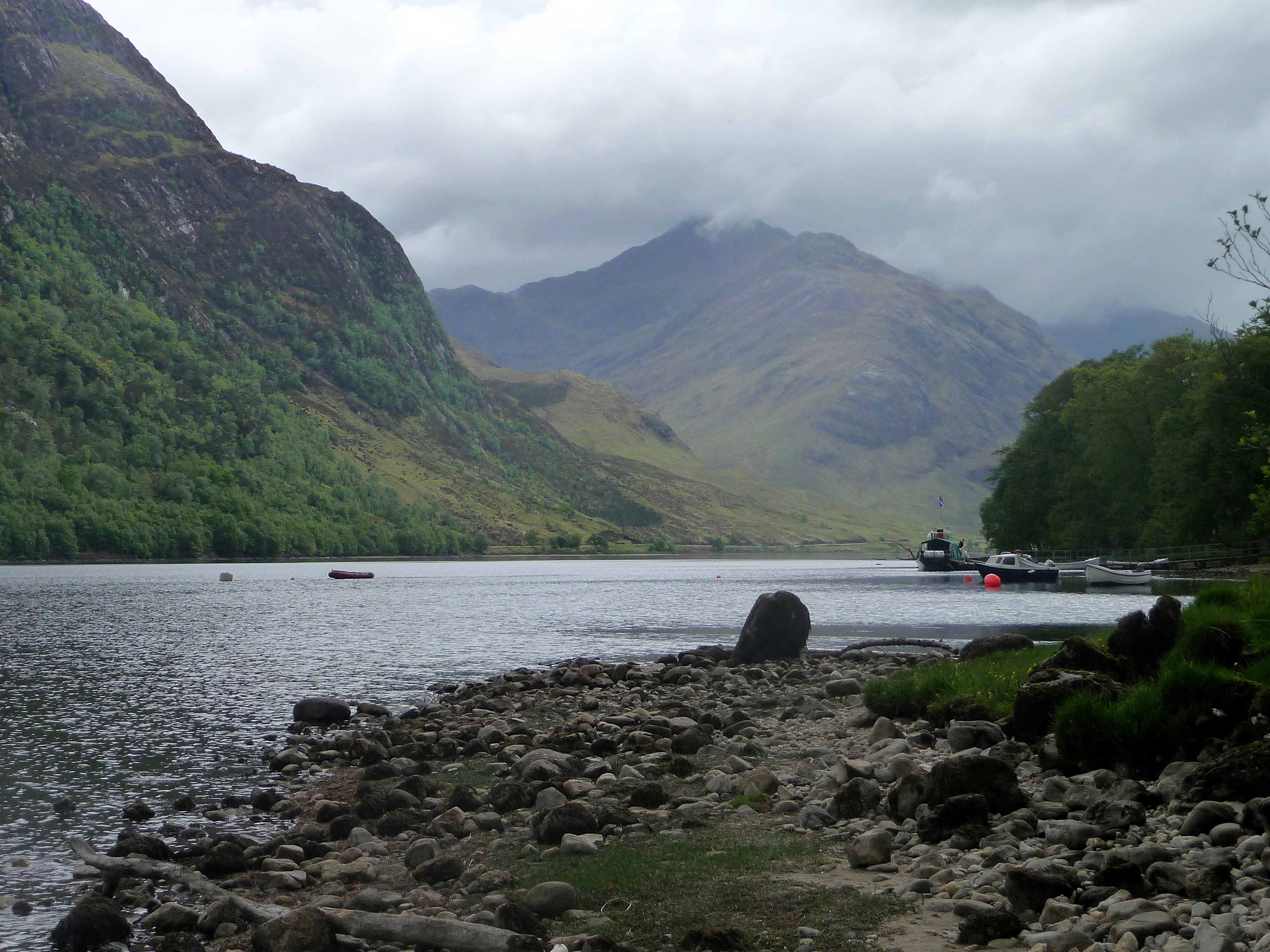
Continuing the castles and mythology theme for the Planets Series, we visited Castle Tioram which, though very overcast, looked mythical as ever, more so perhaps. Bad weather suits the west coast and highlands! These luscious pink rhododendrons are everywhere in May and June on the West Coast …


We sheltered in my favourite hotel – the Glenfinnan Hotel at Loch Sheil…


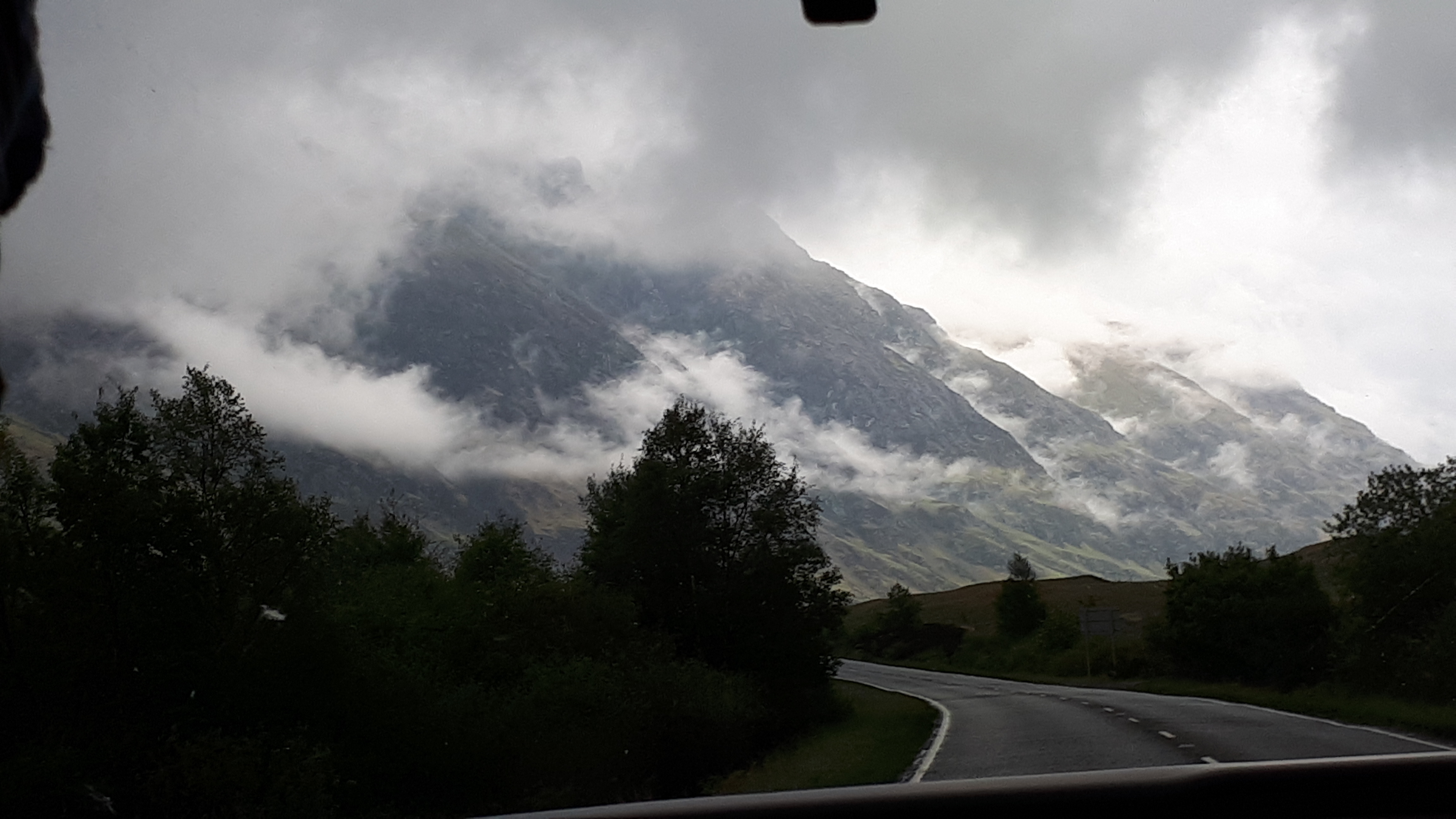
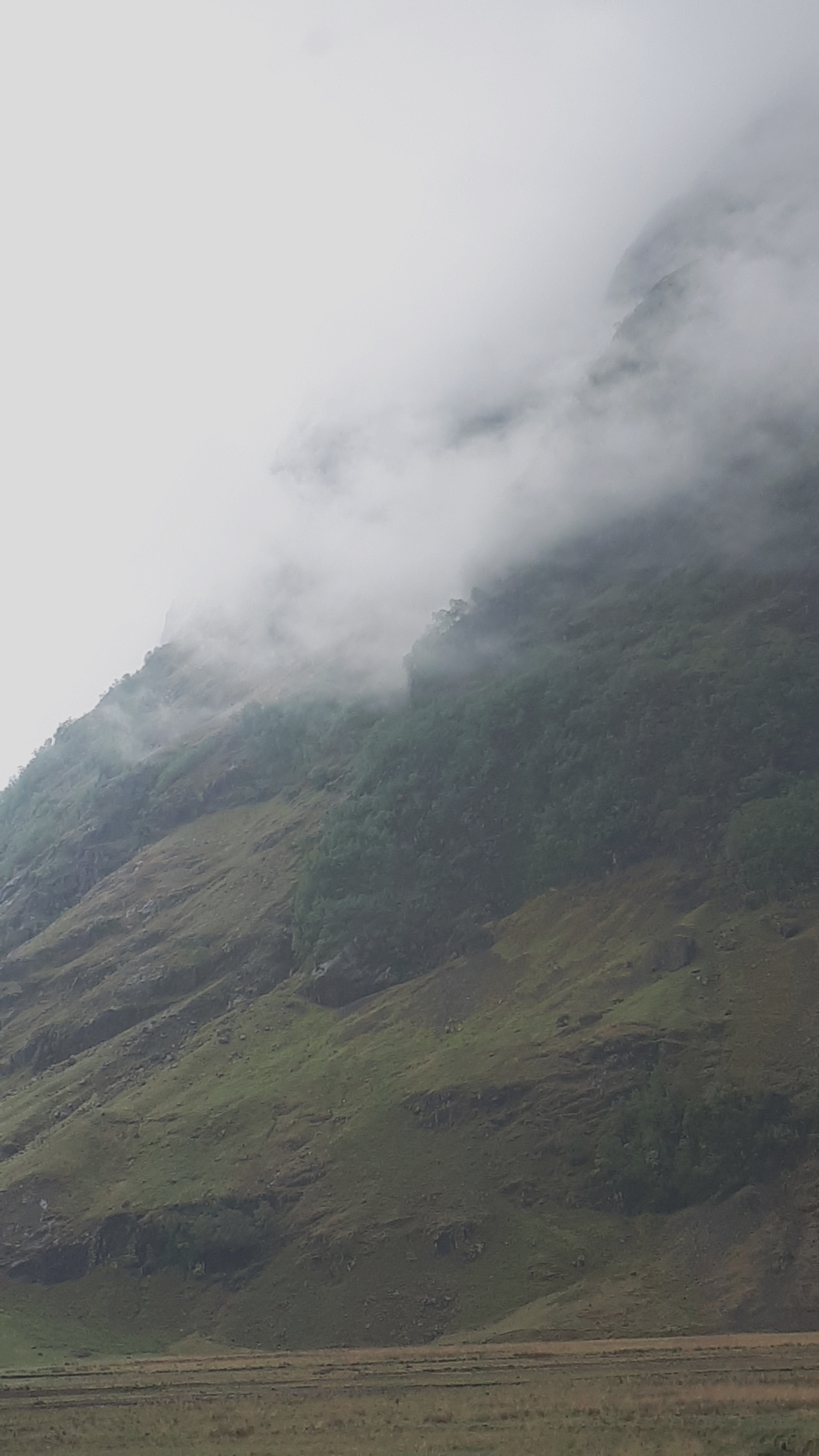
And lastly, some photos taken while we drove through Glencoe – it looks iconically Glencoe-esque in this weather …


New painting – private commission

‘Wallace Mounument, Stirling’. Mixed media on 10×10″ wood panel. Rose Strang, May 2018

Today’s painting (above) is a private commission for a friend. It’s of the Wallace monument in Stirling.

Gus recently got in touch to ask if I’d paint the Wallace Monument for his mum, who grew up next to the Wallace Monument. His mum isn’t well just now and I was very touched and honoured to be asked.

I decided to paint a view with the Ochil hills in the background, with the sun coming out after a rain storm; I hope that’s how it looks!

Here’s a close-up of the tower, I’ve made it fairly impressionistic rather than detailed – the way it appears at a distance in sunlight ..


The tower in real life is quite beautiful – (images easily findable online) made of warm yellow sandstone which catches the light in the late afternoon and at sunset. It sits on the Abbey Craig; a quartz-dolerite intrusion that was harder-wearing than the surrounding  landscape, so took its current shape after the glaciers retreated about 14 thousand years ago.

The Abbey Craig was also the site of Wiliam Wallace’s HQ during the battle of Stirling Bridge in 1297, and the tower is a fitting tribute to this fairly monumental human being! He was apparently 6 foot 7 inches with a broad-boned warrior’s build. The sword he used in battle was at least five feet (though that would have been for an initial charge towards cavalry apparently).

The  tower was built in 1869 and is characteristically Victorian and ornate in style, though inspired by Medieval era buildings. The top represents a crown and, to my eye, if you see just the tip of this emerging from the surrounding foliage, it looks strangely similar to Hindu temples from thousands of years ago.

Pretty much everyone has seen Mel Gibson’s Braveheart, so most of you will have picked up the general gist of the story, and myths! If you read this blog you’ll know I’m always curious about the history of painting subjects, so if you’re interested, read on for  a brief outline about William Wallace …

Early depiction believed to be a likeness of Wallace


A few hundred years after William Wallace died, a writer called Blind Harry wrote a history of Wallace, much of which is deemed to be fantasy, but nonetheless the facts are there, as attested by official records of the time …

Following the untimely death of King Alexander III of Scotland, whose only heir was his three-year-old granddaughter, Scotland was in disarray and King Edward I of England was brought in to help arbitrate. You do have to wonder why anyone was surprised when he took full advantage of the situation, since he was renowned as a pretty unpleasant character to say the least – he decided to appoint himself Lord Paramount of Scotland.

Skirmishes broke out against the English occupation, and support for the cause grew as tactics of the occupation grew more brutal. The first proper battle, led by Wallace, defeated Edward’s army at Stirling Bridge.

After this victory Wallace was appointed guardian of Scotland, but the next battle was lost. He attempted to rally support from the French but  was later caught then tortured and killed for treason (pretty much exactly as depicted in Braveheart except that he was also dragged through the streets behind a horse for five miles before the execution). After this, Scotland appeared to be defeated, but covert plans were being made as Robert the Bruce succeeded Wallace as Guardian of Scotland, Robert the Bruce then went on to win against the English in the battle of Bannockburn in 1314 and after the 1300’s Scotland remained entirely independent up until the treaty of Union in 1707.

It would be nice to know more about the character of Wallace, but there’s only speculation and few hard facts. Suffice to say he was clearly a born leader – he wasn’t from nobility but was probably educated and trained as a warrior, he was also clever, as attested by battle strategies, and extremely determined. The decision to build a monument to Wallace came at a time of resurgence of interest in Scotland’s national identity, following the near decimation of Highland culture following the Highland clearances.

Thanks again to Gus Carmichael for commissioning this painting, it’s been a pleasure to paint and an honour to be asked!

Cockenzie Power Station Limited edition print series

'Cockenzie Power Station, 26th September 2015'. Mixed media on 17x11" wood panel

‘Cockenzie Power Station, 26th September 2015’. Mixed media on 17×11″ wood panel

As mentioned a few weeks ago, limited edition prints of Cockenzie Power Station, 26th September 2015 will be available at the Peter Potter Gallery in Haddington.

They’re in a limited edition of 25 Giclee prints at 17×11 inches (signed, dated, numbered and titled by hand)

These are now on display in the gallery which is near Lungate Bridge, Haddington at number 10, the Sands. There’s a lovely cafe in the gallery with views of the bridge. The current exhibition by Alan Knox explores ‘the debatable land’ and the history of the Borders country.