Tag Archives: scottish landscape artists

Coigach series day 5

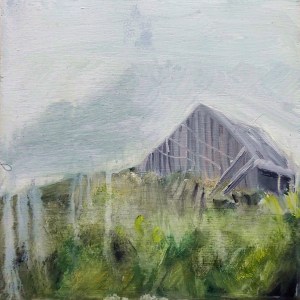
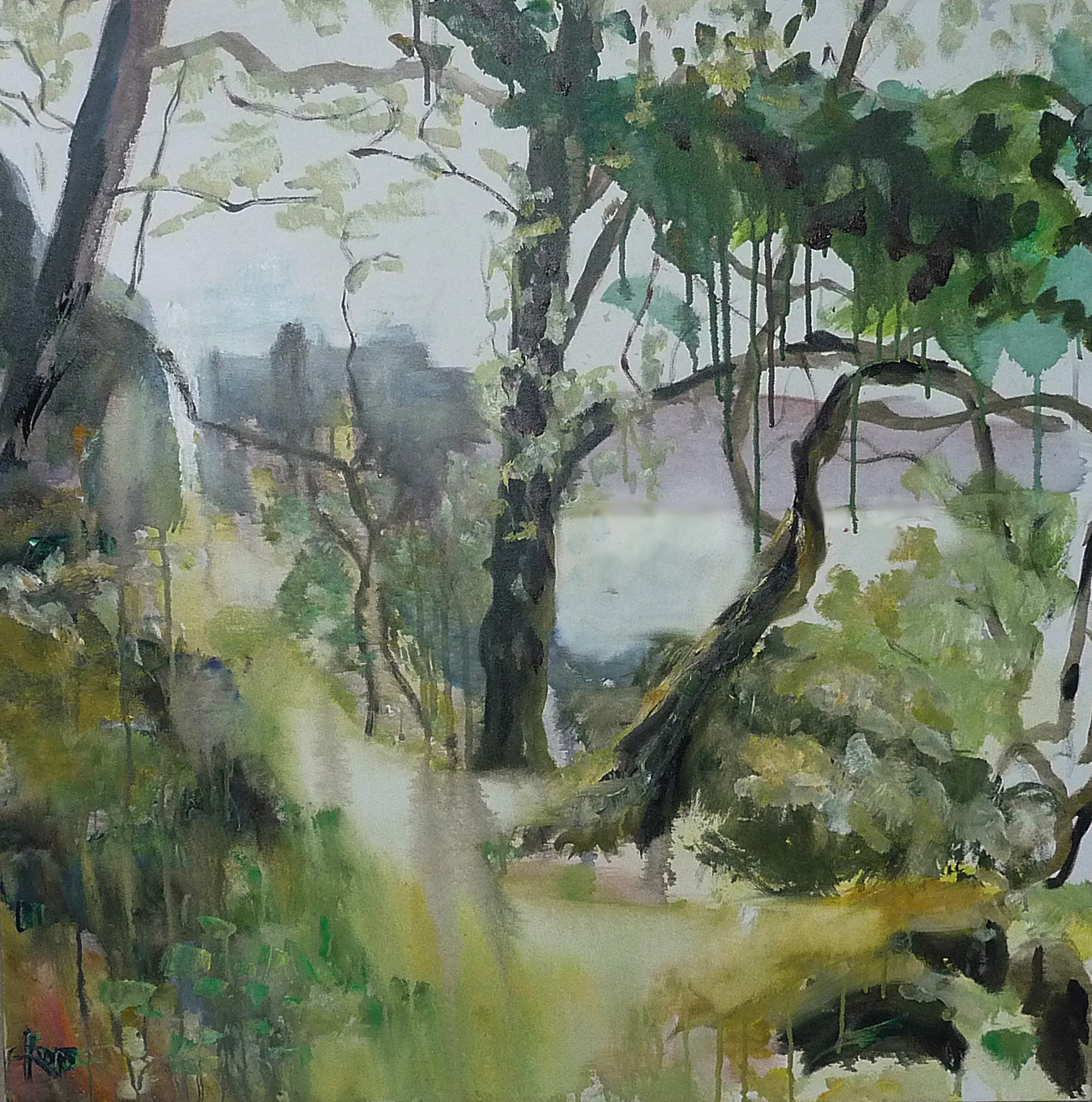
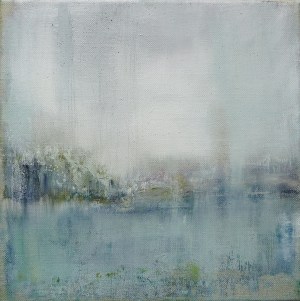
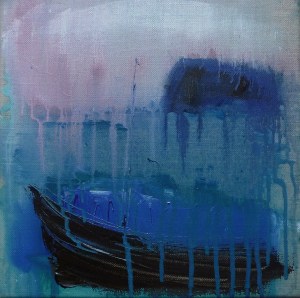
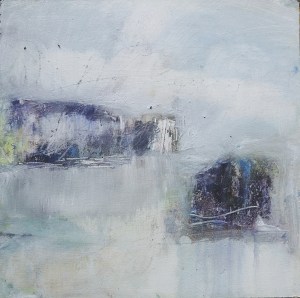
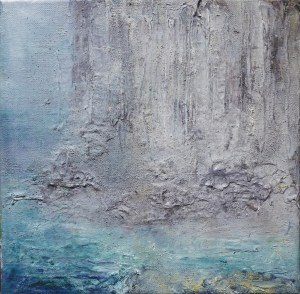
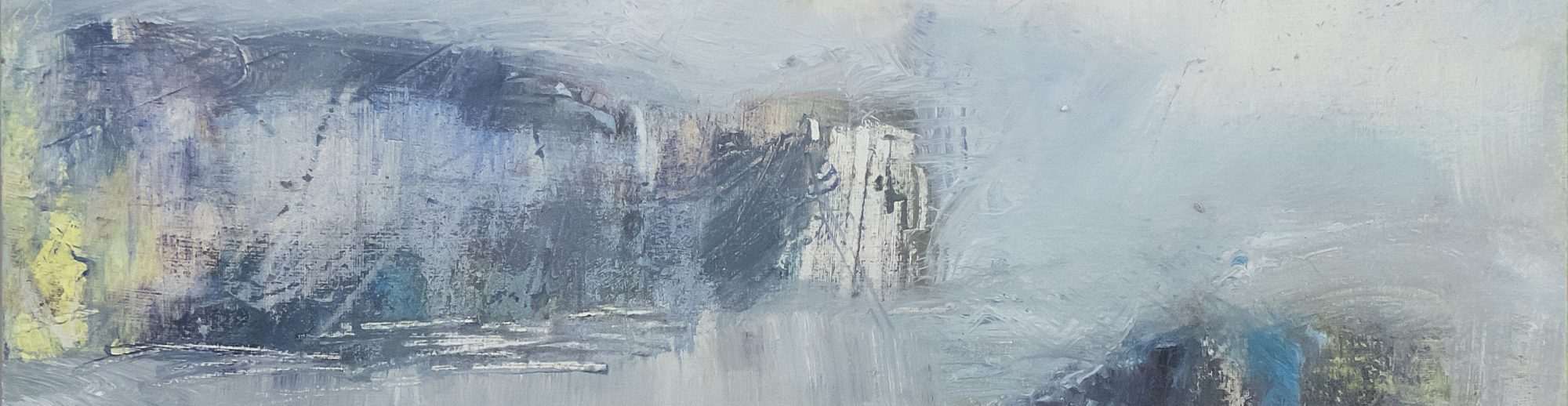
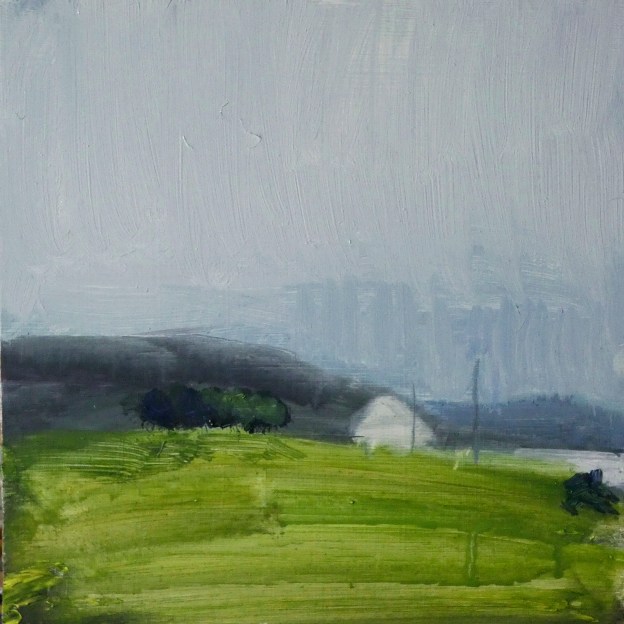
Coigach Series 10. Oil on 10×10″ wood. Rose Strang 2023

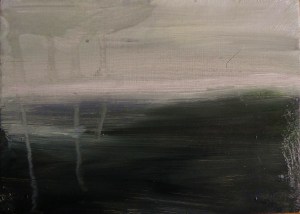
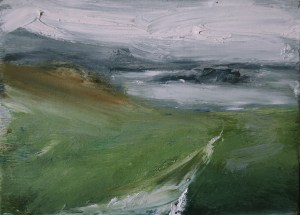
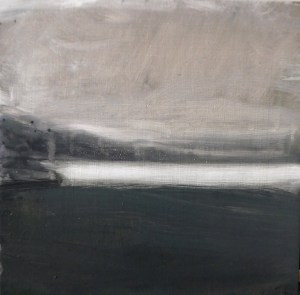
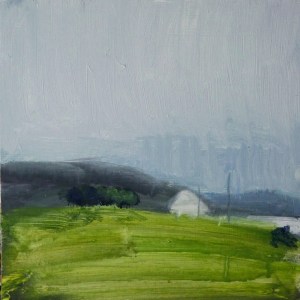
More painting progress of the Coigach series, with the continuing challenge of saying less with more simple brushwork – trying to hone in on the essentials of what makes a particular landscape speak to me. Here’s the series so far …

I’ve been visiting the Coigach area for decades because several of my dad’s friends live there. As is often the way – one family member moves there, others follow, then eventually people become intergrated with the local community, making friends, or finding long term partners.

Coigach means ‘five’ in Gaelic, and it refers to the five townships or villages of the area, the main one being Achiltibuie (I love that name and wish I knew what it meant!) Near our friends’ house there’s a broch down near the sea – a form of dwelling, or maybe fort dating from the iron-age – incredibly strong and sophisticated structures architecturally.

This particular one is a bit crumbled down (there are almost intact ones in Orkney and, interestingly, very similar structures in Sardinia) but still impressive given its age. This wild area has obviously been peopled since the retreat of the ice-age, like the rest of Scotland’s north west coast. It’s unexpected to the new visitor since this seems one of the most remote corners of the world, but if you remember that the sea and rivers were the highways back then, not land, it makes sense.

I’ve stayed in various places, one time on Tanera Mor, one of the Summer Isles of the coast of Coigach. This was the island where cult film classic The Wicker Man was made. I’m never sure if it’s a cult film because it’s a bit hilarious, or because of its atmosphere – both, no doubt. The island was indeed somewhat spooky, or at least I found it so, on a dark rainy day wandering across the boggy moorland with my friends, exploring caves in the black cliffs, aware we were the only people  on the island at that time.

More convivial are the times spent on the mainland of Coigach with family friends. I remember some legendary Ceilidhs – lots of dancing and serious whisky drinking, people here really know how to party, including the local police, I’ll say no more about that though, and it was in the mid 1990’s so nothing to do with anyone there now!

One of the most unusual evenings I experienced was on one of the smaller Summer Isles, a new owner had just bought the island and he appeared to have transported his entire suburban house with fluffy wall-to-wall carpets, massive hi fi system, leather-effect sofas, canaries in cages and obligatory conservatory, to an amazing spot overlooking a majestic loch (his was the only house on the island). Towards midnight we were all dancing to Rod Stewart’s Do ya think I’m sexy? then a piper led us outside into the cold night air and started to play his bagpipes – it was an affecting moment after all the party noise. We all fell silent as the notes echoed across the loch, they seemed to carry for miles.

One new year as we travelled back to Edinburgh, my dad’s car started to fail as we traversed Glen Coe and Rannoch Moor. It’s not a good place to feel the car beging to sputter and die. We all sat tensely, driving at a snail’s pace along the icy road, towering mountains above and vast white moors stretching ahead. I think there was maybe one house that may or may not have been inhabited as we drove along. Finally we got to a garage – a huge relief.

People mean a lot in areas like Coigach, it’s a lifestyle you can’t take lightly since money alone doesn’t help when you’re snowed in, or your boat breaks down. I have many enjoyable memories of this place, not least recently when we stayed there briefly with friends after our wedding in May. No matter the time of year the colours always seem to me alternately moody and wet then sparkling, dazzling sunhine, rarely anything in-between. I love driving along in the car over the winding roads down from the wet mountains and bleak moors, down past little cottages nestled in the tall grass and towards the summer isles dotted across a sparkling sea. I’ll attempt that subject soon …
Coigach series day 4

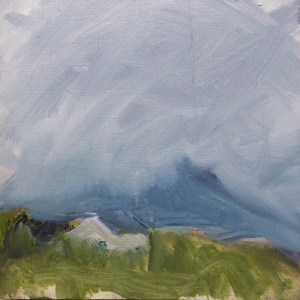
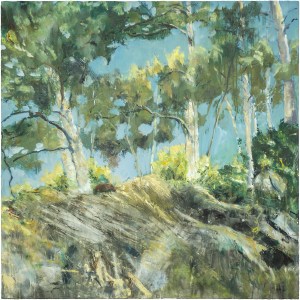
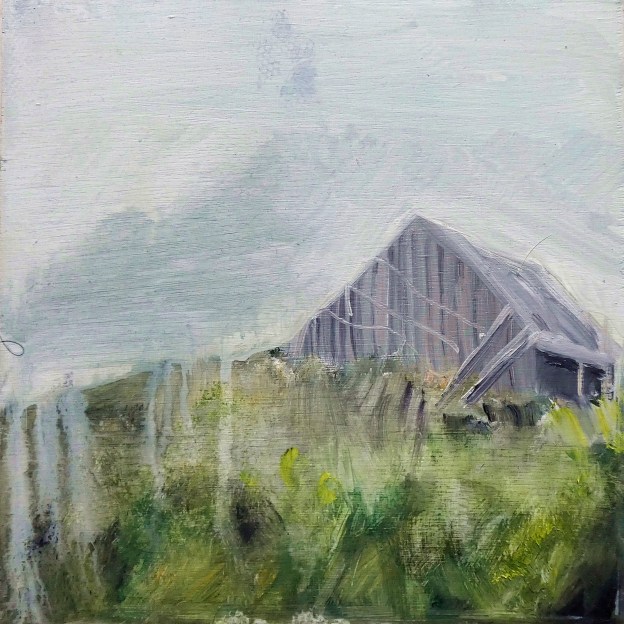
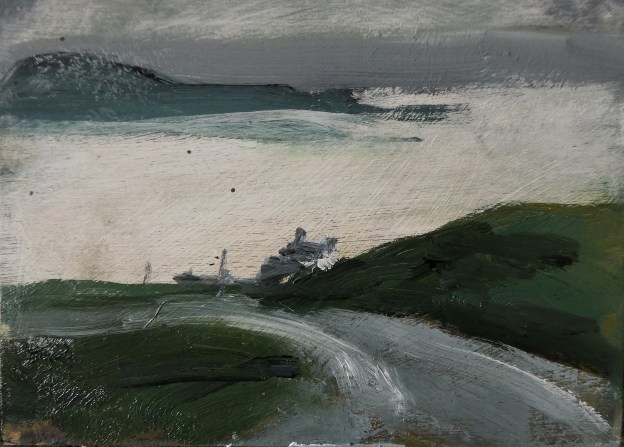
Above Coigach 7. Oil on 10×10 inch wood. Rose Strang 2023.

Today’s two paintings continue the Coigach series on 10×10 inch wood. These will be on exhibition later in the year at the Limetree Gallery, Bristol.

The painting below is a remembered impression of driving through Achiltibuie in Coigach. I take photos as I drive past but if I were just to paint the photos it wouldn’t have that ‘glimpsed’ effect that I want as I’d paint too carefully. So the approach here is just to keep painting and wiping off until it has the sense of freshness – something on the periphery of your vision that you just grasp as you drive past.

I suppose it’s how most of us see, unless we’re focussed intently on a spot in the landscape, or meditating, or very familiar with the area. There’s a sort of ecstasy in seeing hundreds of beautiful shapes and images whizzing past, and because you don’t have time to examine them in detail, they become etched on the mind almost like photos that just grasp the essentials.

Sometimes, hundreds of such images will play through my mind when I’m half asleep, which I find strangely magical.

I wonder if Ilsa D’Hollander had that experience. I mentioned her paintings a few blogs ago as I’ve long been a an admirer of her work. D’Hollander would cycle through the Dutch countryside then return to paint memories and fragments of what she’d seen in the studio. It was difficult and sad to hear that she’d taken her own life while still young. I haven’t really researched into that as I’m not sure I want to know – in any case she left a legacy of beautiful paintings, with an incredible astuteness of eye.

There’s a peace in her paintings that’s very familar to anyone interested in Northern Renaissance paintings and a light I can relate to, coming from the northern hemisphere.

More tomorrow …
Coigach series day 3

Above – Coigach 2.  Oil on 5×7″ wood. Rose Strang 2023.

I’ve realised that strictly speaking this series should be called ‘Coigach Series’ since the paintings are not just my impressions of Achiltibuie. I tend to call the Coigach area of Scotland’s west coast ‘Achiltibuie’ since that’s where I go to visit friends when I’m up there. The whole area is Coigach though – named for one of the mountains in the area. Coigach is an incredible landscape featuring unbelievably pointy mountains with beautiful names such as Stac Polaidh and Suillven. I’m gradually getting to the more dramatic scenes as I progress.

I’ve been getting into the feel of this series on 5×7 inch wood, but today I moved on to 10×10 inch wood as I’ll be creating a series for the Limetree Gallery’s winter show this year. I feel this Coigach series will suit the gallery well. The gallery owners have asked their artists for paintings in the 10×10″ format, which suits me well as I often work at that size.

Here are the latest 7×5 paintings, and the first at 10×10 …
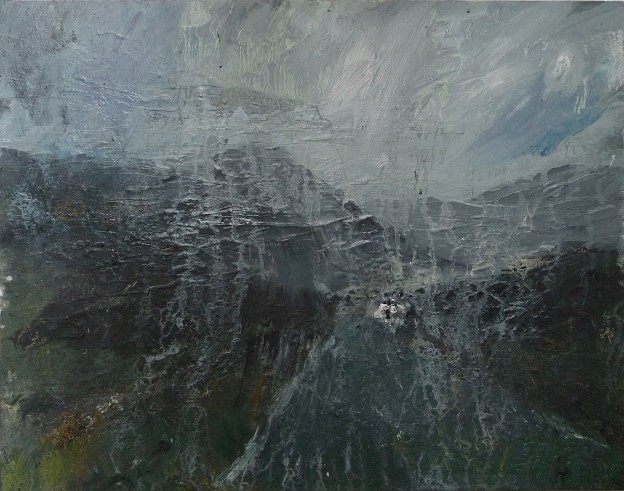
'Through Kintail 3' Oil on 14x11" wood. Rose Strang 2020

Exhibition at the Caledonian Club London

Above: Through Kintail 3. Oil on 14×11″ wood. Rose Strang 2020.

I’m delighted that Through Kintail 3 will be on show at the Caledonian Club in London as part of an exhibition organised by the Society of Scottish Artists (SSA) from Tuesday 20th June this year.

This is a new collaboration with the SSA and The Caledonian Club

The exhibition will take place from 21 June – 13 July in the Club’s Drawing Room and will showcase leading contemporary art by SSA Professional Members.

The exhibition includes works from invited artist Alasdair Wallace, alongside selected works from SSA Professional Members.

Selected Artists:

Christopher Brook | Rowena Comrie SSA PPAI | Soosan Danesh | Jean Duncan | Rhona Fleming | Shona Grant | Cate Inglis | Philip J Lavery | Aileen Keith | Rosalind Lawless | Lindsey Lavender | David Lemm | Kenris MacLeod | Mary Morrison | Gemma Petrie | Jenny Pope | Derek Robertson | Charlotte Roseberry | Carol Sinclair | Christine Sloman | Joan Smith | Rose Strang | Frank To SSA ASGFA | Vasile Toch PSSA | Fenneke Wolters-Sinke | Luke Vinnicombe

The Caledonian Club, founded in 1891, is a private members’ club situated in the heart of Belgravia, London and is “the representative national club and headquarters for Scots in London.”

This exhibition is the first in a revolving exhibition programme exploring the possibility of multiple rolling exhibitions throughout the year.


Edinburgh Come All Ye

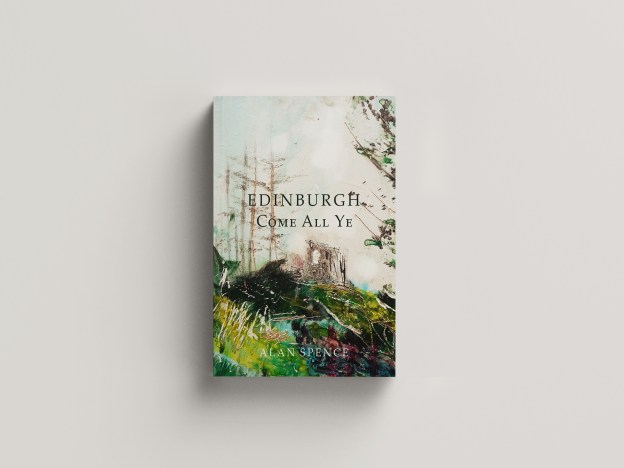
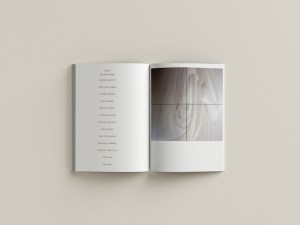
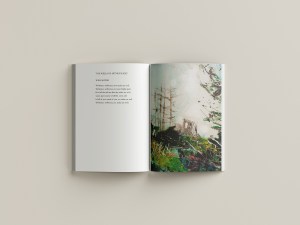
Above: Edinburgh Come all Ye, a book of poems by Alan Spence.

This book of poems by Alan Spence celebrates Scotland, Scottishness and the events of 2017- 2021, during which Alan Spence was appointed Edinburgh’s Makar. Each of the poems is accompanied by artworks by some of Scotland’s best known artists, and I’m honoured indeed to have my painting Wells of Arthur’s Seat, St Anthony’s Chapel from St Margaret’s Loch included in the book and as front cover!

Artists included are – Victoria Crowe, Alison Watt, David Williams, Calum Colvin, Doug Cocker, Andrew Archer and Joyce Gunn Cairns.

‘Makar’ is the title given to a learned and established poet who’s been invited officially to represent their country or city. Alan Spence was a great choice for the role from 2017 to 2021. His poems celebrate Scotland, but he is also influenced by Japanese literature and often writes in Haiku form. He’s also a lovely human being and great fun! He and his wife Janani opened their book shop and meditation centre in 2017 and I’d often drop in for a chat and to buy a book. In 2018 I invited Alan and Atzi Muramatsu to collaborate on a project that explores the history, flora and fauna of Arthur’s Seat in Edinburgh. It’s a hill rich in history and pre-history and my interest was in the wells that are dotted around the hill.

Alan’s beautfuul poem Wellwater which features in this book, is in the form of a wish, prayer or invocation. I was delighted by it as it captured the very essence of the project – the fact that since pre-history ordinary people believed that St Antony’s Well had healing properties. As Alan expresses in his poem ‘it’s free, it’s for everyone’. We might question the healing properties the well may have had, but in fact the water did have a high iron content (and who knows what effect their faith in its power may have had?)

The book is available to buy on the links below, and an event to launch the book takes place on the 7th September at 7pm at the Scottish Poetry Library. Alan will give a talk as part of the book launch and is sure to be as engaging as always with characteristic sensitvity and wit! It really is a delight to be a part of this book and I very much look forward to reading it.

Book launch – Edinburgh Come Al Ye, Alan Spence

Buy book at Scotland Street Press – https://www.scotlandstreetpress.com/product/edinburgh-come-all-ye

Buy book at Poetry Books – https://www.poetrybooks.co.uk/products/edinburgh-come-all-ye-by-adam-spence-pre-order

Coast

Above, Sanna Bay 2. Ardnamurchan. Oil on 47×47 inch canvas. Rose Strang 2022. One of four works still available at The Resipole Gallery (please contact the gallery for queries).

Thank you to the buyers who bought the following paintings, I hope they bring pleasure for many years to come! This has absolutely been one of my favourite series to paint, created while I was up north in Ardnamurchan with my partner Adam in May this year, it was such a beautiful time…

The following paintings are still available from the Resipole, please contact the gallery with any queries. Thank you – Resipole Gallery

And for those who might not have seen it yet, our arrangement of a beautiful song first created by songwriter Donald McColl (from Acharacle, Ardnamurchan) in the 1970s. The video features wonderful footage of Ardamurchan from our trip there this year, and some paintings in progress.

Ardnamurchan complete series

Above – Pine Trees, Silver Walk. Ardnamurchan. Acrylic and oil on 47×47″ canvas. Rose Strang 2022

This last painting completes the series for the upcoming exhibition at the Resipole Gallery, launching 12th June this year.

These give an idea of scale …

All paintings in the series below.

By Monday I’ll hopefully be posting progress on the video I’m editing, it’ll be a busy weekend!

Ardnamurchan series day 4

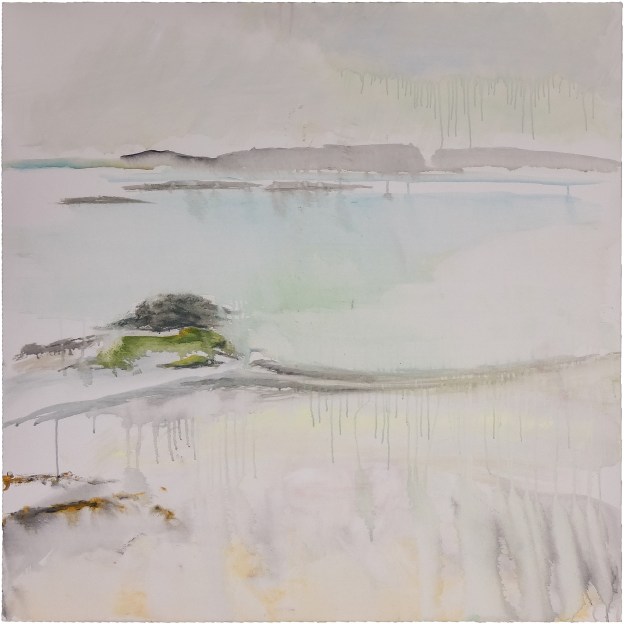
Above – Sanna Bay 2. Ardnamurchan. Oil on 47×47″ canvas. Rose Strang 2022

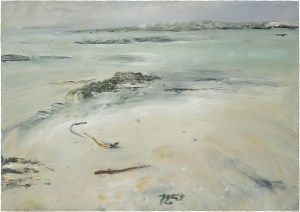
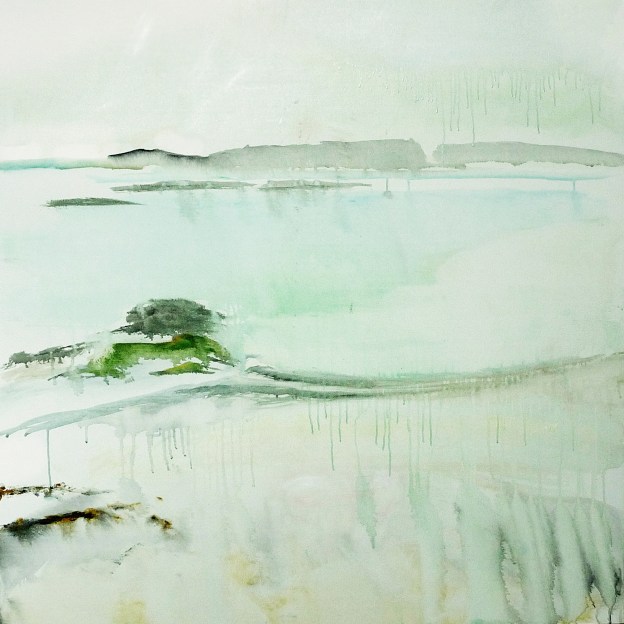
A serendipitous painting today – I started sketching in the composition lightly in paint and decided I liked the tranquil simplicity of it. I might add a tiny bit of detail to the clump or rock and seaweed on the left but happily I think I’ve captured something of the luminous stillness of Sanna Bay.

I’ve never painted at this size (47 by 47 inches – about 4 by 4 feet) but it felt quite free-ing surprisingly. I have one more painting to complete at this larger size then all seven will be finished.

This series is for the Resipole Gallery in Ardnamurchan. The exhibition (a two-person exhibition with artist Jim Wright) launches on Sunday June 12th.

Yesterday I mentioned the song I’m learning by Donald McColl. His family have kindly granted permission for me to record the song and I’m now learning the Scottish Gaelic lyrics phonetically, with a lot of help from Ceit Langhorne who’s a Scottish Gaelic translator and singer who I first met on the isle of Eigg in 2014 at a ceilidh.

I remember asking Ceit if she knew any songs of the sea which she did, so I recorded it under a beautiful full moon on Eigg. Here’s my post from the time! –

Gaelic song on Eigg by Ceit Langhorne

I hope to record the song soon and will post that here when it’s finished.

Ardnamurchan series day 3

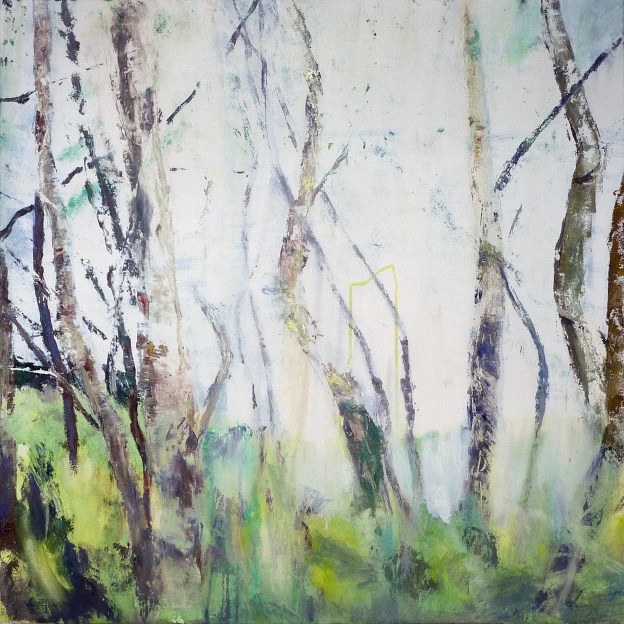
Above – Birches, Silver Walk. Ardnamurchan. Oil on 31×31 inch canvas. Rose Strang 2022

Below – Tioram, Silver Walk. Ardnamurchan. Oil on 31×31 inch canvas. Rose Strang 2022

2 Tioram, Silver Walk. Ardnamurchan

Two more paintings for the series of Ardnamurchan, which I’m creating for the Resipole Gallery. Exhibition launches 12th June this year. I’ll be travelling up from Edinburgh for the launch so if you’re planning to drop in I’ll be there to say hello!

I’m also working on recording a song, discovered in the the archives of the School of Scottish Studies. It’s by a singer and songwriter called Donald McColl and it’s about the flora and fauna of Ardnamurchan. I’ll be adding it to a video I’m also making about the series.

More on all of that soon!

From Iona to Staffa

Above Iona to Staffa 3. Oil on 12 x 12 inch wood.

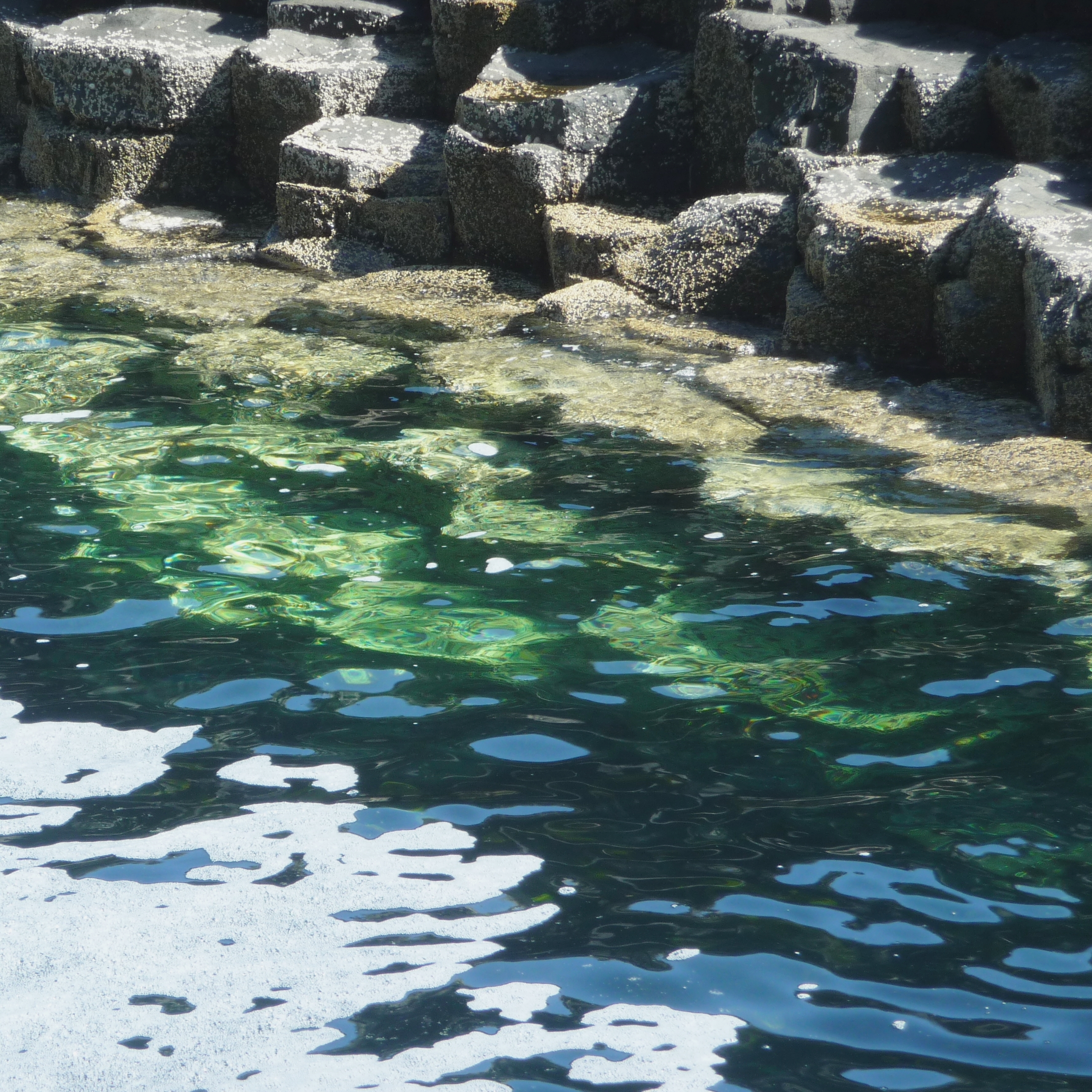
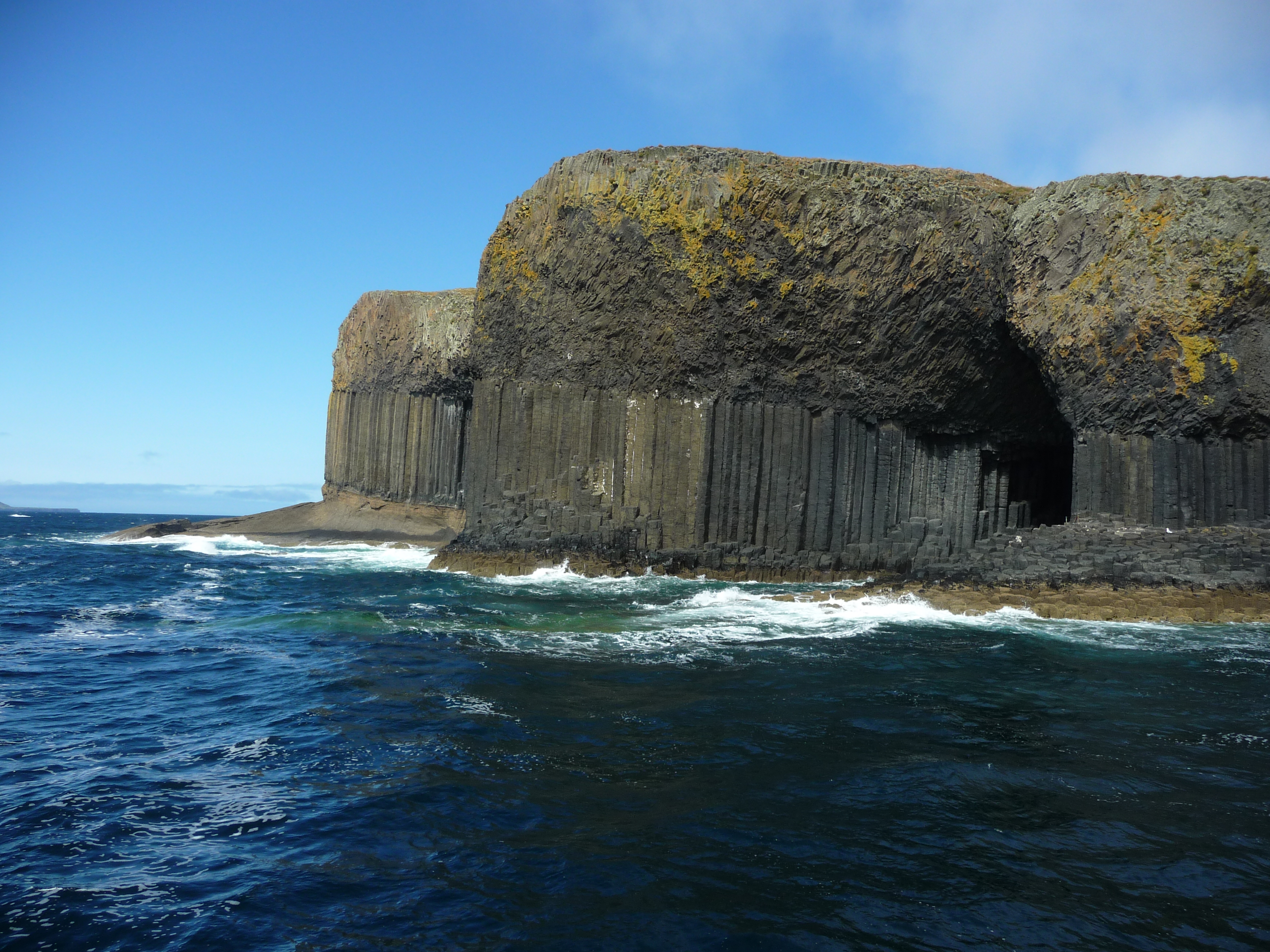
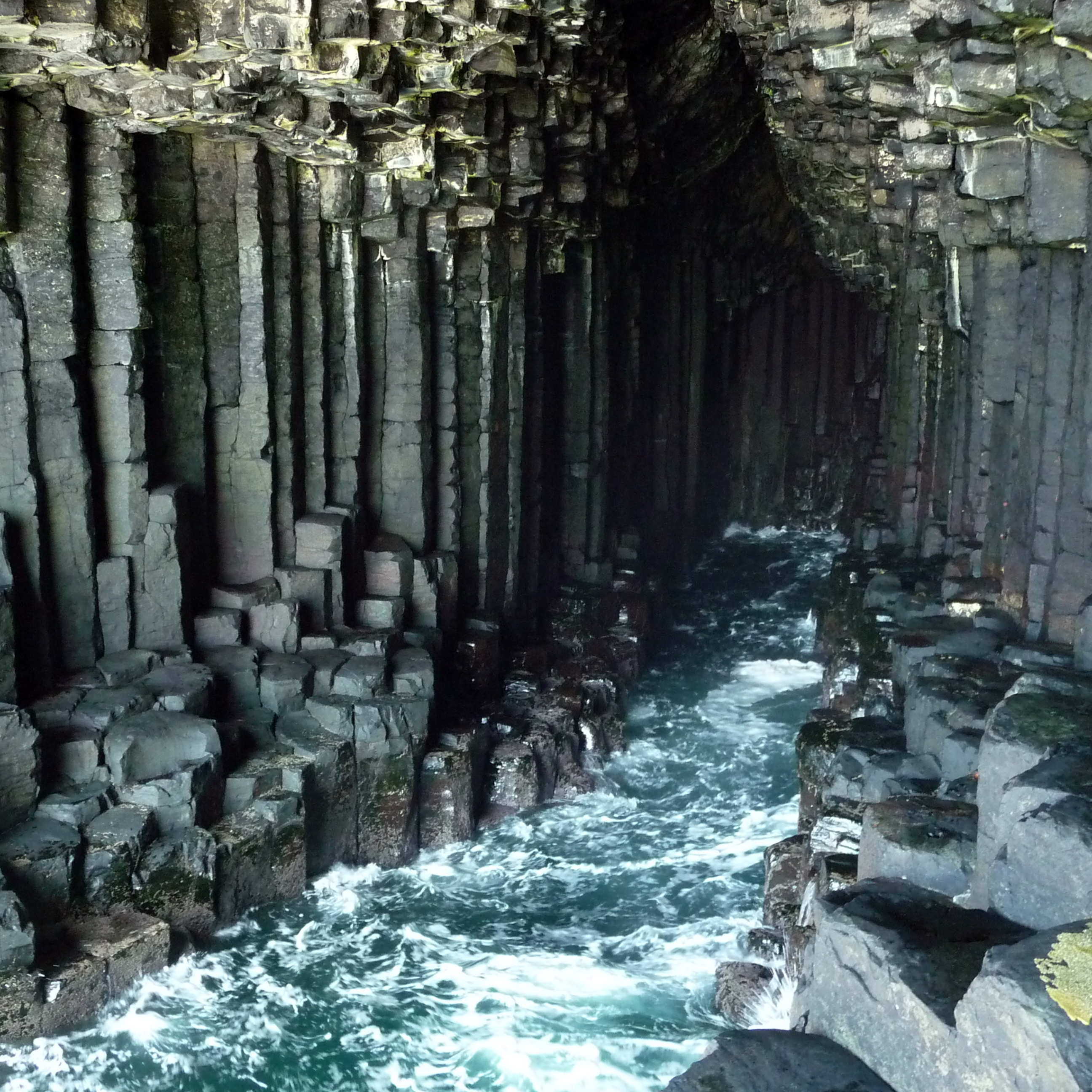
This series is inspired by a trip to the islands of Iona and Staffa last year. Although I’ve been visiting Iona since about 1991, I’d never been to Staffa – surely one of the wonders of the world with its astonishing hexagonal basaltic columns and sea caves surging with green water.

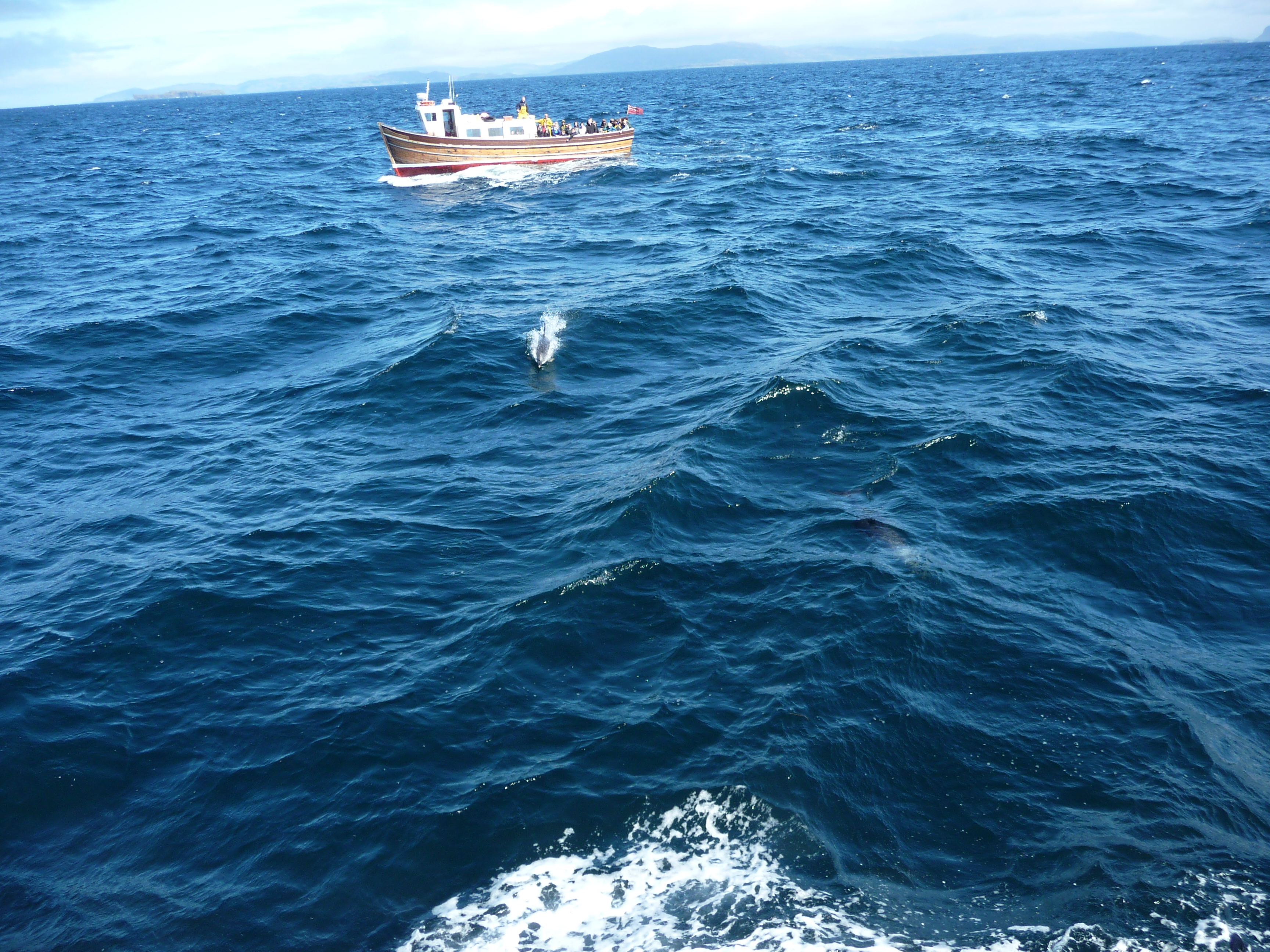
At first I wanted to capture something of the feel of the journey, which was in fact quite wild – in a small boat on a tumultuous sea in dazzling sunshine – we even saw dolphins! It was the underlying sense of myth that stayed with me though.

Iona’s spiritual history is well-known – St Columba, an Irish prince said to be exiled because of a violent dispute, travelled to Iona and began a life of spiritual contemplation with a group of monks back in the 6th century. His journeys around Scotland are remembered in history, also in tales of miracles. He was no doubt a complicated human being who’d lived a violent life in Ireland, who changed during his time on Iona – devoting his life to religion.

The island itself was said to have a druidic past. This is part speculation as those times weren’t recorded in written language in the same way as  Christian history was. Place names around the island do suggest this pre-Christian history though. It’s suggested that the Book of Kells was written by monks on Iona some time in the 9th century, but the book is now at Trinity College Dublin. Some believe the book was created in Kells, Ireland, but if you consider the fact that part of north-east Ireland and the west coast of Scotland were essentially one nation at the time, called Dalriada or Dál Riata, then it could make sense that the book might be written in the peace of Iona and taken to Kells when Iona was later attacked by Vikings.

Monks were drawn to such places at this time in the past, in the spirit of the ‘Desert Fathers and Mothers’ – a tradition inspired by Jesus’s contemplation in the desert. Basically, anywhere remote and removed from society was seen as ‘desert’ – a place to contemplate God.

Staffa, which is about 7 miles from Iona, has a mythical history stretching far back into the mists of time! It’s other name is Fingal’s Cave – inspired the myth of Fingal (Fin means light and forms part of the name of the port on Mull from where you travel to Iona – Fionphort) from ancient celtic stories. This can be a confusing subject because there was in fact a series of poems called ‘Ossian’s Tale’, created by author James MacPherson, about Fingal, but this series of poems was discovered to be ‘fake’ – not the work of a real person called Fingal from the ancient Celtic past. The stories were gathered from ancient Celtic poems though, and so it is a fascinating work.

I won’t get too detailed here about the confusion of myth, and translations from original Scottish Gaelic myths and stories by McPherson – Ossian’s Tale does mention numerous place names that still exist, and which made up Dalriada in Scotland and north-east Ireland in the third century. The myths probably refer to an ancient warrior, said to be a giant, who created Staffa as a stepping stone from Ireland to Scotland. This refers to ‘The Giant’s Causeway’ on the coast of northern Ireland which shares the same hexagonal basaltic stone features as Staffa.

Well, that’s a lot of info, which may give an idea of why I wanted to capture a sense of myth from my trip to Staffa from Iona! It doesn’t really explain the way I feel about such an experience though. Suffice to say, it stimulates my imagination and despite the numerous tourists that throng the islands these days, I still feel the spiritual pull of these places.

I used to visualise lying in a wooden boat in the crystal clear green water of the Sound of Iona, rocking gently on the waves in the sun. Where Iona feels gentle, Staffa feels almost overwhelmingly dramatic –  you feel you’ve taken part in a real life myth when you travel there.

I’ll end this post with some of my photos of Staffa …