Tag Archives: rose strang art

‘Moonscapes: Isle of Harris’ launch

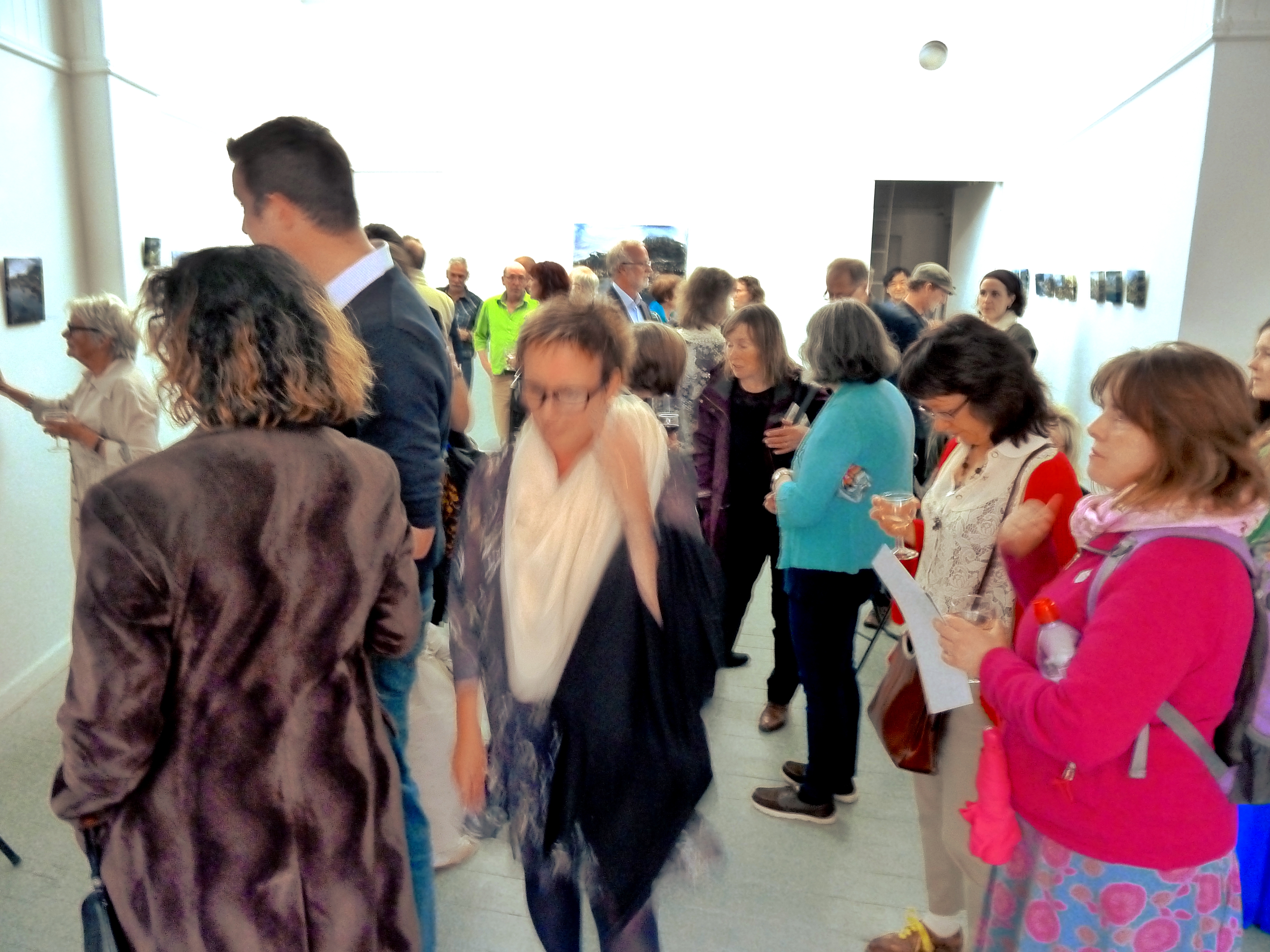
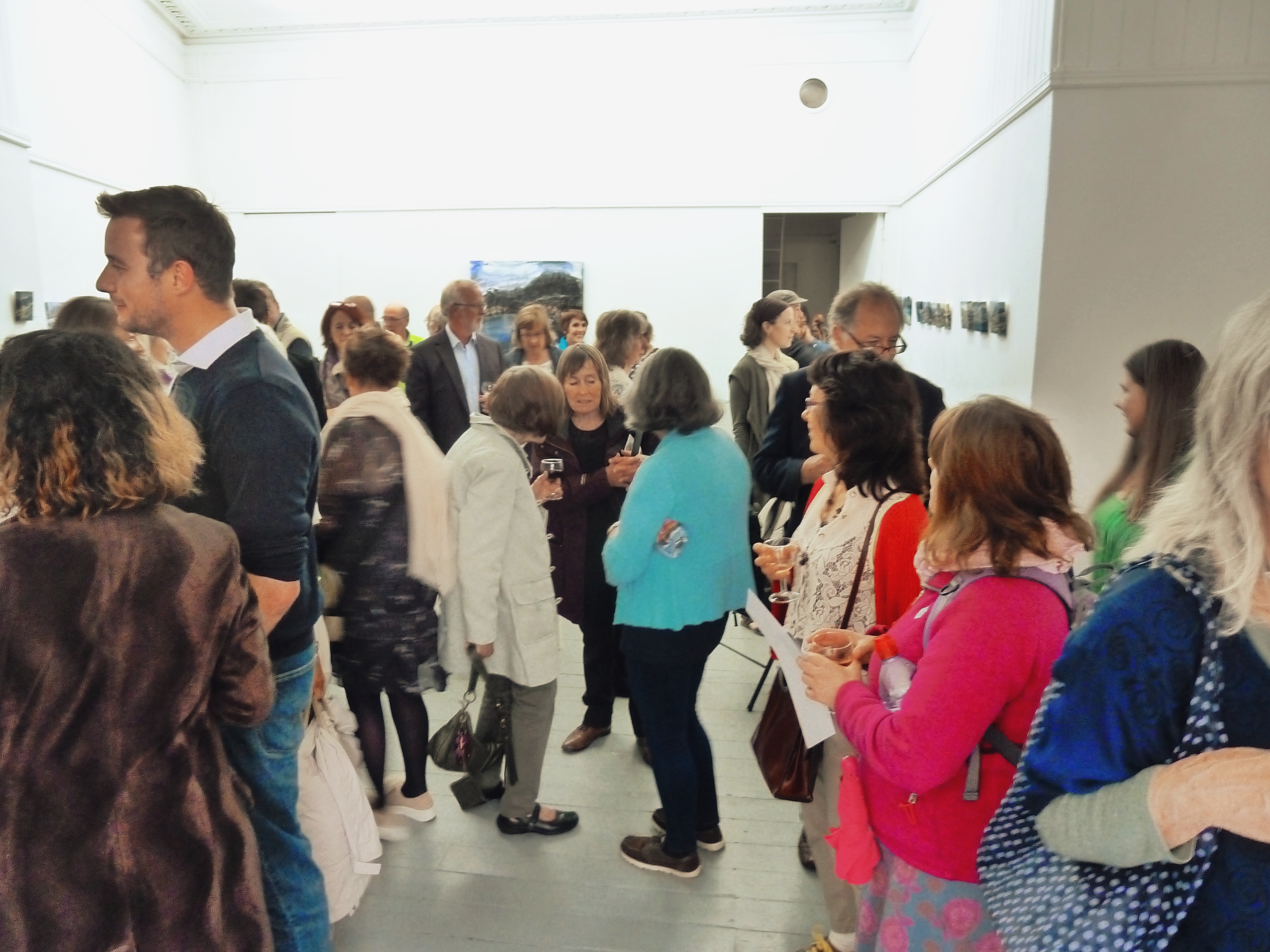
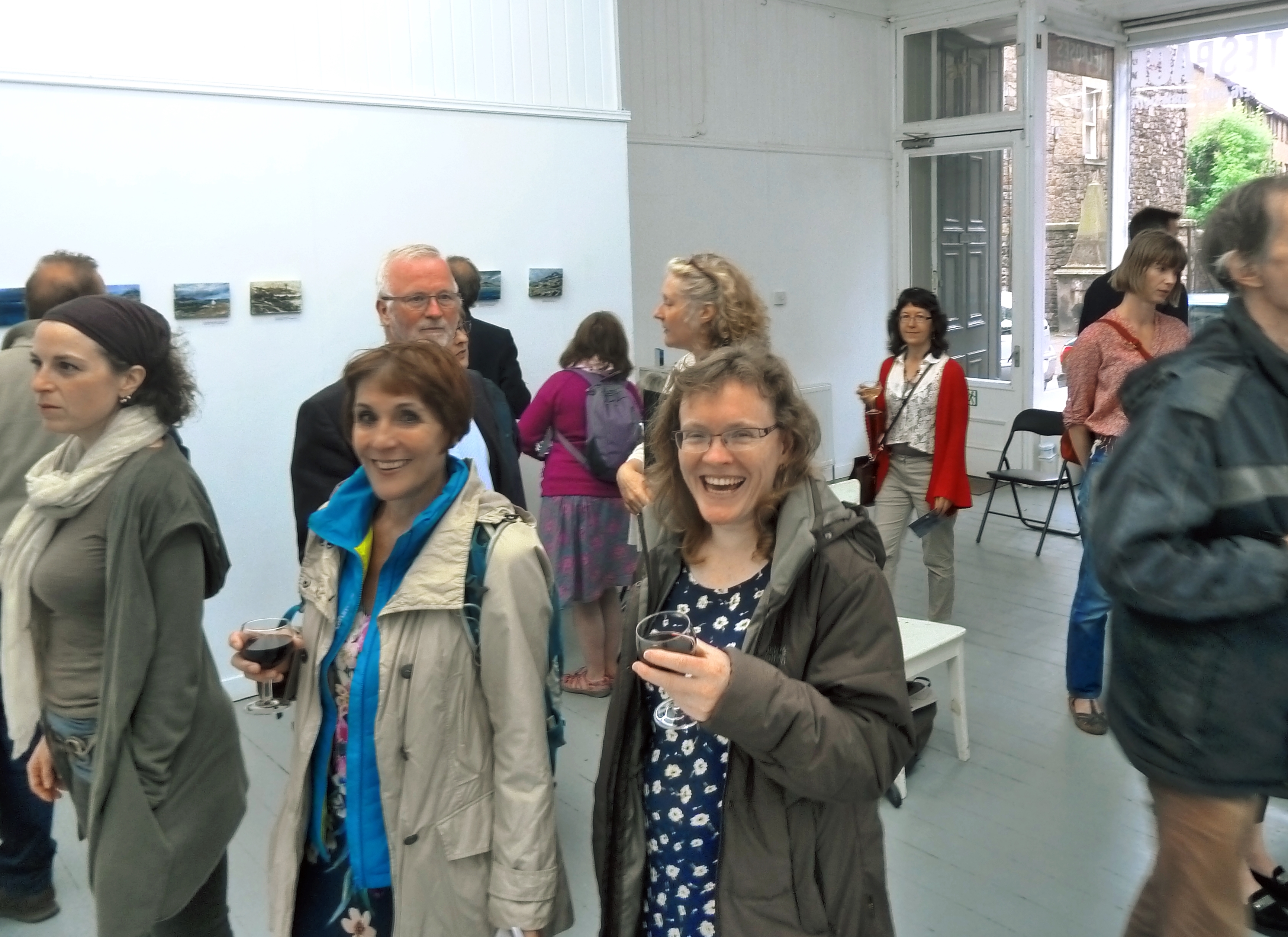
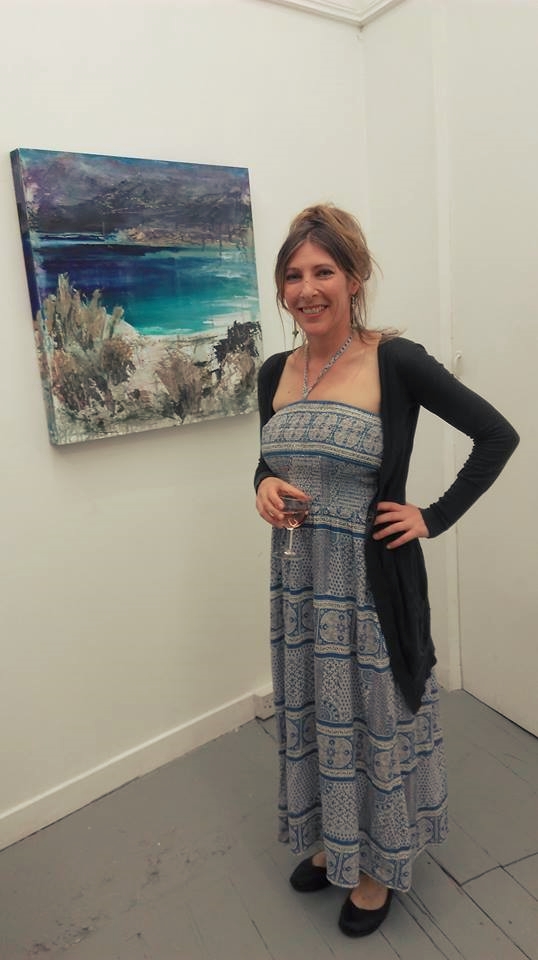
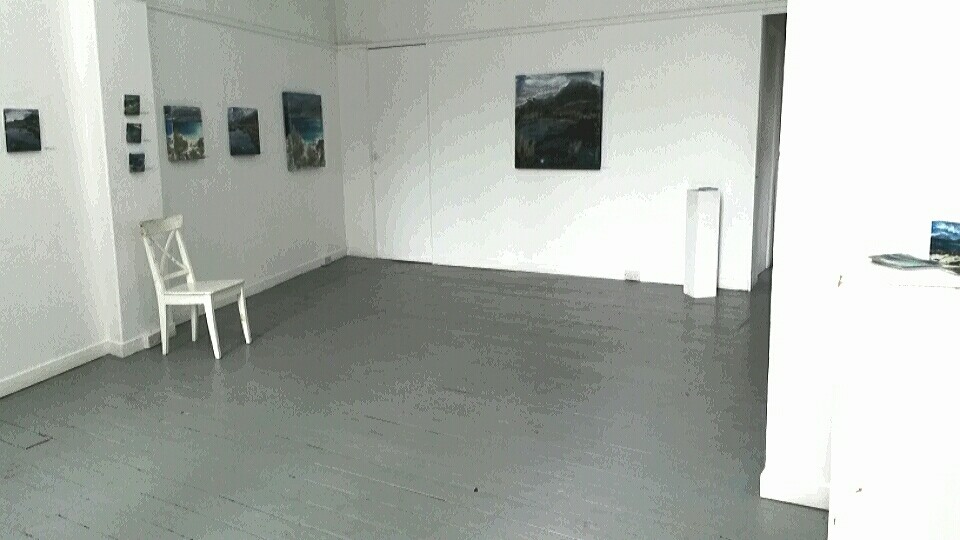
Last night’s launch of Moonscapes: Isle of Harris was a great sucess and most enjoyable. There was a good mix of people, familiar faces and new – many interesting conversations.


Rose Strang, photo Maria Doherty


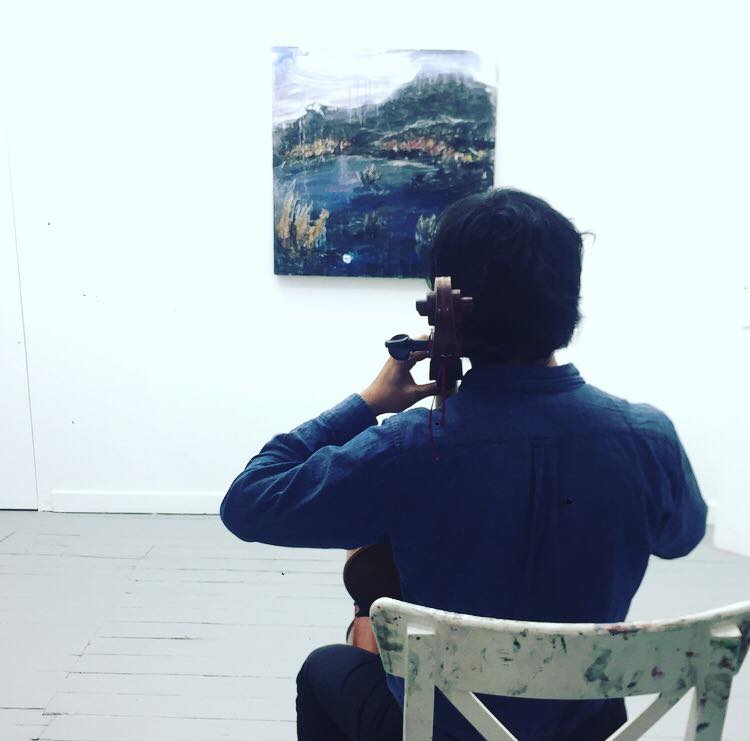
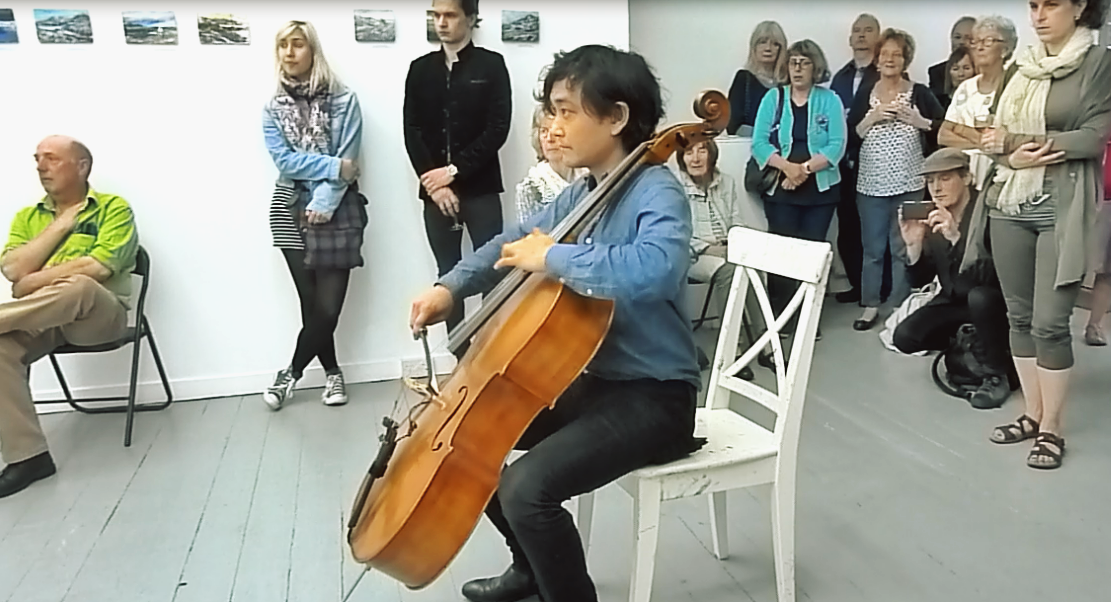
Atzi Muramatsu’s performance was magical as always. I will be posting the videos here soon. His response to Harris Moon 4 was suitably sombre and dramatic; it’s quite a dark, stormy and mysterious piece, but my favourite was probably the piece he played in response to a series of smaller works, it was evocative of being on Harris, driving along the winding coast roads watching the landscape unfold in shimmering light.

Atzi Muramatsu, photo Sarah Bader


The Edinburgh organisor of Pecha Kucha, Gordon Duffy, enjoyed the combination of music and paintings and has invited us to present our work at the next Pecha Kucha on the 27th of July, which will be a pleasure (all info on the ‘Pecha Kucha’ link above). I’ll post more about that in a few days.

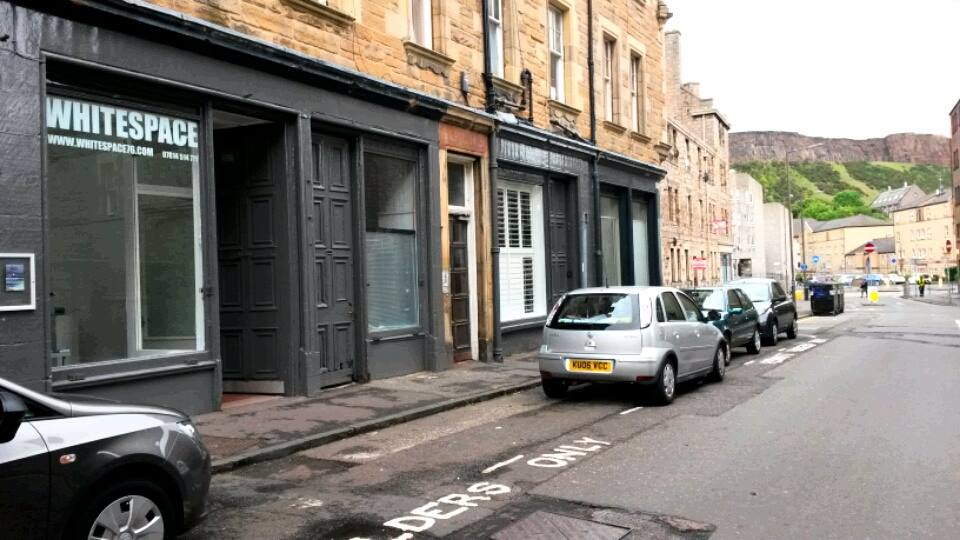
I’ll be in the Whitespace gallery every day from 12 noon to 6:30pm until Thursday, so if you are in Edinburgh drop in for coffee and a chat! (map and directions etc Here)

Many thanks to Catherine Strang for hosting and sales, to Donald Ferguson for helping with set up (and for his excellent company on the trip to Harris earlier this year) and to Atzi for another excellent performance – this is our fifth year of collaboration and friendship and as Atzi said last night ‘it gets better and better’. Also thanks to Leigh Chorlton (artist and manager of Whitespace) for his friendly support, it’s a lovely space and a delight to show there!

Thoughts on people and culture …

‘Damascus Rose 3’. Mixed media on 36×36″ wood panel

My recent article about creative exploration of the way we view a people and its culture was published on Bella Caledonia today, link – http://bellacaledonia.org.uk/2017/03/10/roses-of-the-world/

It’s great to add my voice to the creatives who contribute to Bella Caledonia –  an online publication that was launched in 2007 by Mike Small and Kevin Williamson (now also a supplement as part of The National).

It became hugely popular in the run up to 2014’s Scottish independence referendum, offering an alternative to mainstream media, and an interesting mix of in-depth opinion and culture alongside politics.

They increasingly encourage contributions from a variety of thinkers and creatives –  and my article coincides with a general interest in exploring ideas of identity and nation; a subject that has recently dominated headlines, most recently with Melanie Philips’ controversial (and inexplicable!) Times article which offered up some suspect ideas on what constitutes a nation. (I’d link to it but there’s a Times paywall – you can explore Bella’s response here  http://bellacaledonia.org.uk/2017/03/07/authentic-nations/)

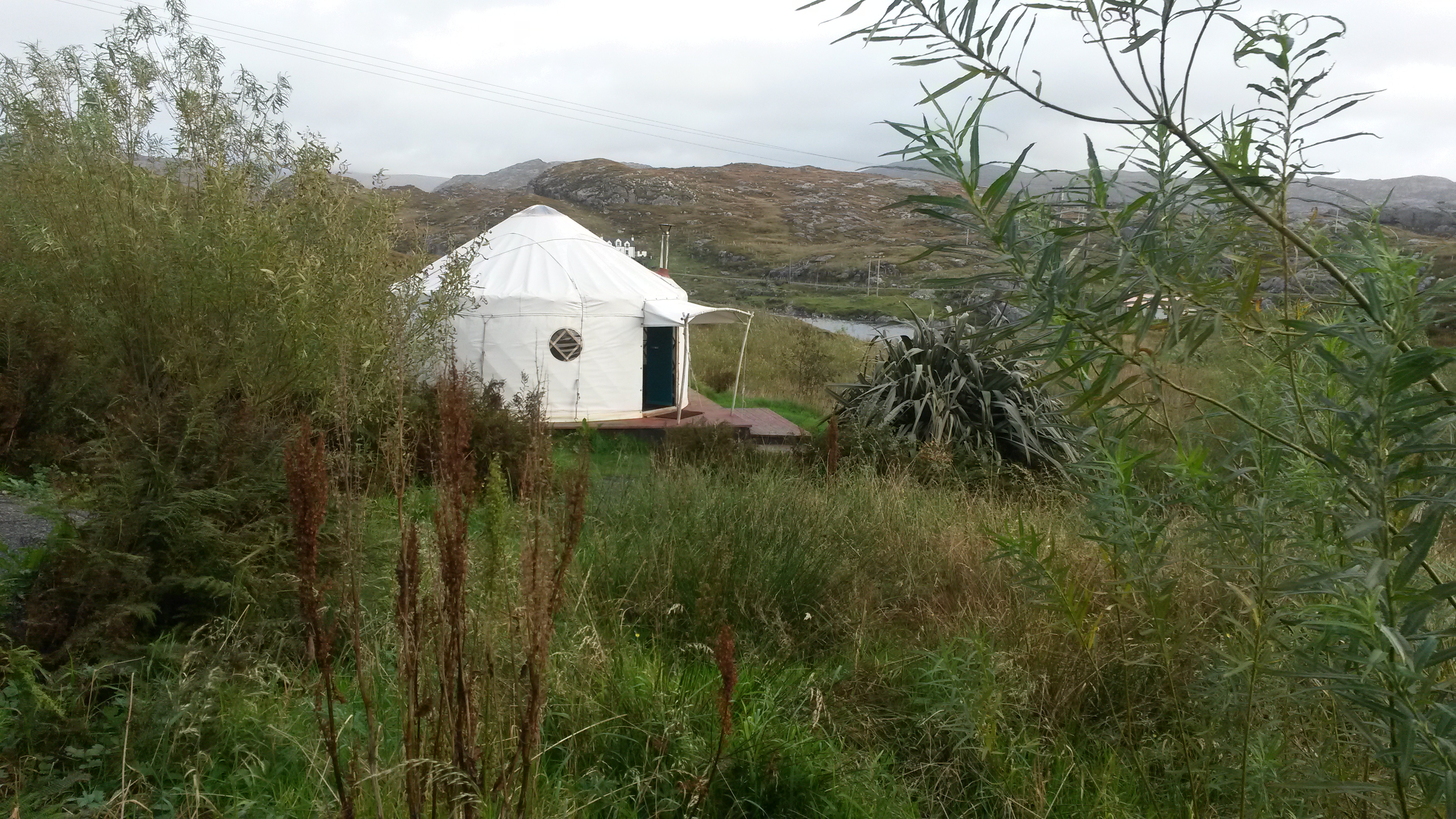
I’ve always been resistant to art that coincides with a certain political stance or party, and still am – my recent series was a visceral and emotional response to the situation in Syria, also my attempt at a creative take on the way propaganda influences our view of a nation, or a people and their culture. Ultimately though, the inspiration is landscape for me creatively, and I can’t wait for the upcoming trip to the Isle of Harris in May – peace and inspiration beckon!

Blue series day 5

'Blue 3'. Mixed media on 20x16" canvas

‘Blue 3’. Mixed media on 20×16″ canvas

'Blue 2'. Mixed media on 20x16" canvas

‘Blue 2’. Mixed media on 20×16″ canvas

'Blue 4'. Mixed media on 20x16" canvas

‘Blue 4’. Mixed media on 20×16″ canvas

These are the latest versions of the blue series (Number 2 is finished). The rest are still in progress and I’m now collaborating with composer/cellist Atzi Muramatsu on the series. We’ll be responding to each other’s creative progress which will feed into the final results of paintings and music. As always I’ll post results of our work here via video and images.

It’s a pleasure as always to work with Atzi, who collaborates across many art forms including dance – we’re buzzing with ideas at the moment! You can view/hear Atzi’s work Here and Here

Also, this video shows our most recent small collaboration..

http://www.youtube.com/watch?v=MzMVjho3LXs


‘North’ cello piece

As mentioned a few days ago, my friend, the composer/cellist Atzi Muramatsu, offered to create a musical response to his favourite paintings from the Snowscapes series. He emailed his music piece to me a few days ago and I’ve had time today to put together a two-minute video montage (below)

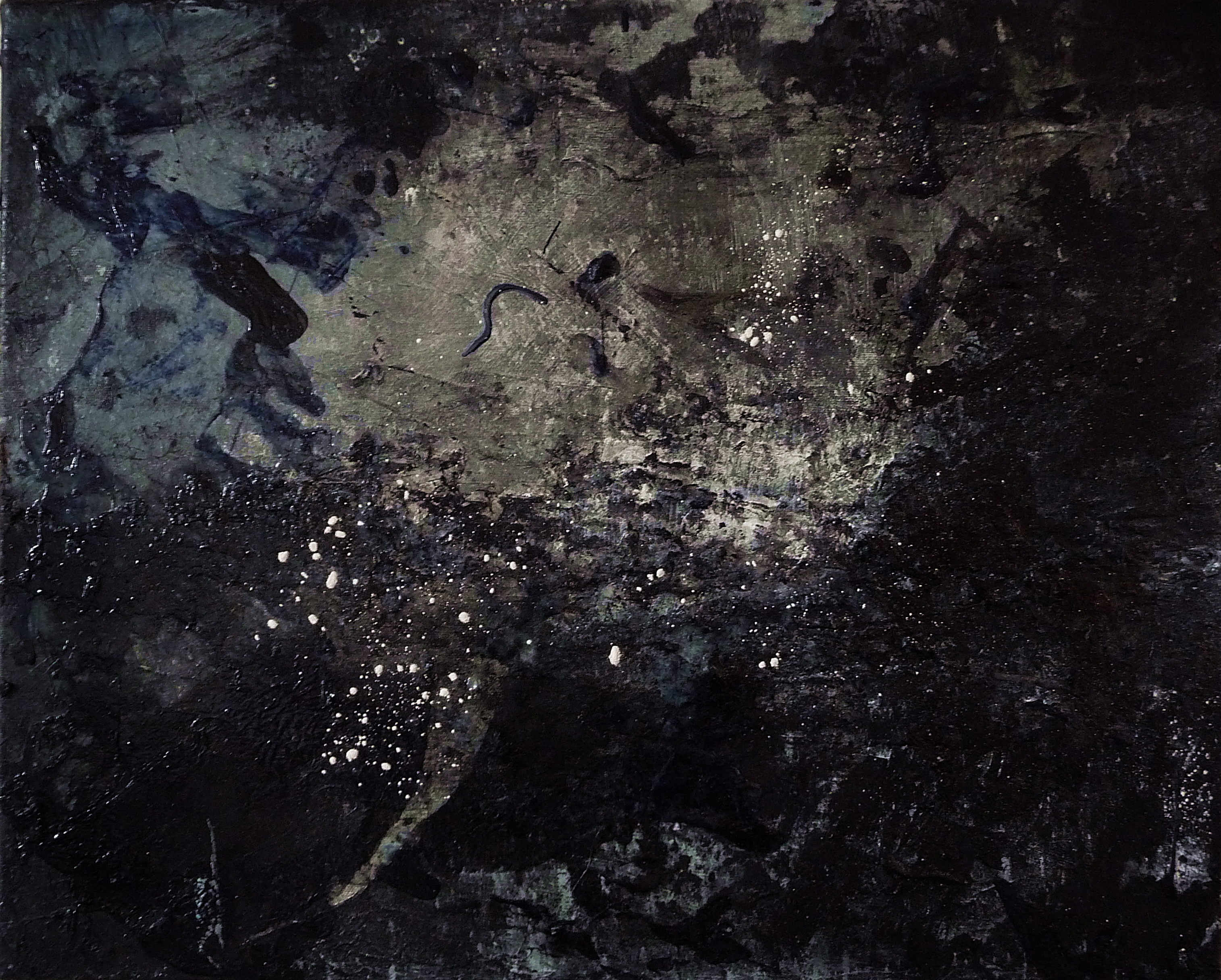
I love the way Atzi’s music draws me into his response to the paintings,  often re-inspiring ideas. In this case I’m inspired to play around with black ink – allowing subtle effects to happen with salt and ink, suggesting space and depth through layers and transparent glazes.

Hope you enjoy the video  – ‘North’…


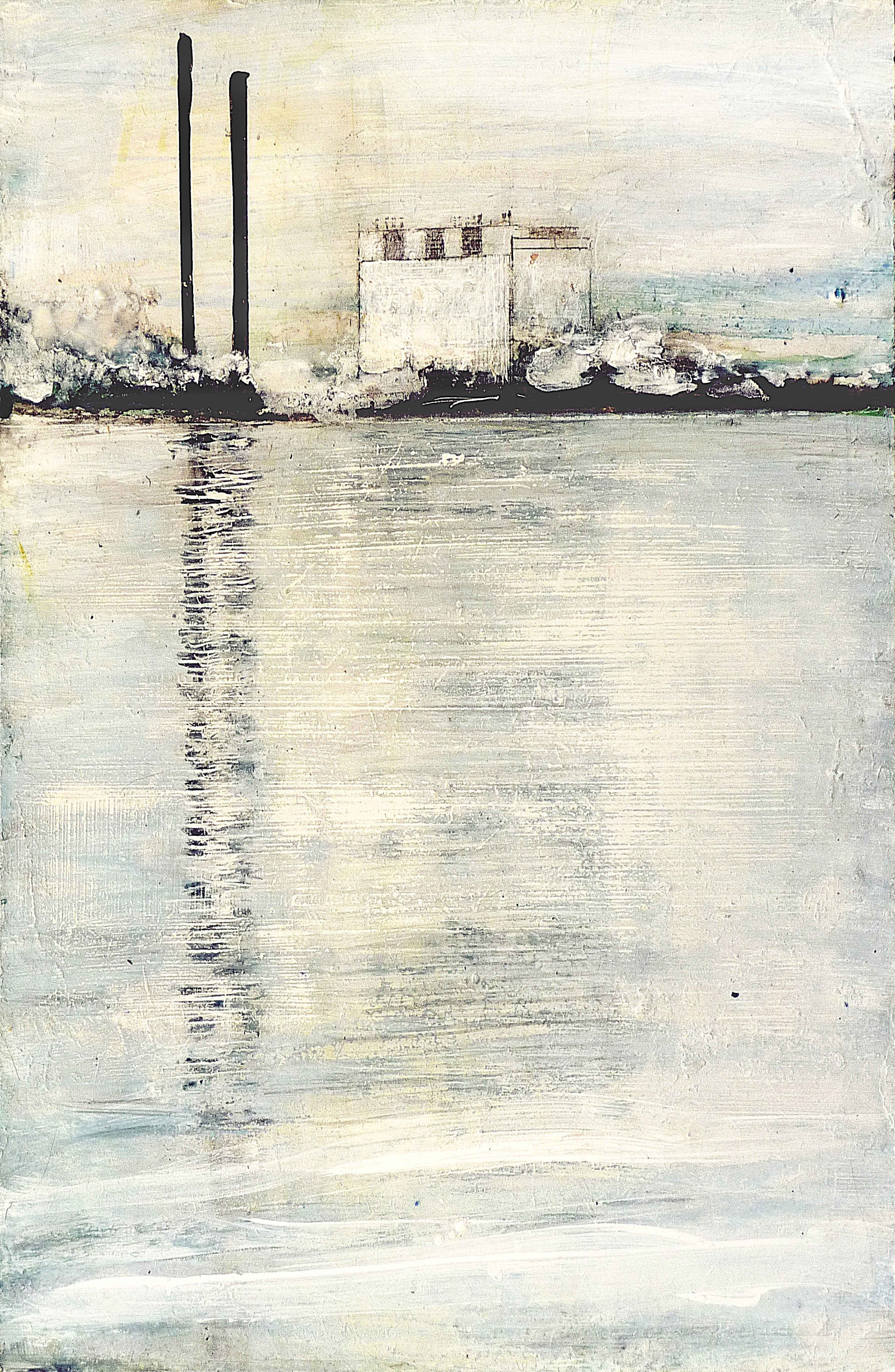
Cockenzie Power Station: 2 Paintings

'Cockenzie Power Station, 26th September 2015'. Mixed media on 17x11" wood panel

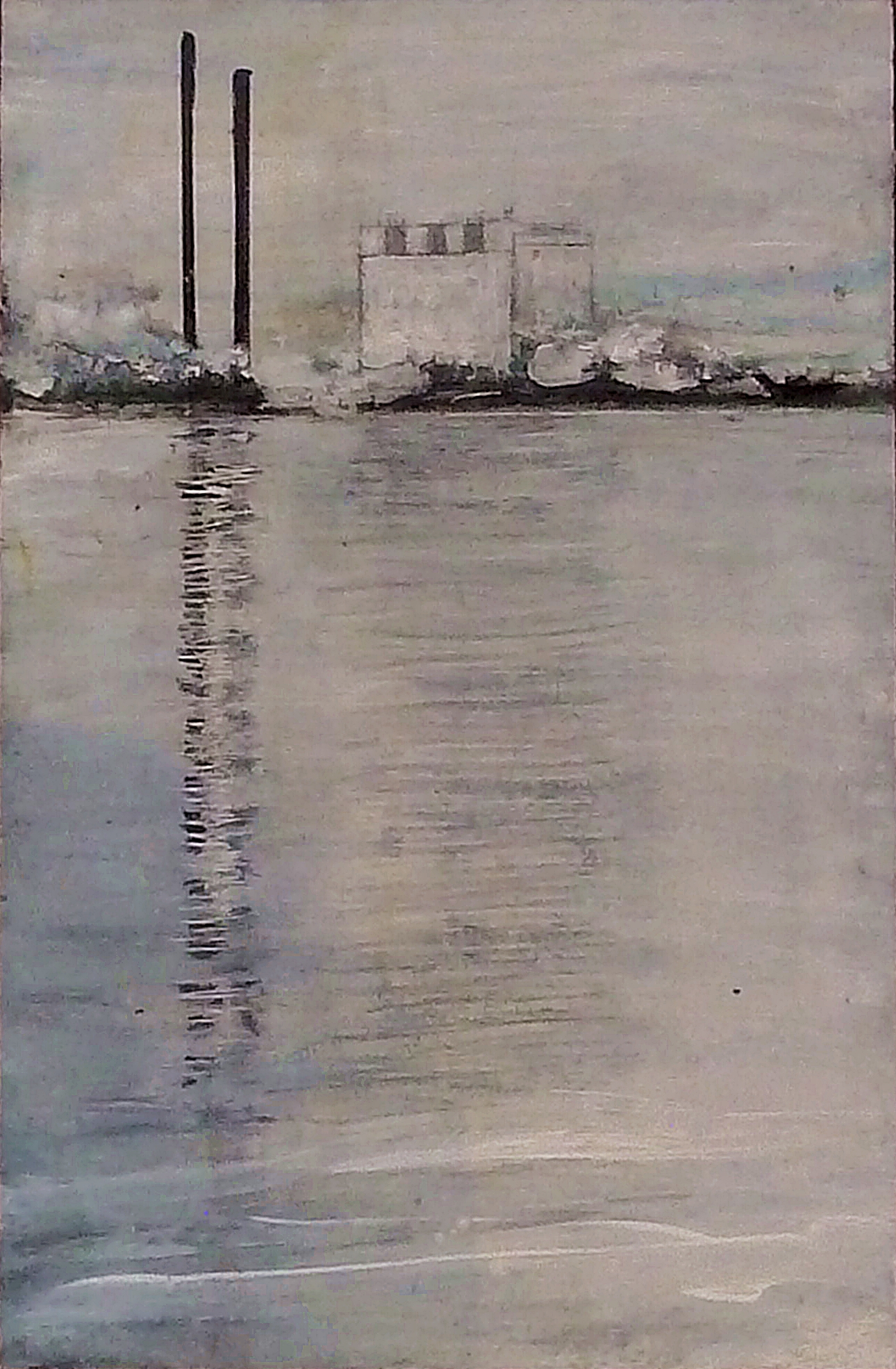
‘Cockenzie Power Station, 26th September 2015’. Mixed media on 17×11″ wood panel

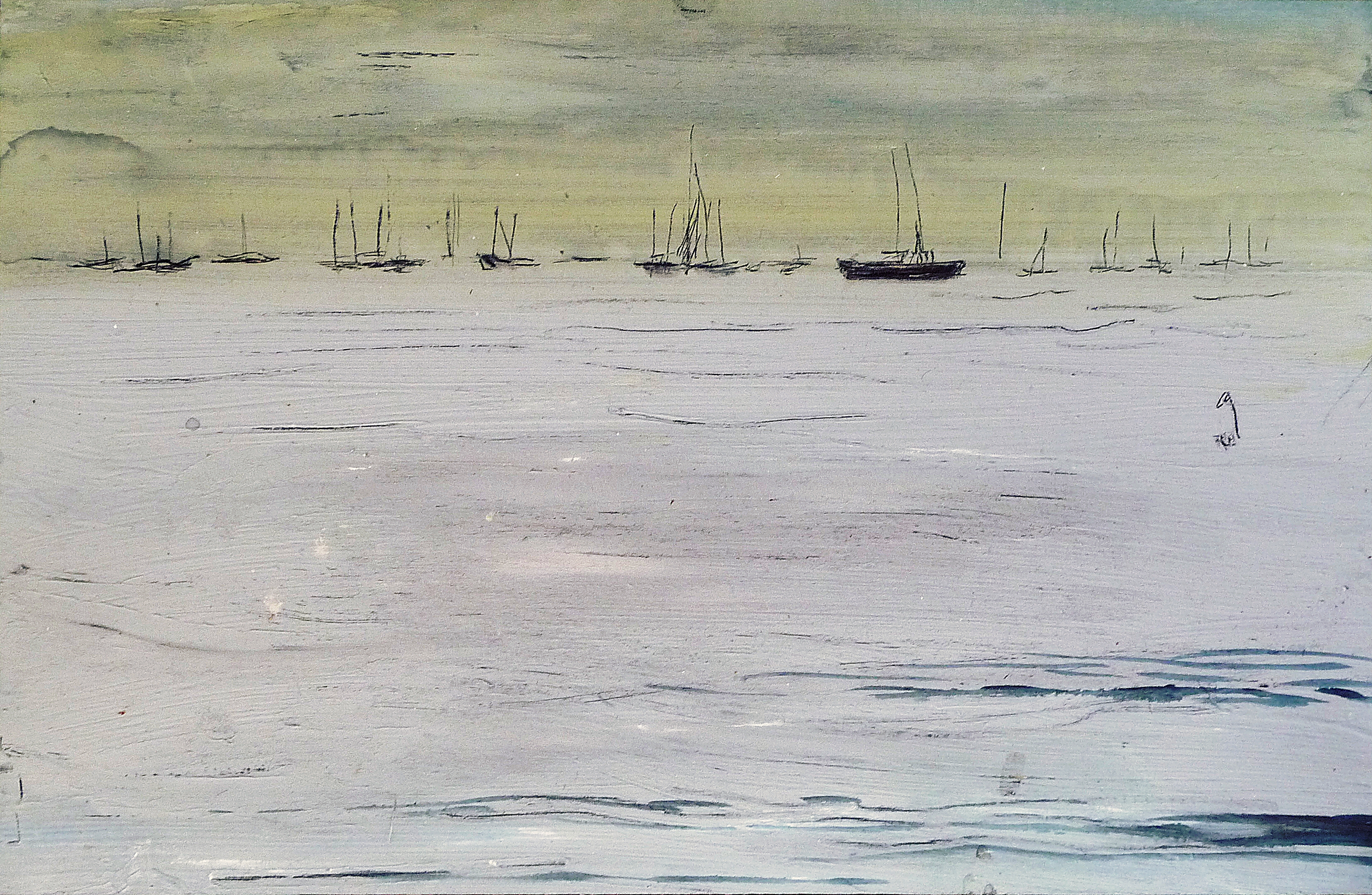
'Watchers (Cockenzie)'. Mixed media on 17x11" wood panel

‘Watchers (Cockenzie)’. Mixed media on 17×11″ wood panel

These are the two finished works in response to Cockenzie Power Station which was demolished at 12 noon on the 26th of September this year.

It was a coal fired power station launched in 1967, run by the nationalised Scottish electricity board then by privatised Scottish Power, classed as inefficient in 2013 then decomissioned.

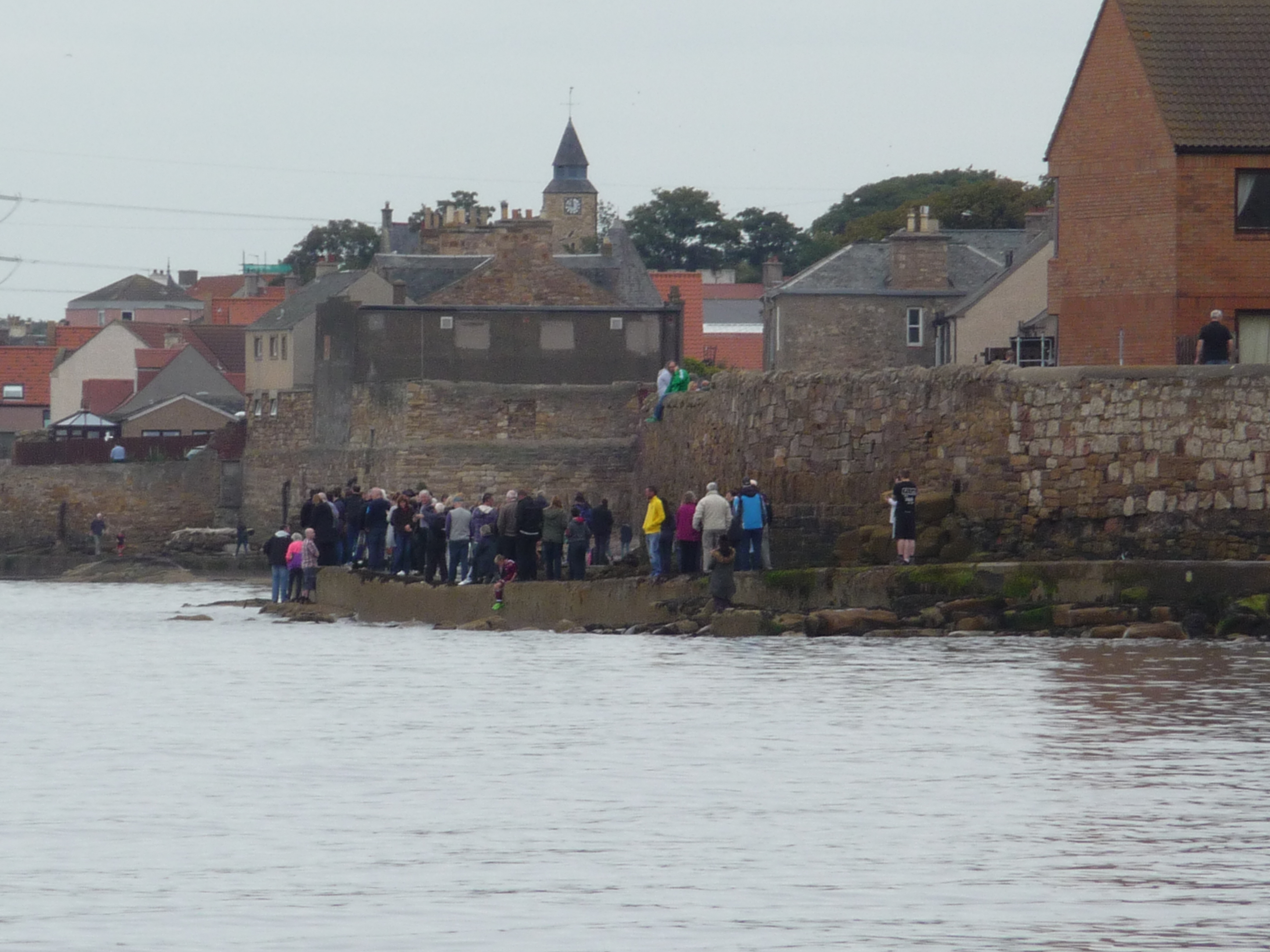
People lined the east coast shores on the 26th to watch it come down, and luckily I got a call from a friend who was driving out there. I knew it would be a good photo opportunity but only decided to paint it later.

Watching my video afterwards, I realised I’d captured the sound of waves, as I was just a few feet away from the shore, and I liked the way the sounds of explosion along with ‘oohs’ and ‘aah’s from the crowd faded into peaceful, lapping waves.

This is my video of the event…

The towers, reflected in the water, then vanished, seemed like seismographic recorders. The waves like time-markers or markers of disruption, lapsing into peaceful silence. I wanted to reflect these ideas, and played around with effects on a wood panel until it felt right. I liked the way the reflection of the towers began to resemble a seismograph, which is why I made the towers appear less real, more like graph needles or markers of time.

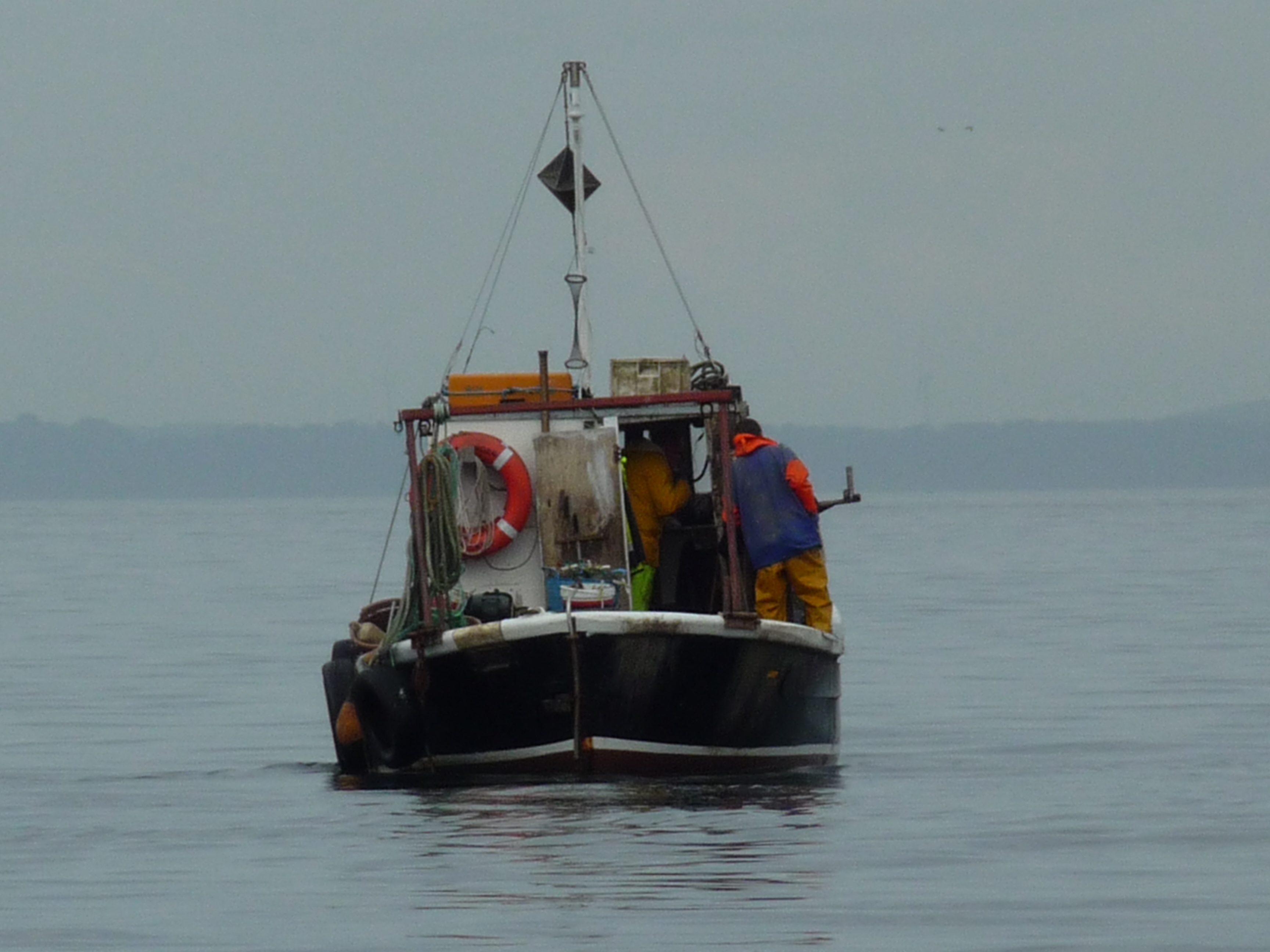
Lastly here are a few photos of people watching on the shore or from the sea..

P1280615 P1280603 P1280620


Cockenzie Day 5

'Cockenzie Power Station, 26th September 2016'. Mixed media on 17x11" wood panel

‘Cockenzie Power Station, 26th September 2016’. Mixed media on 17×11″ wood panel

Today’s version of Cockenzie Power Station. I’m a bit more happy with this, but the light’s fading so it’s hard to tell. Tomorrow’s the last day I have time to paint for a while, so I think it’s almost there, it had better be!

I was sorry to miss the Demarco European Art Foundation’s exhibition of Romanian Artists yesterday. Romania commemorates the holocaust on the 8th October and yesterday was the preview evening of the Romanian artists Richard Demarco has worked with over the decades.

The exhibition is still on at Summerhall in Edinburgh, so drop in if you’re nearby. I hope to see it in the next few days. There is sure to be fascinating work there, often by artists responding to Romania’s often troubled history from past to present, including Neagu, Horia Bernea and Ion Bitan. It’s an inspiration to see the Demarco Foundation’s continuing committment to presenting the work of artists across Europe.

You can view more info about the exhibition Here

Yesterday was also my mum’s birthday and the day an asteroid ‘SKIMMED’ (Daily Express 🙂 ) past the earth at 45, 000 miles ph, missing us by a mere 25 million miles!

New works

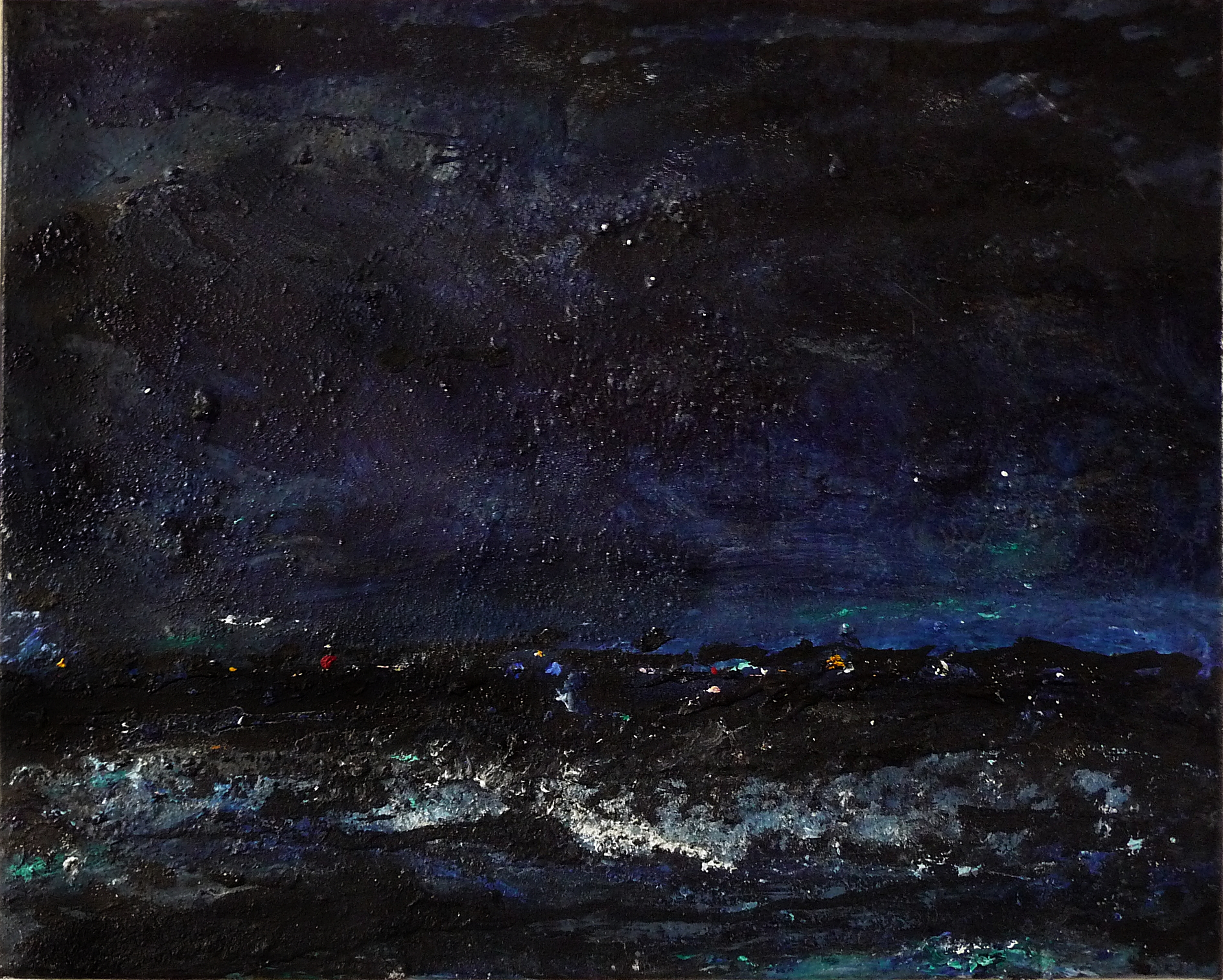
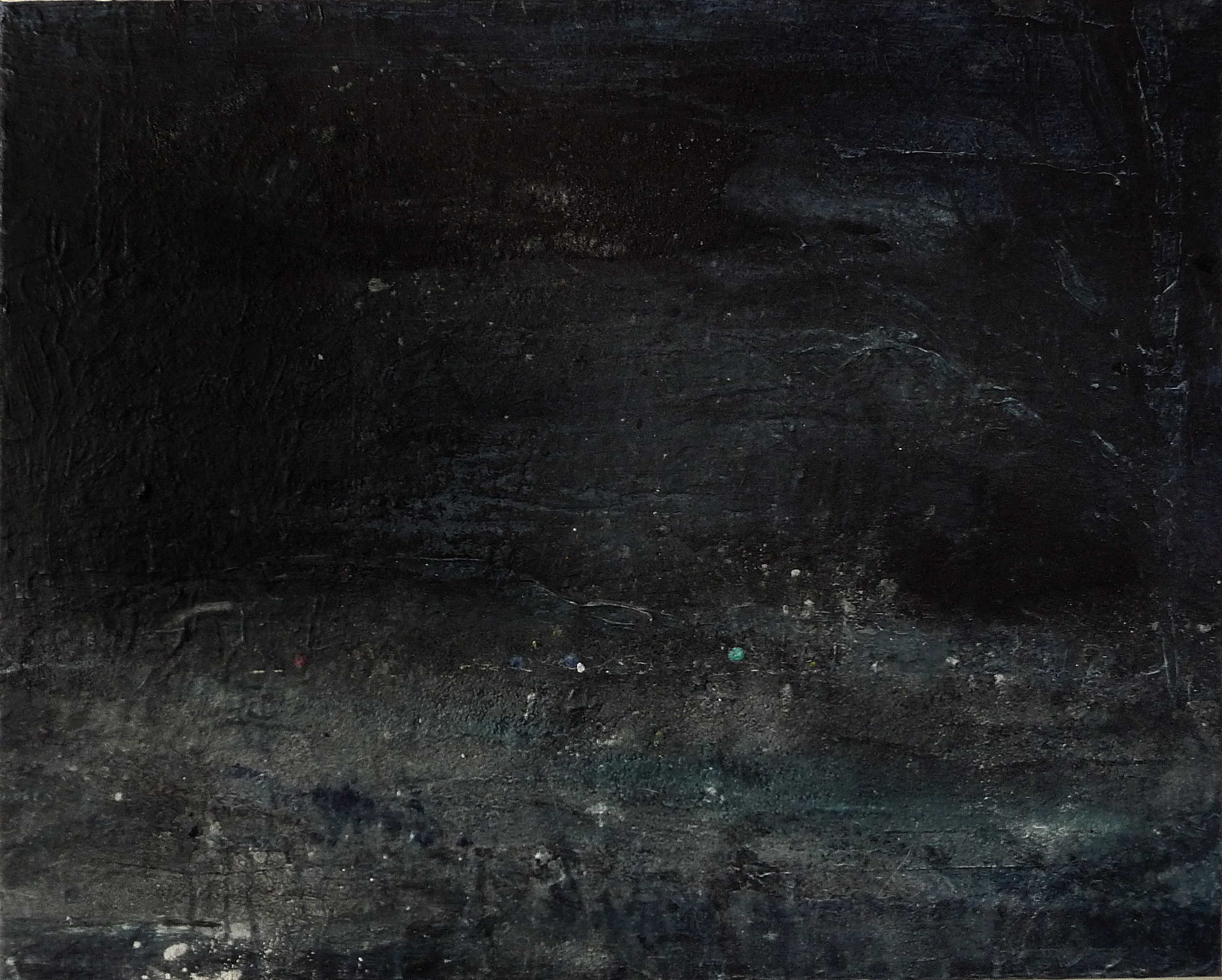
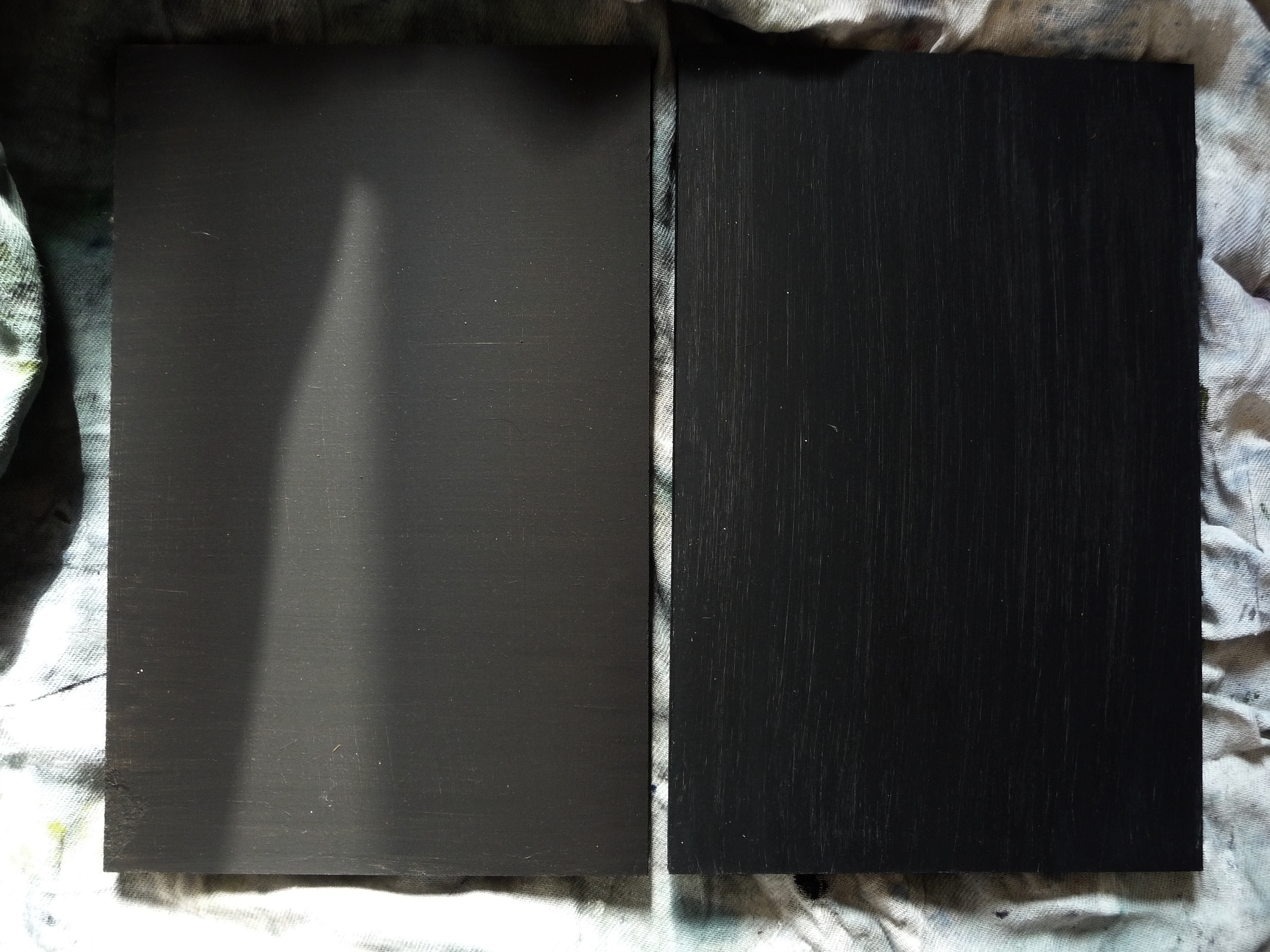
P1280696I’m just laying down the base colour on these 17×11 inch wood panels for two new paintings I’m creating, inspired by the moody seascapes and atmosphere of the east coast. I watched Cockenzie Power station being demolished last weekend and I wanted to express ideas of change and impermanency.

The dark background is because I’ll be layering over subtle mid-grey tones mixed with gesso and marble dust, then scratching through the top layer to create forms and lines. At least, that’s the plan! Things always change in process.

These should be finished by the end of next week, then I’ll be submitting them for the RSA in Edinburgh


Prints

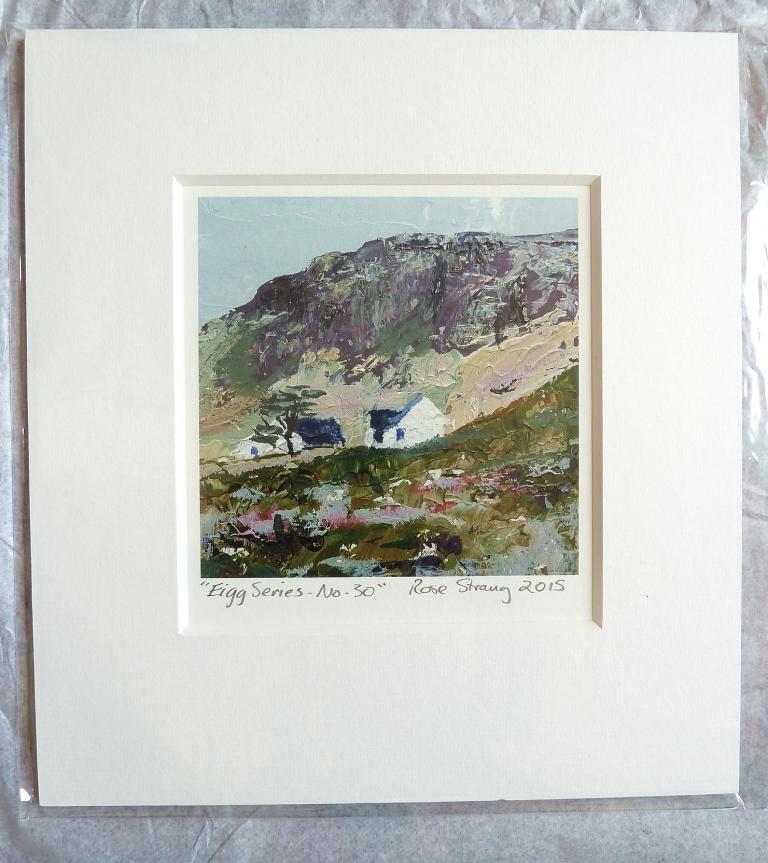
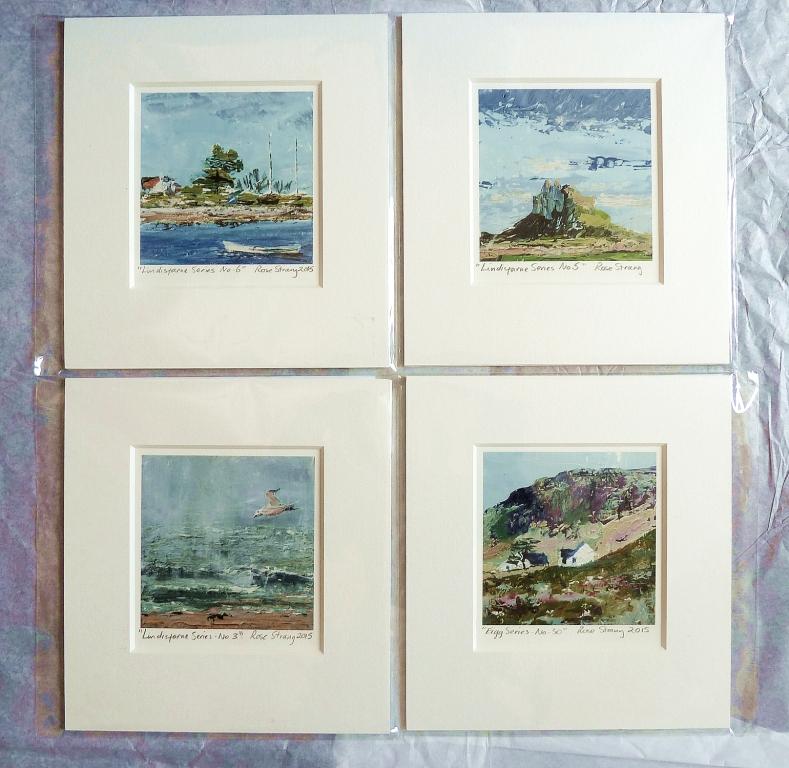
Mounted print. 5x5 inch print in 10x10 inch mount

Mounted print. 5×5 inch print in 10×10 inch mount


Mounted Prints (selection). 5x5 inch image in 10x10 inch mount

Mounted Prints (selection). 5×5 inch image in 10×10 inch mount


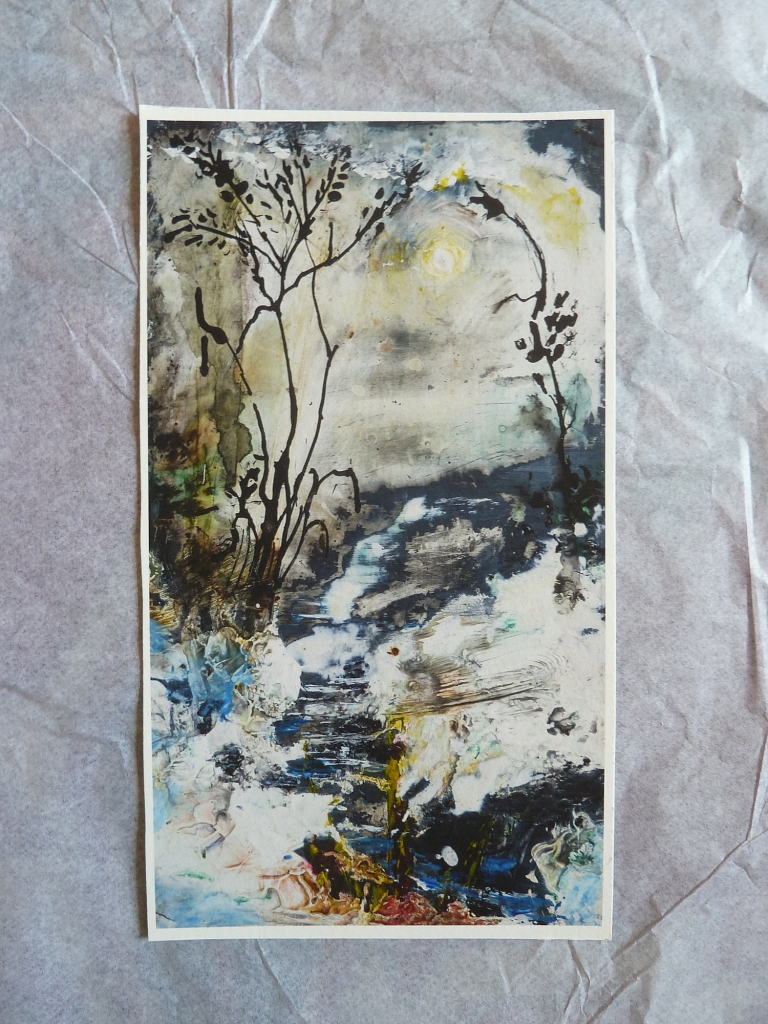
'North II' Giclee print 8x4.5 inch giclee print

‘North II’ Giclee print 8×4.5 inch giclee print


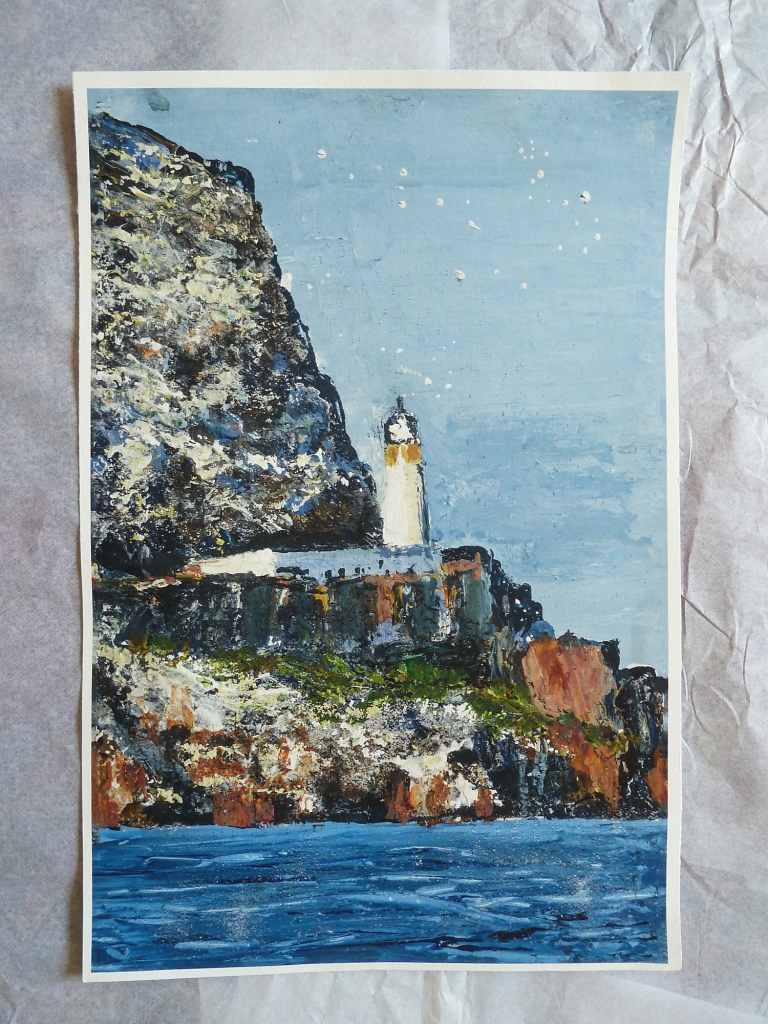
'North Berwick, Autum'. 14x9.5 inch giclee print

‘North Berwick, Autum’. 14×9.5 inch giclee print


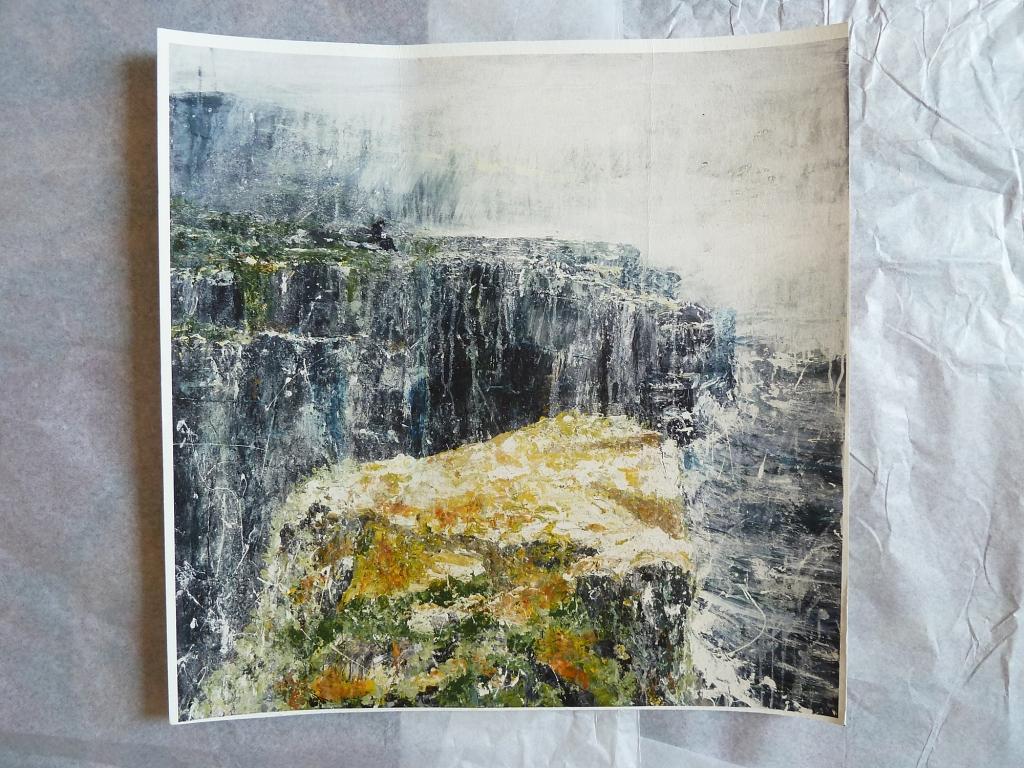
'North - Transmigration'. 12x12" giclee print

‘North – Transmigration’. 12×12″ giclee print

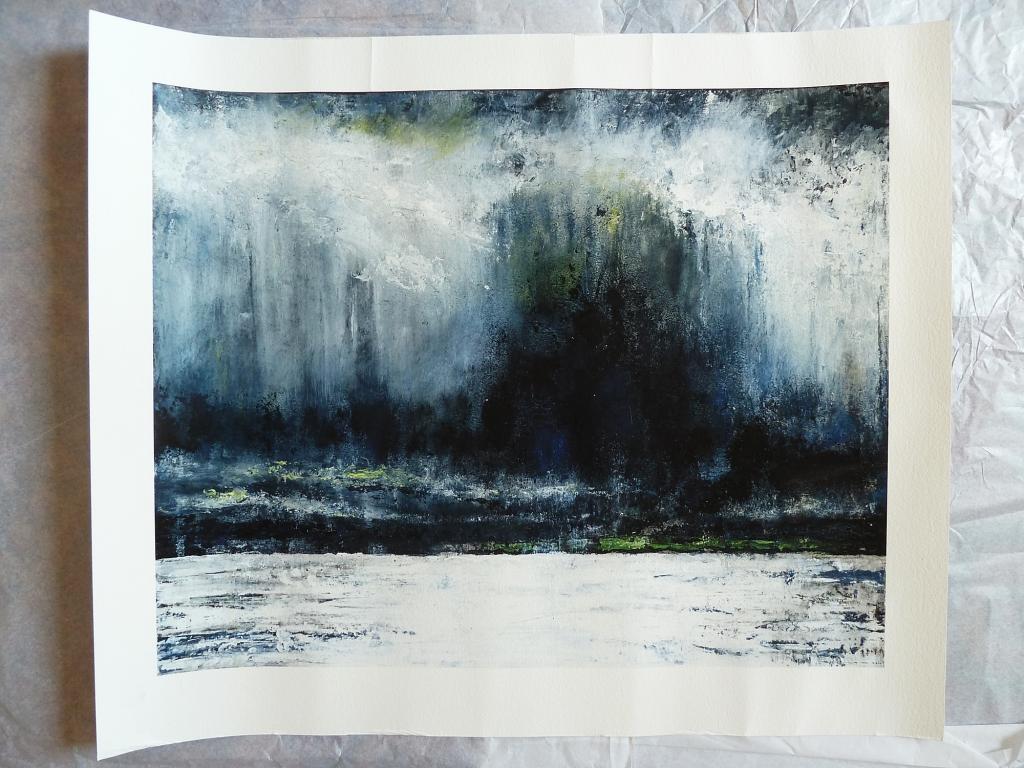
'Stormy Sky, Lindisfarne'.  20x16" giclee print (slight damage)

‘Stormy Sky, Lindisfarne’. 20×16″ giclee print (slight damage)


Borders Country Day 9

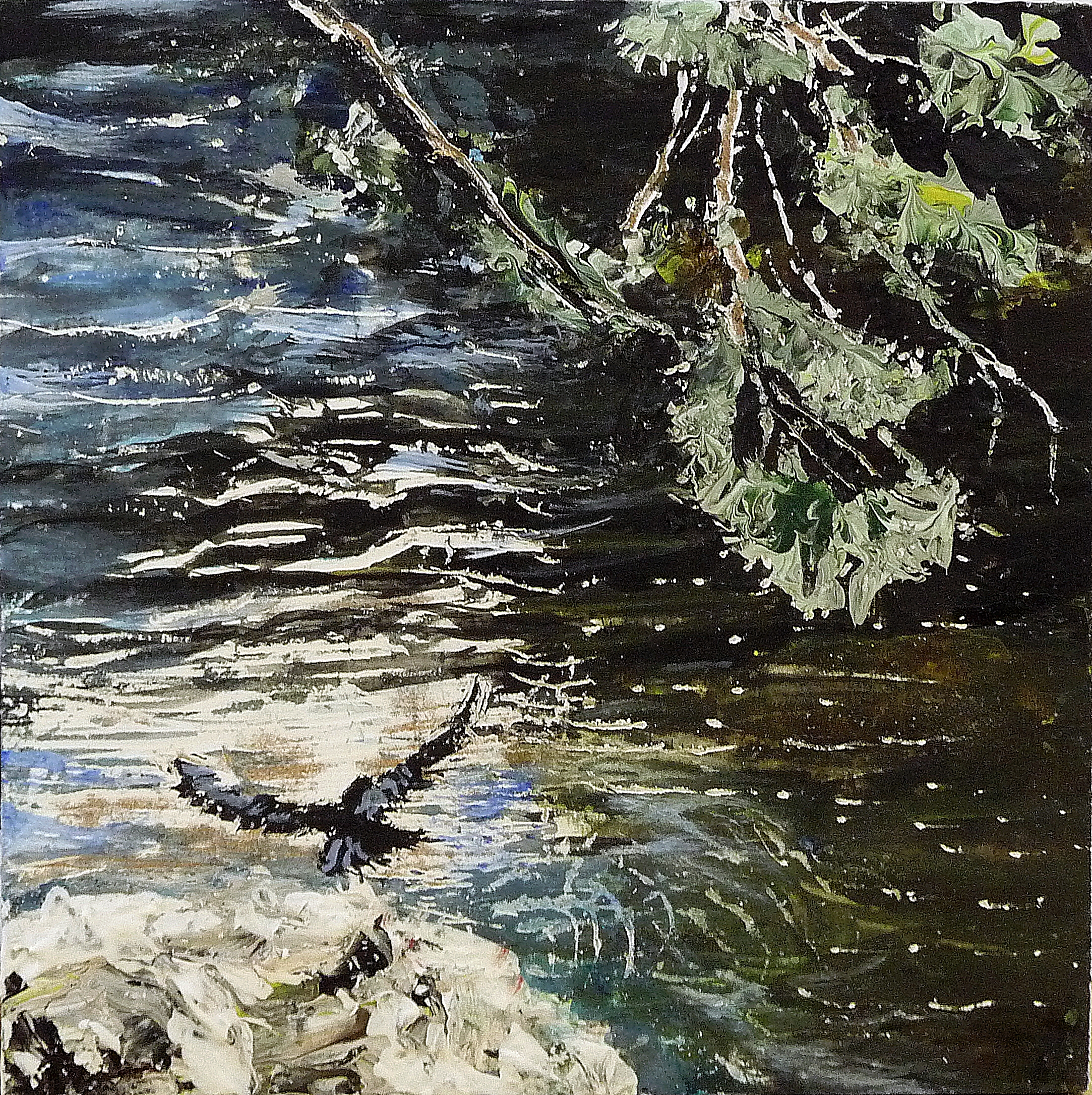
'Hawk. River Tweed'. Acrylic on 5x5" wood

‘Hawk. River Tweed’. Acrylic on 5×5″ wood

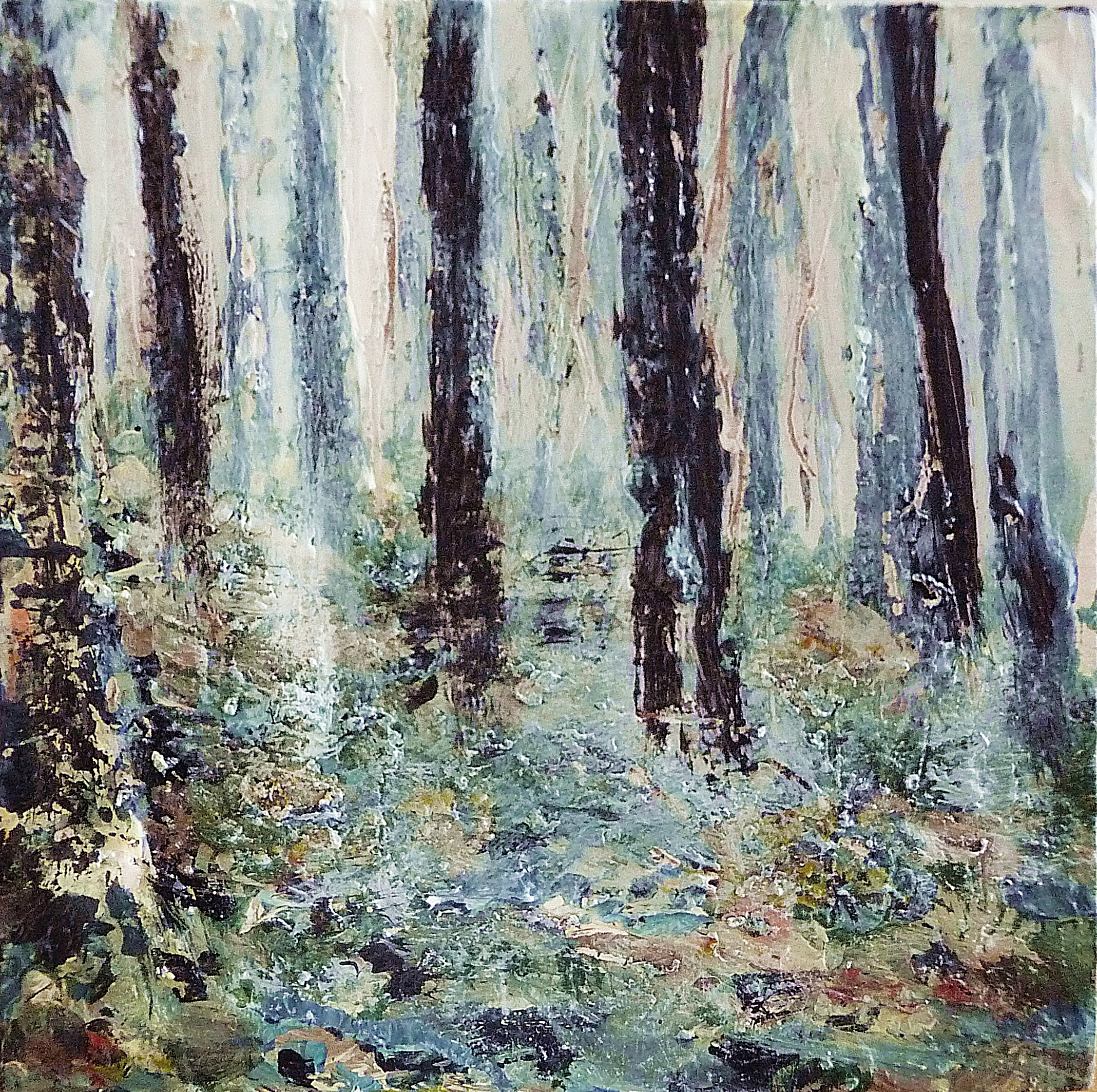
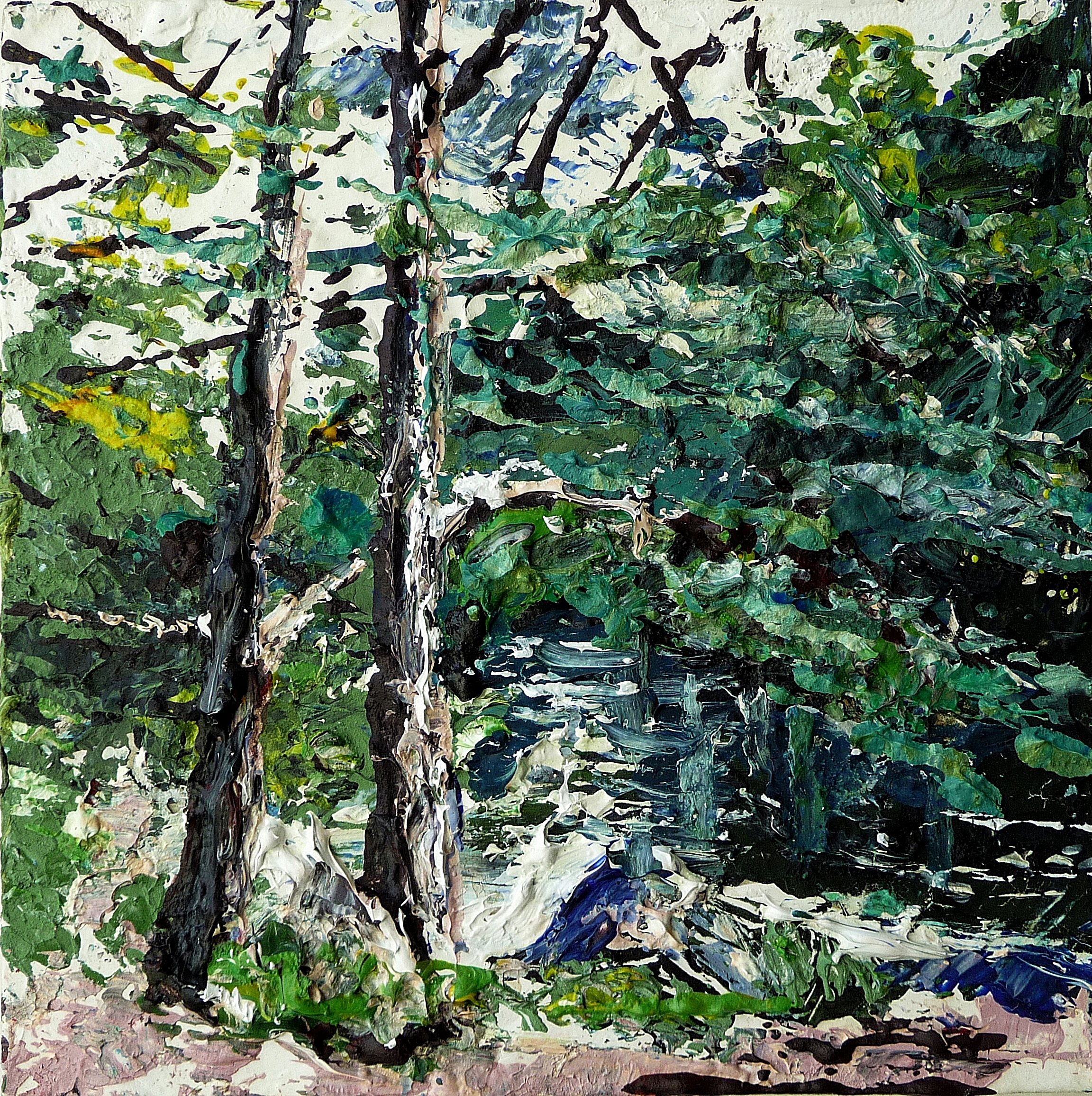
'Glentress'. Acrylic on 5x5" wood

‘A Rainy Day in Glentress’. Acrylic on 5×5″ wood

Today’s paintings – a hawk swooping down to the River Tweed, and mist through the trees in the Forest of Glentress.

I’m nearly at the end of George Fraser’s ‘The Steel Bonnets’ – a book about the history of the Borders Reivers. It’s been harrowing reading.

The first chapters cover the lifestyle of the Borders Reivers and the final chapters deal with the wars during Henry the VIII’s time when devasating wars wrecked the lives of people in the Borders and beyond.

Engraving, showing Borders Reivers raid on Gilnockie Tower

Engraving, showing Borders Reivers raid on Gilnockie Tower

Accounts of the Reiver families have been difficult reading in themselves, never mind the later descriptions of  war. The Reiver’s life was one of constant feuding, raiding and violent conflict, across both sides of the Border. This was partly due to previous wars which wrecked the landscape and therefore the livelihood of Borders familes, but also it simply became a way of life, and despite authorities on both sides of the border appointing Wardens to try to calm the conflicts, the chaotic lifestyle became entrenched. (The Wardens themselves often became Reivers!)

It was lucrative too, and for those who’d perfected their Reiver skills it led to the accumulation of vast wealth; some of the titled landowners, whose estates line the Borders today, are their descendants.

The status of each Borders family or clan was diverse though, and within for example the Kerr family there would be everything from titled land owners in huge castles with an army of thousands, to people living in broken down hovels.

For the battle hardened Borders Reivers, violence and war were normal, they were described as ‘scared of nothing’ and their outstanding skills in warfare were utilised by Kings on both sides. Also the feuds between Borders families were manipulated to form allegiances. Scottish fought on the English side, sometimes changing tactics mid-battle if that seemed a better plan.

P1230602While reading ‘Steel Bonnets’ it was thinking about ordinary Borders people that I found harowing. Fraser describes a widower with her children burned in their peel tower, the starvation of countless thousands of poor people because of the wrecked landscape. They’d plough fields during the night to avoid attack, but after ten years of war it must have been a bitter, miserable struggle. Also he describes, very briefly, the group of monks who held out bravely in Kelso Abbey during attack by Henry VIII’s army, but didn’t survive.

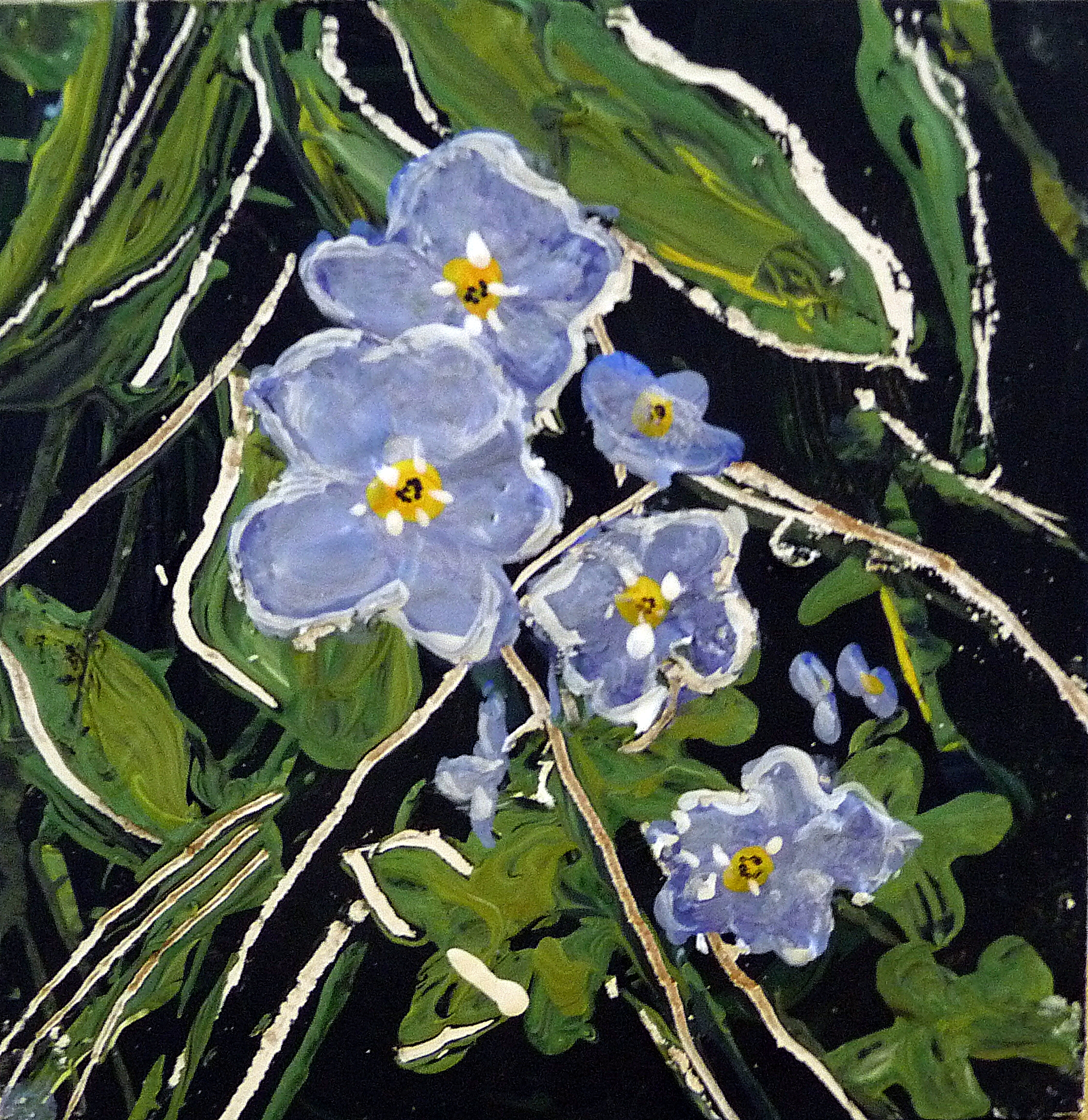
When I visited Kelso last weekend the ground was festooned with forget-me-nots, which seemed to me as symbolic as poppies; in rememberance of the ordinary people who never sought war and conflict.

'Forget-me-nots. Kelso'. Acrylic on 5x5" wood

‘Forget-me-nots. Kelso’. Acrylic on 5×5″ wood

Woven throughout the stories and Borders ballads though, references to hills, rivers and ‘forestes greene’ bring to my mind the image of a rich, medieval tapestry, and suggests the presence of faith and love of familiar landscape amidst war and fear. One Borders ballad titled Erlington made me smile, amidst all the grimness! The last line of this ballad inspires the title of my upcoming exhibition The green woods free

Borders Country – Day 2

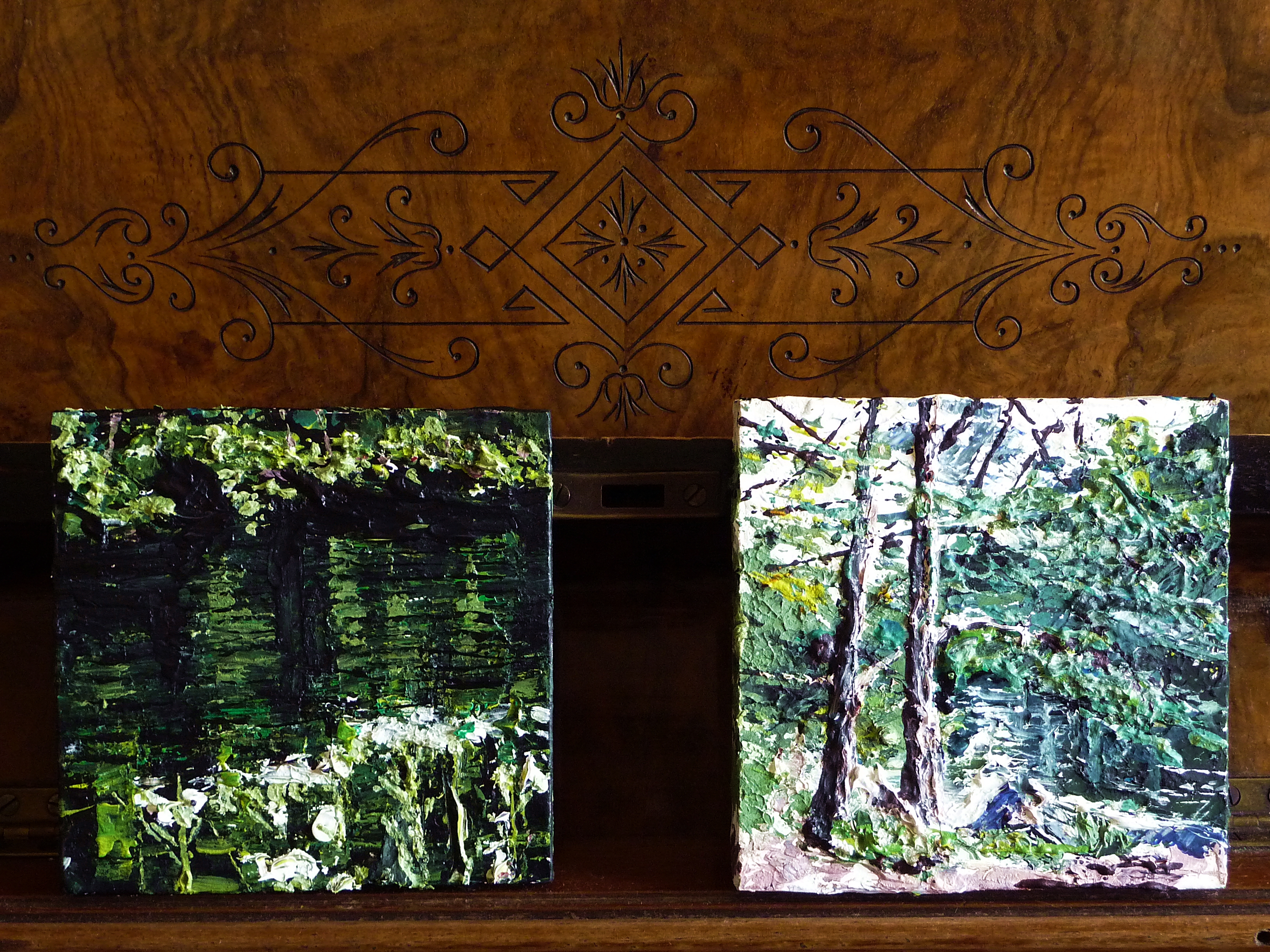
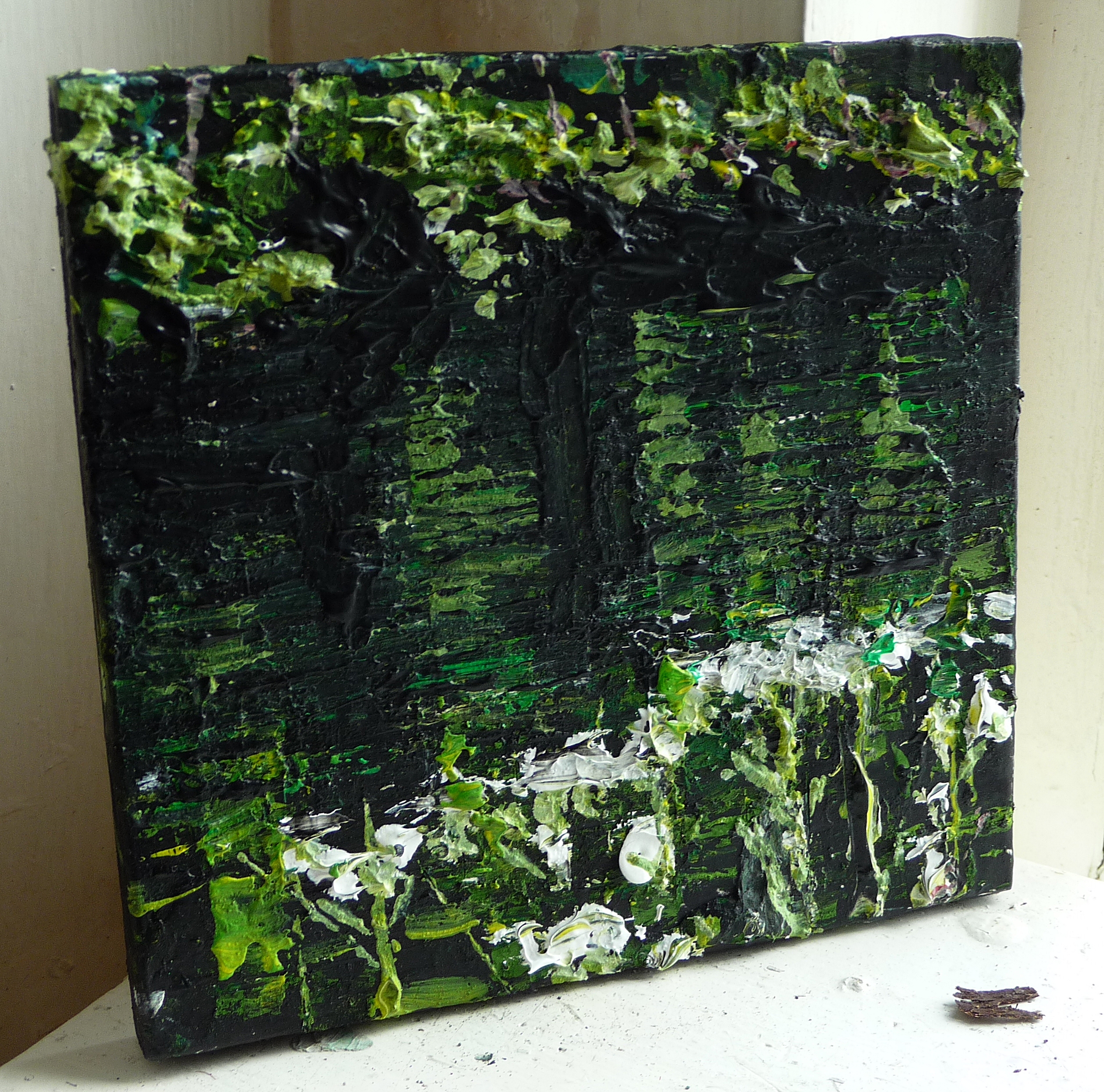
‘Tweed River near Peebles 2′. Acrylic on 5×5″ wood
‘Tweed River near Peebles 2′. Acrylic on 5×5″ wood

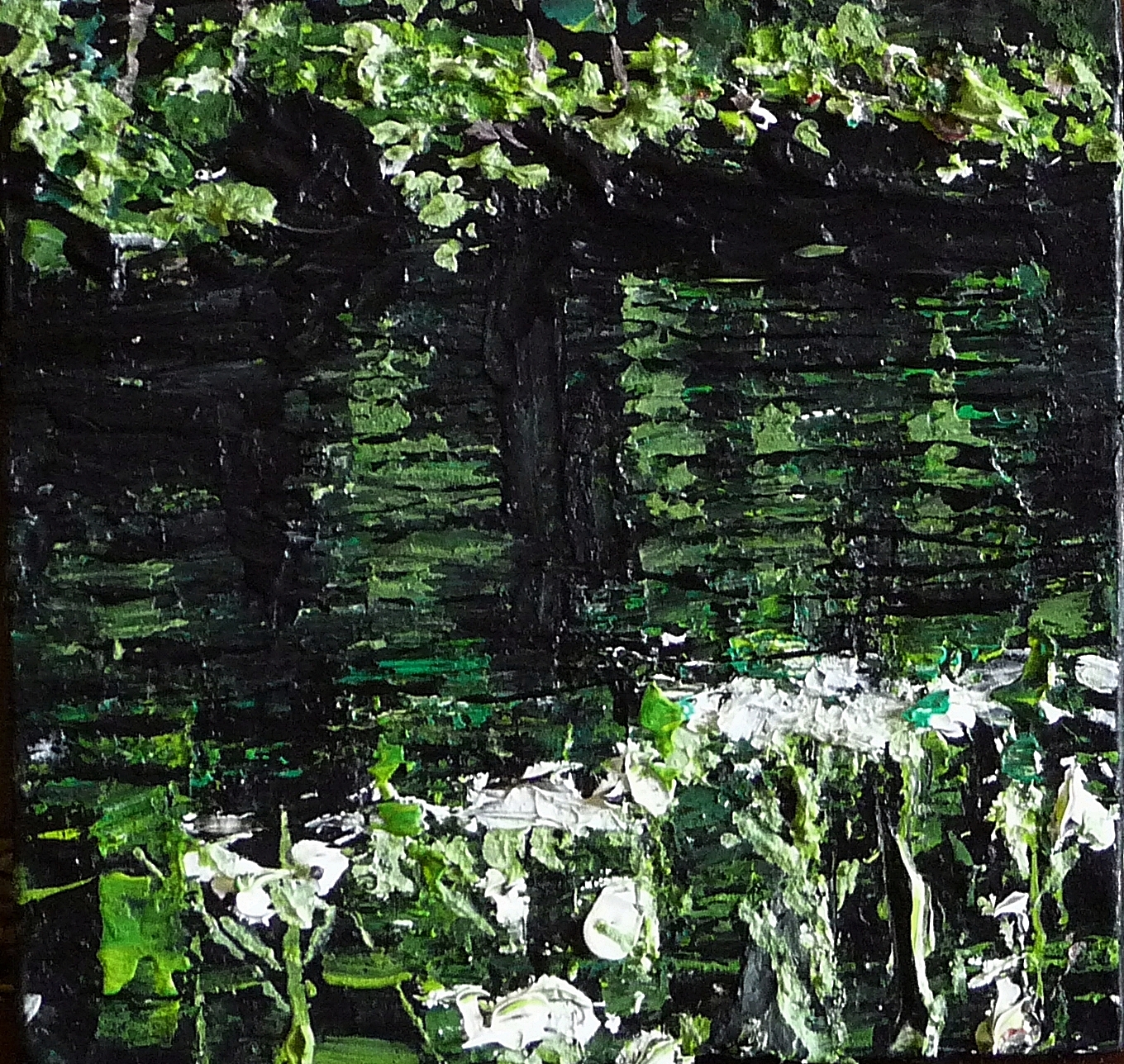
‘Water Reflections (River Tweed) 2’. Acrylic on 5×5″ wood

‘Water Reflections (River Tweed) 2’. Acrylic on 5×5″ wood

Today’s paintings – two studies of the River Tweed.

As mentioned in last Sunday’s post this year I’ll be painting the Borders landscapes of Scotland and England.

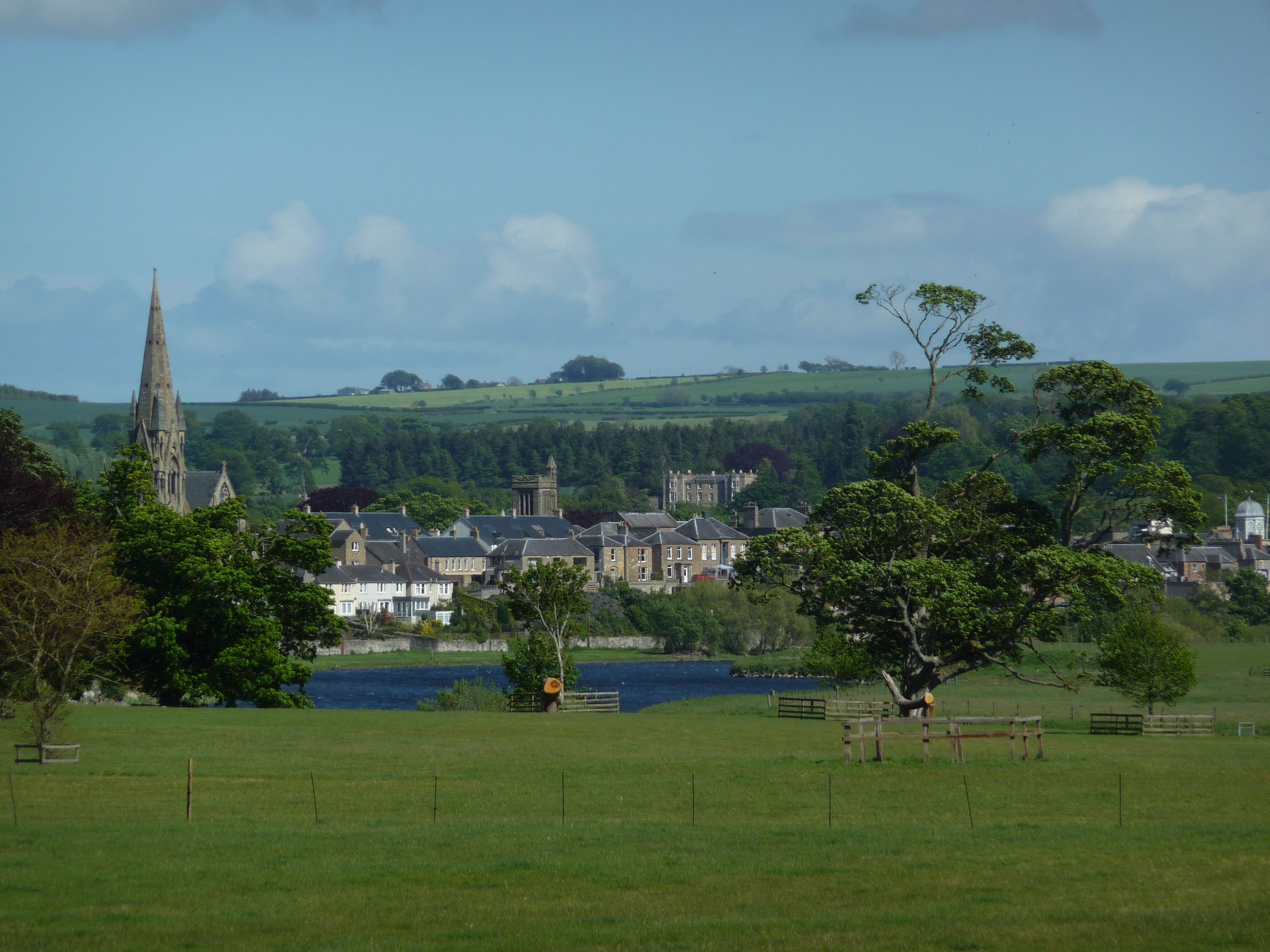
There’s no particular topical reason for this (Scottish independence for example) – I just decided to paint the Borders because it’s such a familiar landscape and I’ve been visiting the area since I was a girl.

In summer we usually spend quite a lot of time at the River Tweed – building fires, canoeing, or just sitting around enjoying a picnic.

Borders countryside is quite gentle compared to the Scottish Highlands, or even the Yorkshire Dales farther south, but there’s definitely a distinct Borders look and feel; characteristic rolling hills, the patchwork of farmland, tree plantations, un-tended areas of wilderness that are variously verdant and lush, or stark and bleak.

There are numerous lochs, reservoirs, castles, Peel towers and rivers. Dry-stone dykes, sheep – loads of them, and horses (an excuse for me to paint horses, which I love to do!) And of course there are the west and east coastlines in Dumfries and at Berwick.

It’s very varied, which is why I’m looking forward to painting this series so much. As always, I’ll blog about the places I paint since that’s all part of the fun. People, the arts, places to visit and so on. Also, the Borders country has a very dramatic history – due partly to wars between Scotland and England.
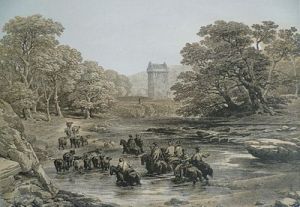
Engraving, showing Borders Reivers raid on Gilnockie Tower

Engraving, showing Borders Reivers raid on Gilnockie Tower

‘Reiving’ (raiding cattle and other resources across the borders) became a way of life for many in the Borders.

In the first place this was through necessity – as a side effect of war and its devastating impact on the land, but then even in peace time Border Reivers chose to live this way, and they didn’t take kindly to being monitored  by the authorities of the time!

I’ve been doing quite a bit of research and in tomorrow’s blog, I’ll explore more about the Border Reivers. You’ve maybe read or heard of Sir Walter Scott’s famous stories about the Borders, and though factual in terms of names and some events, these were highly romanticised.
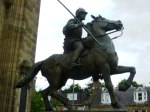
Statue of Borders Reiver, Galashiels

Statue of Borders Reiver, Galashiels

In fact, the more I read about Border Reivers history (Charles MacDonald Fraser’s ‘Steel Bonnets’ among other books) the more it sounds like a cross between cowboys, guerilla warfare and the Mafiosi (but more anarchic!)

Nowadays the Borders are as calm and safe as it gets – sleepy villages with antiques shops and small art galleries, sheep farmers, baroque hotels. You’d never guess its dark and difficult history, the only clues to the past in the landscape are the occasional Peel Towers (defensive look-out towers) dotted around the countryside, and of course there’s a wealth of literature and history to be explored in the numerous books on the subject, also castles, abbeys, ancient houses and museums

So how did this area change so radically after the Union of the Crowns in 1707? I suspect that this may reveal yet more grim history. It’s not all gloom though – there are Borders Ballads and poems, not to mention the beautiful landscape of which I have many happy memories, and there’s another reason I want to explore Borders history; one of the most notorious Borders Clans or families were the Kerrs, and as my Grandmother was a Kerr, I definitely have ancestors from the Borders!

So this year’s blog will be a combo of painting forays and ‘Who do you think you are’ minus the celebrity angle!

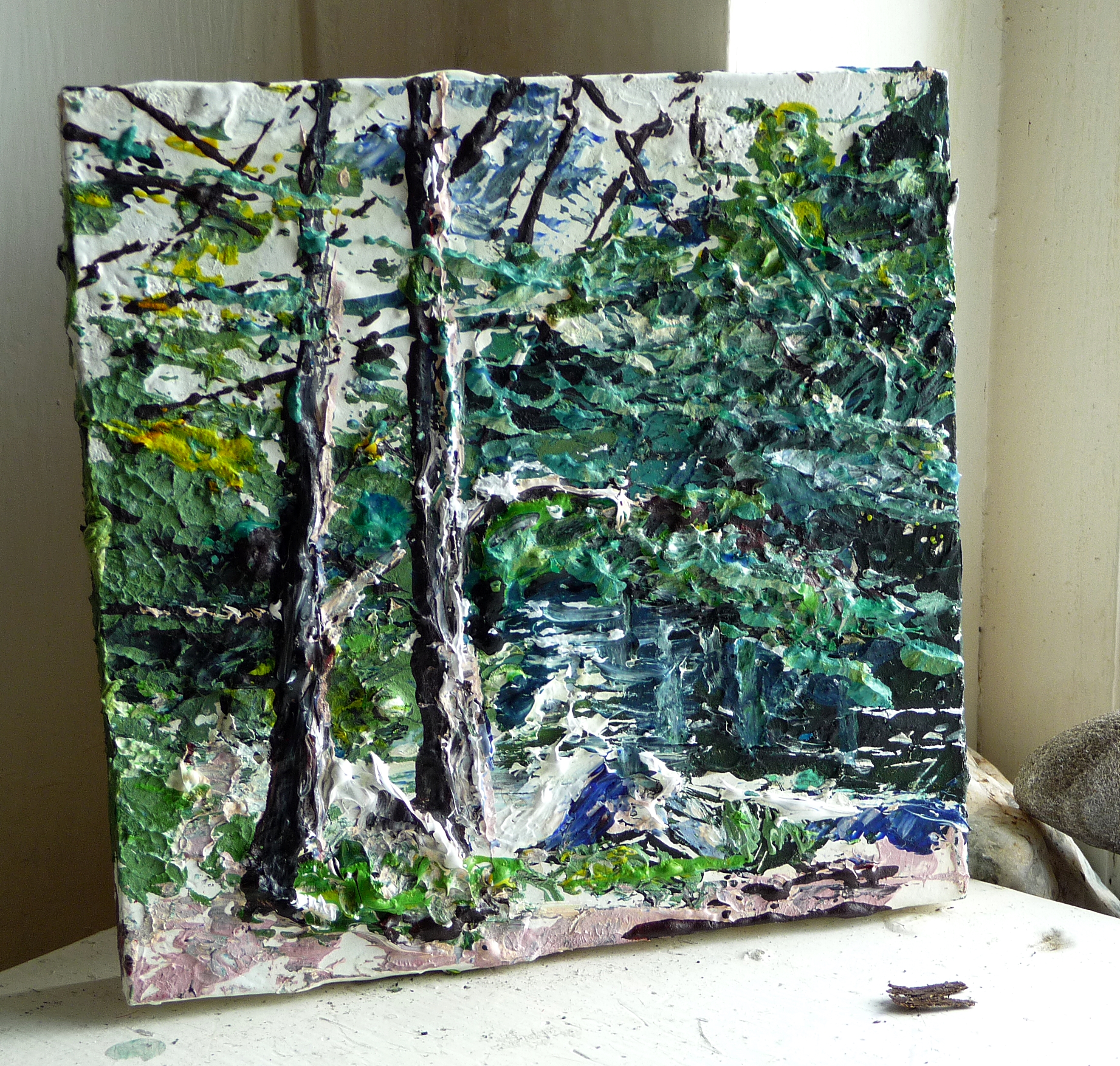
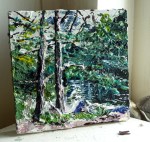
Today’s paintings again, from different angles, showing texture/size etc. (All paintings at 5×5 inches are available to buy at £57 each, or £100 for two)
P1220144 P1220151 P1220139