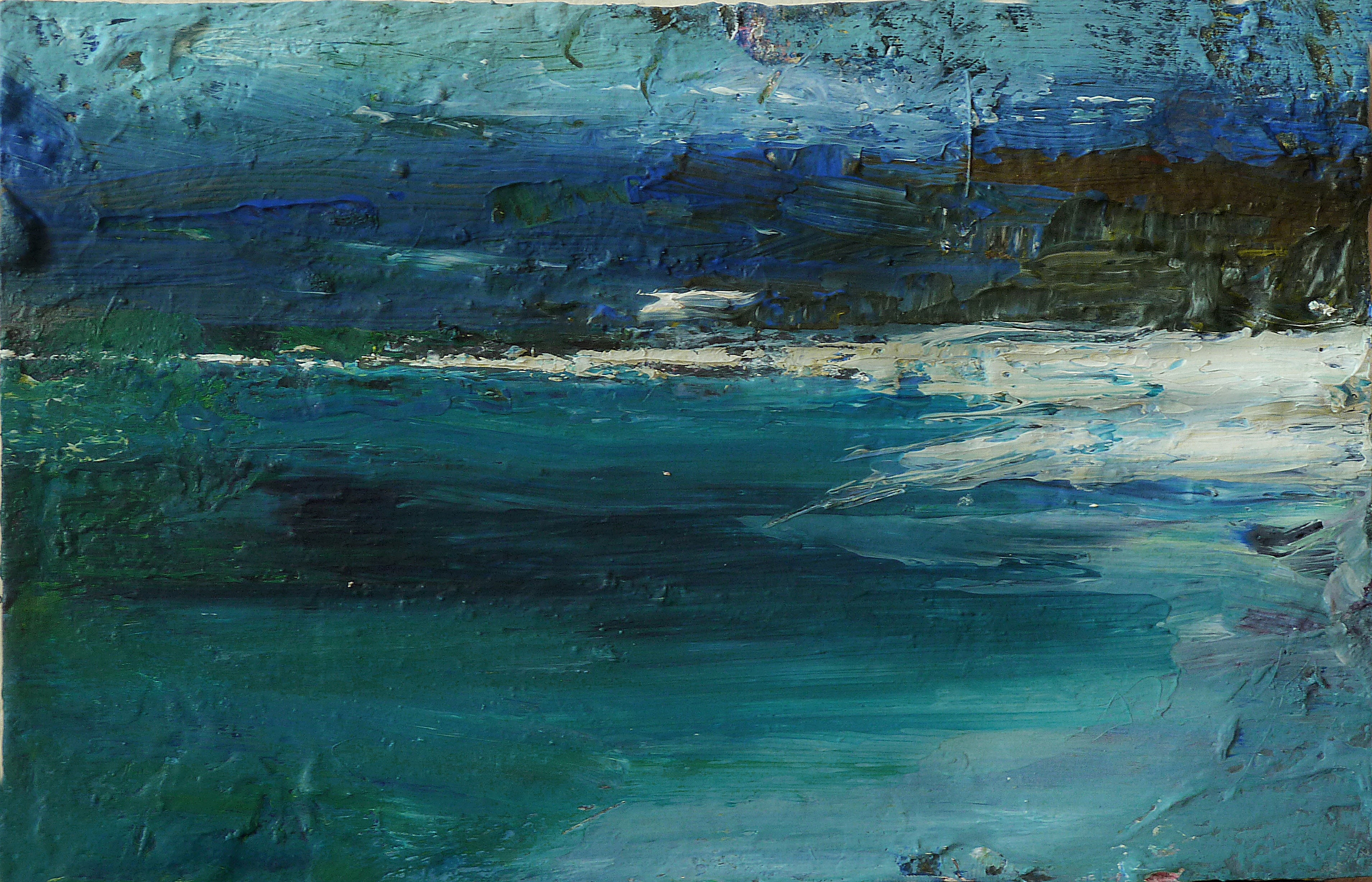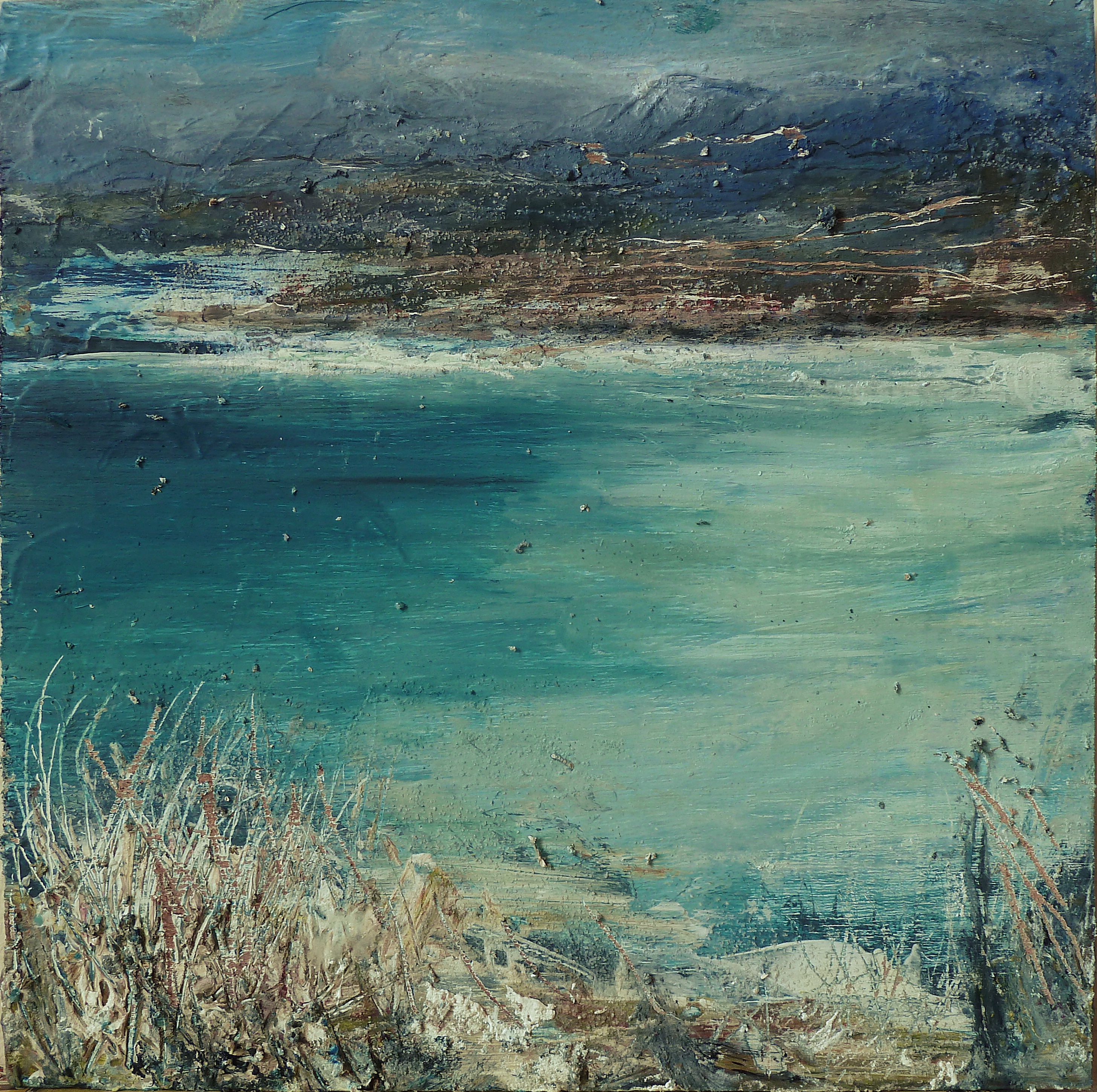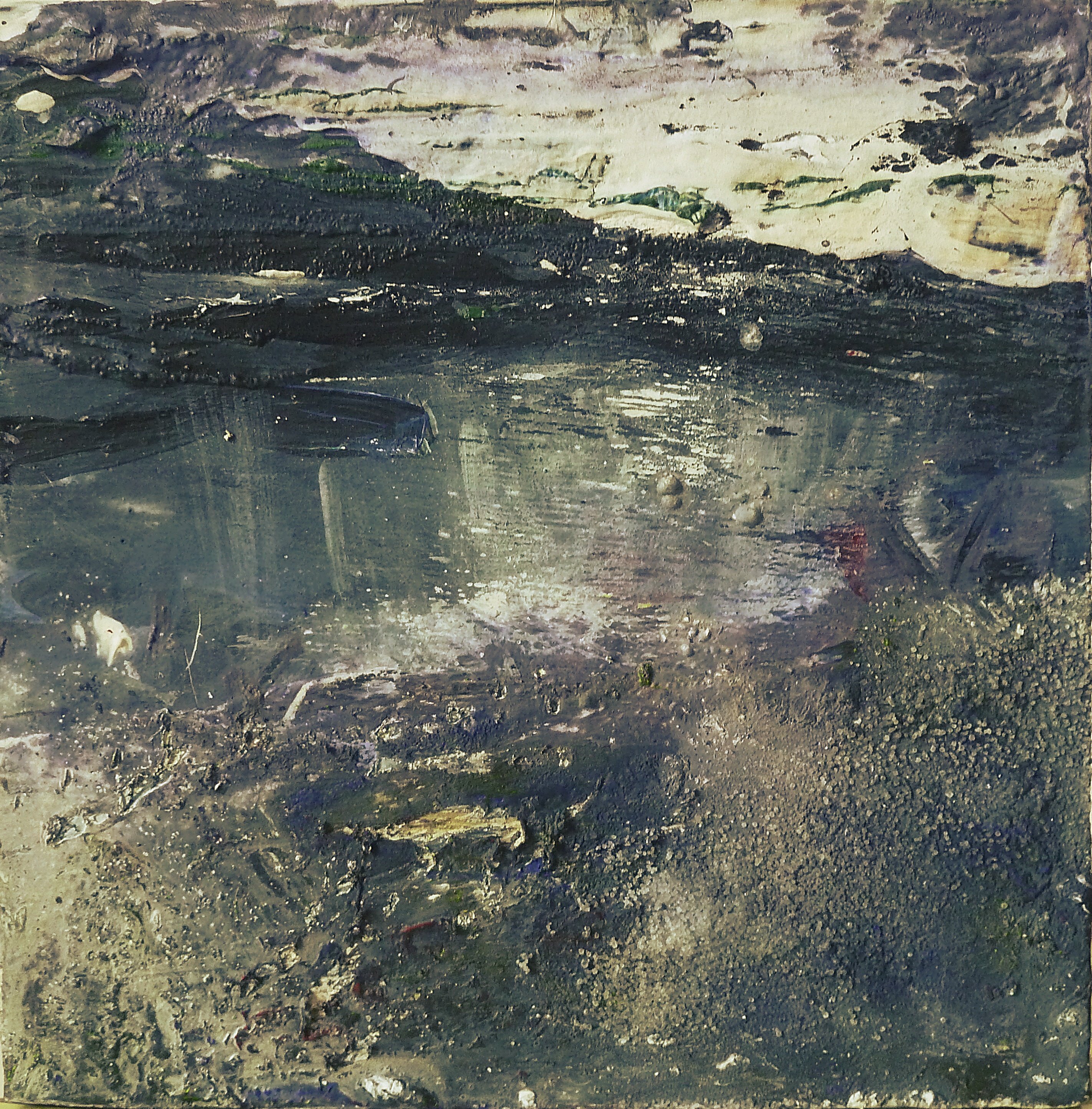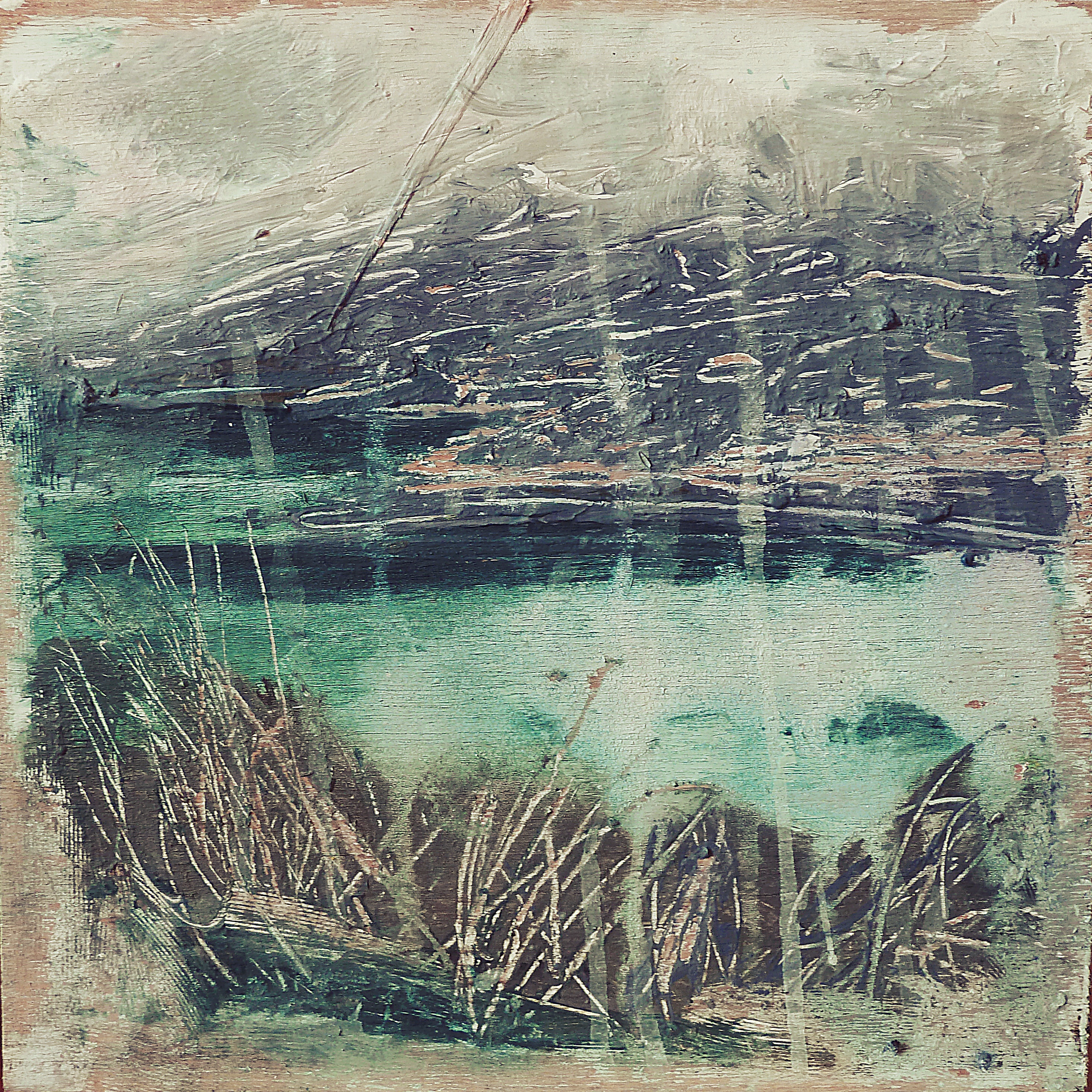
Category Archives: Uncategorized

‘Damascus Rose’ update

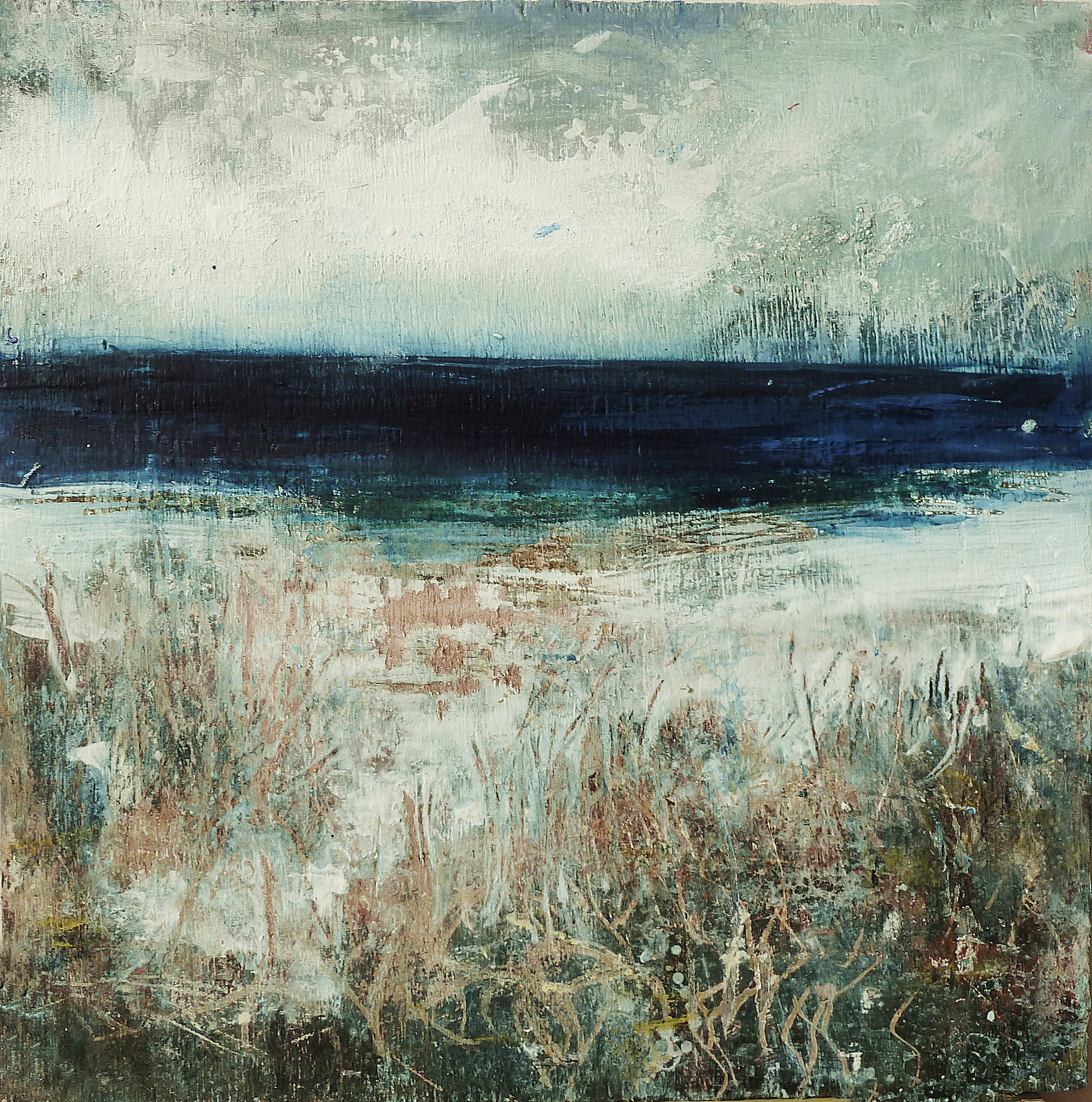
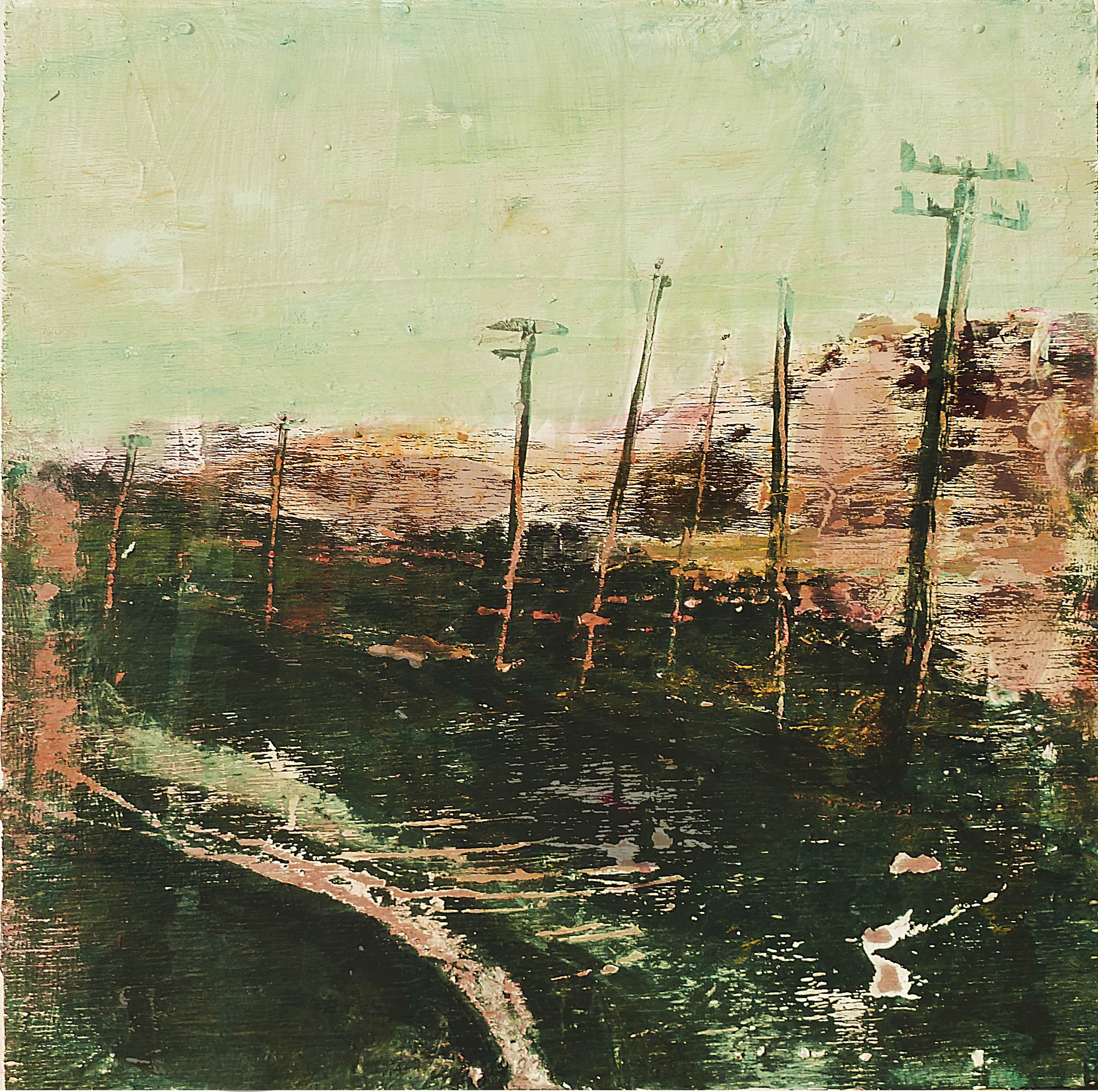
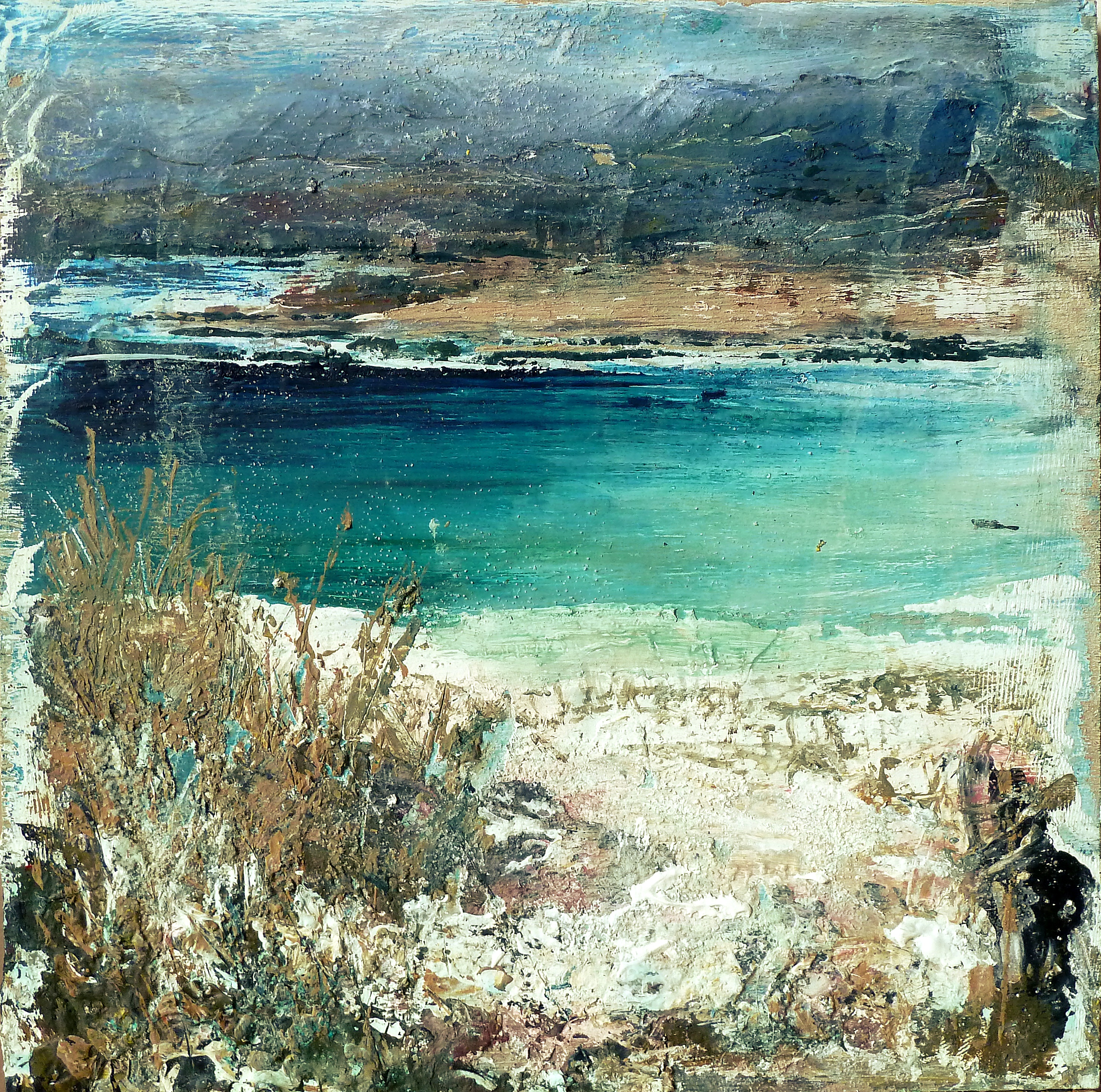
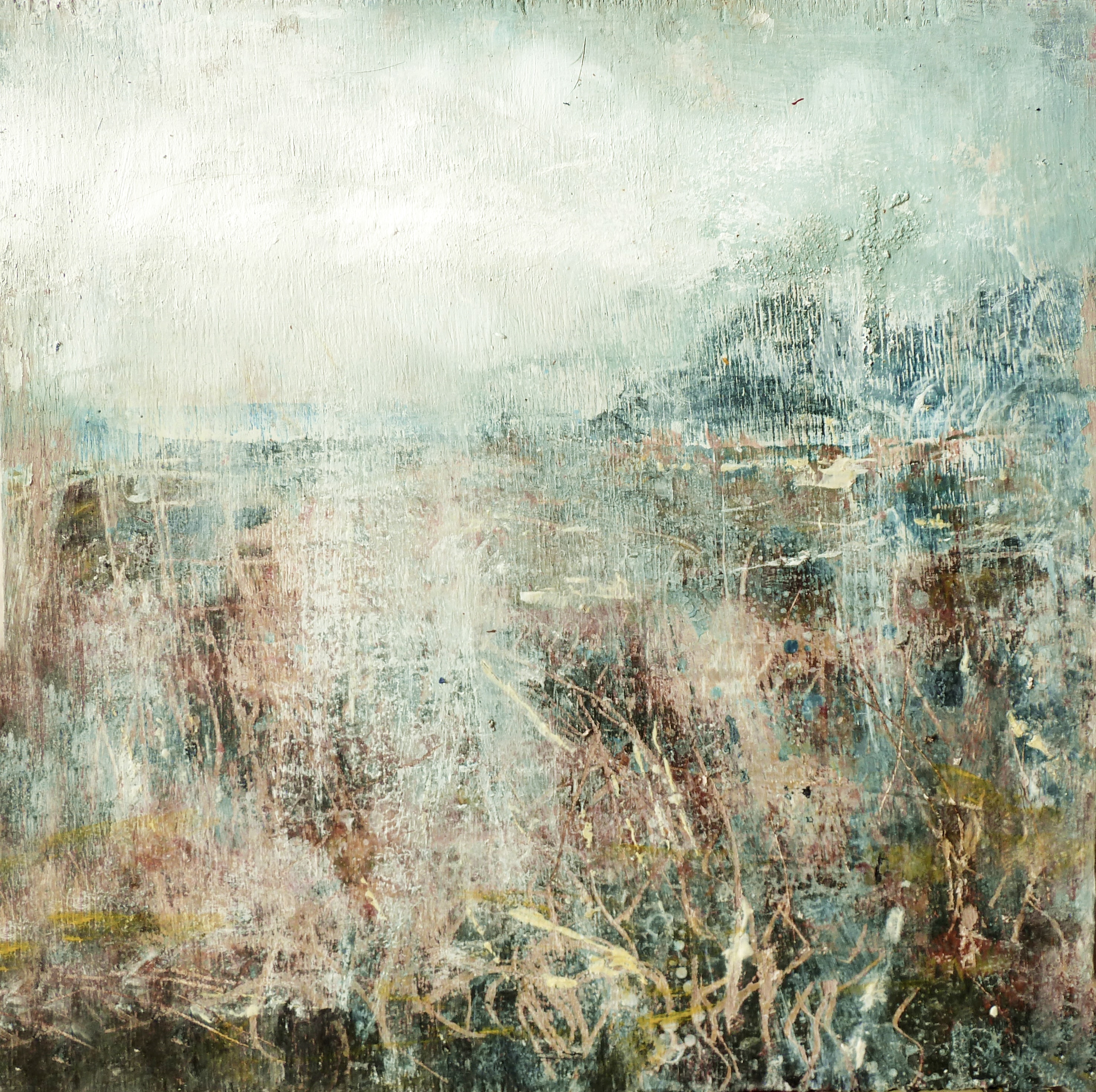
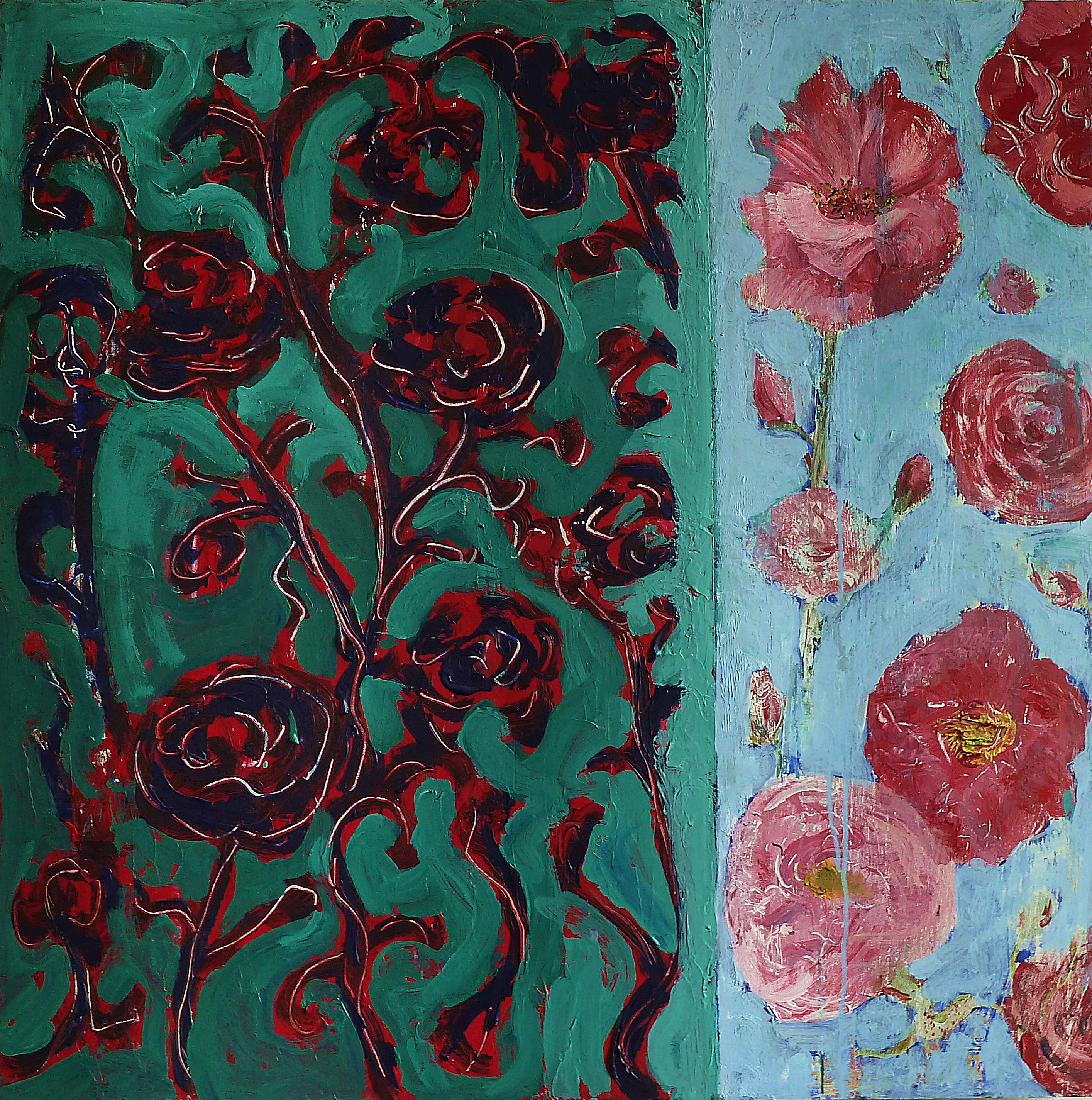
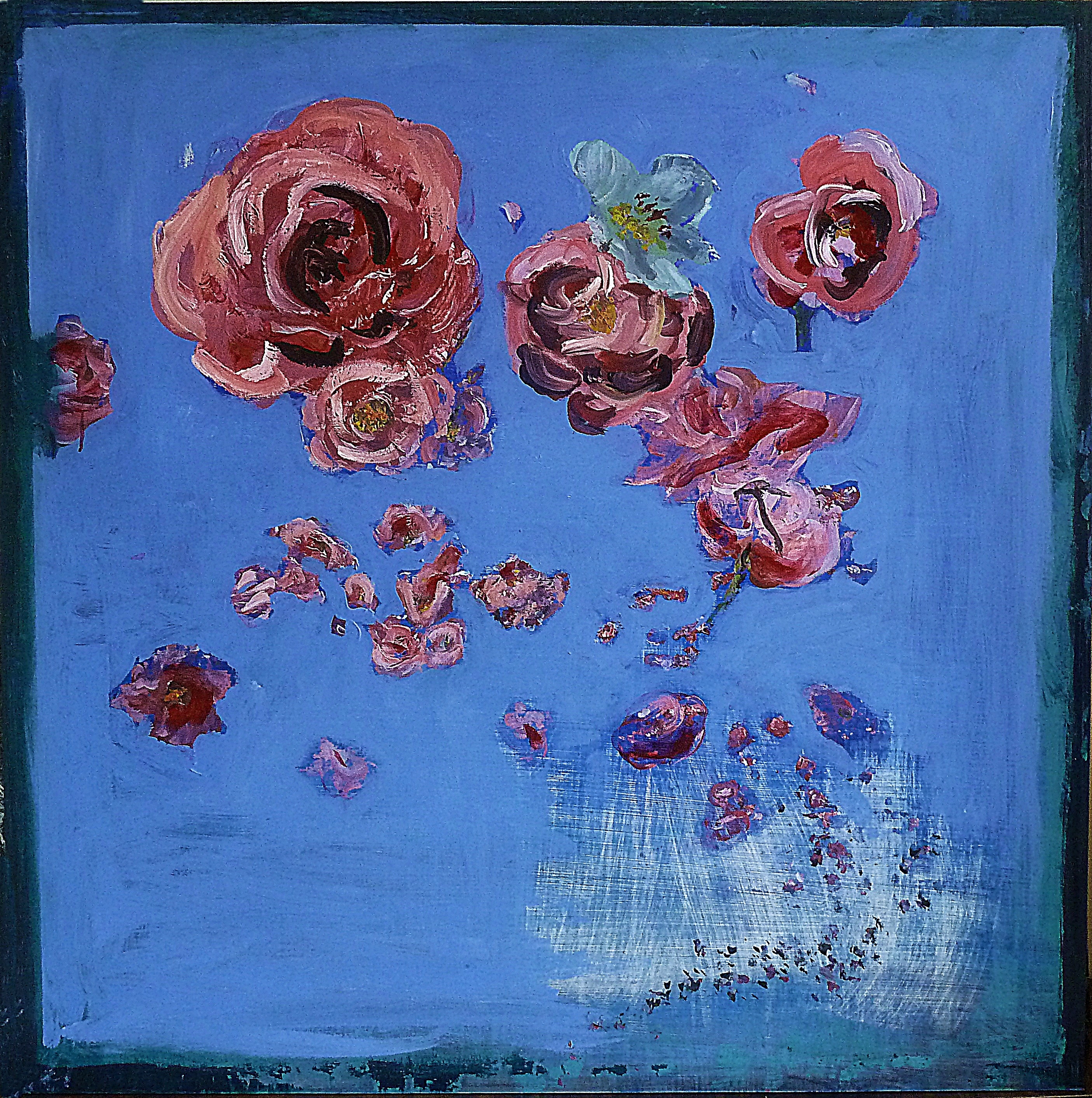
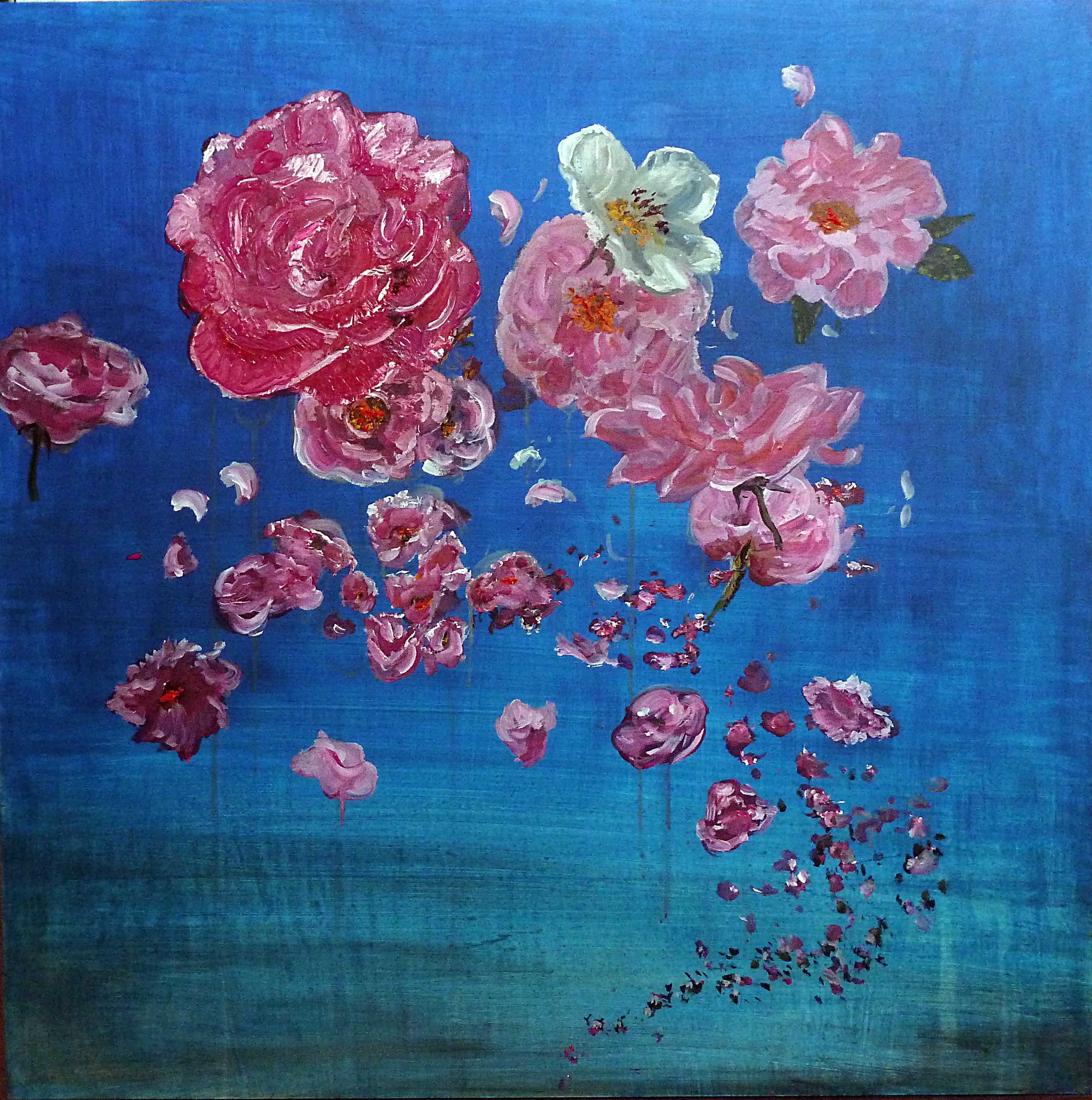
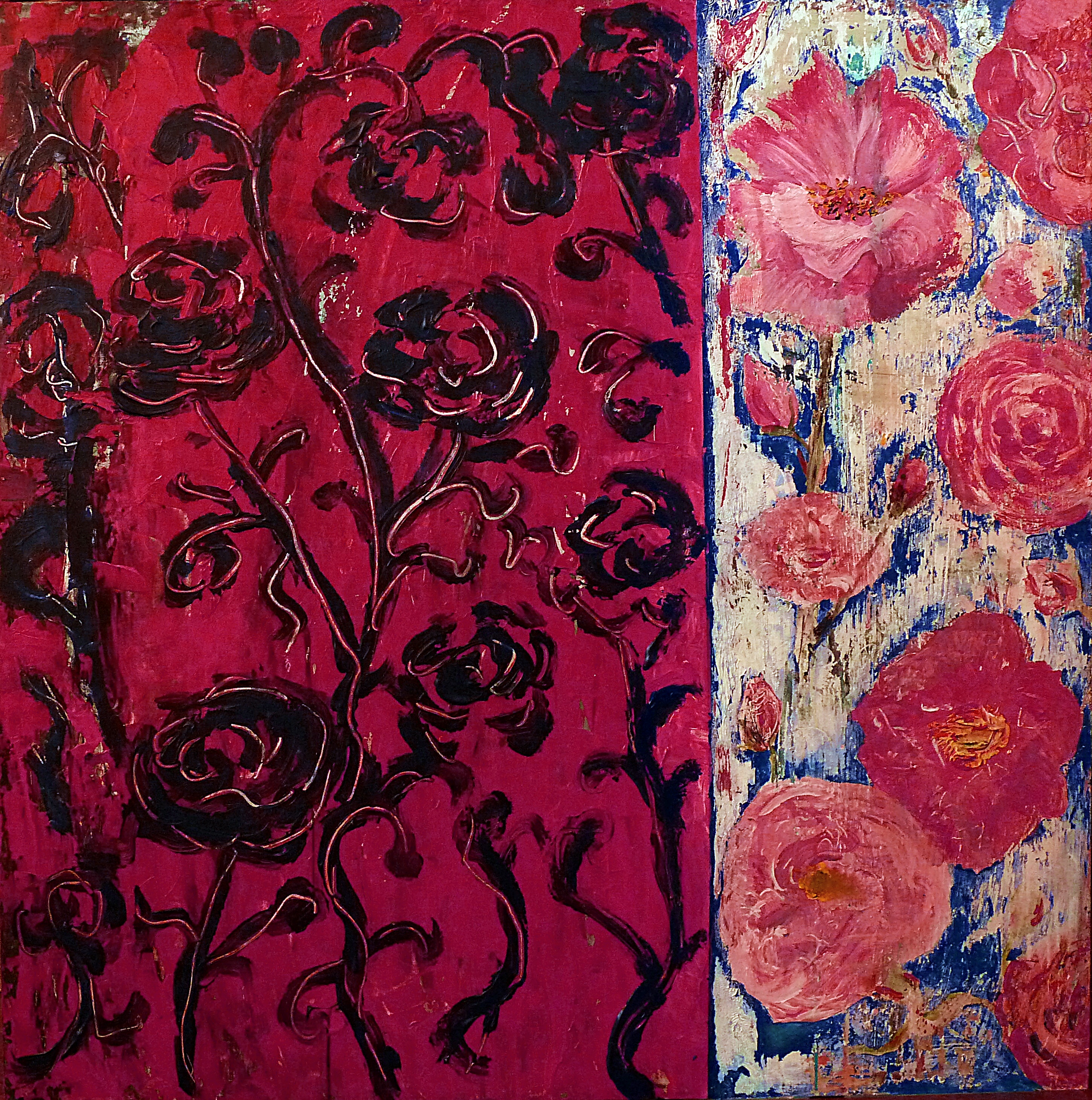
This low pressure weather and rain in the past few days has led to headaches for quite a few people including myself. A friend of mine got a migraine so nasty she was bed-ridden. Plans for a long walk over Arthur’s Seat today were thwarted, so I tackled my Damascus Rose series (updates above, original paintings below).

I’m not quite sure what I’ve done here! It’s quite a lurid green. I wasn’t too happy with these two before, and they needed a bit more work so I’ll re-think next week perhaps. Basically I didn’t just want pretty flowers, so maybe I’ve succeeded in toning down the pretty aspect of Damascus Rose 3 at least
‘Damascus Rose 3’. Mixed media on 36×36 inch wood panel

‘Damascus Rose 1’. Acrylic on 36×36″ wood panel


I’ve been following news of the sale of Basquiat’s Untitled at $110 million, which is an insane amount of money. Insanity aside though, I love theBasquiat painting below titled Portrait of Andy Warhol as a Banana – deceptively simple, it just works perfectly as an image –

Isle of Harris paintings


Harris paintings day 3

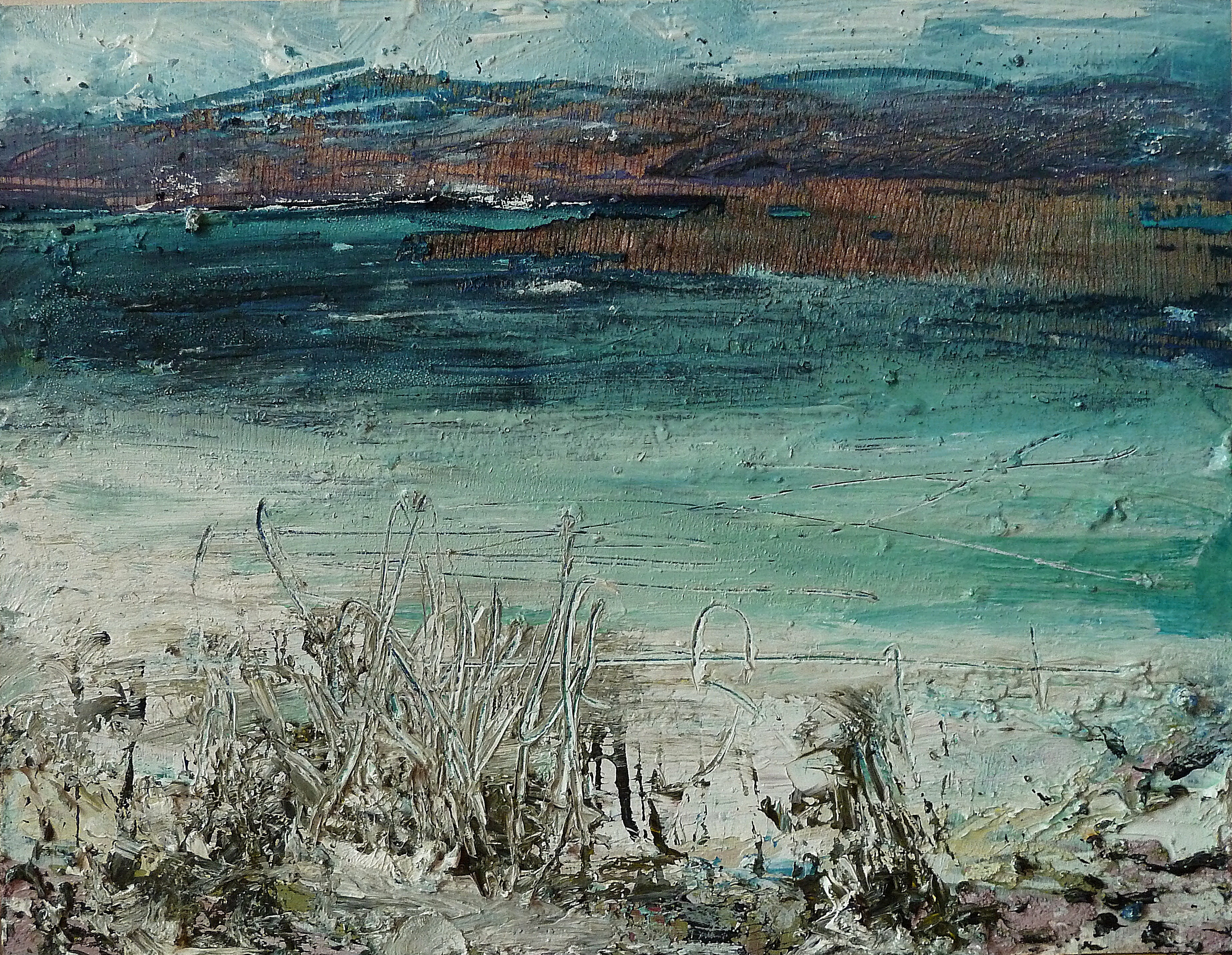
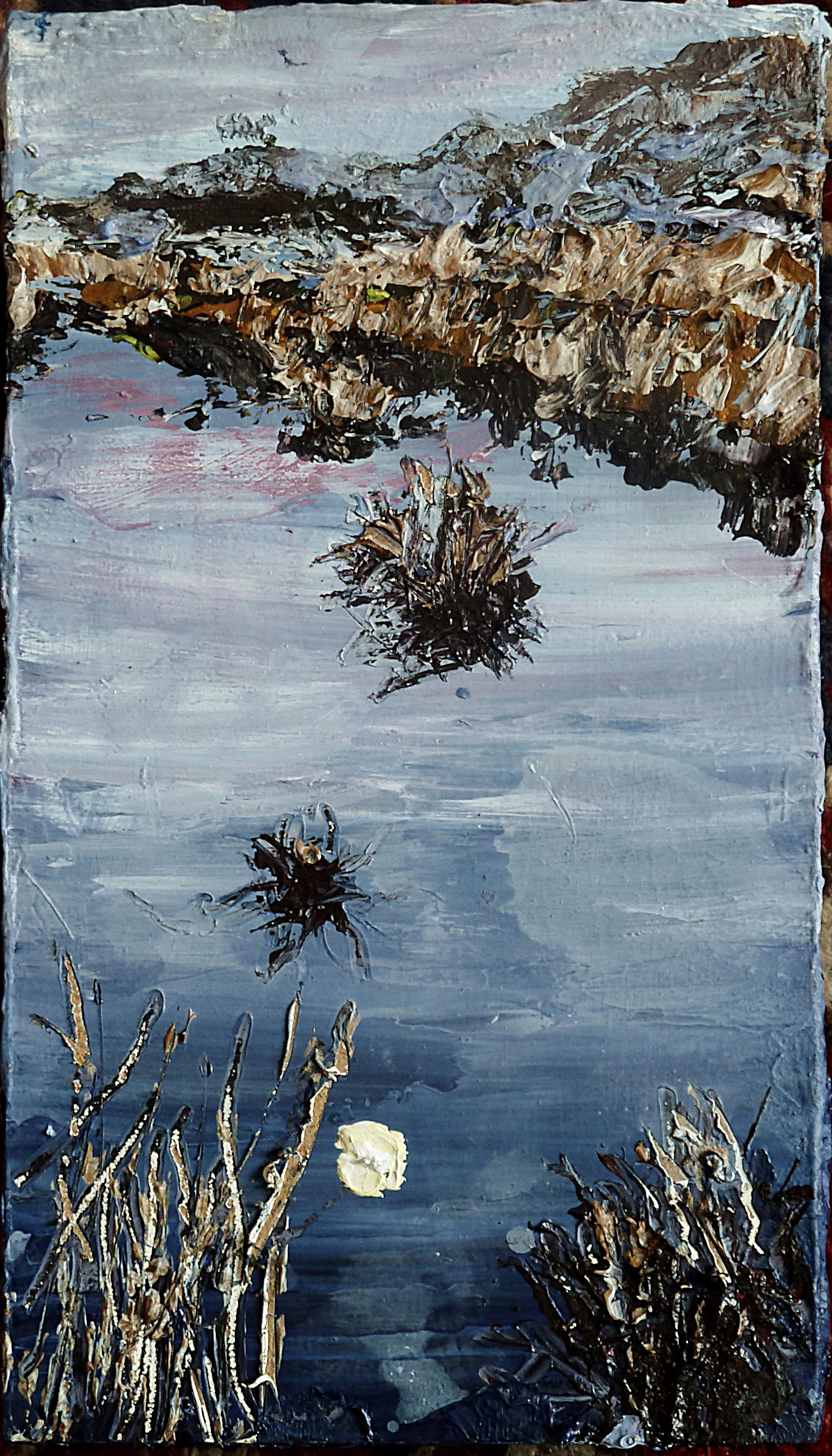
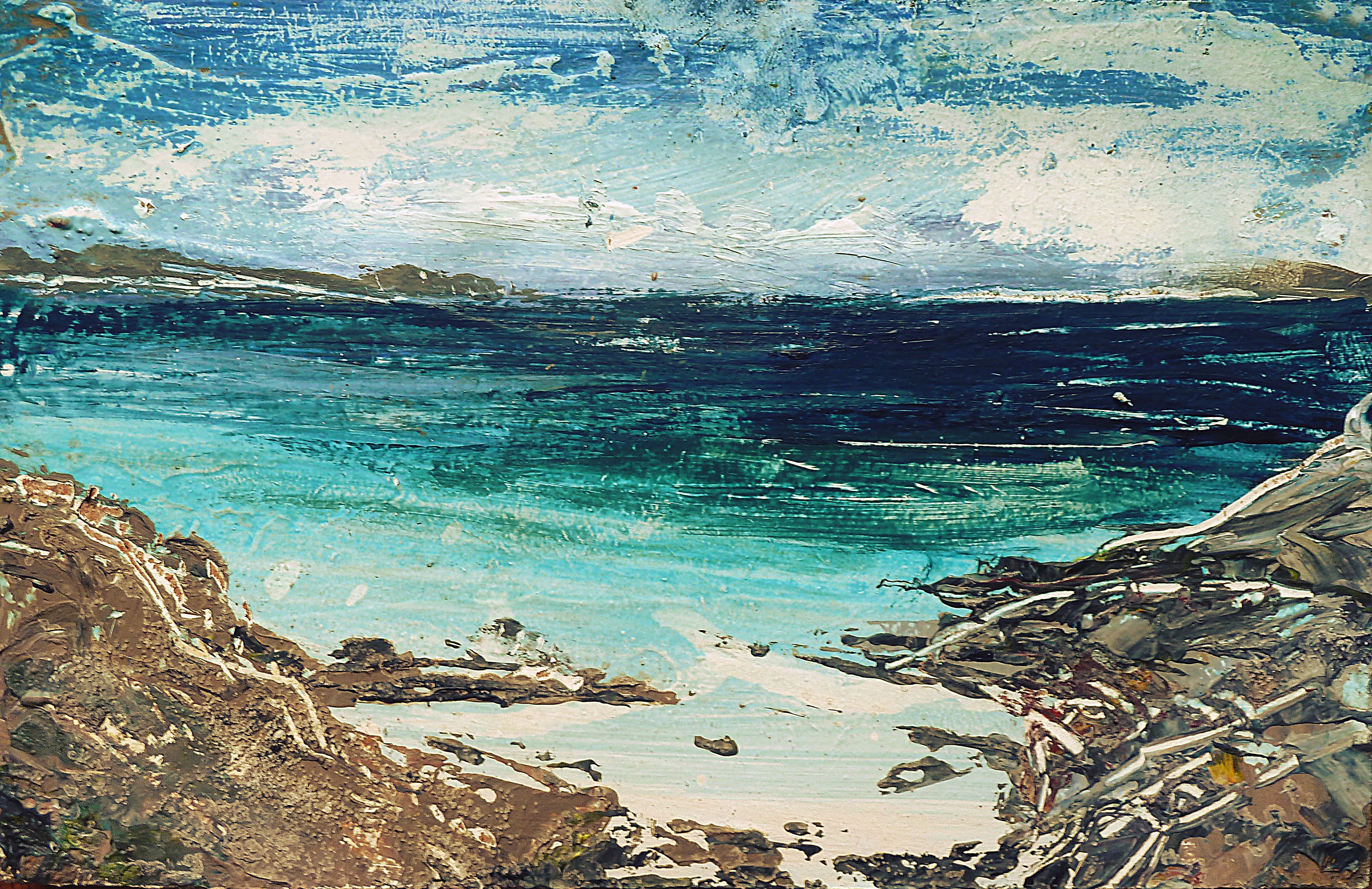
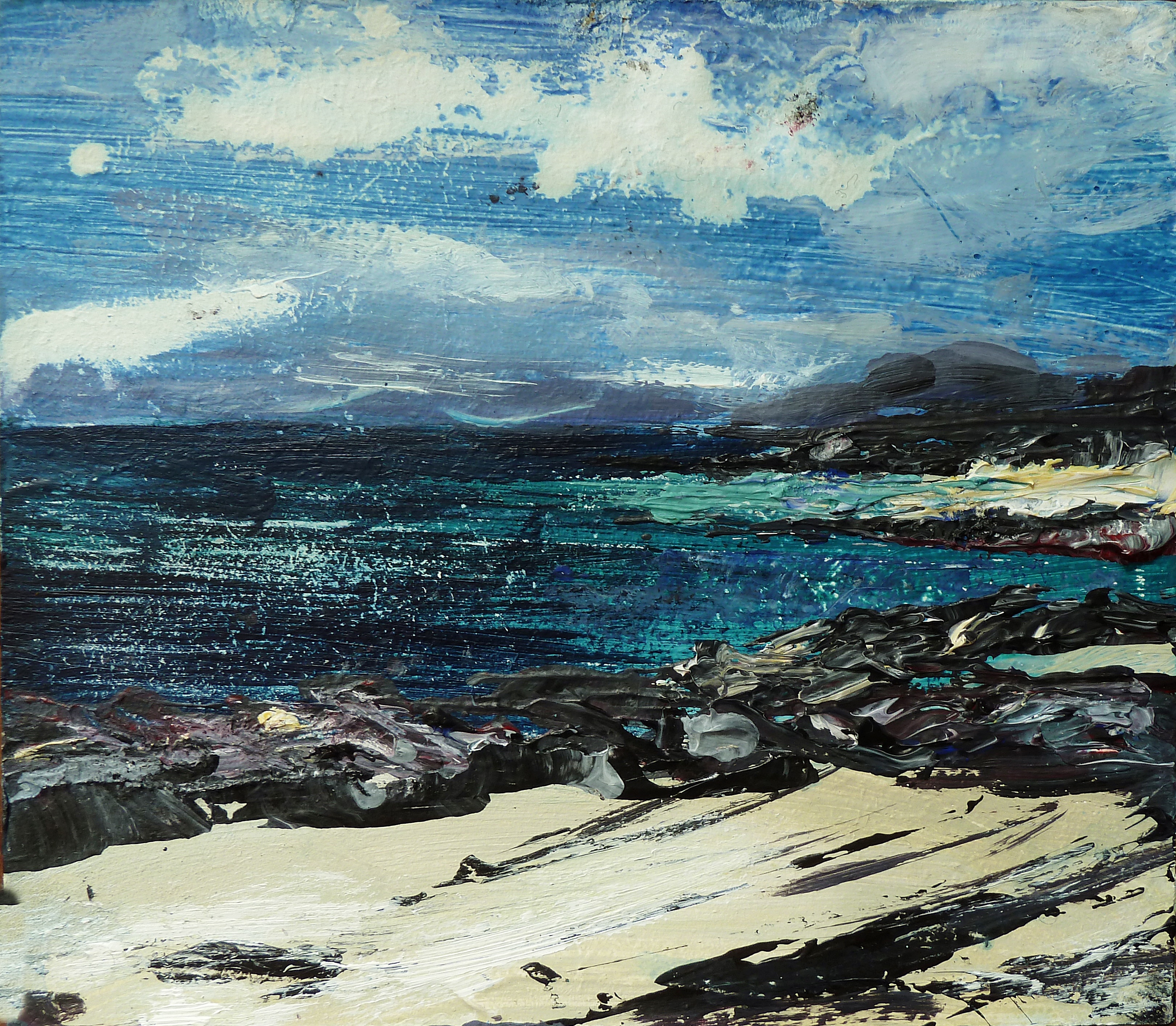
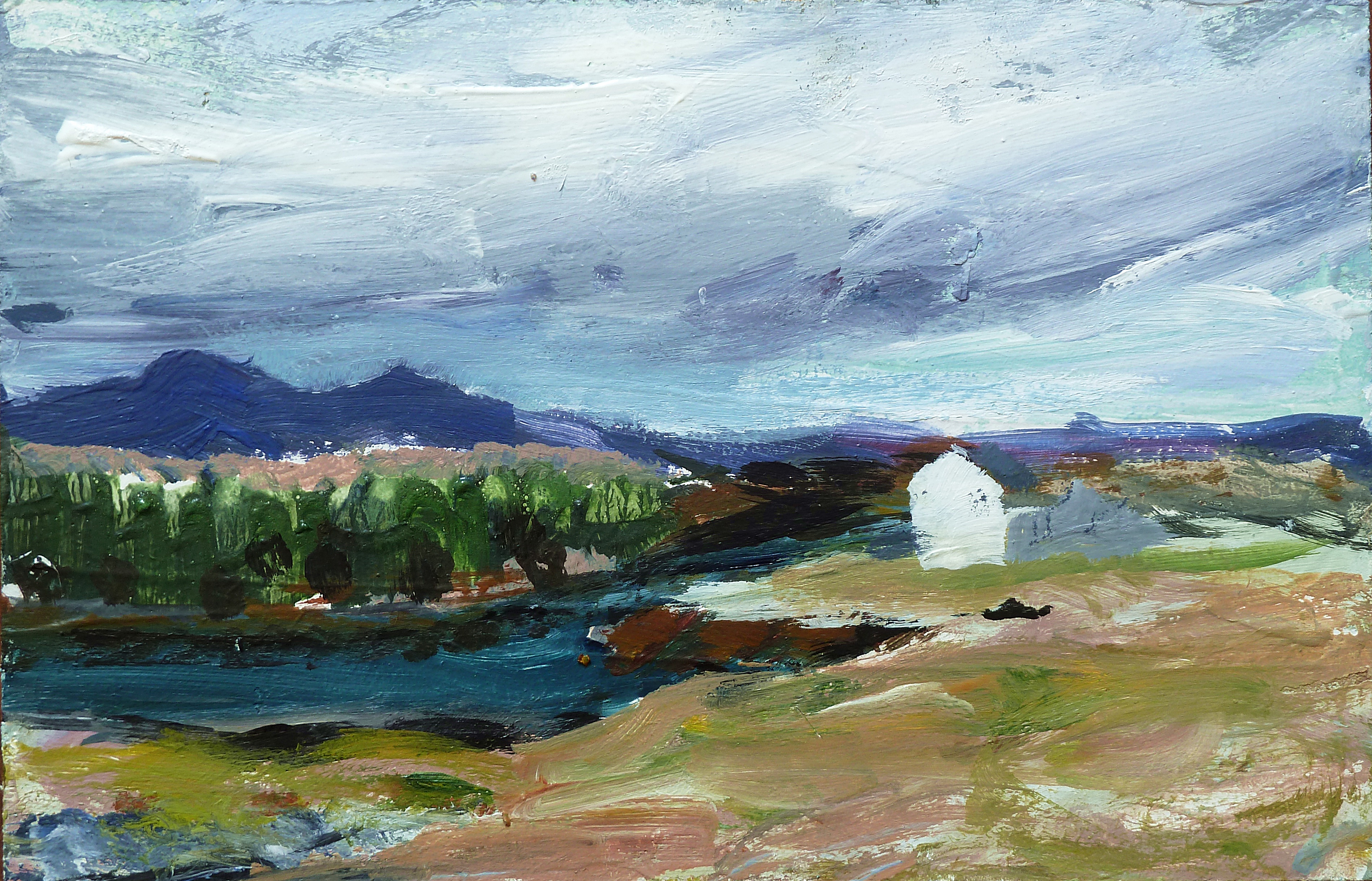
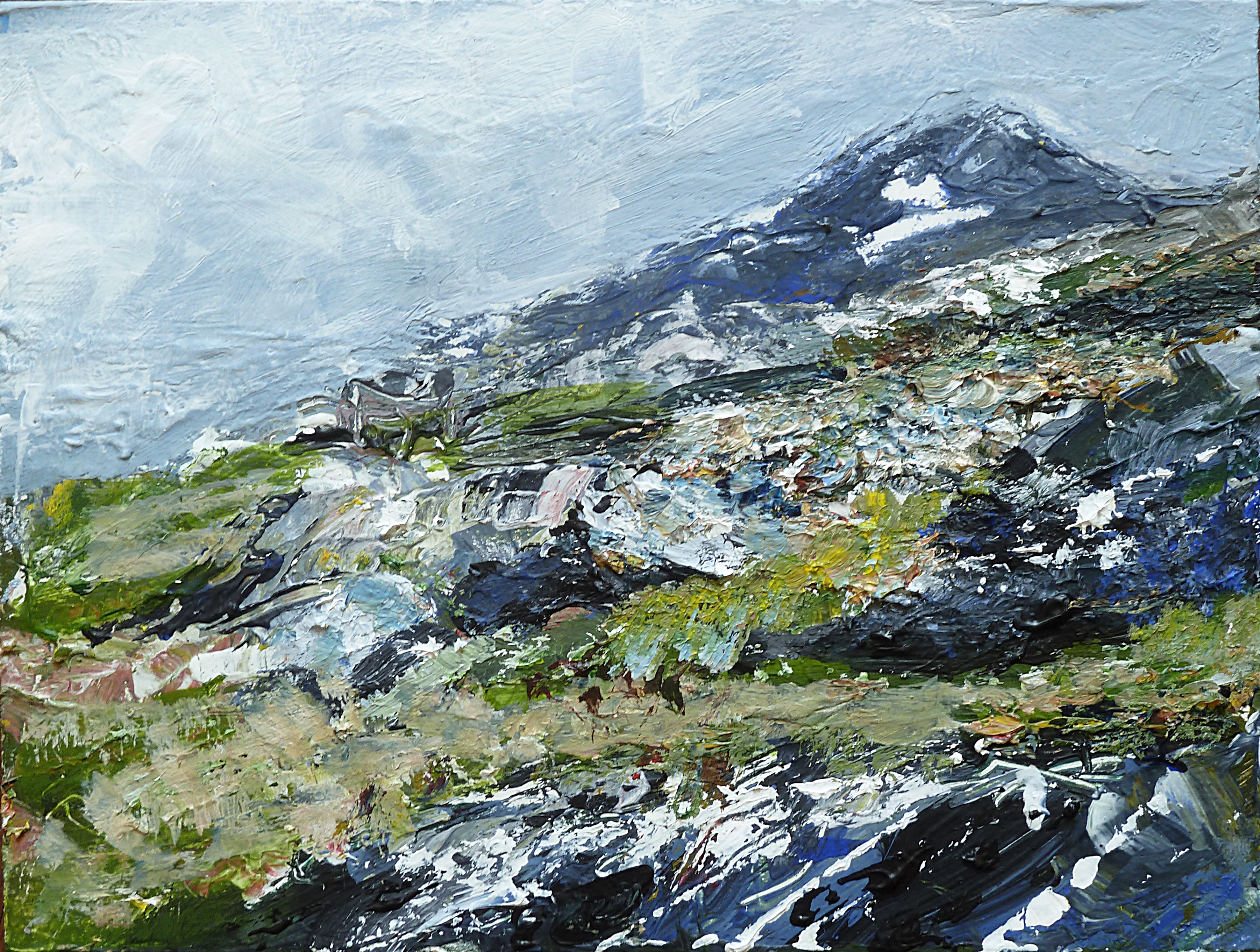
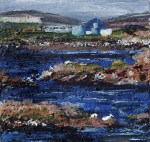
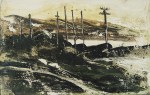
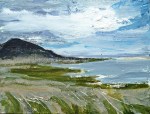
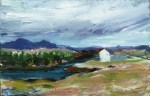
Croft at Geocrab Bay, Isle of Harris. Mixed media on 6.5×5″ wood bloack

Traigh an Taoibh Thuath, Isle of Harris. Mixed media on 8×5″ wood block

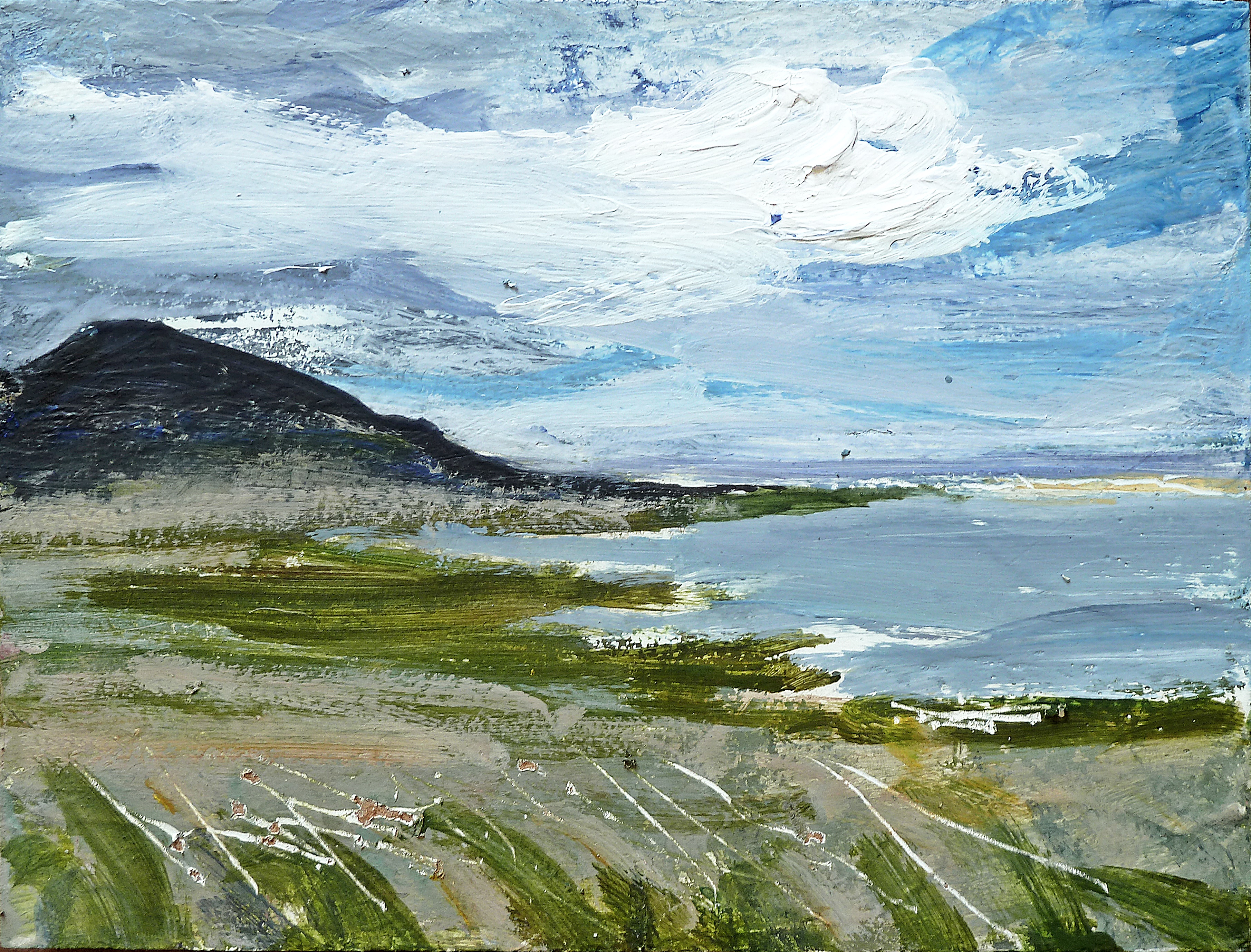
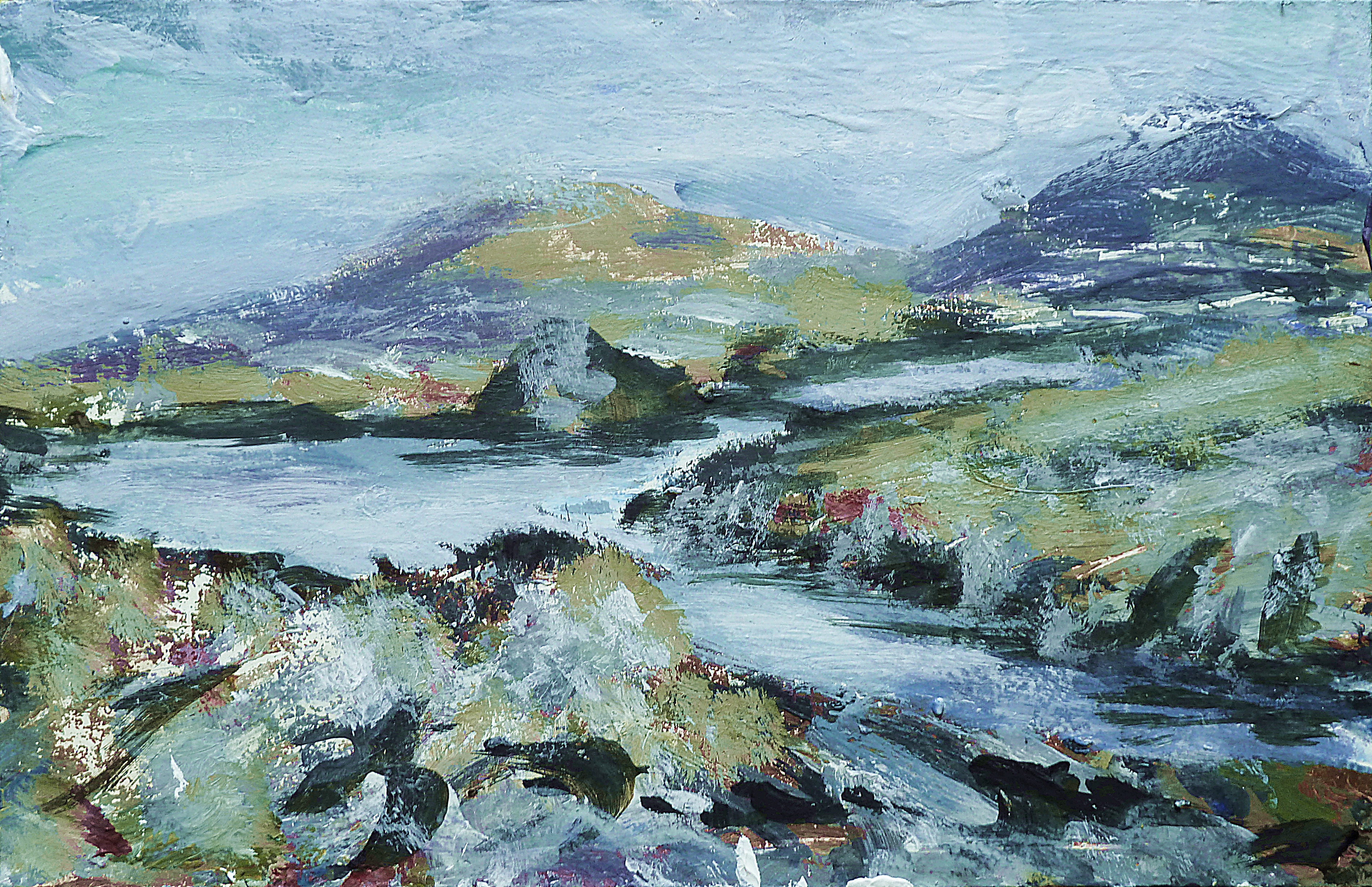
Loch near Beacravik, Isle of Harris. Mixed media on 6.5×5″ wood block

Rodel Bay, Isle of Harris. Mixed media on 5×5″ wood block

Today’s paintings of the Isle of Harris.

Here’s a map (if you find this interesting!) showing the areas in these paintings…


Harris paintings day 2

Isle of Harris, Green Sea, east coast. Mixed media on 5×5″ wood block

Stockinish Sea Loch from Lickisto (Isle of Harris). Mixed media on 5×5″ wood block

Today’s paintings of the Isle of Harris for the upcoming exhibition on the 14th July at Whitespace Gallery

Harris paintings day 1

Geocrab Lochan Isle of Harris, East Coast. Mixed media on 5×5″ wood block

Today’s attempts to paint the wonderful Isle of Harris. I’m happy with the looseness of Scadabay Houses.

Houses at Scarasta, Isle of Harris, West Coast. Mixed media on 5×5″ wood block

Scadabay, Isle of Harris. East Coast. Mixed media on 5×5″ wood block


A sideways view..

I’ll be painting around ten of these 5×5 inch works and around twenty at 10×10 inches on wood. The series will be on exhibition this summer from the 14th to the 20th of July at Whitespace Gallery.

A few sketches and photos

A few very quick sketches made on Harris. I photographed these at the time, then used half my sketchbook for our somewhat damp wood-burning stove!


And some more photos of myself and Donald below. There was not a hint of rain but there was a bracing north wind across Scotland which made nerdy hats a necessity! I’ll be posting new paintings from tomorrow..


Isle of Harris and Lickisto

Up on the hills of Harris at sundown

Tomorrow I begin a new series of paintings inspired by  the Isle of Harris in the Outer Hebrides.

It was wonderful to stay there longer this time. In September last year I travelled around the Hebrides (Lewis, Harris and Skye) with poet Louise Palfreyman, which was more of a research trip, resulting in a series of paintings and a short video featuring the poetry of Ian Stephen and Louise Palfreyman (you can view the paintings from the ‘Gallery’ page above, just scroll down to ‘Hebrides, Sea, Space and Sky’, and the video is on this link Here )

This time we (me and my friend Donald Ferguson) stayed in a yurt at Lickisto Blackhouse again, a campsite run by John Furniss who’s been developing the site for many years now, very organically and creatively, for want of better terms! I found it quite magical discovering more of the garden on our first night, under a moon so bright it was dazzling.

John’s aproach is to enhance what’s already there, using found materials and being true to the land and its history.  For example he cleared and revealed the ‘lazy beds’ – patches of ground surrounded by small drainage chanels, which date back thousands of years and were created by farmers dealing with the wet conditions and rocky ground of the islands. He also restored and thatched the remains of ancient crofts, having learned the skill from one of the UK’s last traditional thatching experts. The paths wind and meander through the site, following natural contours, leaving the  flora untouched. Here and there are  windbreaks developed from saplings of indiginous trees. No acres of gravel, no twee, no annoying signposts!


The east coast of Harris is completely different from the west – small rocky bays and the remains of crofts and piers from a time when fishing was the main source of income. The west of the island was always more popular as a place to dwell though, with fertile soil on the area of land islanders in the west of Scotland traditionally call the Machair. It’s also where tourists often head first, to the incredible Luskentyre beach  …


The intensity of colour at Luskentyre really was quite incredible, my eyes were practically on stalks, unable to quite take in that such luminous greens and blues exist in nature! More intense even than my photos above can capture. I’ve known several people who’ve never visited the west coast of Scotland say things like ‘have you used a filter on that photo?’ or when looking at one of my paintings ‘are the mountains really that pointy?’ No and yes, respectively!

But as an artist, it was the east coast I found fascinating – the odd colours and shapes of glacially worn ancient rock (Lewisian gneiss) and plain buildings set against the backdrop of shimmering sea, and the strange atmosphere which to me somehow brings Hithcock films and Bjork videos to mind at the same time!


Also on this side of the island you get the sense of how tough crofting life must have been back then, as it is even now which makes John’s landscaping and croft-mending at Lickisto all the more inspiring and impressive, it’s hard work and I hope he continues into the future.

I was reminded of the way the artist Ian Hamilton Finlay, with his wife Sue, gradually developed  ‘Little Sparta’ at Stonypath in Dunsyre, Lanarkshire, on barren moorland. At first small, quirky and domestic in scale, but gradually becoming more epic as decades passed. It’s now classed as one of Europe’s most unique and impressive works of art; combining landscape, philosophy, literature and art. (These links show the garden and give info on Finlay’s life as an artist – Little Sparta    Little Sparta and Ian Hamilton Finlay )

Finlay clearly had more obvious artistic ambitions, but I see the parallel with John’s creation at Lickisto in the sense of authenticity – the way a landscape is developed and nurtured; not as a show-piece to impress, but more an outpouring of imagination and sensitivity to the landscape.

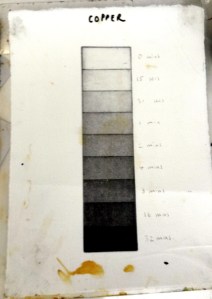
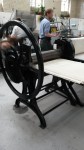
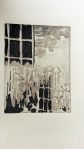
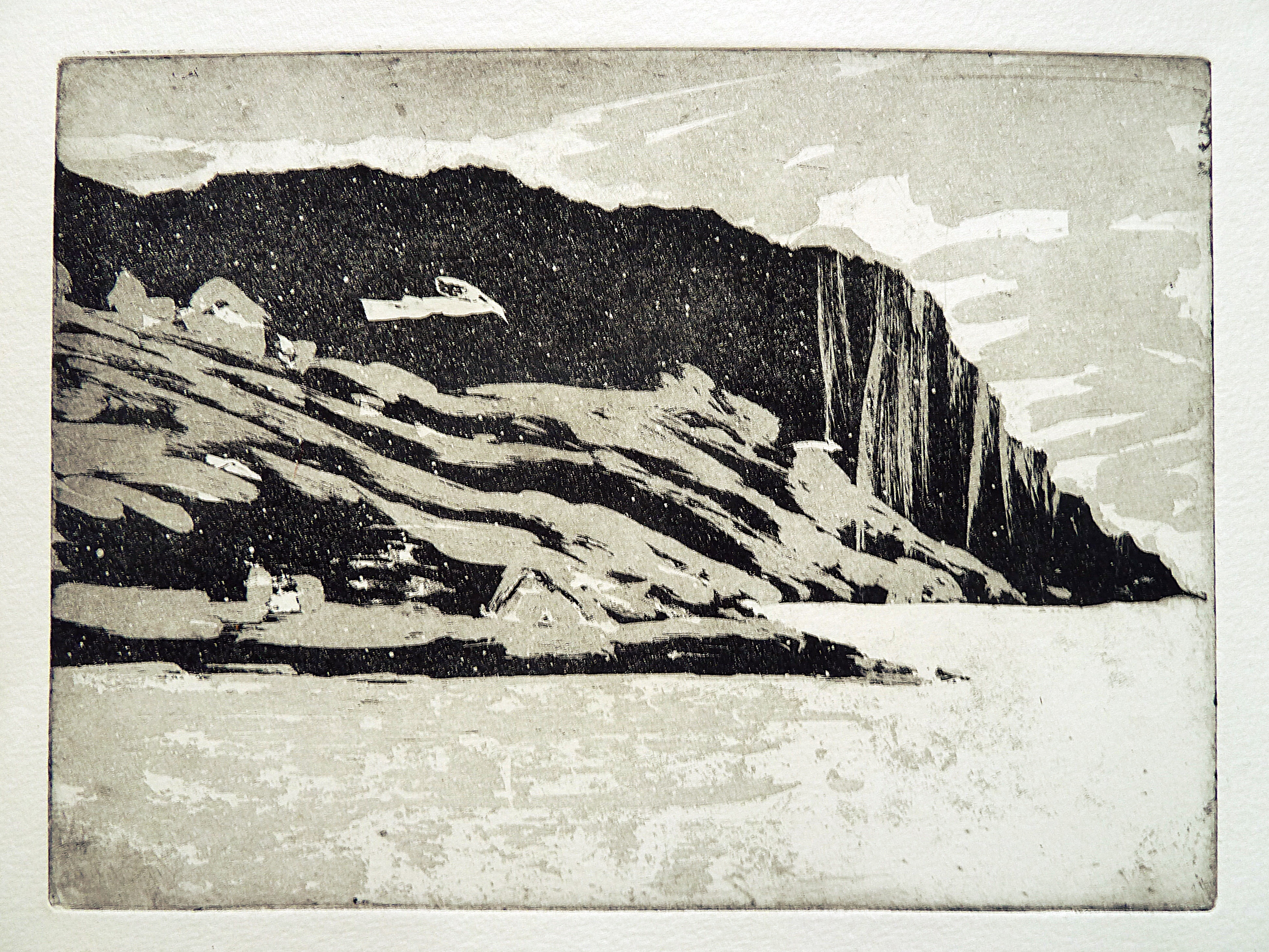
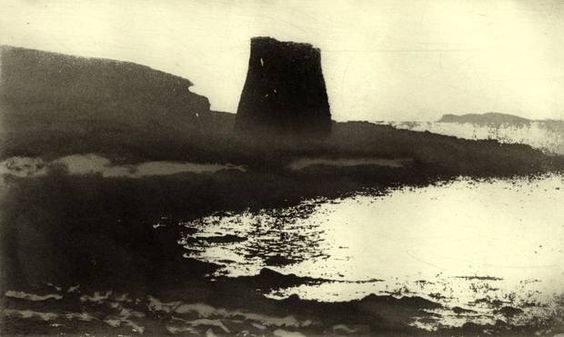
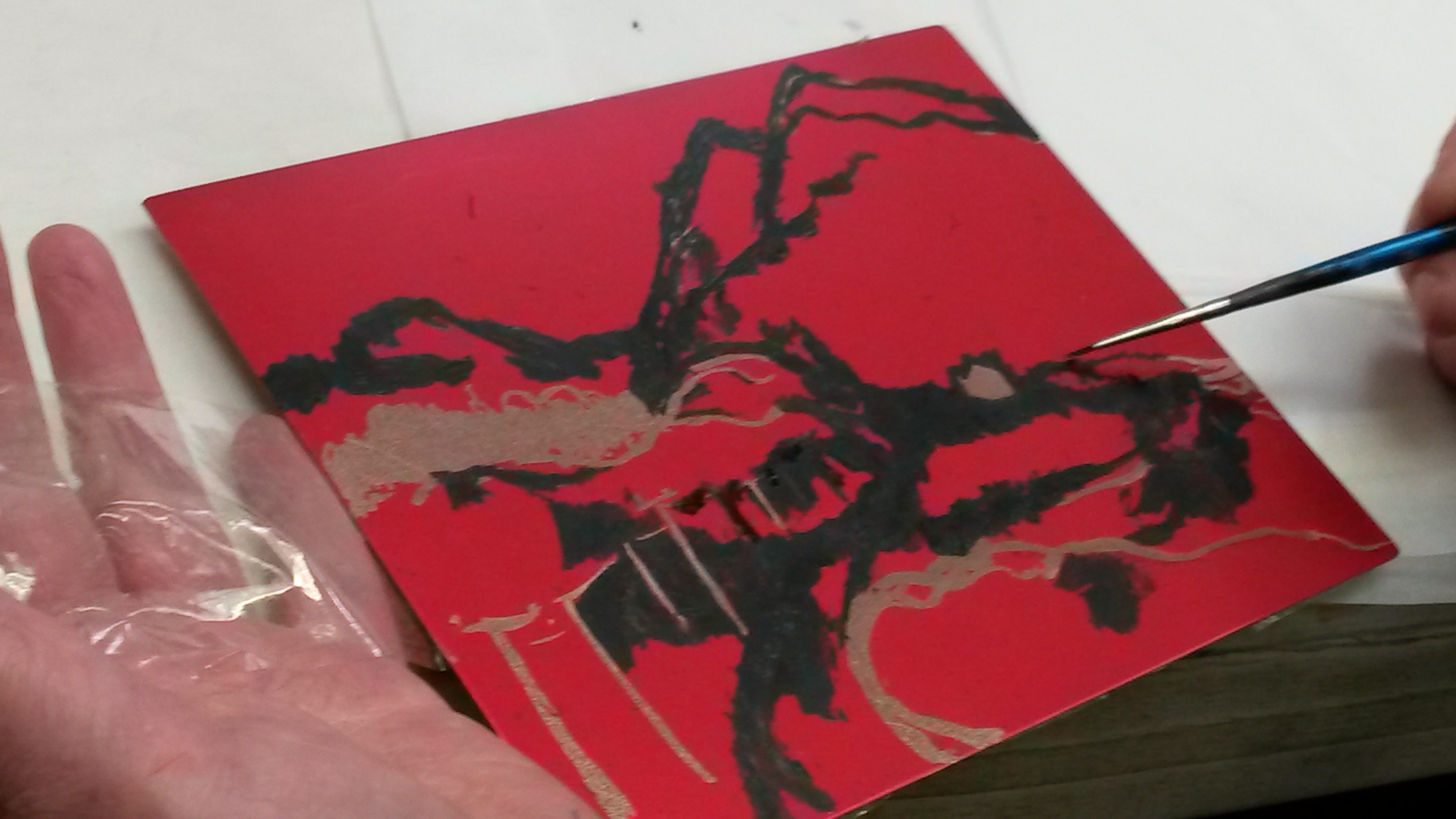
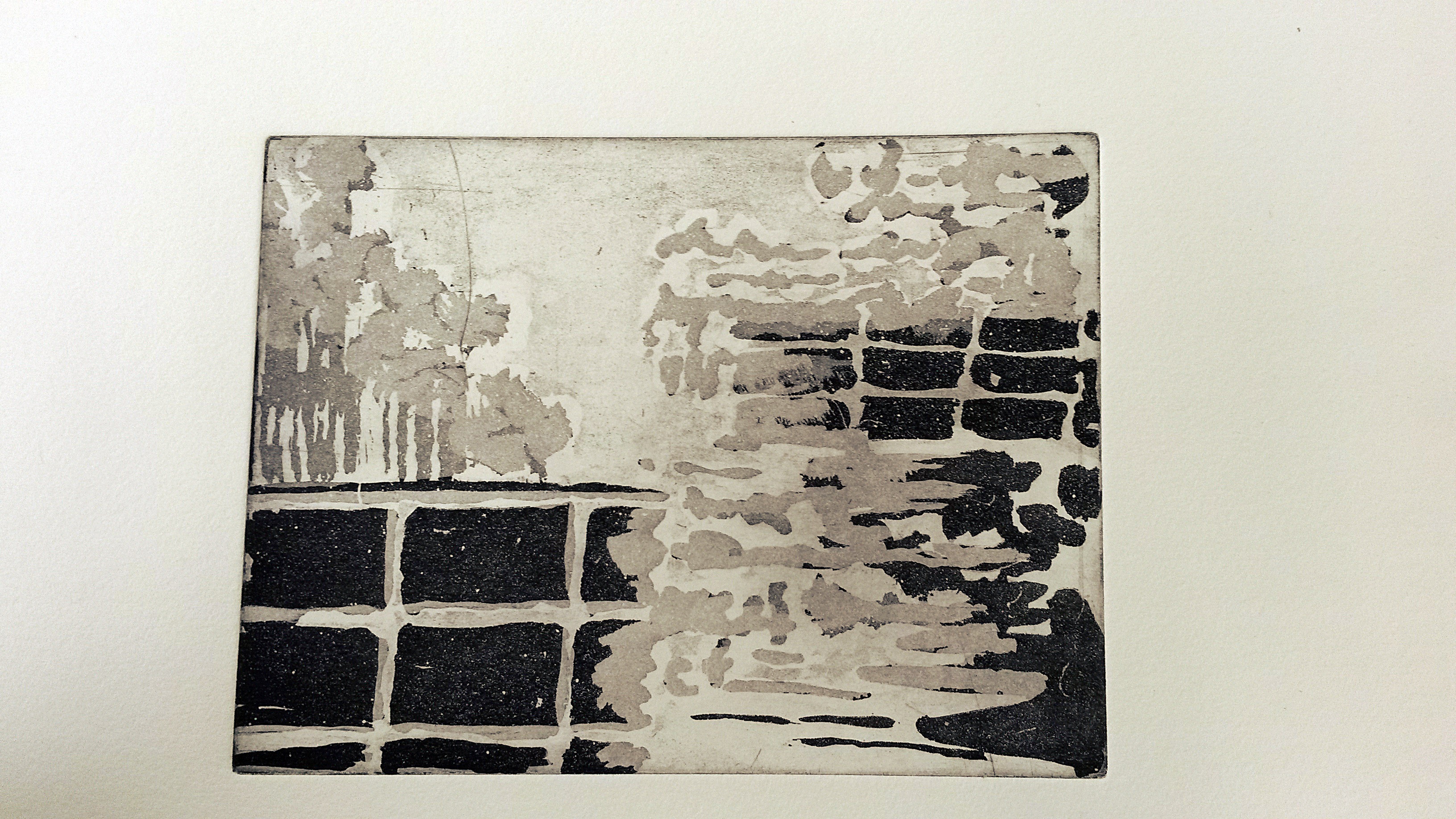
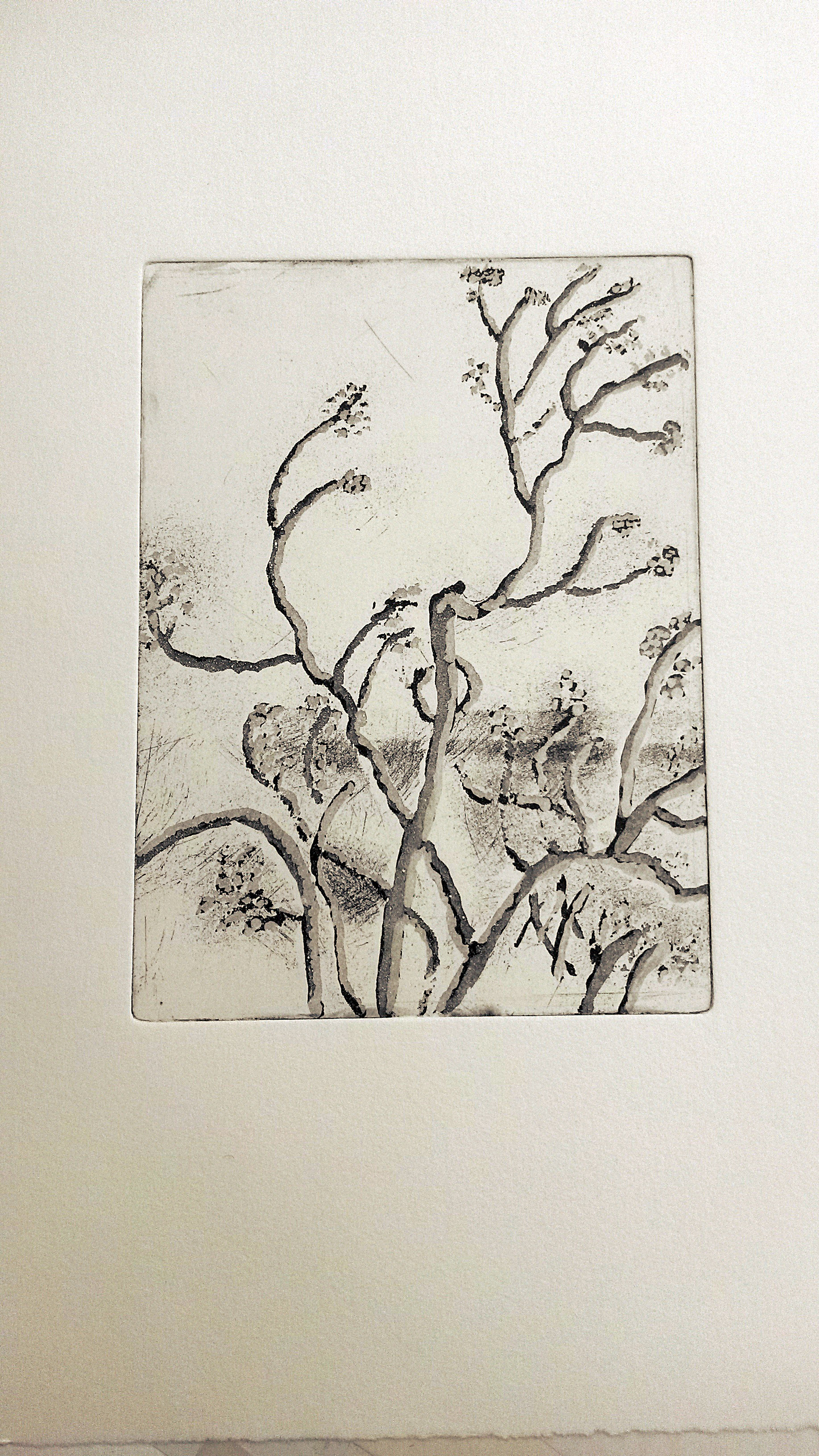
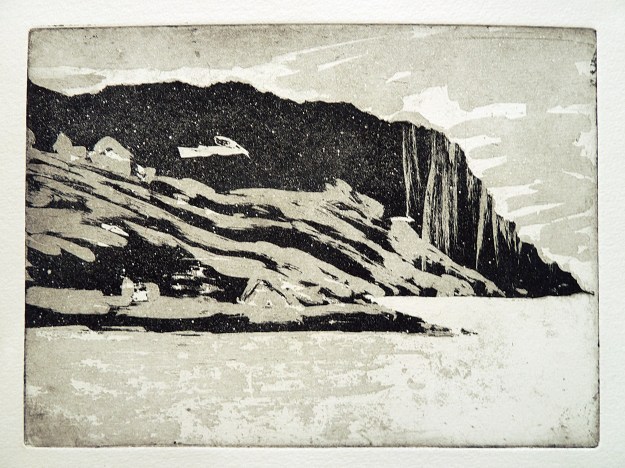
I’ll be exhibiting my new series of paintings of Harris in July this year at the Whitespace Gallery (which has now moved to East Cross Causeway in Edinburgh’s Southside, website Here). As a new development I’ll also create a series of aquatint etchings, I haven’t atempted etching since art college days so I’m quite excited about how those will turn out!

Lastly, some photos of sundown and moonlight on Harris …


Lime Tree Gallery exhibition

‘Severn 1’. Acrylic on 14×12″ wood panel.

New exhibition  A Sense of Place opens on the 20th May at the Lime Tree Gallery in Bristol, and includes my series of paintings of the Severn and canals in Gloucestershire.

You an view all paintings in the exhibition in this catalogue link – A Sense of Place  and from there you can contact the gallery if you are interested in any of the paintings (I’m delighted to see that my painting Severn 3 has already sold!)

Thanks again to the excellent Lime Tree Gallery for showing the paintings!

Edinburgh’s ‘Endarkenment’

Inscription above the entrance of Edinburgh’s Central Library on George IV Bridge

Read that inscription in the image above, then have a ponder on this …

In 1890, world famous industrialist and philanthropist Andrew Carnegie gifted the Central Library to Edinburgh. Inspired by the Scottish Enlightenment, he was a dedicated, generous supporter of education for all, and was no doubt equally inspired by his own humble beginnings in Dunfermline.

An important part of this gift was the plot of land adjacent to the library which allowed light to flow in through the large windows (a design feature to remedy the fact that the other side of the library didn’t receive enough light because of nearby buildings).

Recently, Edinburgh Council decided to sell off this adjacent plot of land for 3.5 million, then allowed a hotel development company to go ahead with their, I quote, ‘visionary’ proposal to build a nine storey hotel on the site, which will (you guessed it!) block about eighty percent of the light.

Before I go into any more detail, for those of you who don’t have time to read on, please click on the Crowdfunder link below, to donate what you can or share the link to help pay for the £27, 000 upcoming court case to contest this decision…

http://www.crowdfunder.co.uk/save-edinburgh-central-library

As Rory Bremner put it in March this year:

this seems an extraordinary betrayal of Carnegie’s intentions and a slap in the face for Edinburgh’s great cultural heritage.”

Last night I went along to a talk and fund raiser awareness event, led by various groups under the umbrella of the campaign ‘Let there be light’. Link  – lettherebelightedinburgh.org


There were inspired talks by the architects, community groups and individuals involved, also a film by someone who prefers to be known just by his first name, ‘Simon’, who installed himself permanently in a tree for eight days to prevent bulldozers moving in. (Some stills from the talk, below)

From the ‘Let there be light’ campaign wesbite: “In these troubled times, the City of Edinburgh Council has become so heavily in debt, to the tune of BILLIONS, it is undertaking the disposal of the City’s family silver and gold, while sanctioning speculative mediocrity, described as ‘architectural wallpaper’, so otherwise demeaning as to now threaten the City’s highest accolade, the twin World Heritage status”. 

Edinburgh, birthplace of the Scottish Enlightenment, recognised by UNESCO as the world’s City of Literature. Also, home to one of the most inept councils in the UK …

Despite being regularly voted one of the most beautiful cities in Europe, celebrated for its architecture, with the world’s largest arts festival, all of which draws around four million visitors each year, many of Edinburgh’s A listed buildings are regularly threatened with shoddy commercial developments, not to mention the selling of public/community-owned sites for private profit.

Proposed plan for hotel, showing how much of the library (behind) will be obscured

It seems inexplicable when these buildings are among Edinburgh’s most valuable assets, but then when you consider that the council is in debt thanks to (among other things) the clusterf**k (that’s the accepted general term of reference) of the trams development, which also helped close down many fledgling businesses across the city thanks to limited access while pointless road diggings went ahead, only to be halted and patched up, messily, a year later, it explains their motivation, if not their limited ability to think up coherent, rational answers to debt.

As a friend recently pointed out, the council takes 5 million each year for parking fines alone, why sell off a piece of land with significant cultural heritage for 3.5 million? There were numerous proposals for green areas with one-storey glass buildings/resource centres, additional cafes and so on. Yet these were ignored.

Short-term profit and mindless greed aside, what really hurts is the ignorance and lack of vision. There’s something soul-destroying and heart-breaking in these developments when considered in the light of Carnegie’s vision –


Here’s the link again below, please share or donate (they take bank details or paypal, if the target amount of £27, 000 isn’t raised within 51 days, no money will leave your account)

http://www.crowdfunder.co.uk/save-edinburgh-central-library

Limited edition print sale – Cockenzie

‘Cockenzie Power Station, 26th September 2015′. Mixed media on 17×11″ wood panel (Original £400, sold. Ltd Ed’ print £65)

There are 18 prints still available (from a limited edition of 25) of the above painting Cockenzie Power Station, September 26th 2015 with 10% off.

This painting was created to mark the demolition of Cockenzie Power Station. Its chimneys were a familiar landmark on the south east coast of Scotland and hundreds of people lined up along the coast to watch it come down.

I took a video of the demolition (which you can view at the end of this post) and some sketches, then made the painting on a piece of 17×11 inch wood. The painting went on to sell at the preview of the Royal Scottish Academy Open, and was featured in the Times review of the show (by author and art critic Giles Sutherland).

I had the painting professionally scanned by Giclee UK and made into a limited edition of 25 signed, dated prints. I then offered the series exclusively to the (now closed)  Peter Potter Gallery in Haddington (near Cockenzie), and three sold there, but despite the gallery’s best efforts it was forced to close last year. A real shame as it showed excellent work from local and international artists.

Anyway, this means I still have 18 prints left (two are kept aside for my own archives and I sold a couple more direct to buyers). They’re 17×11″ with a white surround on archive quality fine art paper using acid resistant (non-fade) ink. I’ve taken off about 10% of the original cost (they sold for £72 each at the Peter Potter Gallery)

If you’d like to buy one you can contact me on rose.strang@gmail.com, or from the ‘Contact’ page from the menu above.