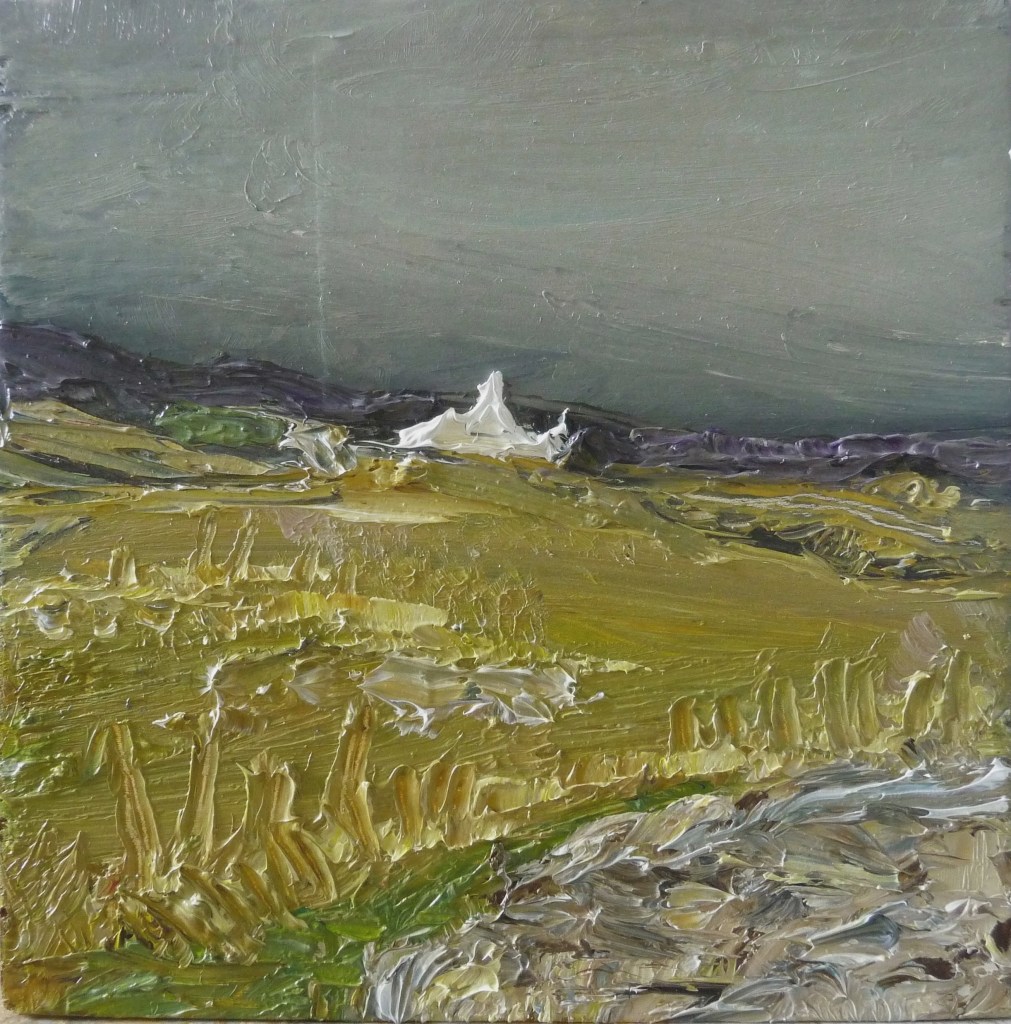
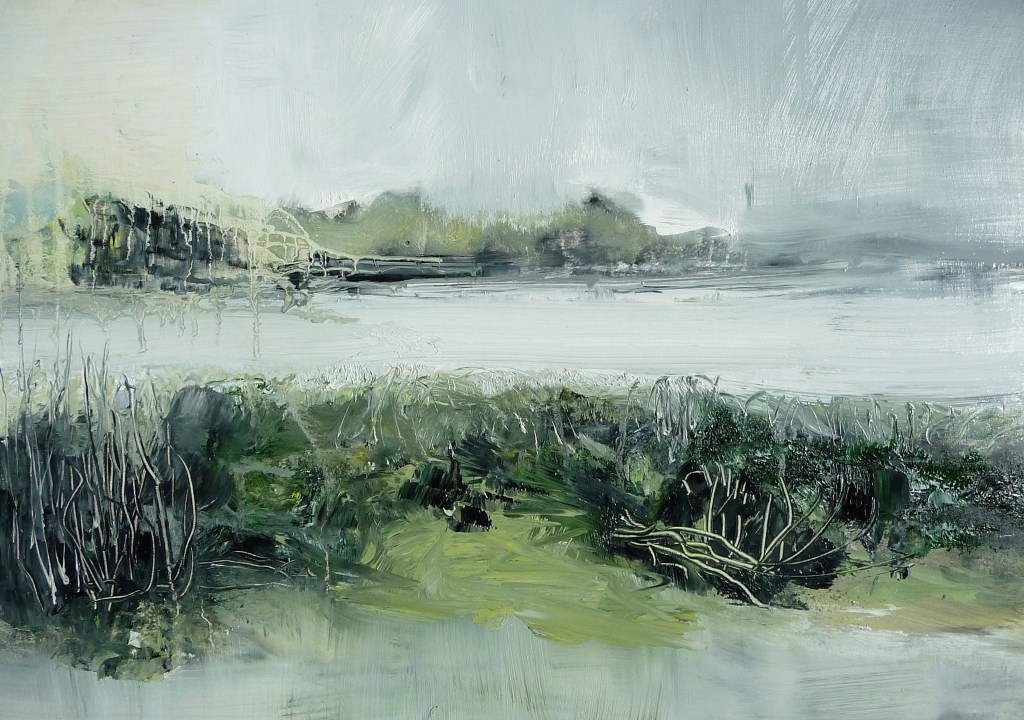
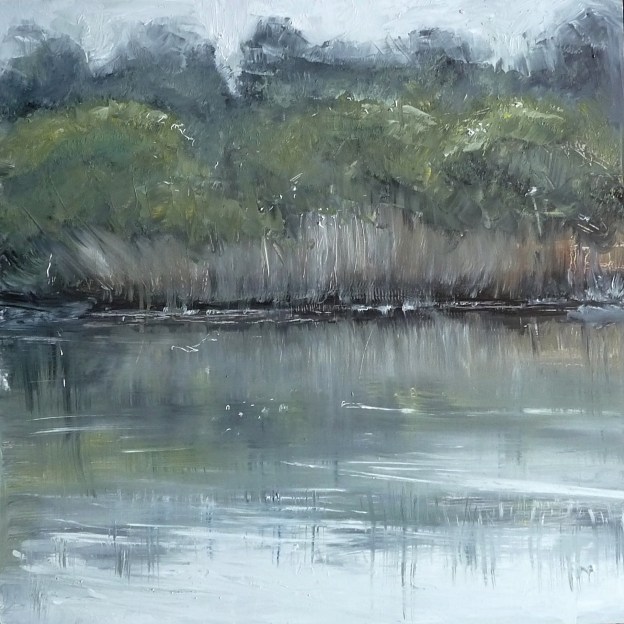
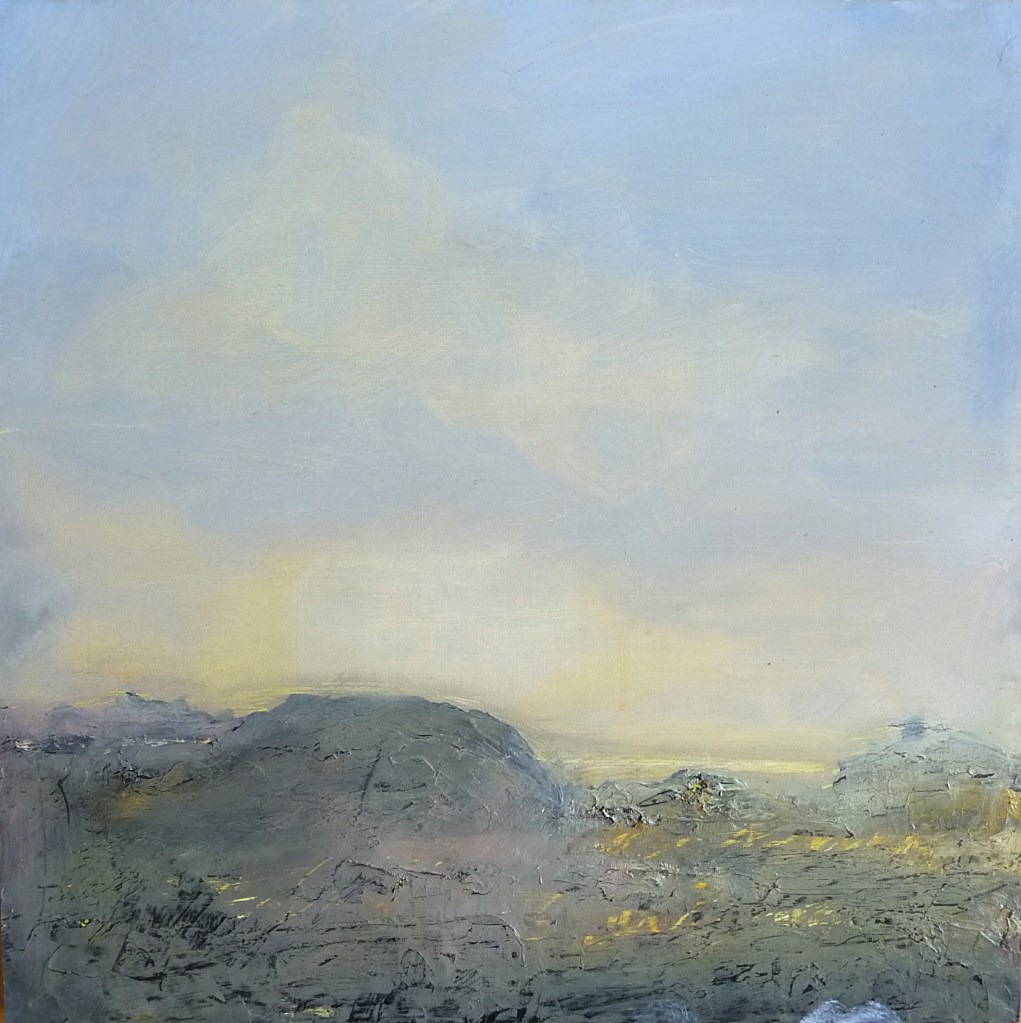
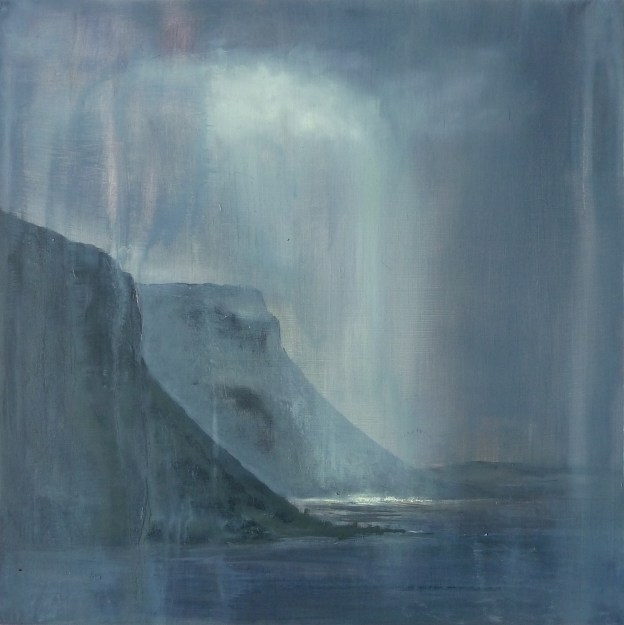
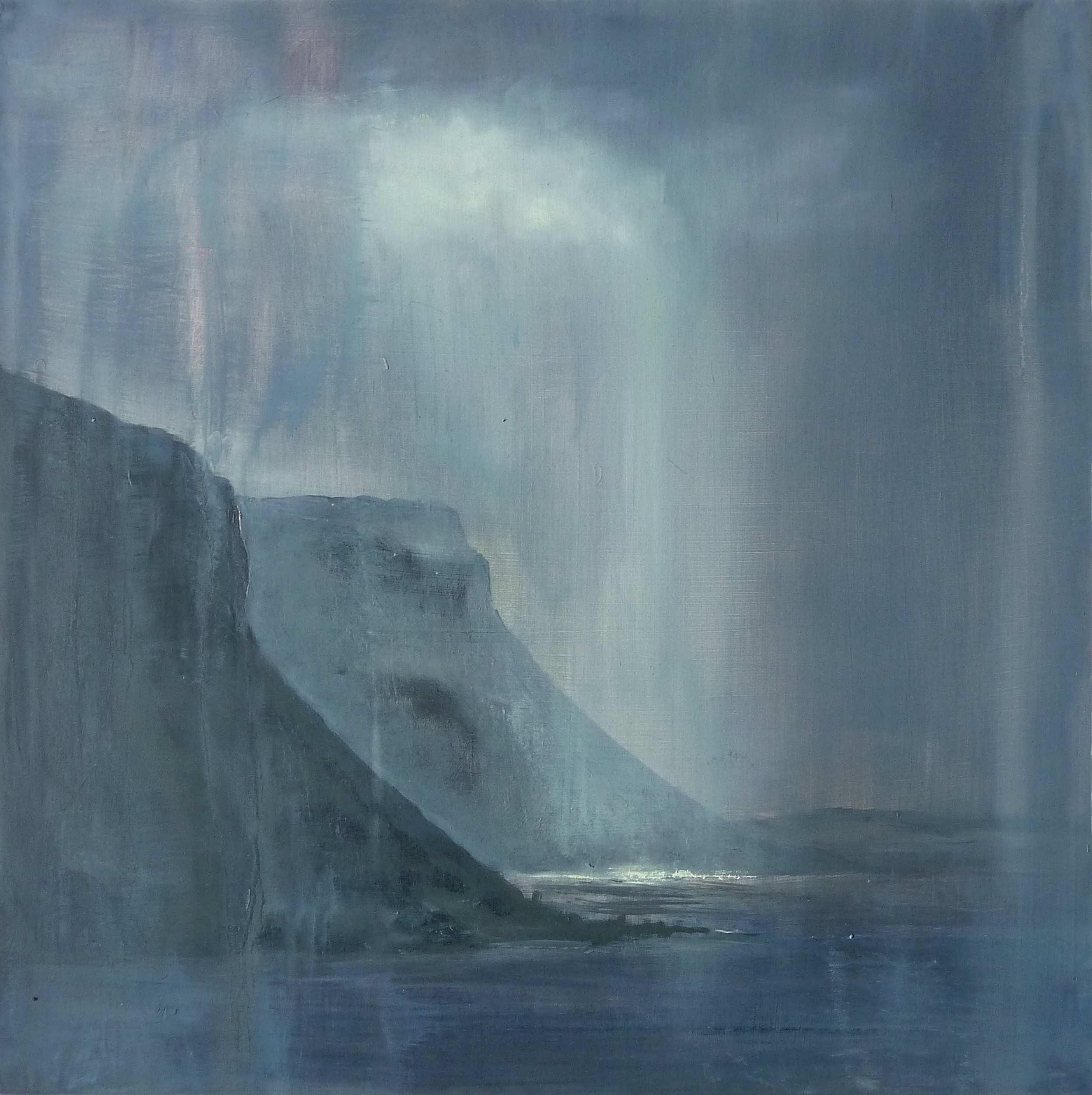
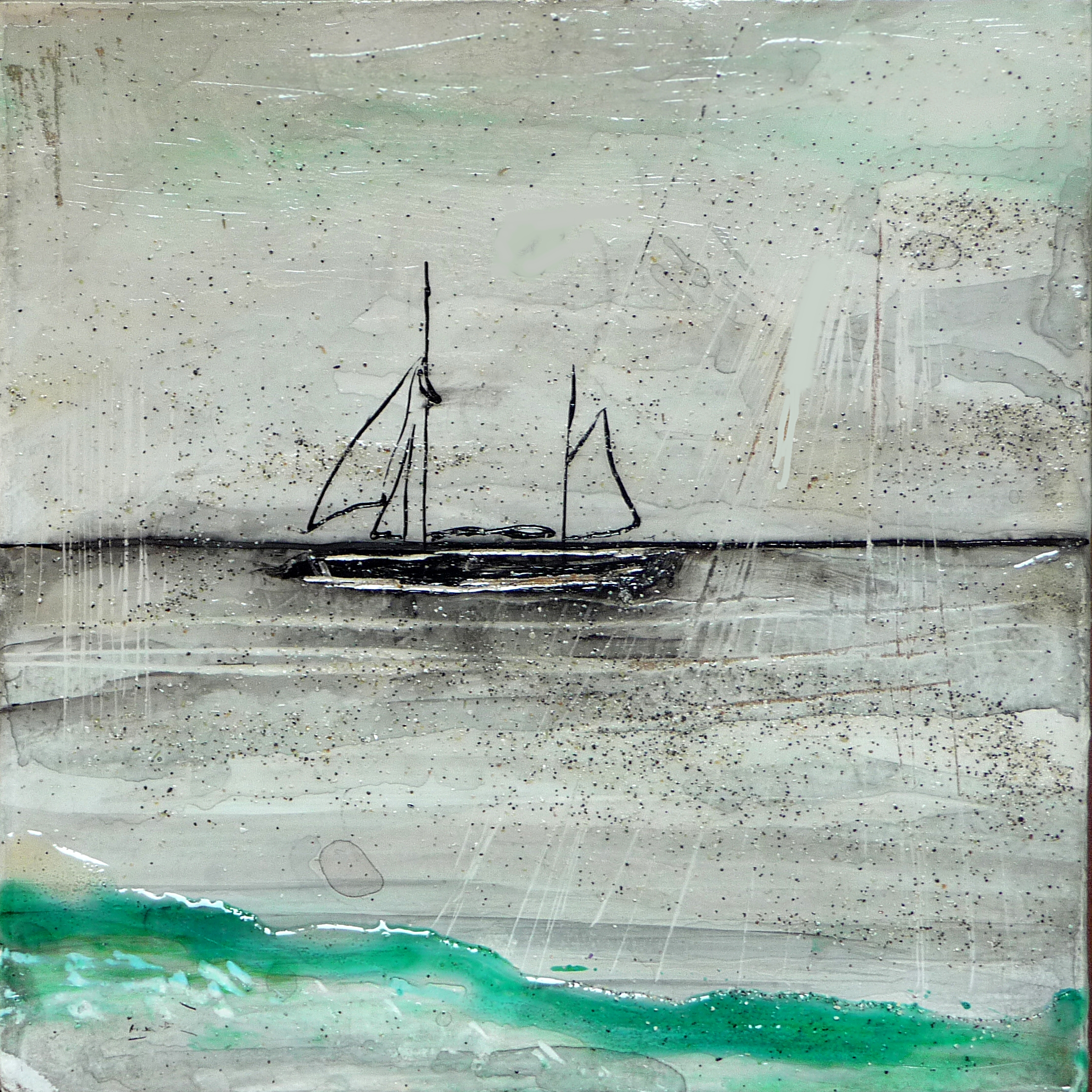
Above, Misty Evening, North End Iona. Oil on 6×6″ wood. Rose Strang 2021.
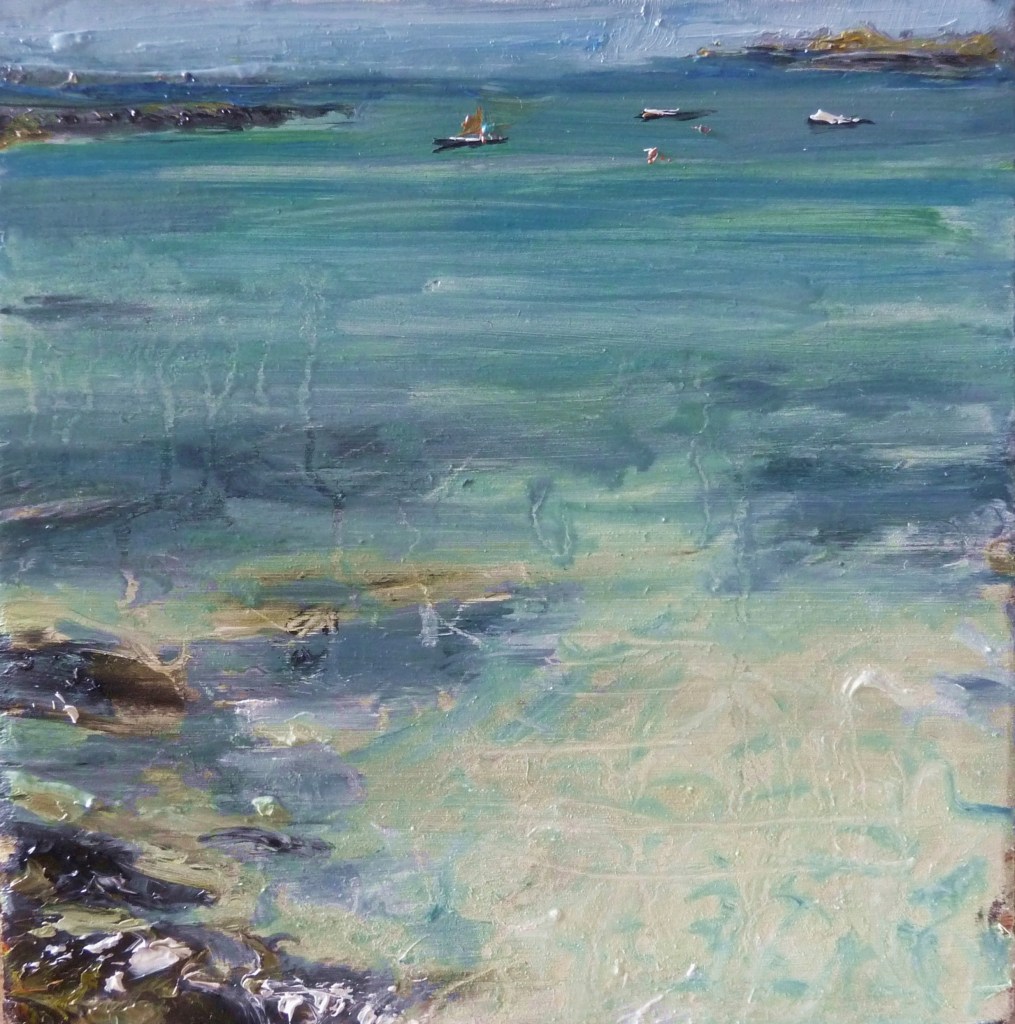
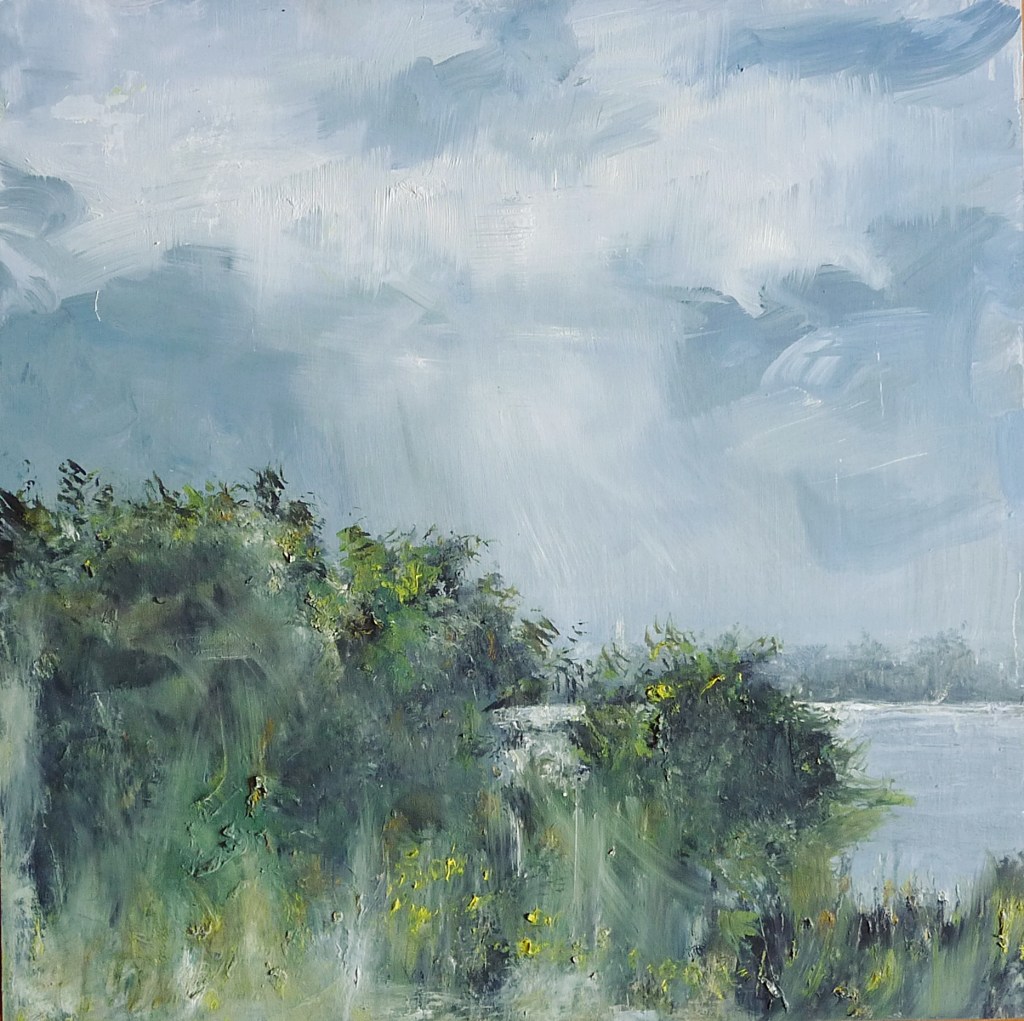
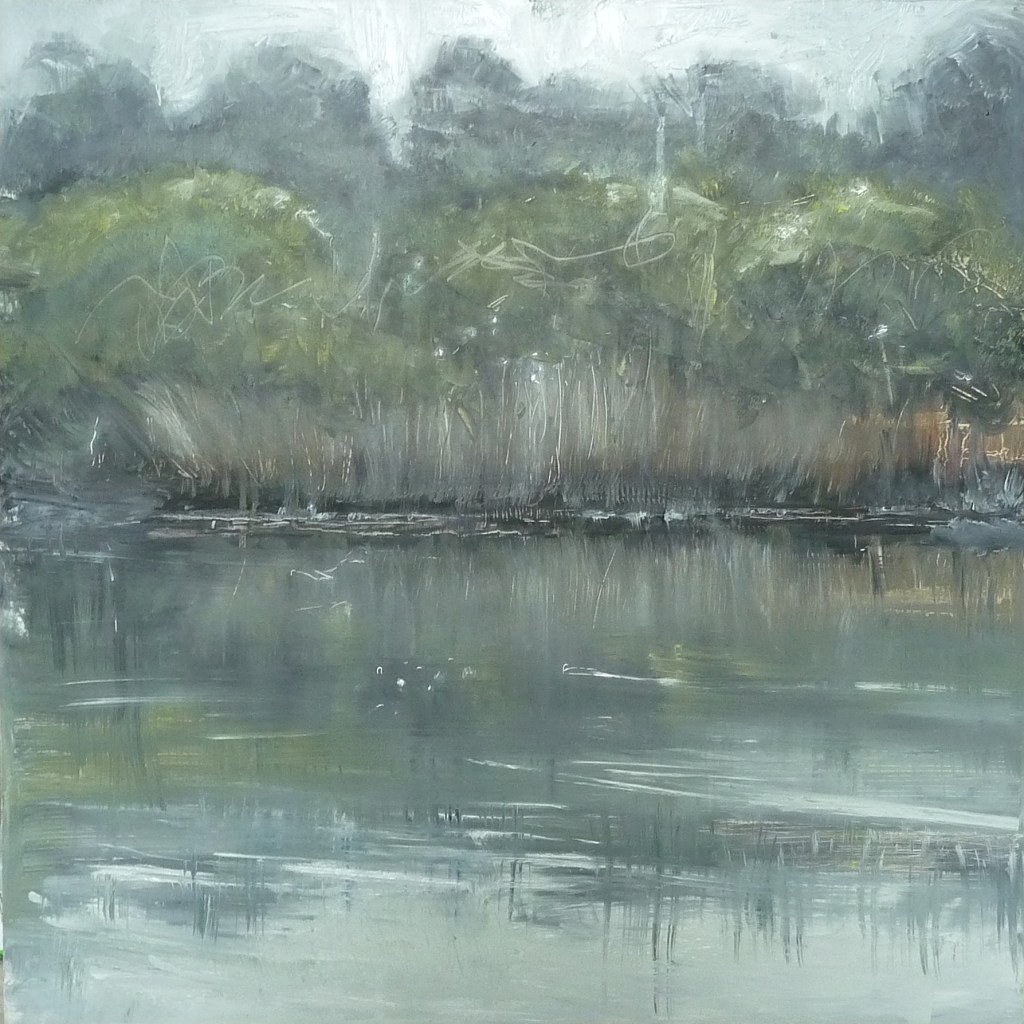
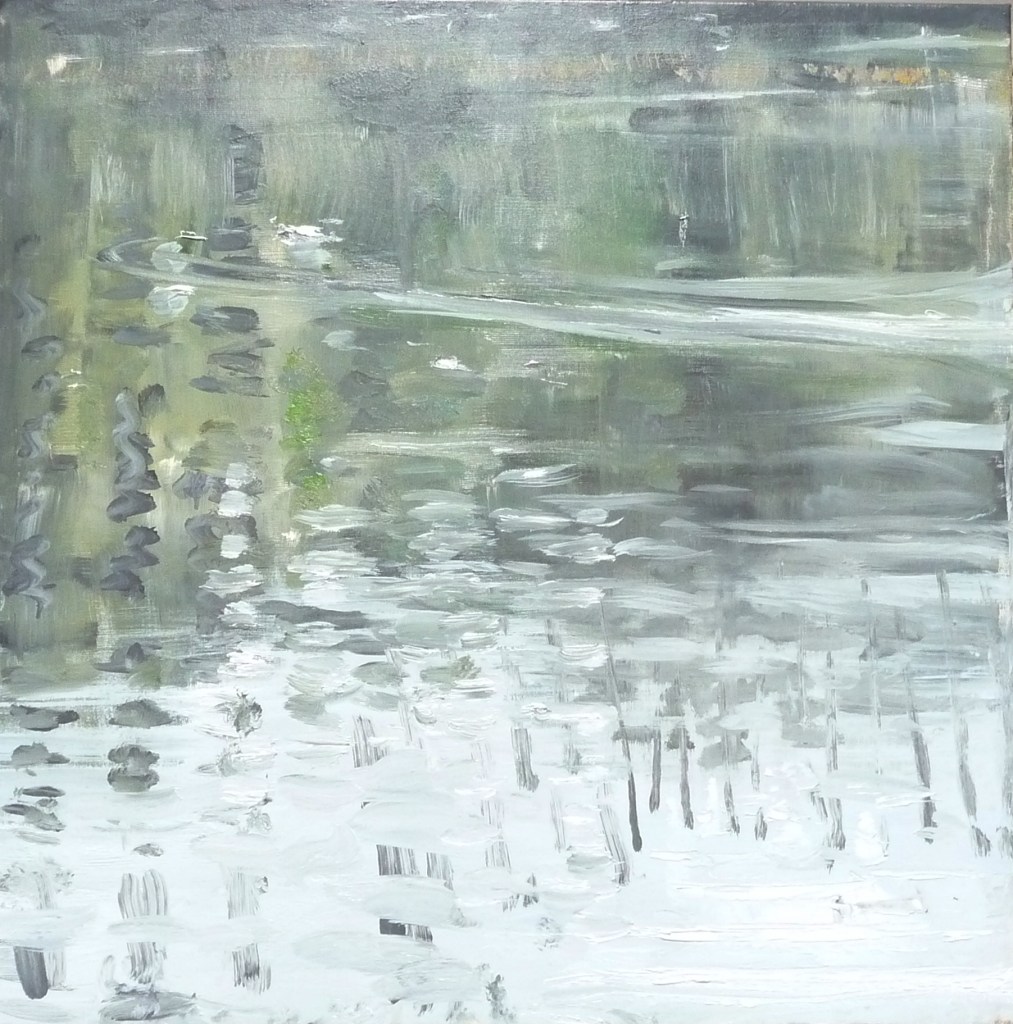
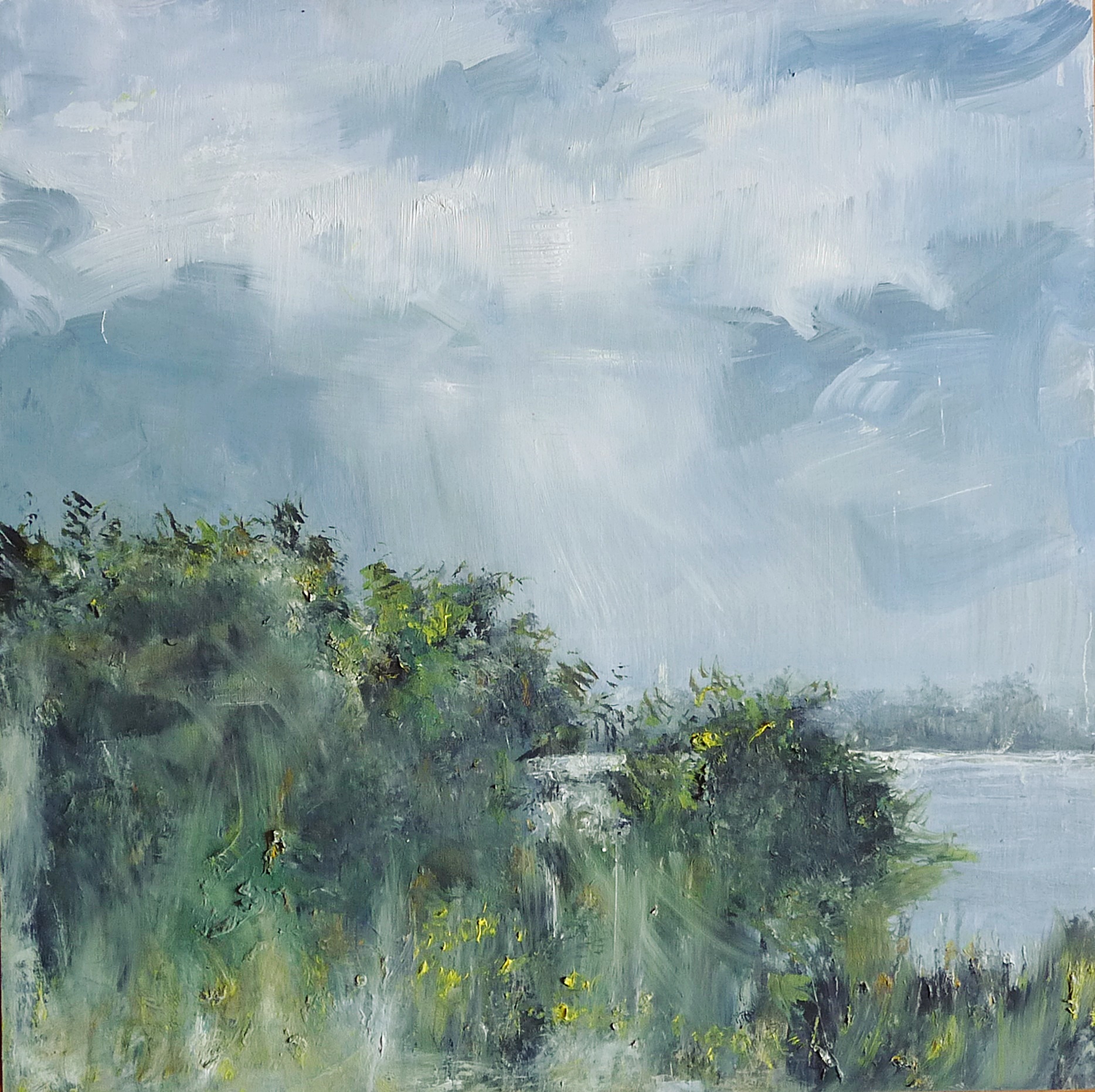
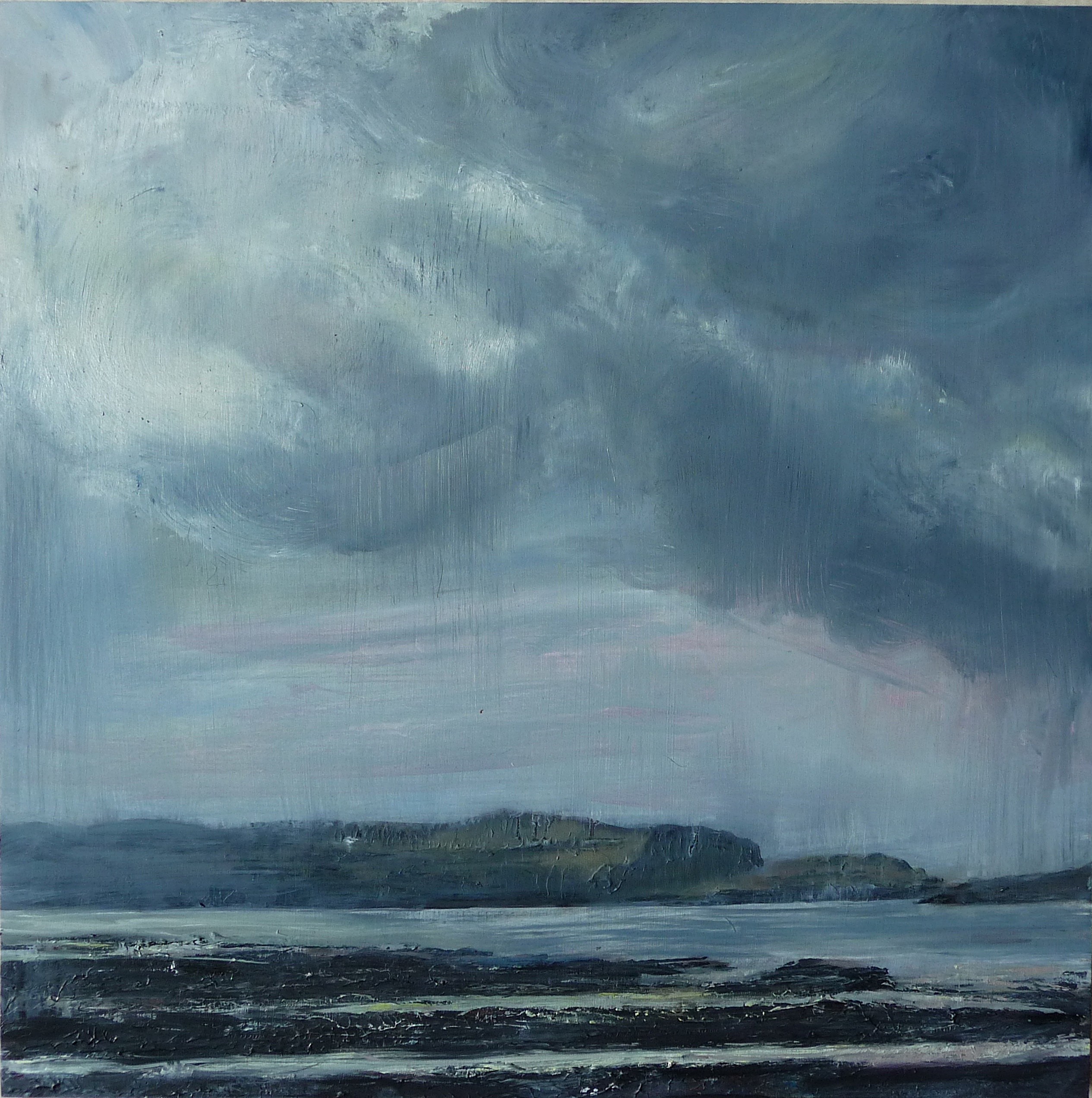
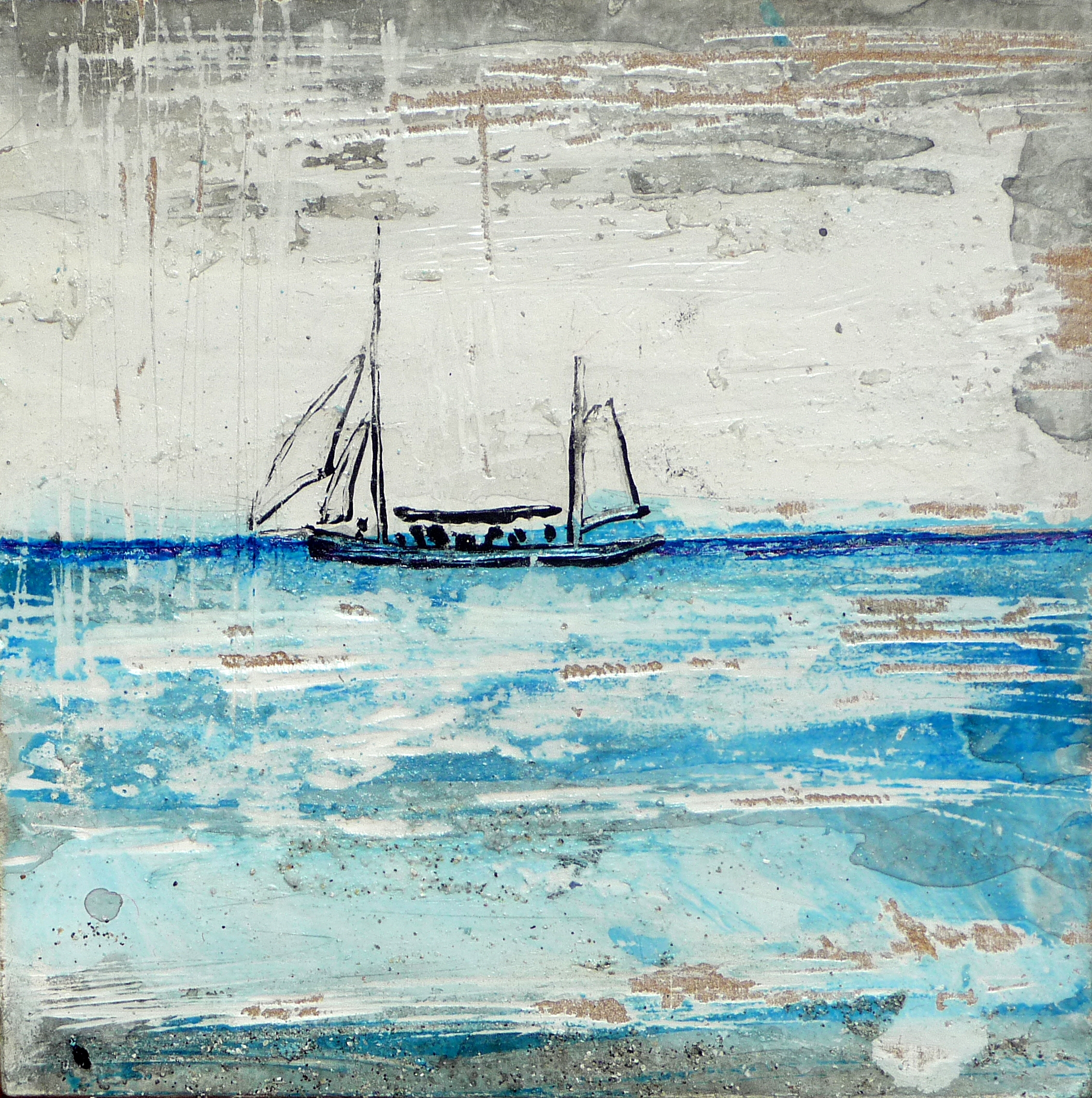
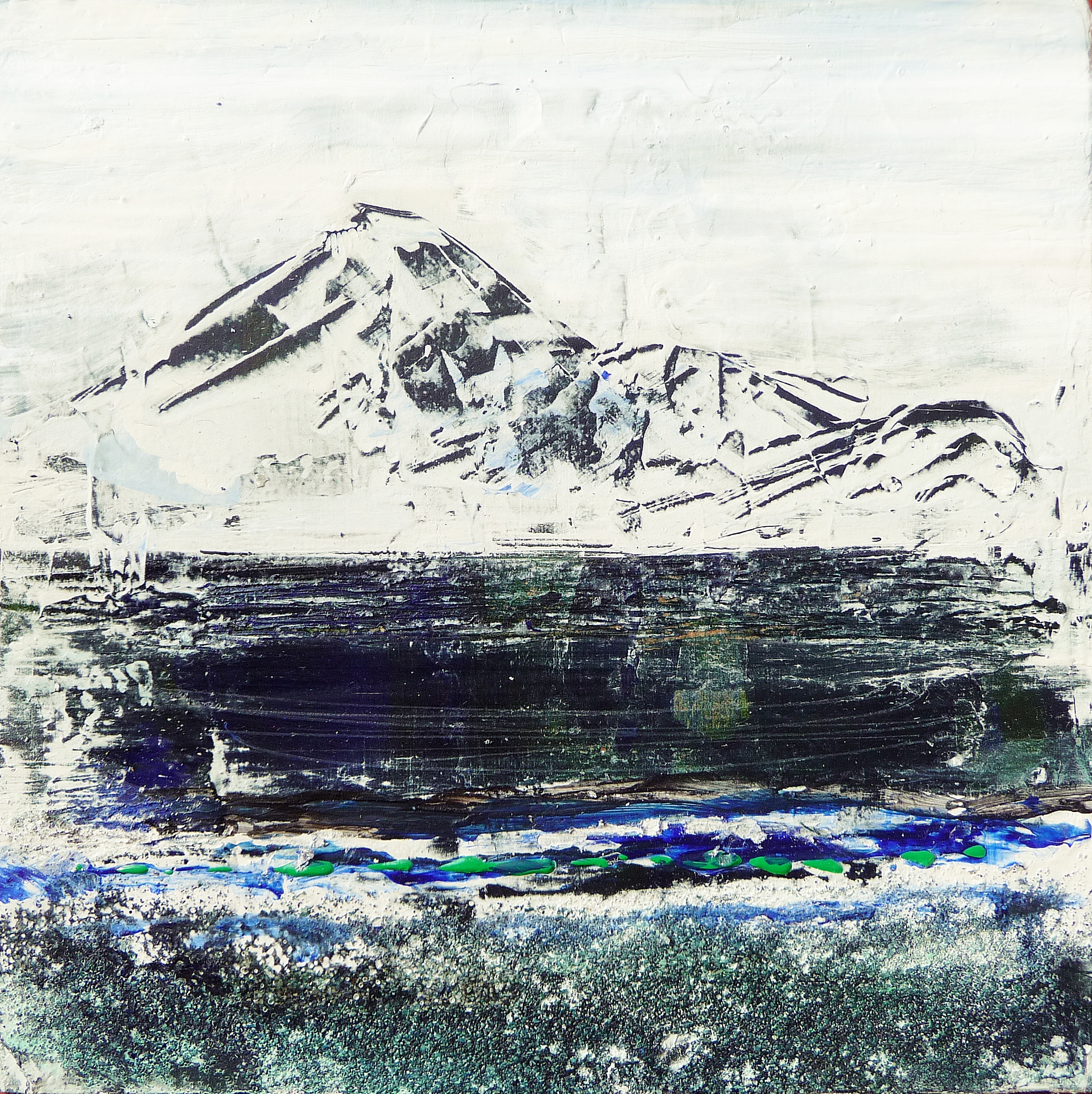
The painting above (and two paintings below) were painted after a trip to Iona last month in mild weather. The feel is very different from the last time I was on the island in winter 2018 when the skies and sea were stormy and dramatic. This time Iona was green, tranquil and contemplative with calm weather.
These are the small start to a larger series I’ll be painting starting from next week, in response to the landscapes of Kilmartin and Iona. More on that soon.
In the meantime, contact me if you’re interested in these small paintings, at rose.strang@gmail.com
Rain and Sun, Cnoc Oran, Iona. Oil on 6×6″ wood. Rose Strang 2021
Sea Shallows, North End Iona. Oil on 6×6″ wood. Rose Strang 2021
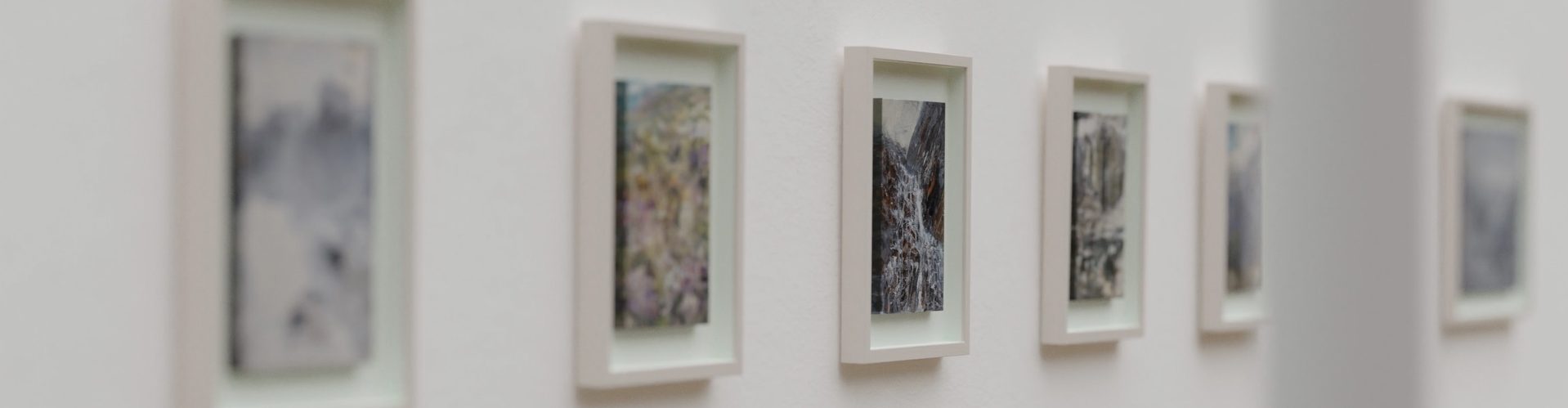
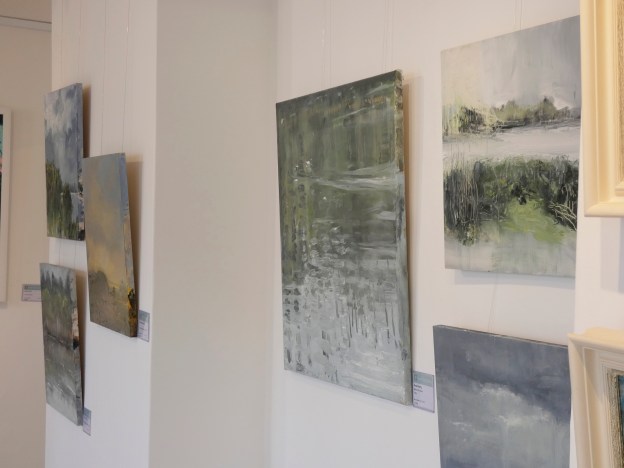
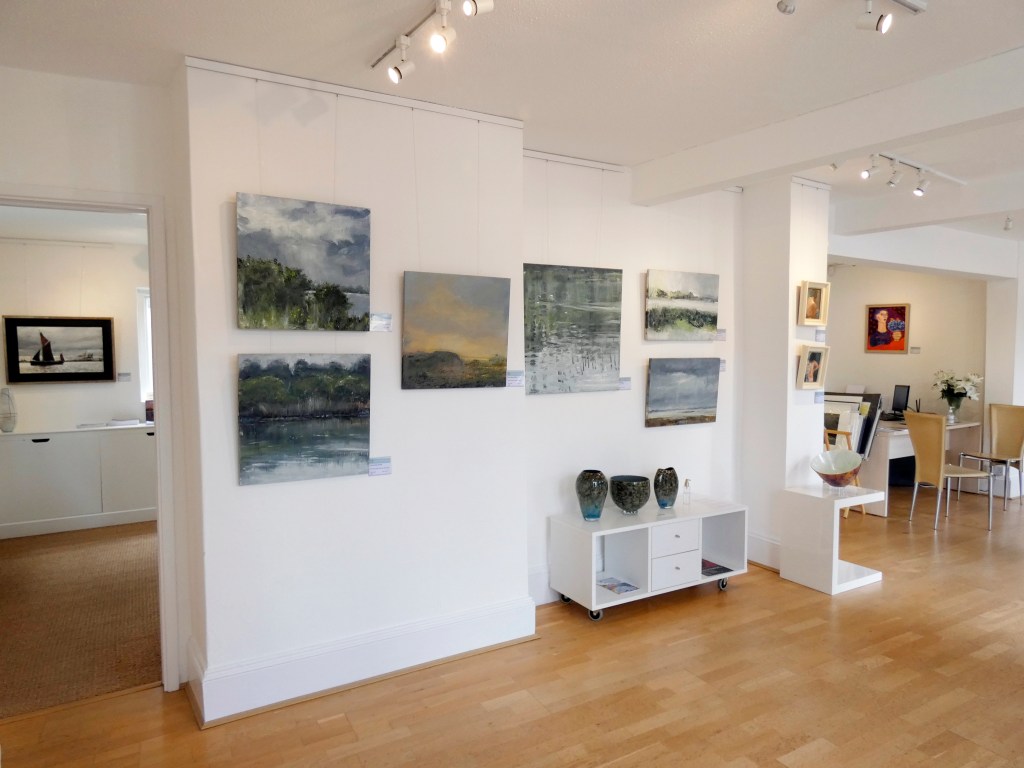
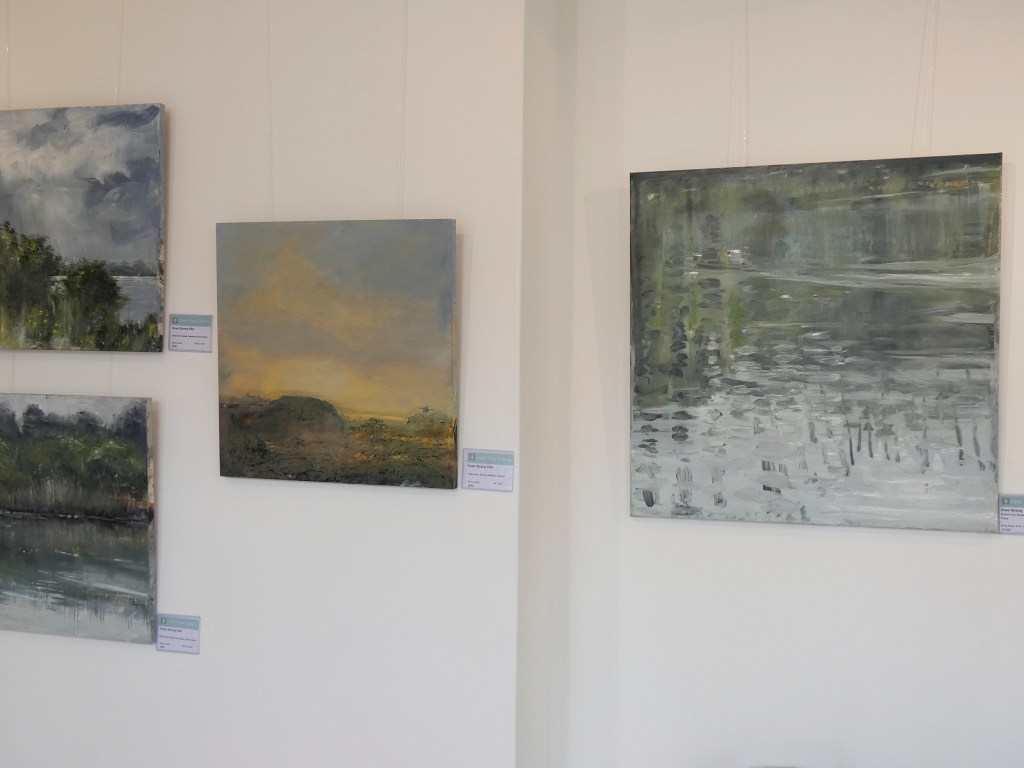
Below – some in-situ photos of the Sutton Hoo and Suffolk series at the Limetree Long Melford Gallery (link here for any enquiries about the paintings – Limetree Contact )
This series was painted after exploring the landscape that surrounds the Sutton Hoo burial mounds in Suffolk this year, where treasure and other evidence of 6th century Saxon culture was discovered in the 1930s.
(I explored a bit about the mounds and Saxon spiritual beliefs in previous blogs – Part 1, Part 2, Part 3, and Part 4.)
I’ve been reading the author Robert MacFarlane’s book Underland recently, in which he explores the world’s ‘underlands’ – catacombs underneath Paris for example, or natural limestone caves. Places where people buried their loved ones thousands of years ago, or painted mysterious human figures in places such as the sea-lashed caves of Kollhellaren (‘translates roughly as ‘hole of hell’) in Norway.
He explores the place these underground spaces have in imagination and in our psyche. Also not just culturally, emotionally and spiritually, but physically too. Among many impressions, I’m struck by the fact that for such a modest and gentle looking human being he clearly has nerves of steel! The descriptions of squeezing his way into narrow funnels deep in the earth are quite claustrophobia-inducing though un-put-downable.
The book was a meaningful accompaniment to my paintings, inspiring me to speculate on the way those Saxon leaders carefully buried their people – with such reverence and care. It tells us much about what mattered to their society back in the 6th century. Their emotions and physical appearance will have been much the same as ours, but as leaders their motivations were very different. They honoured landscape because they saw much of it as sacred – believing that gods or goddesses resided in aspects of nature. They wanted to leave the land intact with little trace of human dwelling – for example they built their houses from materials such as wood and grass that wouldn’t remain after time.
Their religious beliefs came to be seen as wrong – as pagan, barbarian and separate from worship of the one God of Christianity. From our perspective now though, it’s clear that whatever our beliefs, much of our landscape has been irreperably destroyed, which is at odds with the Christian ideal that we tend the flora and fauna of this world. Robert MacFarlane describes disappearing glacial landscapes and the complex ways that vast amounts of spent nuclear waste must be buried. These are issues familar to all of us, but never told as compellingly. As he describes; our age – now called The Anthropocene – will leave a legacy like no other. Contemplating these thoughts inspired me to paint ‘Trace’ – the largest painting of the Sutton Hoo series (below).
In the next month I’ll be travelling to the island of Iona, then Kilmartin Glen on the west coast of Scotland. Water will be the linking theme for an upcoming series. The new series might relate or add to the themes and problems being explored at this year’s Cop26 climate-change conference to be held in Glasgow.
More on that in the next few weeks!
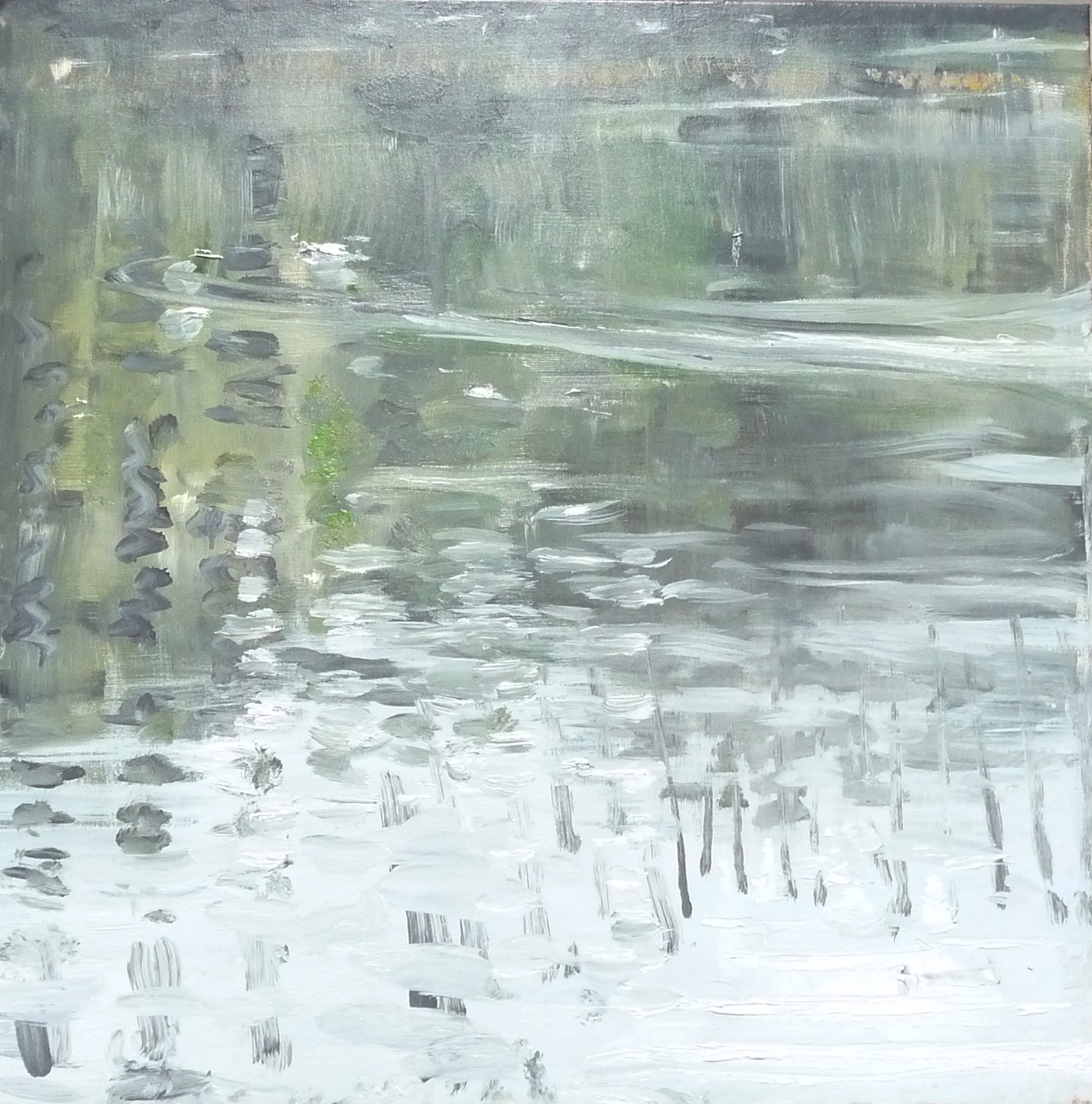
Sutton Hoo Series. Trace. Oil on 27.5 x 27.5 canvas. Rose Strang 2021
Above; Sutton Hoo Series. Trace. Oil on 27×27 inch canvas. Rose Strang 2021.
This series takes inspiration from the landscape surrounding Sutton Hoo in Suffolk. More about the inspiration and story behind the paintings can be explored below (after the paintings).
If you’re interested in these paintings, or would like to reserve or buy one, please contact the Limetree Gallery. The series will be on exhibition at the Limetree Gallery, Long Melfrod, Suffolk, from August 2021
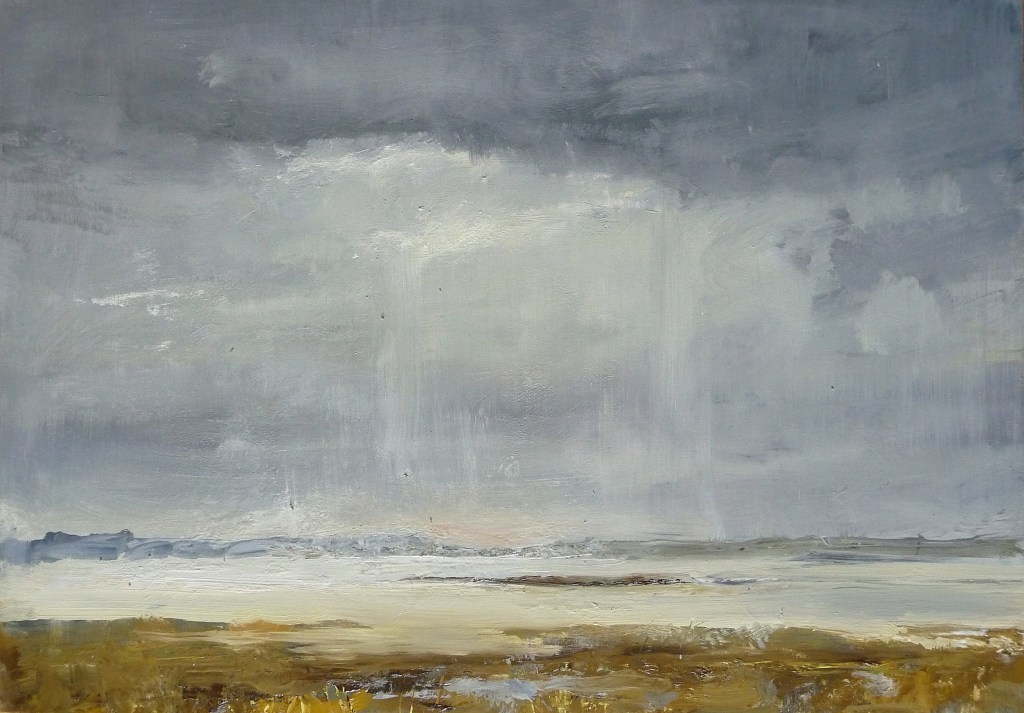
Sutton Hoo Series. Deben Estuary. Oil on 23.4 x 16.5 inch wood. Rose Strang 2021
Sutton Hoo Series. River Deben. Oil on 16.5 x 23.4 inch wood. Rose Strang 2021
Sutton Hoo Series, Hawthorn. River Deben. Oil on 20×20 inch wood. Rose Strang 2021
Sutton Hoo Series. Mound. Oil on 20×20 inch wood. Rose Strang 2021
Sutton Hoo Series. River Bank, River Deben. Oil on 20×20 inch wood. Rose Strang 2021
‘Sutton Hoo Series. Trace’. Oil on 27×27 inch canvas. Rose Strang 2021
The Sutton Hoo Series
In my last posts (1, 2, and 3,) I explored a bit more about Anglo Saxon cultures and beliefs – in particular their ritual burying of treasure in mounds. I was intrigued by the poem of Beowulf with its mention of dragons guarding wealth.
It seems that dragons, whatever else they might have been, were always associated in myth with wealth and greed. Dragons in literature appear to represent an aspect of our own capacity to hoard – to hold on to the material things of life for our own pleasure, rather than sharing wealth with others.
Tim Flight (a historian and literary critic specialising in Anglo-Saxon England) speculates that because Christian religious leaders of the 6th century refered often to the concept of the coming apocalypse, this may have been one reason why Anglo Saxons of the time equated the stone-built Roman ruins which littered the landscape of Britain, with a sense of approaching doom.
For Anglo Saxons these crumbling grandiose, monumental ruins suggested the inevitable fall following pride. They prefered to work with natural materials such as wood, on a smaller scale – structures that rotted back into the earth and left little trace.
Their philosophy also embraced the idea of ephemerality of life; we’re here for a short time so we must seek meaning and act wisely – hoarding wealth might lead to our downfall.
Stories of dragons guarding wealth abound in Anglo Saxon poetry. The dragon is roused to anger and vengeance when anyone dares to steal from its hoard. Maybe this is why Anglo Saxon riches were buried in the earth – to return to earth what was made or taken from it, just as our bodies return to earth. I’m speculating now of course, since we can’t know what these cultures thought – we just have clues from the poetry and stories they wrote and the few traces they left.
I wanted to reflect on some of the ideas I’ve explored during this series in my largest and final painting. I was most interested in the sacred places they worshiped – not in buildings but in the landscape; trees, rivers, sea and springs – spaces thought of as liminal. Places where it was believed there was a thin veil between heaven and earth where a person might connect with gods (or later, the Christian God once Christianity took hold).
What could symbolise ephemerality more than water? It reflects a reality that isn’t real. It’s ever changing and, at least to our naked eye, it leaves no trace of passage other than fading ripples or sediment in the wake of humans moving through it.
I called my final painting ‘Trace, River Deben’. for that reason. The ripple on the surface might be left by anything – boat, bird, fish or rain yet – leave not a rack behind to quote the Bard!
We know now through scientific explorations that varying different energy forms change the structure of water, and there is the concept of water holding memories.
If you’re interested in this series and would like to see the paintings in person, they’ll be on exhibition at Limetree Gallery, Long Melford, Suffolk, from August this year. Or if you’d like to reserve or buy one of the paintings, you can contact The Limetree Gallery on their webpage – Limetree Gallery.
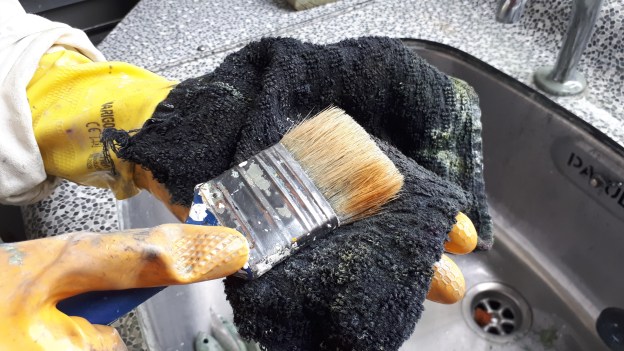
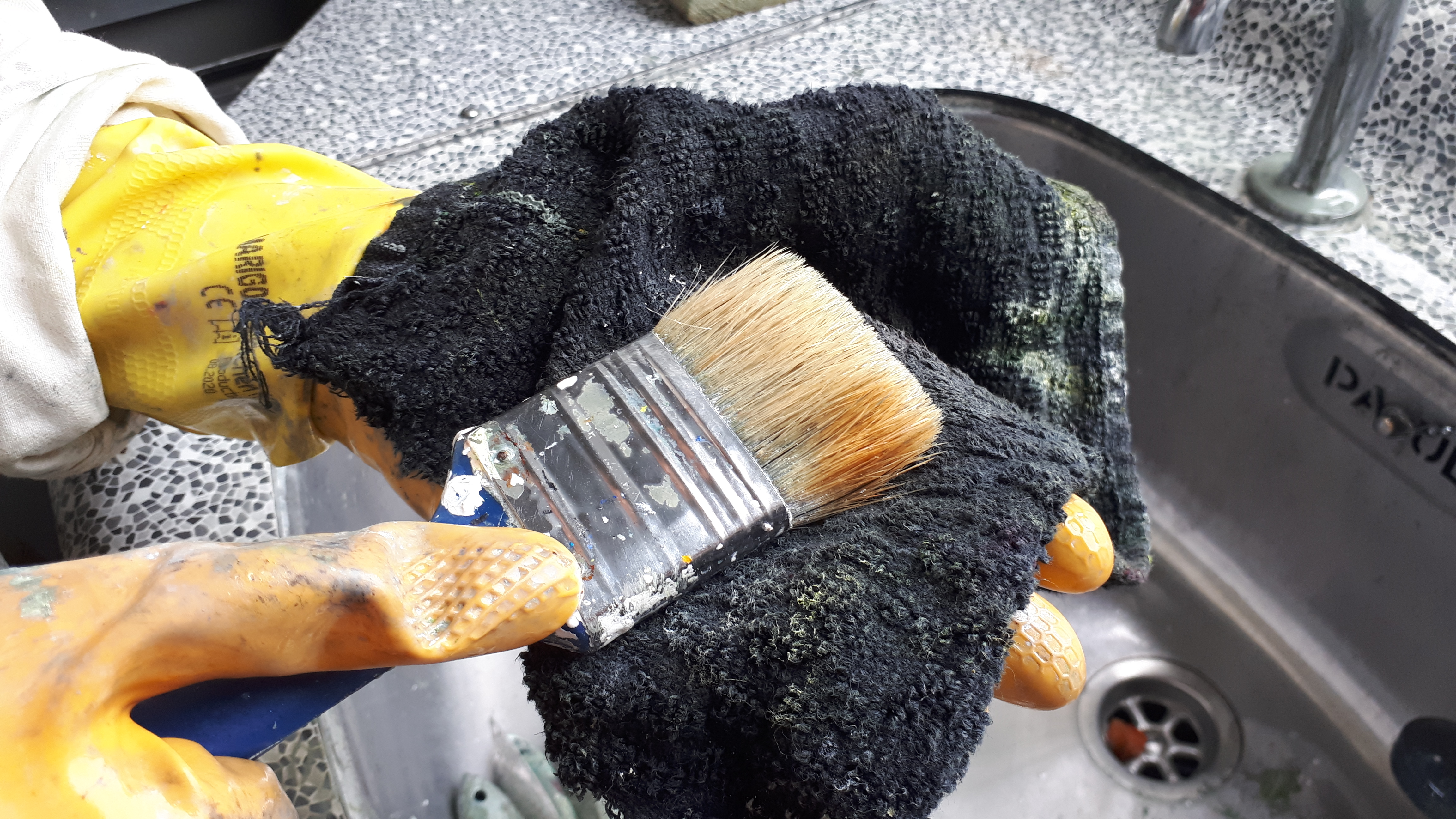
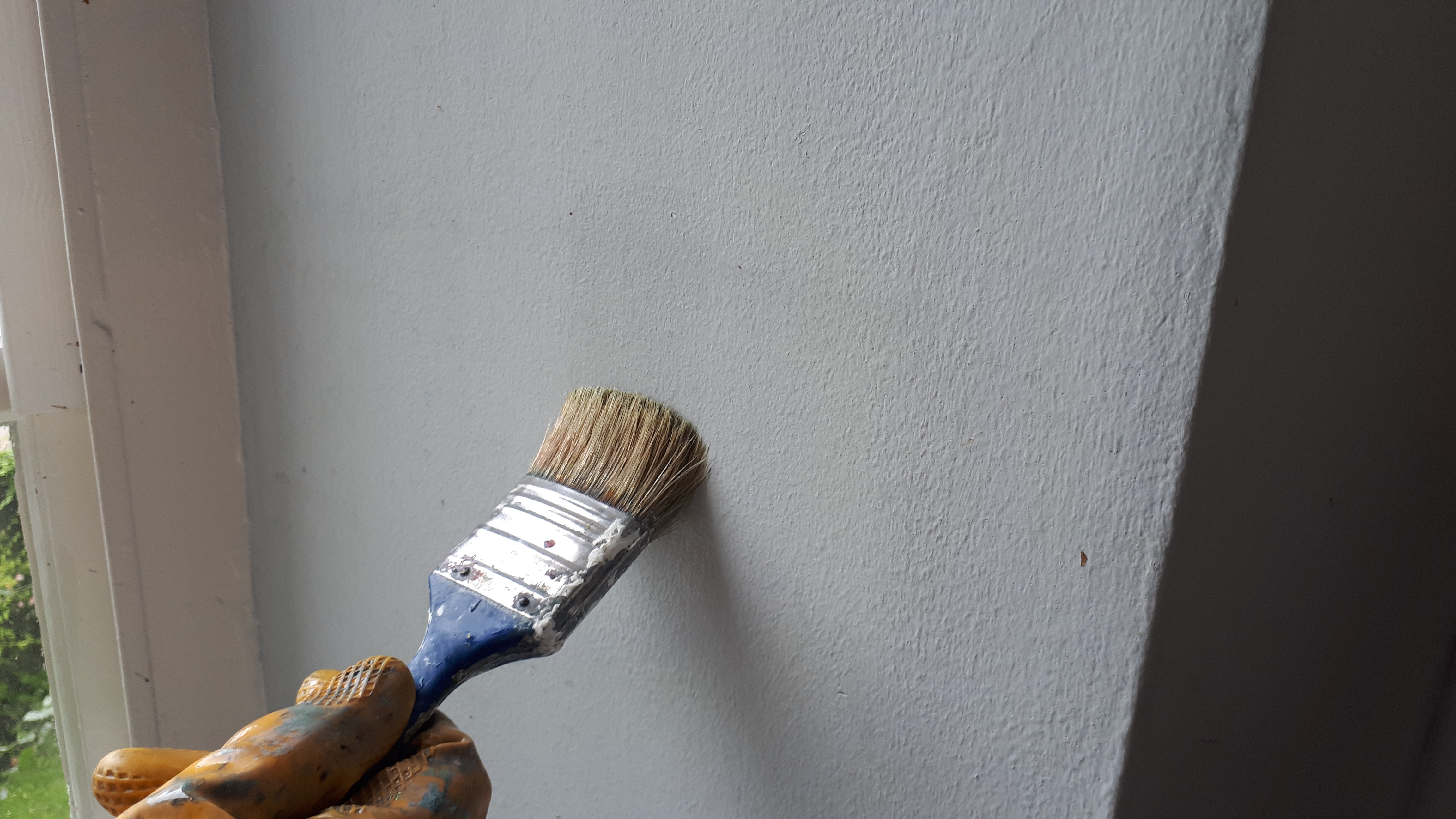
Do oil paint brush-cleaning solvents make you puke? Read on for my tips on cleaning brushes after a messy oil-painting session with big brushes!
(If preamble irritates you, please jump to pics below)
When I started using oil paints after many years of acrylics I was delighted with the depth of colour and coverage (oil paint pigments go further than acrylic). The down side was drying times as I like to layer and work quickly, but it led to a new style of painting. I can switch back to acrylics sometimes but I predominantly use oil now.
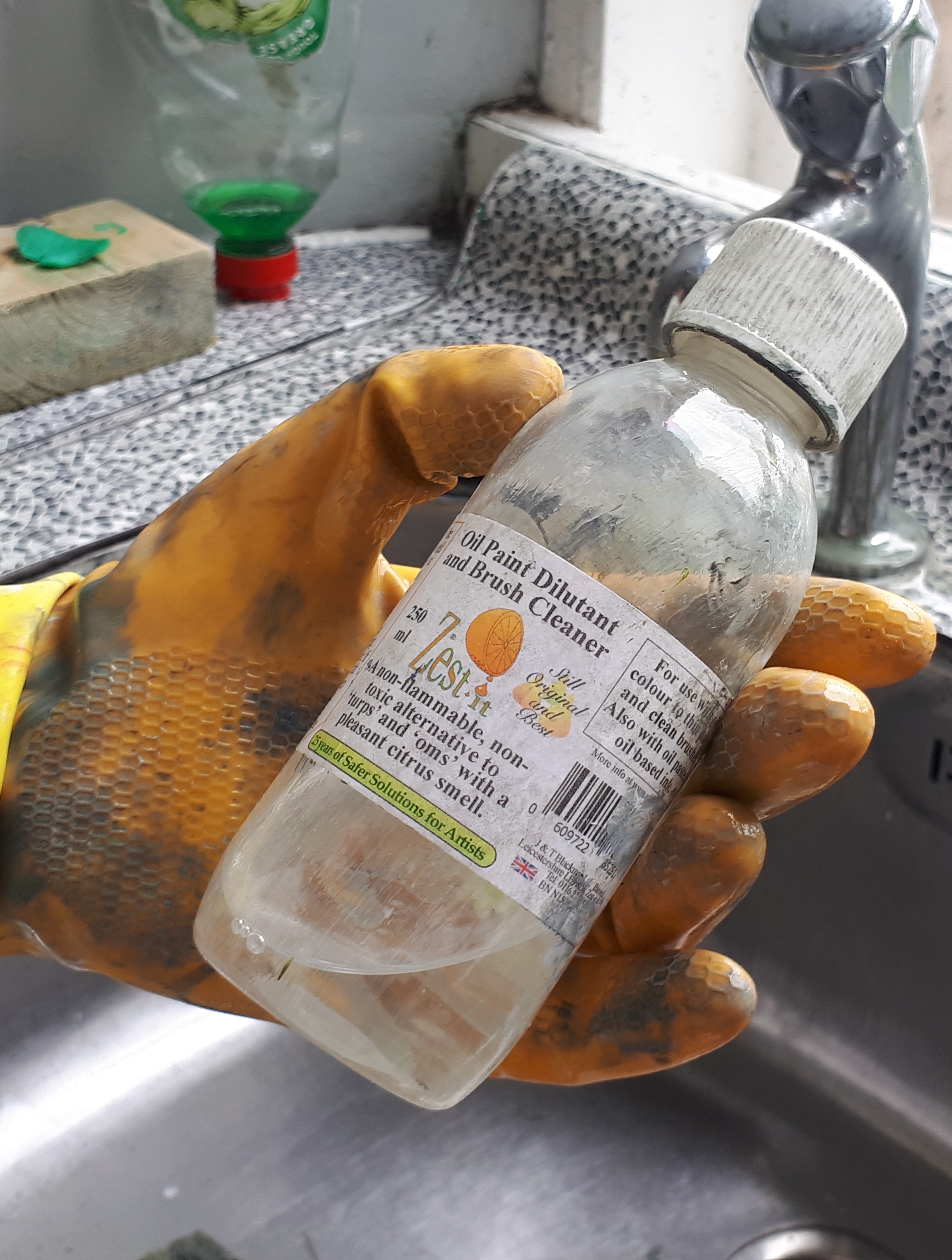
The big disadvantage is the mess and stench of solvents. I quickly realised turps were impossible for me – I’m a bit sensitive to fumes. So, like many artists I looked online for solutions and discovered ‘Zest It’ – a great solvent for diluting oil paint (though it still stinks in my opinion!).
Zest It recommend you use their products for cleaning brushes. That’s ok if you don’t mind the fumes and are happy to spend a fortune on their product.
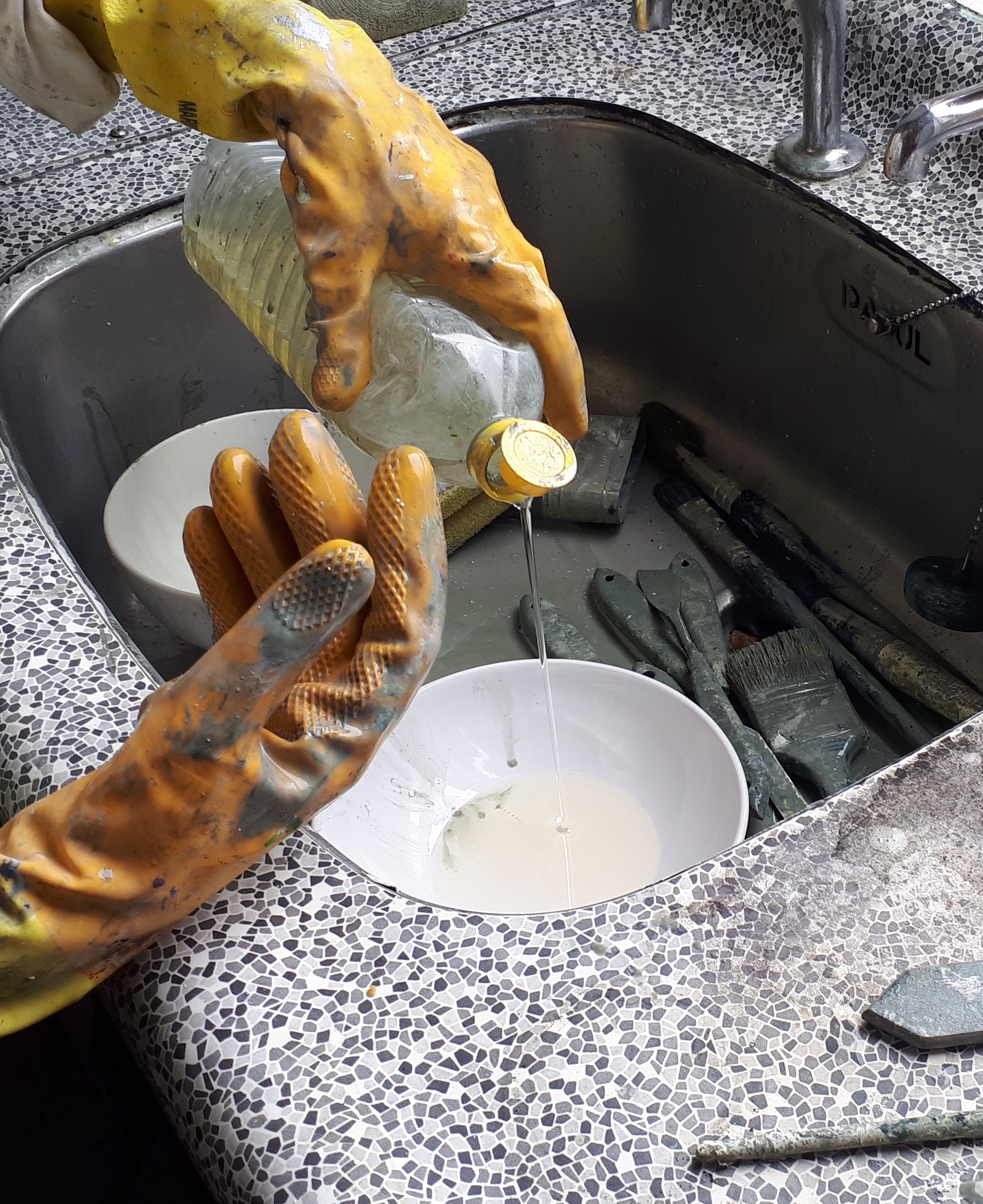
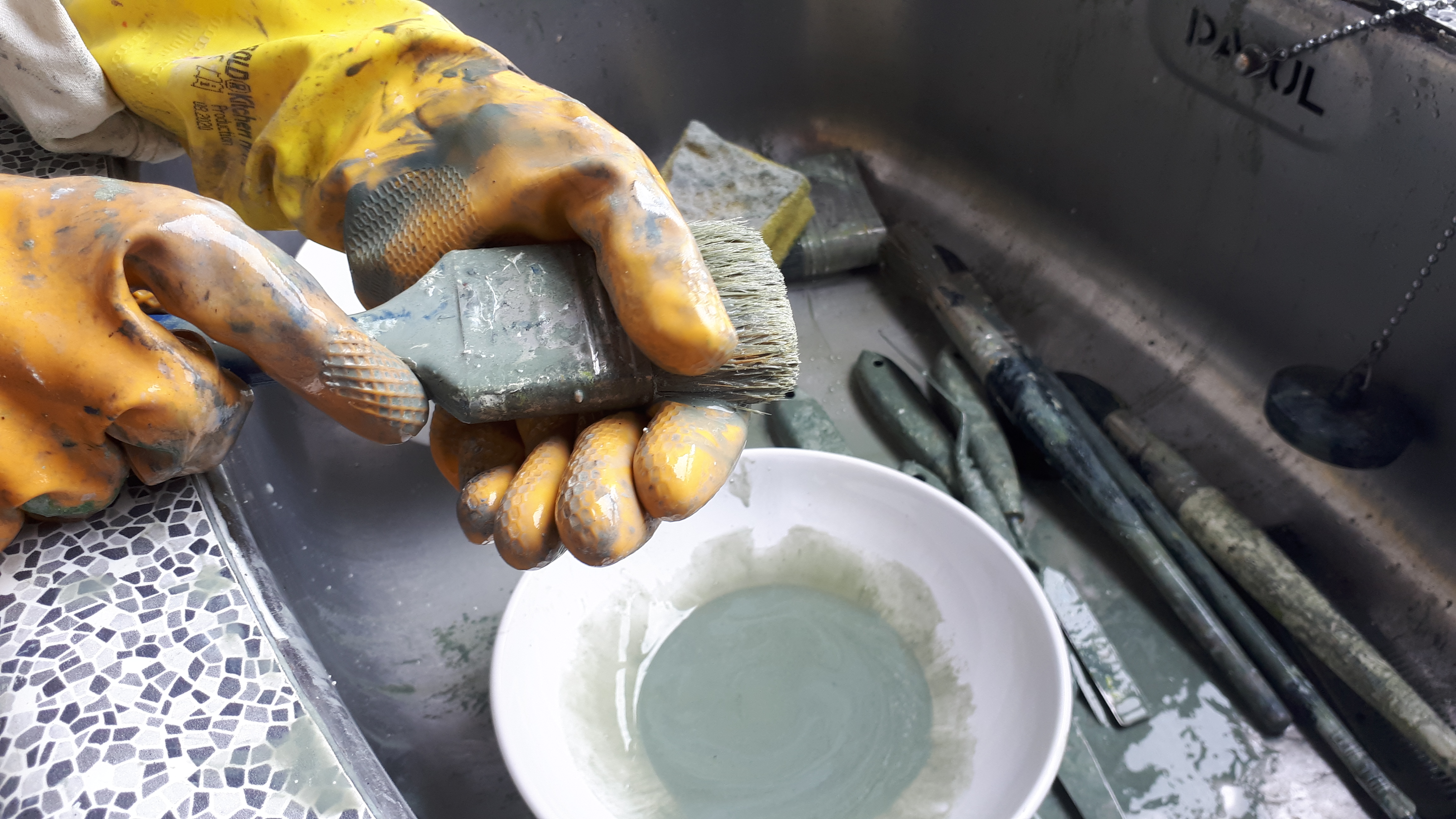
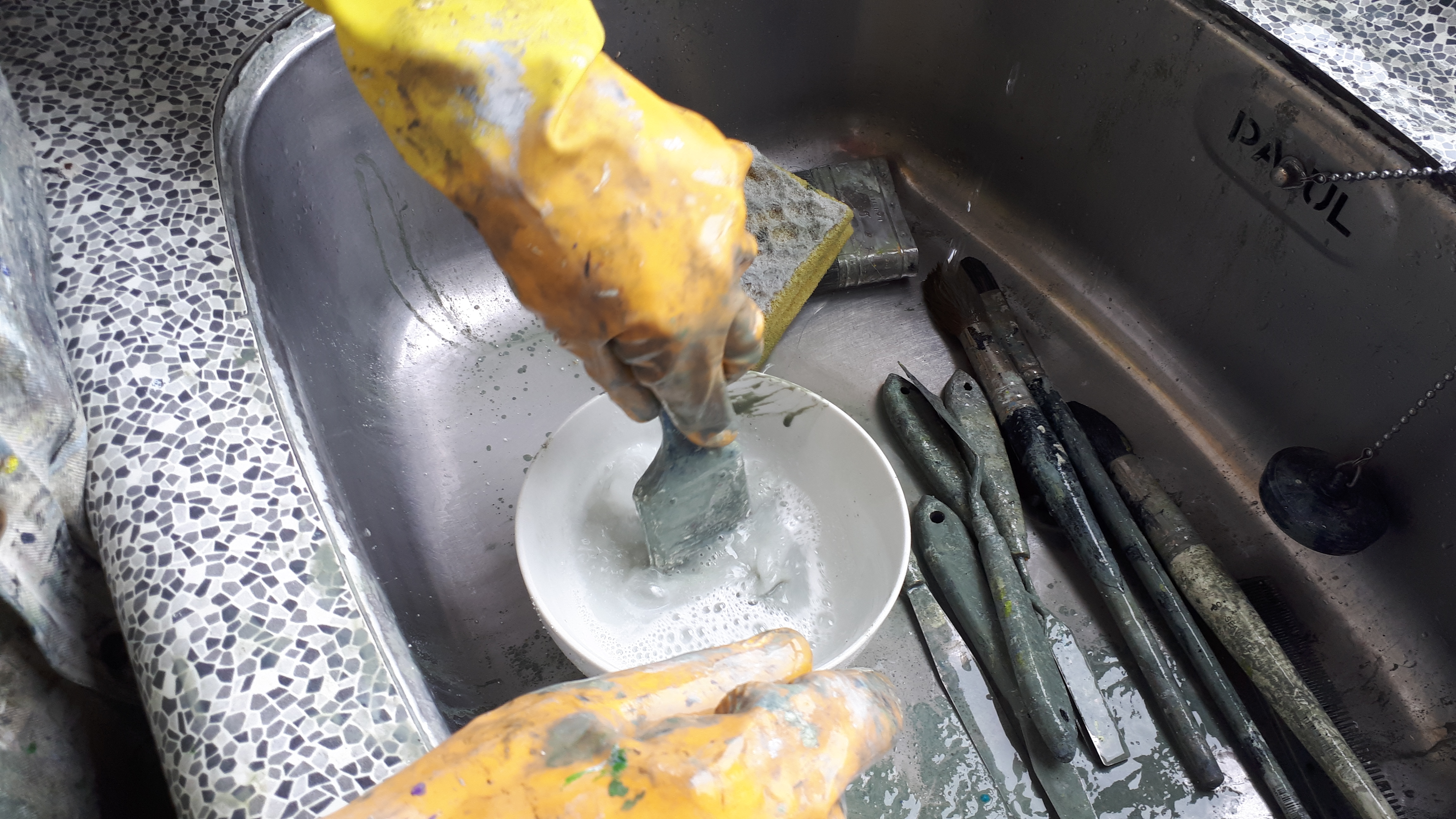
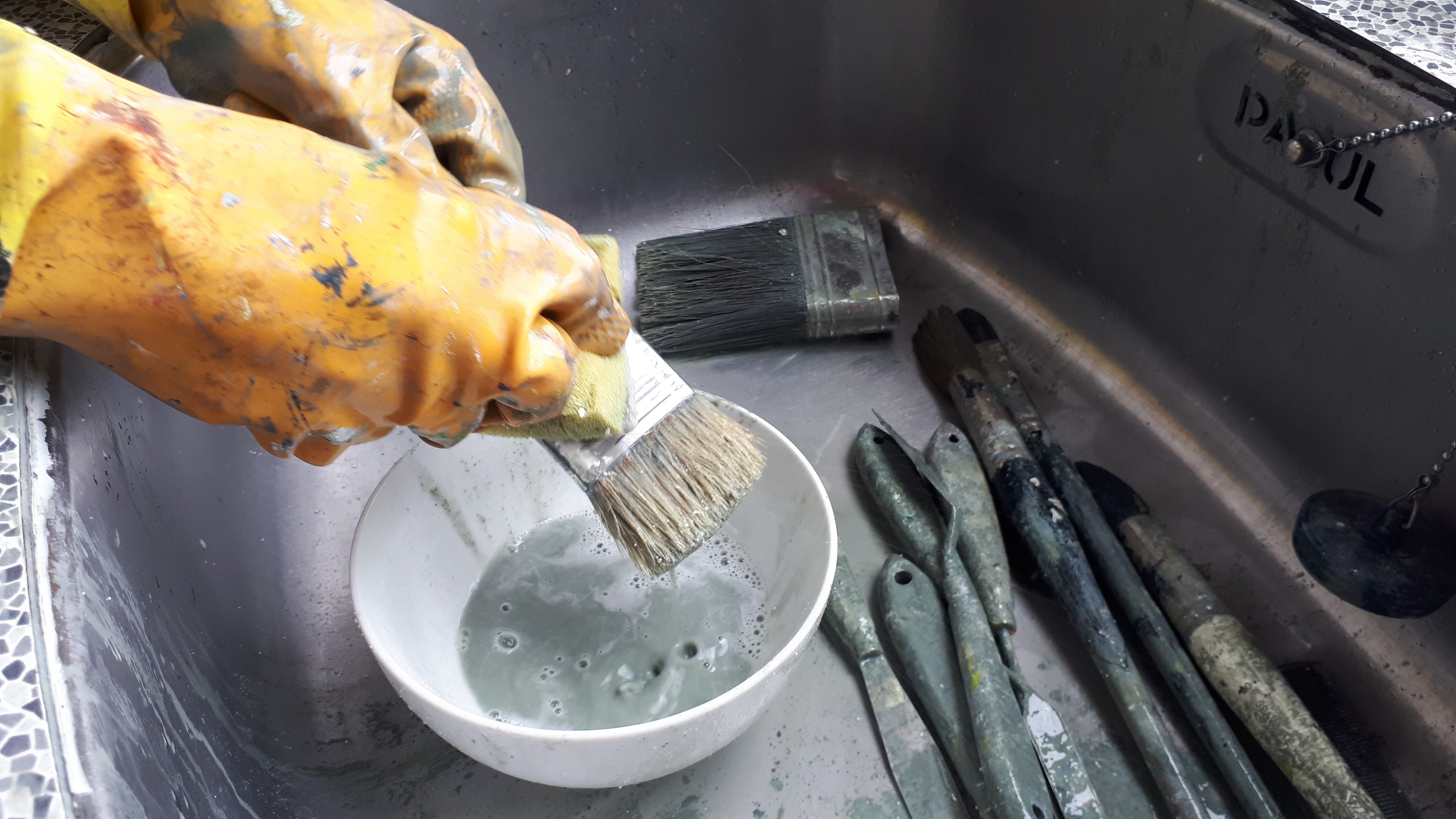
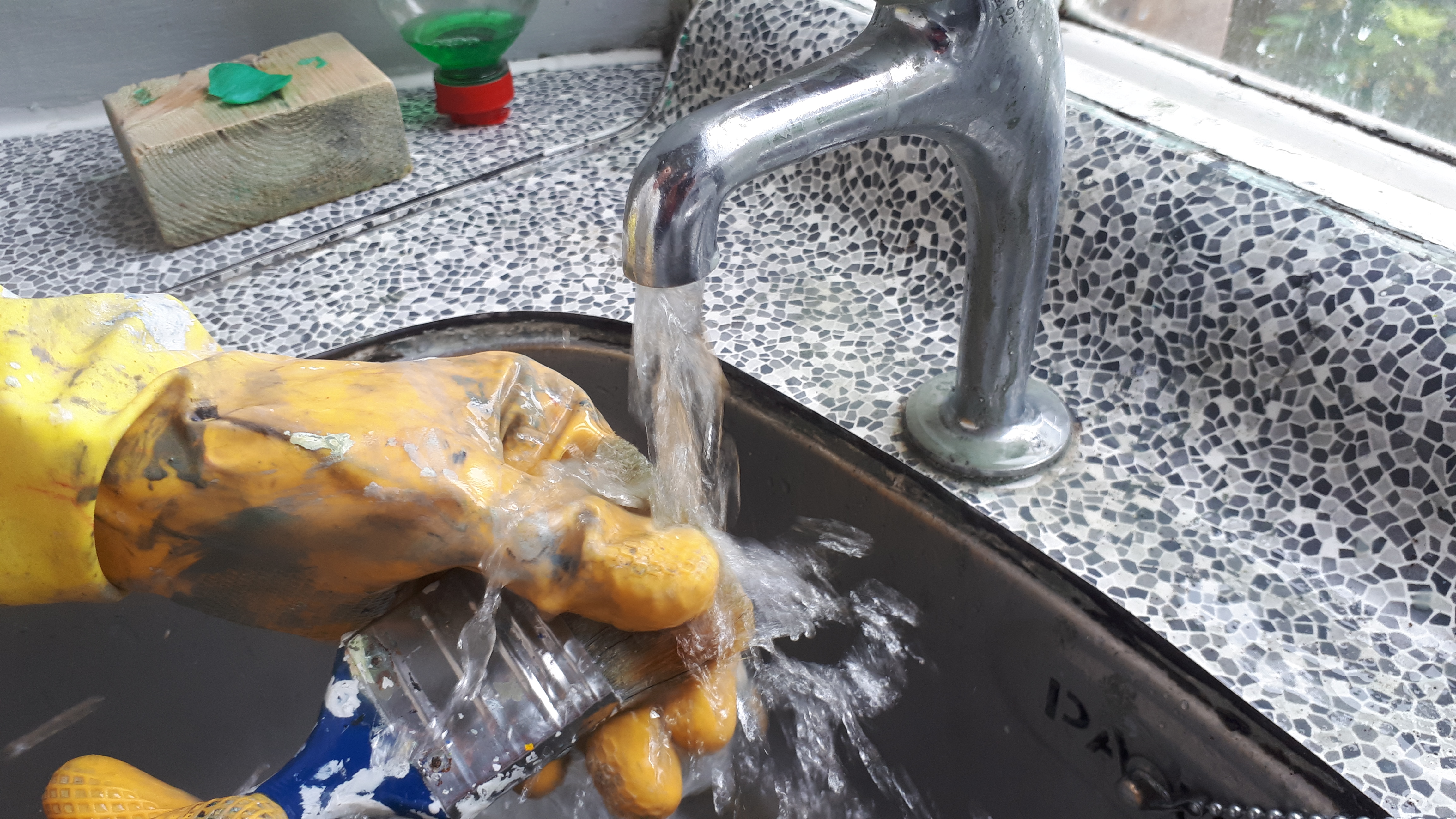
But! I discovered that cheap vegetable oil cleans off the oil paint quite easily. The issue is the heavy oiliness though. I tried washing up liquid to remove the oil, but despite using tonnes of it, the brushes never quite cleaned up.
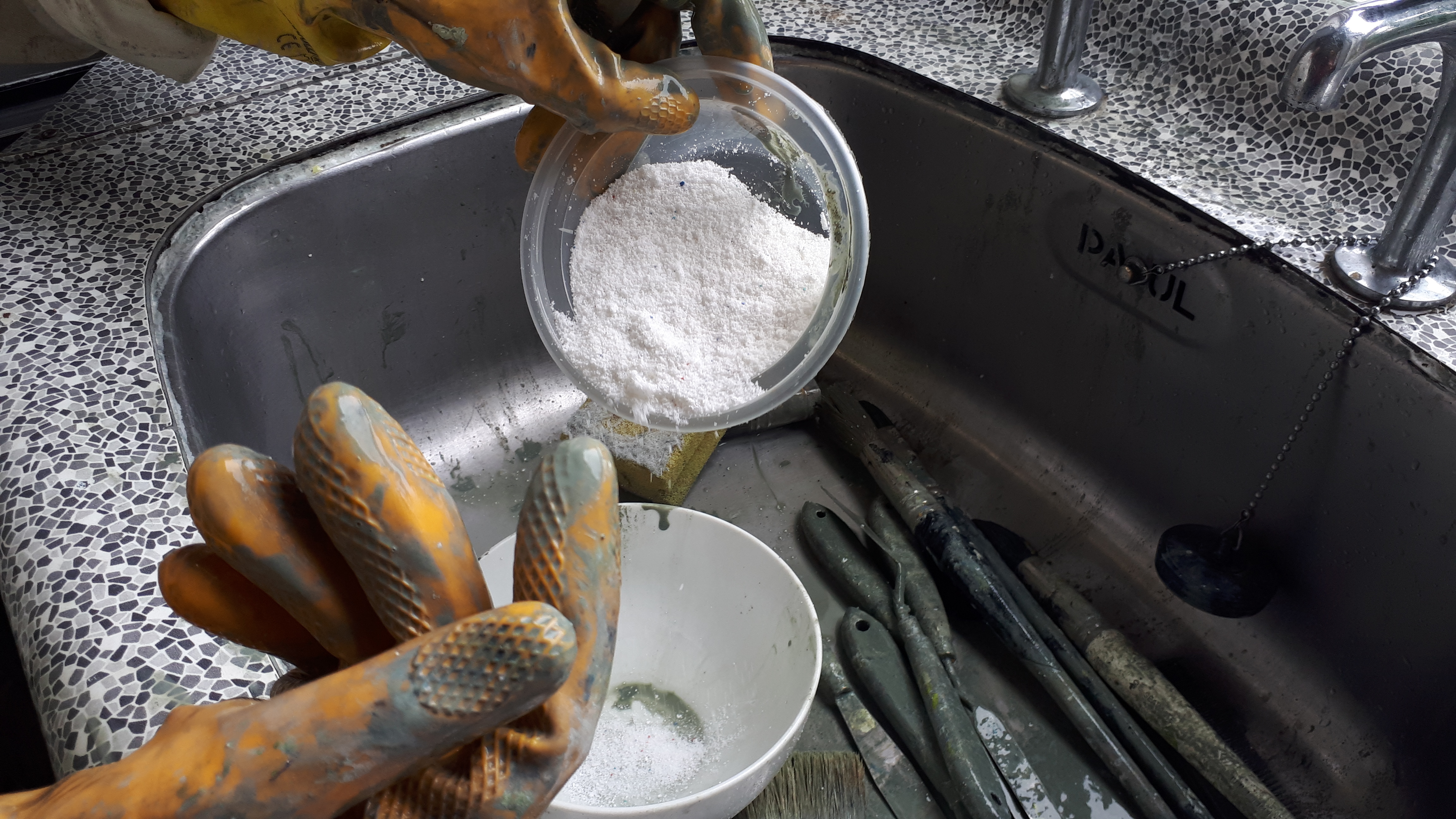
My main tip for today is washing powder! Not gel stuff or liquid sachets (I find those a bit toxic-smelling and why buy more plastic?). No, some good old-fashioned powder in a big cardboard box works best.
Above – Sutton Hoo Series. River Bank, River Deben. Oil on 23.4 x 16.5 inches. Rose Strang 2021 – one of today’s paintings of the Sutton Hoo Series inspired by the landscape surrounding Sutton Hoo in Suffolk.
Below are paintings in progress in which I’m trying to capture something of the atmosphere of the mounds at Sutton Hoo. Although the Sutton Hoo side of the River Deben is actually fairly quiet and uninhabited, the other side is busy with boats, houses and cafes. I’ve chosen views with almost no signs of human habitation to hopefully suggest how the landscape might have felt to people living in East Anglia in the 6th century.
Interestingly, many historians and archaeologists suggest that the story of Beowulf could describe the cultural interests or beliefs of Anglo Saxons in the 6th century. The surviving manuscript of Beowulf was written some time between the 10th and 11th centuries. It’s an ancient tale of that time, referring to a legend set in the 6th century. There was no known title to the manuscrip,t but scholars called it Beowulf since the story revolves around his adventures.
Though the characters themselves are not English, it’s suggested that the manuscript may have been written in Rendlesham, Suffolk – near to Woodbridge which is directly opposite Sutton Hoo across the River Deben.
The story revolves around heroes, kings, queens and characters in or from Scandinavia, but although many of these characters are mentioned in Scandinavian ancient literature, Beowulf himself isn’t mentioned anywhere but in the actual story of Beowulf. Perhaps he was a maverick member of these great Scandinavian dynasties who broke away, or was exiled.
Names,a mong other references, suggest possible connections; there was a Scandinavian dynasty called the Ylfings, written as Wulfings in Beowulf, also an Anglo Saxon dynasty was based in East Anglia called the Wuffingas. All is speculation as so much has been lost to time and subsequent ruling dynasties.
Have a read of this partial summary (from Wikipedia) below the paintings, of the plot of Beowulf, in light of the burial mounds at Sutton Hoo and their contents …
Sutton Hoo Series, Hawthorn. River Deben. Oil on 23.4 x 16.5 inches. Rose Strang 2021
Sutton Hoo Series. Mound. Oil on 23.4 x 16.5 inches. Rose Strang 2021
The protagonist Beowulf, a hero of the Geats, comes to the aid of Hrothgar, king of the Danes, whose great hall, Heorot, is plagued by the monster Grendel. Beowulf kills Grendel with his bare hands, then kills Grendel’s mother with a giant’s sword that he found in her lair.
Later in his life, Beowulf becomes king of the Geats, and finds his realm terrorized by a dragon, some of whose treasure had been stolen from his hoard in a burial mound. He attacks the dragon with the help of his thegns or servants, but they do not succeed. Beowulf decides to follow the dragon to its lair at Earnanæs, but only his young Swedish relative Wiglaf, whose name means “remnant of valour”, dares to join him. Beowulf finally slays the dragon, but is mortally wounded in the struggle. He is cremated and a burial mound by the sea is erected in his honour.
This suggests the origin of the Anglo Saxon practice of burial mounds full of treasure. It also introduces dragons – always a mysterious aspect of ancient stories and apparently central to the art and culture of the Anglo Saxons.
I might explore the theme of dragons further in the next few days. I now have just one painting to complete, which I’ll post here this Friday.
Above Sutton Hoo Series. Hawthorn, River Deben. Oil on 23.4 x 16.5 inches. Rose Strang 2021
Today’s paintings of the landscape surrounding Sutton Hoo in Suffolk. This series will be available from Limetree Gallery, Long Melford from August.
The bush above was slightly reminiscent of a dragon in shape I thought – quite appropriate for this series!
Sutton Hoo Series. Deben Estuary. Oil on 23.4 x 16.5 inches. Rose Strang 2021
Painting Suffolk has a lot to do with skies. Since the land is quite flat the sky seems bigger. I wanted to capture movement and rythm of hawthorn and clouds in the painting at the top of the post, so this was painted very loosely and quickly today. I took a couple of days over the painting directly above, attempting to capture the muddy estuary and softness of light.
In the last post I’d given a quick run-through of Anglo Saxon history regarding the Sutton Hoo area. I was most interested in what it was about this landscape that made it special, or sacred to the Anglo Saxons. As explained, for these people landscape itself was sacred. Trees, rivers, springs or hills might be experienced as magical.
We can only guess why a particular site might have been sacred. I’m only just beginning to explore what’s been written about Sutton Hoo and Anglo Saxon culture (I welcome any comments and insights in the comments section below for any experts out there!)
Yesterday’s research uncovered the somewhat darker subject matter of Sutton Hoo’s ‘sand people’. As explained in Current Archaeology’s website. Martin Carver (Emeritus Professor at the University of York) led investigations on the site between 1984 and 1993:
‘It was not further princely burials that this project uncovered, but evidence of judicial executions, carried out not as part of pagan ceremonies, but, more likely, by Christian kings’.
The remains of these executed people were discernable by the shapes left in sand and earth since bones were destroyed in the highly acidic soil. At first, the possibility that these were human sacrifices as part of Anglo Saxon ritual was considered, but the dating was wrong – i.e. later. Grim possibilities raise themselves; maybe this mass execution was a message to those who refused to adopt Christianity.
Yet King Raedvald’s burial mound (if the mound was in fact his burial mound) at Sutton Hoo contained both pagan and christian objects, suggesting a culture that accepted these varying beliefs, or perhaps accepted that worshiping the Christian god (monotheism) didn’t rule out worship of lesser gods related to the landscape.
It’s a subject that interests me a lot, given my recent project around historical pagan worship around Edinburgh’s Arthur’s Seat, also my Planets Series from 2018. As a lifelong appreciator of the works of C.S. Lewis I always enjoyed the pagan and Christian elements combined in the Narnia Chronicles and the Planets Trilogy. I’m now awaiting a new book; After Humanity, written by author Michael Ward, to accompany and, in part, interpret C.S. Lewis’s Abolition of Man which is a complicated philosophy on the nature of morality. Lewis decides to use a Chinese term ‘Tao’ to descibe what he understands as humanity’s inherent sense of ehtics, or right and wrong. He does this presumably to suggest that Christians don’t have the monopoly on morality – despite being a dedicated believer and Christian himself, and that this sense of a moral code is the same across all humanity.
Sounds like a book for our intolerant times! Though, reading about Sutton Hoo and its aftermath, our contemporary society’s issues with tolerance are far more subtle and insidious.
I’ll be posting more paintings next week, with more musings on Sutton Hoo.
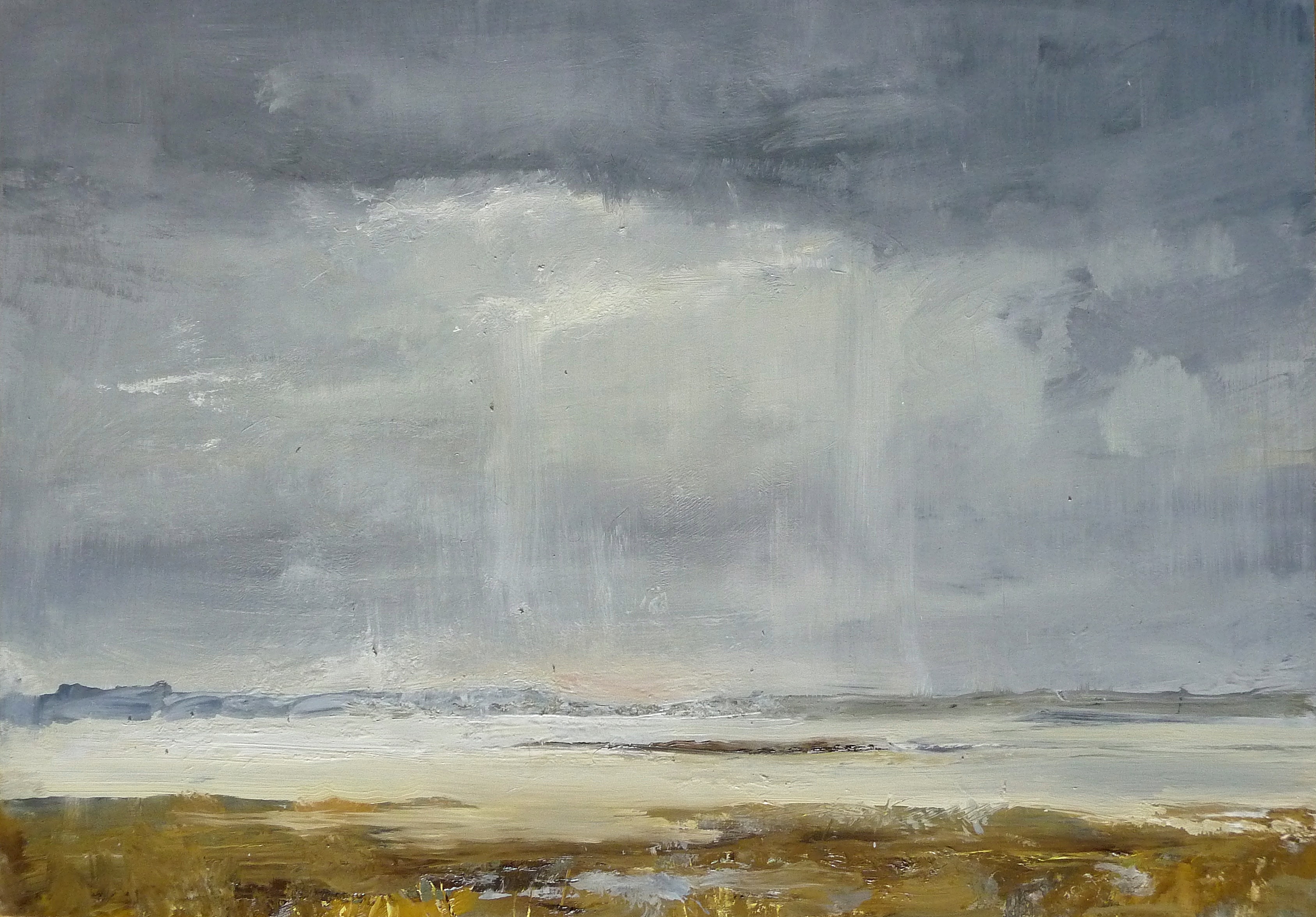
Above; Sutton Hoo Series. River Deben. Oil on 16.5 x 23.4 inches. Rose Strang 2021
This is the first of a series of paintings inspired by Sutton Hoo in Suffolk, England. The series will be on exhibition at the Limetree Gallery, Long Melford from August 2021.
I was inspired first of all by the film, The Dig which tells the story of the excavation of Saxon burial mounds in Suffolk called Sutton Hoo. Almost everyone I know has watched the film but for those who haven’t; the film follows the story of Edith Pretty, a widower and owner of land that includes Sutton Hoo – un-excavated burial mounds thought to be Viking. She pays local archaeologist Basil Brown to explore the mounds and very quickly he discovers that they are earlier and far rarer than Viking – in fact Anglo Saxon in origin.
I thought the film was a wonder of cinematography, capturing the dreamlike landscape of Suffolk in all its subtlety. It was also a poetic and moving meditation on what makes life meaningful.
Since I was visiting Suffolk to meet my partner’s family, we visited Sutton Hoo while there. I’d already decided to paint the landscape, and thanks to The Dig I had some foreknowledge of the history of the mounds. I knew too that seeing the place in person might be a disappointment. A talented camera-person captures landscape at its best, in the misty light of dawn for example or a glowing sunset. I knew I might have to bring considerable imagination to our exploration!
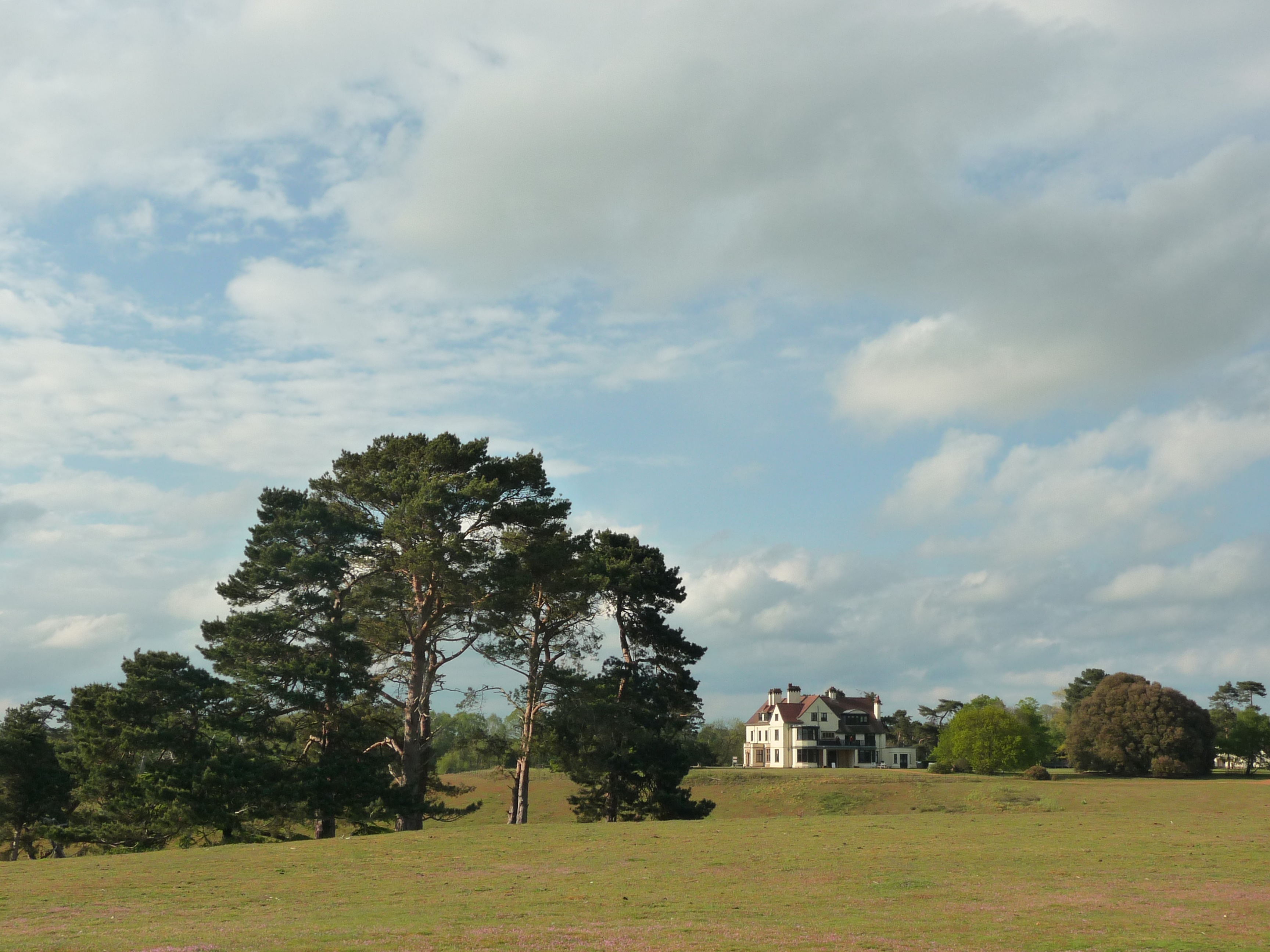
As it happened though, it was a perfect, warm sunny evening with almost no one around. We looked at the mounds – surrounded by hawthorn, pine trees and tufty grass, on which numerous rabbits were enjoying their dinner. The house that belongs to Edith Pretty is still there – Tranmer – sitting on top a hill overlooking the River Deben.
Tranmer House near Sutton Hoo. Photo Rose Strang 2021
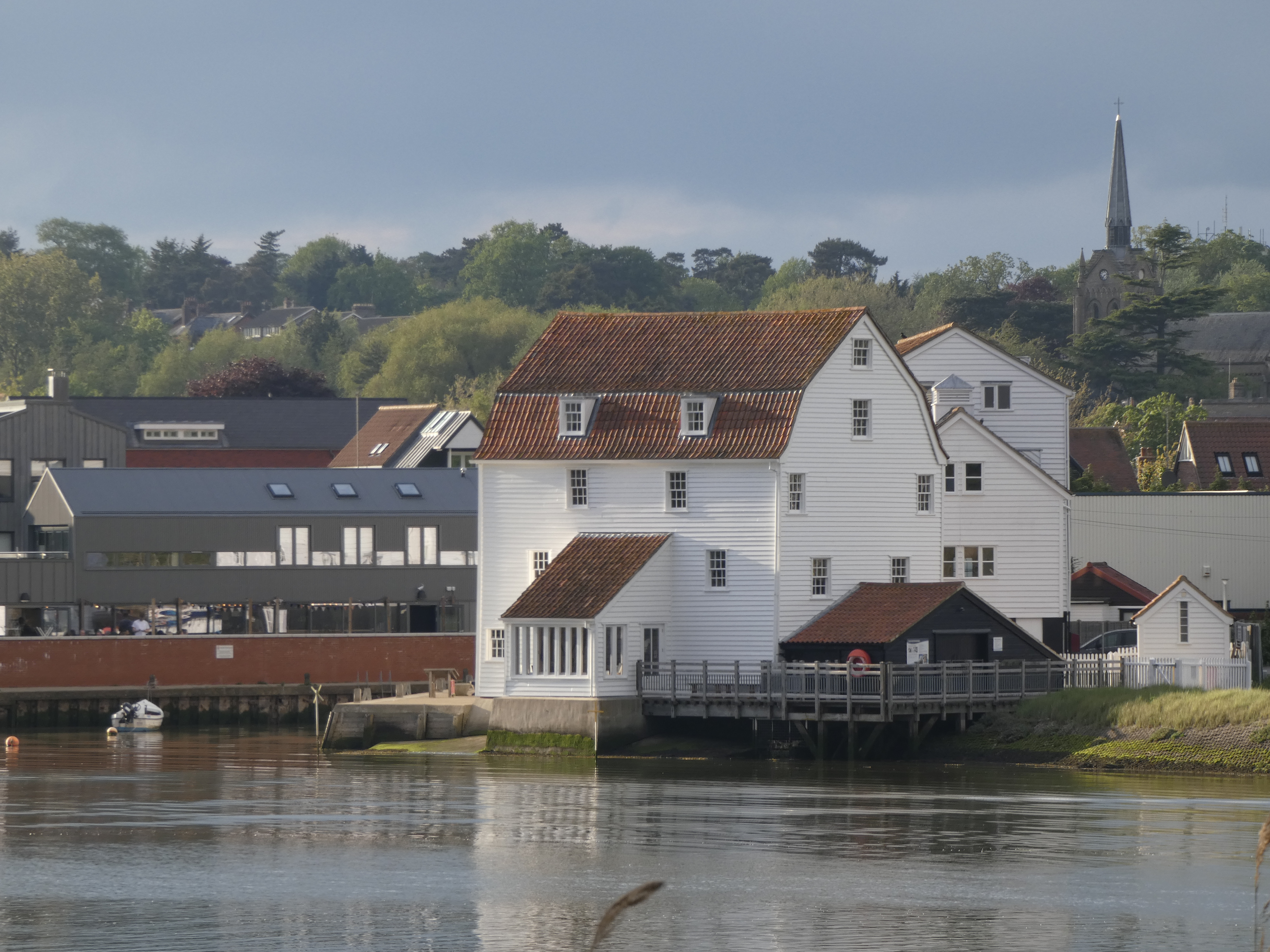
To get down to the river we walked through some woods, past leafy ponds and over a grass bank. The River Deben winds all the way from a village called Debenham down to the coast of Suffolk like a silver snake, becoming wider as it reaches the sea. Where it broadens out there’s a small town called Woodbridge, known for its Tide Mill and tranquil views across the water.
Tidemill. Woodbridge. Photo Adam Brewster 2021
The west bank (Woodbridge side) of the river is busy with boats, houses and cafes, but the east bank, where you find Edith Pretty’s house and the Sutton Hoo mounds, is very quiet. We saw just a few people as we wandered along the riverside. It felt dreamlike, gentle – hidden or secret even. I began to see why people might choose this spot as a place to bury their dead.
River Deben on the east side. Rose Strang 2021
Sutton Hoo wasn’t a simple cemetary for everyday people though, the (unplundered) mounds contained jewels, helmets, swords, textiles and various objects that would have been extremely valuable. The theory is that Burial Mound 1 was the grave (or perhaps Cenotaph) ofKing Rædwald. He was descended from the Wuffinga dynasty and would have been a powerful leader. He ruled from about 599 to 624 but very little remains of Anglo Saxon belongings or history, thanks partly to later Viking raids.
The Saxons were also a sea-faring people though and Burial Mound 1 was found to contain an entire ship, in which the grave objects were contained. No obvious body was discovered, but there were chemical remains suggesting a body had been there.
What also interests me is that Rædwald lived in a time when people in Britain were encouraged to adopt Christianity and monotheism as their religion. Rædwald’s burial mound contained a bowl that was typically Christian in theme and design, but most of the objects were typical of an Anglo Saxon burial. In fact Bede tells us that Rædwald did adopt the Christian religion towards the later part of his reign, but it’s likely this was more a a political move than a spiritual change of heart.
I don’t say that in a cynical sense, but more because it benefitted leaders to adopt Christianity since Rome was so powerful. Rædwald’s wife (whose name was unknown) was described by Bede as Pagan. Rædwald must have felt conficted. There’s a story that describes how she rebuked him for his lack of morality in one particular situation – so-called Pagans had a code of ethics too of course!
The above is a very cursory run-through of history I’ve picked up from The Dig and reading through Wikipedia, but the question that intrigued me most was – why did they choose this particular landscape for these prestigious burial mounds? I came across a website by someone called Lindsay Jacob (http://underlyndenchurch.com/) who describes a little about Anglo Saxon beliefs. It reminded me a lot of the research I’d done during my Arthur’s Seat Sacred Wells painting series. Landscape itself was spiritual and sacred in ancient cultures. They believed that certain places were liminal – places seen as ‘in-between’ or as some people might describe it – where there’s ‘a thin veil between heaven and earth’. These places were usually hills, streams, rivers, certain trees and so on.
Sitting on the banks of the River Deben the water looked calm as a mill pond, reflecting a milky sky. It looked to me as though if I removed the land there’d be nothing to differentiate sky from water – a band of grassy land off the river bank looked like it was floating in space. I tried to capture that in my painting above.
I’ll write more about Sutton Hoo in the next blog post in a few days when I post the next painting.
Above: The Cliffs of Griburn, Loch na Keal. Mull. Oil on 20×20 inch wood panel. Rose Strang 2021. (please contact the Limetree Gallery if you’re interested in the painting above or have any questions about buying it, on this link Limetree Gallery)
In the past week or so I was busy on a private commission of paintings of Loch na Keal on the beautiful Isle of Mull. This was for someone who wanted two paintings showing the changing light and weather of Loch na Keal. He wanted particular views – of the dramatic cliffs of Griburn and Eorsa Island on the loch – views very familiar to his wife, for whose birthday the paintings were commissioned.
‘Changing Weather, Loch Na Keal’. Oil on 20×20 inch wood panel. Rose Strang 2021‘Autumn Light Over Loch Na Keal’. Oil on 20×20 inch wood panel. Rose Strang 2021‘Cliffs of Griburn, Loch na Keal. Mull’. Oil on 20×20 inch wood panel. Rose Strang 2021
I was very touched by his care in describing the features he wanted to include and the fact his wife particularly enjoyed the changing clouds and colours of the sky. I decided to paint three views so he would have a choice of two from those. He decided on Autumn Light Over Loch Na Keal and Changing Weather, Loch Na Keal which I do agree make a lovely pair of paintings, showing the colours of autumn and clouds forming and re-forming over the loch.
The remaining painting The Cliffs of Griburn, Loch na Keal. Mull is, I think, a more dramatic view. It gives a sense of approaching land from a boat, which I always find very compelling since it’s a view you’d never see other than from a boat. It’s now available from the Limetree Gallery. You can contact them on the link above if you’re interested in the painting or have any questions about it.
Thanks very much to John for this lovely commission. He tells me that his wife Sarah loves the paintings, which is music to my ears. What a beautiful place to live, and to paint!
You can view the Limetree Exhibition Brochure on this link ..
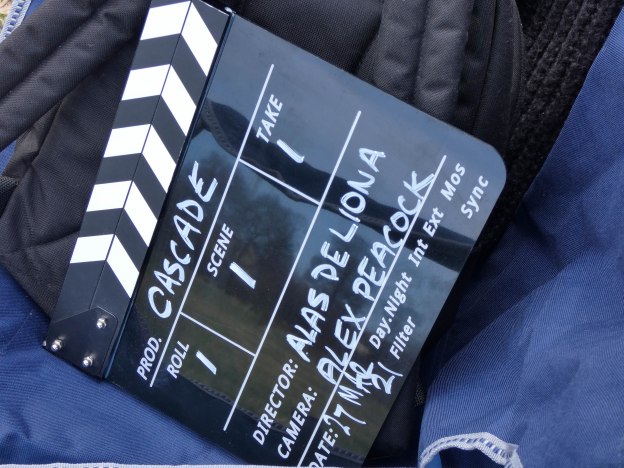
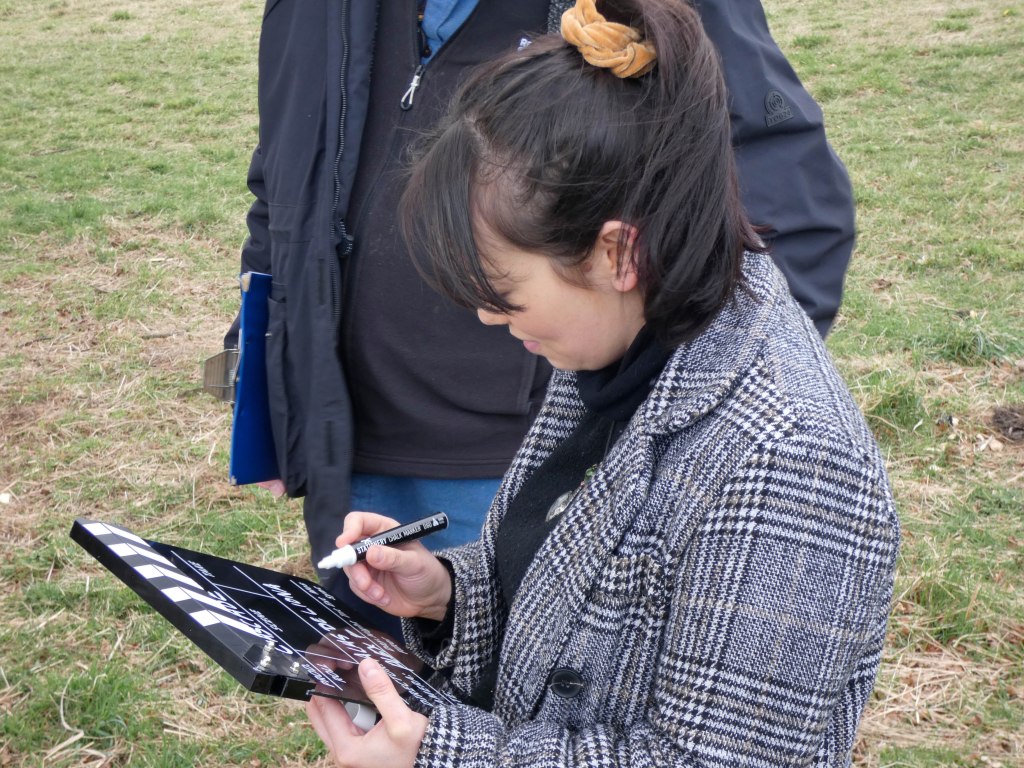
I was thrilled to take part recently in a music video directed by singer/songwriter Alas de Lionalast weekend. Alas dreamt of creating a music video for her song, Cascade, and luckily she was talent spotted by The Proclaimer’smanager Kenny MacDonald last summer while performing a gig and he decided to produce the video.
The song is emotionally moving, very poetic and I think the music video below echoes that beautifully. I played an artist, also creating the sketchbook featured in the video. The actor Malcolm Jamieson played the main role with much sensitivity.
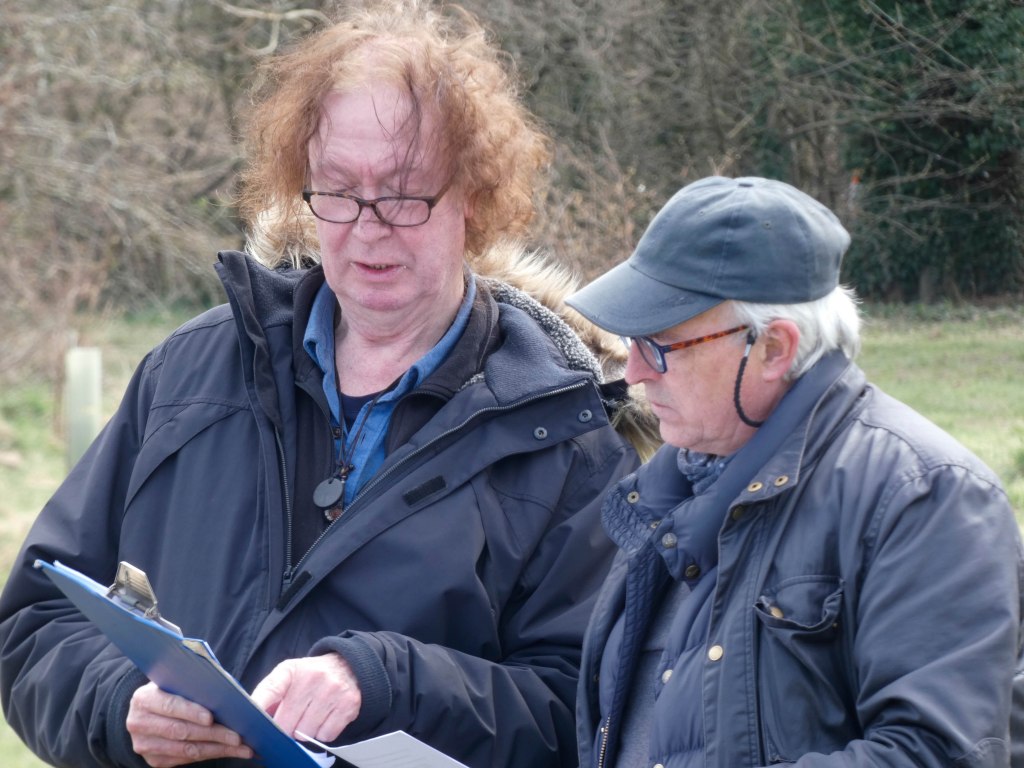
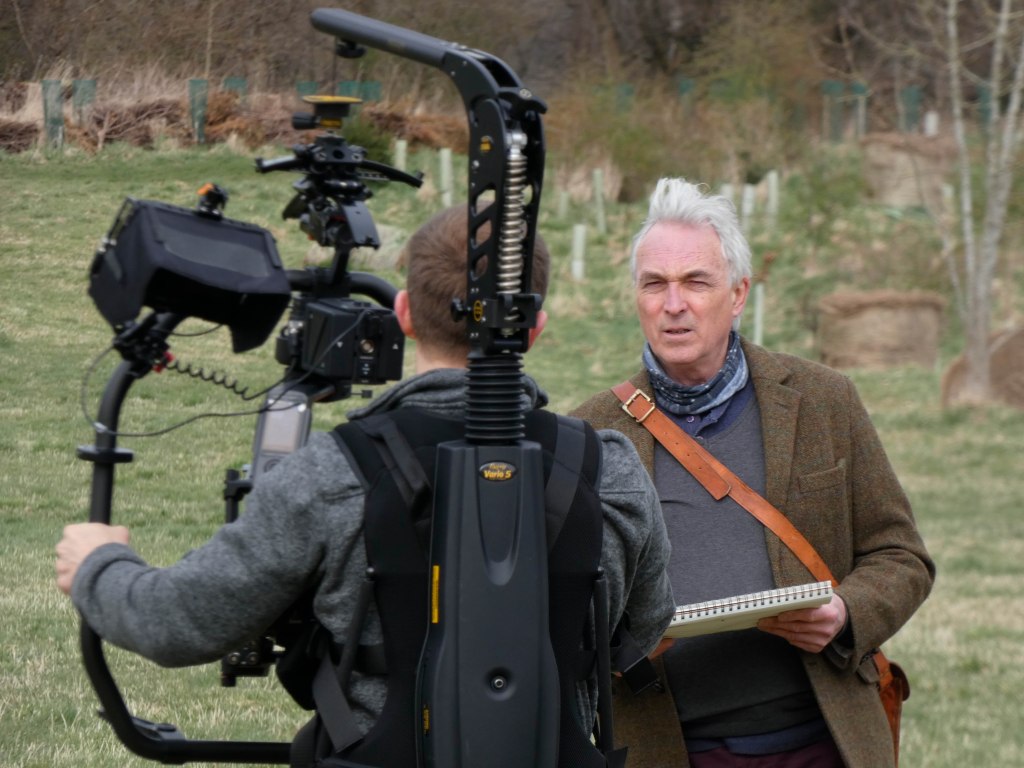
It was a really enjoyable day, with my partner Adam there to take photos of the experience (see below vid). I hadn’t realised just how much I missed meeting new folks and creative collaborations, it was so uplifting and I enjoyed meeting all involved; lovely people. Thanks again to Kenny and Alas for inviting me to take part!
You can watch the video here, on You Tube. Feel free to share – I think Alas has a wonderful talent, not just as a singer with an expressive voice and beautiful tone, but also a poet and now director!
As I’m currently painting a private commission which must remain secret until October 2021, I thought I’d post themed blogs in the meantime. Today’s theme is Sketches
My last themes were Sea,Trees andMountainsIn the next few weeks I’ll share my paintings of winter, abstraction, imagination and collaborations.
People
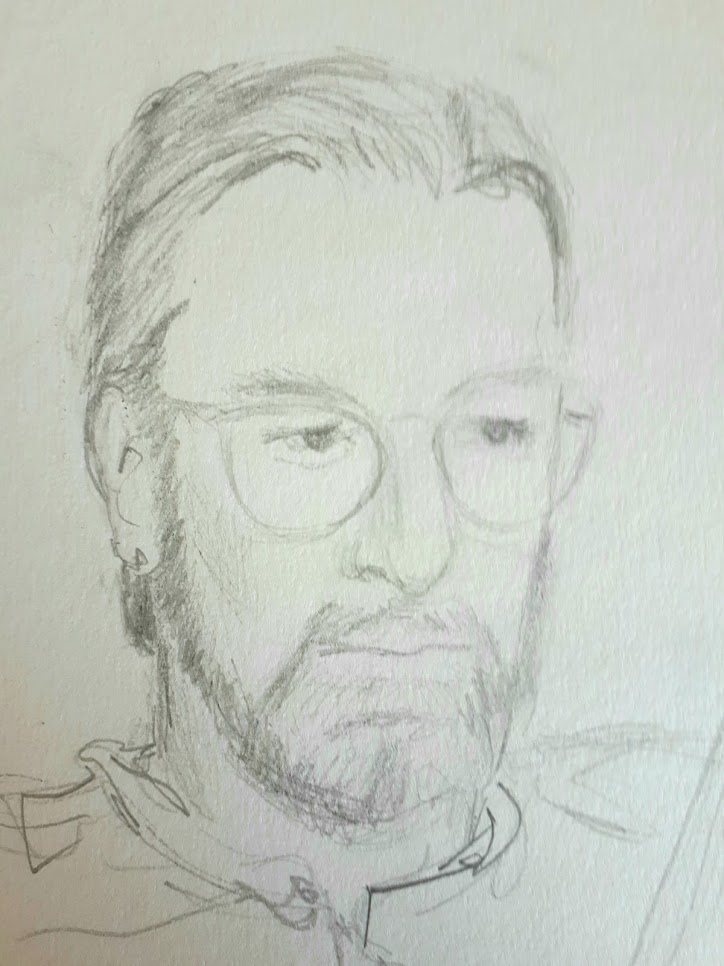
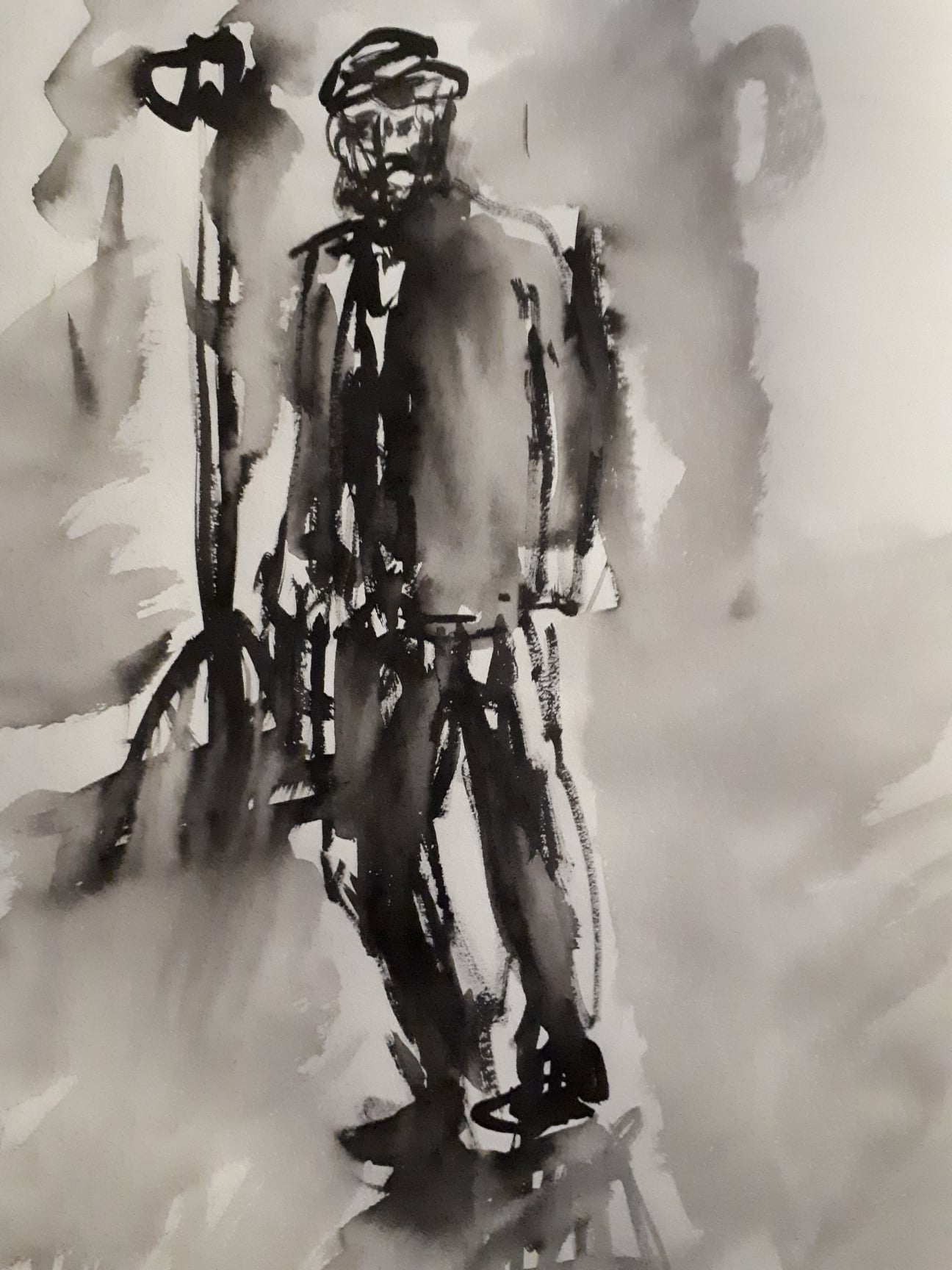
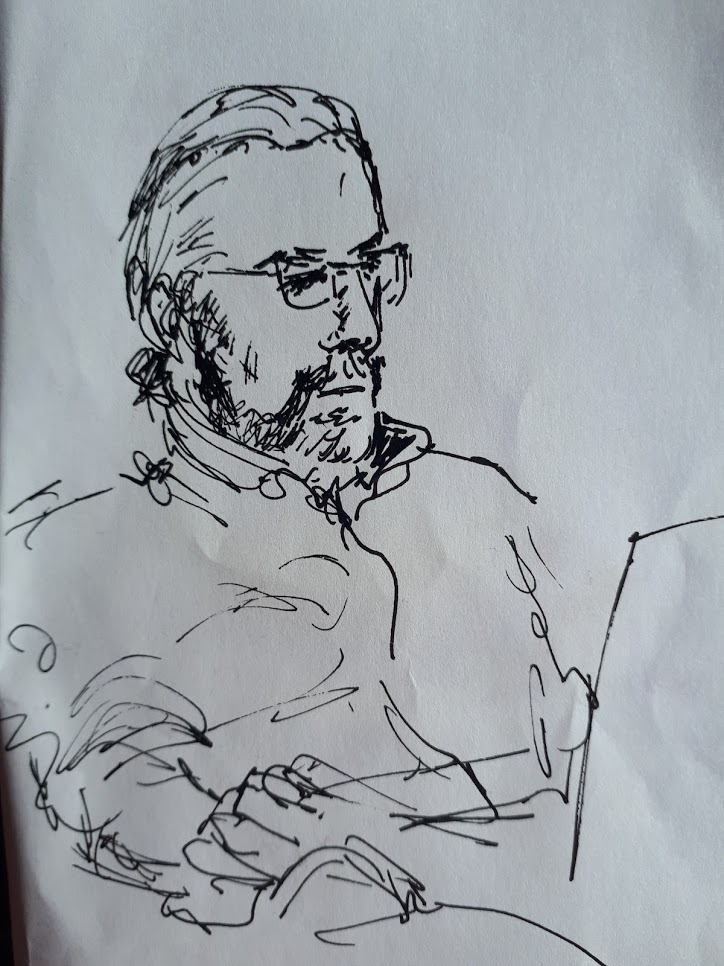
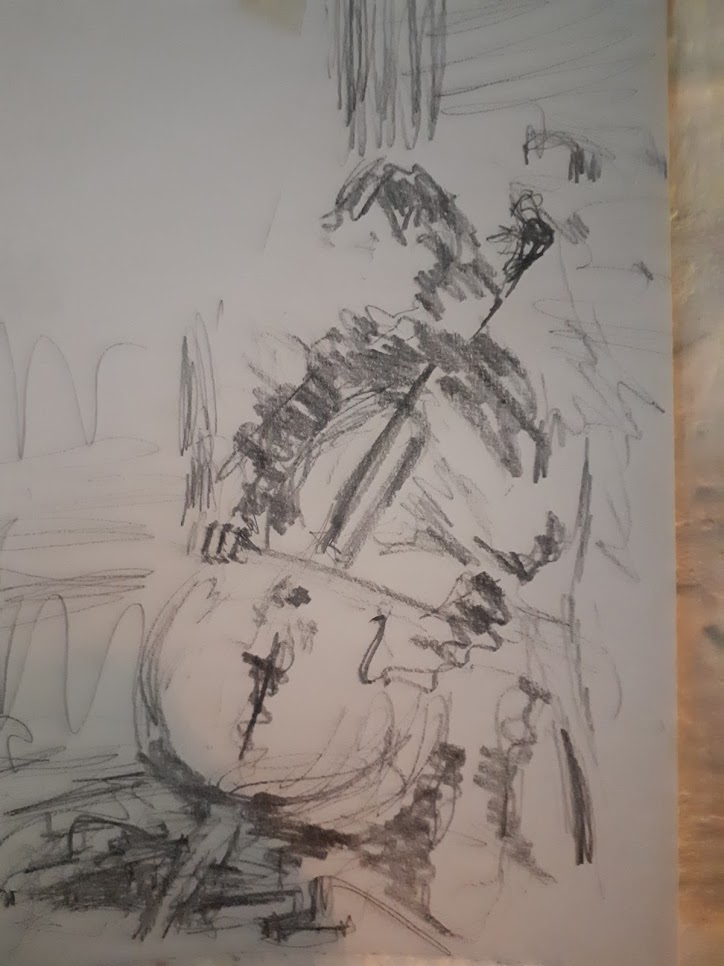
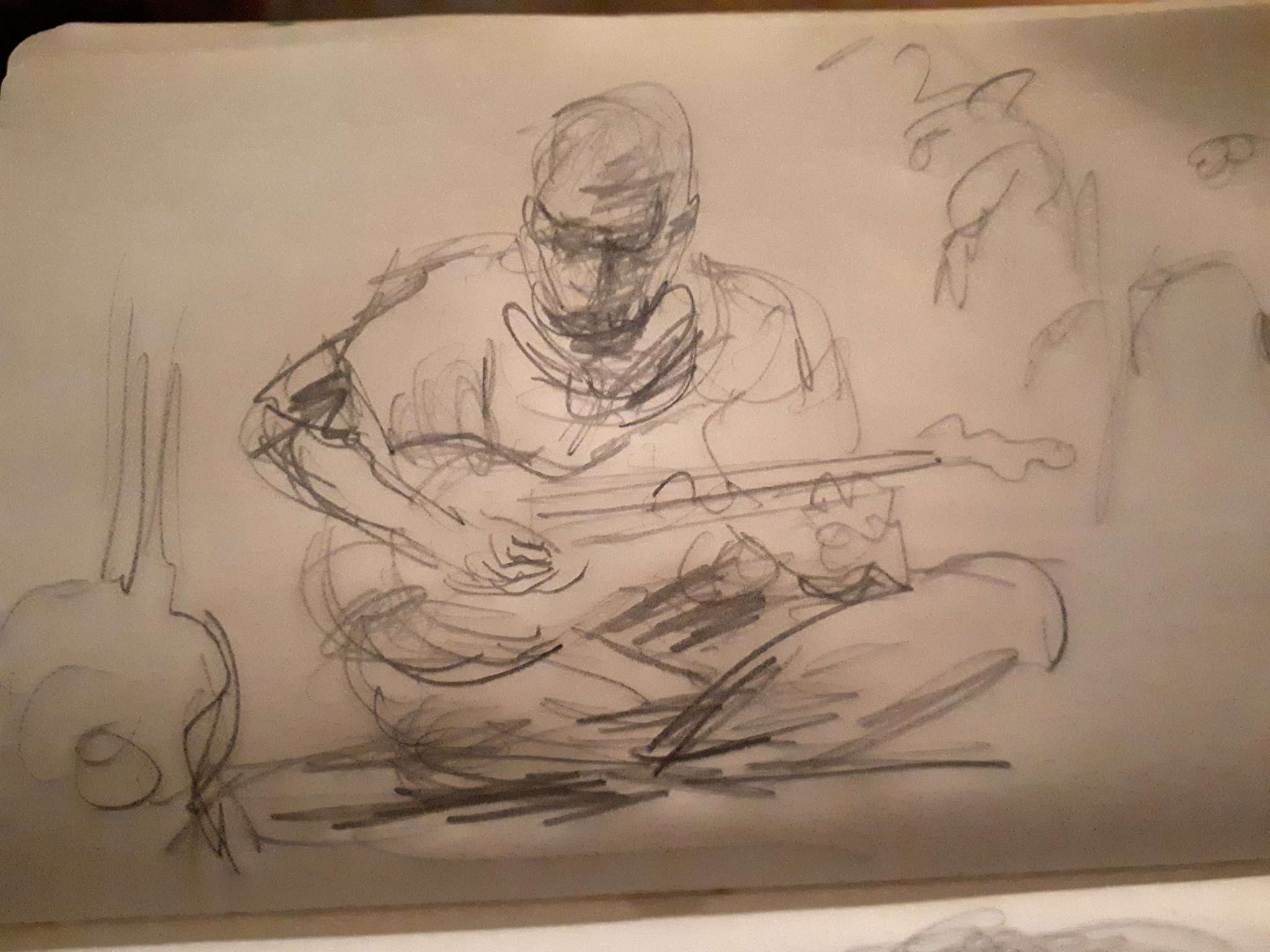
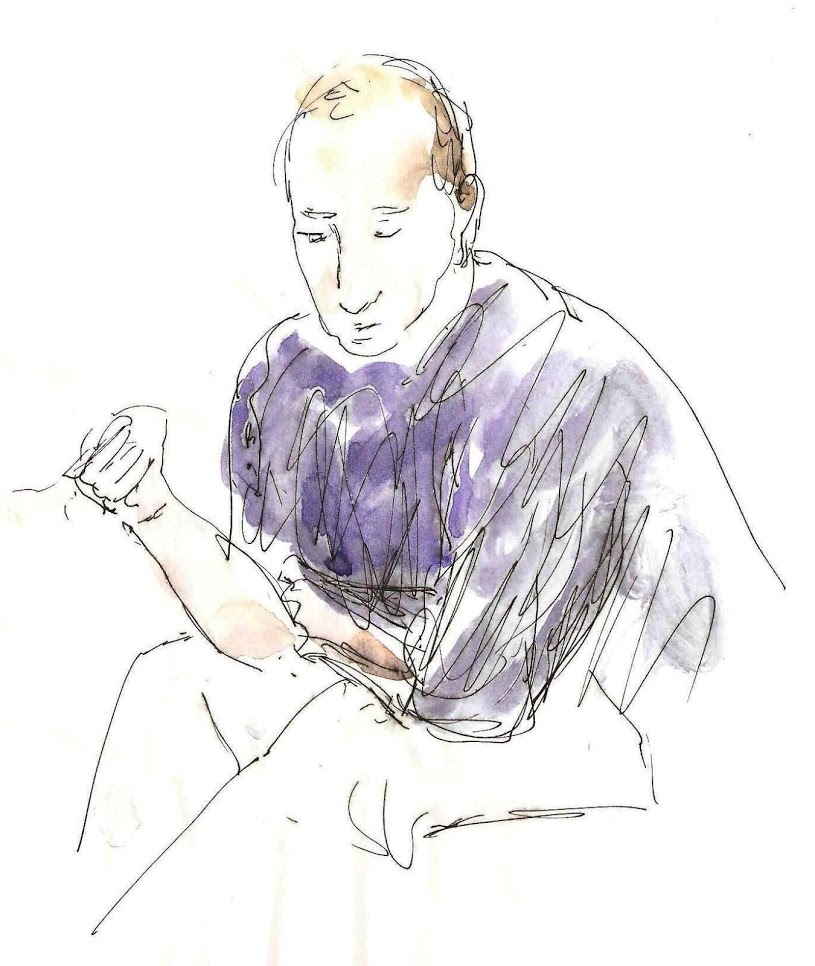
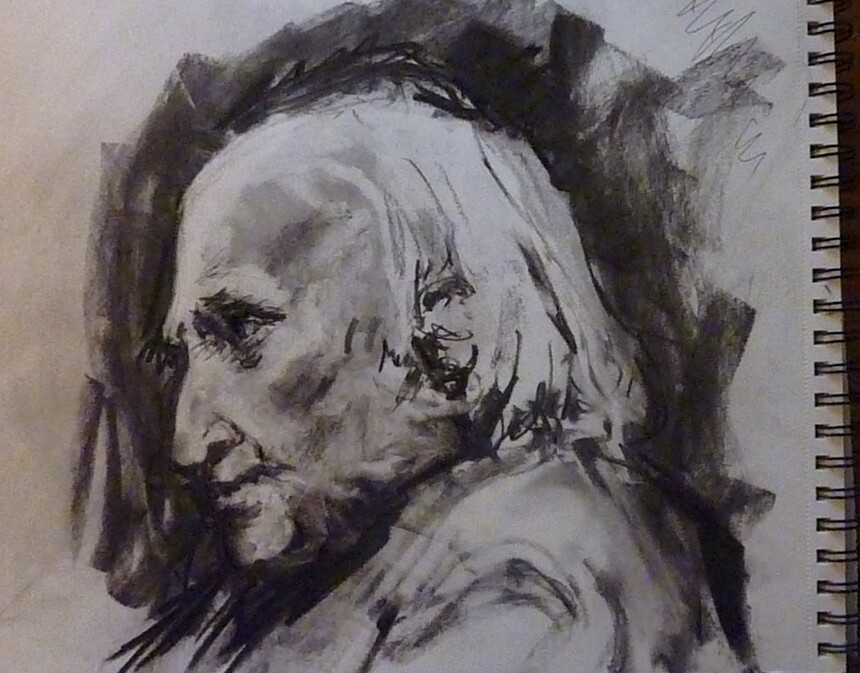
I prefer to sketch people doing things they do – playing guitar (Donald) making animations (Adam) playing cello (Atzi). Theyse are all of men – not because I prefer painting men but because, aside from Richard Demarco, the people I hang out with the most are Adam (my partner), Donald and Atzi. The sketches of Richard Demarco were preparation for a portrait which you can read more about on this link Portrait of Richard Demarco.
Adam
Adam
Adam
Atzi
Donald
Donald
Richard Demarco
Richard Demarco
Energy, Landscape
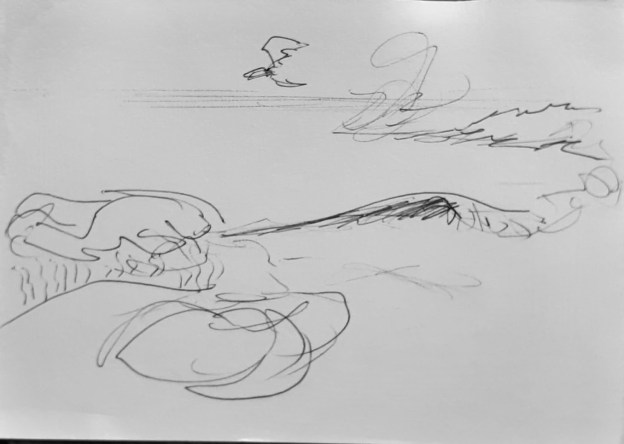
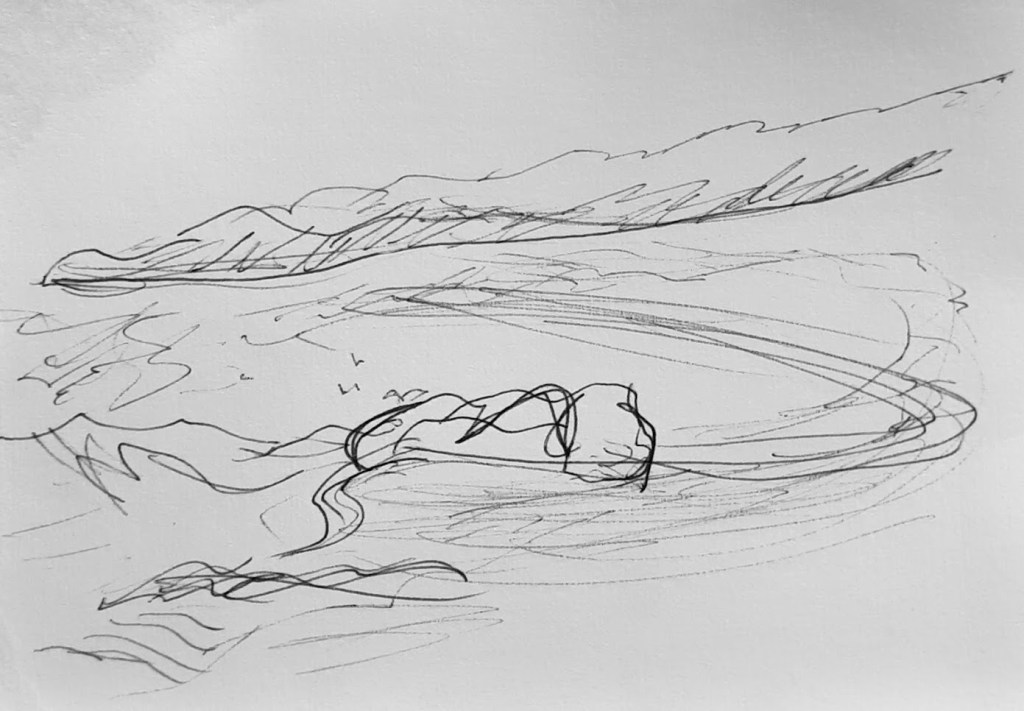
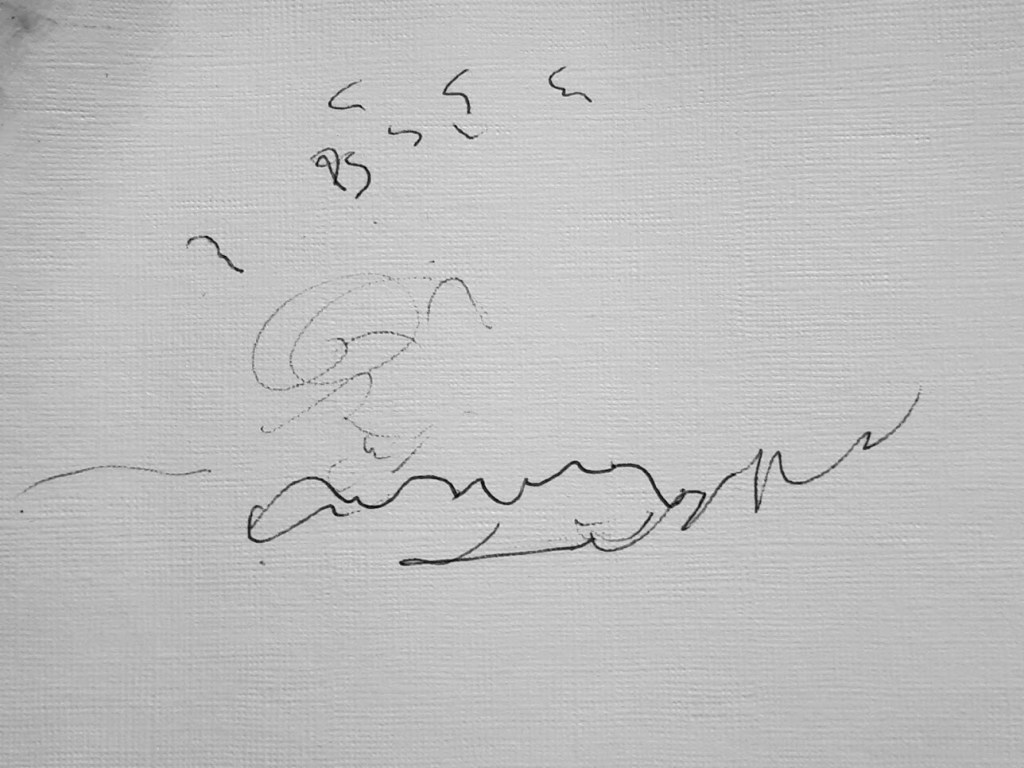
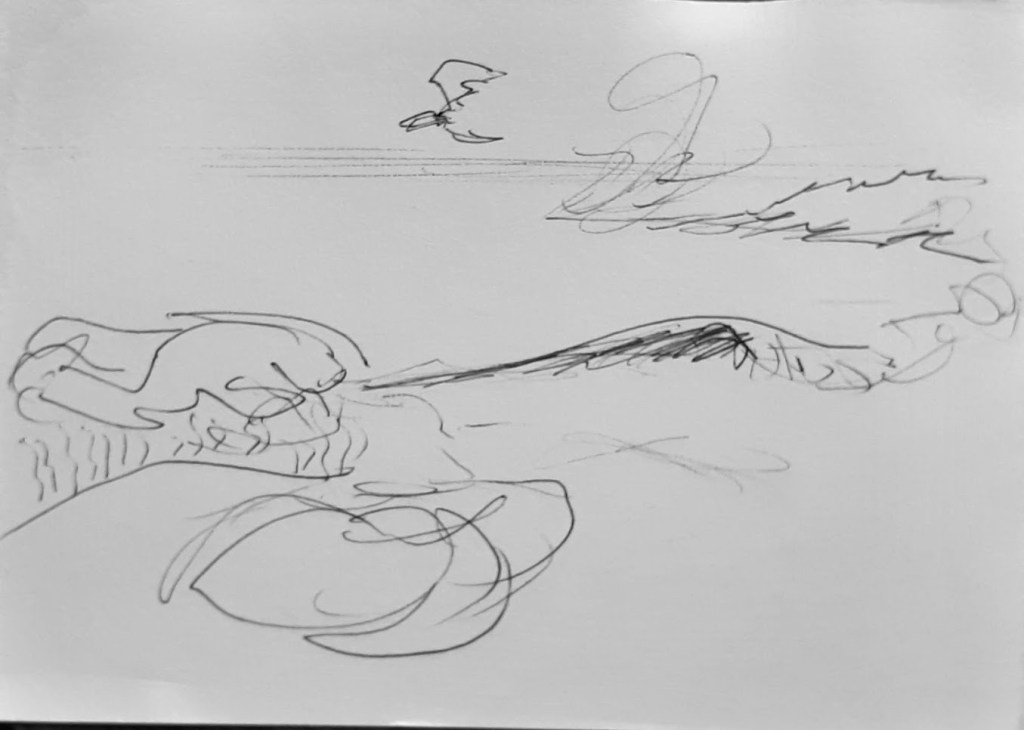
Although Constable and Joan Eardley are more than a century apart, both artists beautifully recorded the energy of landscape in their sketches. In the sketches below I’ve attempted to capture the energy of landscape, it’s such an important part of a painting. These sketches were made in Iona in October and express the wild energy of October winds.
Eigg
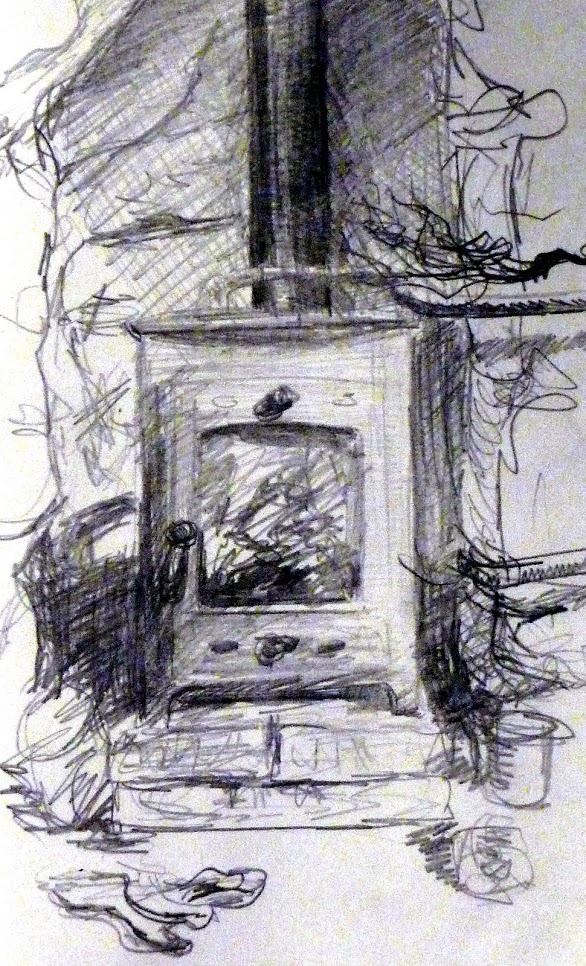
These sketches were made on the Isle of Eigg in 2014. I remember it was the year of the Scottish Independence Referendum. Aside from one family, every one of Eigg’s 99 or so inhabitants was supportive of Scottish Independence. This was no surprise as the islanders had effectively voted for their own independence with a community buyout in 1998. Once the community was in charge Eigg’s fate changed radically for the better with a 100% renewable energy system and improved tenenacy and ownership rights for the islanders. Maggie Fyffe, Iona Trust secretary described it to me in an interview as; ‘the difference between night and day’! Maggie owned the croft in which we stayed, with it’s little wood-burning stove, below. You can read more of that interview here: – Eigg Island
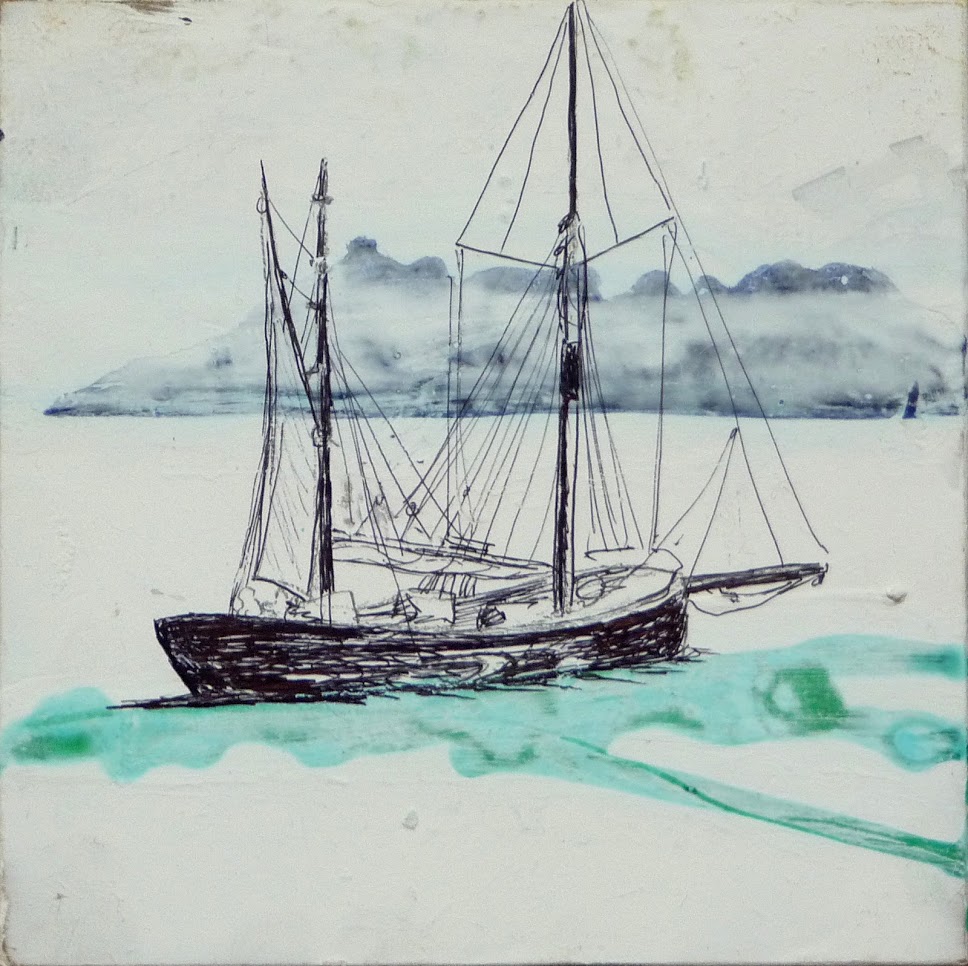
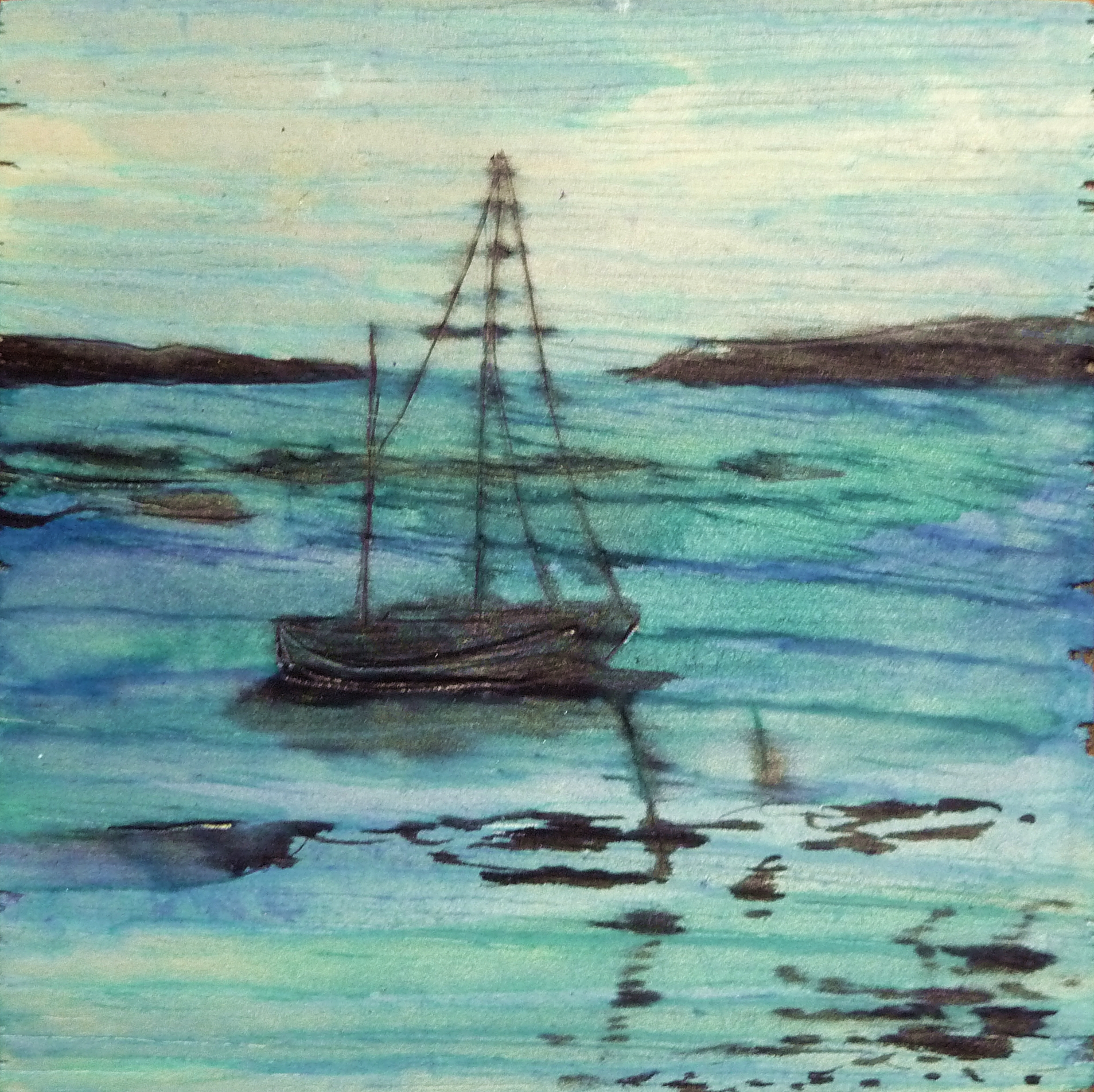
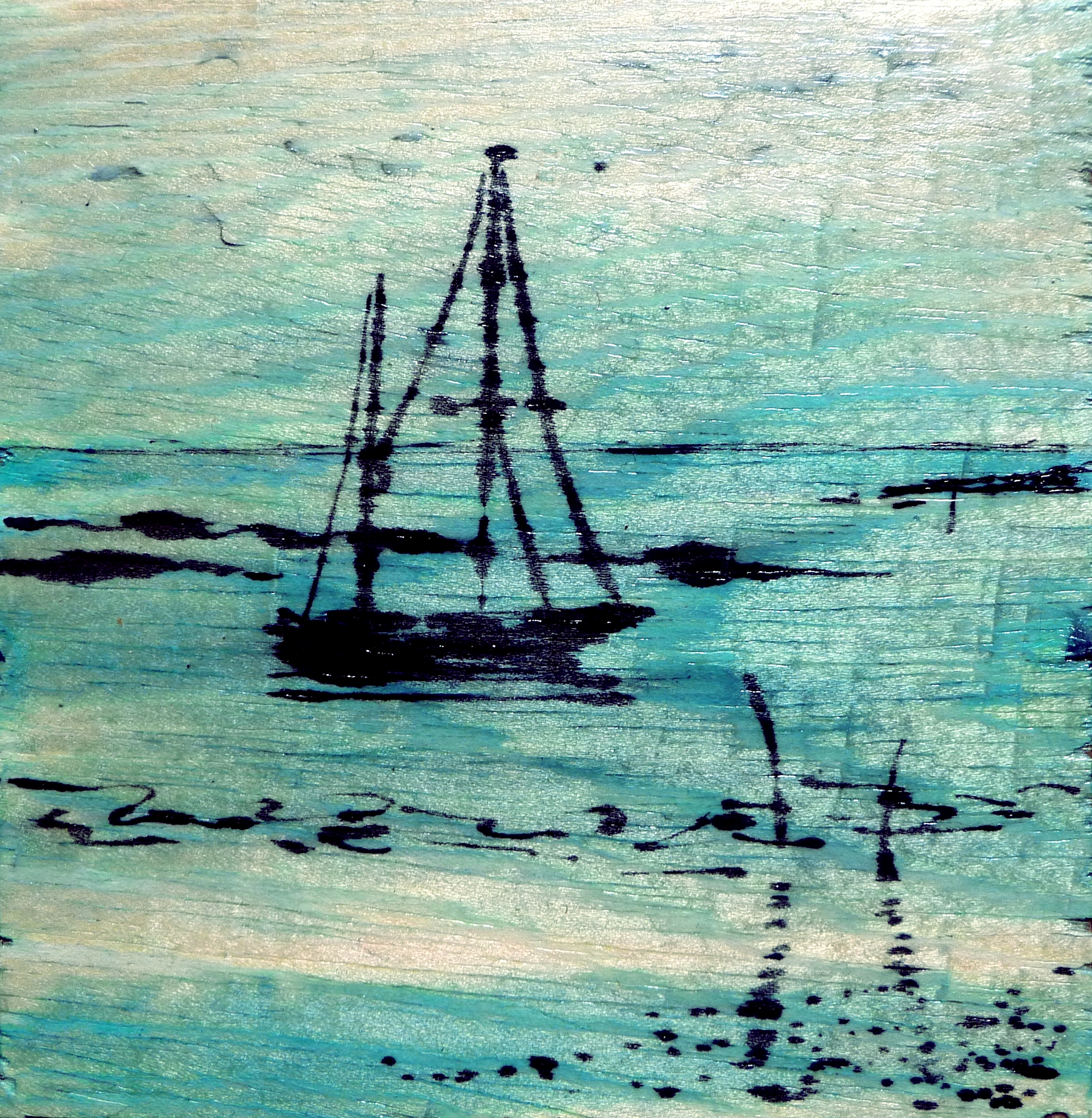
‘September 2014 Eigg Series. No. 2’ Ink and varnish on 5×5 wood”
‘September 2014 Eigg Series. No. 4’ Ink and varnish on 5×5 wood”
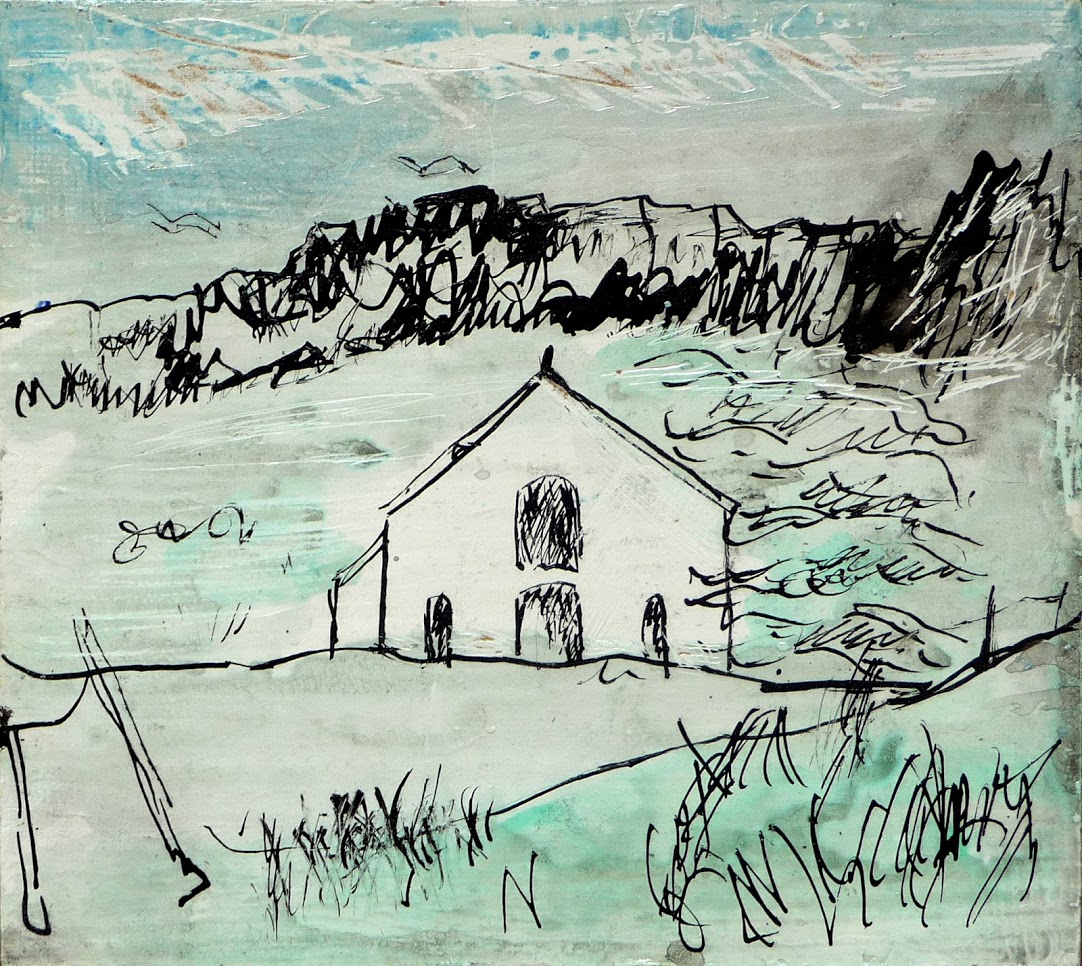
‘Eigg Series No. 46’. Ink on 5×5″ wood
Eigg Series No. 41. Ink, acrylic and sand on 5×5″ wood
Eigg Series No. 43. Ink and acrylic on 5×5″ wood
Eigg Series No. 42. Ink on 5×5″ wood
Eigg Series No. 25b. Ink and varnish on 5×5″ wood
Eigg Series No. 25a. Ink and varnish on 5×5″ wood
Winter
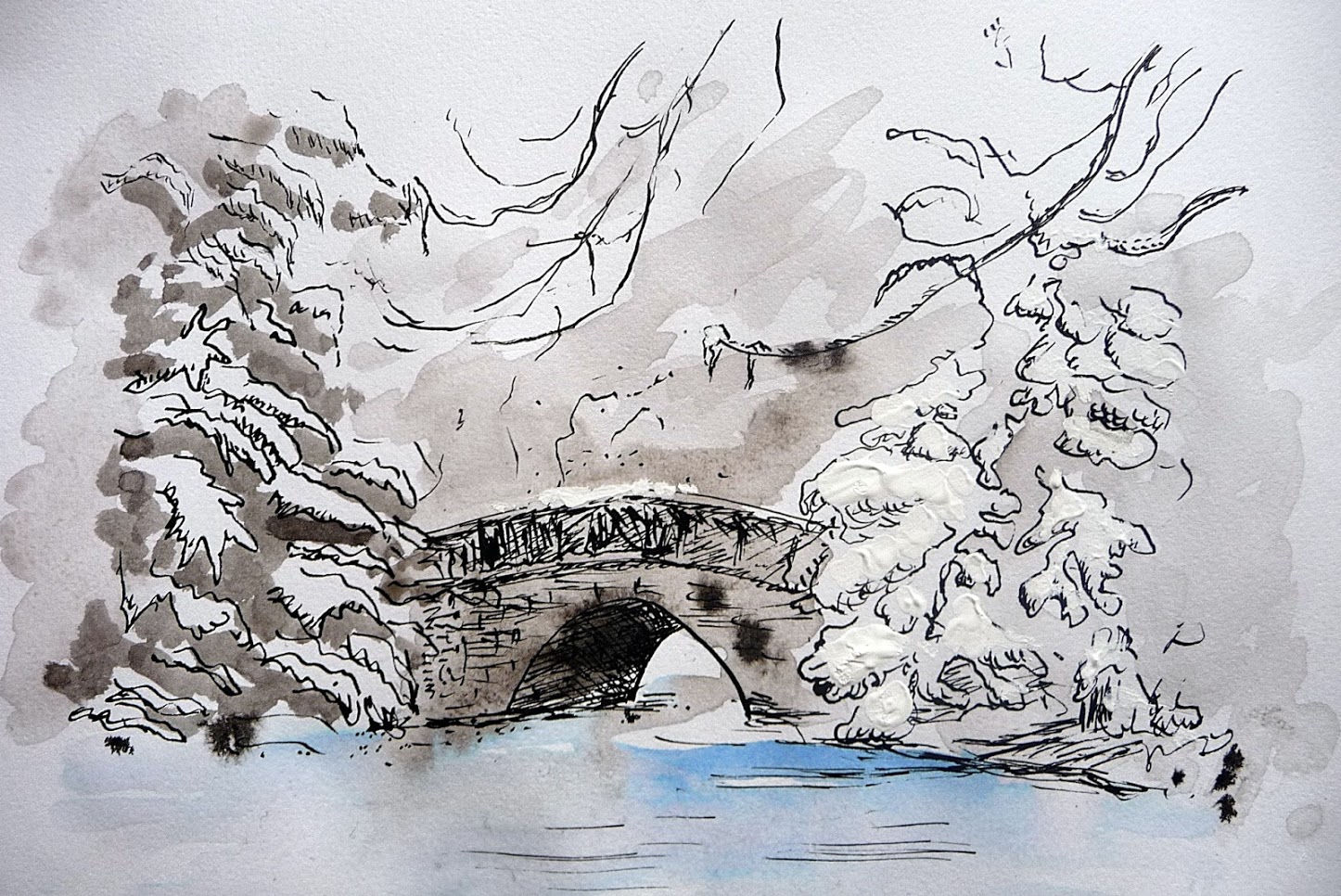
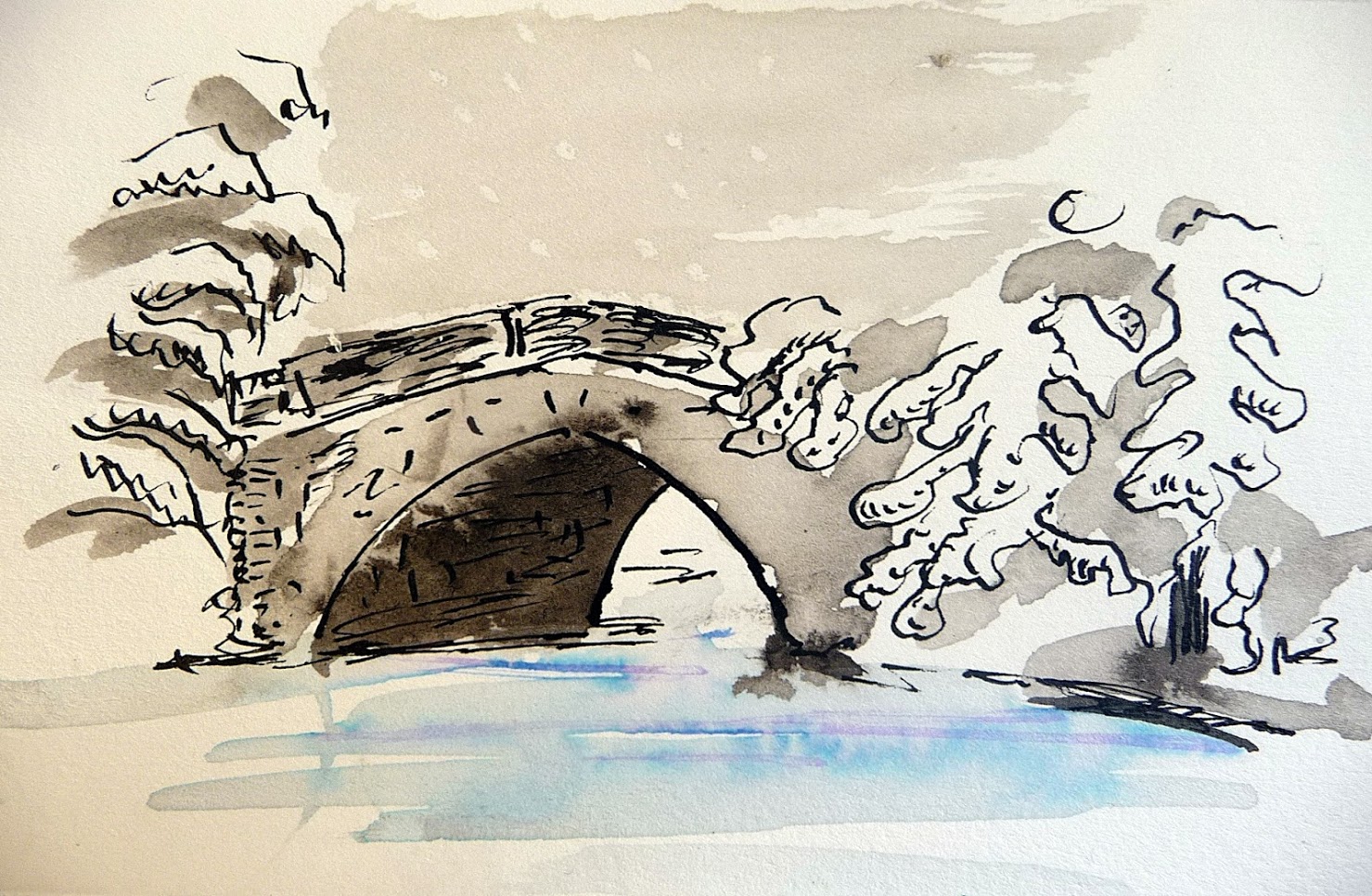
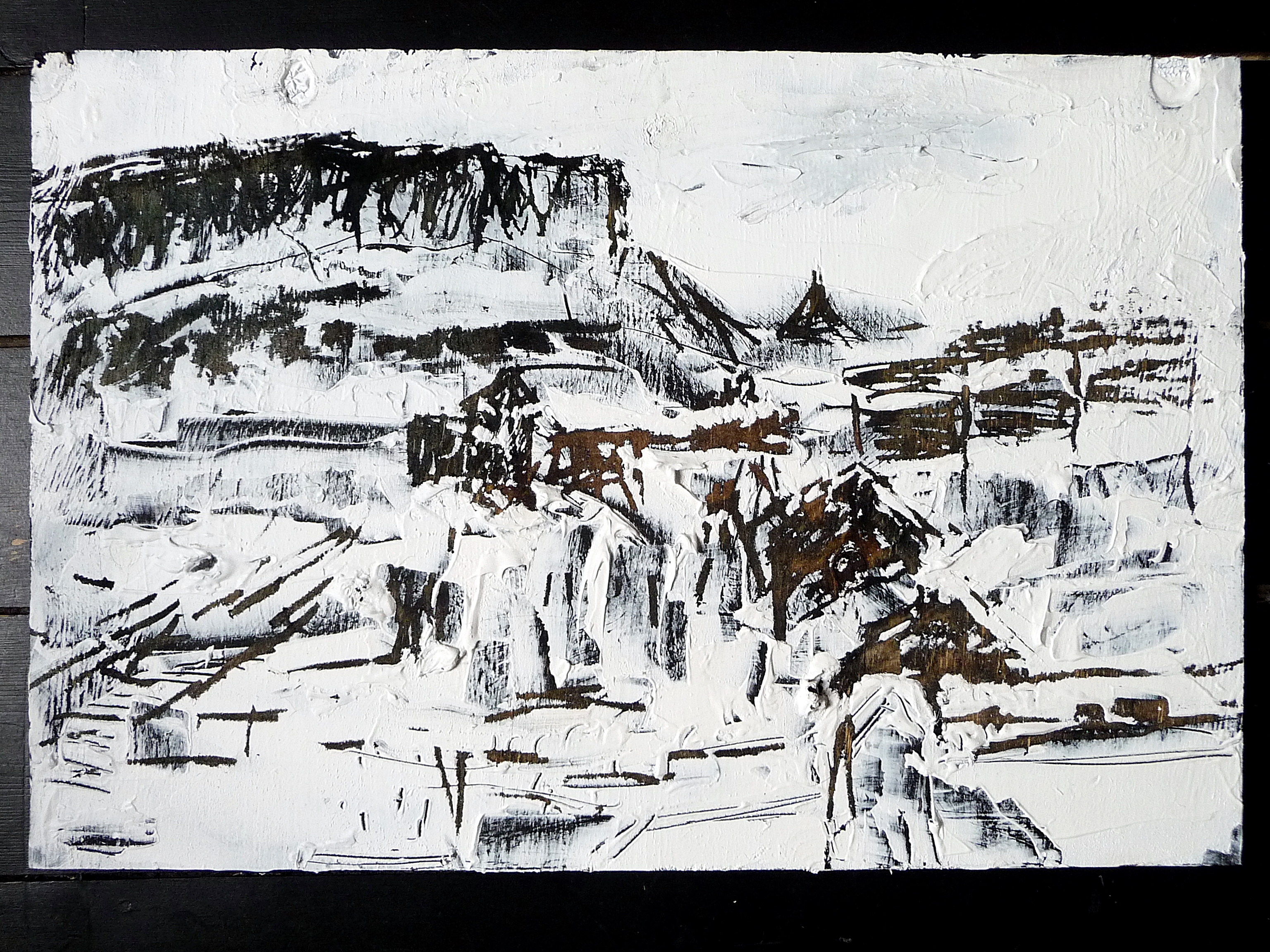
Winter’s monochrome tones lend themselves to sketches. These are of a bridge in Canonhill Park (pen and ink), Birmingham, and a preparatory sketch of Edinburgh( gesso on wood board)
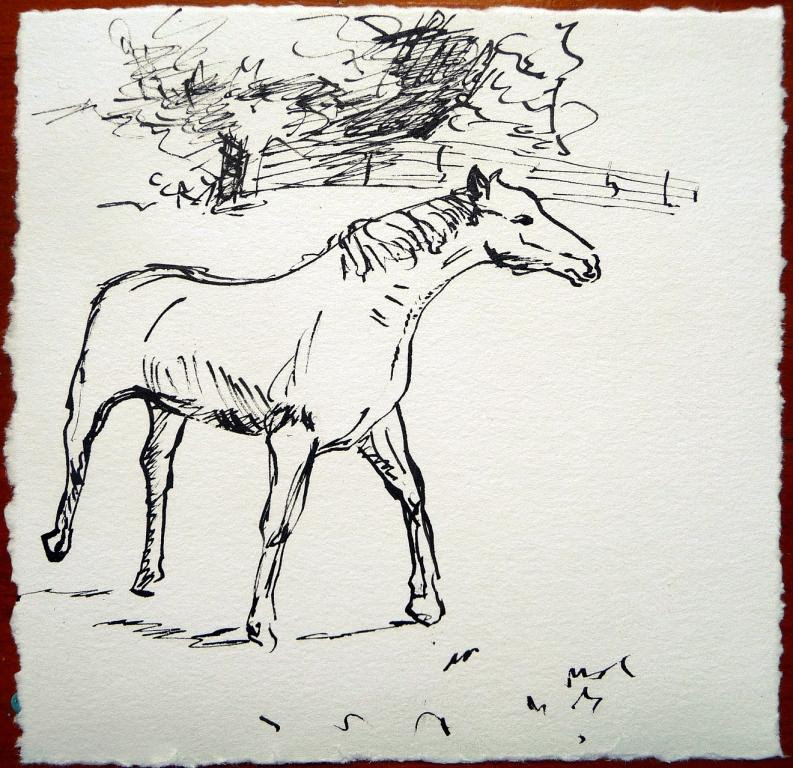
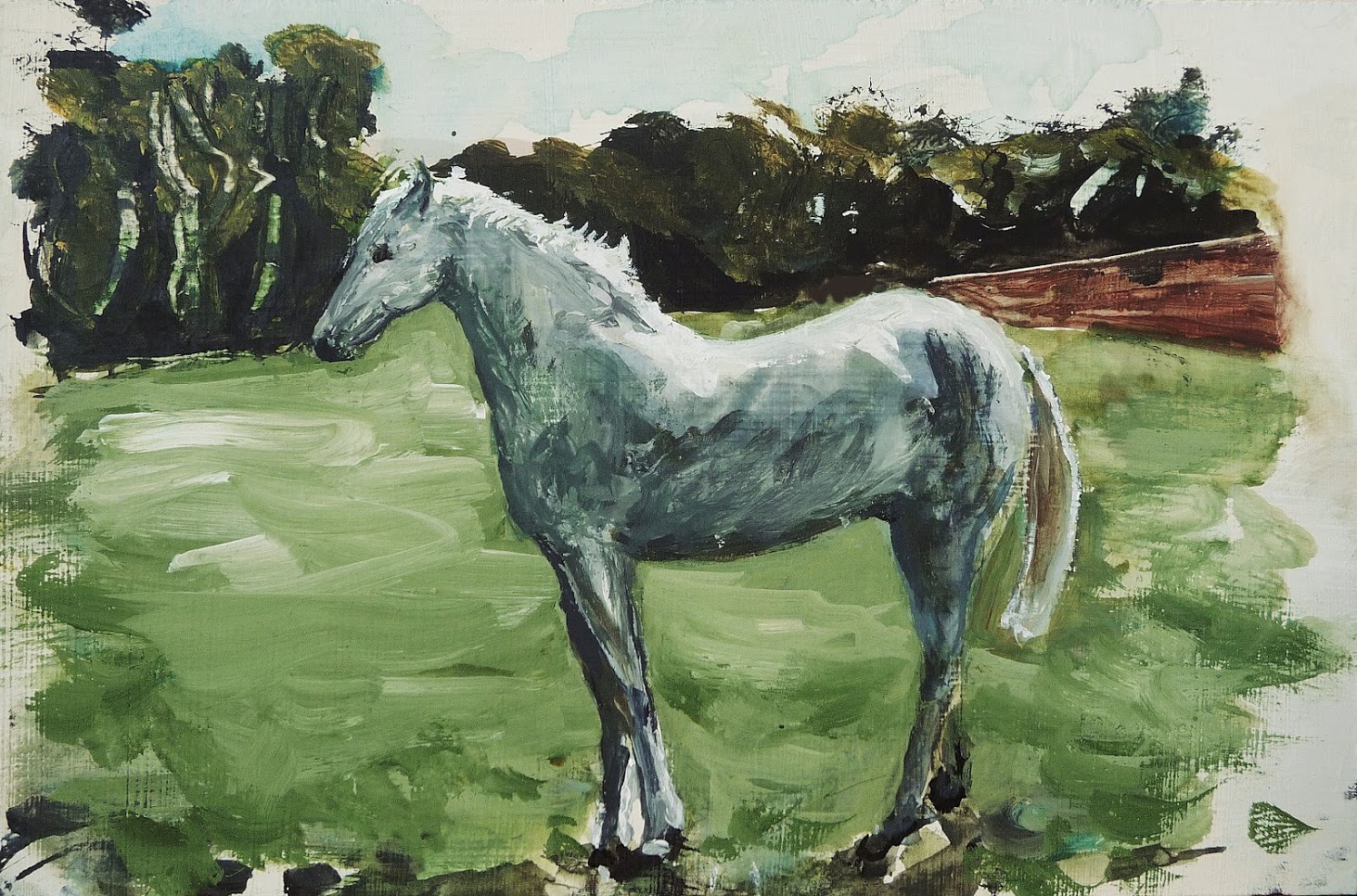
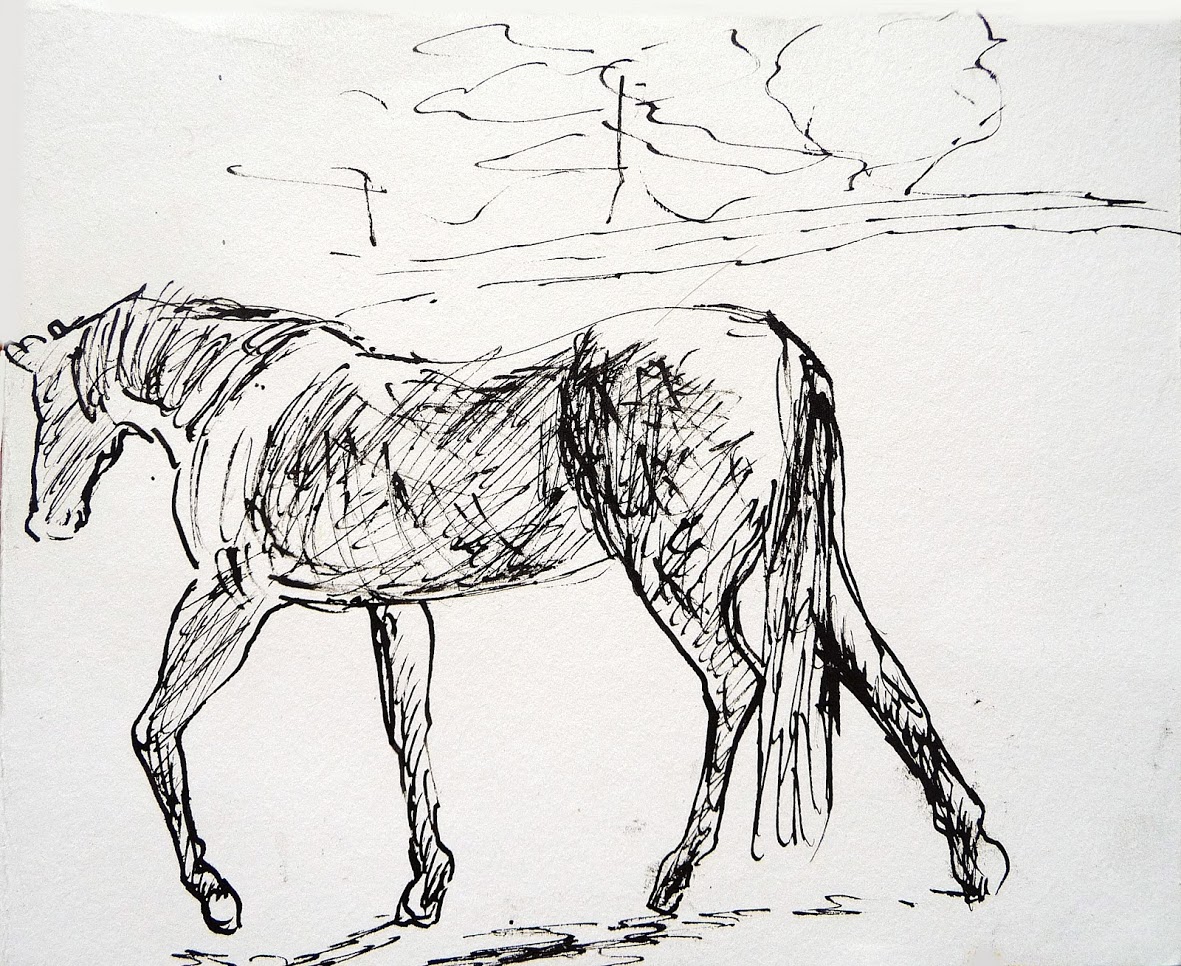
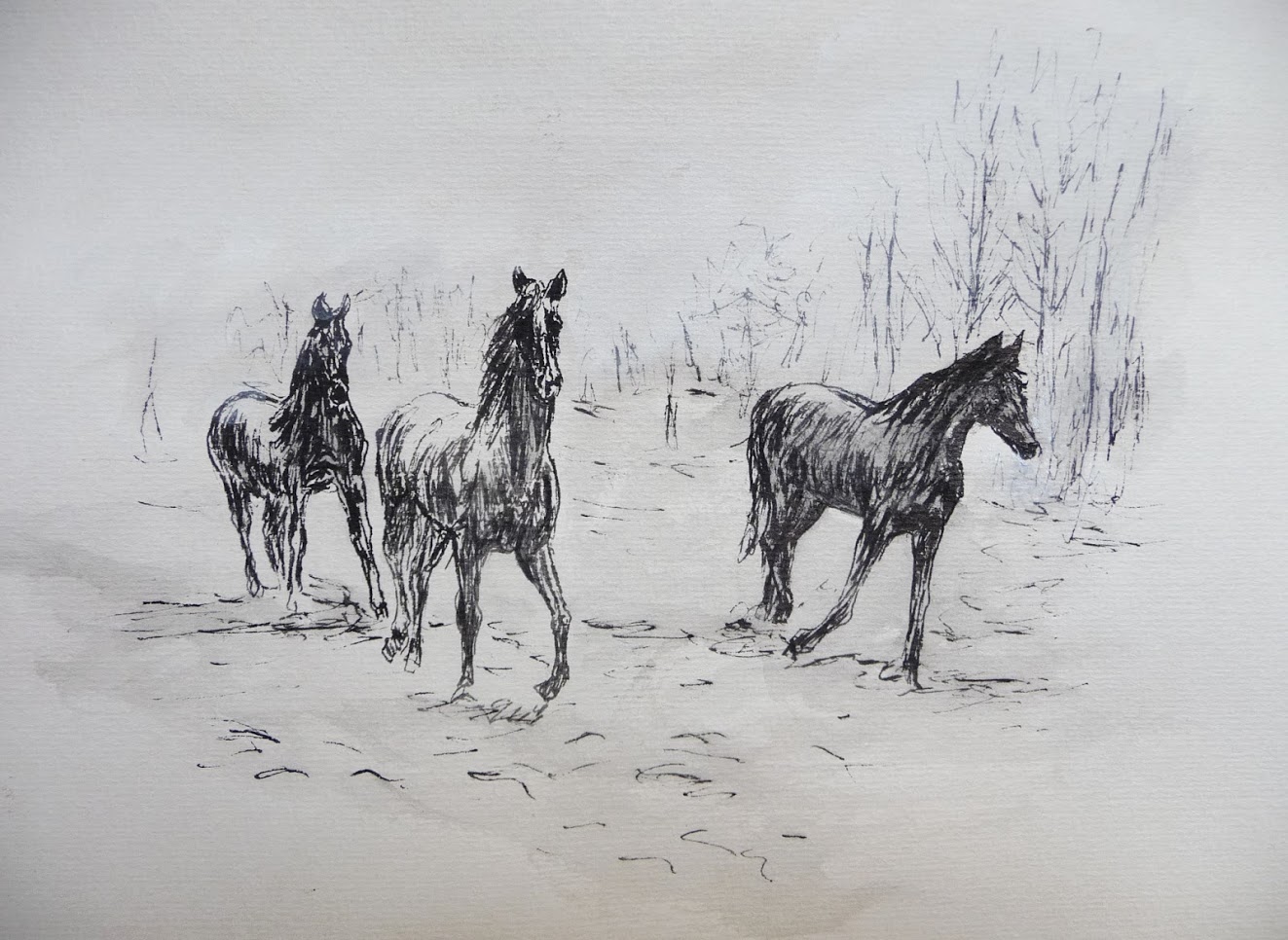
Horses
Lastly, horses. They always look mythical to me!
As my secret commission is coming to an end next week (t will then go into process for tis launch in October 2021) I’ll be starting a new private commission – this time of the beautiful Isle of Mull. I look forward to posting about that soon!



















 Rose Strang Artworks