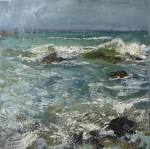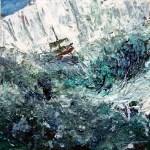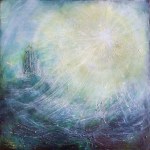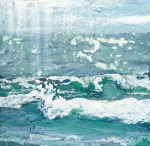
Tag Archives: Scottish artists

Winter Exhibition at the Resipole

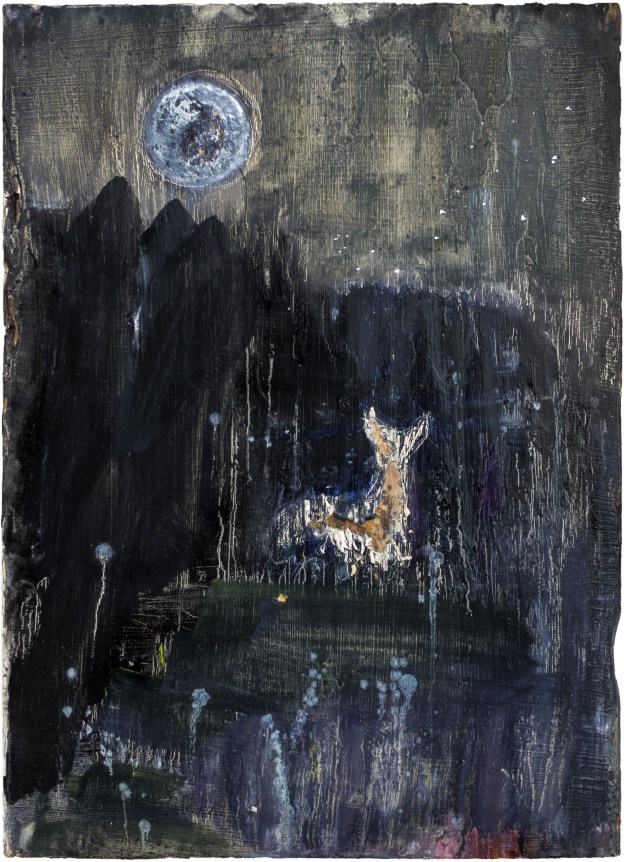
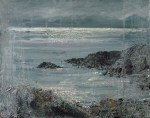
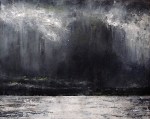
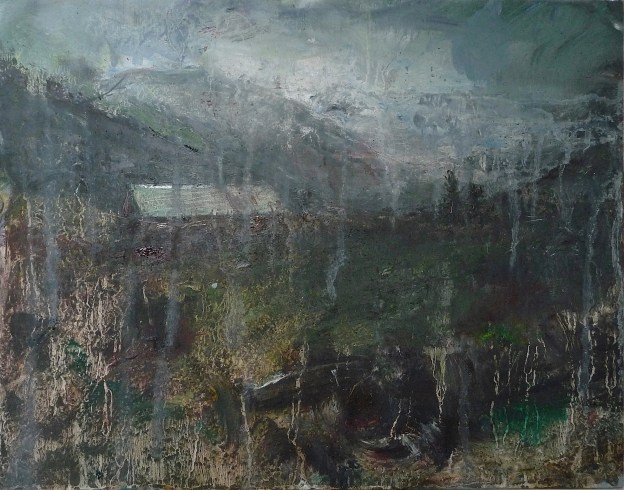
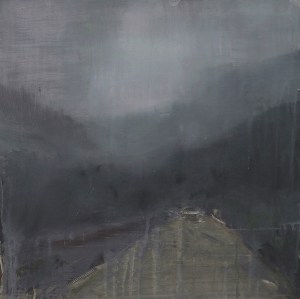
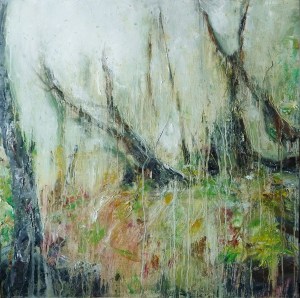
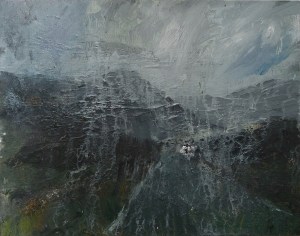
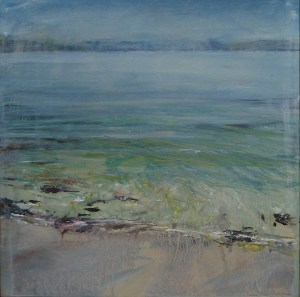
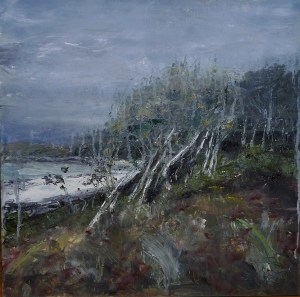
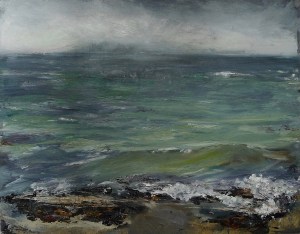
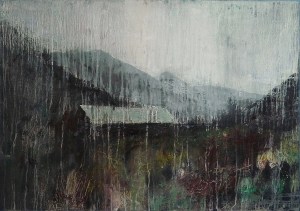
Above: Coigach 1. Oil on 5×7″ wood. Rose Strang 2023

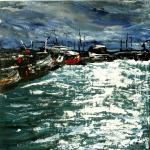
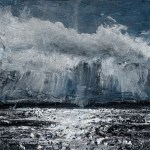
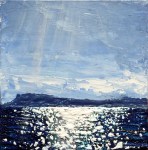
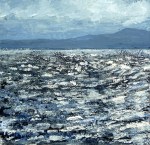
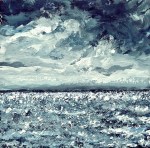
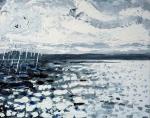
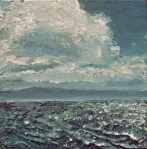
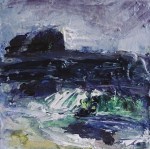
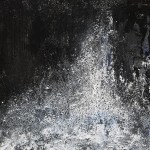
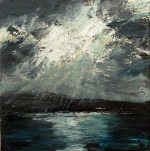
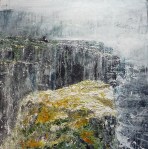
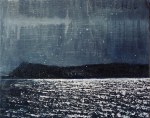
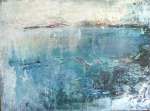
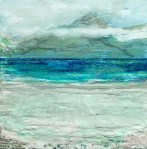
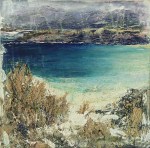
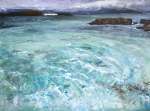
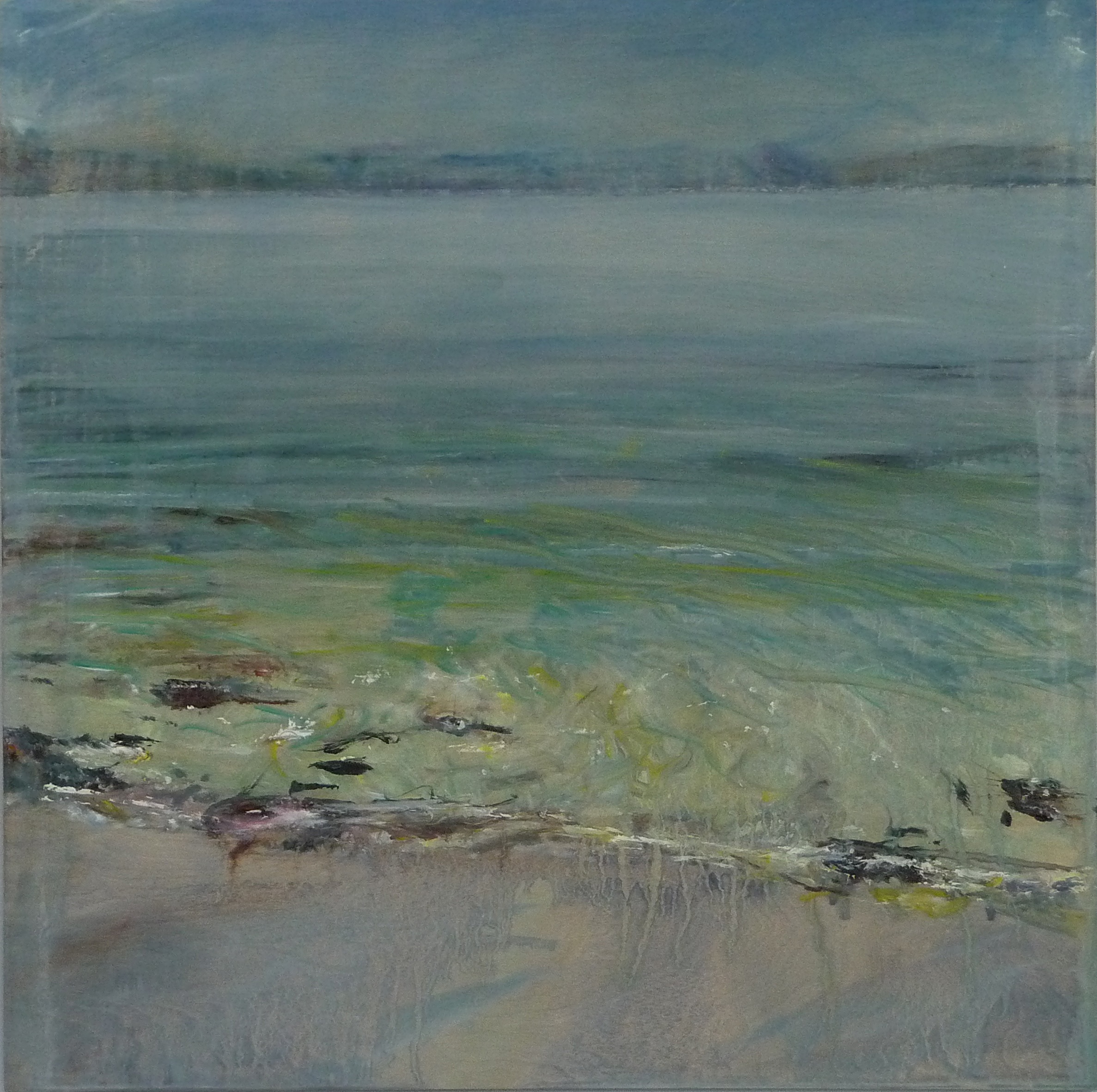
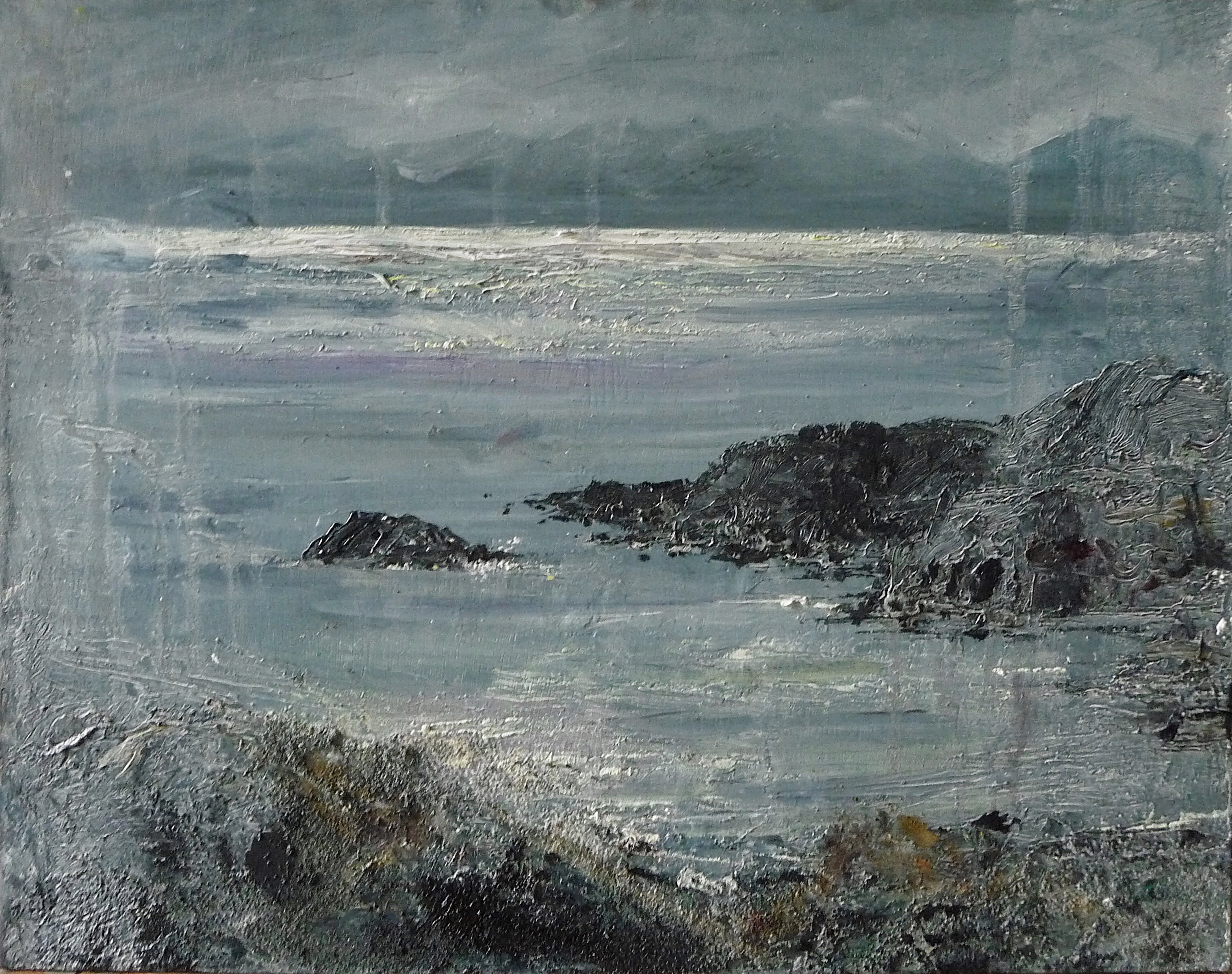
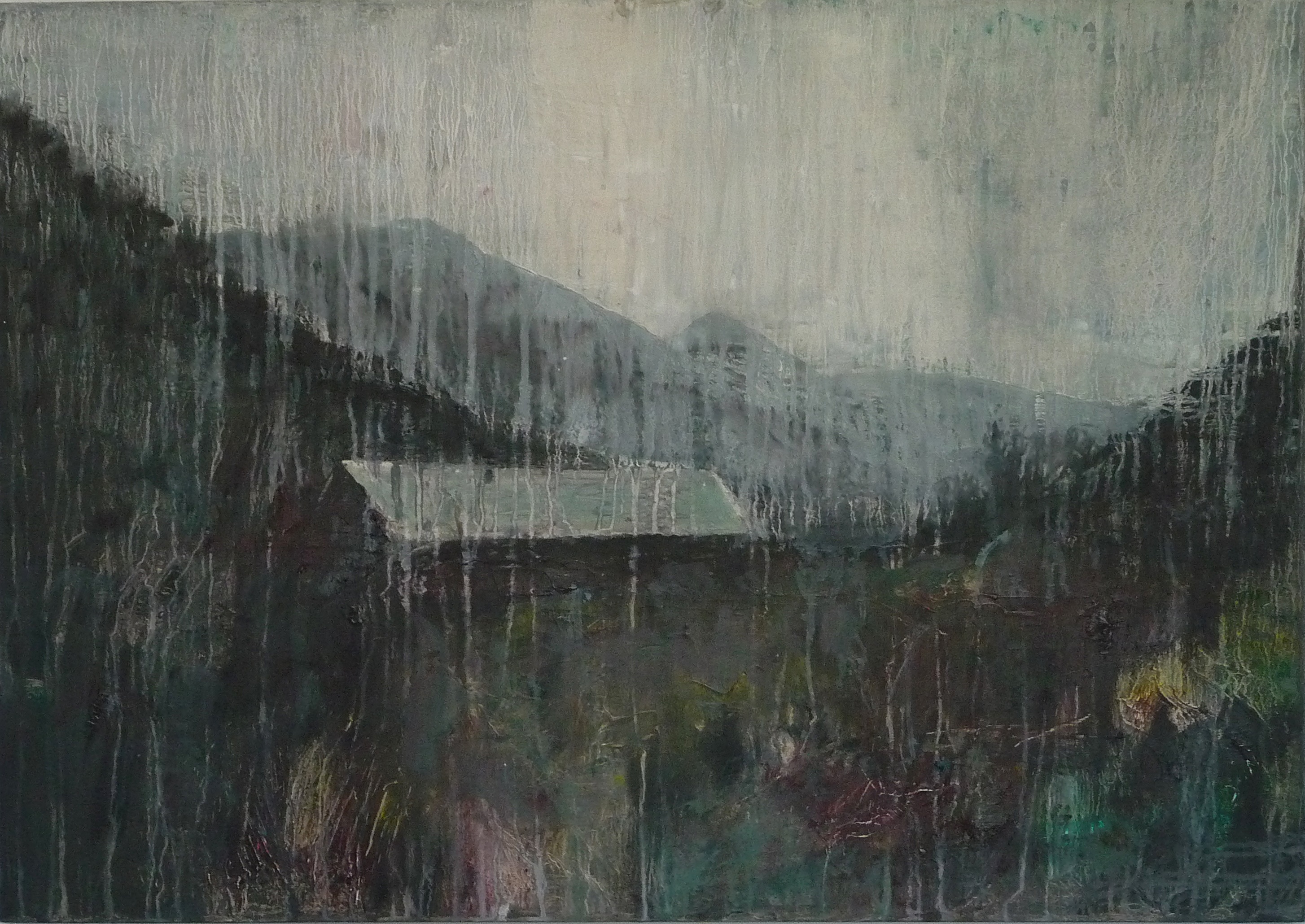
Six little paintings on wood from my ‘Coigach series’ are showing as part of the Resipole Gallery’s Winter Show. Beautifully presented as always by the gallery curators alongside some wonderful paintings and ceramics – all reflecting the textures and atmosphere of Scotland’s west coast. Here are the six paintings in the show …

The exhibition runs from December until 29th February 2024. You can view the exhibition Here, or better still travel up there to experience Ardnamurchan – one of the few places where you can still walk among Atlantic oaks at the edge of white beaches with turquoise sea lapping the shore.

‘Borrowed Land’ – Exhibition launch at the Kilmorack Gallery

Above – Borrowed Land , group exhibition at the Kilmorack Gallery. The ‘Trace’ series of paintings will be on exhibition as part of the show, which runs from November 2023 to March 2nd 2024. (Read more about the series here: Traces of the Past)

Last Saturday I travelled up north to be part of the the launch of Borrowed Land, an exhibition curated by owner of the Kilmorack Gallery Tony Davidson.

Part of Tony’s inspiration for the exhibition came from the quote; We do not inherit the land, we borrow it from our children. All participating artists were invited to respond to the concept of ‘borrowed land’. (our responses are included in the exhibition catalogue which is available from the gallery website here – Catalogue )

I’m completely enchanted by the Kilmorack gallery aesthetic and atmosphere. The building was formerly a church, built (at least part of it I think) in the late 1700s. I usually experience an internal cringe when churches are converted to non-religious purposes, not neccessarily because of the change of use from religious to commercial or everyday residential, but the fact of the architectural purpose of church buildings, which are designed to inspire contemplation, imagine the heavens or to aspire to something beyond ourselves. It’s why I feel an art gallery is suited to such a building; if the art presented inspires thought, imagination and contemplation as much as aesthetics.
Have a read about the exhibition Here, or take a look at the gallery via this excellent 3D walk-through …

https://my.matterport.com/show/?m=cYumFGguSW7&sr=.06,-.58&ss=3

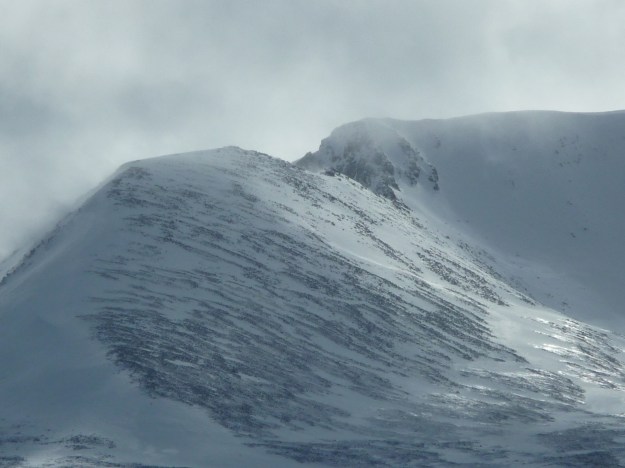
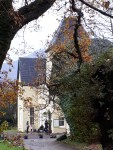
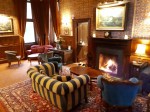
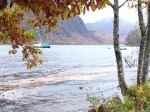
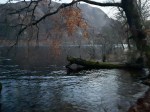
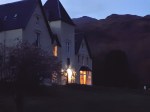
After the exhibition launch we stayed over night to walk around the next day – some photos …

Traces of the past

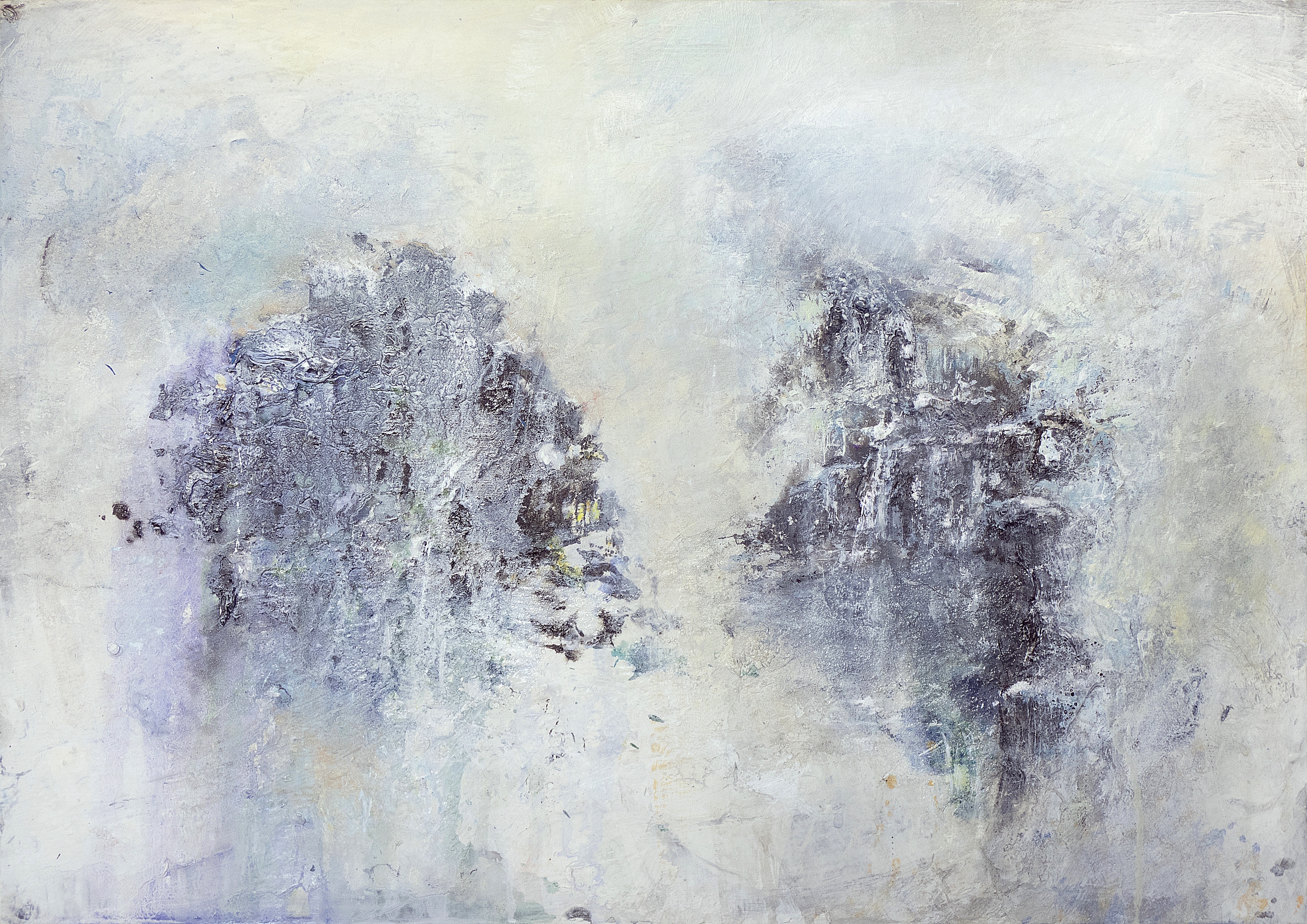
Above: Trace. Blackwater. Oil on 80x80cm canvas. Rose Strang 2023
Traces of past cultures in landscape have fascinated me for many years. Especially those traces so subtle you’d walk past, barely noticing them. Expressing this subtlety in paint is a challenge.

While painting a series in 2018 titled ‘Wells of Arthur’s Seat’ I started to find a way. There are literal traces, like the trace of a chain on the boulder near St Anthony’s Well which was originally attached to a metal cup above a carved stone basin. The spring has long since dried up, but as late as the early 20th century people from Edinburgh would sip the water, or soak cloth in the water then apply it to their body in the belief it cured disease or imbalance.

I don’t want to paint literal traces, however, and while exploring the history of St Anthony’s Well I became immersed in the mystery of water. Its layers, veils and reflections suggested timelessness, ‘as above so below’, or the idea of liminal or in-between places.

Painting ripples left by, for example, a falling twig, reminded me of pre-historic concentric rings carved into rocks around the British Isles. No one knows why those carvings were created, but to me they suggested ever multiplying rings created by cause and effect – a falling leaf that creates a pulse of water, shifting tectonic plates that create the huge pulse of a tsunami, or the mystery of gravity and the orbiting planets and moons of our solar system.

When I visited Saxon burial mounds at Sutton Hoo in Suffolk it wasn’t the mounds themselves I wanted to paint, it was the river that led to the mounds – the River Deben. I painted reflections on the river and the wake left by a passing boat – to me the flowing river brought that past culture to life more than the burial mounds. Cultures change and become strange or indecipherable but a boat’s wake remains the same. I could envisage their arrival from northern Europe to the Suffolk coast up the River Deben, imagining what made them settle here and select this particular spot as as a sacred burial ground.

Then the process of painting the layers of water was so complex in itself – there is translucency and opacity, reflections, the rhythm of flowing water and the fact of constant movement and change. I was also thinking of the fact that nature was at the heart of Saxon culture and religion. For example the tree of life – Yggdrasil – which encompasses many different worlds. Each of the tree’s three roots is fed by three different wells representing past, present and future.

These myths reflect a truth – that everything is connected. Our recent past, encompassing the industrial revolution and unprecedented consumption of resources, has taken us full circle back to this realisation of inter-connectedness, and the dilemma of how to move forward. Our culture will leave more trace than any that came before us.

At Loch Venachar in the Central Highlands of Scotland, I searched for the remains of a Crannog (iron-age man-made islands on which wooden dwelling structures were built). The island itself was visible, but sadly concrete had been poured onto the remants, probably to prevent it being washed away. Again, literal remnants didn’t move me so much as the trace of stones leading to the island – just the merest suggestion that in this area at the loch’s edge the stones were just a little raised. Gazing at the stones as dawn rose, rays of sunlight began to reveal the stones beneath the surface, while further away the surface remained opaque. These half-revealed images suggested more to the imagination.

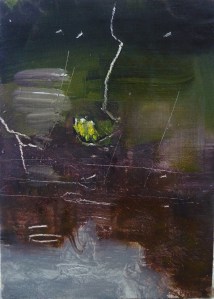
Loch Venachar is fed by the Blackwater River and as we explored further along the river side, I found myself mesmerised by the reflected green/yellow light of foliage in the black water, still as a mirror, which brought to mind Corinthians 13:12:

For now we see through a glass, darkly; but then face to face: now I know in part; but then shall I know even as also I am known.

These ideas are complicated to express creatively in an image. Or not so complicated when simply observing what’s there; traces on water – concentric circles, ripples, what’s revealed below, or concealed from view, what is mirrored back to us. Although we can’t know all, we do know that all is connected. When contemplating nature these images become poetic and profound.

This series of three paintings – Trace. Sutton Hoo, Trace, Portnellan Island, Loch Venachar and Trace, Blackwater, will be on show as part of the exhibition Borrowed Land, which launches at The Kilmorack Gallery on the 18th November 2023.

‘Trace. Blackwater’. Oil on 80x80cm canvas. Rose Strang 2023

Borrowed Land – The Kilmorack Gallery – new exhibition

Above; Trace. Portnellan Island. Loch Venachar. Oil on 70x70cm canvas. Rose Strang 2023

These three works are on show as part of the exhibition; Borrowed Land, launching at The Kilmorack Gallery, Inverness-shire, from 18th November to 2nd March 2023/2024.

From the Kilmorack Gallery website:

“Kilmorack Gallery has timed this exhibition – Borrowed Land – to run when Scotland’s landscape is at its greatest threat since the clearances. Giant multi-national companies threaten to build electrical substations the size of university campuses, along with 60m high pylon lines hundreds of miles long, and soon after will come the transformation of hills into power stations with a new generation of mega-turbines”.

This exhibition (by the Kilmorack Gallery which is run by Tony Davidson, author of Confessions of a Highland Art Dealer: A journey in art, a glen and changing times.) represents a meaningful opportunity for me to get to the heart of my love of landscape as a painter.

The phrase borrowed land comes from the (so far unattributed) statement – We do not inherit the earth, we borrow it from our children.

In response to a request to write something about my work for this exhibition I offered the following –

Landscape is the most profound teacher. Through painting landscape over the years, my brushwork begins to reflect energy felt from the elements observed. Mark-making is instinctive to humans but we still barely understand why we make the marks we do. Those prehistoric drawings in the caves of Lascaux might express wonderment, or reverence towards nature as much as the desire to kill and eat animals.

The idea behind the phrase ‘Borrowed Land’ reframes a question; ‘What will you leave to posterity, to future generations?’ I’m fascinated by the traces left behind by past cultures, traces that are often barely discernible today. Some cultures left subtle marks.

Through landscape painting I can express my sense of reverence towards nature. I find that the element of water expresses layers of mystery – what is revealed or concealed, what is reflected? How quickly the ripples created by a falling leaf disappear and how quickly lasting destruction can occur. The paintings in this series are of bodies of water near archaeological sites of past cultures who left little trace.

Borrowed Land – launching at the Kilmorack Gallery on the 18th November.

Click on this link for more info about the exhibition – Borrowed Land

More on these paintings next week …

Coigach series day 5

Coigach Series 10. Oil on 10×10″ wood. Rose Strang 2023

More painting progress of the Coigach series, with the continuing challenge of saying less with more simple brushwork – trying to hone in on the essentials of what makes a particular landscape speak to me. Here’s the series so far …

I’ve been visiting the Coigach area for decades because several of my dad’s friends live there. As is often the way – one family member moves there, others follow, then eventually people become intergrated with the local community, making friends, or finding long term partners.

Coigach means ‘five’ in Gaelic, and it refers to the five townships or villages of the area, the main one being Achiltibuie (I love that name and wish I knew what it meant!) Near our friends’ house there’s a broch down near the sea – a form of dwelling, or maybe fort dating from the iron-age – incredibly strong and sophisticated structures architecturally.

This particular one is a bit crumbled down (there are almost intact ones in Orkney and, interestingly, very similar structures in Sardinia) but still impressive given its age. This wild area has obviously been peopled since the retreat of the ice-age, like the rest of Scotland’s north west coast. It’s unexpected to the new visitor since this seems one of the most remote corners of the world, but if you remember that the sea and rivers were the highways back then, not land, it makes sense.

I’ve stayed in various places, one time on Tanera Mor, one of the Summer Isles of the coast of Coigach. This was the island where cult film classic The Wicker Man was made. I’m never sure if it’s a cult film because it’s a bit hilarious, or because of its atmosphere – both, no doubt. The island was indeed somewhat spooky, or at least I found it so, on a dark rainy day wandering across the boggy moorland with my friends, exploring caves in the black cliffs, aware we were the only people  on the island at that time.

More convivial are the times spent on the mainland of Coigach with family friends. I remember some legendary Ceilidhs – lots of dancing and serious whisky drinking, people here really know how to party, including the local police, I’ll say no more about that though, and it was in the mid 1990’s so nothing to do with anyone there now!

One of the most unusual evenings I experienced was on one of the smaller Summer Isles, a new owner had just bought the island and he appeared to have transported his entire suburban house with fluffy wall-to-wall carpets, massive hi fi system, leather-effect sofas, canaries in cages and obligatory conservatory, to an amazing spot overlooking a majestic loch (his was the only house on the island). Towards midnight we were all dancing to Rod Stewart’s Do ya think I’m sexy? then a piper led us outside into the cold night air and started to play his bagpipes – it was an affecting moment after all the party noise. We all fell silent as the notes echoed across the loch, they seemed to carry for miles.

One new year as we travelled back to Edinburgh, my dad’s car started to fail as we traversed Glen Coe and Rannoch Moor. It’s not a good place to feel the car beging to sputter and die. We all sat tensely, driving at a snail’s pace along the icy road, towering mountains above and vast white moors stretching ahead. I think there was maybe one house that may or may not have been inhabited as we drove along. Finally we got to a garage – a huge relief.

People mean a lot in areas like Coigach, it’s a lifestyle you can’t take lightly since money alone doesn’t help when you’re snowed in, or your boat breaks down. I have many enjoyable memories of this place, not least recently when we stayed there briefly with friends after our wedding in May. No matter the time of year the colours always seem to me alternately moody and wet then sparkling, dazzling sunhine, rarely anything in-between. I love driving along in the car over the winding roads down from the wet mountains and bleak moors, down past little cottages nestled in the tall grass and towards the summer isles dotted across a sparkling sea. I’ll attempt that subject soon …

Coigach series day 4

Above Coigach 7. Oil on 10×10 inch wood. Rose Strang 2023.

Today’s two paintings continue the Coigach series on 10×10 inch wood. These will be on exhibition later in the year at the Limetree Gallery, Bristol.

The painting below is a remembered impression of driving through Achiltibuie in Coigach. I take photos as I drive past but if I were just to paint the photos it wouldn’t have that ‘glimpsed’ effect that I want as I’d paint too carefully. So the approach here is just to keep painting and wiping off until it has the sense of freshness – something on the periphery of your vision that you just grasp as you drive past.

I suppose it’s how most of us see, unless we’re focussed intently on a spot in the landscape, or meditating, or very familiar with the area. There’s a sort of ecstasy in seeing hundreds of beautiful shapes and images whizzing past, and because you don’t have time to examine them in detail, they become etched on the mind almost like photos that just grasp the essentials.

Sometimes, hundreds of such images will play through my mind when I’m half asleep, which I find strangely magical.

I wonder if Ilsa D’Hollander had that experience. I mentioned her paintings a few blogs ago as I’ve long been a an admirer of her work. D’Hollander would cycle through the Dutch countryside then return to paint memories and fragments of what she’d seen in the studio. It was difficult and sad to hear that she’d taken her own life while still young. I haven’t really researched into that as I’m not sure I want to know – in any case she left a legacy of beautiful paintings, with an incredible astuteness of eye.

There’s a peace in her paintings that’s very familar to anyone interested in Northern Renaissance paintings and a light I can relate to, coming from the northern hemisphere.

More tomorrow …

Art launch – This Friday 1st September

Above Aberdeen Art Fair (AAF) 2022.

I’m really excited to be showing with the Limetree Gallery as part of this year’s Aberdeen Art Fair. The AAF is a yearly public event that attracts galleries, collectors and buyers from across the UK.

uij

(Billy Connolly at AAF 2022)

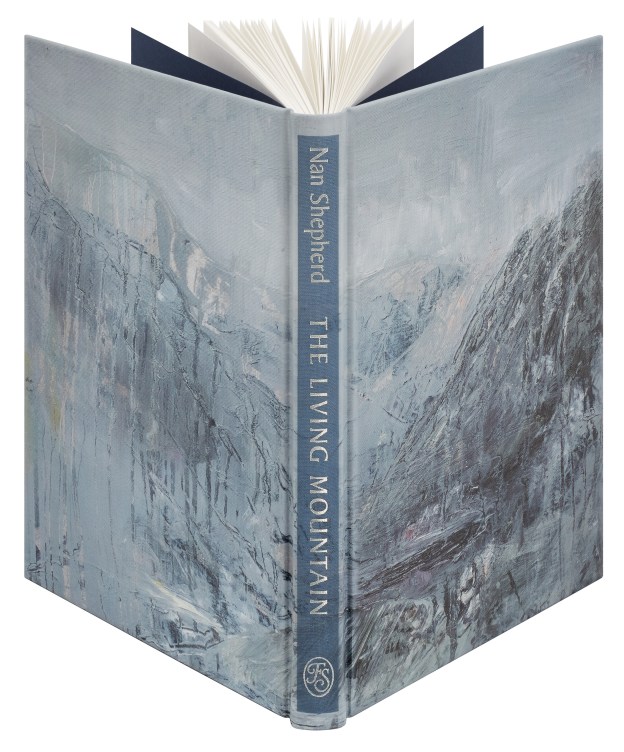
It was nice to recieve a mention in Aberdeen Live who were interested to hear that a selection of my paintings (commissioned by the Folio Society for their publication of Nan Shepherd’s Scottish classic The Living Mountain)  will be on exhibition at AAF this year with the Limetree.

Article link here – Aberdeen Art Fair to Feature Nan Shepherd-Inspired Works

Aberdeenshire is of course the birthplace and lifelong home of Nan Shepherd, so I’ll be taking the opportunity to appreciate the landscape while up there this weekend as I’ll definitely be heading up to attend the AAF on Friday. Hope to see you there!

https://www.aberdeenlive.news/news/aberdeen-news/aberdeen-art-fair-feature-nan-8709373

Coigach series day 3

Above – Coigach 2.  Oil on 5×7″ wood. Rose Strang 2023.

I’ve realised that strictly speaking this series should be called ‘Coigach Series’ since the paintings are not just my impressions of Achiltibuie. I tend to call the Coigach area of Scotland’s west coast ‘Achiltibuie’ since that’s where I go to visit friends when I’m up there. The whole area is Coigach though – named for one of the mountains in the area. Coigach is an incredible landscape featuring unbelievably pointy mountains with beautiful names such as Stac Polaidh and Suillven. I’m gradually getting to the more dramatic scenes as I progress.

I’ve been getting into the feel of this series on 5×7 inch wood, but today I moved on to 10×10 inch wood as I’ll be creating a series for the Limetree Gallery’s winter show this year. I feel this Coigach series will suit the gallery well. The gallery owners have asked their artists for paintings in the 10×10″ format, which suits me well as I often work at that size.

Here are the latest 7×5 paintings, and the first at 10×10 …

Achiltibuie series day 2

Above –  ‘Achiltibuie 3’. Oil on 5×7″ wood. Rose Strang 2023

It’s always interesting when you feel you’re going in the right direction paint-wise, but it’s not quite there yet. I prefer the painting below (Achiltibuie 4’. Oil on 5×7″ wood. Rose Strang 2023) to the one above. The one above looks predictable to me whereas the one below has more mystery. Hmmm!

P1010169

Achiltibuie series

Above ‘Achiltibuie 1’. Oil on 5×7″ wood. Rose Strang 2023

It’s been a very experimental time these last few weeks, not least since it’s impossible to find time to paint on a regular basis, or to focus on one subject with all the projects going on. My studio is temporary till next year and consists of a tiny kitchen alcove, until we find a new home somewhere rural where we can stretch out a little. Needless to say I can’t wait, but it’s a laborious process.

The painting above is from a series I’m painting of my impressions of Coigach and Achiltibuie where we stayed for a few days back in May. I’ve always loved the impressions of landscape that remain in imagination after driving through it. One of my favourite artists, Ilse d’Hollander, had a similar approach – she’d cycle through the countryside of Holland, then return to the studio to create semi abstract impressions. A ‘painter’s painter’ as she was described, she wanted to say a lot with little, more about distilled memories of her short journeys. A sense of space, or light, or distance for example.

I particularly enjoyed this short video about her work, beautifully filmed and edited by Gauitier Deblonde …

Ilse D’Hollander film

Despite all the distractions, I must find time to paint a series for the upcoming winter exibition at Limetree for November. I’m also getting together a little project with my friend and collaborator Atzi Muramatsu. I’ll be creating small portraits in oil on wood of Atzi and members of a small string quartet. The quartet will then play for one night at The Scottish Arts club in November. It’ll be a nice little project, meaningful but manageable!

I’m exploring some more abstract approaches at the moment, or mixed media anyway. This piece was created with plastic, cold wax and oils. Quite good fun, it’s good to loosen up – not to always feel you have to stick to the same approach.

363940404_1456751664899450_1146911646037166290_n

‘Waterfall’. Mixed media on 15×15″ wood. Rose Strang 2023