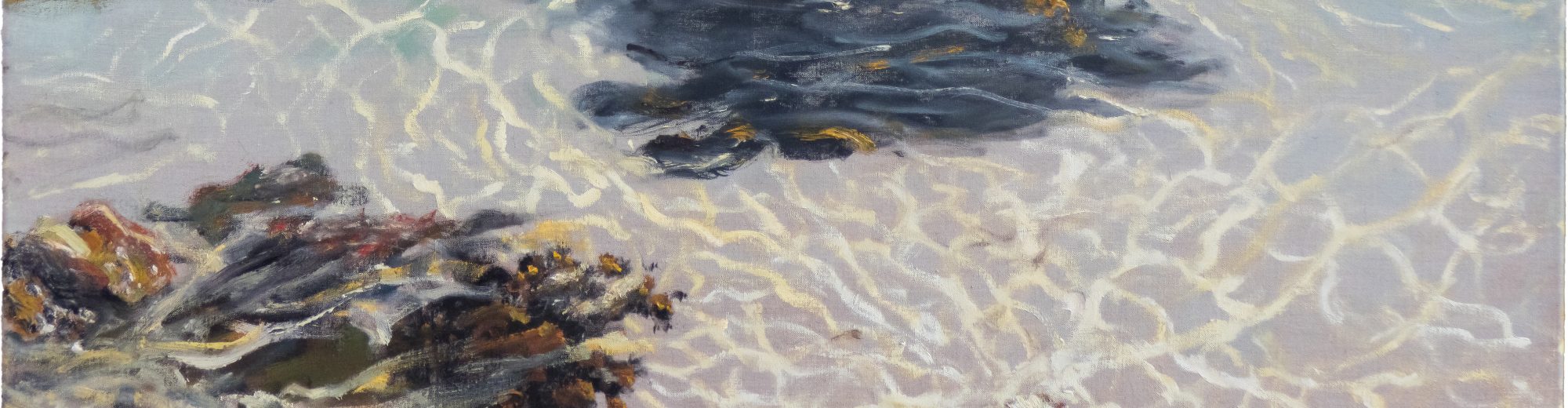
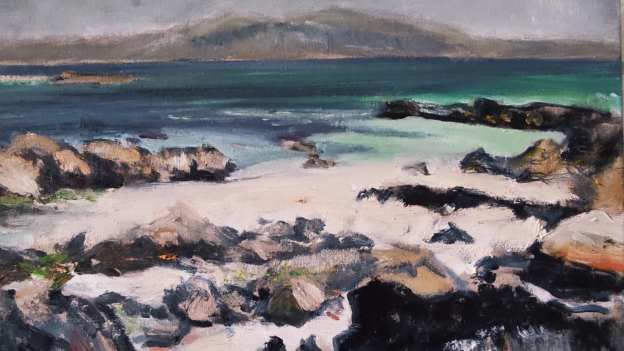
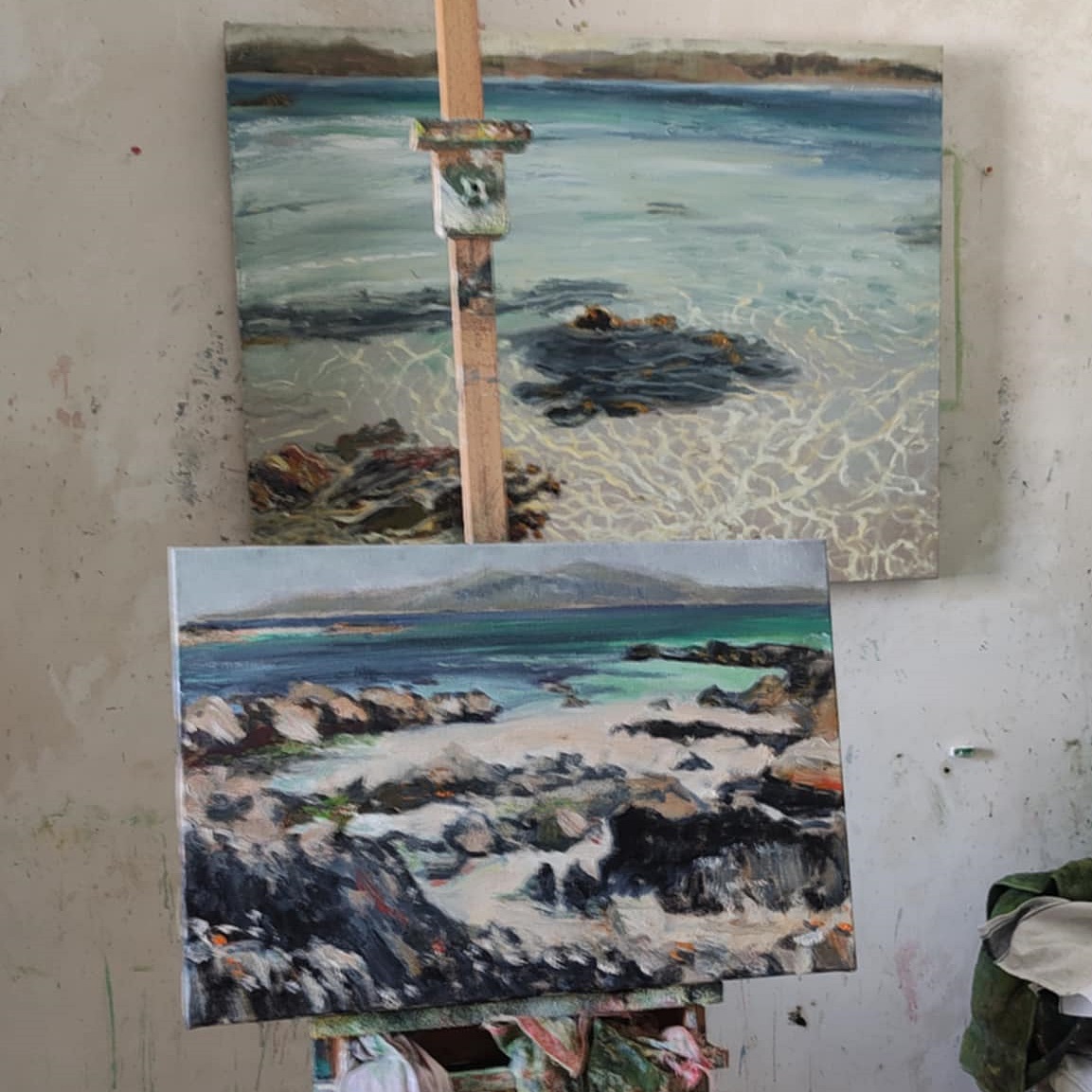
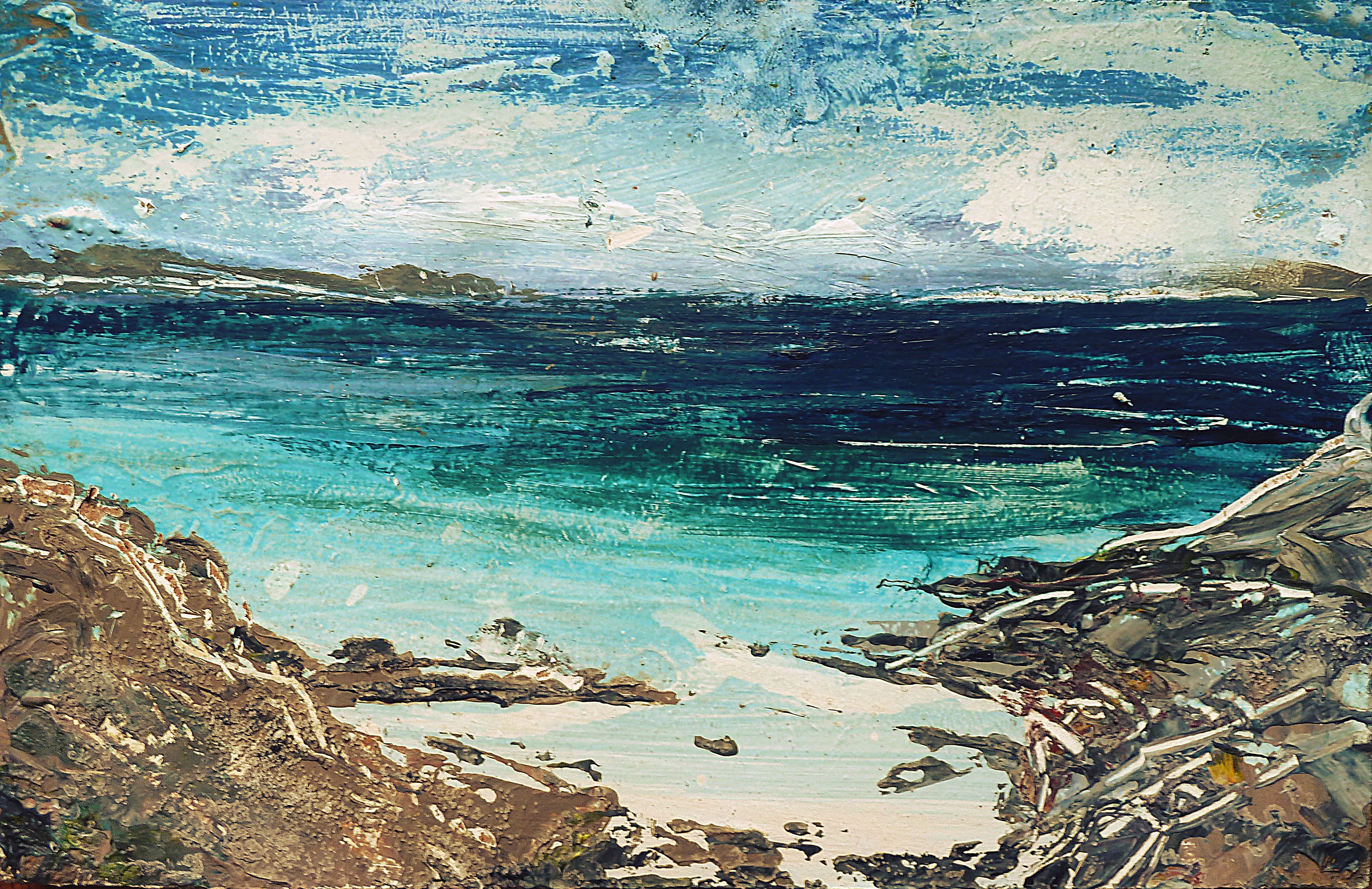
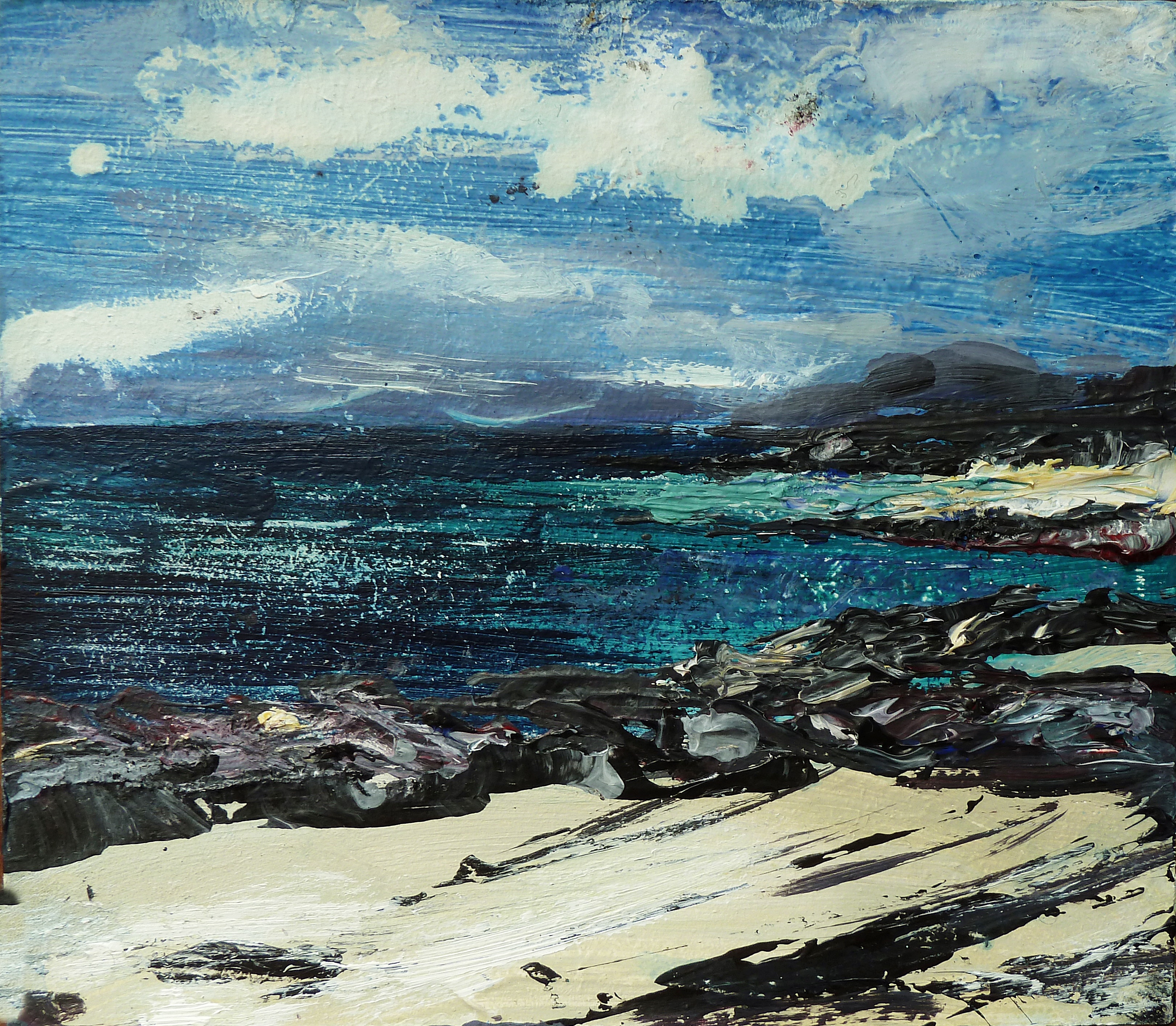
Above: North Beach Iona, May. Oil on 30×20 inch linen canvas. Rose Strang 2025
Lots of exciting new projects coming up!
The painting above is one of a series I’m creating for the Graystone Gallery, Edinburgh for their Edinburgh Festival exhibition, which launches on Saturday July 19th from 1 to 3pm
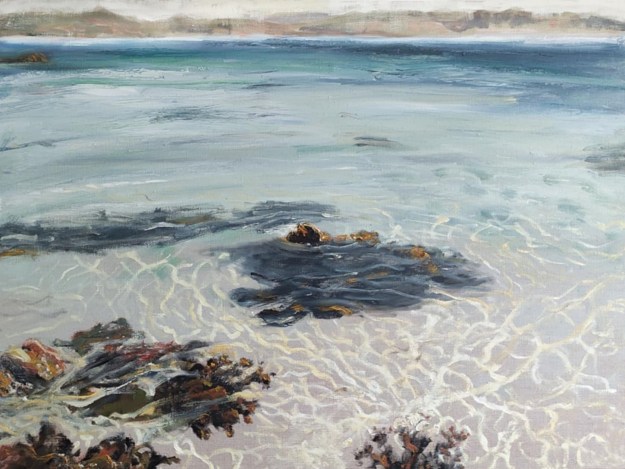
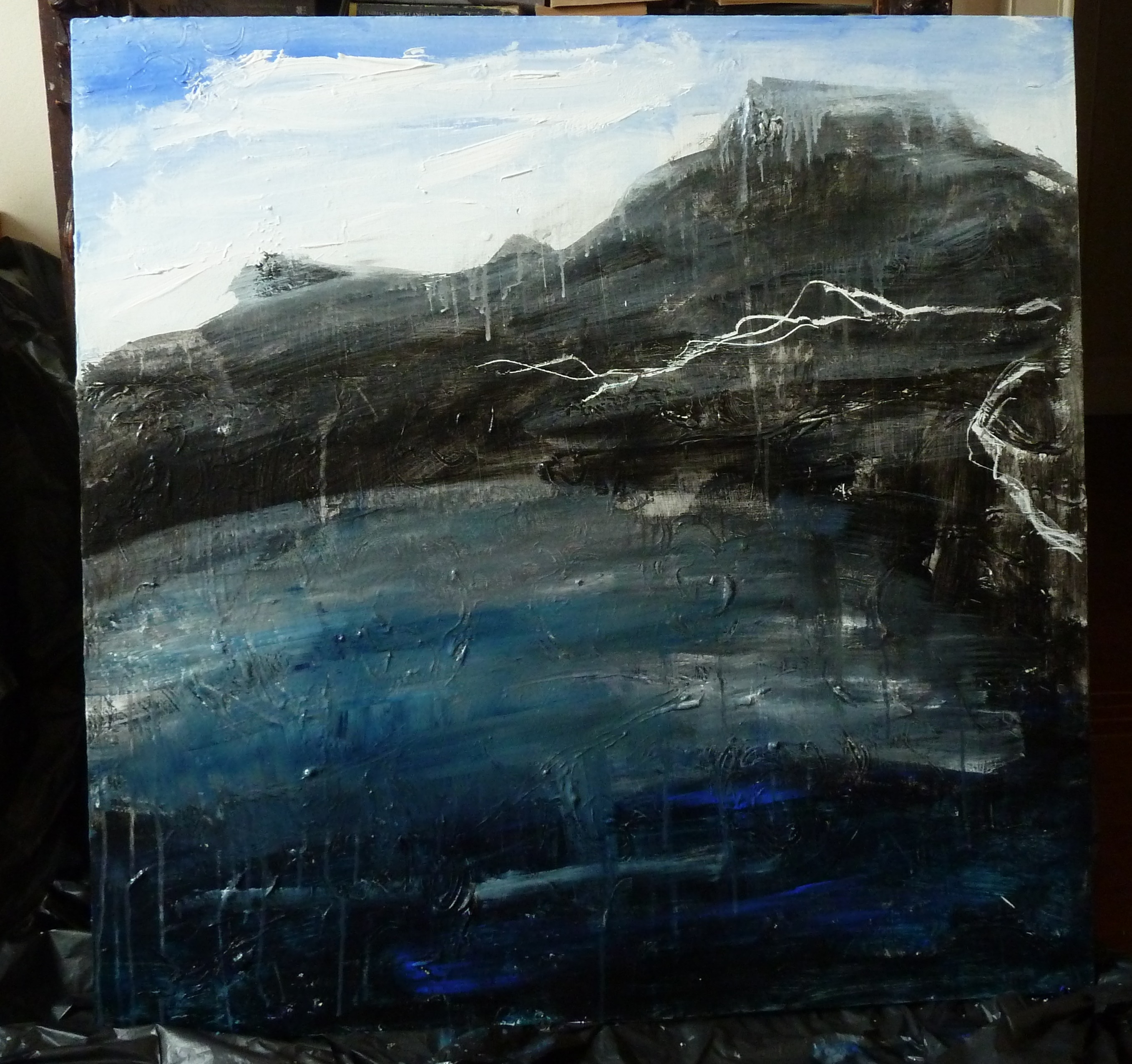
The painting below is for the Limetree Gallery‘s upcoming Summer Exhibition which launches 3rd July. You can preview or reserve paintings now by contacting them on their website.
(If you’re interested in buying or reserving one of the paintings please contact the galleries direct on the links in the above paragraph, thank you).
‘Sea Light, Iona’. Oil on 40 x 30 inch linen canvas. Rose Strang 2025
I have another three at larger sizes for the Graystone coming up. Readers of the blog will know how much Iona means to me, and to thousands of other people who visit the island every year. It’s a special place I’ve been visiting now for about thirty four years and I’d say it’s one of my biggest inspirations as an artist.
The next larger paintings will be a bit more abstract, but I know that people find these paintings of turquoise sparkling water joyful, and so do I!
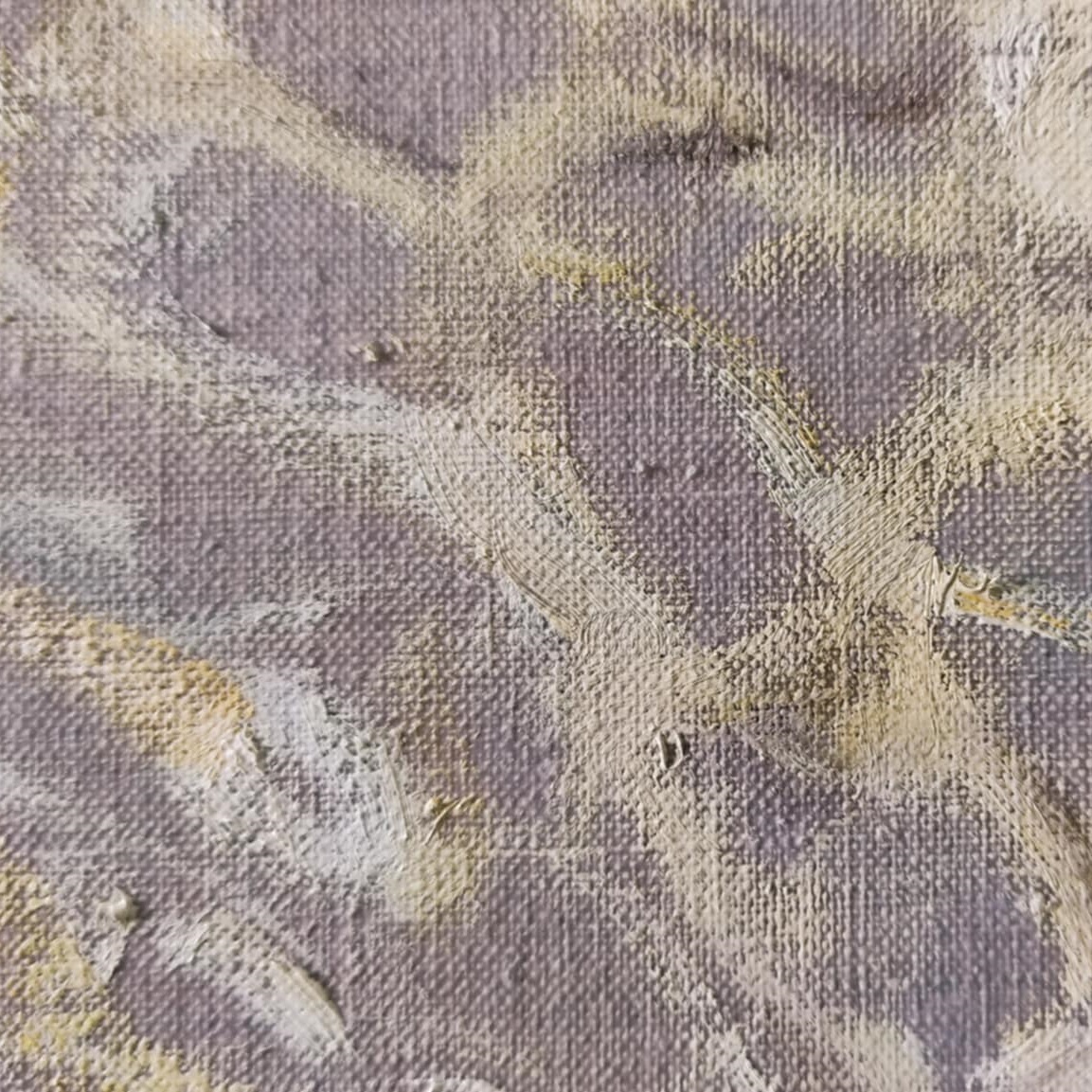
This series is doubly special since my partner Adam and I prepared the canvases ourselves with sretcher bars and raw linen.
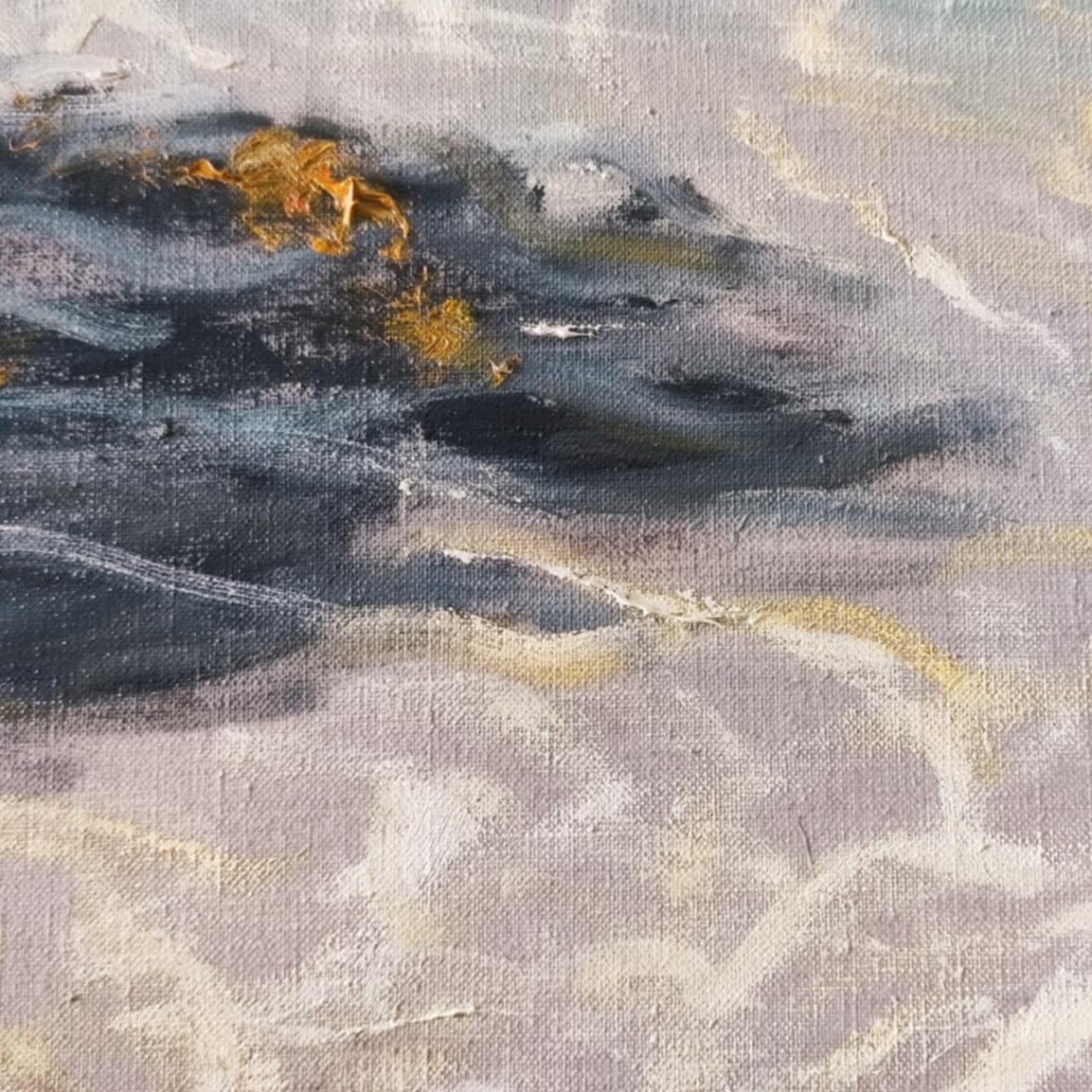
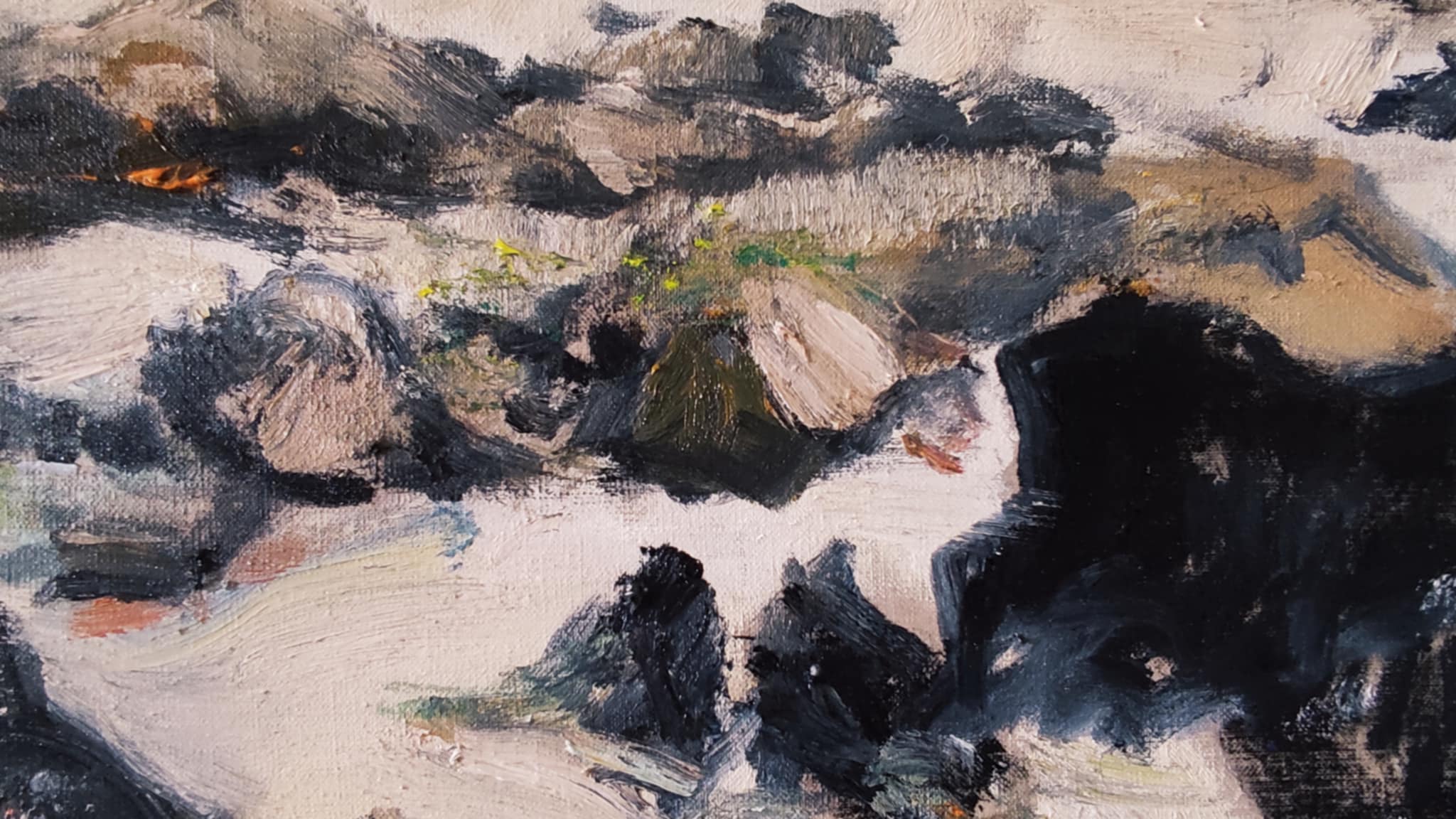
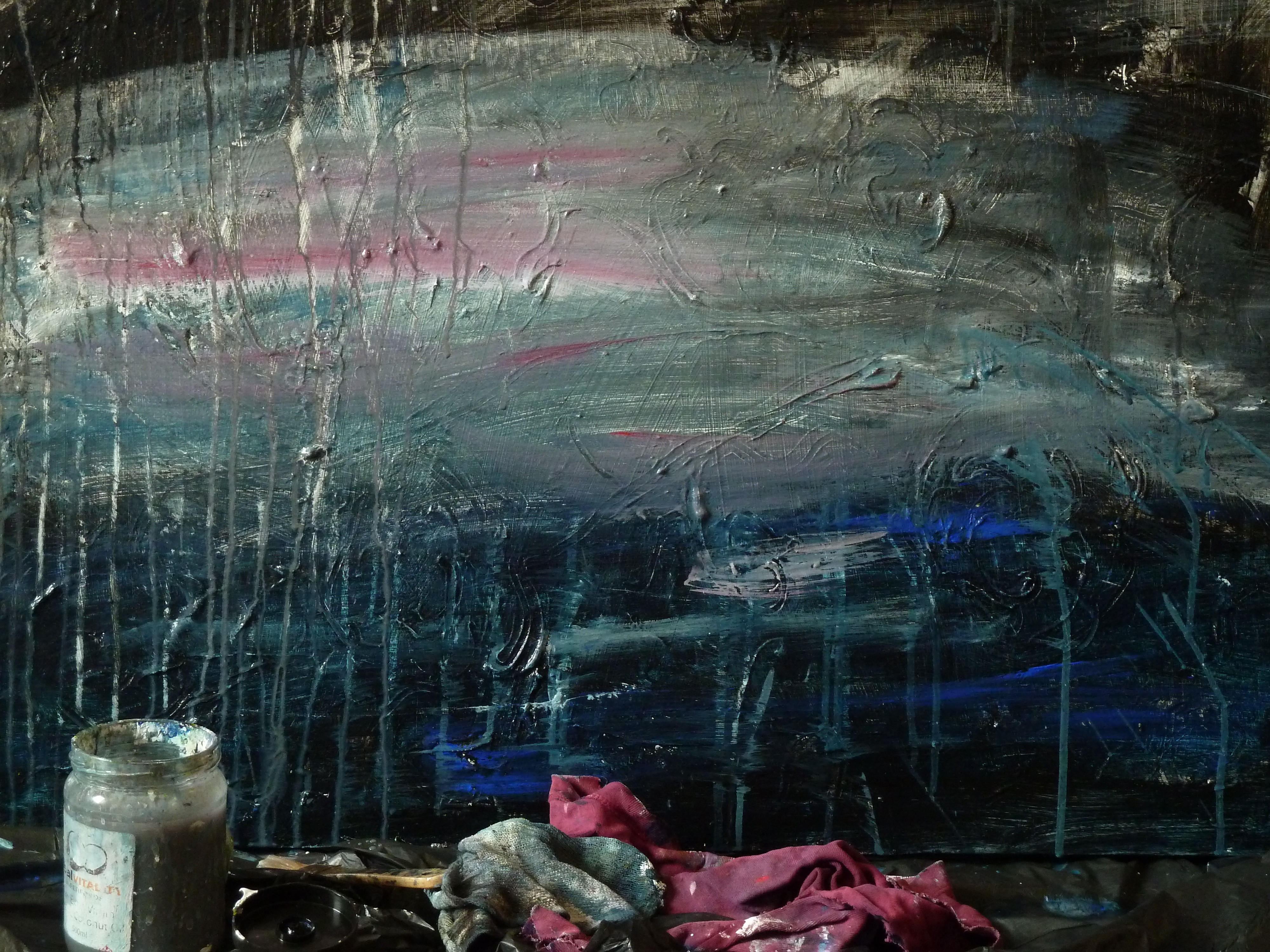
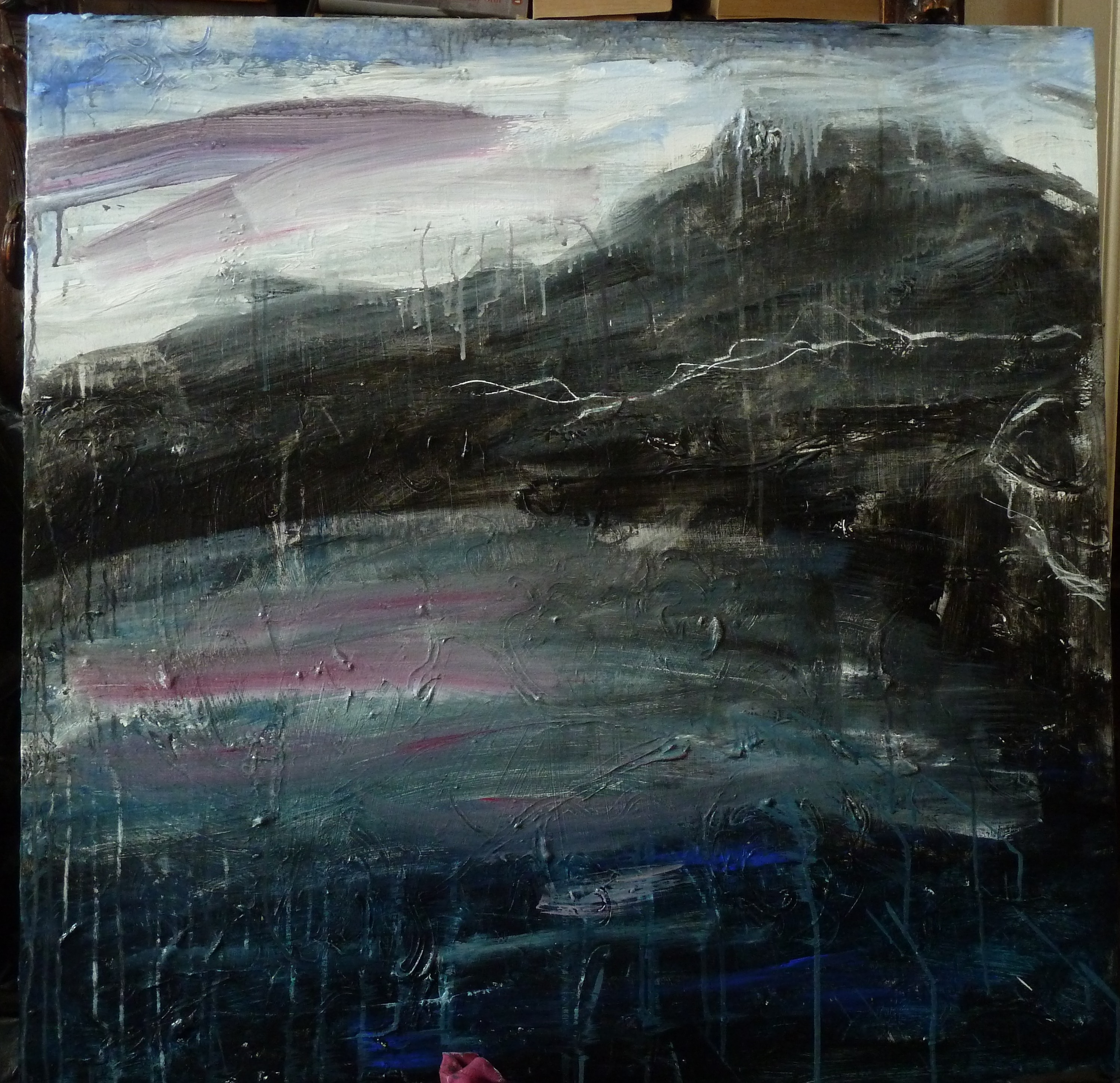
I’ve kept the lovely texture and colour of the linen by using clear gesso. If you look at the close ups of ‘Sea Light, Iona’ and ‘Iona North Beach, May’ below, you can see the unpainted canvas …
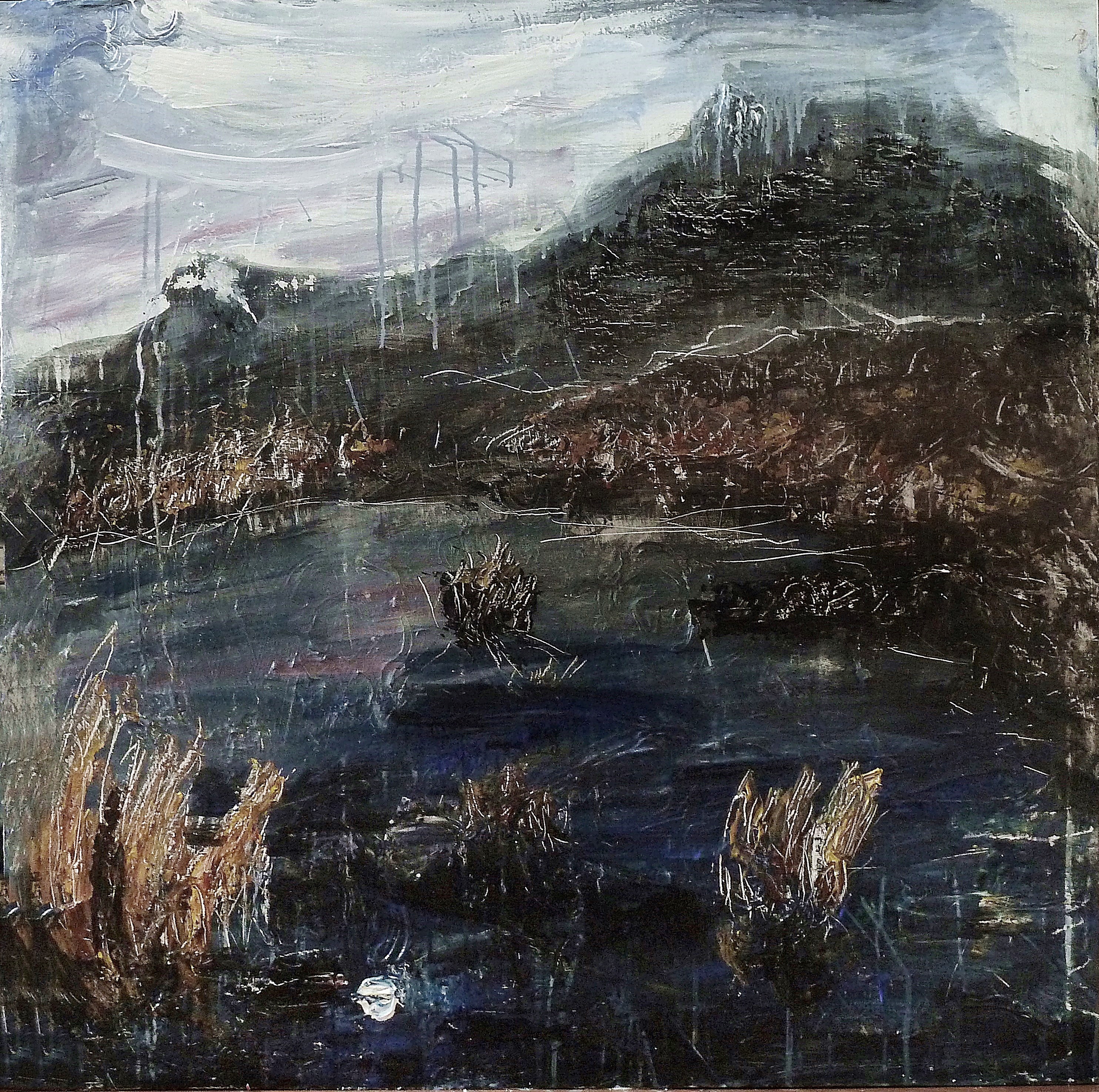
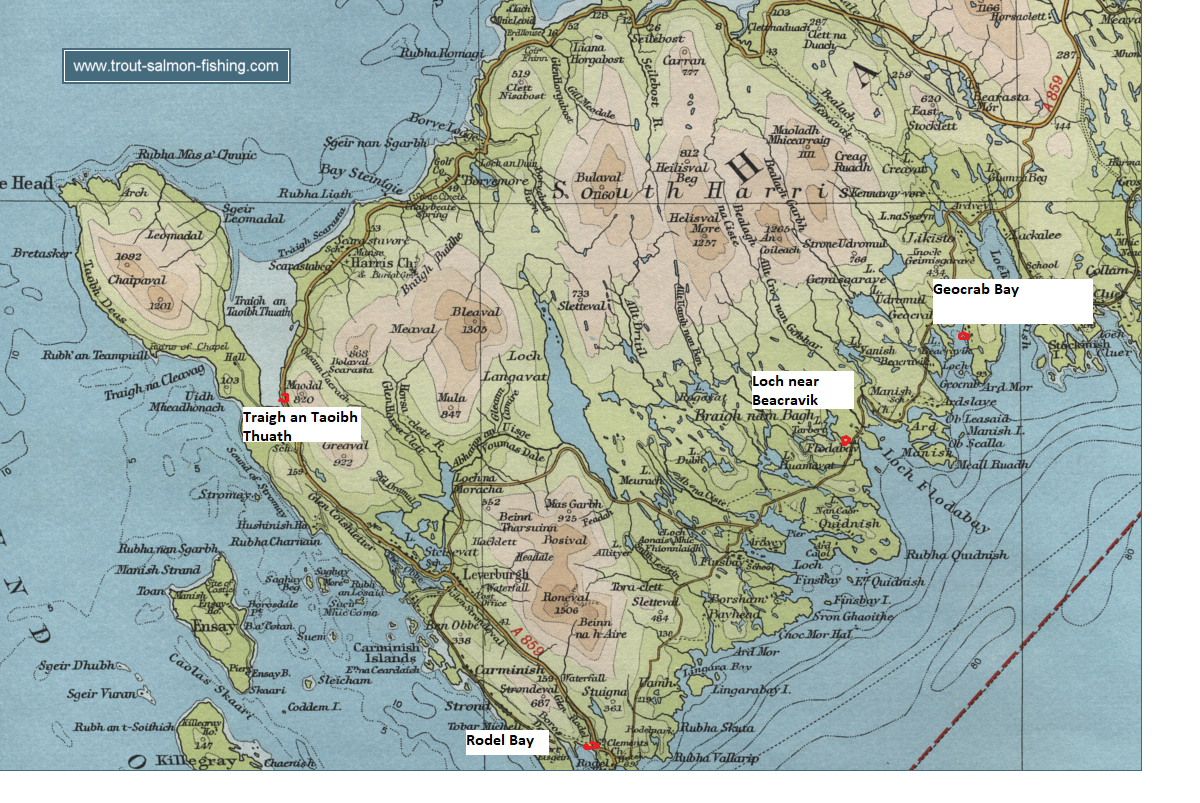
Today’s paintings of the luminous Na Buirgh beach on the west coast of Harris.
I’ve decided to go with the Gaelic place names for most of this series, mostly because it reflects the history of the island. Many of these are Gaelicised Norse due to Norse settlers and rulers in Hebridean history.
Na Buirgh is also written as ‘Borve’. ‘Na’ means ‘the’. Buirgh, roughly translated, means ‘burgers’ or inhabitants. It’s probably pronounced something like Na Beeyuryih.
I can’t speak Gaelic, though I know quite a few words (mostly through singing Gaelic songs and travelling through the west coast where the sign posts are in English and Gaelic). Opinion is divided on maintainance of Gaelic place names, since it costs double the money (same in Wales) but most feel it’s an essential way of keeping a language therefore a history, alive.
Of the (approximately) 26,000 plus inhabitants of the Outer Hebrides, about 50% speak Gaelic (in the 1920s it was around 75%).
There’s a lot of history surrounding survival of the Gaelic language. Since I’m not a historian I can’t do the whole subject justice here (and anyway this is an arts blog with occasional forays into other subjects) but to give a brief picture – the dropping numbers of Gaelic speakers in recent history has much to do with compulsory English taught in schools throughout the UK, but it goes back much farther than that, to the aftermath of the Jacobite wars.
It’s a history well worth exploring if you’re not familiar with it, basically Gaelic and Highland culture in general was suppressed after the final Jacobite rebellion at Culloden. Tartan was banned of course – much later revived when Queen Victoria, much influenced by the romanticised Highland history as written by Sir Walter Scott, decided to build Balmoral and encourage the wearing of tartan and general symbols of Highland culture in general.
There is a very dark irony around that of course, since many of the more violent aspects of the destruction of Highland culture and society after 1745, in addition to the later Highland clearances, amounted to ethnic cleansing.
Written Gaelic looks unwieldy if you don’t know how to pronounce it, but hearing it spoken or sung is a different matter. Here’s acclaimed Gaelic singer Rachel Walker singing Braighe loch lall. (Braes of Locheil). If you’re interested in the translation I’ve included original Gaelic and translation below..





 Rose Strang Artworks