Author Archives: rosestrang

Unknown's avatar

About rosestrang

Artist, Painter

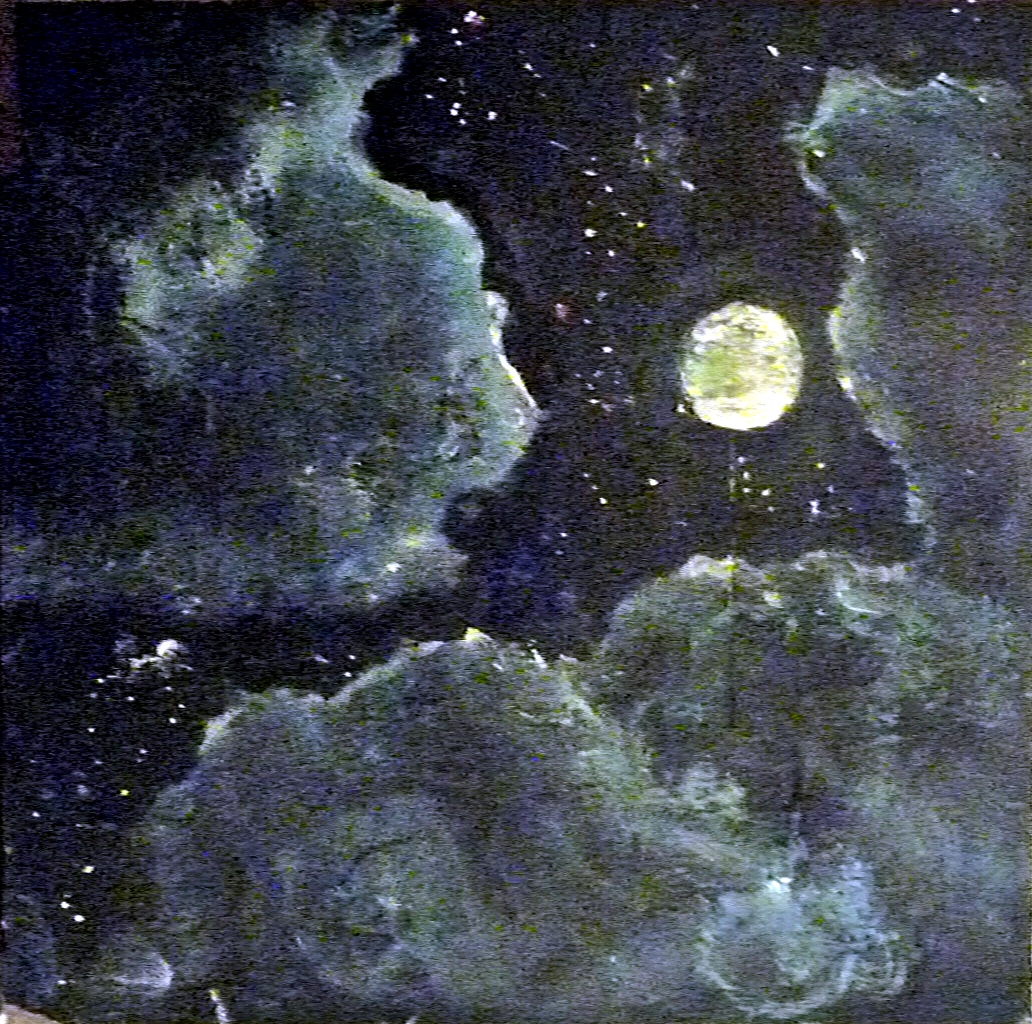
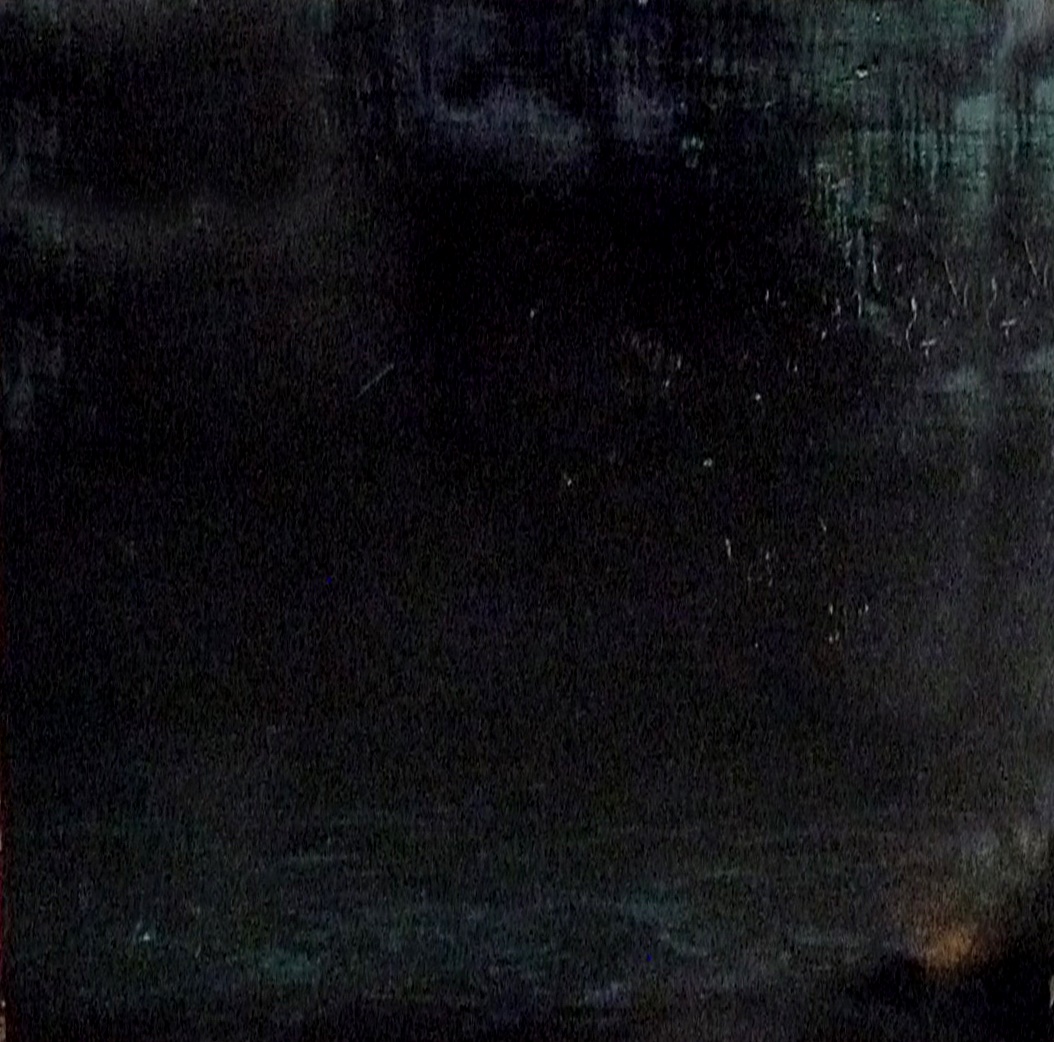
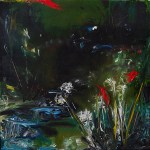
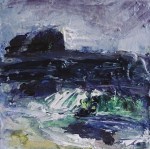
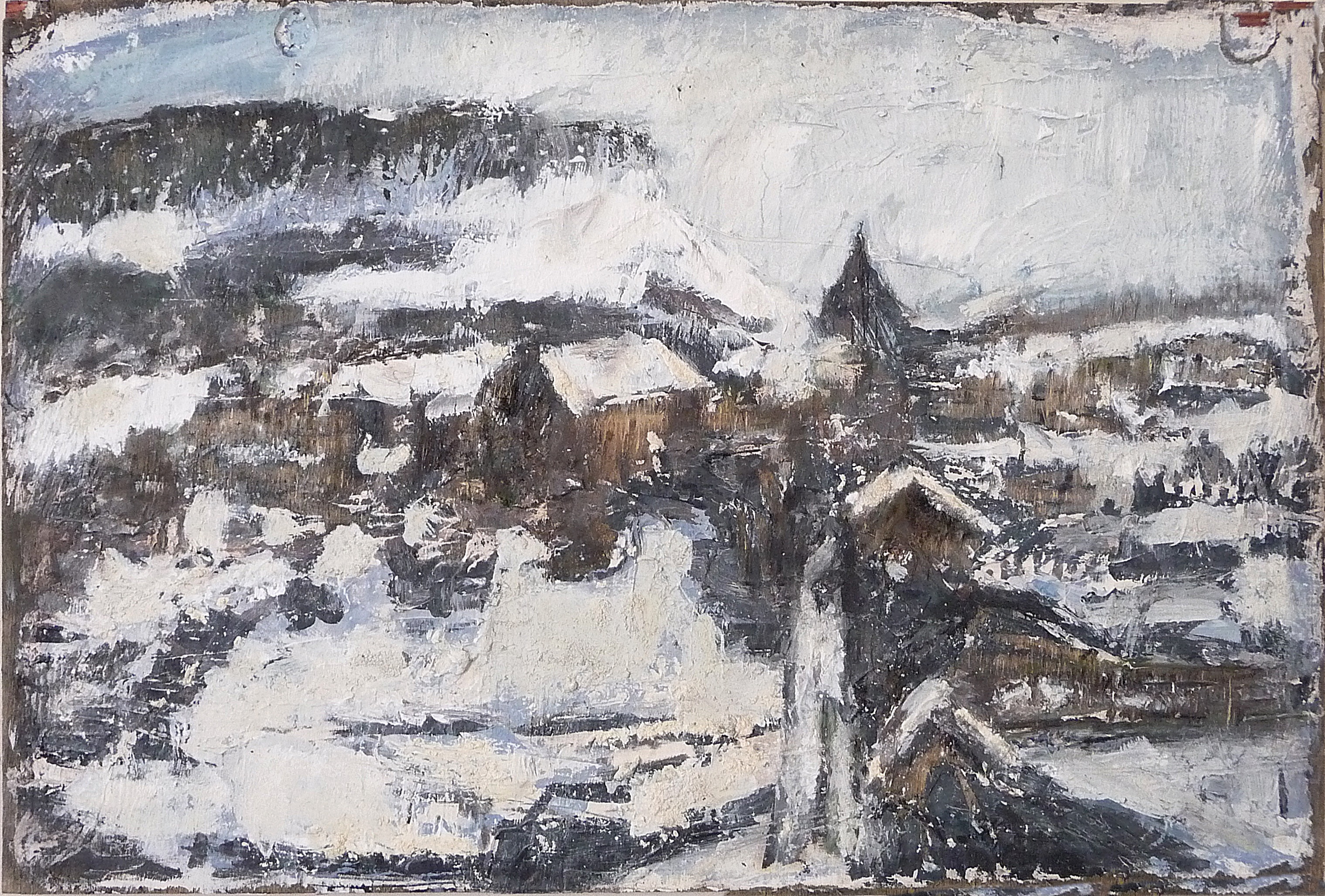
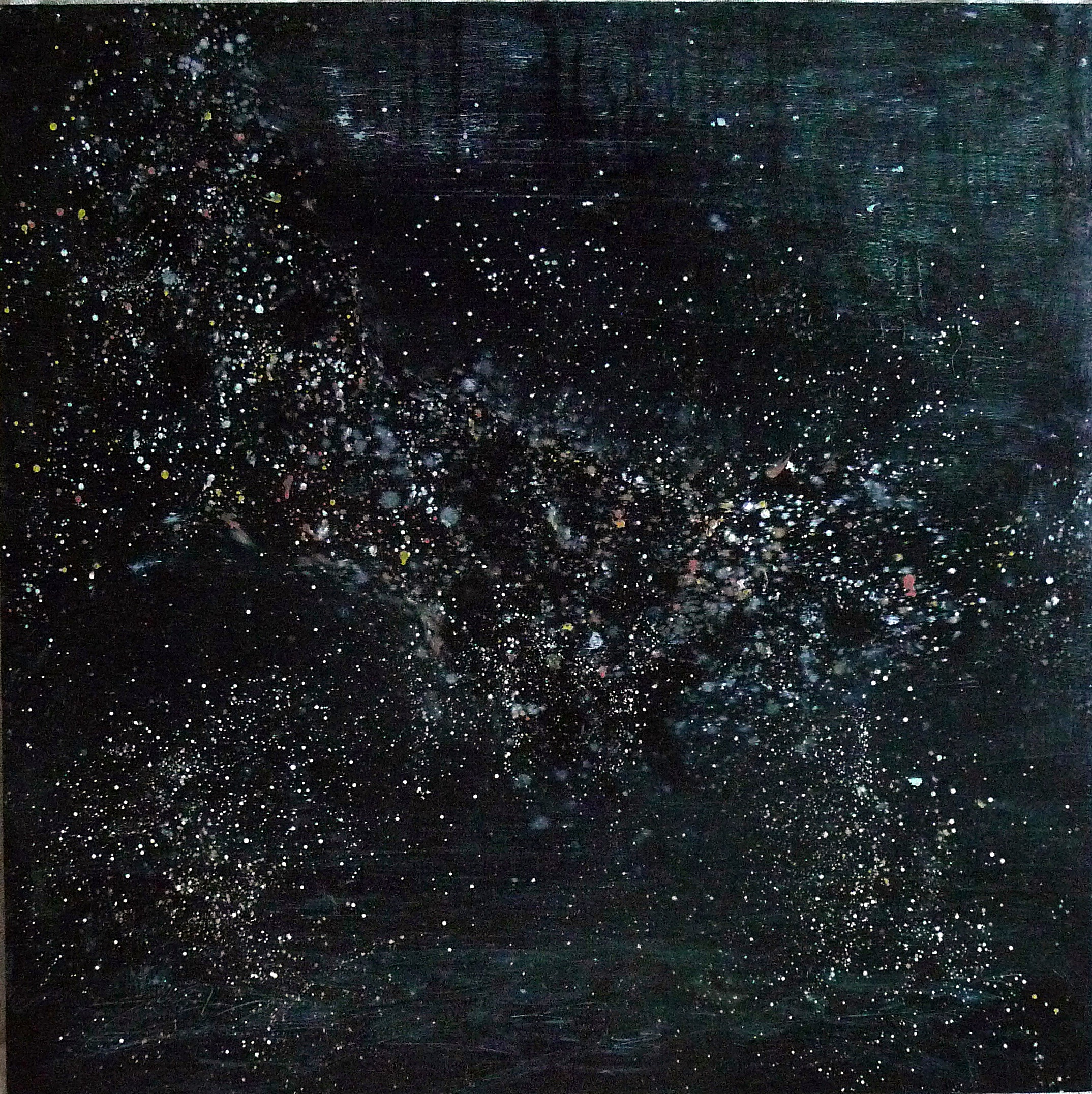
‘Saturn’ (September ‘Planets’ exhibition 2019)

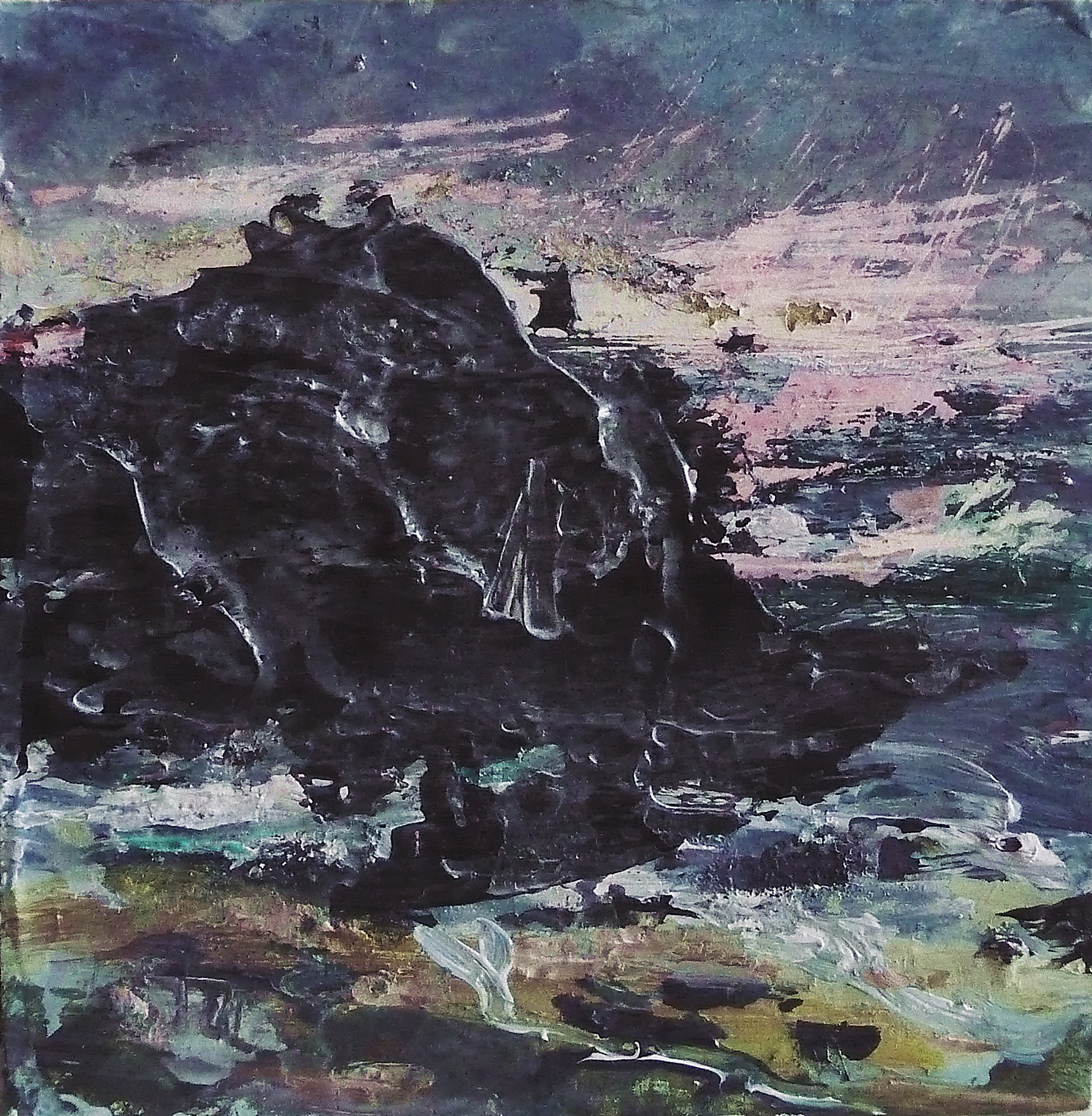
‘Saturn. Planets Series’. Oil on 30×30″ panel. Rose Strang 2019

This is the final ‘Saturn’, created for the upcoming exhibition on the 12th September this year. This one was painted purely in oils since black is such a tricky colour to work with and oil pigment has more depth of pigment and versatile texture.

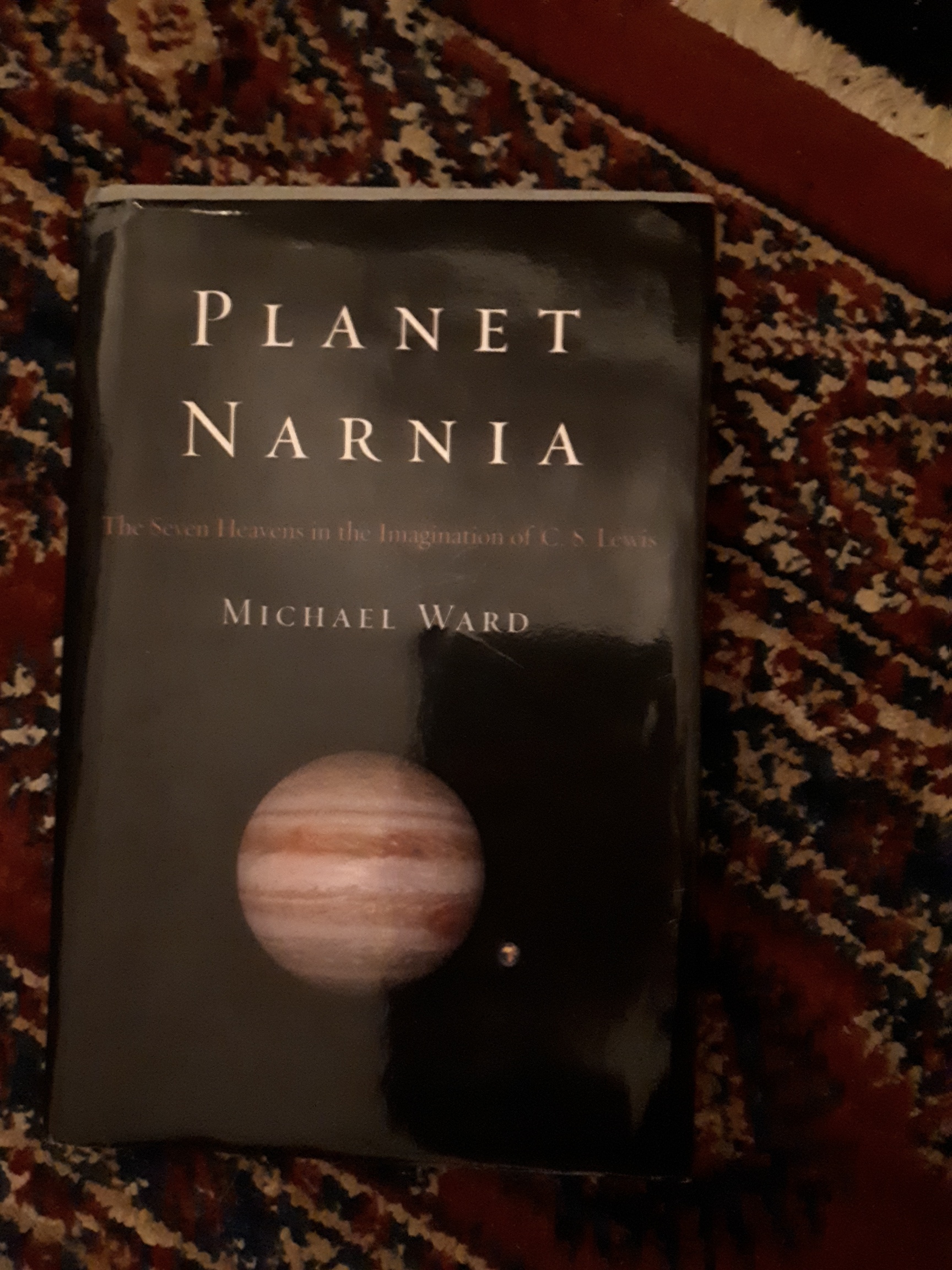
This is a continuation of the Planets Series I’m creating this year, which takes inspiration from the planets as understood in Medieval cosmology, and the seven books of Narnia which were each inspired by the seven planets, as discovered by Michael Ward, author of ‘Planet Narnia’.

The exhibition launch takes place at 6pm on the 12th September at the Demarco Archives Gallery in Edinburgh’s Summerhall. (The rest of the series in progress can be viewed Here)


I’m particularly looking forward to the accompanying talk by Michael Ward (author of Planet Narnia. The Seven Heavens in the Imagination of C.S. Lewis) which begins at 6:30pm 12th September in the Main Hall at Summerhall, Edinburgh, as part of the exhibition launch.

Michael Ward is one of the world’s leading experts on the works of C.S. Lewis. It was his particular interest in the Narniad that led to his unique discovery that each of the Narnia Chronicles corresponds to the seven planets as understood in Medieval imagination.

Michael studied English Literature at Oxford, Theology at Cambridge, and has a PhD in Divinity from St Andrews. His PHD focused on the Narnia Chronicles, and it was during PHD research that he chanced upon the link between the books and Medieval planets. Only someone steeped in the entire works of Lewis, including Lewis’ poetry, would have recognised these associations.

Towards the end of 2018 I was exploring medieval symbology when I discovered one of Michael’s lectures on You Tube (see link below) which explored the Narnia/Medieval planets connection. Having been a Lewis aficionado since childhood I was immediately intrigued, so I ordered the book and have been attempting an artistic response ever since.

It has proved highly challenging, but I know I’ll be exploring these themes further in future. It has been richly rewarding, not just artistically but absolutely as part of exploring life’s experiences – difficult to explain why until you yourself have explored these rich associations, which reach back into pre-history in many ways, yet have contemporary and individual significance.

I never imagined I’d be delving so deep into these ideas and I’m grateful that Michael has responded so positively to the artworks, and I was of course delighted when he agreed to give the talk this September.

I was also delighted that Richard Demarco was enthusiastic about hosting the exhibition and event at his gallery in Summerhall, since Richard’s life’s work in the arts touches on many of the themes explored in this exhibition and talk (such as a non-linear concept of time, connections between the arts, sciences and faith, and ways of imagining or perceiving our experience of life).

I highly recommend watching this documentary (link below) for a taste of why it’s so fascinating as a subject. Michael Ward is an engaging and humorous speaker, and I’m sure that people from all walks of life, whether from a creative, historic, literary or theological perspective (not to mention the many people across the world who simply appreciate the Narniad as engaging and compelling stories) will really enjoy the talk this September, and I hope, the exhibition of my paintings too!

Mars and Mercury

‘Mars. Planets Series’. Mixed media on 30×30″ wood. Rose Strang 2019

‘Mercury. Planets Series’. Mixed media on 30×30 inch wood. Rose Strang 2019

Today’s large versions of the ‘Planets Series’ for the upcoming exhibition in September.

There are two ‘Planets Series’; the smaller works, which were a practice run, and the larger series which I’m calling the ‘September Planets Series’.

You can view both series on ‘Artworks’ in the menu above. (the larger series is currently in progress but there will be seven paintings).

For more details about the September 12th exhibition, and the accompanying talk by Michael Ward (author of Planet Narnia) – click Here

On to the big ‘Planets Series’ at last!

‘Sun, Planets Series’. Mixed media on 30×30″ wood panel. Rose Strang 2019.

I’m now working on the big ‘Planets Series’ paintings, and today completed the 30×30 inch version of ‘Sun, Planets Series’ (above).

I mentioned a while back that there will be a September exhibition, and I’ve been waiting to confirm a few details before announcing the exciting news that Michael Ward, author of the excellent Planet Narnia, the Seven Heavens in the Imagination of C.S. Lewis will be giving a talk at the exhibition launch!

If you’ve read any of my blog recently you’ll know how inspired I’ve been by the book, which uncovers the hidden meaning behind the seven Chronicles of Narnia. In the book, Michael Ward describes the influence that Medieval Cosmology, and related myths surrounding each of the planets, had on the Narnia Chronicles, with each book corresponding to a particular planet as understood in the Medieval cosmos.

Nowhere in the Narnia Chronicles is this made explicit, but as Michael Ward explains, Lewis evokes the influence, atmosphere and associated qualities of each planet in the stories. It took someone as steeped in all of Lewis’s literary works to recognise Lewis’s particular understanding of Medieval mythology, also to recognise that C.S. Lewis was absolutely the sort of writer, and character, who would wish to keep this meaning hidden…

If you want to find out more, then keep your diary free for the 12th September 2019. The exhibition and accompanying talk by Michael Ward is being hosted by the Demarco Gallery at Summerhall, Edinburgh.

If you’re a C.S. Lewis aficionado you don’t want to miss it! I’ll be posting the rest of the Planets series at it emerges in the next two months.
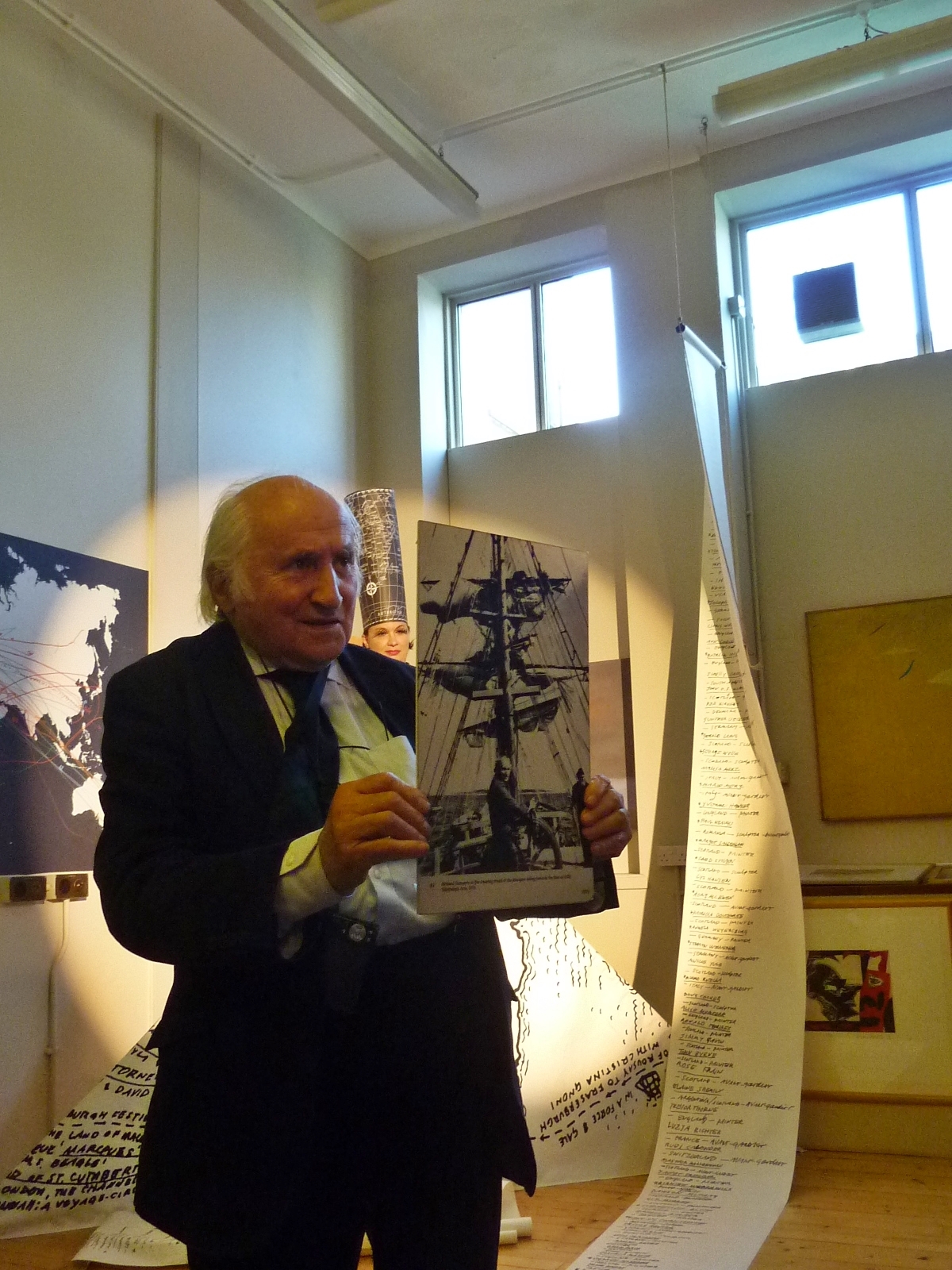
Here’s the excerpt from Lewis’s The Voyage of the Dawn Treader (corresponding to the Sun) which I was thinking of when painting today …

Exhibition launch event

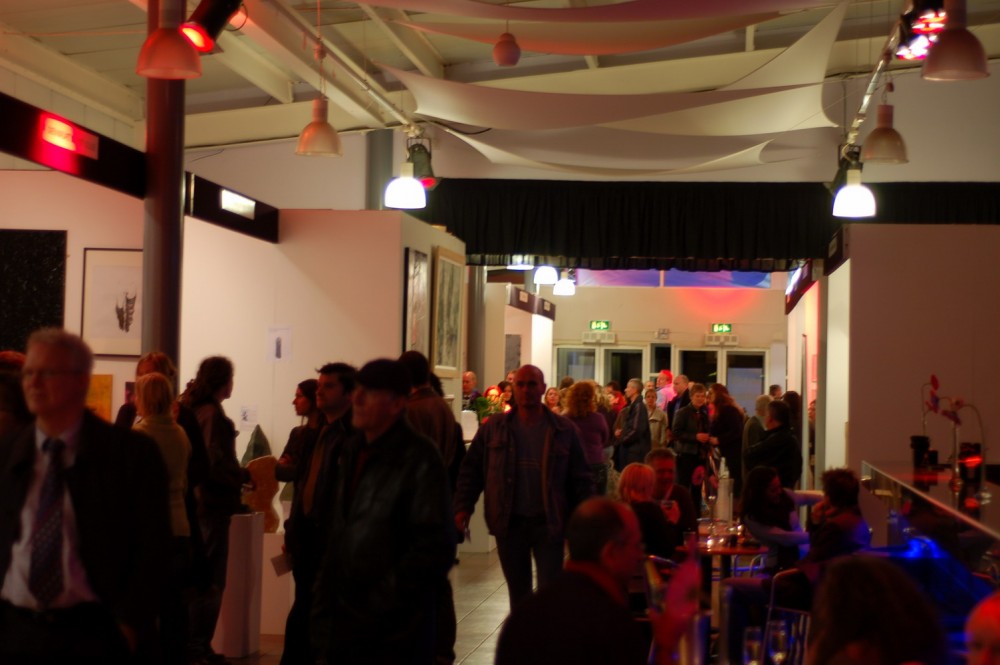
We had a beautiful evening for the ‘Planets Series’ exhibition launch yesterday! (More photos below).

It very convivial, and very atmospheric thanks to Atzi Muramatsu‘s beautiful cello performance in response to themes of the exhibition and paintings. I’ll be editing a video of the performance  soon which I’ll post here on the collaborations page. I really enjoyed the range of moods Atzi expressed which reflected the way each painting expresses a completely different atmosphere.

Thank you to all who came along, warm thanks to buyers of the paintings; Arlene, Adam and Fiona. Many thanks to Liza Horan for hosting help, mum for delicious cocktails, Donald Ferguson for glasses and set-up and Adam Brewster for taking excellent photos and videos of the event!
The exhibition is open to the public on Sunday 3th June and July 7th from 1 to 6pm daily. All info here – Open Studio

(Photos, Adam Brewster)

Venus revisited

‘Venus. Planets Series’. Mixed media on 10×10″ wood. Rose Strang 2019

The final small version of Venus, finished today – just a day before the exhibition!
I felt the earlier version was twee and unconvincing – I was going for a mythical look which veered towards Disney, when I wanted something a bit more primordial – an Eden-like landscape of lushness. So although I’ll never be satisfied with my attemps at a Venusian atmosphere at least this is a little closer.

I enjoyed painting the rougher brushwork too. Here’s a detail …

Exhibition launches tomorrow, with a performance by my friend and collaborator, the excellent Atzi Muramatsu, who’ll be responding to the themes and paintings on cello! All info here Planets Series

Small Paintings

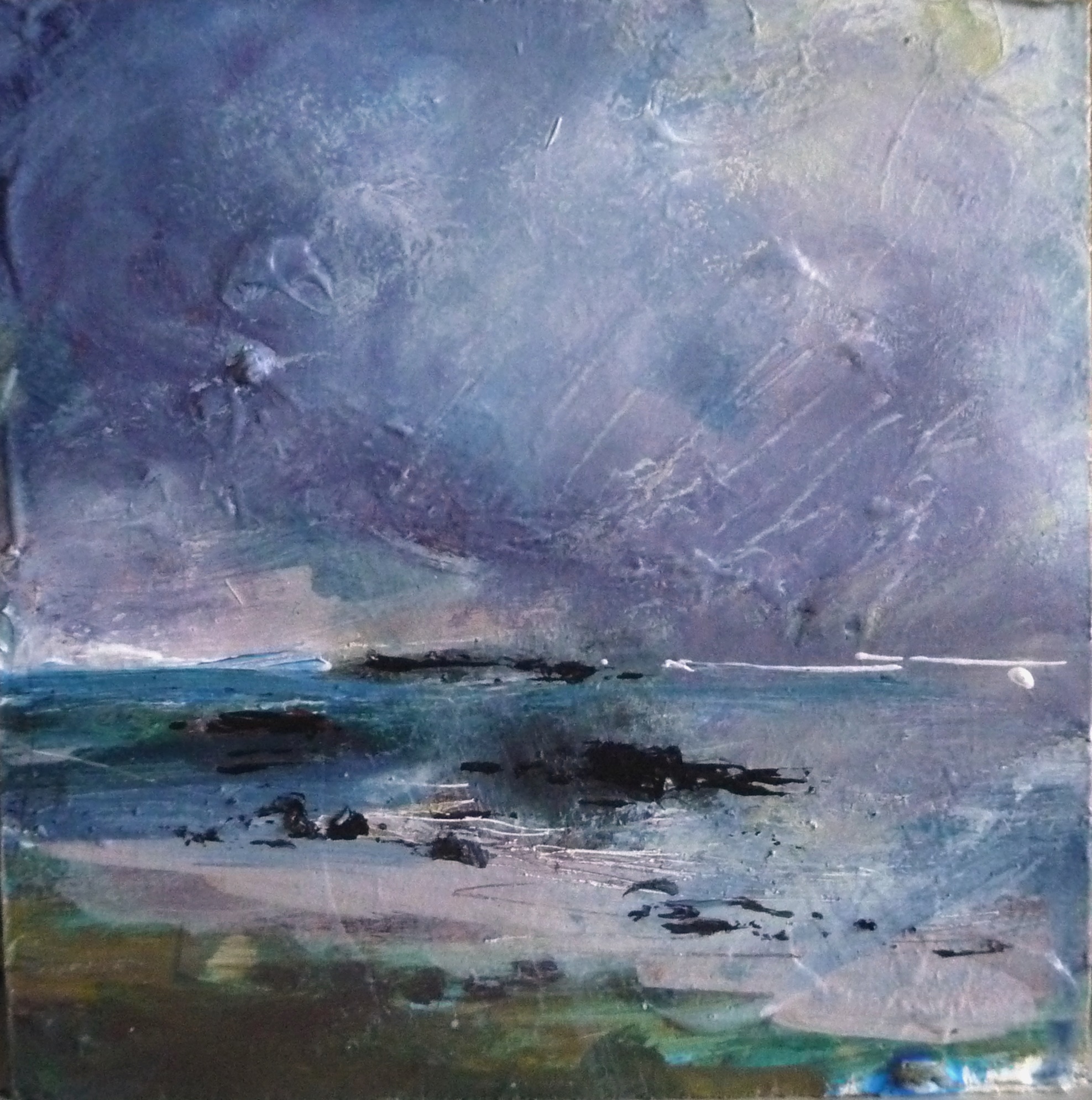
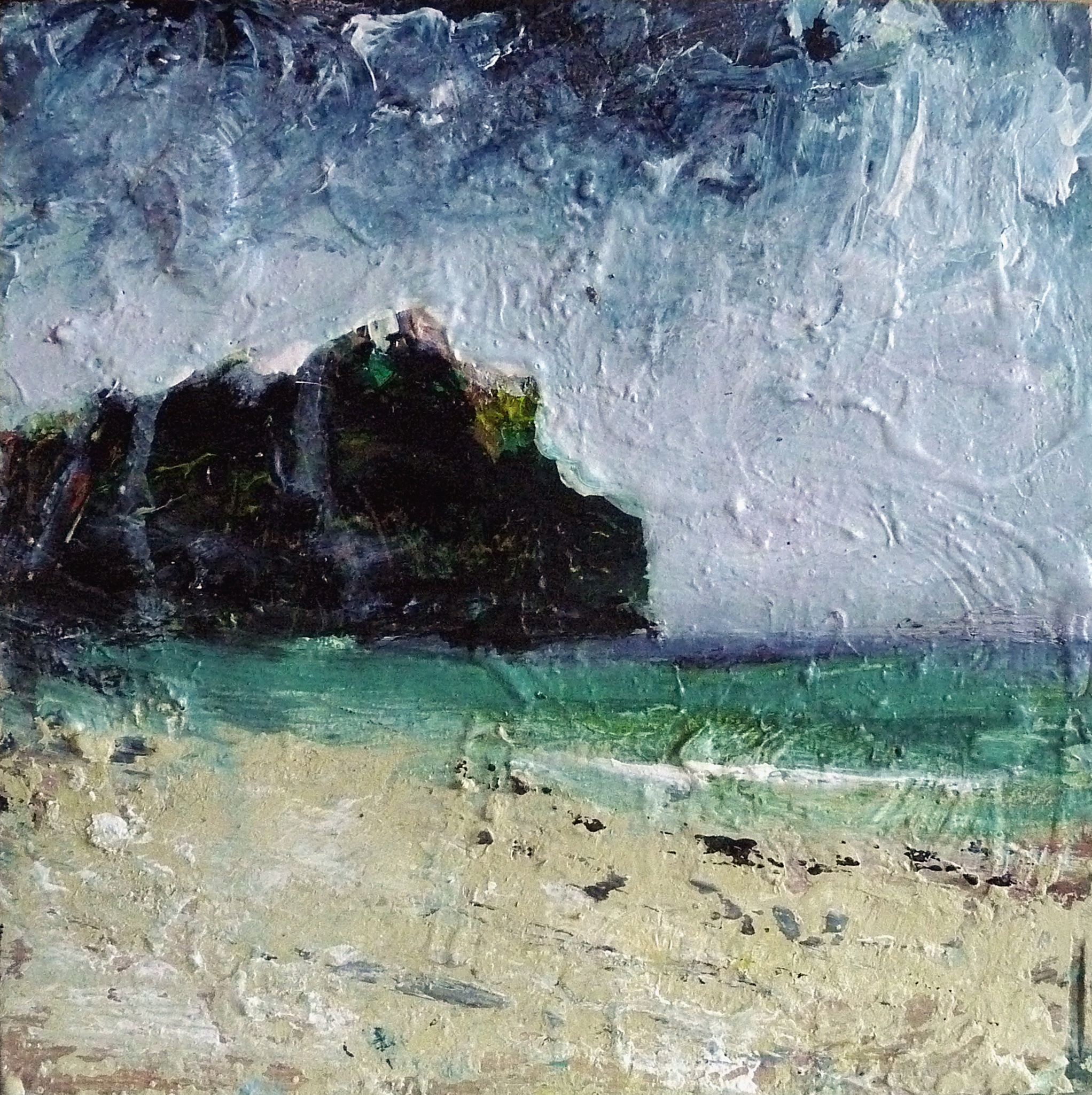
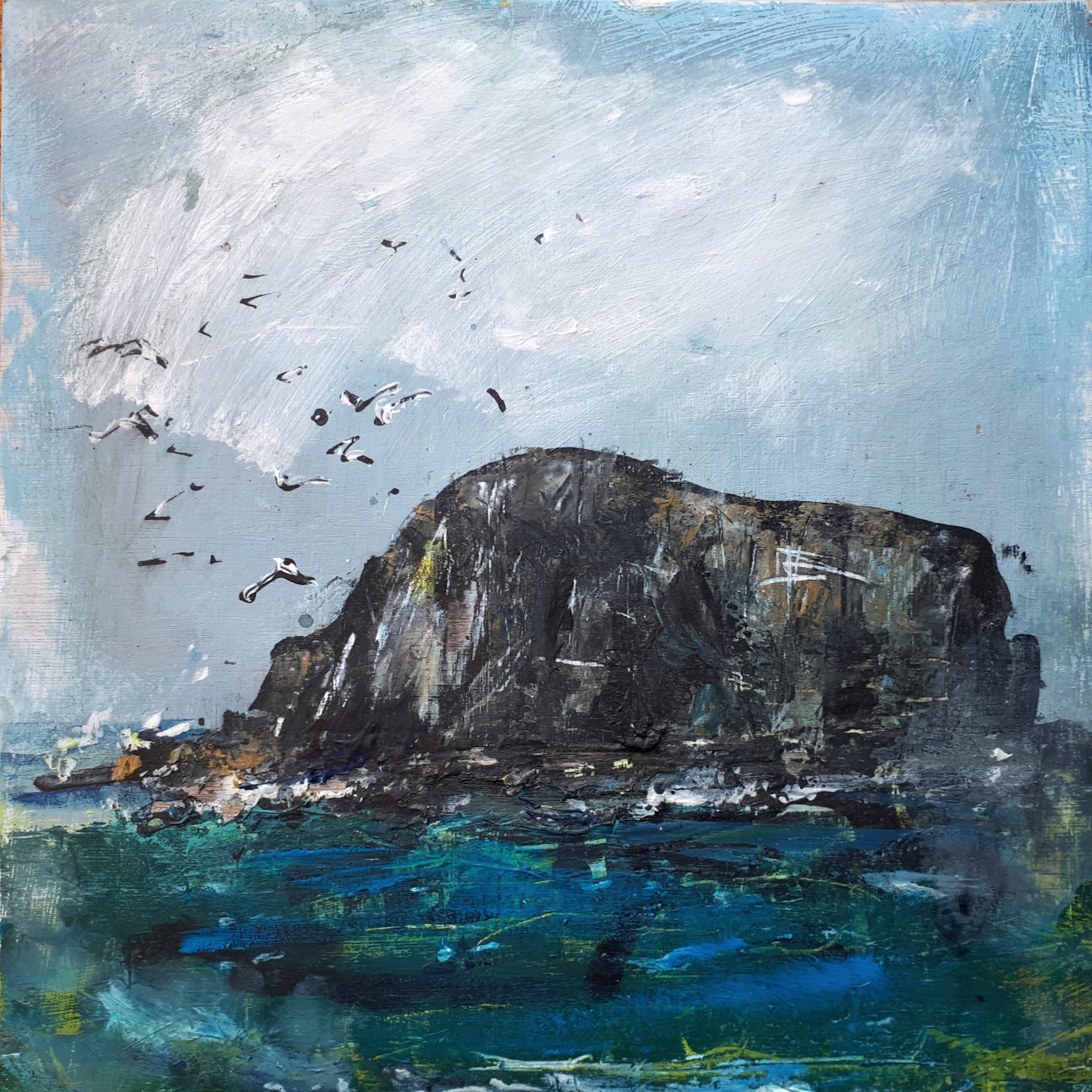
‘Isle of Iona’. (paintings are numbered 1 to 3 from left). Mixed media on 3.5×3 inches. Rose Strang 2019. (includes mini easel).

I’ll be painting more of these little artworks (in the photo above) over the coming months, which will be available for sale in art galleries in the landscapes painted.

If you’re interested in buying one of these, contact me at rose.strang@gmail.com and I’ll let you know where they’ll be available, or you can commission something similar if you prefer.

As they’re very small I think they’re a lovely way of acquiring one of my original paintings at a more affordable cost!

Iona Series


Mars revisited

‘Mars. Planets Series’. Mixed media on 10×10 inch wood panel. Rose Strang 2019

Today’s version of Mars. I attempted a crackle-glaze effect which didn’t work, but I like the immediacy and mad colours. It suggests a castle under attack perhaps.

I’m creating Planets series paintings for two exhibitions this year – a smaller series of studies for a June exhibition at my studio in Abbey hill, in preparation for an exhibition and talk to take place in Autumn this year.

This is a continuation of the Planets Series I’m creating this year, which takes inspiration from the planets as understood in Medieval cosmology, and the seven books of Narnia which were each inspired by the seven planets, as discovered by Michael Ward, author of ‘Planet Narnia’.

Info about June exhibition Here

(I’ll post more about the September exhibition and talk soon, once some more details are confirmed).

My previous version of Mars was far too tame I felt, but I wrote about the corresponding Narnia book, Prince Caspian in a previous post, which you can read on this link; Mars

And here is the corresponding excerpt on Mars from C.S. Lewis’s poem The Planets …

A haughty god
MARS mercenary, makes there his camp
And flies his flag; flaunts laughingly
The graceless beauty, grey-eyed and keen,
Blond insolence – of his blithe visage
Which is hard and happy. He hews the act,
The indifferent deed with dint of his mallet
And his chisel of choice; achievement comes not
Unhelped by him – hired gladiator
Of evil and good. All’s one to Mars,
The wrong righted, rescued meekness,
Or trouble in trenches, with trees splintered
And birds banished, banks fill’d with gold
And the liar made lord. Like handiwork
He offers to all – earns his wages
And whistles the while. White-feathered dread
Mars has mastered. His metal’s iron
That was hammered through hands into holy cross,
Cruel carpentry. He is cold and strong,
Necessity’s song.

Jupiter

‘Jupiter. Planets Series’. Mixed media on 10×10″ wood. Rose Strang 2019

Today’s small painting of Jupiter at 10 by 10 inches, which is very similar to the large one of 40×40 inches. Here’s the larger one, painted earlier this year . .

‘Planets Series. Jupiter’. Mixed media on 40×40″ wood panel. Rose Strang 2018


I’m creating Planets series paintings for two exhibitions this year – a smaller series of studies for a June exhibition at my studio in Abbey hill, in preparation for an exhibition and talk to take place in Autumn this year.

This is a continuation of the Planets Series I’m creating this year, which takes inspiration from the planets as understood in Medieval cosmology, and the seven books of Narnia which were each inspired by the seven planets, as discovered by Michael Ward, author of ‘Planet Narnia’.

Info about June exhibition Here

(I’ll post more about the September exhibition and talk soon, once some more details are confirmed).

I now have just one of the small Planets Series paintings to finish, then they’re complete! I’m going to re-paint Mars, possibly Venus too, as I think they don’t quite capture the idea of Mars and Venus as yet.

This is the Jupiter excerpt from C.S. Lewis’s poem The Planets …

Soft breathes the air
Mild, and meadowy, as we mount further
Where rippled radiance rolls about us
Moved with music – measureless the waves’
Joy and jubilee. It is JOVE’s orbit,
Filled and festal, faster turning
With arc ampler. From the Isles of Tin
Tyrian traders, in trouble steering
Came with his cargoes; the Cornish treasure
That his ray ripens. Of wrath ended
And woes mended, of winter passed
And guilt forgiven, and good fortune
Jove is master; and of jocund revel,
Laughter of ladies. The lion-hearted,
The myriad-minded, men like the gods,
Helps and heroes, helms of nations
Just and gentle, are Jove’s children,
Work his wonders. On his white forehead
Calm and kingly, no care darkens
Nor wrath wrinkles: but righteous power
And leisure and largess their loose splendours
Have wrapped around him – a rich mantle
Of ease and empire.

Beautiful. That line; Where rippled radiance rolls about us
Moved with music – measureless the waves’  is so redolent of the splendour of Jupiter as understood in Medieval imagination.

This part of the poem was also the first clue that t gave Michael Ward (author of Planet Narnia) the idea that the seven books of Narnia might correspond to the planets.

Jupiter relates to The Lion the Witch and the Wardrobe, the first and most popular or most read of the Narnia Chronicles, which first introduces to the four children, the witch and Aslan. ‘Guilt forgiven’ refers to Edmund’s transformation in the story, from blind, selfish resentment and greed, to love for his family and fellow human beings. He experiences deep regret at the pain caused by his selfishness, but he’s forgiven, then Narnia’s one hundred-year winter ends – ‘winter passed’- after Aslan’s sacrifice and rebirth (the most obviously Christian reference of the entire series).

As Michael Ward explains in Planet Narnia, Jupiter was associated with Christ’s sacrifice and rebirth, also the idea of kingship and joviality (Jove). Incidentally I was delighted that Michael Ward chose my larger Jupiter painting as a facebook cover photo on Easter Sunday earlier this year!

Very soon I’ll be announcing details of an upcoming Planets Series event to taker place this Autumn, I can’t yet reveal details until everything’s confirmed but it’s definitely on! My little exhibition in June is a precursor to the event, and a great way of experimenting with ideas for the larger Autumn Planets Series.

Info on the June exhibition here – Planets Series Exhibition

Sun

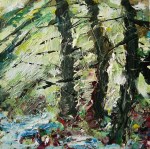
‘Sun. Planets Series’. Mixed media on 10×10″ wood. Rose Strang 2019

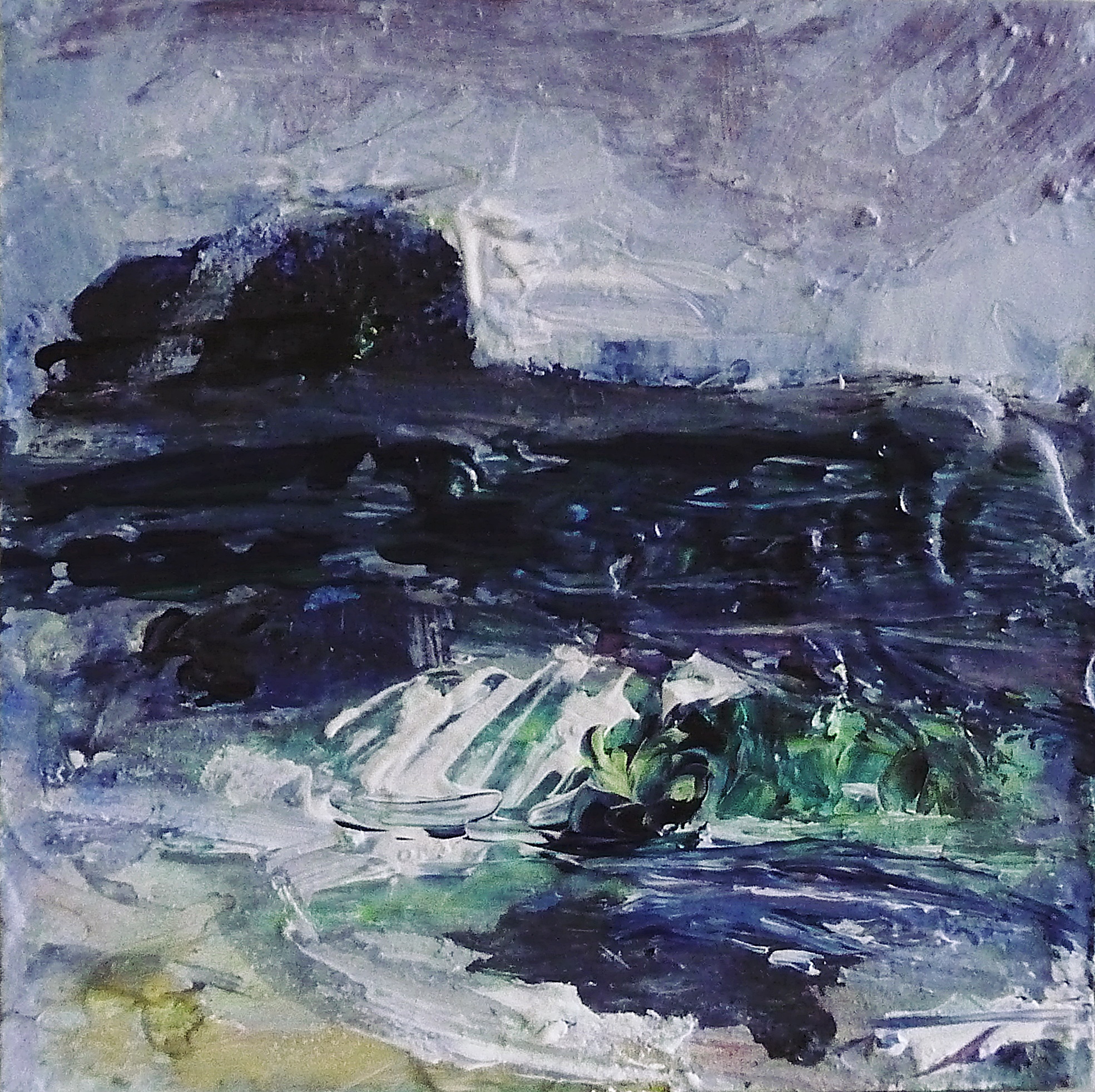
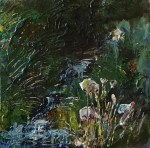
‘Saturn. Planets Series’. Mixed media on 10×10″ wood. Rose Strang 2019

Today’s small paintings, of Sun and Saturn in preparation for the larger Planets Series.

I’m creating Planets series paintings for two exhibitions this year – a smaller series of studies for a June exhibition at my studio in Abbey hill, in preparation for an exhibition and talk to take place in Autumn this year.

This is a continuation of the Planets Series I’m creating this year, which takes inspiration from the planets as understood in Medieval cosmology, and the seven books of Narnia which were each inspired by the seven planets, as discovered by Michael Ward, author of ‘Planet Narnia’.

Info about June exhibition Here

(I’ll post more about the September exhibition and talk soon, once some more details are confirmed).

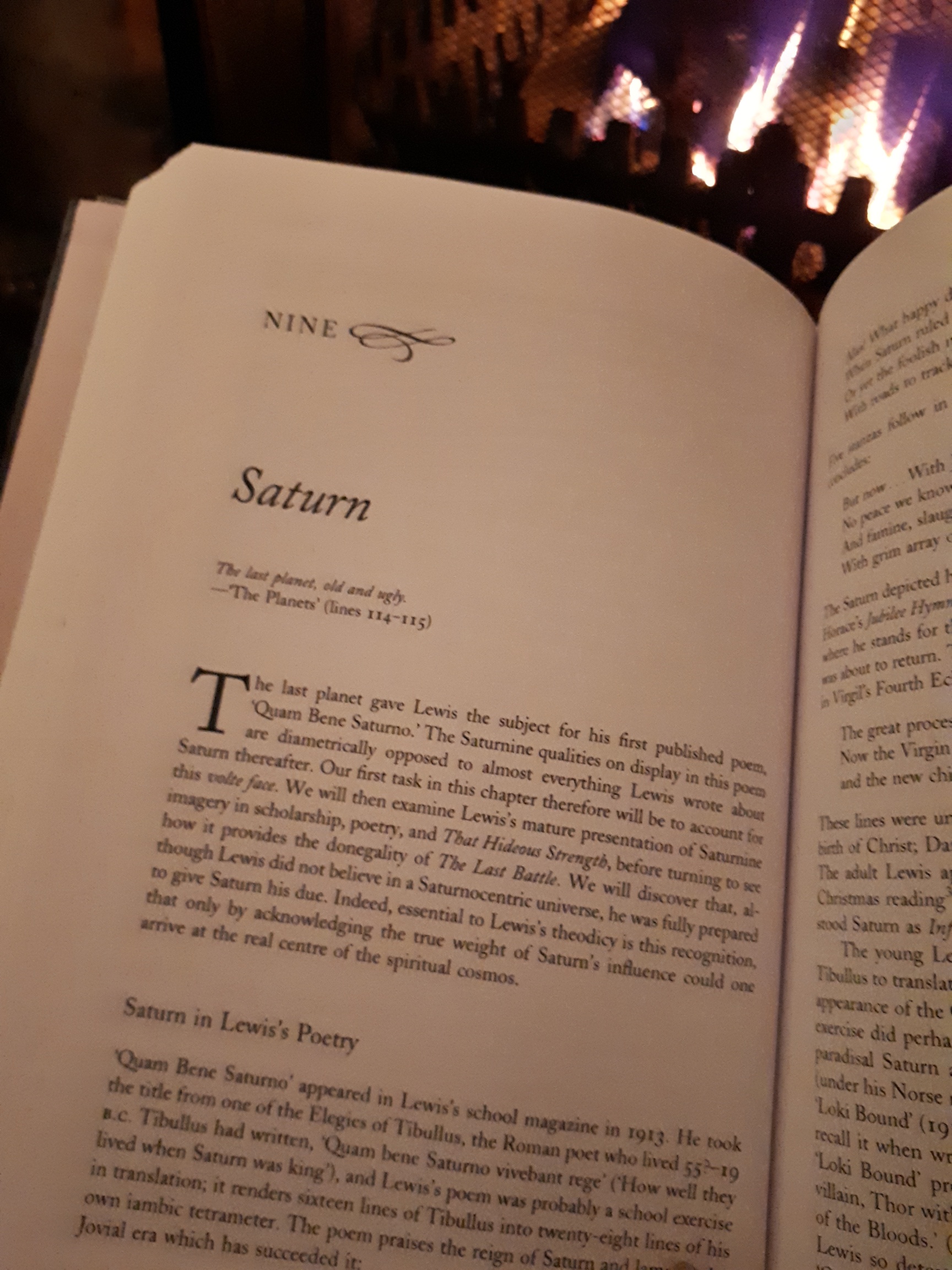
I’ve already posted a lot about the associations and mythology of Saturn during winter when I tackled a larger version, so I won’t write much about that here. This smaller Saturn was a lot easier as it’s so much more easy to experiment on this smaller scale before I tackle the big paintings later this year.

The Sun corresponds to C.S. Lewis’s Voyage of the Dawn treader, which has possibly the most vivid, beautiful and mystical imagery of the entire series. It’s also hilariously funny, also moving, thanks to the character of Eustace Scrubb, who’s introduced in this book for the first time.

The Voyage of the Dawn Treader is mostly about Eustace when it comes to profound character development in the story – his metamorphosis into dragon, then back to human with Aslan’s intervention, being the pivotal part of his character development.


It’s the final scenes though that are the most mind-meltingly beautiful and strange; white lilies stretching to the horizon on a deep green sea that becomes sweet and drinkable, ‘like drinkable light’, so that the characters are able to experience more light . You just have to stop reading the story at that point, to drink in, appreciate and experience the imagery.


It’s classic Lewis –  layers of imagery, literary reference and spiritual connotations.

This is the ‘Sun’ excerpt from C.S. Lewis’s poem ‘The Planets’

The heaven’s highway hums and trembles,
Drums and dindles, to the driv’n thunder
Of SOL’s chariot, whose sword of light
Hurts and humbles; beheld only
Of eagle’s eye. When his arrow glances
Through mortal mind, mists are parted
And mild as morning the mellow wisdom
Breathes o’er the breast, broadening eastward
Clear and cloudless. In a clos’d garden
(Unbound her burden) his beams foster
Soul in secret, where the soil puts forth
Paradisal palm, and pure fountains
Turn and re-temper, touching coolly
The uncomely common to cordial gold;
Whose ore also, in earth’s matrix,
Is print and pressure of his proud signet
On the wax of the world. He is the worshipp’d male,
The earth’s husband, all-beholding,
Arch-chemic eye.

Arch-chemic eye might refer to the Alchemist’s dream of turning ordinary matter to gold (the sun’s associated metal) and this is referred to in the story when the characters arrive on an uninhabited island where they encounter a pool that turns everything that’s immersed in it to gold.

King Caspian and Edmund are affected by this. Imagining the unlimited wealth and power such a pool might bring, they argue about which of them has the highest status in order to own the island and its magic pool – Lucy brings them up short with a rebuke, then Aslan appears on the hill beyond the pool, appearing gold as if it lit by the sun, though the day is overcast. They come to their senses and decide to name the island ‘Death Water’.


Michael Ward’s Planet Narnia explores the most extensive and fascinating associations with the sun in the story and I can’t recommend it highly enough. I think his chapter on Sol is extraordinarily rich and profound in its interpretation, also in its myriad, meaningful associations – truly illuminating.

Put in my simple terms, The Voyage of the Dawn Treader is about light and spiritual illumination gained through the challenge of truth. I don’t think my small painting anywhere near does justice to it really, but it’s good practice for the larger work later this year!

Moon

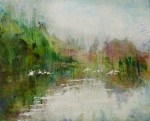
‘Moon. Planets Series’. Mixed media on 10×10″ wood. Rose Strang 2019

Today’s small painting of the Moon in preparation for the larger Planets Series.

I’m creating Planets series paintings for two exhibitions this year – a smaller series of studies for a June exhibition at my studio in Abbey hill, in preparation for an exhibition and talk to take place in Autumn this year.

This is a continuation of the Planets Series I’m creating this year, which takes inspiration from the planets as understood in Medieval cosmology, and the seven books of Narnia which were each inspired by the seven planets, as discovered by Michael Ward, author of ‘Planet Narnia’.

Info about June exhibition Here

(I’ll post more about the September exhibition and talk soon, once some more details are confirmed).

These small paintings are proving an excellent way to explore ideas on an easier scale before tackling the large paintings for the Planets Series. I think my Moon-influenced painting (above) is suitably amorphous, watery and undefined, though I’d want to add more of the moon’s moonliness to the larger painting.

Yesterday I posted the Mercury part of C.S. Lewis’s wonderful poem ‘The Planets’, so here’s the moon excerpt from his poem …

Lady LUNA, in light canoe,
By friths and shallows of fretted cloudland
Cruises monthly; with chrism of dews
And drench of dream, a drizzling glamour,
Enchants us–the cheat! changing sometime
A mind to madness, melancholy pale,
Bleached with gazing on her blank count’nance
Orb’d and ageless. In earth’s bosom
The shower of her rays, sharp-feathered light
Reaching downward, ripens silver,
Forming and fashioning female brightness,
–Metal maidenlike. Her moist circle
Is nearest earth.

The Moon corresponds to The Silver Chair in C.S. Lewis’s Narnia Chronicles. Its Moon-like or Lunar qualities as imagined by C.S. Lewis and explained by Michael Ward are to do with enchantment, wandering lost, changeability, melancholy, moodiness or lunacy, also the metal silver.

I’ve heard, in person, from police, and hospital staff in A+E that people do indeed act out stranger and more impulsive behaviours on a full moon. The moon affects the tides of the sea of course, and therefore must have an effect on anything that contains water, including ourselves. And of course the moon is associated with women and menstruation since the moon’s cycles loosely correspond to that, and the sight of the moon swelling up then disappearing each month reminds us of pregnancy. And so it’s very much seen as a female influence across all cultures; Lady Luna.

Gazing at the moon is pretty wondrous when out in the countryside unpolluted by city lights, but I think the most entrancing moon-view I ever had was when I arrived in Venice for the first time back in 2001. I was there for the Venice Bienalle with Richard Demarco and company and we arrived at night, then entered Canal Grando in a water boat. It was an enormous silvery full moon, the sky was velvety black and also slightly misty. The domes, Byzantine palaces and waterways of Venice looked enchantingly beautiful. Unreal. It was so utterly stunning that my heart was actually palpitating rapidly!

La Serenissima as Venice is called – an appropriate and feminine title, inspired by its many hundreds of years in the past, enjoying peaceful trade between all nations.

Farmers have planted or harvested crops according to moon cycles since pre-history, with the idea being that a waxing (growing) moon draws water into things, and a waning one takes water away. Not being a farmer or even gardener, beyond caring for the odd pot plant, I can’t attest to that and I assume that thousands of generations of farmers and planters can’t be wrong.

So the moon has a clear influence on our world. To the Medievalists, the Moon distorted the influence of the other planets and the divine realm of God, and anything beneath the moon was termed sub-lunar.

Lewis’s The Silver Chair launches immediately into moon-influenced territory of wetness and melancholy; Jill Pole has been bullied at school and is crying on a dreich, overcast Autumn day, then Eustace enters (transformed by his experience on the Dawn Treader when he was de-dragonified by Aslan, personifying the Sun’s light). Eustace offers a possible way out to the land of Narnia.

They escape, not to Narnia as yet, but to a land above the moon’s sub-lunar influence – a peaceful mountain-top forest glade filled with birds of paradise. Eustace falls off a cliff into the clouds below during an argument with Jill, who is subsequently wracked with guilt, also thirst, but the only stream is guarded by an enormous lion (Aslan of course). She plucks up courage to drink and is challenged by Aslan to be truthful about why Eustace fell off the cliff. She admits it was because she was showing off her lack of fear of heights (or depths).

Aslan explains that due to her mistakes, their task will be more difficult. They must find King Rillan who has been enchanted and lost for many years. He warns Jill that thoughts will become vague in the land below, he then transports her down to Narnia where she encounters Eustace. They then embark on their adventure with the wonderful Puddleglum – a somewhat pessimistic creature called a Marshwiggle who lives in the wet marshes of Narnia.

Together they all journey across the far north of Narnia in winter. They become lost – forgetting the signs and instructions given by Aslan, but end up in a deep underground world where they travel across the subterranean seas, and eventually encounter King Rillian, who has been enchanted by ‘the Lady of the Green Kirtle’, and the silver chair to which he’s bound each evening to keep him imprisoned while he remembers the truth. One of the signs given by Aslan is that they must pay attention to anyone who speaks in the name of Aslan, and while King Rillian raves and shouts in the chair, apparently mad, they find him frightening but when he asks them to free him in the name of Aslan they realise they have to obey the sign.

Releasing him from the spell entails waking up from dreaming to awareness. They have by this time been enchanted to believe that the world above the subterranean caverns doesn’t exist. It’s Puddleglum who cuts through the enchantment and remembers that there is a real sun and moon, and lion called Aslan. Eventually they emerge from the subterranean world into Narnia again, where King Rillian is restored to the throne.

The first thing they see when they emerge from the underworld  though, is the creatures of Narnia dancing a complex dance at night, that relies on everyone interacting closely, and with awareness, for it to work as a dance.

I’d recognised the echoes of Plato, and the myth of Hades in the story, before reading Michael Ward’s Planet Narnia, but the understanding of planetary influence on the Narniad as discovered by Michael Ward gives an entirely different dimension. These stories are infinitely richer and more profoundly inspiring when understood from this new perspective. I’m currently re-reading The Magician’s Nephew for example, and I’m amazed by the complexity and depth of ideas when it’s understood as Venus-influenced.

What I take from The Silver Chair at the end, is the notion of the riches that we can discover when we delve deep into the darkness of our difficult emotions, our memories, mind, subconscious or experience of life – uncovering a deeper truth from below the layers of obscurity – real, living jewels of Bism. The Moon is a less harsh teacher than authoritarian Saturn – but you have to voluntarily delve deep to acquire wisdom. The last paragraph of The Silver Chair …

The opening in the hillside was left open, and often in hot summer days the Narnians go in there with ships and lanterns and down to the water and sail to and fro, singing, on the cool, dark underground sea, telling each other stories of the cities that lie fathoms deep below. If ever you have the luck to go to Narnia yourself, do not forget to have a look at those caves.