Tag Archives: Sutton Hoo

Traces of the past

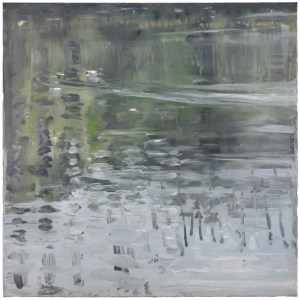
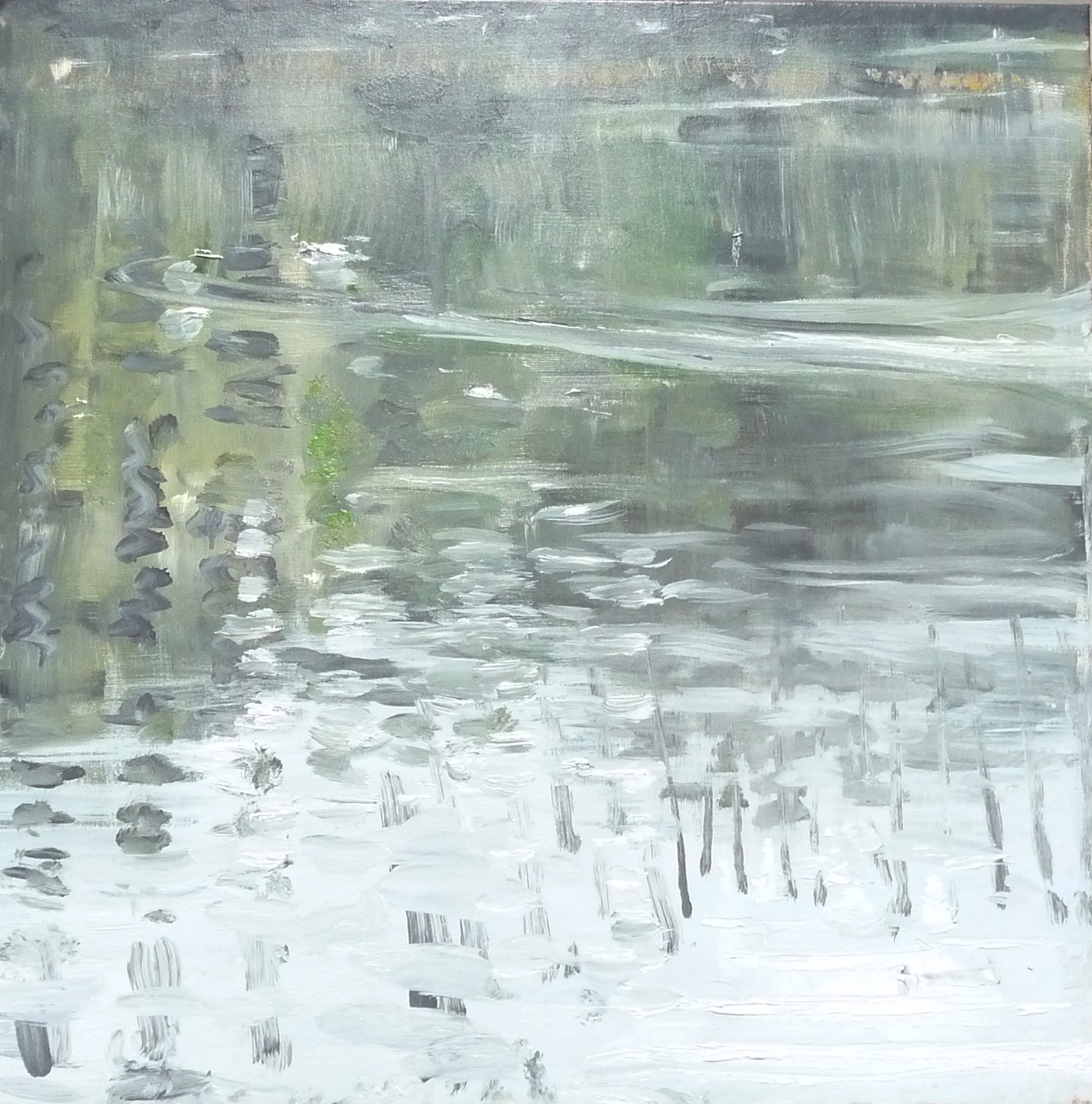
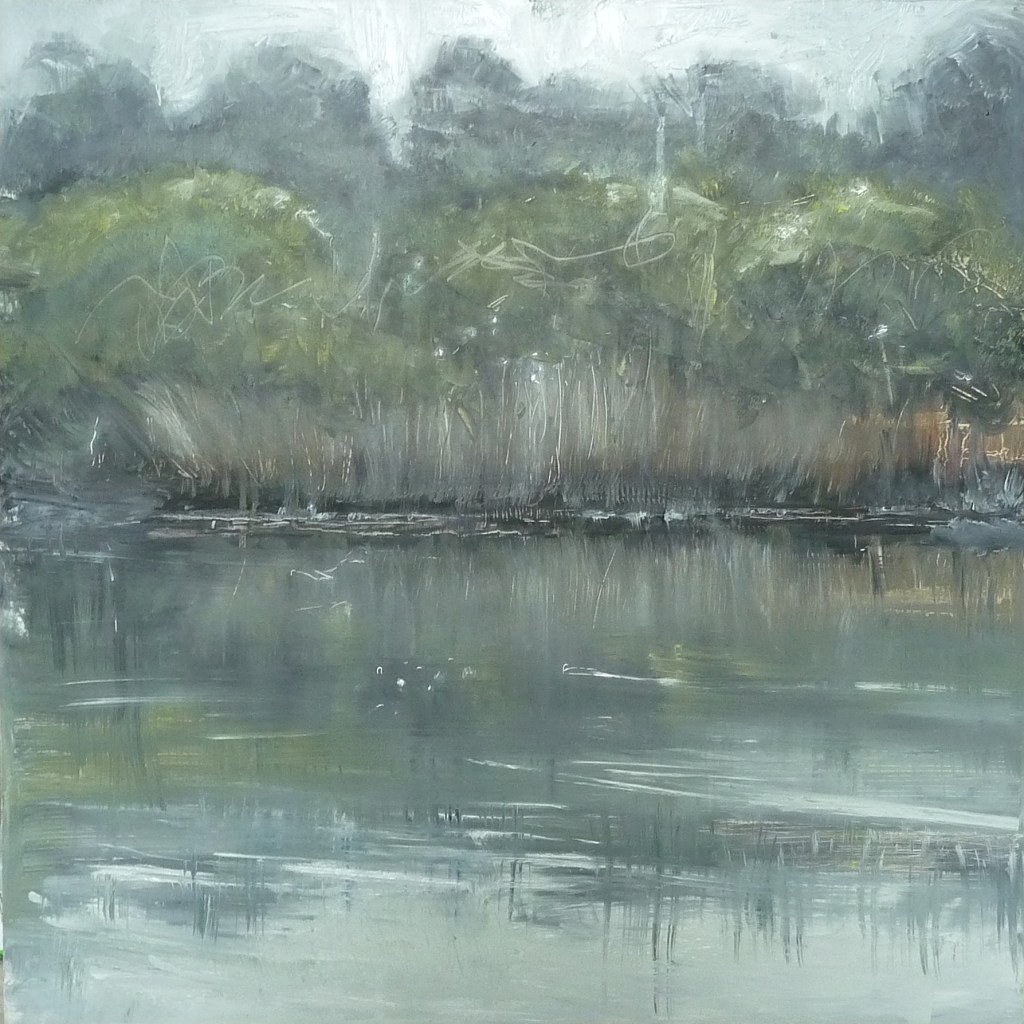
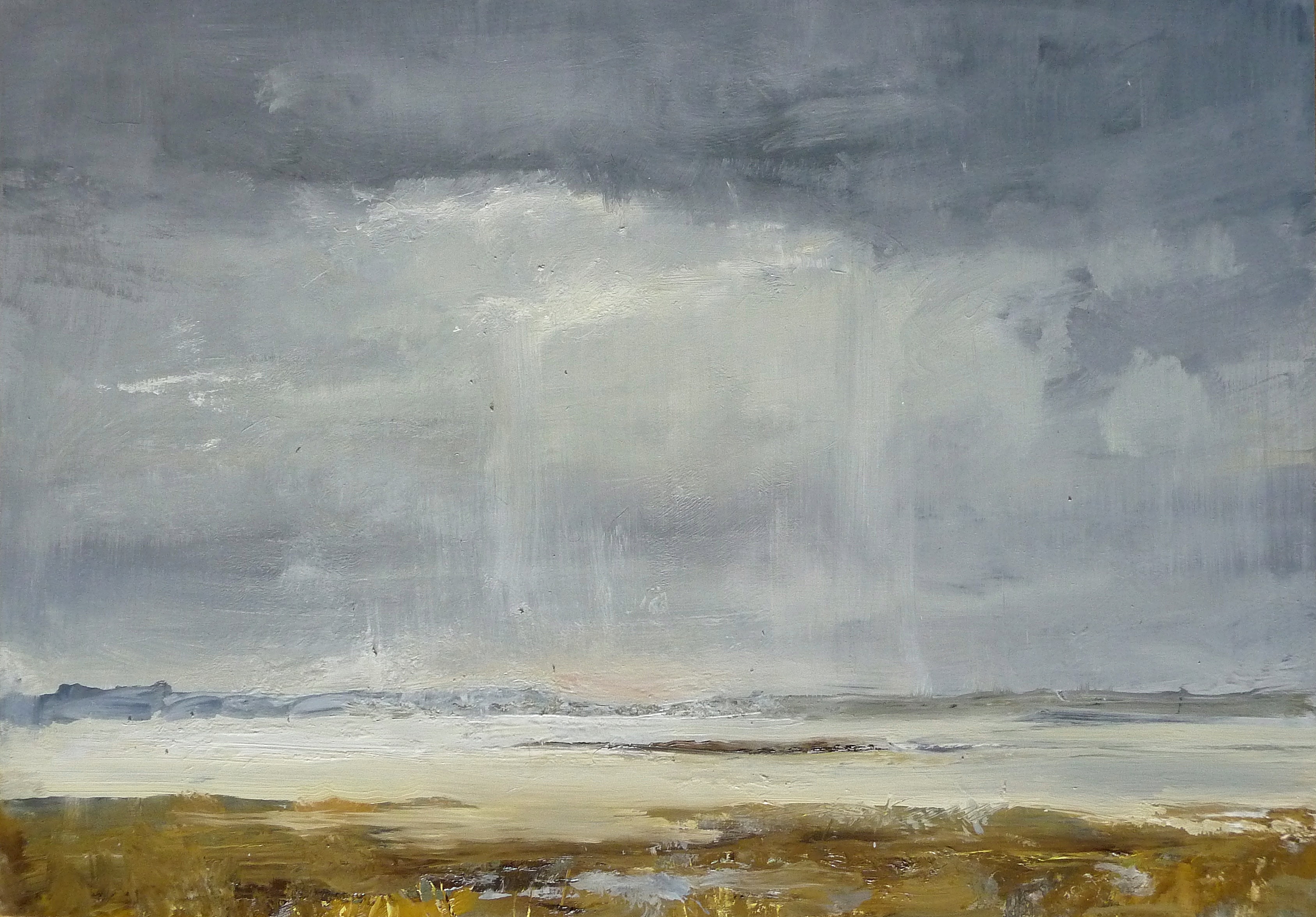
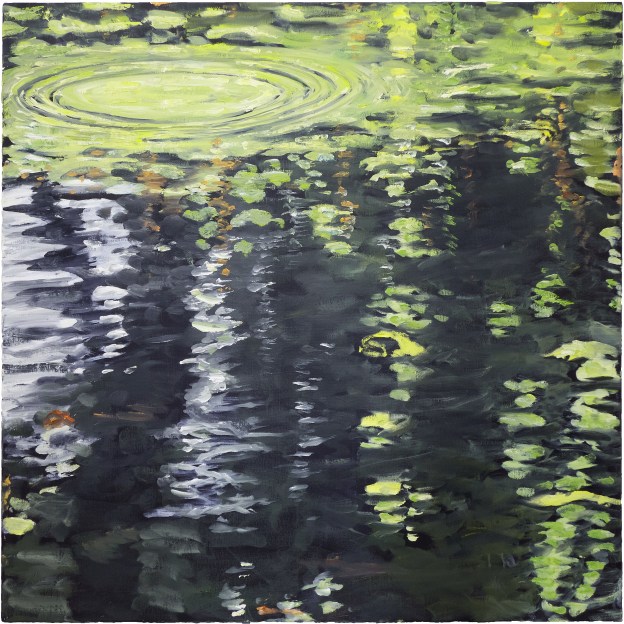
Above: Trace. Blackwater. Oil on 80x80cm canvas. Rose Strang 2023

Traces of past cultures in landscape have fascinated me for many years. Especially those traces so subtle you’d walk past, barely noticing them. Expressing this subtlety in paint is a challenge.

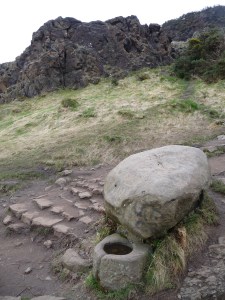
While painting a series in 2018 titled ‘Wells of Arthur’s Seat’ I started to find a way. There are literal traces, like the trace of a chain on the boulder near St Anthony’s Well which was originally attached to a metal cup above a carved stone basin. The spring has long since dried up, but as late as the early 20th century people from Edinburgh would sip the water, or soak cloth in the water then apply it to their body in the belief it cured disease or imbalance.

I don’t want to paint literal traces, however, and while exploring the history of St Anthony’s Well I became immersed in the mystery of water. Its layers, veils and reflections suggested timelessness, ‘as above so below’, or the idea of liminal or in-between places.

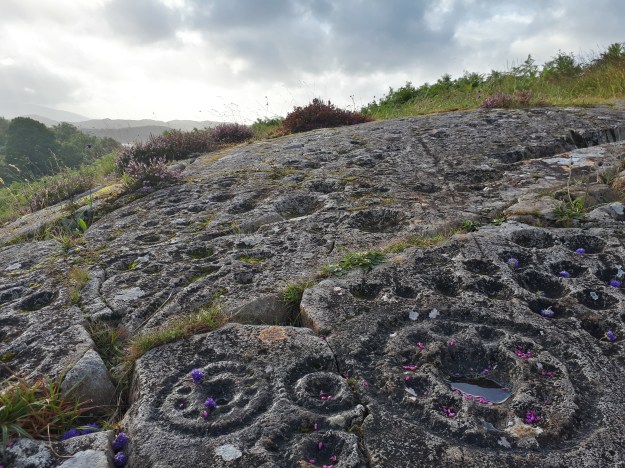
Painting ripples left by, for example, a falling twig, reminded me of pre-historic concentric rings carved into rocks around the British Isles. No one knows why those carvings were created, but to me they suggested ever multiplying rings created by cause and effect – a falling leaf that creates a pulse of water, shifting tectonic plates that create the huge pulse of a tsunami, or the mystery of gravity and the orbiting planets and moons of our solar system.

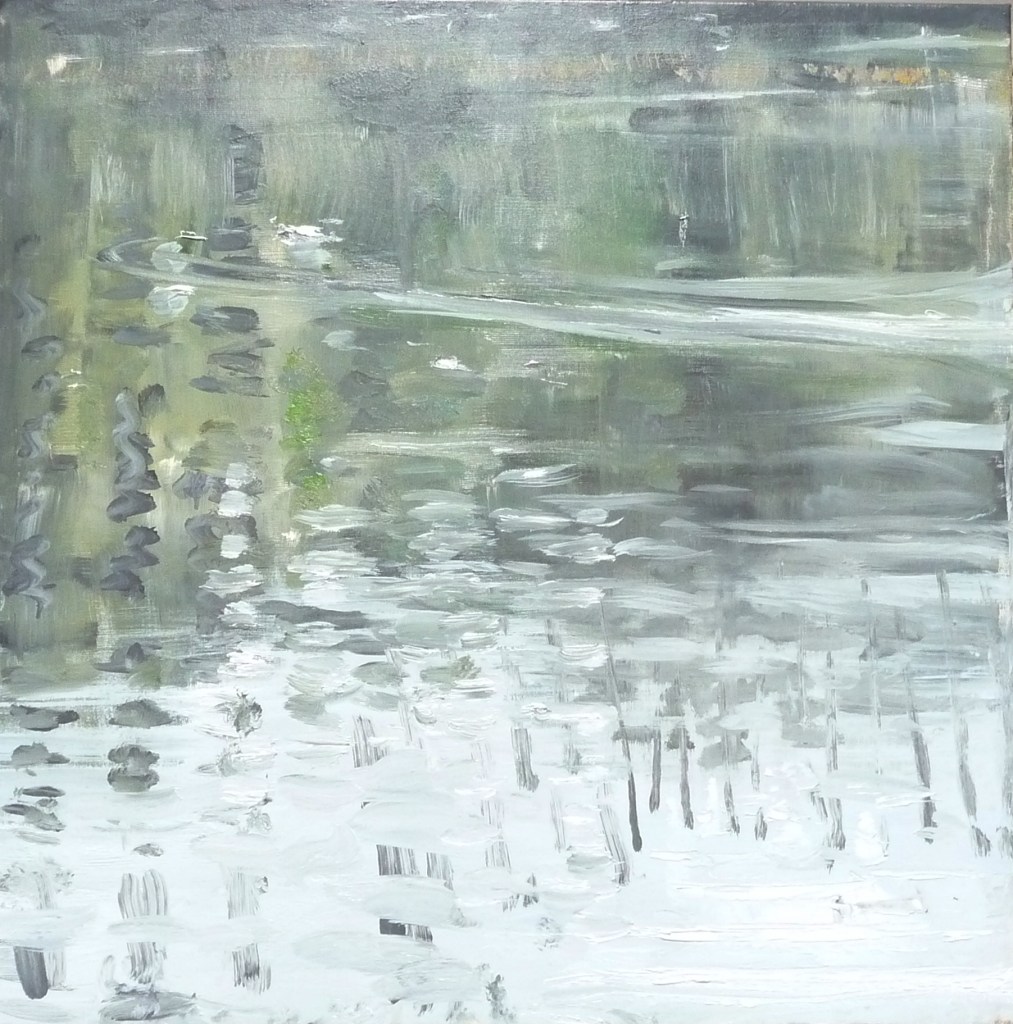
When I visited Saxon burial mounds at Sutton Hoo in Suffolk it wasn’t the mounds themselves I wanted to paint, it was the river that led to the mounds – the River Deben. I painted reflections on the river and the wake left by a passing boat – to me the flowing river brought that past culture to life more than the burial mounds. Cultures change and become strange or indecipherable but a boat’s wake remains the same. I could envisage their arrival from northern Europe to the Suffolk coast up the River Deben, imagining what made them settle here and select this particular spot as as a sacred burial ground.

Then the process of painting the layers of water was so complex in itself – there is translucency and opacity, reflections, the rhythm of flowing water and the fact of constant movement and change. I was also thinking of the fact that nature was at the heart of Saxon culture and religion. For example the tree of life – Yggdrasil – which encompasses many different worlds. Each of the tree’s three roots is fed by three different wells representing past, present and future.

These myths reflect a truth – that everything is connected. Our recent past, encompassing the industrial revolution and unprecedented consumption of resources, has taken us full circle back to this realisation of inter-connectedness, and the dilemma of how to move forward. Our culture will leave more trace than any that came before us.

At Loch Venachar in the Central Highlands of Scotland, I searched for the remains of a Crannog (iron-age man-made islands on which wooden dwelling structures were built). The island itself was visible, but sadly concrete had been poured onto the remants, probably to prevent it being washed away. Again, literal remnants didn’t move me so much as the trace of stones leading to the island – just the merest suggestion that in this area at the loch’s edge the stones were just a little raised. Gazing at the stones as dawn rose, rays of sunlight began to reveal the stones beneath the surface, while further away the surface remained opaque. These half-revealed images suggested more to the imagination.

Loch Venachar is fed by the Blackwater River and as we explored further along the river side, I found myself mesmerised by the reflected green/yellow light of foliage in the black water, still as a mirror, which brought to mind Corinthians 13:12:

For now we see through a glass, darkly; but then face to face: now I know in part; but then shall I know even as also I am known.

These ideas are complicated to express creatively in an image. Or not so complicated when simply observing what’s there; traces on water – concentric circles, ripples, what’s revealed below, or concealed from view, what is mirrored back to us. Although we can’t know all, we do know that all is connected. When contemplating nature these images become poetic and profound.

This series of three paintings – Trace. Sutton Hoo, Trace, Portnellan Island, Loch Venachar and Trace, Blackwater, will be on show as part of the exhibition Borrowed Land, which launches at The Kilmorack Gallery on the 18th November 2023.

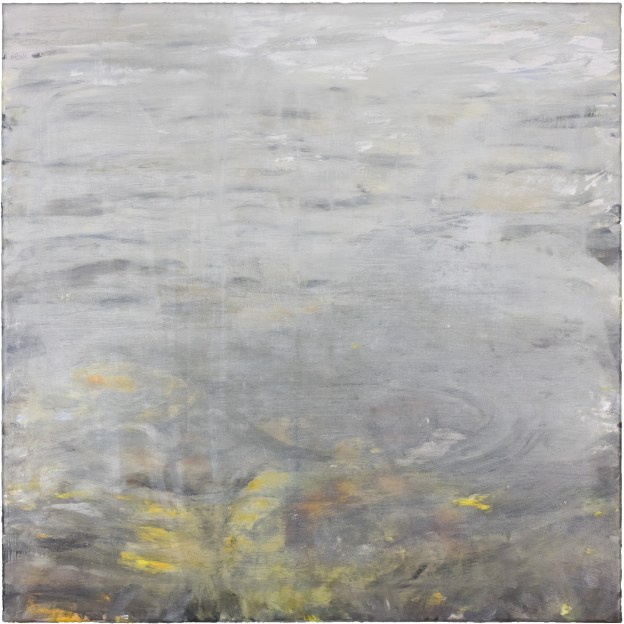
‘Trace. Blackwater’. Oil on 80x80cm canvas. Rose Strang 2023

Borrowed Land – The Kilmorack Gallery – new exhibition

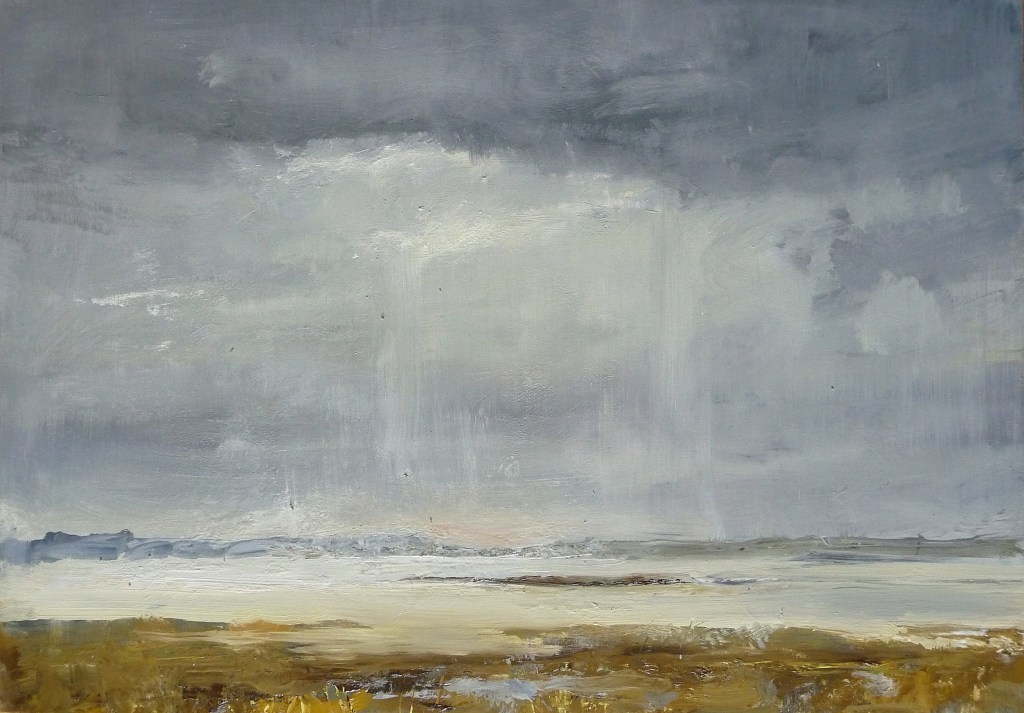
Above; Trace. Portnellan Island. Loch Venachar. Oil on 70x70cm canvas. Rose Strang 2023

These three works are on show as part of the exhibition; Borrowed Land, launching at The Kilmorack Gallery, Inverness-shire, from 18th November to 2nd March 2023/2024.

From the Kilmorack Gallery website:

“Kilmorack Gallery has timed this exhibition – Borrowed Land – to run when Scotland’s landscape is at its greatest threat since the clearances. Giant multi-national companies threaten to build electrical substations the size of university campuses, along with 60m high pylon lines hundreds of miles long, and soon after will come the transformation of hills into power stations with a new generation of mega-turbines”.

This exhibition (by the Kilmorack Gallery which is run by Tony Davidson, author of Confessions of a Highland Art Dealer: A journey in art, a glen and changing times.) represents a meaningful opportunity for me to get to the heart of my love of landscape as a painter.

The phrase borrowed land comes from the (so far unattributed) statement – We do not inherit the earth, we borrow it from our children.

In response to a request to write something about my work for this exhibition I offered the following –

Landscape is the most profound teacher. Through painting landscape over the years, my brushwork begins to reflect energy felt from the elements observed. Mark-making is instinctive to humans but we still barely understand why we make the marks we do. Those prehistoric drawings in the caves of Lascaux might express wonderment, or reverence towards nature as much as the desire to kill and eat animals.

The idea behind the phrase ‘Borrowed Land’ reframes a question; ‘What will you leave to posterity, to future generations?’ I’m fascinated by the traces left behind by past cultures, traces that are often barely discernible today. Some cultures left subtle marks.

Through landscape painting I can express my sense of reverence towards nature. I find that the element of water expresses layers of mystery – what is revealed or concealed, what is reflected? How quickly the ripples created by a falling leaf disappear and how quickly lasting destruction can occur. The paintings in this series are of bodies of water near archaeological sites of past cultures who left little trace.

Borrowed Land – launching at the Kilmorack Gallery on the 18th November.

Click on this link for more info about the exhibition – Borrowed Land

More on these paintings next week …

Exhibition – Sutton Hoo and Suffolk

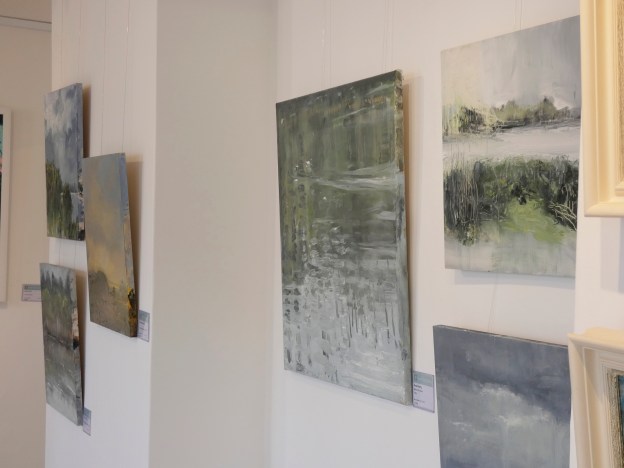
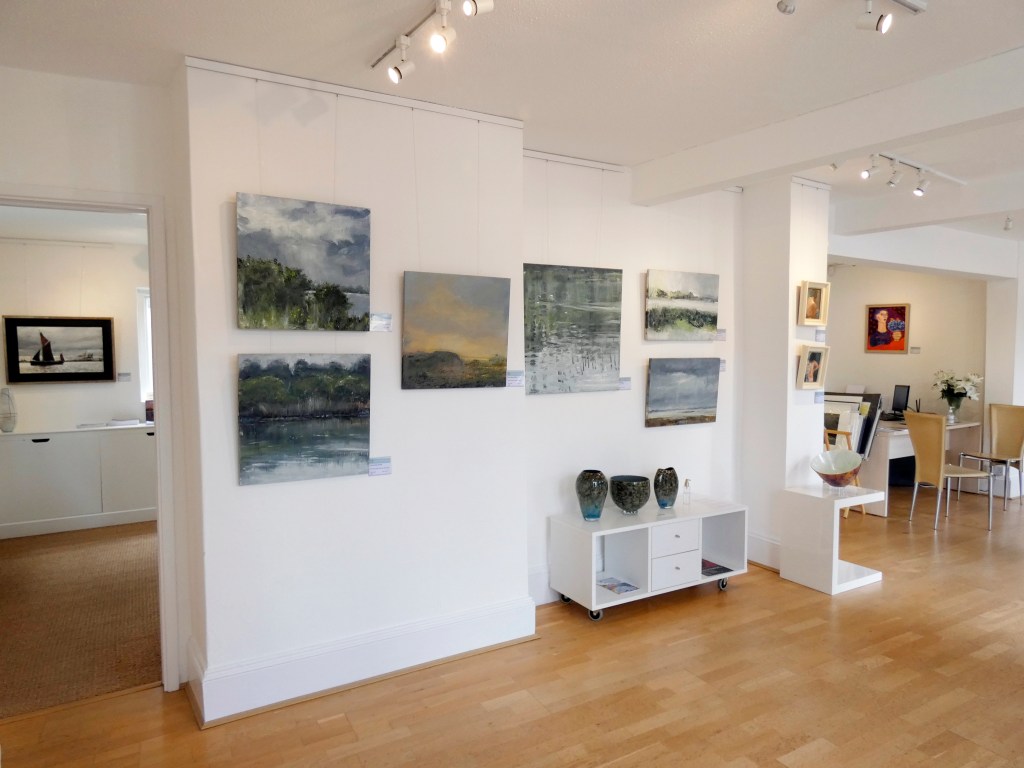
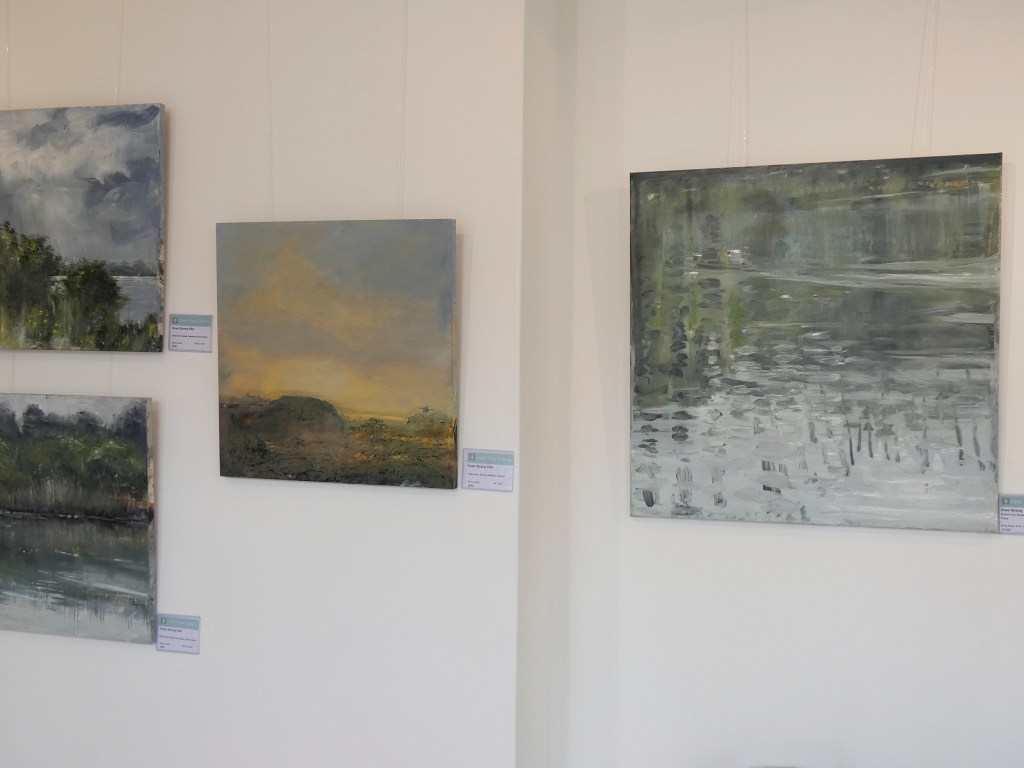
Below – some in-situ photos of the Sutton Hoo and Suffolk series at the Limetree Long Melford Gallery (link here for any enquiries about the paintings – Limetree Contact )

This series was painted after exploring the landscape that surrounds the Sutton Hoo burial mounds in Suffolk this year, where treasure and other evidence of 6th century Saxon culture was discovered in the 1930s.

(I explored a bit about the mounds and Saxon spiritual beliefs in previous blogs – Part 1, Part 2, Part 3, and Part 4.)

I’ve been reading the author Robert MacFarlane’s book Underland recently, in which he explores the world’s ‘underlands’ – catacombs underneath Paris for example, or natural limestone caves. Places where people buried their loved ones thousands of years ago, or painted mysterious human figures in places such as the sea-lashed caves of Kollhellaren (‘translates roughly as ‘hole of hell’) in Norway.

He explores the place these underground spaces have in imagination and in our psyche. Also not just culturally, emotionally and spiritually, but physically too. Among many impressions, I’m struck by the fact that for such a modest and gentle looking human being he clearly has nerves of steel! The descriptions of squeezing his way into narrow funnels deep in the earth are quite claustrophobia-inducing though un-put-downable.

The book was a meaningful accompaniment to my paintings, inspiring me to speculate on the way those Saxon leaders carefully buried their people – with such reverence and care. It tells us much about what mattered to their society back in the 6th century. Their emotions and physical appearance will have been much the same as ours, but as leaders their motivations were very different. They honoured landscape because they saw much of it as sacred – believing that gods or goddesses resided in aspects of nature. They wanted to leave the land intact with little trace of human dwelling – for example they built their houses from materials such as wood and grass that wouldn’t remain after time.

Their religious beliefs came to be seen as wrong – as pagan, barbarian and separate from worship of the one God of Christianity. From our perspective now though, it’s clear that whatever our beliefs, much of our landscape has been irreperably destroyed, which is at odds with the Christian ideal that we tend the flora and fauna of this world. Robert MacFarlane describes disappearing glacial landscapes and the complex ways that vast amounts of spent nuclear waste must be buried. These are issues familar to all of us, but never told as compellingly. As he describes; our age – now called The Anthropocene – will leave a legacy like no other. Contemplating these thoughts inspired me to paint ‘Trace’ – the largest painting of the Sutton Hoo series (below).

In the next month I’ll be travelling to the island of Iona, then Kilmartin Glen on the west coast of Scotland. Water will be the linking theme for an upcoming series. The new series might relate or add to the themes and problems being explored at this year’s Cop26 climate-change conference to be held in Glasgow.

More on that in the next few weeks!

Sutton Hoo Series. Trace. Oil on 27.5 x 27.5 canvas. Rose Strang 2021

Complete Sutton Hoo Series

Above; Sutton Hoo Series. Trace. Oil on 27×27 inch canvas. Rose Strang 2021.

This series takes inspiration from the landscape surrounding Sutton Hoo in Suffolk. More about the inspiration and story behind the paintings can be explored below (after the paintings).

If you’re interested in these paintings, or would like to reserve or buy one, please contact the Limetree Gallery. The series will be on exhibition at the Limetree Gallery, Long Melfrod, Suffolk, from August 2021

The Sutton Hoo Series

In my last posts (1, 2, and 3,) I explored a bit more about Anglo Saxon cultures and beliefs – in particular their ritual burying of treasure in mounds. I was intrigued by the poem of Beowulf with its mention of dragons guarding wealth.

It seems that dragons, whatever else they might have been, were always associated in myth with wealth and greed. Dragons in literature appear to represent an aspect of our own capacity to hoard – to hold on to the material things of life for our own pleasure, rather than sharing wealth with others.

Tim Flight (a historian and literary critic specialising in Anglo-Saxon England) speculates that because Christian religious leaders of the 6th century refered often to the concept of the coming apocalypse, this may have been one reason why Anglo Saxons of the time equated the stone-built Roman ruins which littered the landscape of Britain, with a sense of approaching doom.

For Anglo Saxons these crumbling grandiose, monumental ruins suggested the inevitable fall following pride. They prefered to work with natural materials such as wood, on a smaller scale – structures that rotted back into the earth and left little trace.

Their philosophy also embraced the idea of ephemerality of life; we’re here for a short time so we must seek meaning and act wisely – hoarding wealth might lead to our downfall.

Stories of dragons guarding wealth abound in Anglo Saxon poetry. The dragon is roused to anger and vengeance when anyone dares to steal from its hoard. Maybe this is why Anglo Saxon riches were buried in the earth – to return to earth what was made or taken from it, just as our bodies return to earth. I’m speculating now of course, since we can’t know what these cultures thought – we just have clues from the poetry and stories they wrote and the few traces they left.

I wanted to reflect on some of the ideas I’ve explored during this series in my largest and final painting. I was most interested in the sacred places they worshiped – not in buildings but in the landscape; trees, rivers, sea and springs – spaces thought of as liminal. Places where it was believed there was a thin veil between heaven and earth where a person might connect with gods (or later, the Christian God once Christianity took hold).

What could symbolise ephemerality more than water? It reflects a reality that isn’t real. It’s ever changing and, at least to our naked eye, it leaves no trace of passage other than fading ripples or sediment in the wake of humans moving through it.

I called my final painting ‘Trace, River Deben’. for that reason. The ripple on the surface might be left by anything – boat, bird, fish or rain yet – leave not a rack behind to quote the Bard!

We know now through scientific explorations that varying different energy forms change the structure of water, and there is the concept of water holding memories.

If you’re interested in this series and would like to see the paintings in person, they’ll be on exhibition at Limetree Gallery, Long Melford, Suffolk, from August this year. Or if you’d like to reserve or buy one of the paintings, you can contact The Limetree Gallery on their webpage – Limetree Gallery.

Sutton Hoo Series day 2

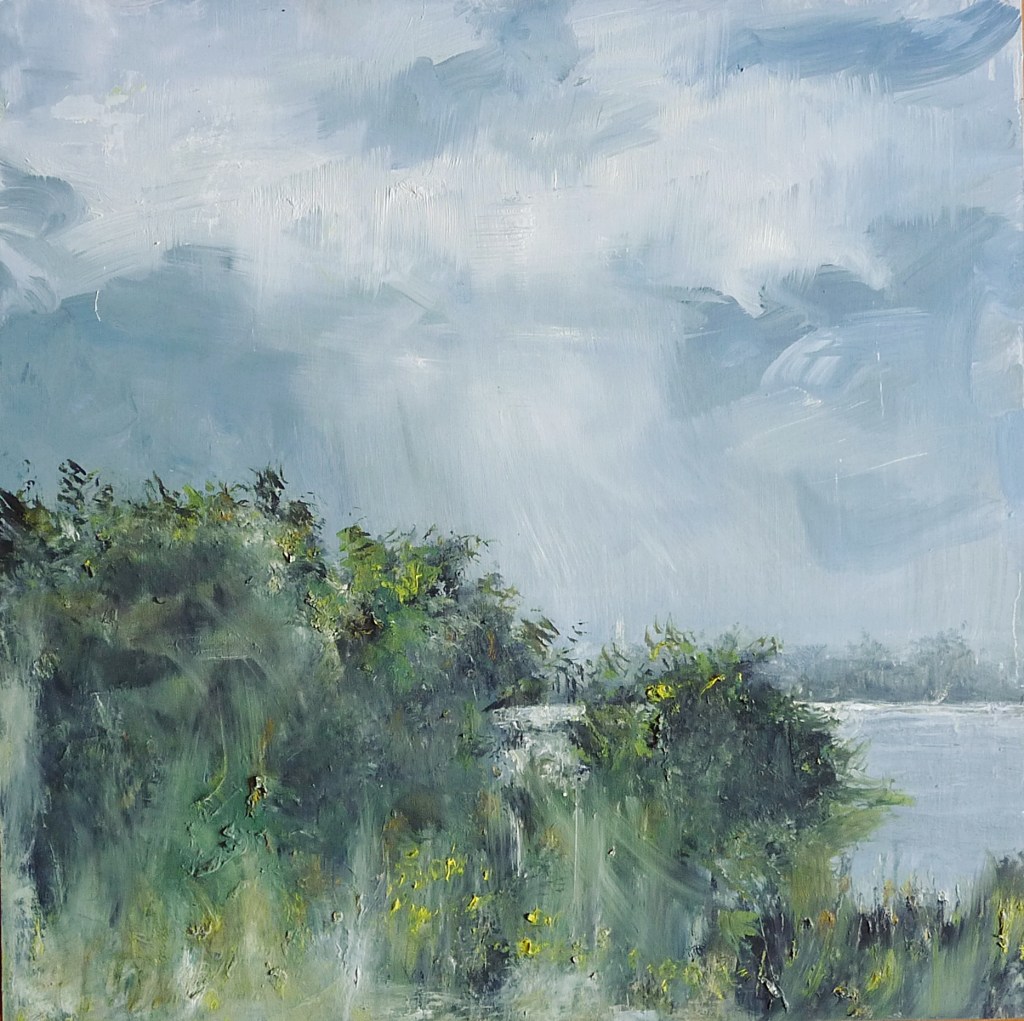
Above Sutton Hoo Series. Hawthorn, River Deben. Oil on 23.4 x 16.5 inches. Rose Strang 2021

Today’s paintings of the landscape surrounding Sutton Hoo in Suffolk. This series will be available from Limetree Gallery, Long Melford from August.

The bush above was slightly reminiscent of a dragon in shape I thought – quite appropriate for this series!

Sutton Hoo Series. Deben Estuary. Oil on 23.4 x 16.5 inches. Rose Strang 2021

Painting Suffolk has a lot to do with skies. Since the land is quite flat the sky seems bigger. I wanted to capture movement and rythm of hawthorn and clouds in the painting at the top of the post, so this was painted very loosely and quickly today. I took a couple of days over the painting directly above, attempting to capture the muddy estuary and softness of light.

In the last post I’d given a quick run-through of Anglo Saxon history regarding the Sutton Hoo area. I was most interested in what it was about this landscape that made it special, or sacred to the Anglo Saxons. As explained, for these people landscape itself was sacred. Trees, rivers, springs or hills might be experienced as magical.

We can only guess why a particular site might have been sacred. I’m only just beginning to explore what’s been written about Sutton Hoo and Anglo Saxon culture (I welcome any comments and insights in the comments section below for any experts out there!)

Yesterday’s research uncovered the somewhat darker subject matter of Sutton Hoo’s ‘sand people’. As explained in Current Archaeology’s website. Martin Carver (Emeritus Professor at the University of York) led investigations on the site between 1984 and 1993:

‘It was not further princely burials that this project uncovered, but evidence of judicial executions, carried out not as part of pagan ceremonies, but, more likely, by Christian kings’.

The remains of these executed people were discernable by the shapes left in sand and earth since bones were destroyed in the highly acidic soil. At first, the possibility that these were human sacrifices as part of Anglo Saxon ritual was considered, but the dating was wrong – i.e. later. Grim possibilities raise themselves; maybe this mass execution was a message to those who refused to adopt Christianity.

Yet King Raedvald’s burial mound (if the mound was in fact his burial mound) at Sutton Hoo contained both pagan and christian objects, suggesting a culture that accepted these varying beliefs, or perhaps accepted that worshiping the Christian god (monotheism) didn’t rule out worship of lesser gods related to the landscape.

It’s a subject that interests me a lot, given my recent project around historical pagan worship around Edinburgh’s Arthur’s Seat, also my Planets Series from 2018. As a lifelong appreciator of the works of C.S. Lewis I always enjoyed the pagan and Christian elements combined in the Narnia Chronicles and the Planets Trilogy. I’m now awaiting a new book; After Humanity, written by author Michael Ward, to accompany and, in part, interpret C.S. Lewis’s Abolition of Man which is a complicated philosophy on the nature of morality. Lewis decides to use a Chinese term ‘Tao’ to descibe what he understands as humanity’s inherent sense of ehtics, or right and wrong. He does this presumably to suggest that Christians don’t have the monopoly on morality – despite being a dedicated believer and Christian himself, and that this sense of a moral code is the same across all humanity.

Sounds like a book for our intolerant times! Though, reading about Sutton Hoo and its aftermath, our contemporary society’s issues with tolerance are far more subtle and insidious.

I’ll be posting more paintings next week, with more musings on Sutton Hoo.

Sutton Hoo Series

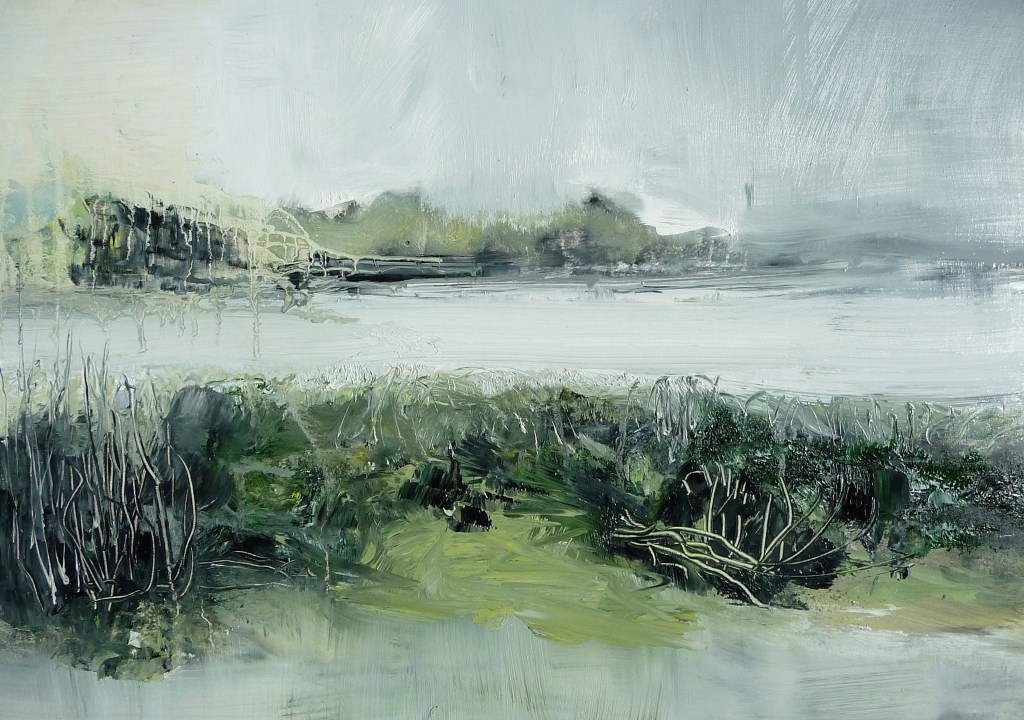
Above; Sutton Hoo Series. River Deben. Oil on 16.5 x 23.4 inches. Rose Strang 2021

This is the first of a series of paintings inspired by Sutton Hoo in Suffolk, England. The series will be on exhibition at the Limetree Gallery, Long Melford from August 2021.

I was inspired first of all by the film, The Dig which tells the story of the excavation of Saxon burial mounds in Suffolk called Sutton Hoo. Almost everyone I know has watched the film but for those who haven’t; the film follows the story of Edith Pretty, a widower and owner of land that includes Sutton Hoo – un-excavated burial mounds thought to be Viking. She pays local archaeologist Basil Brown to explore the mounds and very quickly he discovers that they are earlier and far rarer than Viking – in fact Anglo Saxon in origin.

I thought the film was a wonder of cinematography, capturing the dreamlike landscape of Suffolk in all its subtlety. It was also a poetic and moving meditation on what makes life meaningful.

Since I was visiting Suffolk to meet my partner’s family, we visited Sutton Hoo while there. I’d already decided to paint the landscape, and thanks to The Dig I had some foreknowledge of the history of the mounds. I knew too that seeing the place in person might be a disappointment. A talented camera-person captures landscape at its best, in the misty light of dawn for example or a glowing sunset. I knew I might have to bring considerable imagination to our exploration!

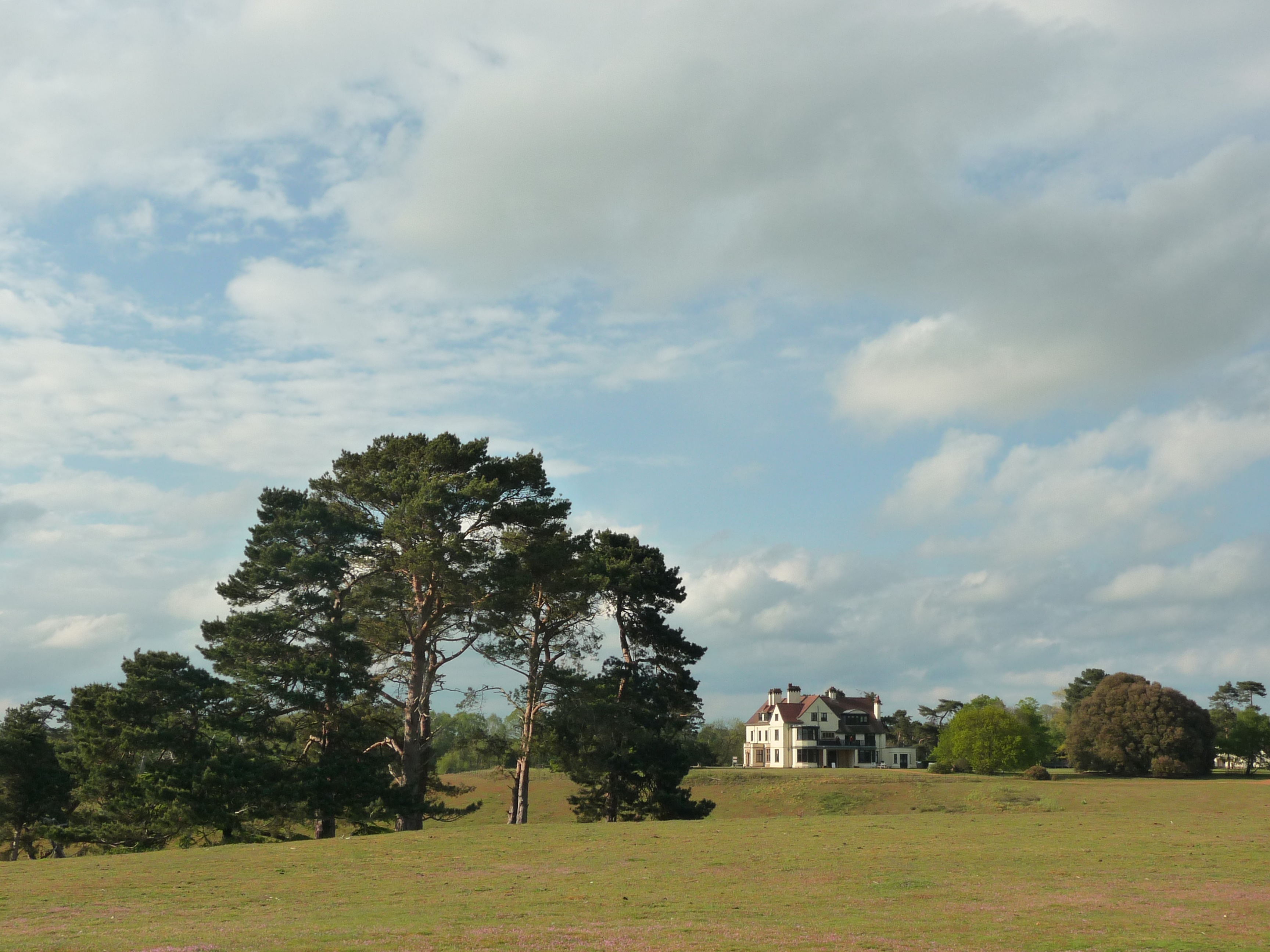
As it happened though, it was a perfect, warm sunny evening with almost no one around. We looked at the mounds – surrounded by hawthorn, pine trees and tufty grass, on which numerous rabbits were enjoying their dinner. The house that belongs to Edith Pretty is still there – Tranmer – sitting on top a hill overlooking the River Deben.

Tranmer House near Sutton Hoo. Photo Rose Strang 2021

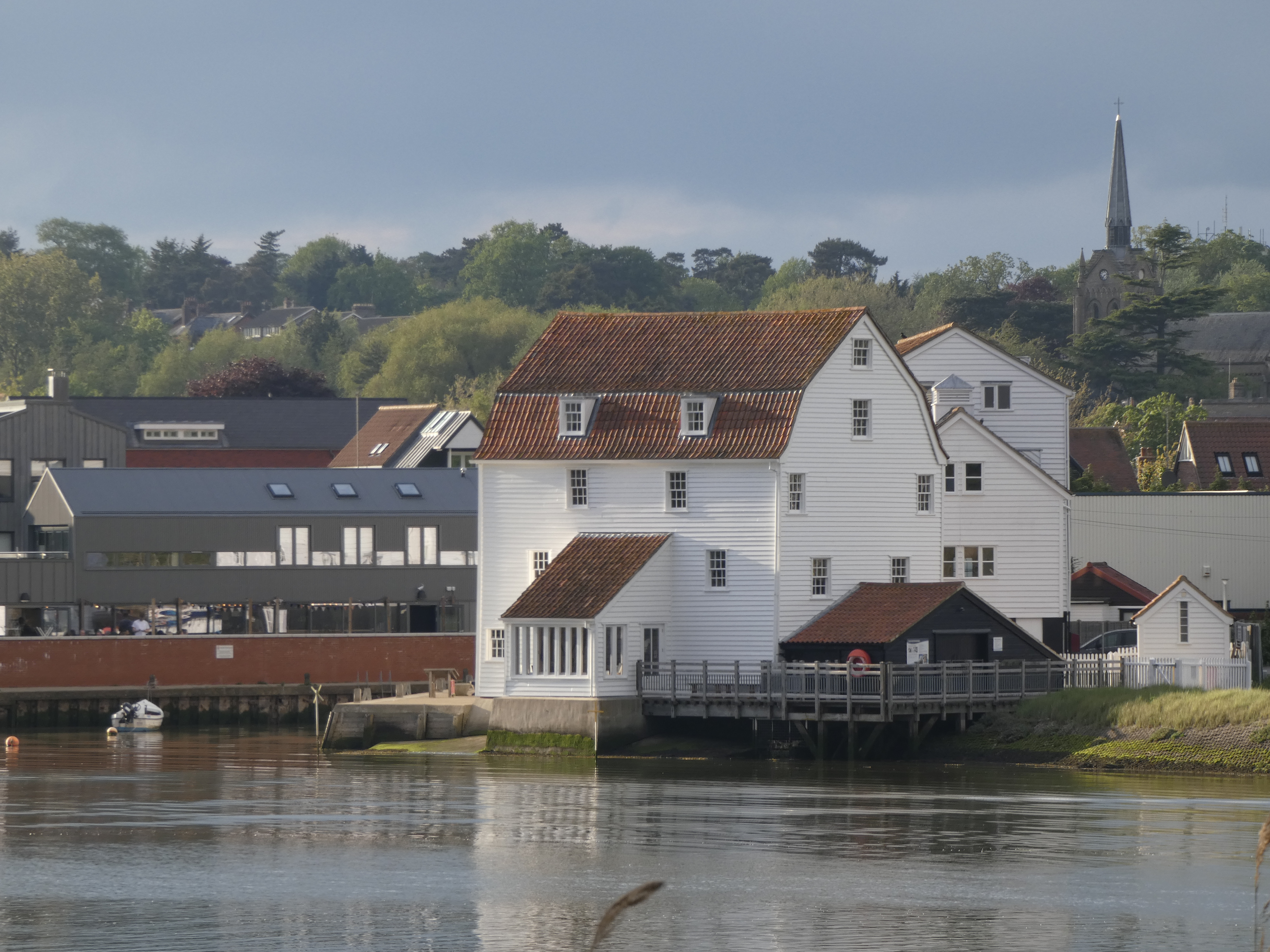
To get down to the river we walked through some woods, past leafy ponds and over a grass bank. The River Deben winds all the way from a village called Debenham down to the coast of Suffolk like a silver snake, becoming wider as it reaches the sea. Where it broadens out there’s a small town called Woodbridge, known for its Tide Mill and tranquil views across the water.

Tidemill. Woodbridge. Photo Adam Brewster 2021

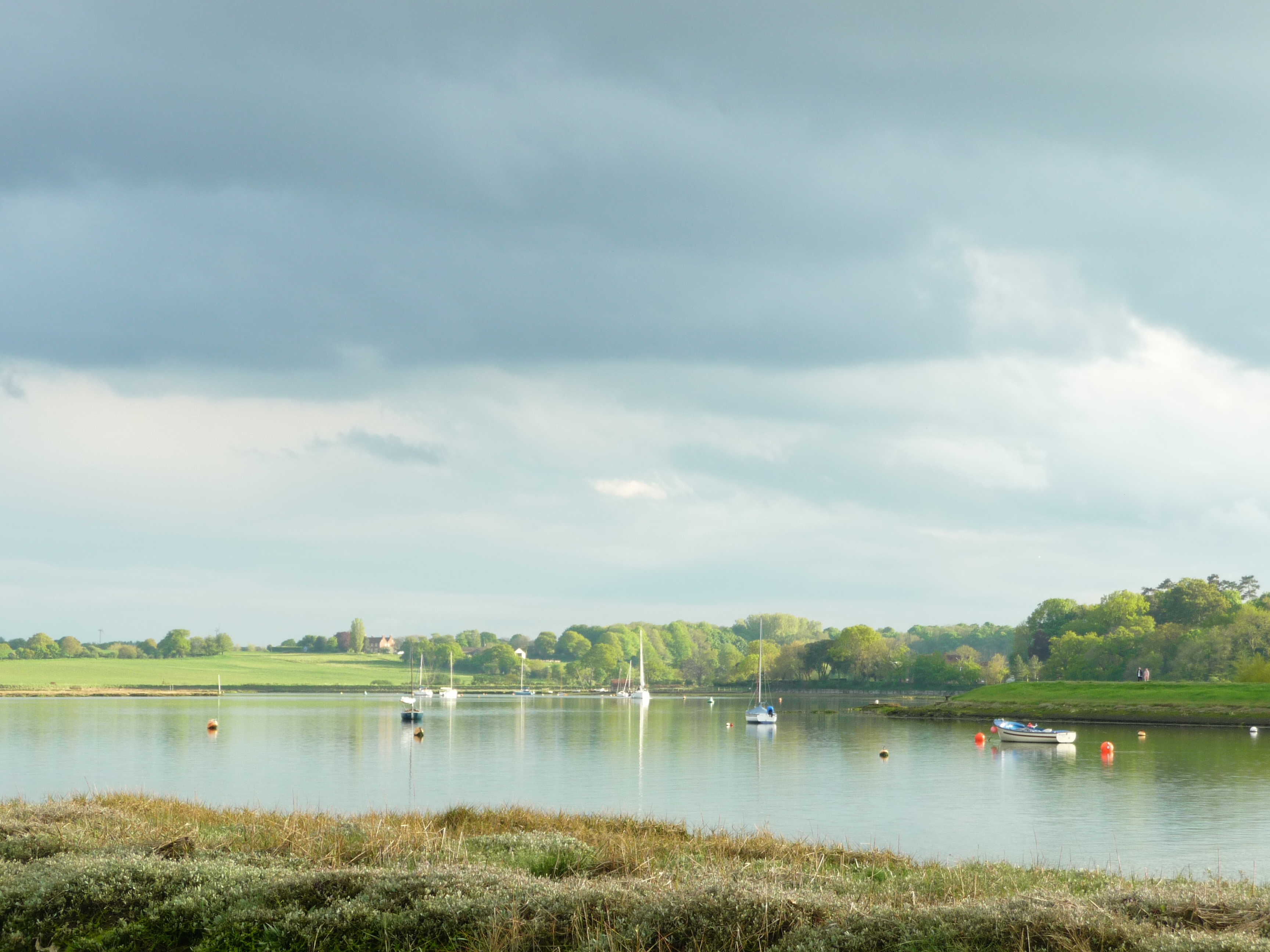
The west bank (Woodbridge side) of the river is busy with boats, houses and cafes, but the east bank, where you find Edith Pretty’s house and the Sutton Hoo mounds, is very quiet. We saw just a few people as we wandered along the riverside. It felt dreamlike, gentle – hidden or secret even. I began to see why people might choose this spot as a place to bury their dead.

River Deben on the east side. Rose Strang 2021

Sutton Hoo wasn’t a simple cemetary for everyday people though, the (unplundered) mounds contained jewels, helmets, swords, textiles and various objects that would have been extremely valuable. The theory is that Burial Mound 1 was the grave (or perhaps Cenotaph) of King Rædwald. He was descended from the Wuffinga dynasty and would have been a powerful leader. He ruled from about 599 to 624 but very little remains of Anglo Saxon belongings or history, thanks partly to later Viking raids.

The Saxons were also a sea-faring people though and Burial Mound 1 was found to contain an entire ship, in which the grave objects were contained. No obvious body was discovered, but there were chemical remains suggesting a body had been there.

What also interests me is that Rædwald lived in a time when people in Britain were encouraged to adopt Christianity and monotheism as their religion. Rædwald’s burial mound contained a bowl that was typically Christian in theme and design, but most of the objects were typical of an Anglo Saxon burial. In fact Bede tells us that Rædwald did adopt the Christian religion towards the later part of his reign, but it’s likely this was more a a political move than a spiritual change of heart.

I don’t say that in a cynical sense, but more because it benefitted leaders to adopt Christianity since Rome was so powerful. Rædwald’s wife (whose name was unknown) was described by Bede as Pagan. Rædwald must have felt conficted. There’s a story that describes how she rebuked him for his lack of morality in one particular situation – so-called Pagans had a code of ethics too of course!

The above is a very cursory run-through of history I’ve picked up from The Dig and reading through Wikipedia, but the question that intrigued me most was – why did they choose this particular landscape for these prestigious burial mounds? I came across a website by someone called Lindsay Jacob (http://underlyndenchurch.com/) who describes a little about Anglo Saxon beliefs. It reminded me a lot of the research I’d done during my Arthur’s Seat Sacred Wells painting series. Landscape itself was spiritual and sacred in ancient cultures. They believed that certain places were liminal – places seen as ‘in-between’ or as some people might describe it – where there’s ‘a thin veil between heaven and earth’. These places were usually hills, streams, rivers, certain trees and so on.

Sitting on the banks of the River Deben the water looked calm as a mill pond, reflecting a milky sky. It looked to me as though if I removed the land there’d be nothing to differentiate sky from water – a band of grassy land off the river bank looked like it was floating in space. I tried to capture that in my painting above.

I’ll write more about Sutton Hoo in the next blog post in a few days when I post the next painting.

Burial Mound 1 in the sunset. Rose Strang 2021