Tag Archives: rose strang

A Mid Summer Night’s Eve …

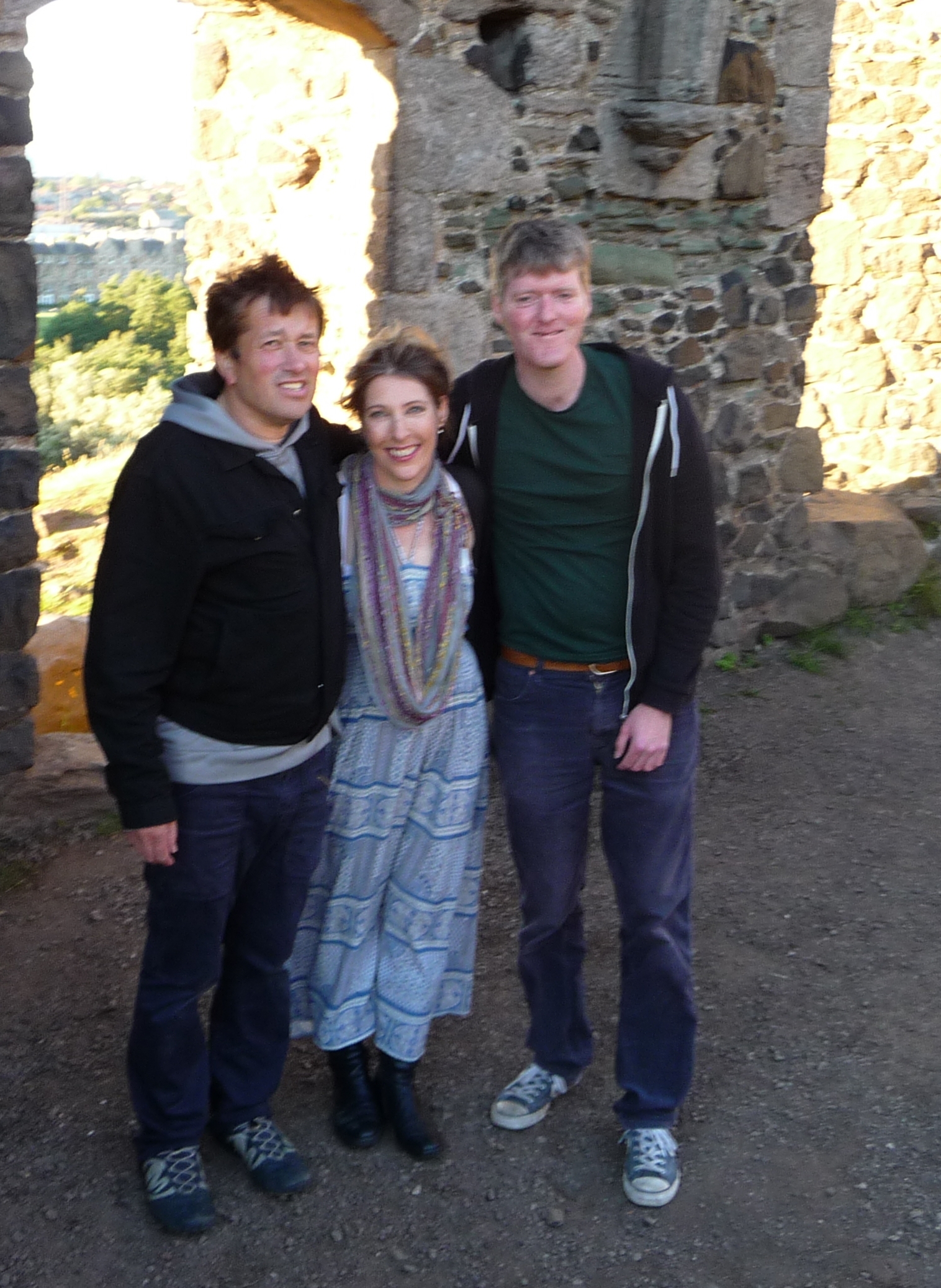
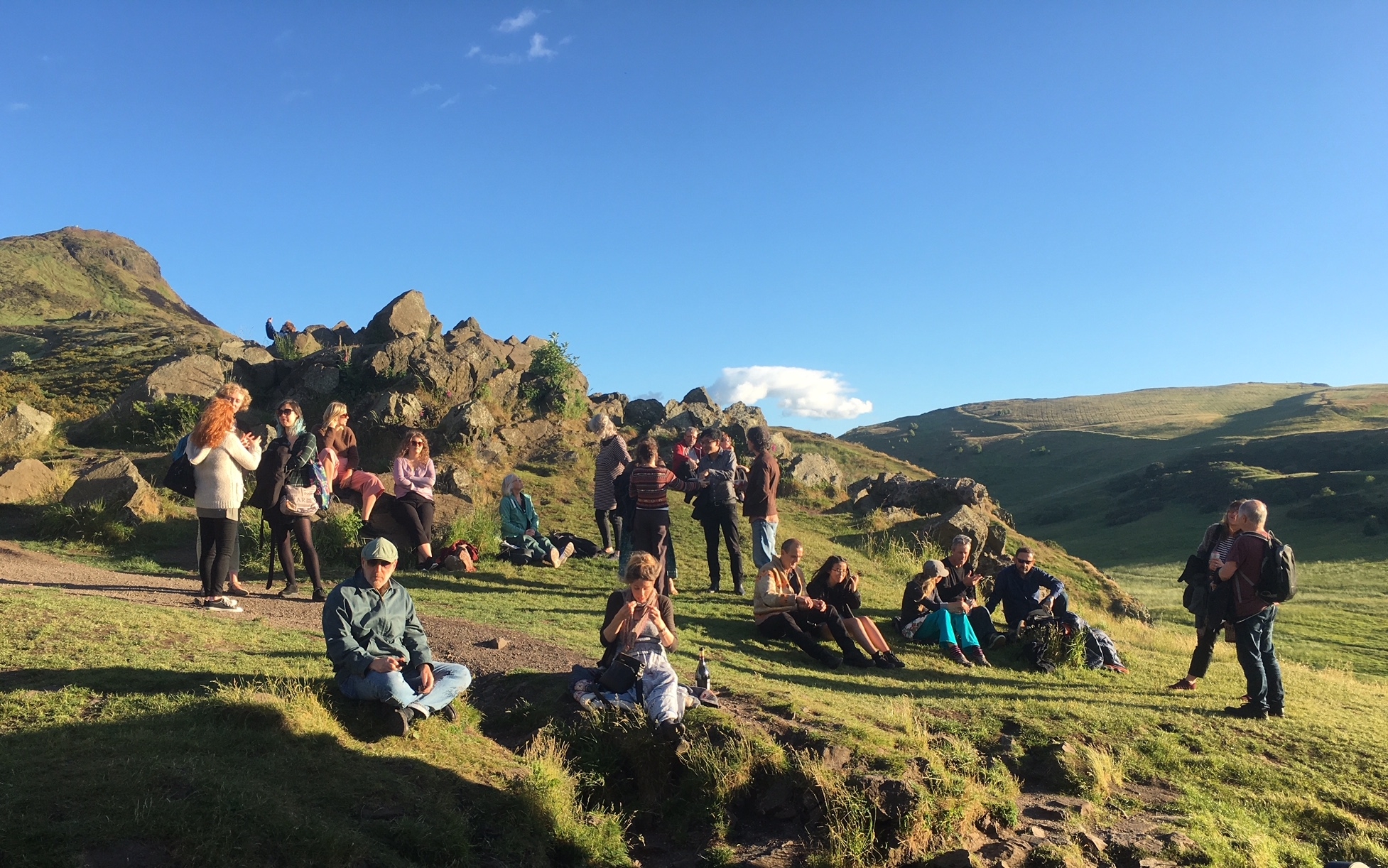
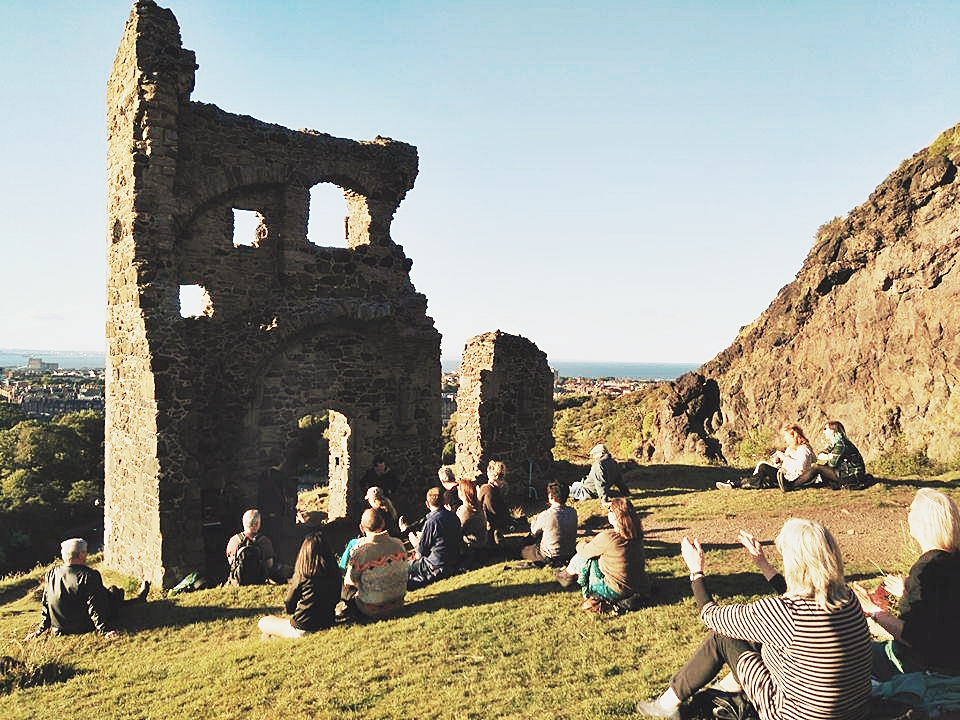
Summer Solstice – what better way to spend the longest day of the year than up on Arthur’s Seat in the sunshine, with friends, family and two of my favourite musicians – Dominic Harris (Dominic Waxing Lyrical) and Riley Briggs (Aberfeldy)

This was part of the ‘Wells of Arthur’s Seat’ project (which ends on Sunday).

Dominic Harris, me, and Riley Briggs


(Photo by Kenneth Duffy)


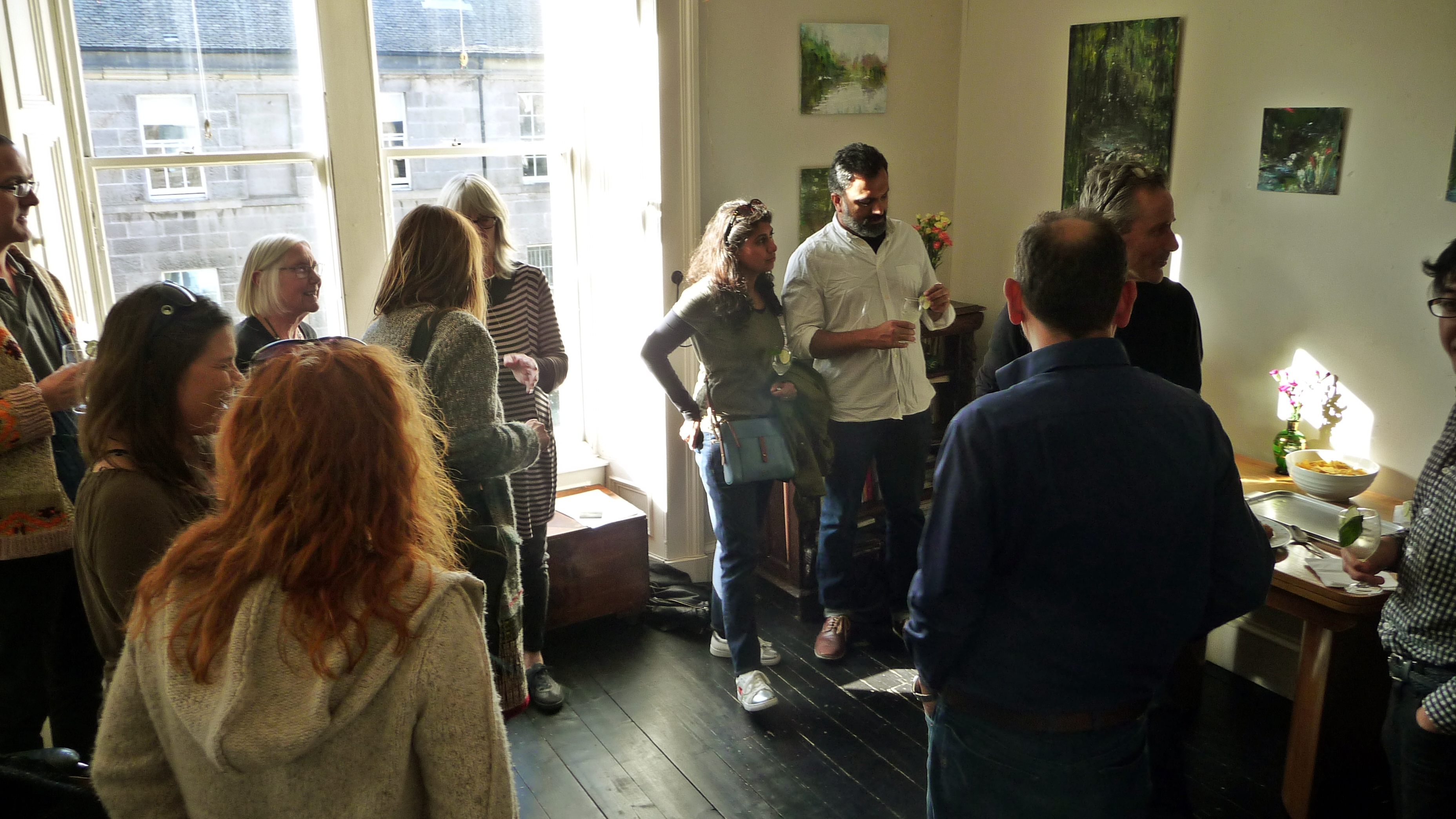
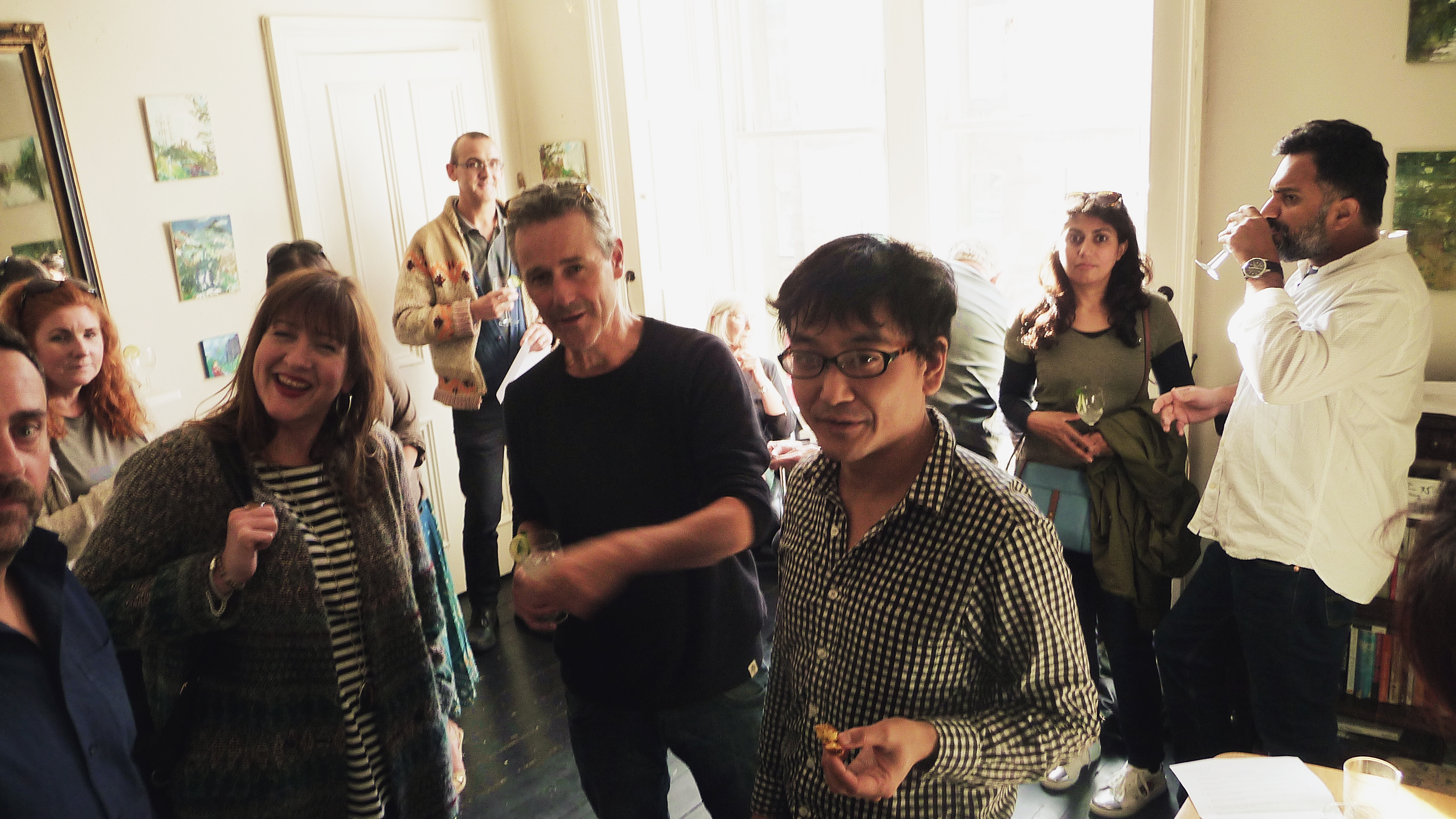
We began the evening at my studio with cocktails (invented for this special occasion – Chartreuse, vodka, fresh lime and syrup of Sweet Cicely over crushed ice, titled an ‘Arthur’s Sprite’ by my friend Donald!).


Dominic and Riley Briggs treated us all to a live acoustic set – which was melodious, full of invention and fun as always. I think this may be one of my favourite gigs – being a bit high on ‘Arthur’s Sprite’ cocktails – music, sunshine, the atmosphere and conviviality.

My camera’s sound was playing up with the wind, but still I think my vid below captures some of the atmosphere…

What a special evening, as Dominic said ‘this isn’t one we’ll forget’. My warm thanks to Dominic and Riley.

Tomorrow afternoon (Sunday 24th) is the last day of the exhibition, so if you’re in Edinburgh drop by for a cup of tea (or glass of wine!). You can view the paintings Here

Society of Scottish Artists

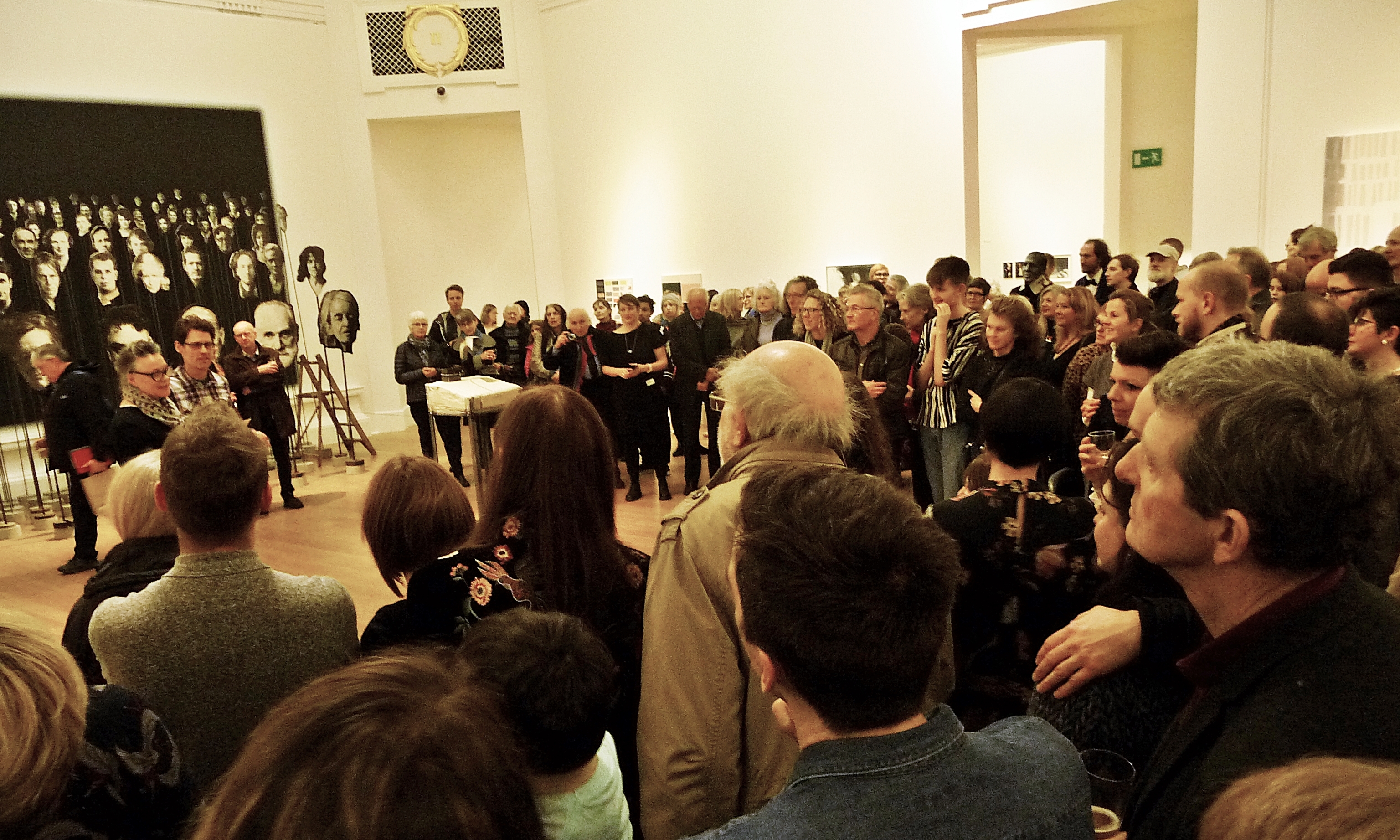
Photo – at the launch of 2018’s SSA Annual Open Exhibition

It was really lovely to be selected, along with 16 other artists,  as a Professional Member of the SSA recently.

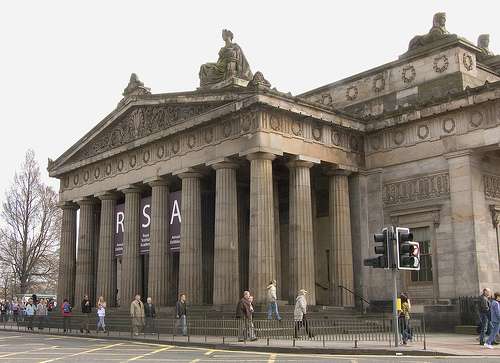
The SSA (Society of Scottish Artists) is an artist-led organisation which holds an annual exhibition every year at the the RSA.


Artists are selected for; actively practising professionally within one or more branches of the visual arts and are selected in recognition of their talent and dedication in this field. 

It means I can add ‘SSA’ to the end of my name, which is nice! The SSA is a friendly, supportive organisation, run by its president, award-winning artist Sharon Quigley and a team of artists selected each year. Its honorary President is Richard Demarco CBE.

In addition to the SSA Annual Open, they organise a year-round programme of national and international exhibitions, also events, residencies and workshops.

If you’re interested, here’s a brief history of the SSA (copied from SSA website)  …

“The Society of Scottish Artists was founded in 1891, and held its first Annual Exhibition in the Royal Scottish Academy Gallery – then the Royal Institution. Its inaugural catalogue laid forth the SSA’s function as:

“… being formed with a view to holding an Annual Exhibition in Edinburgh, to give inducement to the younger Artists to produce more important and original works by providing hanging space for such works. The opportunity has also been taken to obtain for the Society’s Exhibition examples of all Schools of Modern Art from distinguished living Artists…”

The SSA and the members and government of the RSA enjoyed an uneasy relationship during the early years of the SSA’s existence. The SSA was seen as a “rebellious” and “progressive” group, while the RSA represented the more traditional and conservative stance. After many appeals, however, including some to the Queen and the House of Commons, the SSA secured the use of the RSA galleries for its Annual Exhibition from 1902.

There are few Scottish artists of note who have not, at one time or another, been involved with the SSA, with Presidents including James Cadenhead, Stanley Cursiter, William McTaggart, Edward Gage, George Wyllie and Barbara Rae. The roll call of members and exhibitors is also impressive, including –The Glasgow Boys (Guthrie, McGregor, Walton, Hornel and Roche), the Scottish Colourists (Cadell and Peploe), John Duncan, Charles Rennie Mackintosh and William McTaggart to name but a few.

The SSA also strove to represent the more “adventurous” work being done abroad and so exhibitions included the work of the Post Impressionists, Gauguin, Cezanne, Matisse and Van Gogh in 1913 and, in the same year, the Futurist, Gino Severini showed work. In 1922 the Sociey presented work by Picasso, Daumier, Degas and Forain. In 1931, the Society showed, for the first time in the UK, twelve canvases by the then highly controversial Edvard Munch who went on to become a member of the Society.

In 1934 the SSA showed a selection of work by international living artists including Paul Klee. At this exhibition, the Scottish National Gallery bought his “Approaching Snowstorm“, which is now on show in the Scottish National Gallery of Modern Art. Prices for work then ranged from £35 to £350, with a head in pastel by Picasso costing £210, while framed etchings by Matisse, Picasso and Salvador Dali were available for £5 each.

The SSA has continued in this vein to the present day, always willing to show the controversial, the unique and the most adventurous and challenging work available. Its network of artist members and contacts throughout the world gives it access to some of the most interesting work by contemporary artists, which it endeavours to bring to a Scottish public.

A fully illustrated history of the Society of Scottish Artists can be found in the book, published by the Society in its centenary year, “The First Hundred Years“. This book is available from the Society. Please CONTACT US for further details.”

(From SSA website – http://www.s-s-a.org

Private View – Wells of Arthur’s Seat

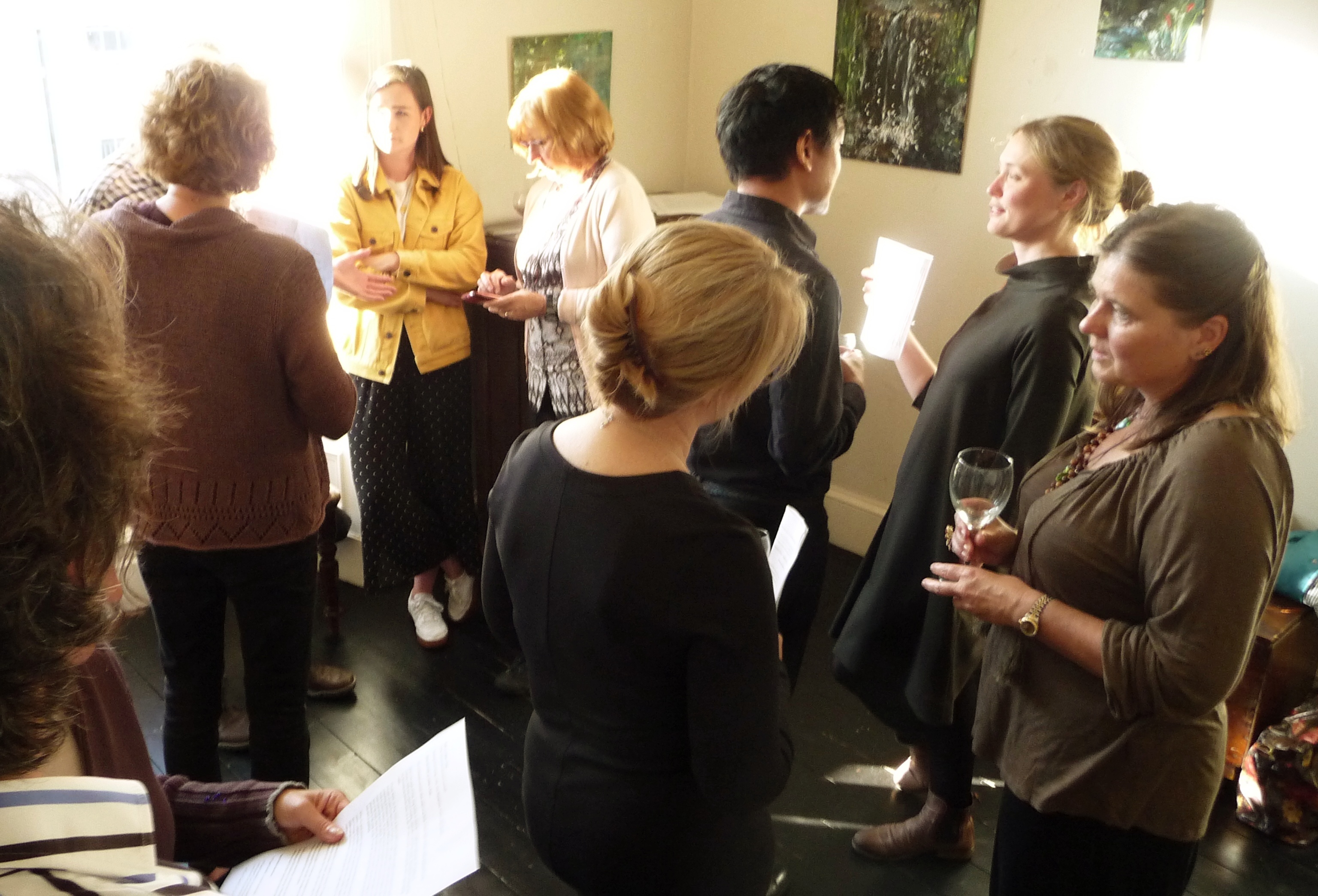
Saturday’s Private View of Wells of Arthur’s Seat was a wee oasis of healing, arts and magic!

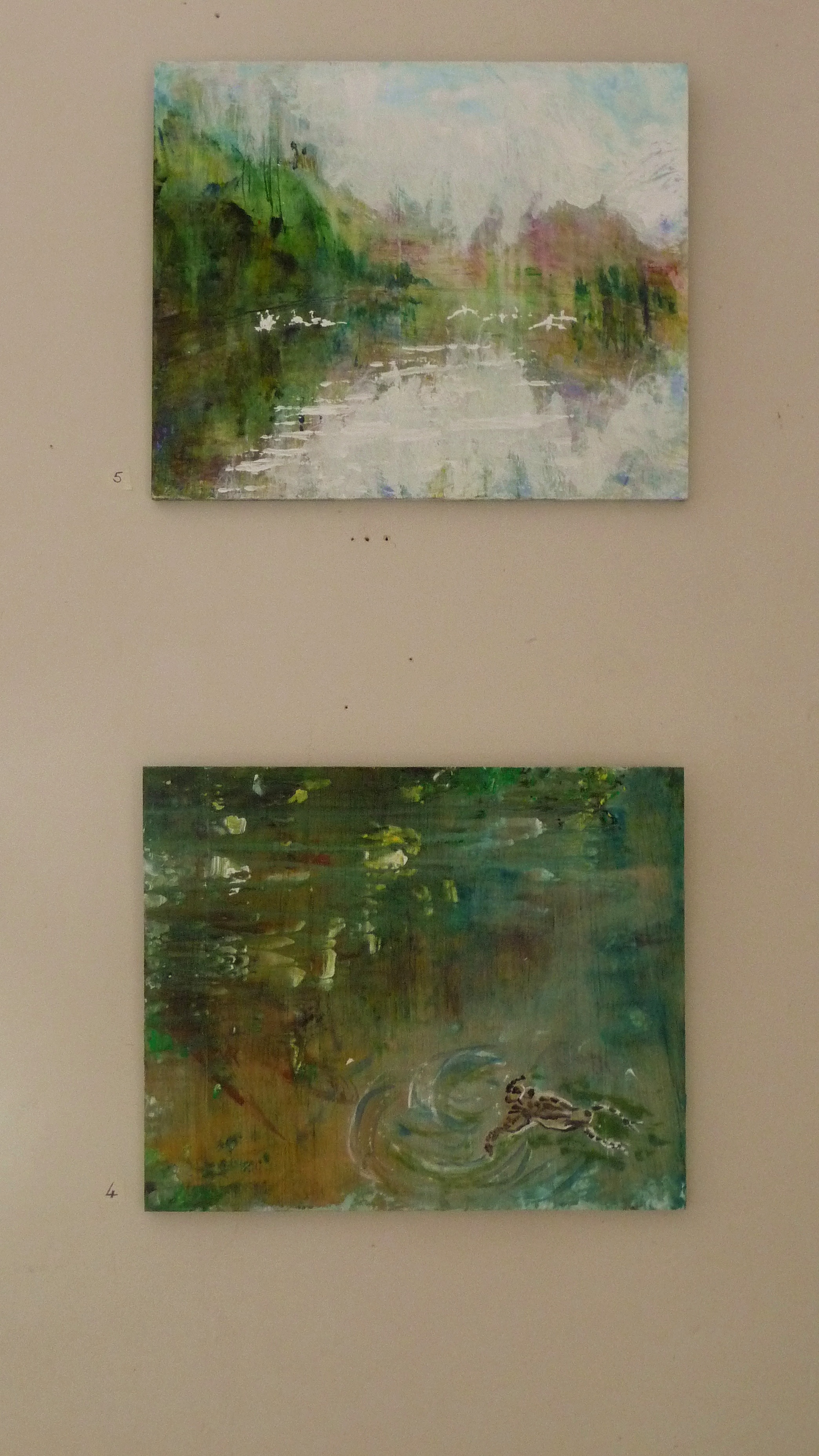
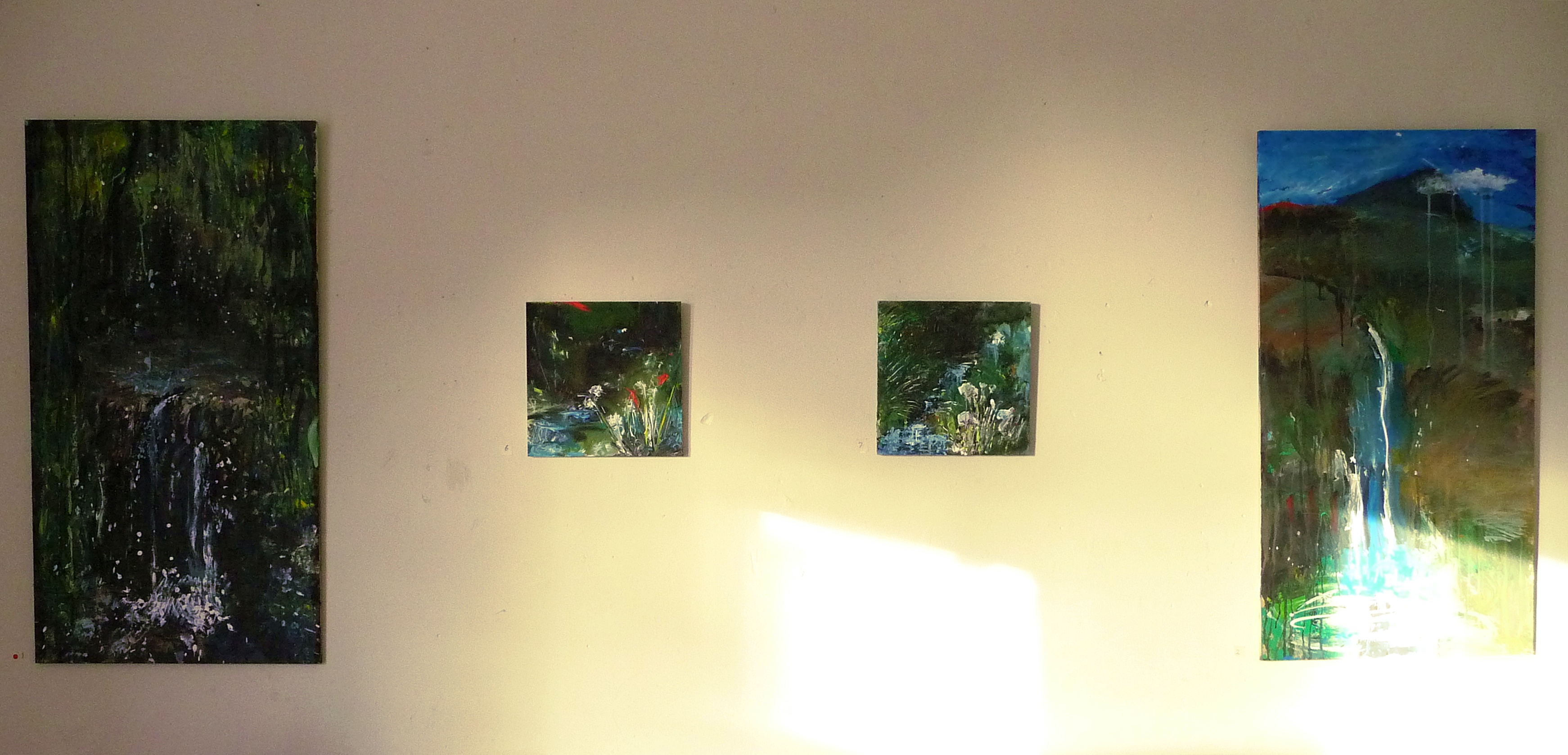
All paintings in the series can be viewed Here . Background ideas of the project Here

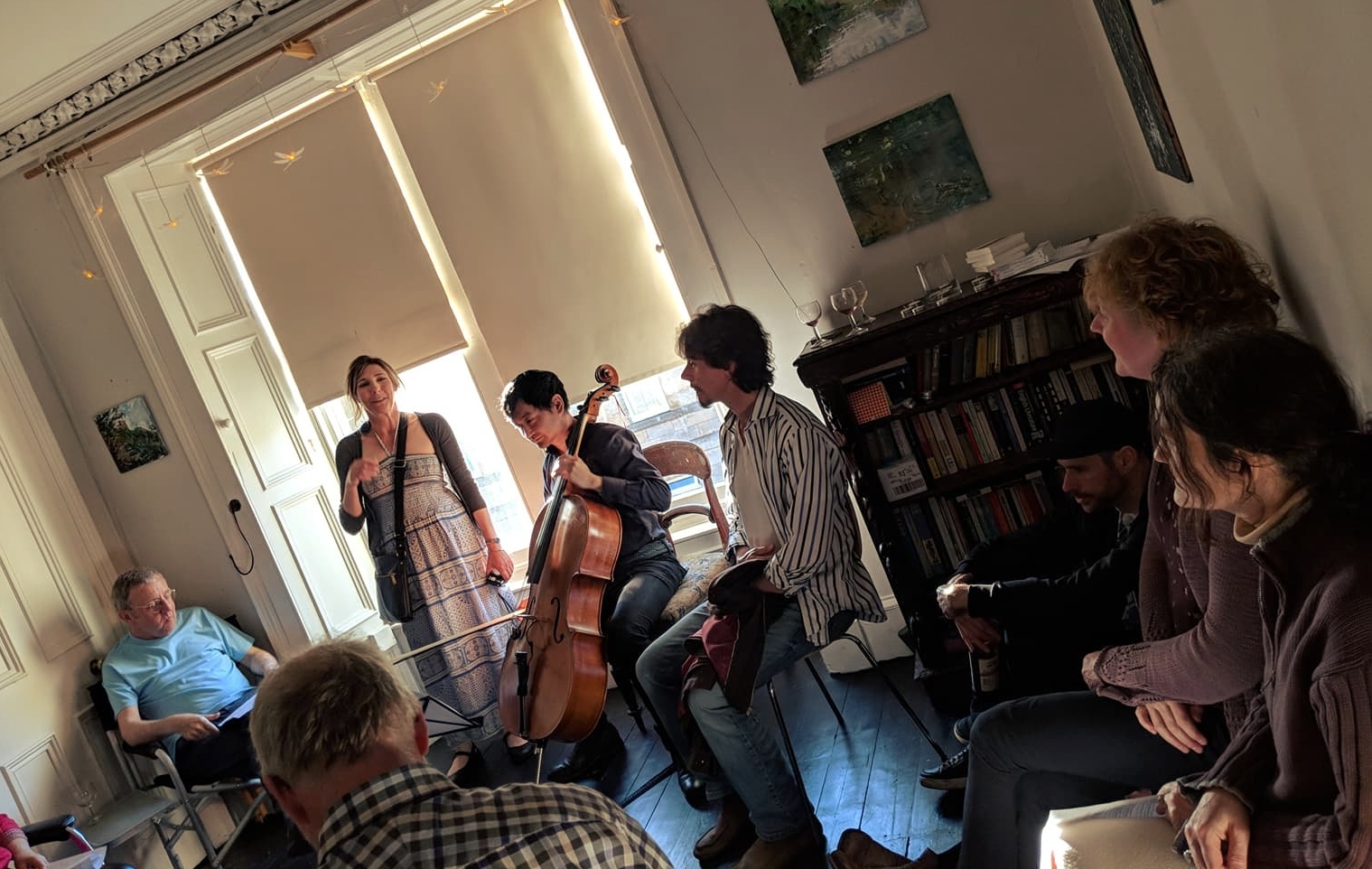
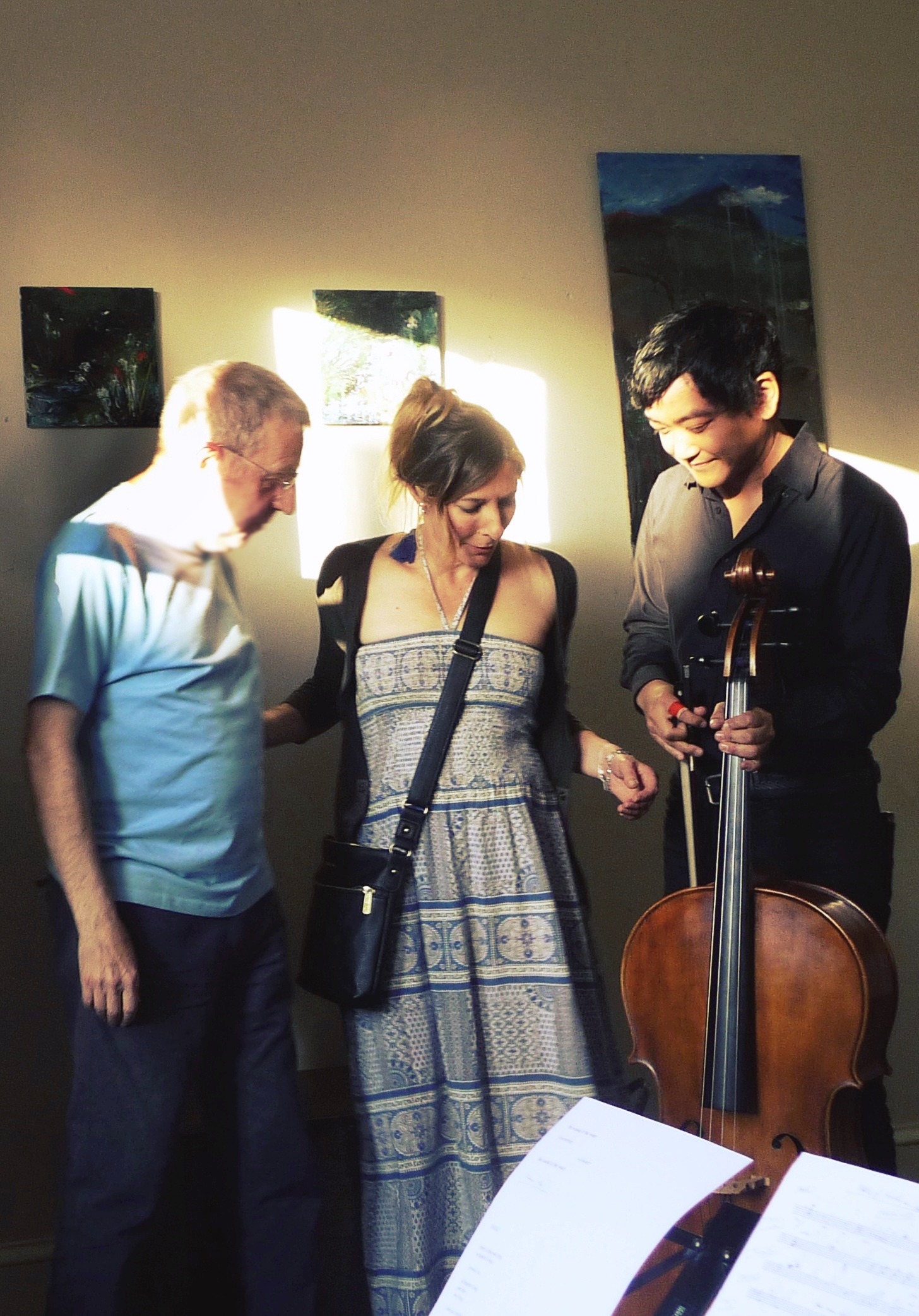
I look forward to sharing the poems and music (I’m editing video tomorrow), which I hope will convey the atmosphere created on Saturday –  the sense of calm – of water, flora and fauna, and my delight at the way Atzi Muramatsu and Alan Spence interpreted this.

Photo – Liza Horan http://mediamoxie.com/

Photo – Donald Ferguson


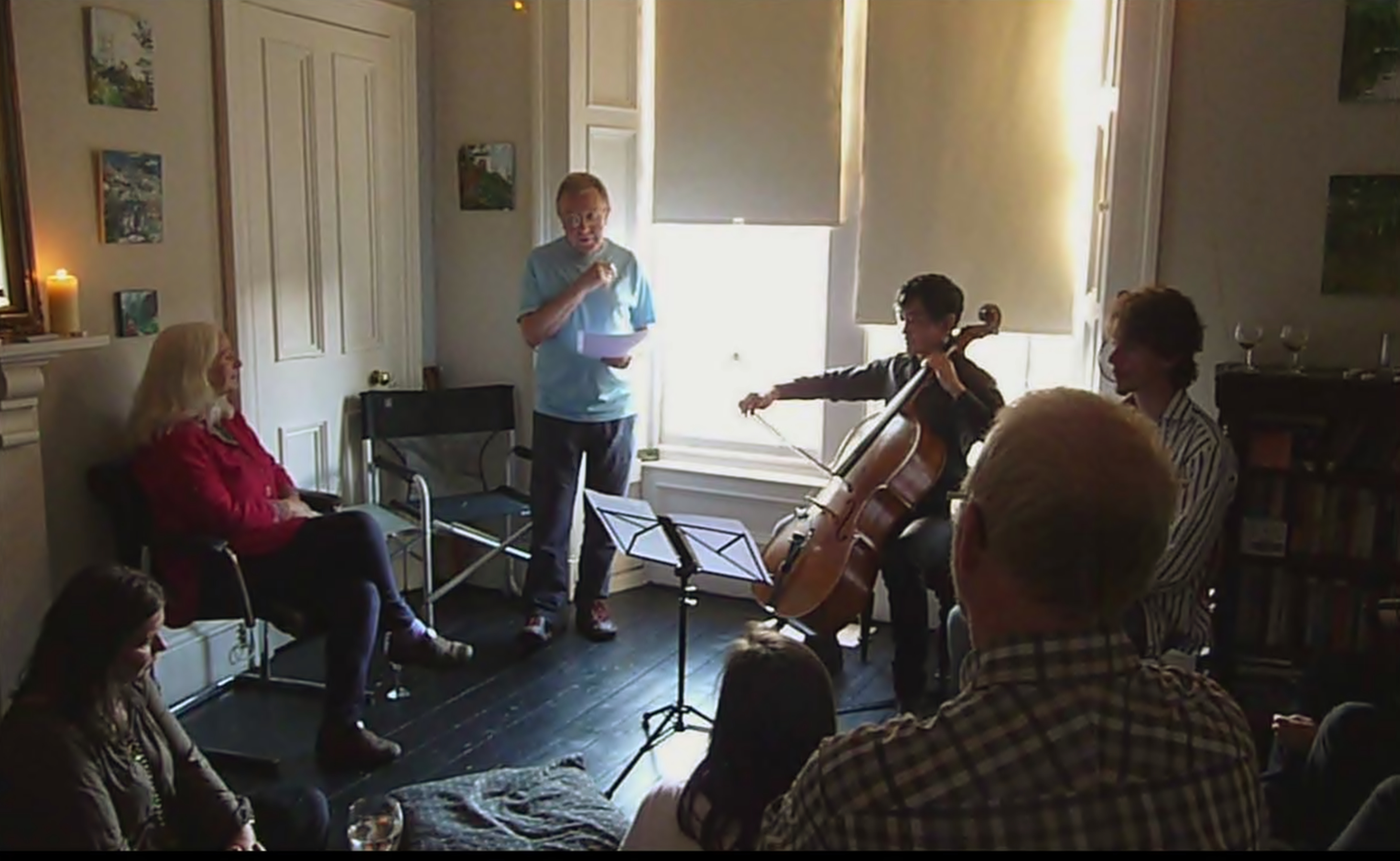
The highlight of the evening, for me, was Alan Spence reciting his poem Frog, with Atzi finding sounds on his cello that captured the very essence of water, or the spring of a frog’s legs as it plops into the water!

Alan introduced this frog poem last of all, describing how the Haiku poets (particularly Basho, and Japanese artists) often referenced the frog.

One of my paintings was titled ‘Swimming Frog, Hunter’s Bog’ – an appealing and amusing rhyme for a poet’s ear! As he explained – “Hunter’s Bog meets Basho’s frog – the last line of one of Basho’s poems is sometimes translated as the sound of the water” …

FROG

there’s this wee frog

in hunter’s bog –

furuike ya…

in hunter’s bog

just this

wee frog

kawazu tobikimu…

just this wee frog

mizu no oto

the sound

                    the water

the sound of the water

(Alan Spence June 2018)


That really made me smile! The pleasing simplicity and evocation of happiness in nature – especially after all my walks in Hunter’s Bog on Arthur’s Seat this past year.

In the next two weeks I’ll post a video featuring the music, poetry and paintings. (We will also be developing the project in September this year, to show to a bigger audience).

Lastly, my warm thanks to the following …

Atzi and Alan, for inspiration, and love of the arts. Donald, Sabine, mum and Catherine for helping make the event happen, and their support and enthusiasm. David Finnie, for buying my paintings and being such a welcome presence at these events, as are his wife Fiona and daughter Sarah, for such friendly and responsive presence.

Thanks to Scott Terris for bringing flowers, and Liza Horan (owner of Media Moxie) for these lovely words on Facebook –

As the windy rain transmuted to a vibrant sunset, Rose Strang shared a very special collaboration with Atzi on cello and Alan Spence on verses of haiku. The paintings sang of Arthur’s Seat and St. Anthony’s Well within, while the strings bounded high and sunk low, and the colorful haiku captured the rhythm of the place. Congrats and thanks for sharing your spirit and work.

Thanks to all for coming – you’re always welcome!

Also, someone anonymously left these flowers outside the door during the event. Thank you too! How fitting, when the healing rituals of Arthur’s Seat’s wells were sometimes completed with a gift of flowers …

Edinburgh in the Snow (and a brief history of Edinburgh!)

Not for sale. Edinburgh Snow (High Street and Arthur’s Seat from Regent Road). Mixed media on 22×16 inch found wood panel. Rose Strang 2018

Today’s finished painting of Edinburgh in the snow. I’ll be submitting this for competition next month, wish it luck!

The view is from Regent Road looking across to Salisbury Crags on Arthur’s Seat. In the foreground you can see buildings of the Royal MIle obscured by snow.

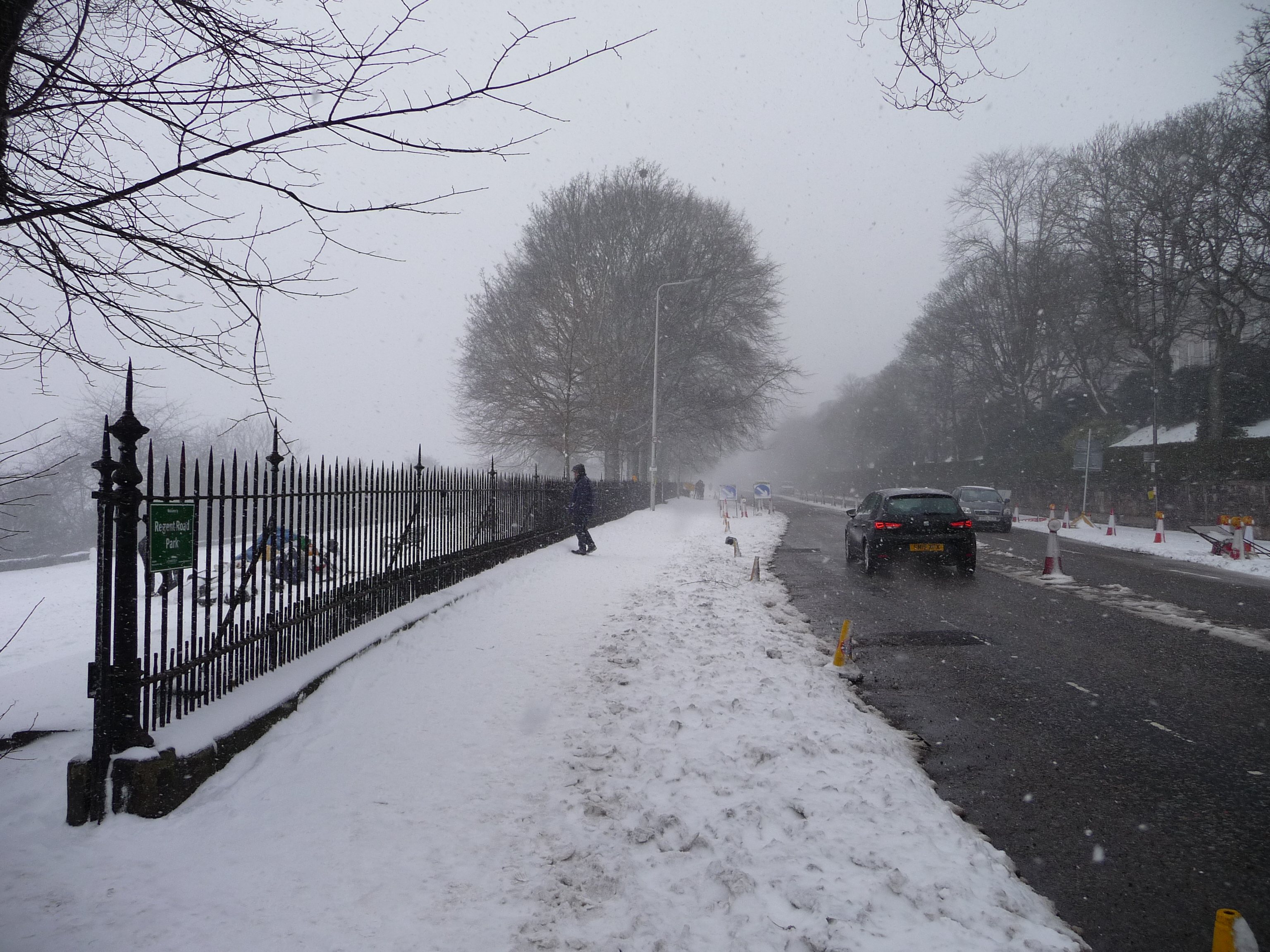
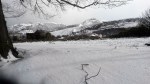
I’ve deliberately kept it vague since that’s how it appears as you walk into a snow blizzard along Regent Road, which is underneath Calton Hill halfway down to the valley of the Royal Mile or High Street (my photo below from a few weeks ago) …

Walking along Regent Road


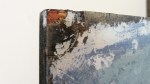
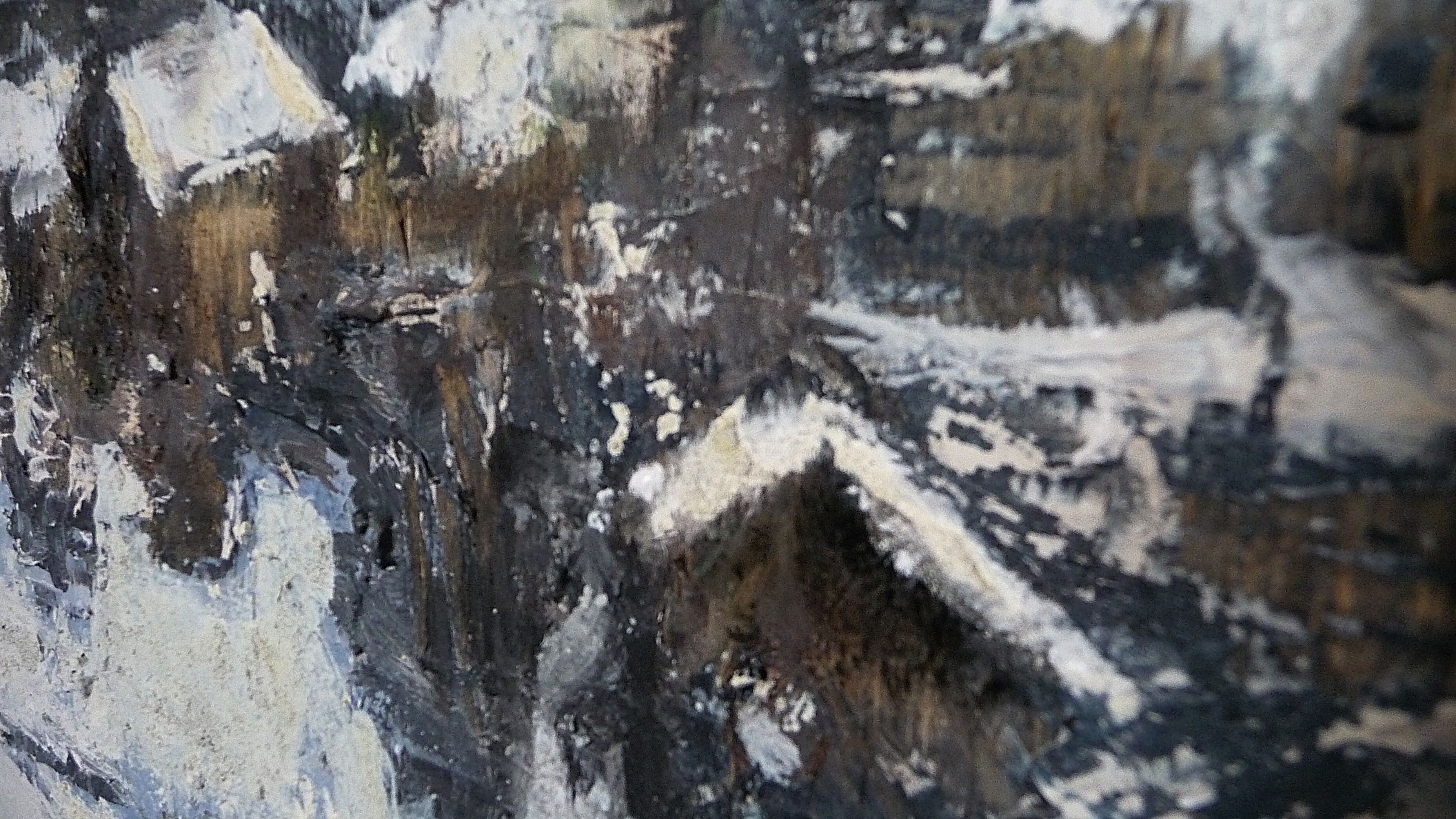
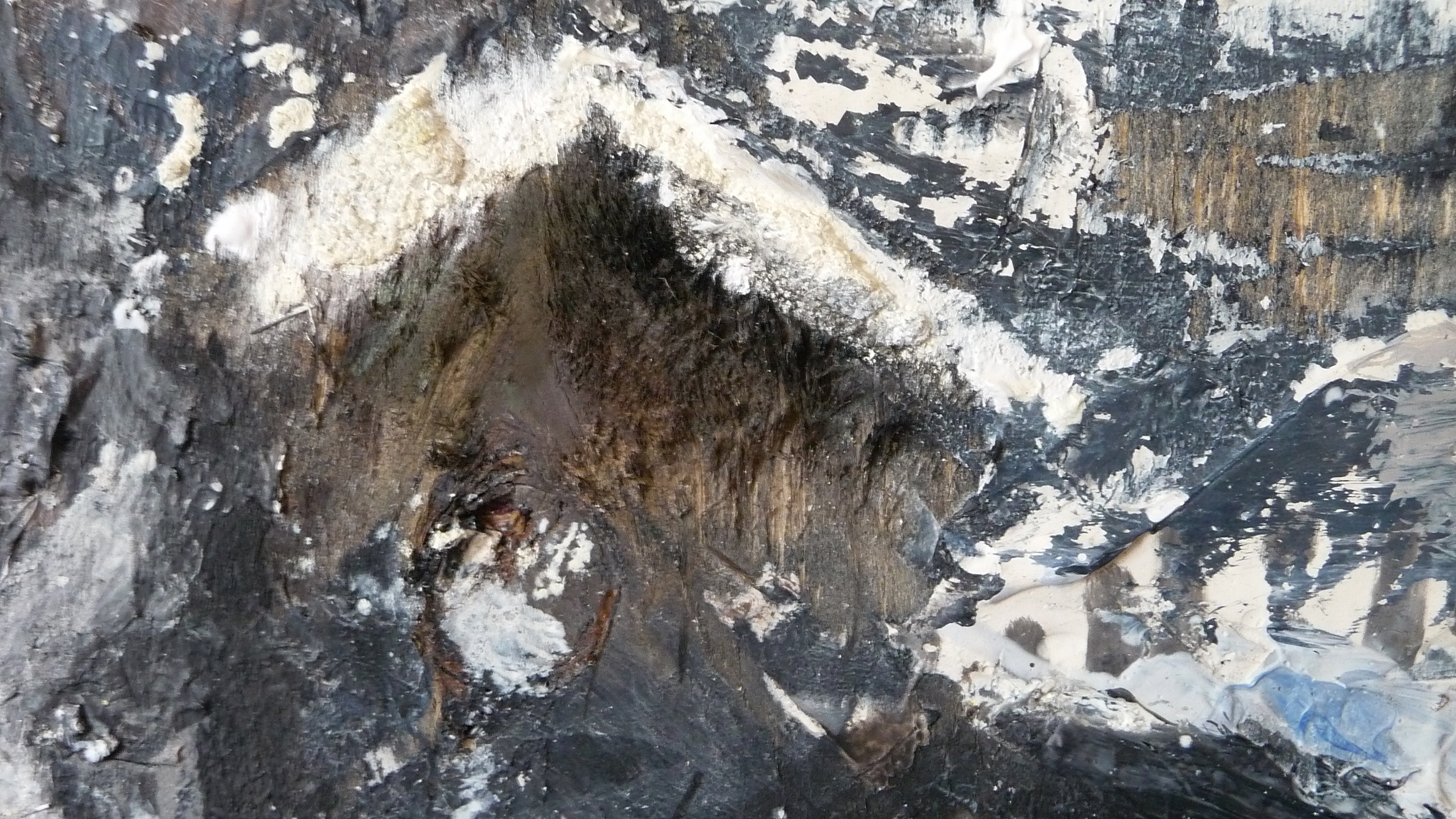
I also wanted to get across the ‘feel’ of the Old Town, with its medieval buildings and wood timbers, hence the exposed wood in the painting and roughened edges, blurring old and modern buildings. Some close-up details below showing texture …
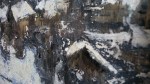
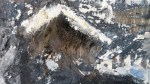


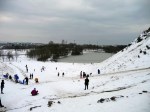
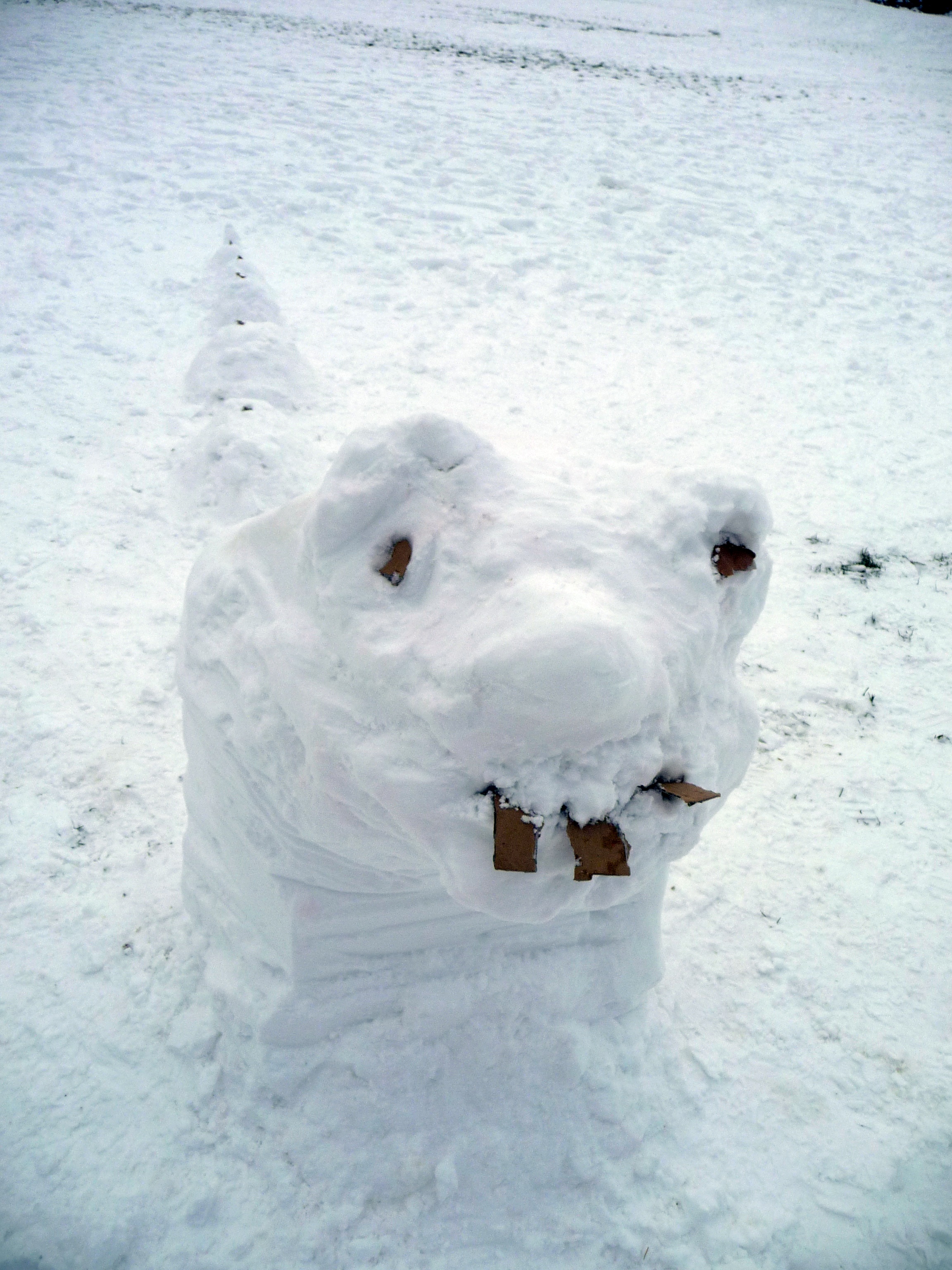
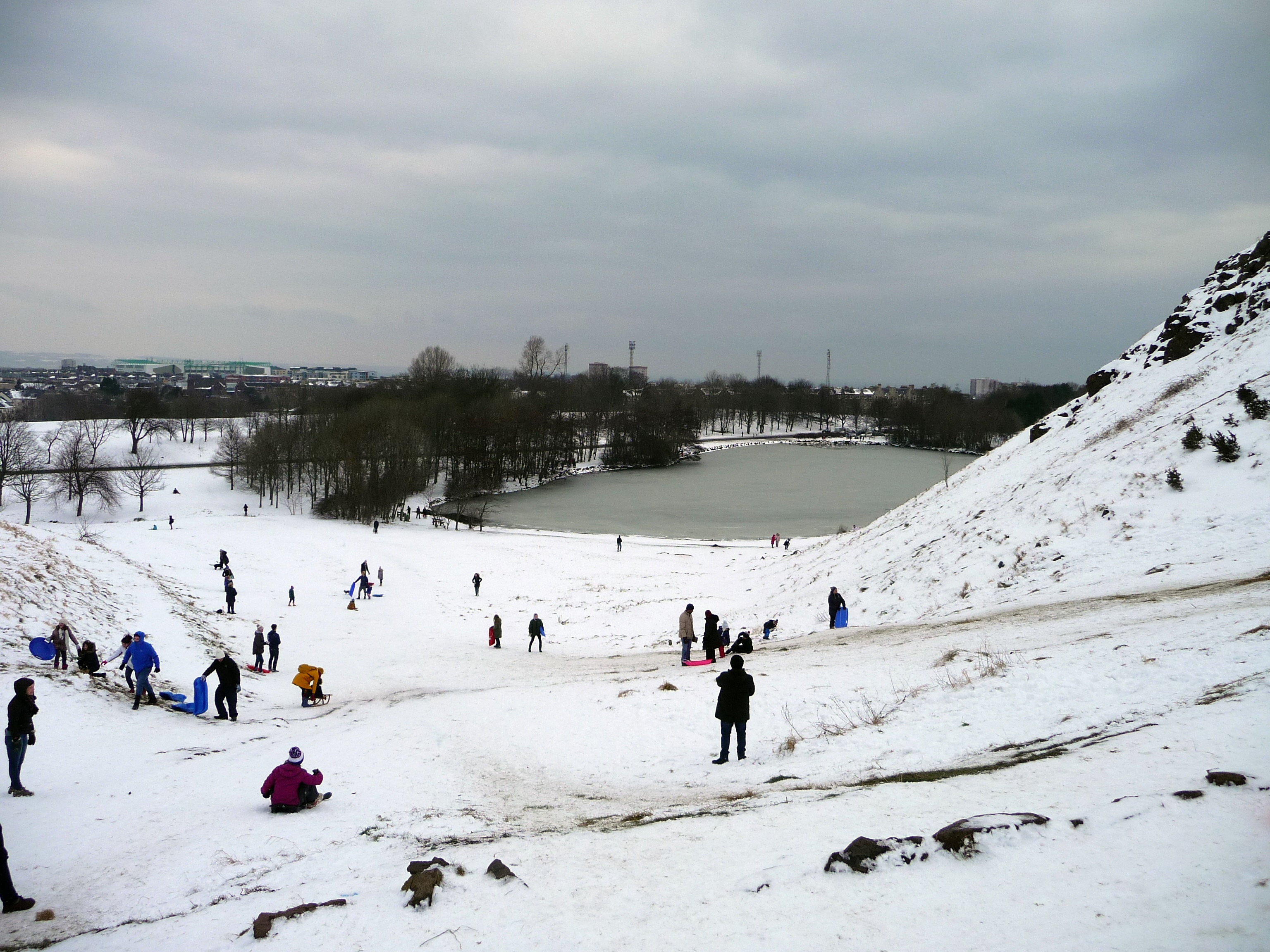
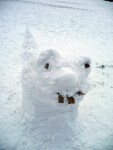
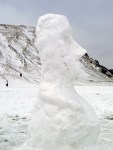
Edinburgh has just been voted the most popular tourist destination in the UK, and living here can make us a bit blasé about the features that make the city so unique and appealing, but the recent snow seemed to bring everyone out of winter hibernation. Arthur’s Seat was thronging with folks enjoying the snow – kids on sledges, a plethora of snowpeople! I slid about in the snow with my pal Donald, and it was great to see and experience…


And although I felt thwarted in my plans to get to the Cairngorms this spring due to train cancellations, I ended up appreciating Edinburgh instead. It is truly beautiful in the snow, hence these recent paintings (I’m working on a couple more).
So for those of you who don’t know so much about Edinburgh, and in the spirit of internationalism (and let’s face it, without the Edinburgh International Festival, Edinburgh would be a fairly boring place arts and people-wise, not-with-standing my dear Edinburgh family and friends!) I thought I’d include some brief words about Edinburgh’s history.

Briefly though, today I decided for the first time to check overall blog stats since 2013 and it turns out that visitors to this blog include folks from, in order of most views:

UK, US, Germany, France, Poland, Australia, Canada, Spain, Sweden, Netherlands, Ireland, Italy, South Africa, Switzerland, Greece, Japan,  Brazil, Belgium, Russia, India, New Zealand, Denmark, Columbia, Portugal, Dominican Republic, South Korea, Singapore, Quatar,  Hong Kong, Austria, Norway, Mexico, Jordan, Serbia, Turkey, Romania, Brazil, Czech Republic, Finland, Chile, Pakistan,  Hungary, UAE, Croatia, Slovenia, Israel, Jordan, Egypt, Thailand, ,  Philippines, Malaysia, Luxenburg, Argentina, Taiwan, Georgia, Lithuania, Ukraine, Slovakia, China, Kazakhstan, Latvia, Malta, Nigeria, Cyprus, Sri Lanka, Moldova, Albania, Panama, Vietnam and loads more going into vistor numbers under 50.

So, thank you to folks taking interest in an obscure Scottish painter’s blog!

Anyway, here we go with a condensed Edinburgh history (illustrated with my own photos) …

A condensed Edinburgh history …

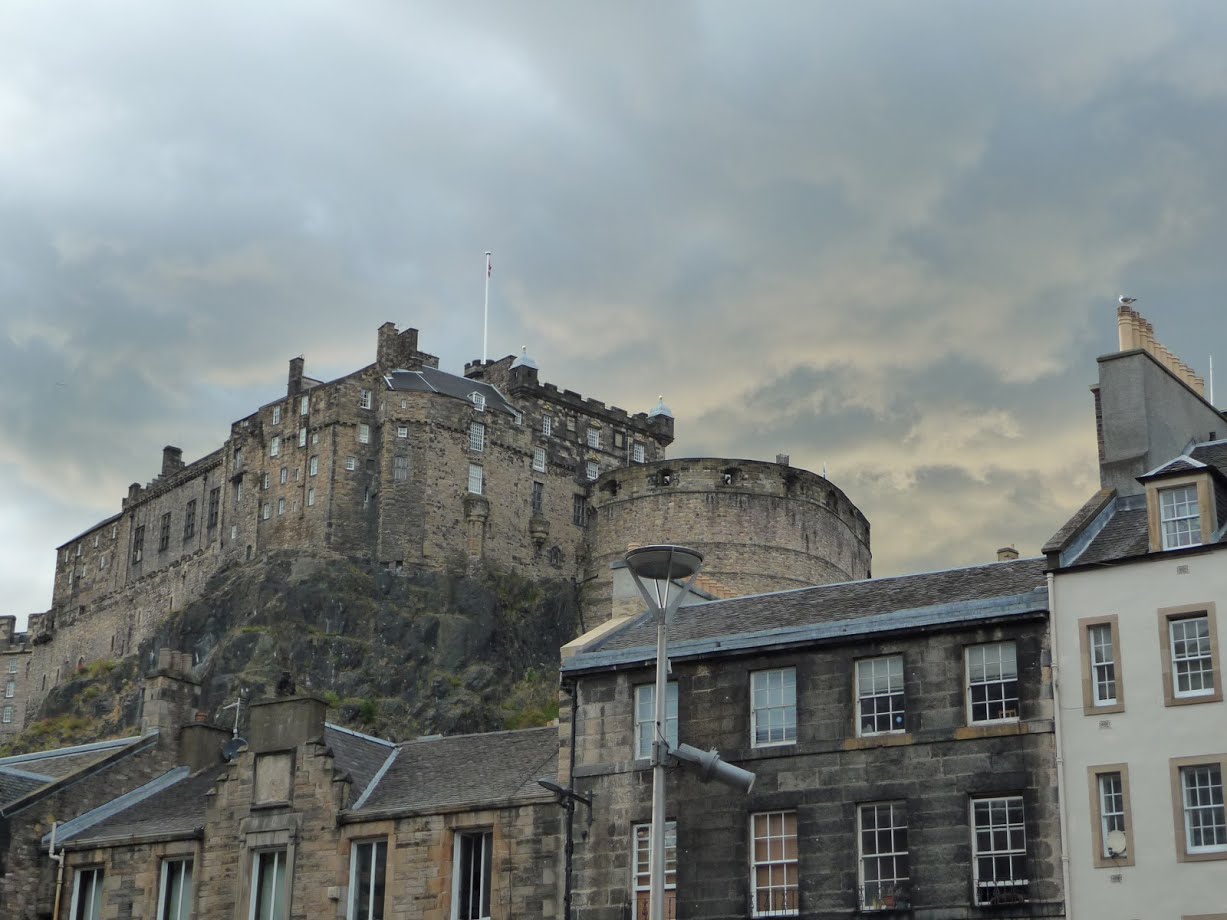
Edinburgh Castle from Grassmarket

Edinburgh’s dramatic landscape was formed by volcanic activity that took place between around 358 and 298 million years ago.

The view from Edinburgh in my painting above sits between two of Edinburgh’s extinct volcanos – Calton Hill and Arthur’s Seat. If my painting panned to the right you’d also see Edinburgh Castle on top of the volcanic plug that forms the base of the castle.
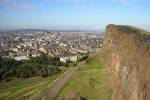
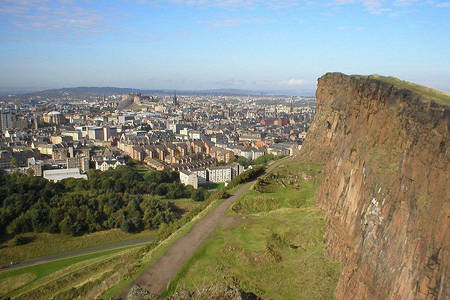
After volcanic activity ceased, the landscape was submerged under sea water. Sedimentary rock (formed by waves of sediment washed over the land by water over millions of years) then began to form the Salisbury Crags (the cliff seen in my painting and in photo to the right), which were gradually tilted up to their current dramatic angle as pressure eased after the ice age.

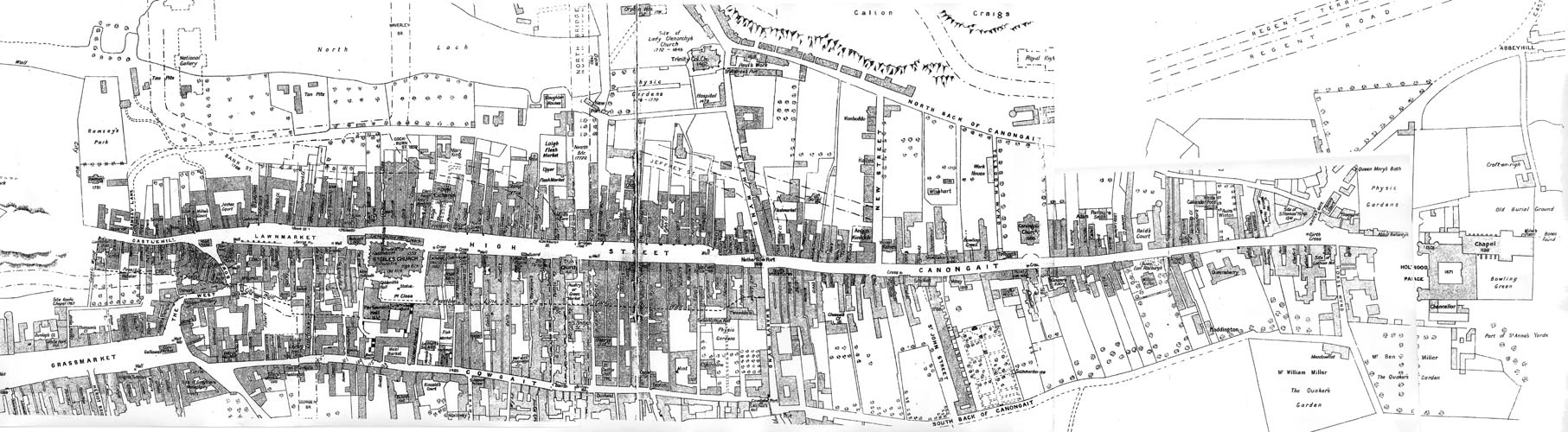
The ice-age sculpted Edinburgh’s landscape into the shape it retains to this day – for example the ‘spine’ that forms the Royal Mile from Edinburgh Castle down to Holyrood House was formed by retreating glaciers dragging or depositing debris with them to create a trail behind each hill and mountain.

18th cent’ map. ‘Spine’ of the Royal Mile, castle on left, Holyrood Palace at the right, at the bottom of the hill. http://www.royal-mile.com/maps/royalmile18thc.

These rocky promontories must have had immediate appeal to early settlers as look-out spots;  almost all of the summits of Edinburgh’s volcanic hills reveal signs of early bronze age people.

Although I’ve been walking around Arthur’s Seat since I was a kid, the fact that I now live so close to it has inspired me to explore more, and I’m beginning to get an ‘eye’ (with the help of my archaeologist friend Sabine!) for Bronze-age remains (shapes or patterns in the land as opposed to actual buildings) not to mention spotting Edinburgh’s early sites of worship, healing or spiritual interest – such as wells; the traces of which can be found alongside later Christian religious buildings and sites (more on this in later blogs).
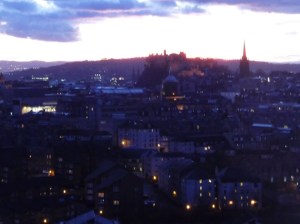
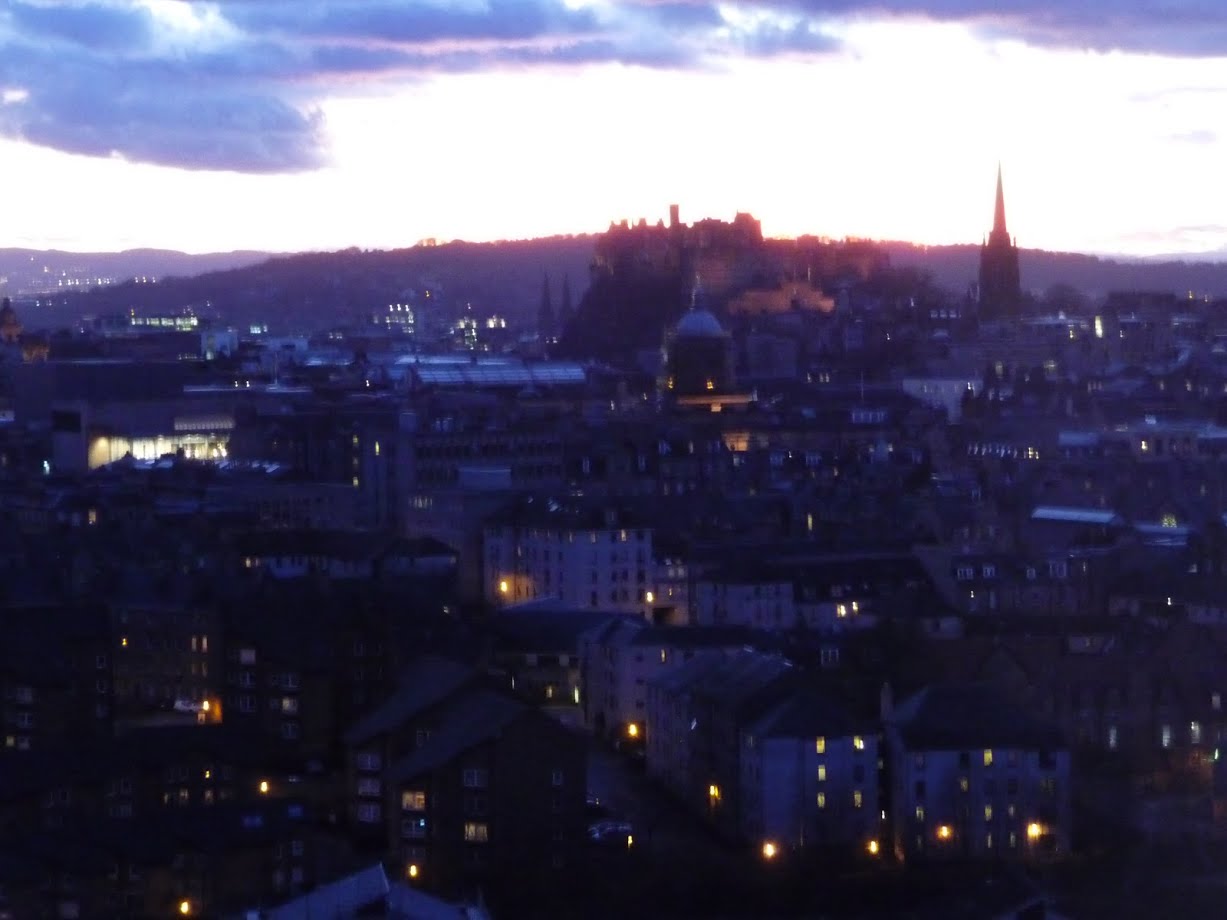
Edinburgh in twilight from Arthur’s Seat. The castle easily spotable on the horizon

If we’re thinking about a definitive beginning for Edinburgh though, it would clearly be the Castle Rock; easily defendable with its sheer basalt cliffs. It was called Dun Edin (‘dun’ means hill) and we know that there were settlers there from at least 850BC

As more people settled around the dun, or rock, the city would have grown in reputation as a stronghold or well-defended fort.


The castle itself (or the original building) was built from around the 12th century. To protect the growing city that began to grow along the ‘spine’ of the Royal Mile down to Holyrood Abbey, a wall (the Flodden Wall, remains of which can be seen today) was built around the city, and this was the catalyst for the distinct, tall buildings or tenements that lined the Royal Mile or High Street.
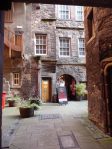
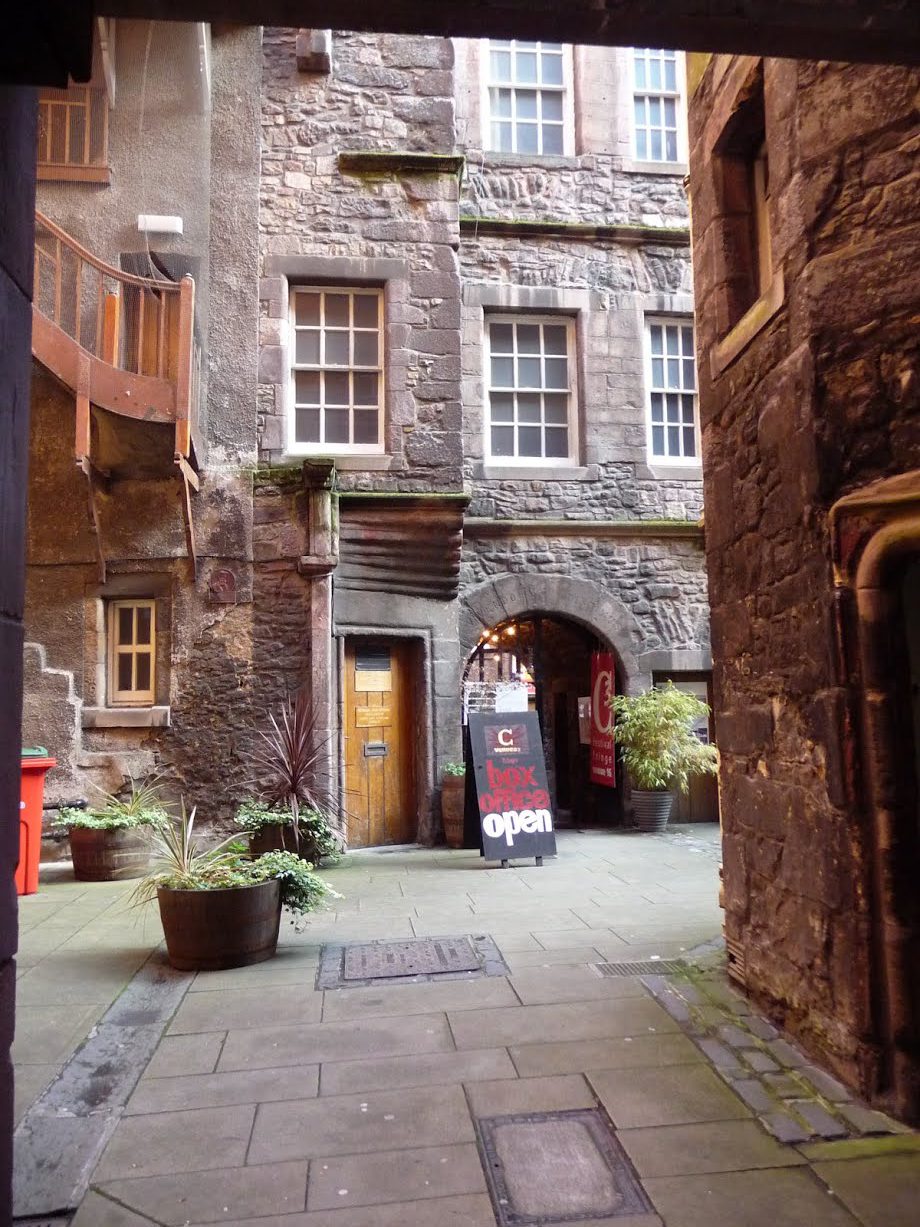
A charming, cleaned up ‘close’ in Edinburgh’s High street today

Builders built upwards, not outwards, because of the restricting wall. As centuries passed this created fairly unsavoury conditions (extremely unsavoury by today’s standards!). Packed into twelve storey tenements, Edinburgh’s effluent had nowhere to go and (readers from Edinburgh will groan with boredom at this point, having heard this story too many times) the oft-heard cry of gardez l’eau (pronounced GARRRDY LOO! with a strong Scottish accent!)  rang in the streets as residents chucked the contents of their chamber pots into the filthy cobbled streets below.

(Edinburgh had long-held connections with France, for many reasons, hence the familiarity with French language)

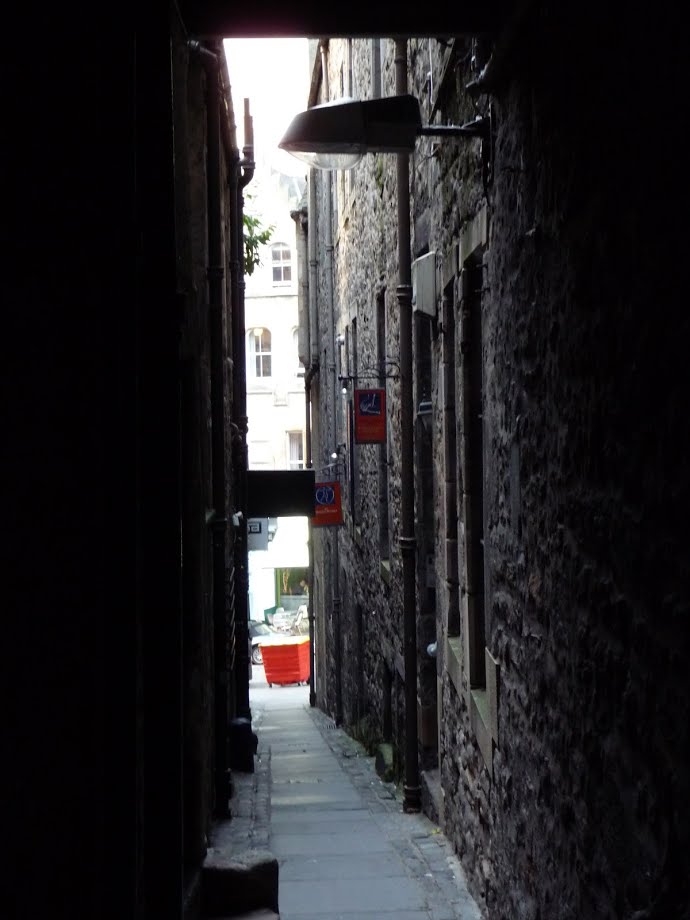
Old Edinburgh featured narrow closes between the closely packed buildings

Disease was rife, and no matter how posh you might be, you lived cheek-by-jowl with ordinary folks. On top of that, numerous open fires in such a small, over-inhabited space meant that the High Street was black with soot and smoke, hence Edinburgh’s nick-name of ‘auld reekie’ (old stinky).

This issue (for Edinburgh’s rich inhabitants anyway) was finally addressed when an architecture design competition was held in the mid 18th century and a young architect called James Craig won (I think he was in his early to mid-twenties at the time, I’m not fact-checking most of this but do correct me if I’m wrong!).

James Craig’s plan for the New Town
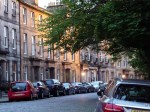


new town splendour

The plan was to create an entirely new area outside the High Street/Royal Mile, across the valley (which now contains Princes Street Gardens and Waverley train station) to the north of the old town, hence why this area of Georgian architecture is called ‘the New Town’ to this day.
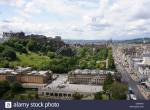
All the filth that had accumulated in the Nor Loch (the loch or lake below and to the north of the Castle Rock) was dredged, this, and the detritus from building the new town, was used to form a bridge south to north from old town to new town.

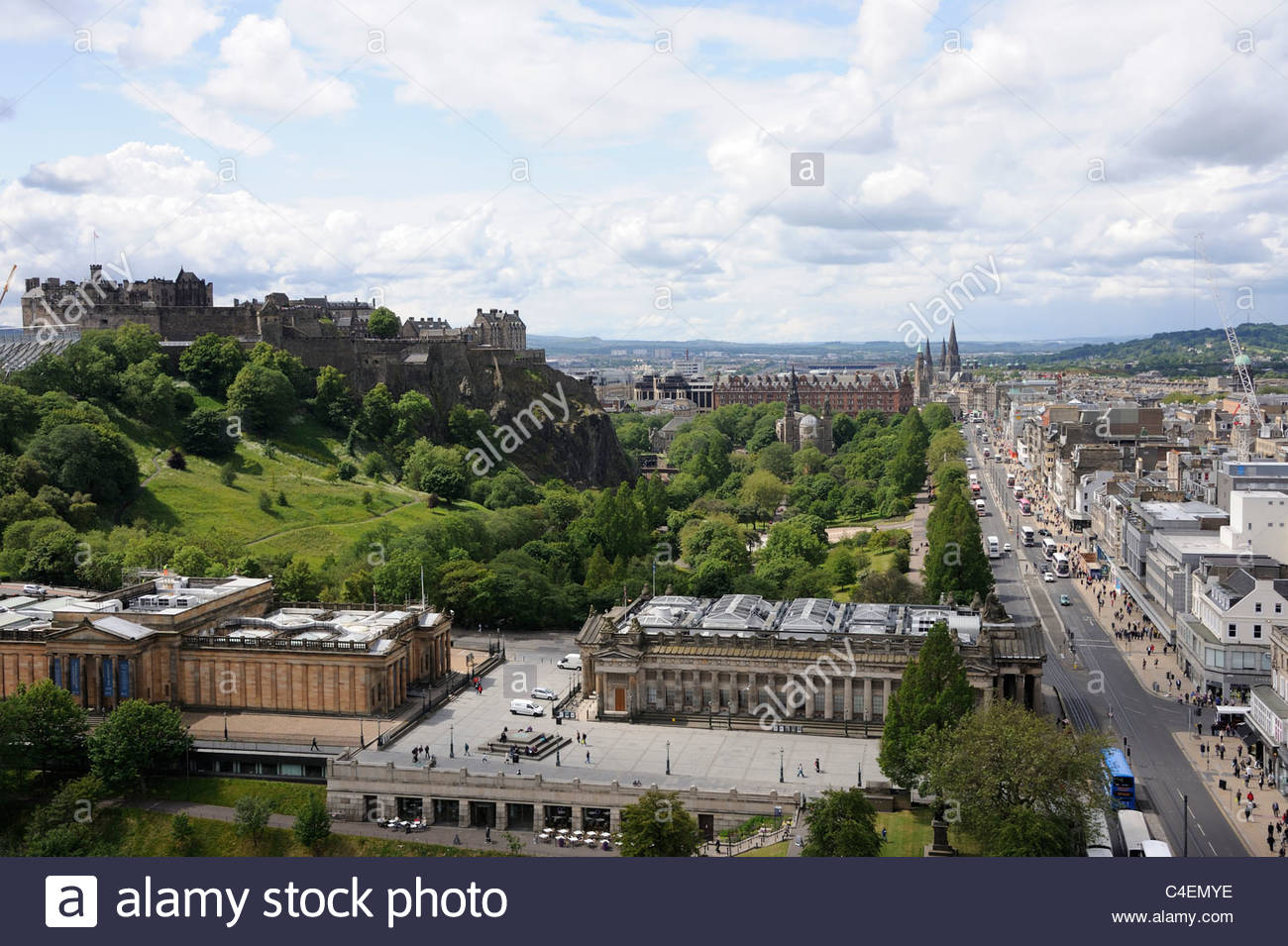
This was called the Mound, and atop of this now sits two of Edinburgh’s most elegant buildings; Edinburgh’s National Art Gallery and the Royal Scottish Academy of Arts (Stock photo above right, looking west along Princes Street).

Only the richest inhabitants of Edinburgh could afford this new luxury accommodation, so people in Edinburgh’s Old Town still had to muddle along with their chamber pots, and up to the 1970’s, the High Street was seen as a bit seedy. Nowadays, it’s the most distinct part of historic Edinburgh and the most popular tourist destination. It retains an extraordinary level of historical features, not disimilar to cities such as York, which was similarly ‘neglected’, thankfully, for the sake of history at least.

This brings us pretty close to the present day, but the18a and 1900’s were truly, literally, headier times to say the least. Maybe it was imbibing all that volcanic spring water, but Scotland’s Enlightenment (much of which was born from, or whirred around the hub of Edinburgh)  is rightly perceived as impressive for a wee, chilly country in the north (read more Here)

As a born and bred Edinburgher, thinking about the sheer magnitude, depth and breadth of invention, creativity and brain power of Edinburgh’s Enlightenment days brings a tear to my eye!

Yet, as I wander around the slopes of Arthur’s Seat, the voices I wish I knew more about are those of Edinburgh’s less vocal past; ordinary folks who held sacred vigil at the wells of Arthur’s Seat, long before the hand of organised (politicised) religion silenced their voices and beliefs. We only know what their thoughts and beliefs may have been because of the numerous court cases at the time of the Protestant Reformation …

That will be the subject of my next painting series; the wells and springs of Arthur’s Seat. I know I’ve mentioned it several times, but it’s a bit ambitious, I’ve been researching alot – there is much mystery to reveal (genuinely, I’ve discovered some interesting, possibly new information about those times) and so I have now postponed the exhibition and event to the 21st June.
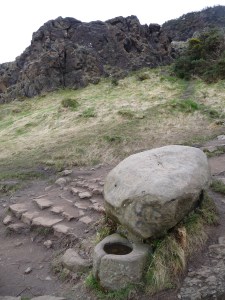
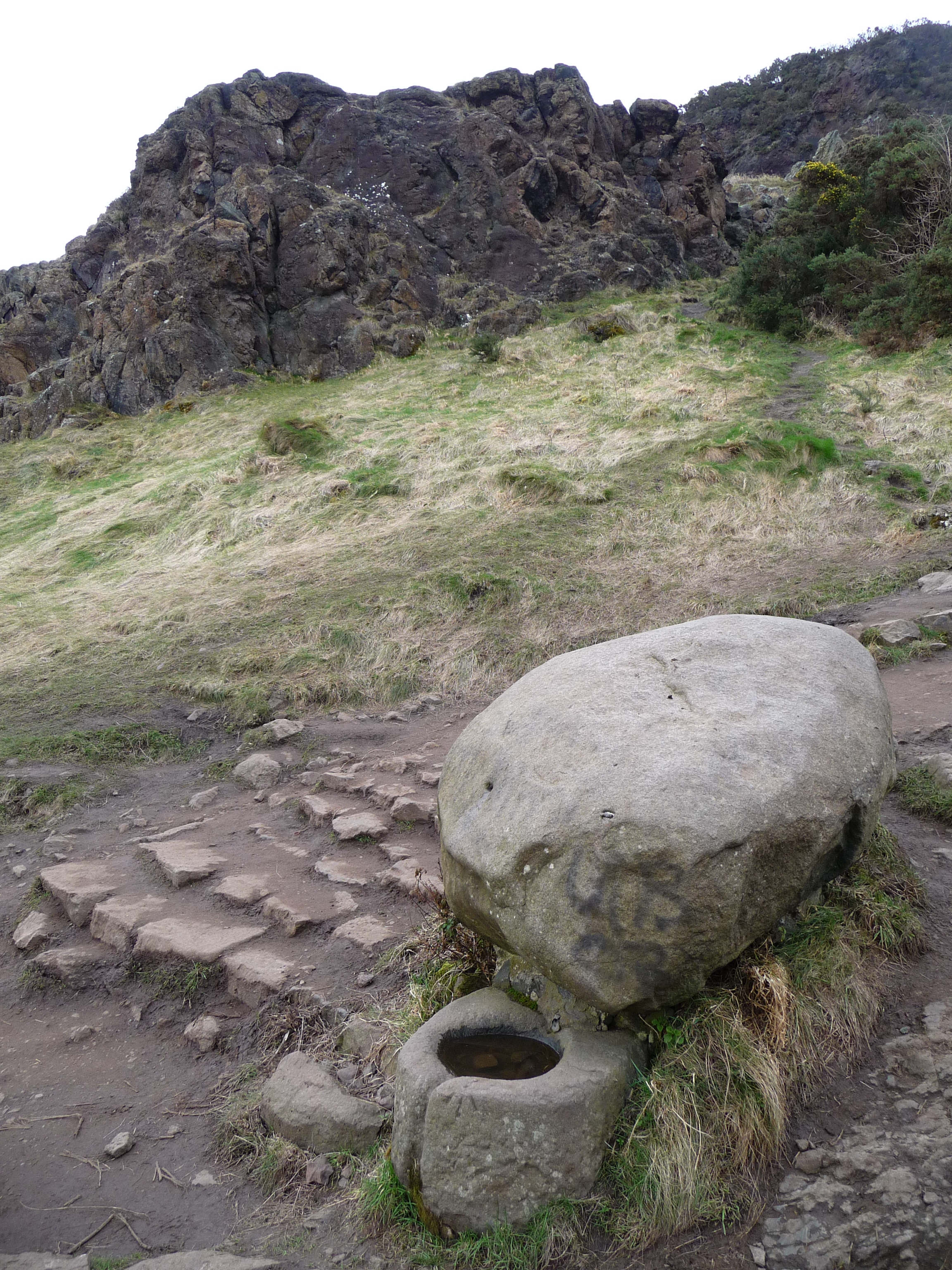
St Anthony’s spring, Arthur’s Seat



Hebrides day 5

p1110653Back home in Edinburgh after an incredible week in the West Highlands and Hebrides – a journey which took us through Achiltibuie then the isles of Lewis, Harris and Skye.

I’ll continue this series of blog posts under the general title of ‘Hebrides – day 6’ etc, until we decide on a title for our project (a collaboration between myself, poet Louise Palfreyman and cellist/compser Atzi Muramatsu).

It’s in early stages at the moment, but we hope to raise funds for a longer stay in the Hebrides, on Lewis and Harris particularly.

Louise and I p1110350will continue to work closely, sharinguntitled ideas as we develop paintings and poems began on our journey, which we’ll blog and share every week or so with a round up of the work produced as we go.

Today I’ve been sifting through the hundreds of photos, sketches and videos from our journey. Looking through photos of Harris confirms what we felt while staying there – it’s a magical place (which I managed to blog about despite the frustrating on/off internet connection! Link to post Here)
p1120048

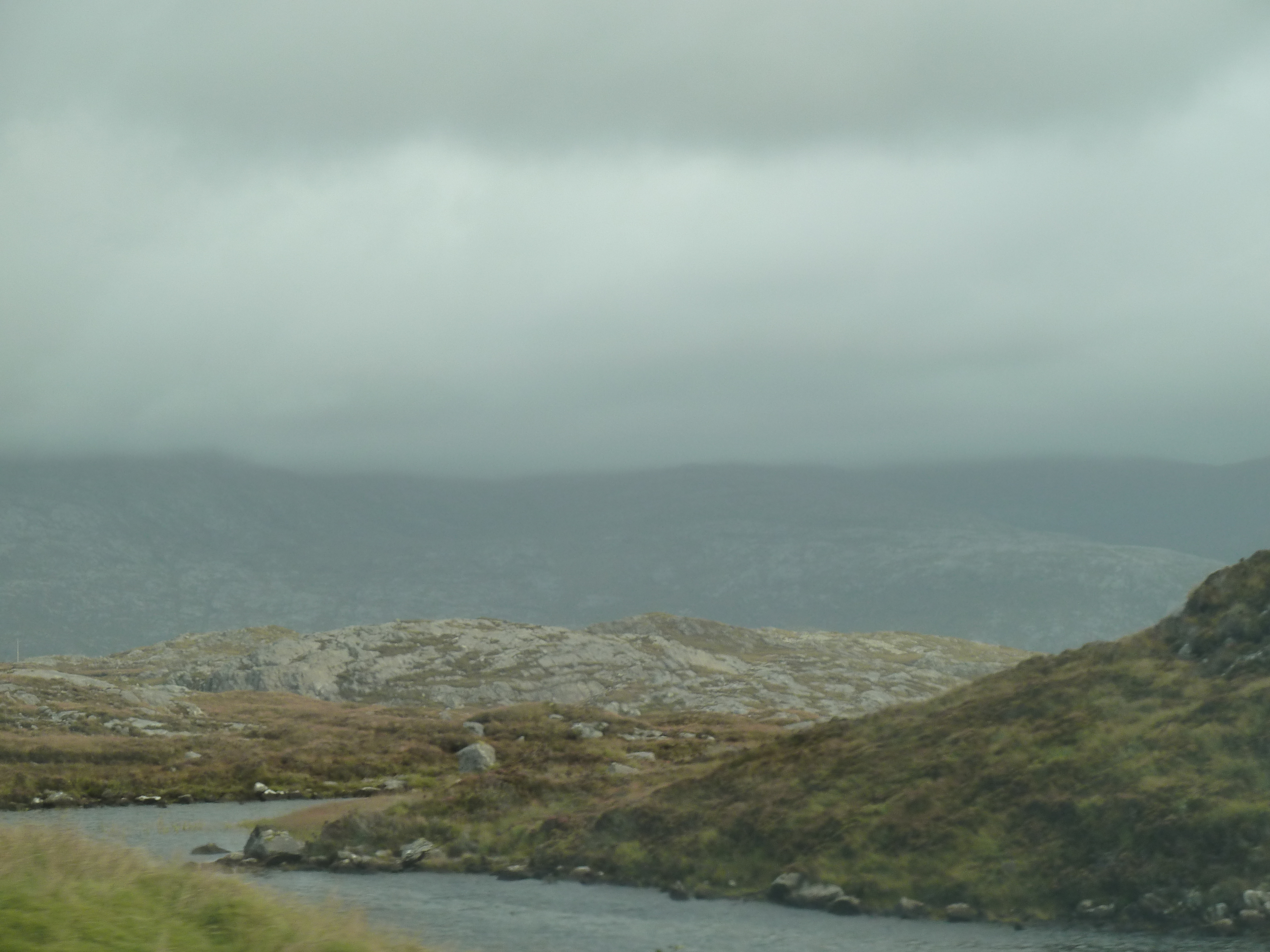
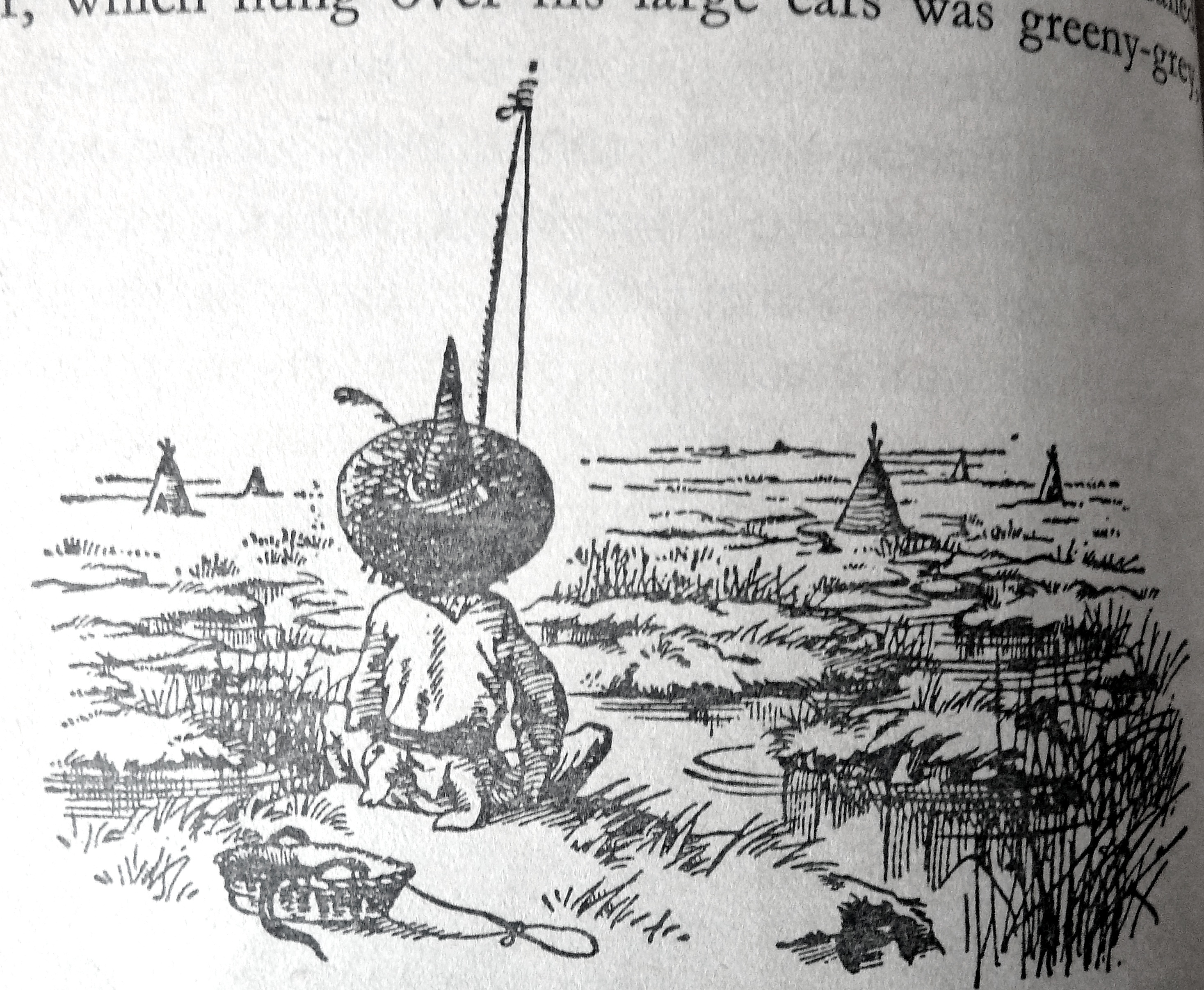
I described it as ‘Marshwiggle territory’ which may have flummoxed those unfamiliar with the Narnia Chronicles, for whom I include this excellent illustration on the right, by Pauline Baynes.


More photos of Harris..


I’ll also be editing a video this week which will hopefully capture the magic and inspiration of our trip, also our paintings, poems and music.

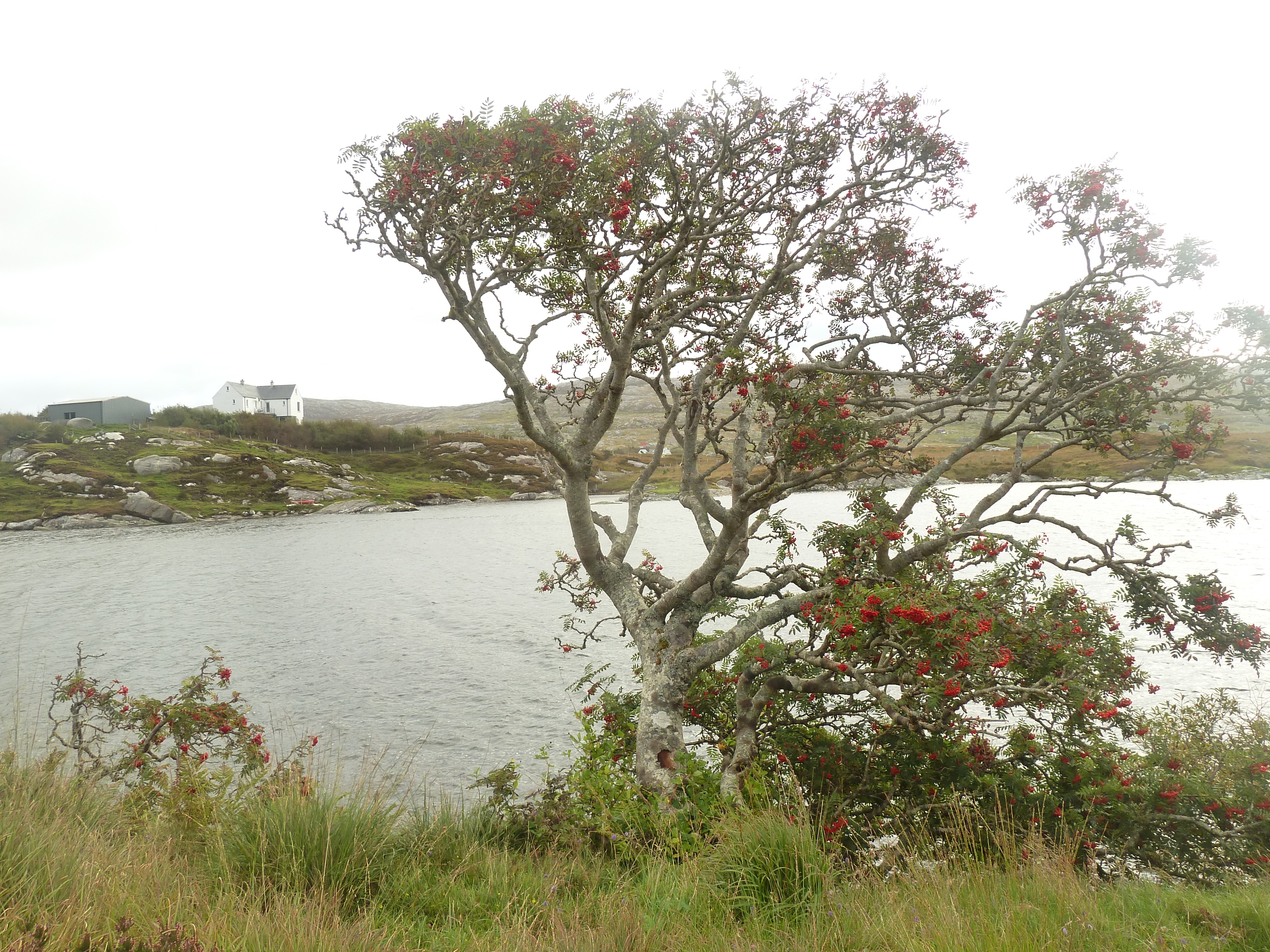
As mentioned in my blog post about Lewis and Harris, we met with poet Ian Stephen in Stornaway last week. One of the poems he recited for us came to mind today while I thought of the silvery moonscape vistas of Harris, with red berries of rowan trees growing alongside its sea lochs.

Ian’s poem echoes the gentleness we felt there, the sense that you can open heart and imagination to the atmosphere…

Should we plant a rowan here

at the sea-loch side?

The seed of red berriesfor-all-of-us

for imagination,

to germinate

in this day

when leaves mould

and stars die


A hawthorn for healing,

spur and leaf balm.

Rooting for

the pair of us

and for us all.


p1110132


Hebrides – day 3 & 4

2016-09-22-18-31-13


Patchy internet, hence intermittent blog posts again.

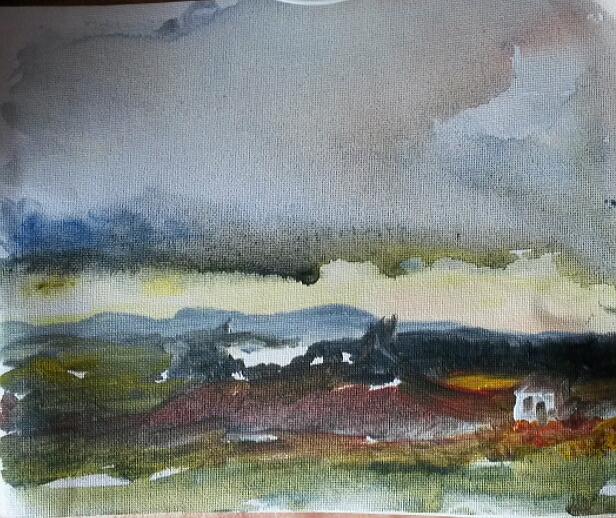
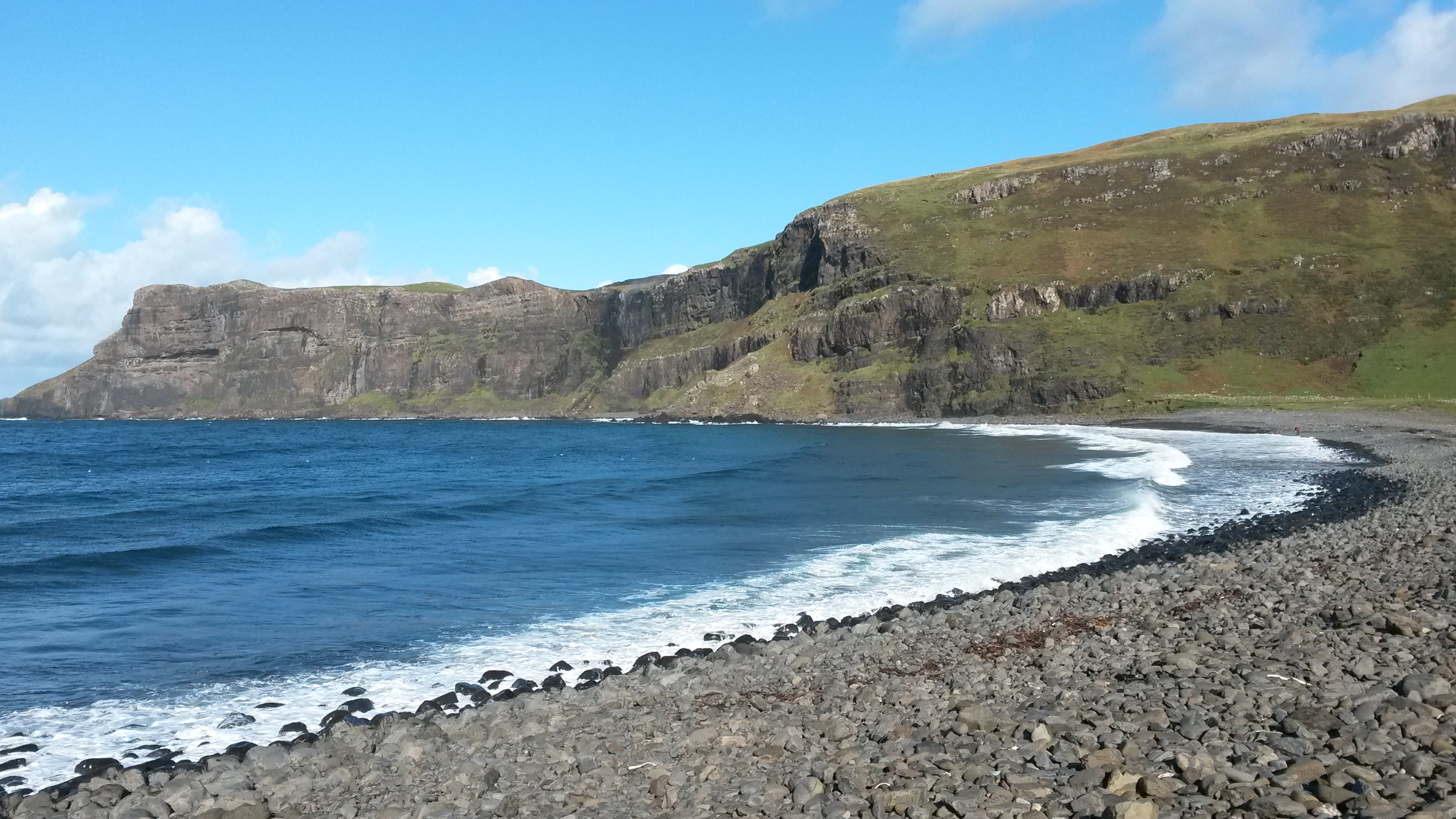
I’ll catch up on all our events on return to Edinburgh, but suffice to say the creative energy is growing apace, especially through conversations with Louise (Louise Palfreyman, poet and writer I’m collaborating with on this project). This is our second day on Skye, near Talisker Bay. We’re mutually enthusing on our surroundings – colours, light, water, peat, stones and stories…

2016-09-22-18-26-10

I’ll be putting together a video of our paintings, poetry,recordings and writings and so on, in the next week or so.

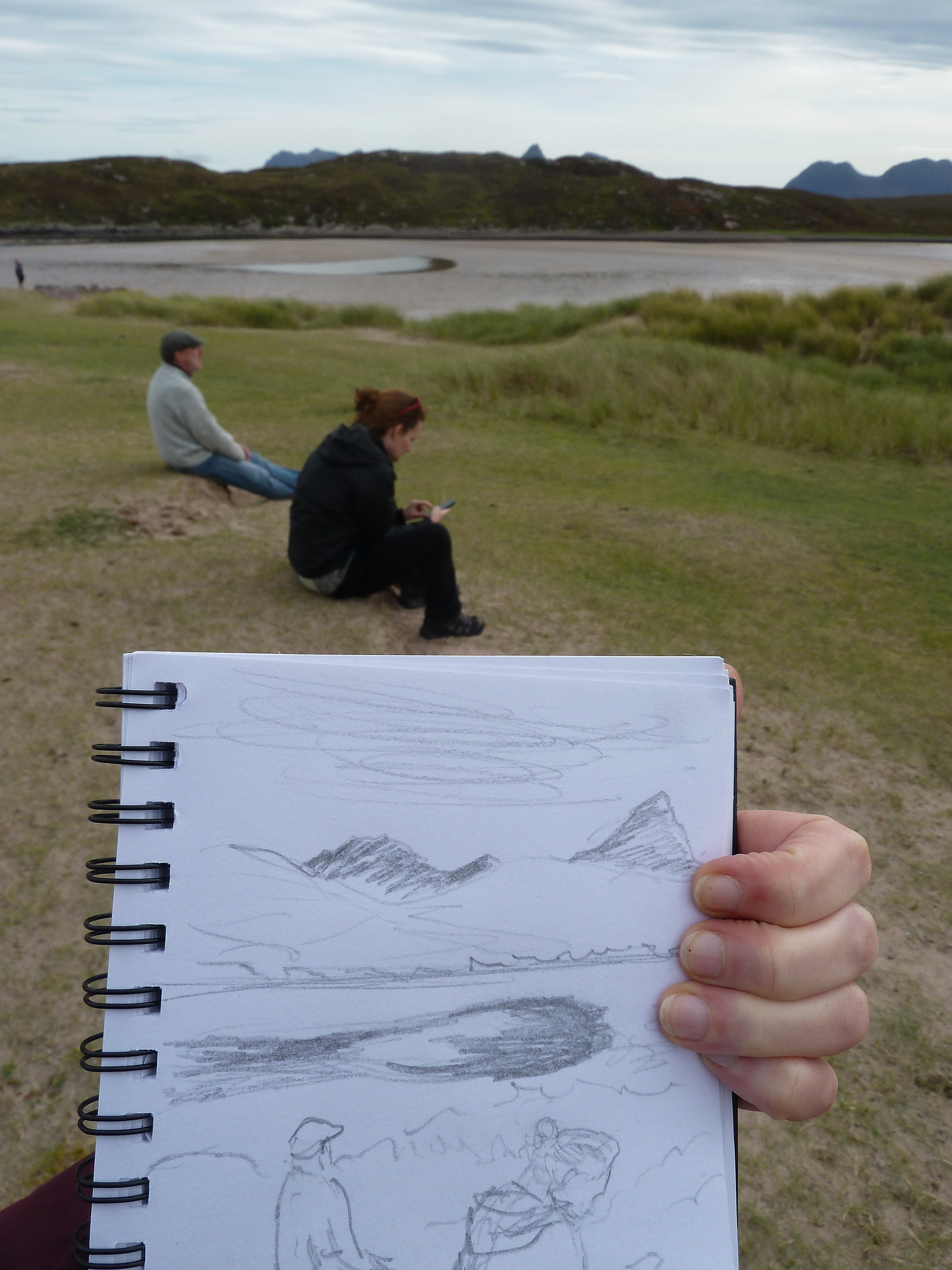
In the meantime, a couple of sketches from yesterday, above, and today on and around Talisker Bay…

20160922_093344

20160922_105644

Hebrides – day 2 & 3

2016-09-20-12-11-49

Lickisto moonscape


No internet signal yesterday, hence no blog post!

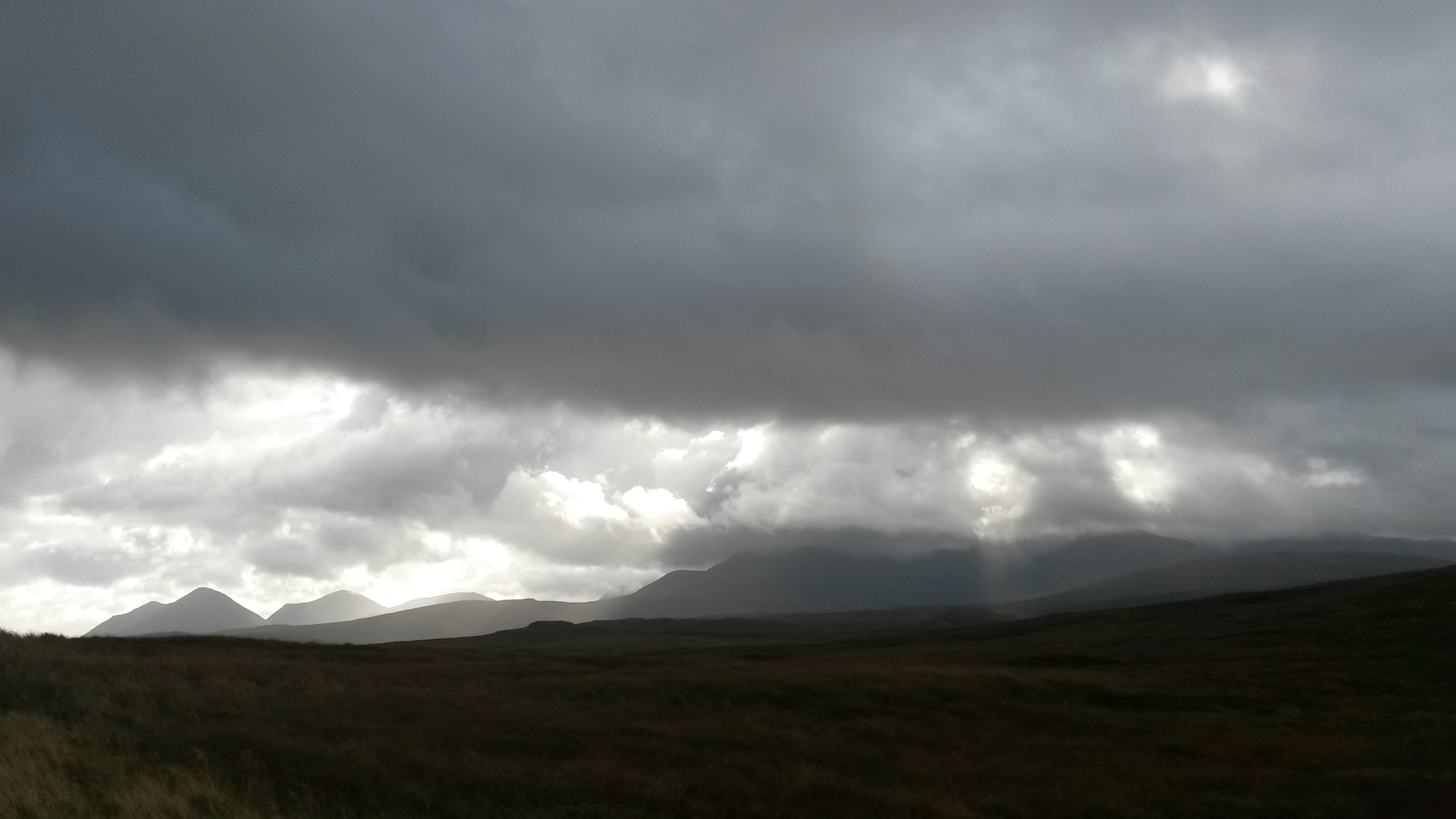
Louise and I  stayed overnight in Lickisto (north of Tarbert2016-09-20-18-17-46 on the Isle of Harris)  an extraordinary moonscape-like coastline (which our host told us was the setting for ‘2000 A Space Odyssey’) an otherwordly, peaty landscape carpeted in spongy sphagnum moss, strewn with ‘incidentals’ – boulders randomly dispersed thousands of years ago as glaciers melted and receded.

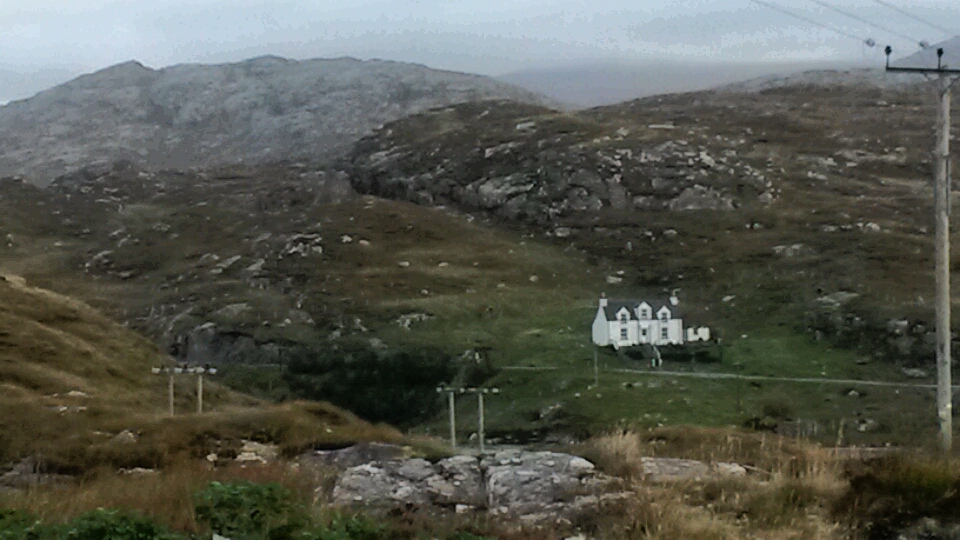
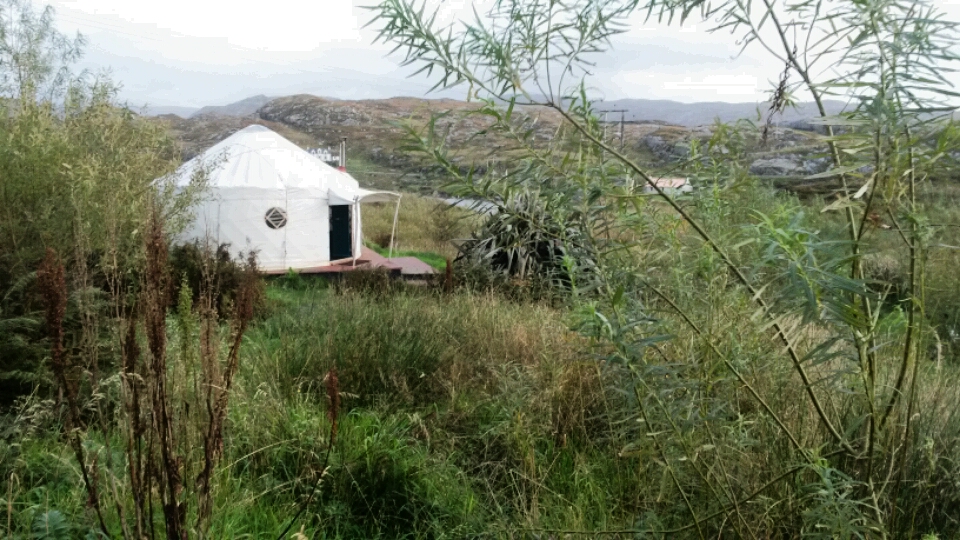
Our yurt was one of several dotted amongst the2016-09-20-18-18-28 marshland rushes, each having a little stove with smoke drifting into the low clouds. I was reminded of marshwiggle country, the feel of utter peace and remoteness. Utterly magical.

This followed on from our meeting in Stornaway earlier in the day with Ian Stephen (poet from Lewis).  We talked about the roots and links of stories and myths, from the Hebrides  and across Scandinavia.

2016-09-19-17-10-56We were inspired and heart warmed by the conversation – it’s been a few years since I last saw Ian (we were working on a live art project called Transitstation, which originated in Berlin).

Ian is also a navigator who has sailed the north seas alongside artists, musicians and fellow poets. Louise and I were delighted to record a few poetry recitals (limited technology means I’ll have to await my return to Edinburgh to pist these).

After this we dropped into An Lanntair to chat to2016-09-20-18-21-10 Ellie Fletcher about potential exhibitions and projects.

We found time to stop at the stones of Callanish on Lewis yesterday before driving down to Harris. Beautful, slender columns of Lewisian gneiss – they have an incredibly graceful presence.

2016-09-20-18-25-25

I began to draw parallels between the layers of gneiss deep beneath layers of peat, laid down over thousands of years, and the layers of stories we spoke about with Ian, their origins buried in time and conciousness, emerging in fragments that tease us with partially lost meaning; it’s probably the unknown element that so charms our imagination.

2016-09-20-18-22-03

Interview with author/poet Louise Palfreyman

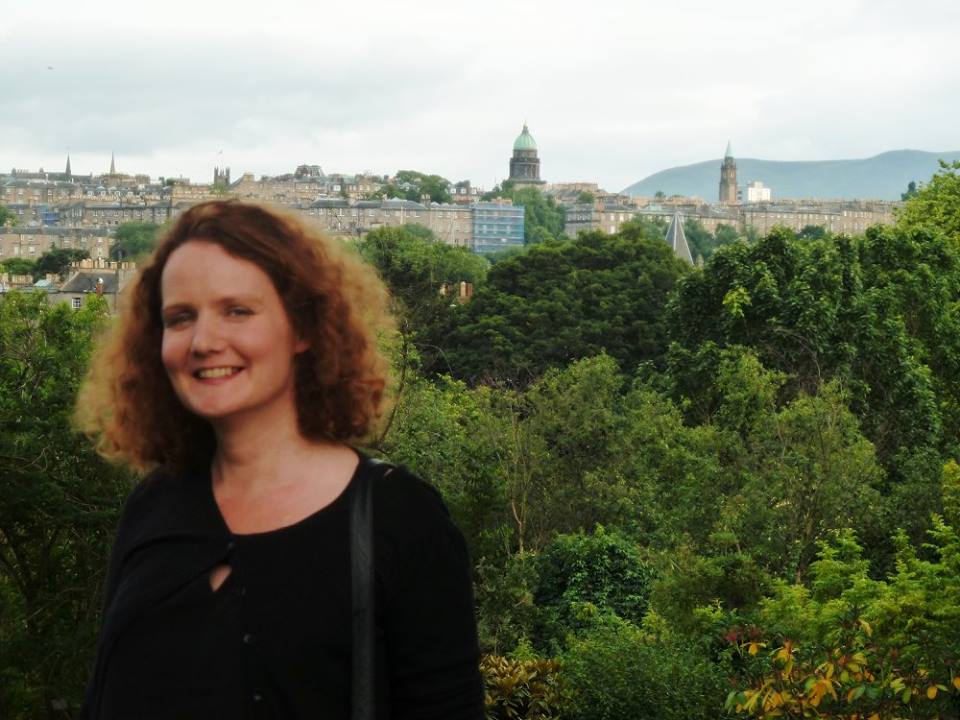
Louise Palfreyman

It’s just a week away from my upcoming Hebridean adventure and collaboration with author and poet Louise Palfreyman (featured in Best British Short Stories 2014,) and cellist/composer Atzi Muramatsu.

I’ve known Louise since around 2010, when we met at the creative writing group Powwow (based in Birmingham).

As mentioned a few weeks ago I’m featuring an interview with both of these lovely, talented people in my blog, starting with Louise today…

10441122_10152352762247745_4130631435820204490_nRose: Thanks for taking time for this interview Louise. Firstly, for me Powwow Writer’s Group was a foray, or sideline into creative writing which I enjoyed, though visual art is my focus, but you’d already had a career as a journalist and in more recent years as an author, with work published in Best British Short StoriesThe Pigeonhole, LitroThe View from Here, and Hypertext Magazine. How did you get involved in journalism? It always seems to me a somewhat stressful, if interesting world to be involved in, can you tell me a bit more about that experience?

Louise: I had five options on gaining my degree (actually, you have limitless options, but I narrowed my career choices down to five). I plumped for journalism because I wanted to write. I found the exposure to all walks of life fascinating. It has to have influenced my fiction in some way. In the end it was stressful. The toll it took on family life was enormous, and so I pulled away. I’ll never regret my choice though. It has led to so many other things.

R: There’s a huge difference between journalism and creative writing of course, but it’s a fairly common crossover – many writers have gone from one to the other. Would you say journalism has impacted in any sense on your approach as a creative writer? And why did you decide to pursue creative writing?

L: Journalism taught me economy and precision. I have no trouble editing myself. It also taught me to avoid clutter. I recently put a story of mine into a word counter because I don’t have Word on my phone and it’s a great tool, because it also gives you all sorts of stats on sentence length, word frequency and even reading age. The story read as US fifth grade, which is a reading age of 10-11 years. That’s about right for a former tabloid reporter.

I came to creative writing thinking I could master it pretty quickly, as I’d churned out so many 10444435_10152352762257745_3158878756305045387_nthousands of words over the years. It was arrogant of me to assume that, and I promptly fell flat on my face before slowly learning the new craft of fiction, at PowWow and at an Arvon creative writing retreat, where my story for the Best British anthology was produced.

I’ve been fortunate to rub shoulders more recently with some very fine writers through the encouragement of Nicholas Royle, editor at Salt Publishing, and by corresponding with writers I admire like David Rose, who is one of the best writers of short fiction today. It’s important to up your game, to stretch yourself, and there’s nothing like being around brilliant writers for that.

R: Which authors or writers have been an inspiration, or influence, and what  aspects of their work interest you?

signing+webL: I’m always careful answering this one, because there’s a huge difference between inspiration and influence. I can walk around in a cosmic daze after reading Don DeLillo, for example, but I have no aspirations to replicate his voice or style. I am not an ageing American male. I’m a carefully preserved English female.

My biggest influence, truly, is poetry. Again, I’ll keep names vague because what poetry has taught me has far more to do with rhythm and symbolism than it ever could about the specificity of a single voice.

scare+reading

Live reading, Birmingham 2015

R: Your preferred forms at the moment are the short story or ‘flash fiction’. Reading through The Jewel of the Orient (link below) I was struck by the depth of ideas and atmosphere captured in such a short work – it takes us on quite a journey in a short piece of text. What led you to choose the shorter form as opposed to the novel? Can you describe the process of packing so much in to a short work- for example is it edited from a much longer work or structured carefully from the beginning?

L: The Jewel  was one of those pieces that came into me and inhabited me, rather than a story I laboured over for weeks, though there are plenty of those.

Again, poetry has everything to do with how I approach the short story form. I feel excited by what you can achieve in fewer than 3,000 words – which is what my stories tend to be. And I love the rigour of flash.  I’m very pleased with a recent story of 346 words. I try to tell a complete tale in as few words as possible. A great exercise is to look at a first draft and halve it. Halve it exactly. Then halve it again. What have you lost? What have you gained?

Of course, this process involves more than just slash and burn. You also have to step back and consider what you wanted to achieve in the first place. What is your story about? What is its main thrust? These are the things that can get lost, I feel.

Never forget the purpose, the singularity, of a short story.

Link: Jewel of the Orient

litroR:  One of the qualities I most enjoy in your writing is I suppose what you’d call magic realism; the way you draw your reader gradually into unreality. In Buddleia for example (audio link below), it’s pleasing to discover she has wings, we want her to have wings. Or in Jewel of the Orient the completely unexpected transformation at the point where the sexual voyeur expects a ‘happy ending’! It’s surprising, often very amusing (also in Calypso where she struggles to convince mental health workers she’s immortal) but these aspects tie in to the heart or idea of the story.

Are there reasons why a central theme of the fantastical or dream-like is a recurring theme in your work? How do you take the reader convincingly on that journey?

L: I never set out to consciously address the reader, for starters. These considerations have to come later, in the editing stage. What is needed first of all is complete immersion. Some people grab a few minutes of writing time as soon as they wake up. They tell me that they are still tapped into their subconscious at that critical point before showering, dressing and surfacing into the day.

Unfortunately, I am not a morning person (as you well know) and so I am unable to access my subconscious at this crucial point. I have to get there at other times, and I definitely have to bring myself into ‘the zone’ in order to be able to achieve the right flow of thought.

It’s not about automatic writing, or the ‘stream of consciousness’ style so despised by some. There is structure in there too, which can come from turning over an image or an idea, sometimes for days, weeks, months. Ideas formulate in interesting ways, and I’m not sure I can entirely answer your question about why the fantastical recurs in my writing. Of course, to say ‘It just does’ would be infuriating, so I’ve tried to unpack it a little. My love of Debussy and poetry may give you more explanation, perhaps. Symbolism. Impressionism. Other worlds. I like to escape.

Link: Buddleia Link: Calypso in Therapy

R: You have a talent for capturing atmosphere, and the sense of place. Are you an author who collects observations in a little book each day, or is it largely sense recall or a trip through imagination?

L: I try to jot key things down, usually into Notes on my phone. I recently resurrected an old digital voice recorder. I’ve kitted it out with a lapel mic. I am going to discretely mutter to myself in the park. I like the idea of muttering away whilst walking the dog. You have to grab thoughts when they come to you, and mine come when I walk. They also flood in on train journeys, so travel can be very good for inspiration.

R: Lastly, what are you looking forward to, creatively as a writer, on our upcoming Hebridean odyssey? Is this a new approach for you and how do you feel about the collaborative process? Is that a new experience for you?

L: Collaboration is a complete joy. I’m an extrovert writer, and so I find the isolation inherent in the process absolutely crucifying. It is always so refreshing to attend workshops and classes, events and performances, and collaboration also affords artists the very particular joy of synergy. Knowing that your creative fusion has produced something you can present to the world, something unique and of that time and those particular people, is, I think, very special. So I’m looking forward to our adventure enormously. When you are working with people you admire, forces build before you have even started. There’s an immense anticipation, an energy. Things are starting to form, and we haven’t even got there yet!

R: I echo your thoughts wholeheartedly! This is going to be a fascinating journey, I’m honoured and inspired to have you and Atzi working on this project. Thanks Louise for sharing thoughts about your work with me, and I’ll see you on the 16th when we start our journey!

(More about our collaboration and Hebridean trip Here)

13754395_1134737156589633_8329646038531575024_n

Louise Palfreyman in Edinburgh July, 2016


New Exhibition – ‘Harbour’

Harbour – launches on Friday 3rd June at the Freespace Gallery,

'Pittenweem 3'. Mixed media on 8x8" wood panel

‘Pittenweem 3’. Mixed media on 8×8″ wood panel

Edinburgh. (address below)

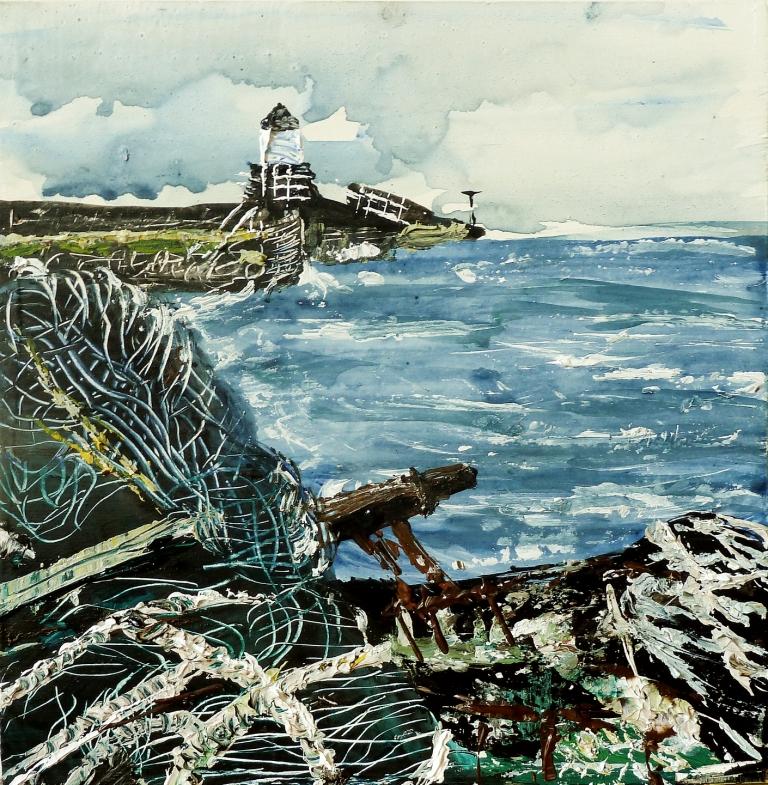
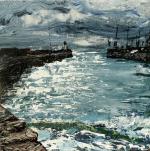
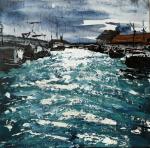
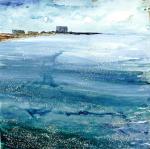
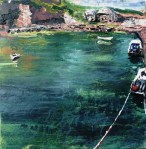
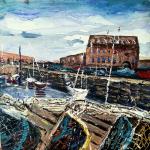
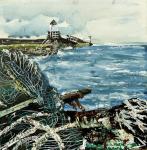
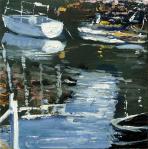
The exhibition features a series of works on wood (created this year) and takes inspiration from Scotland’s iconic east coast harbours such as Cove Bay, Seacliff, North Berwick, Elie, Crail and Pittenweem.

The exhibition will also help raise awareness and funds in aid of the Scottish Wildlife Trust with 10% of sales going towards the Living Seas project which aims to assist with the recovery of Scotland’s marine life and ensure future marine activity is carried out in a sustainable and environmental manner

Harbour runs from 4th to 30th June (launch/preview- Friday 3rd June 6 – 8pm) at the Freespace Gallery in Edinburgh (7 Easter Road, EH7 5PU) – a space for artists to show their work for free and a meeting place for cultural exchange and ideas related to Scotland and beyond.

Facebook Event page Here

Join us for a glass of wine on preview night – Friday 3rd June from 6 – 8pm

Harbour paintings

RSA Open Exhibition

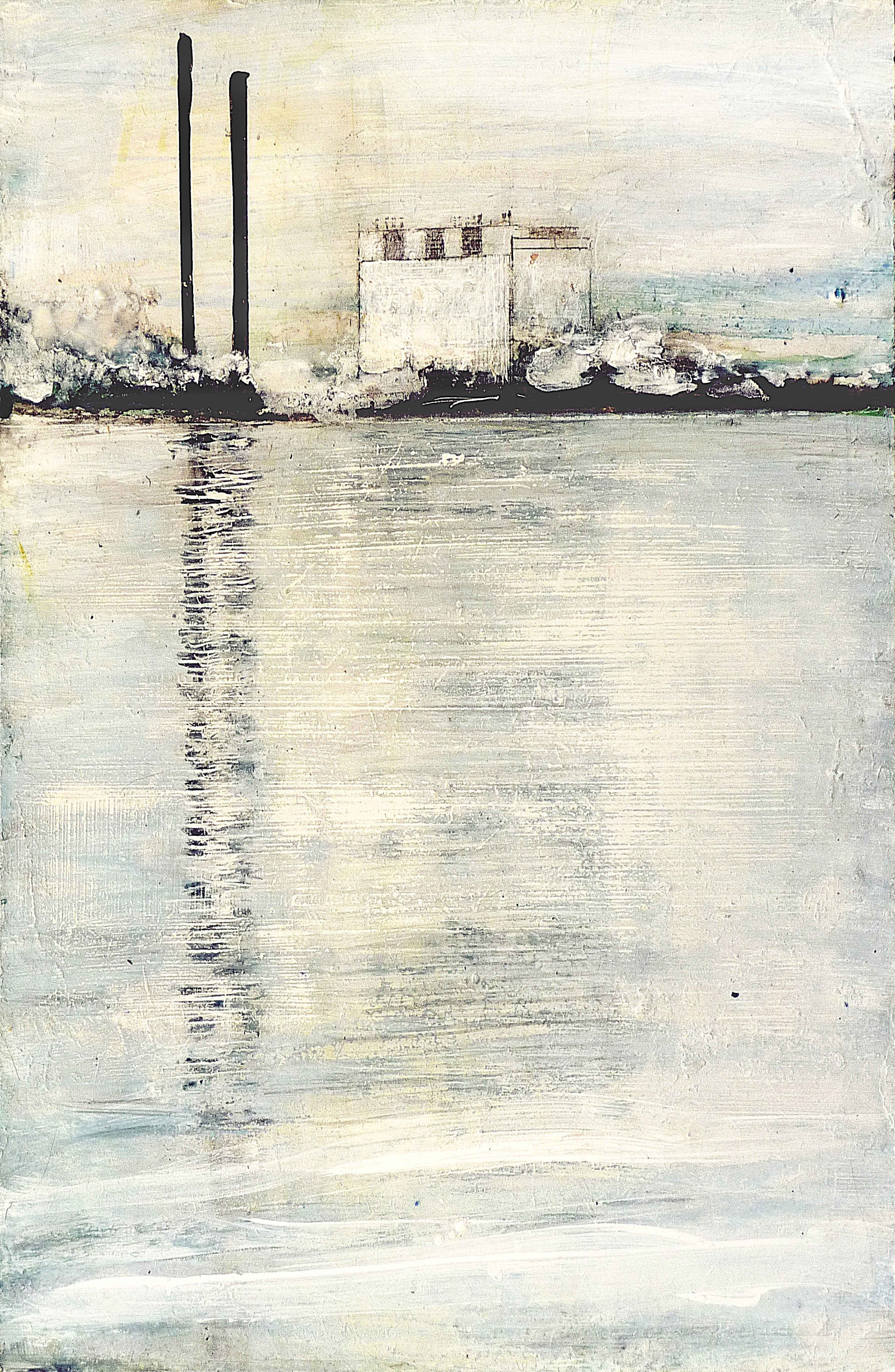
'Cockenzie Power Station, 26th September 2015'. Mixed media on 17x11" wood panel

‘Cockenzie Power Station, 26th September 2015’. Mixed media on 17×11″ wood panel

Well, what a lovely surprise! I’ve been accepted for the RSA Open Exhibition for ‘Cockenzie Power Station’, above.

I’m delighted, and surprised because I’ve been shortlisted for the SSA (Society of Scottish Artists) exhibition a couple of times, and was also shortlisted for the RSA, so didn’t expect to be accepted for that. The preview night on the 27th November is my Birthday – what a nice present!

Here’s info and website…

Website: Royal Scottish Academy Open Exhibition 2015

The RSA Open Exhibition has a long history of celebrating the best of contemporary practice. After having been part of the RSA Annual Exhibition for over 180 years, it now enjoys its own slot in the RSA Calendar. Drawing from artists across the whole of Scotland and beyond, this exhibition showcases around 400 works annually and features a wide range of small and medium sized works (max. 80cm in any direction) selected through open submission including paintings, drawings, sculptures, prints and photographs.

Please note that this year the RSA Open Exhibition will be spread over two floors in the RSA Upper and Lower Galleries. It will share the upper galleries with the ESSA exhibitions (Exhibiting Societies of Scottish Artists) and will be open throughout the duration of those shows.

Free Entry