Author Archives: rosestrang

Unknown's avatar

About rosestrang

Artist, Painter

Aquatint etching workshop

‘Approaching Harris’. Aquatint etching, 8×5.8″ on Hahnemuhle paper.

Above, my first attempt at aquatint etching!

This was from the workshop I attended on Saturday at the Printmaker’s Workshop in Edinburgh, led by Jessica Crisp – who managed to guide us all through the complicated process in six hours without any mishap with acid baths and so on!

Etching is basically a process where you etch acid into a metal plate, then fill in the etched lines or areas with ink, then print it on to paper.

I kept my design fairly simple and high contrast but aquatint etching can create some incredibly atmospheric effects. Here are a couple by artist Norman Ackroyd, showing the beautiful subtlety of tones, textures and dramatic atmosphere you can create…

‘Holy Island, Arran’. Norman Ackroyd.

‘Shetland’. Norman Ackroyd


I took photos of the process throughout the day (below) mostly so I won’t forget, then I can go back and make more prints from the original plate, or etch it more. Also, I think the process is visually interesting – it’s quite messy and hands on (well, I was quite messy – with a bit of practice I wouldn’t end up with black fingernails!)…

Here’s how it’s done..

After de-greasing the copper plate, you start by painting your image onto your plate with a solution of coffee (traditionally sugar solution was used). This is called ‘sugar-lift’. Then you dry this on a heat plate..


Next you roll on a thin layer of ink ground (we used B.I.B – Baldwin’s ink ground) which is then heated in an oven (in this case 8 minutes)


After leaving the plate to cure for another thirty minutes out of the oven, you then place the plate in a tray of hot water. Where the coffee solution was applied, the ink-ground peels away, revealing your painted image which is now exposed metal, and can be acid-etched.


Now you begin the aqua-tint process – you fine-spray the exposed metal plate, and this leaves a fine residue of ink, which then allows acid to bite into the metal plate (into each tiny speck of aquatint ink) leaving a subtle shade effect across your image.


It gets complicated now though, because each time you expose the plate to acid, it bites more into the plate – creating deeper shades when you finally print the image.

So you need to paint or ‘stop out’ areas (block them from the acid) in different stages to create deeper shades each time…


This shows how long your image needs in the acid to create each shade  …


Wearing protecive goggles and gloves, you start with the first acid etch of the area you want to be the next lightest (the areas you want to keep most light are stopped out). The plate is dipped into acid for the required time (if it’s a long time you’ll peg it to the side of the acid bath) then it’s quickly taken out and plunged into a water tray to halt the acid etch..


After stopping out the next area, you repeat the acid bath process until you have the amount of shading you want. Remember that the areas not stopped out get exposed to more acid each time – those become your darkest shades once it’s printed.

Now you strip off the stop-out ..


Then you take off the ink-ground with vegetable oil ..


To reveal your completely etched image! ..


Using a rubber wedge or ‘squeegee’, you push soft ink into the plate, then scrape it off first with the squeegee, then very gently with rough cloth, and finally with tissue paper, leaving the ink only in the etched parts..


Now your plate is ready to be printed, you place a layer of tissue on the printing press, then your etched plate, then the printing paper (pre-soaked and blotted) on top. On top of this you pull over a special printing blanket, then you roll the handle of the press across the print, finally you carefully pull off the paper from your plate, and voila!


Lastly, I quickly took some photos of prints made by people in the class (it was tricky to photograph them symmetrically as they were higher up on tables etc) it’s interesting how very different they all are, and I think they’re all beautiful!


Target reached!

Really happy to see that the campaign for Edinburgh City Library reached its target!

http://www.crowdfunder.co.uk/save-edinburgh-central-library

More about it here ‘Edinburgh’s Endarkenment’ 

Harris paintings day 4

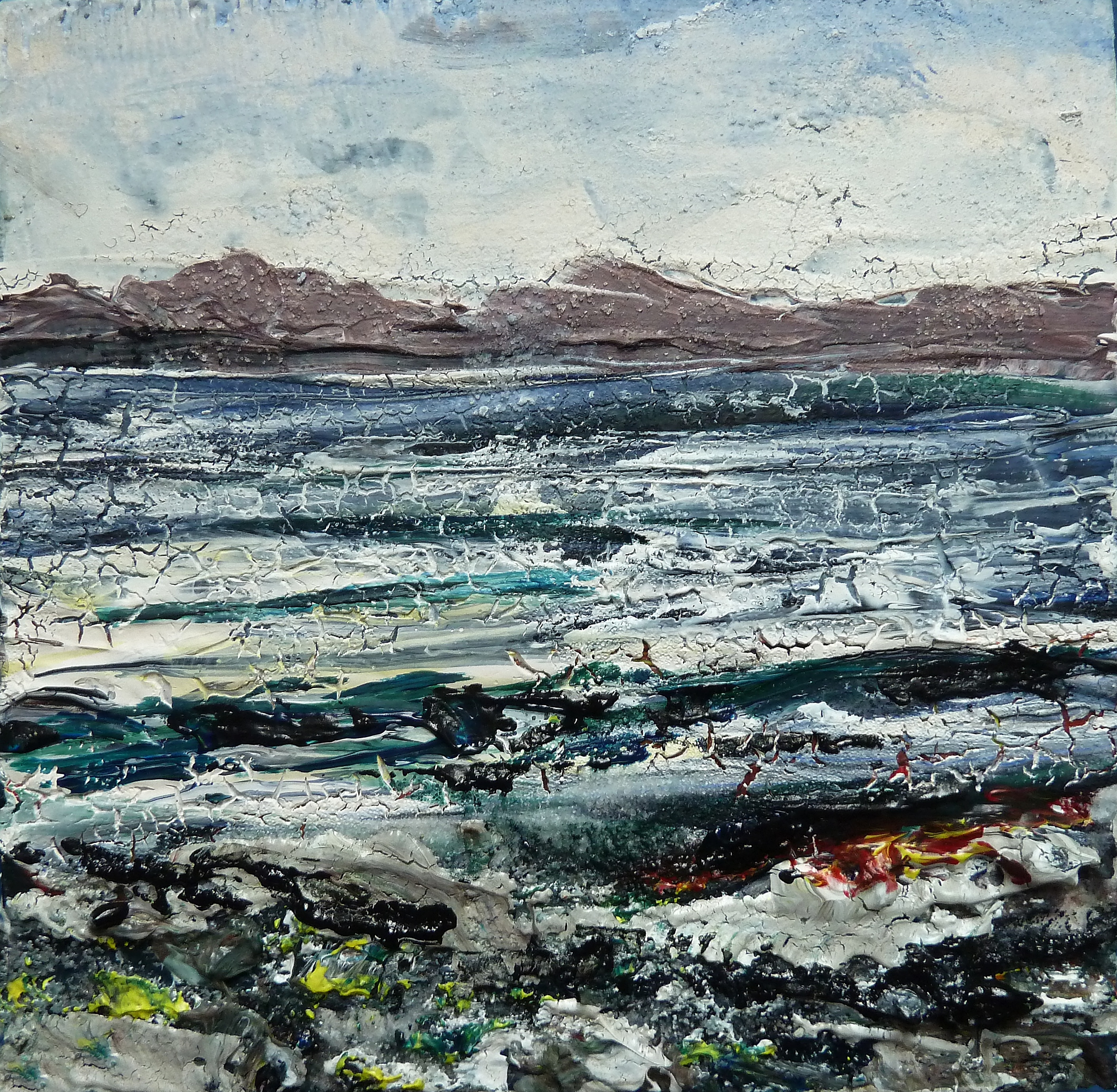
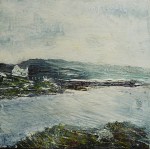
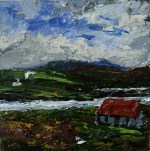
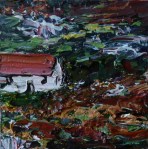
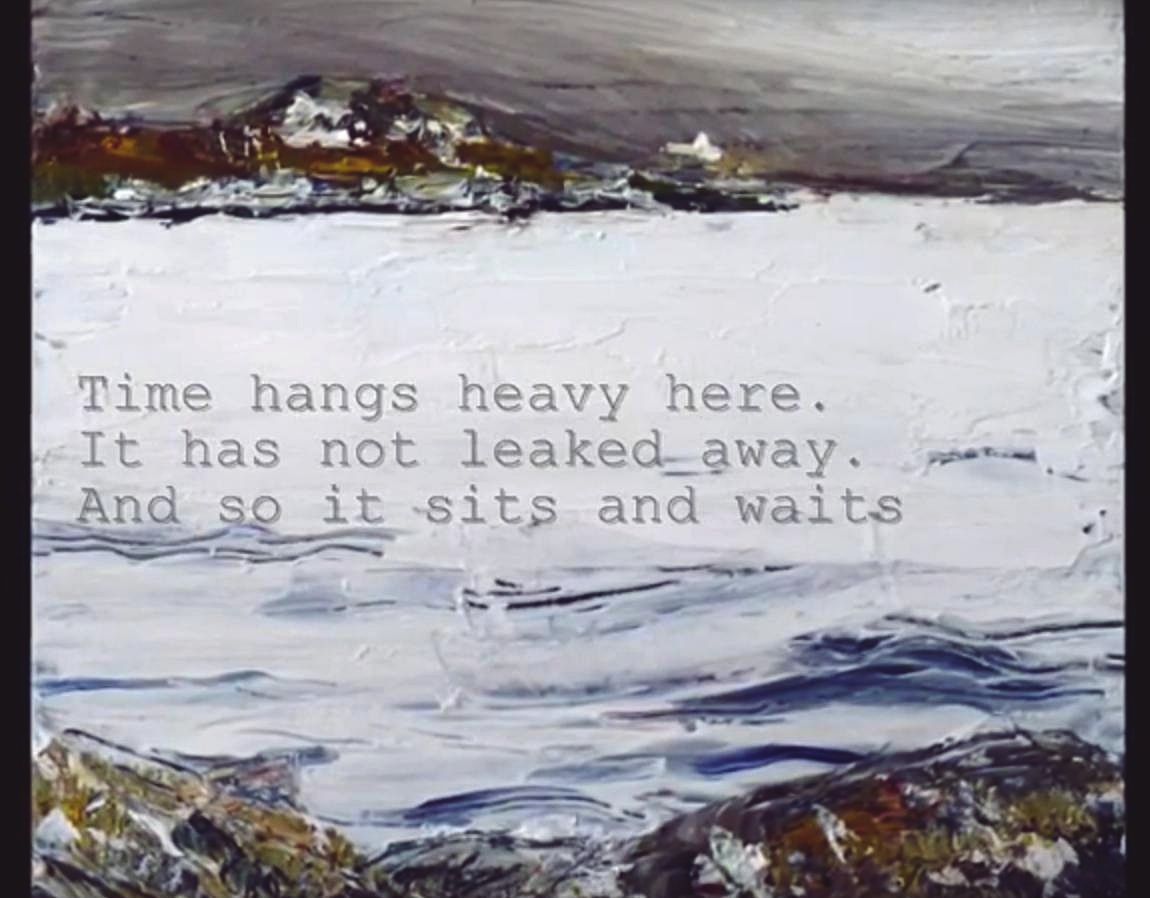
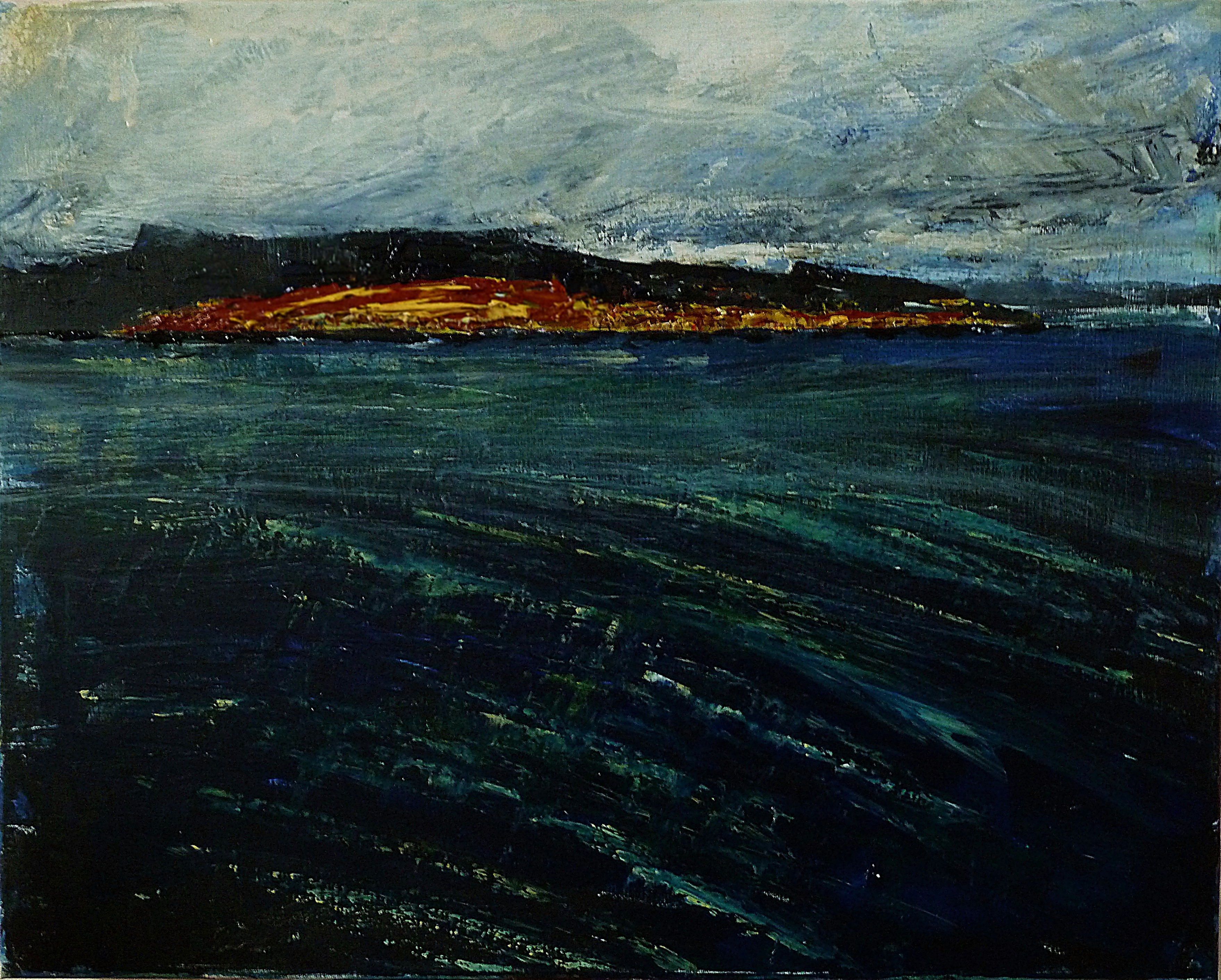
Ceapabhal Peninsula, Isle of Harris. Mixed media on 6.5×5″ wood block

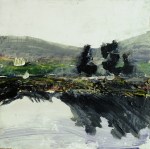
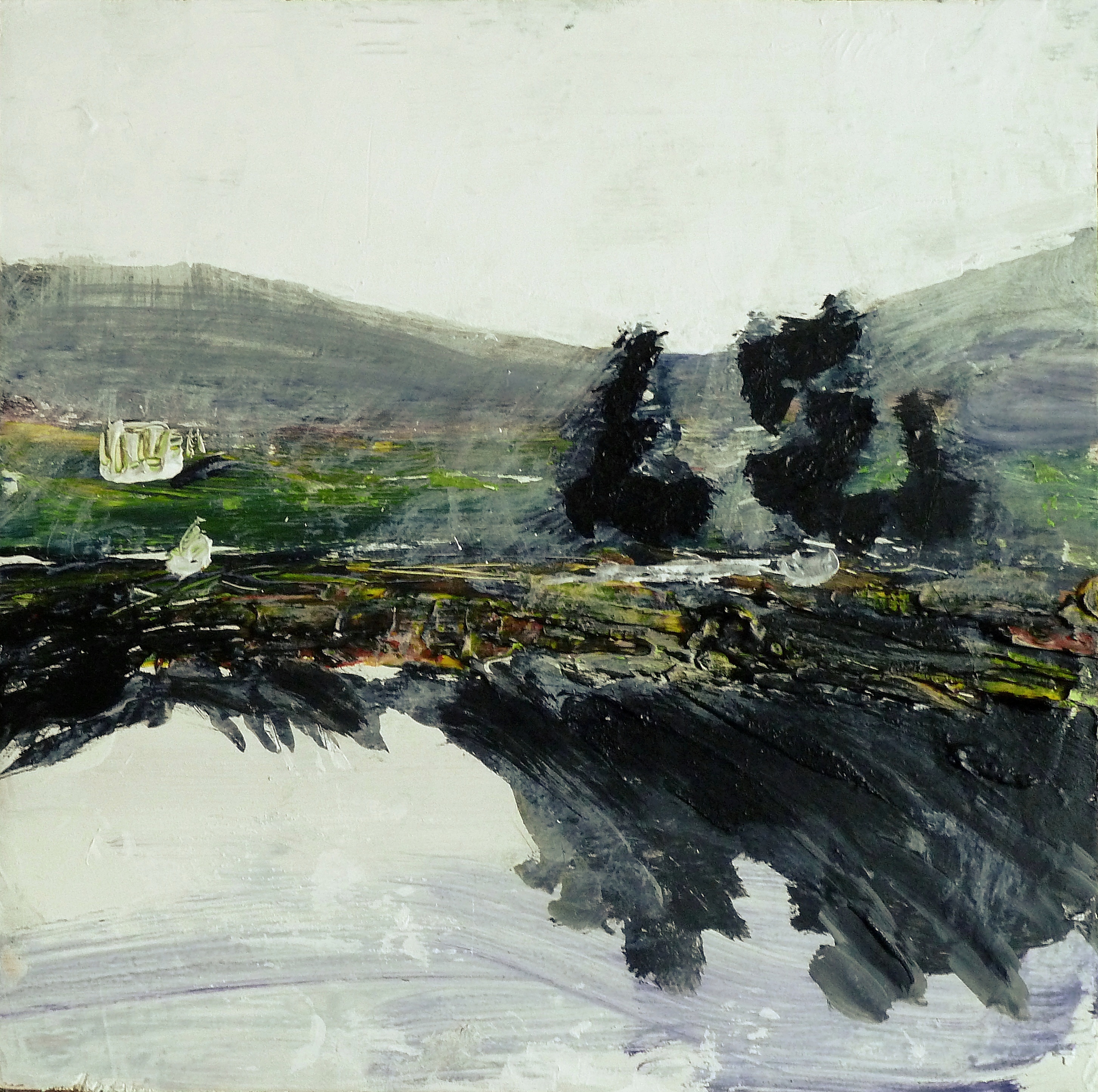
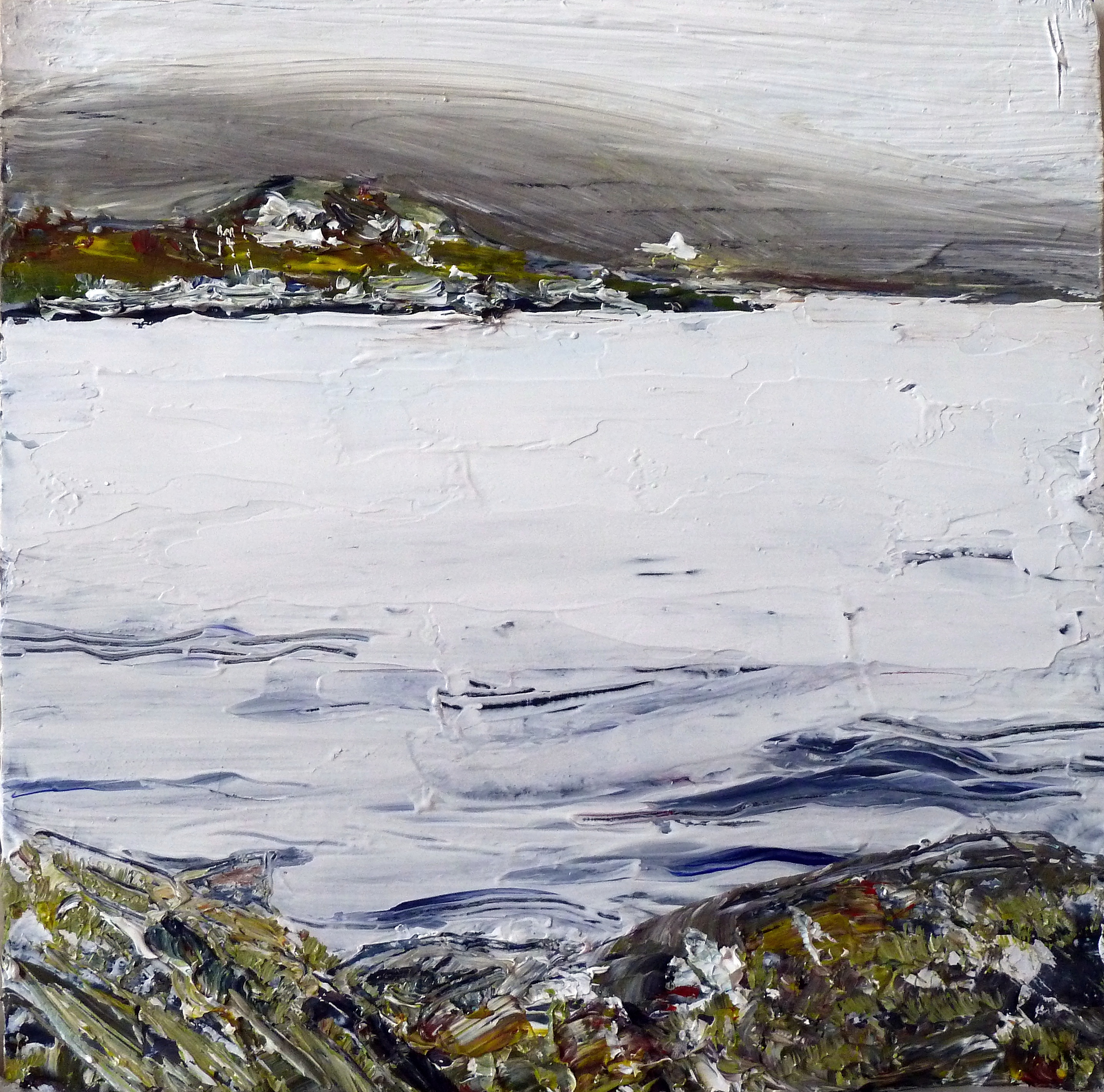
Loch near Beacravik, Isle of Harris. Mixed media on 6.5×5″ wood block

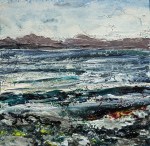
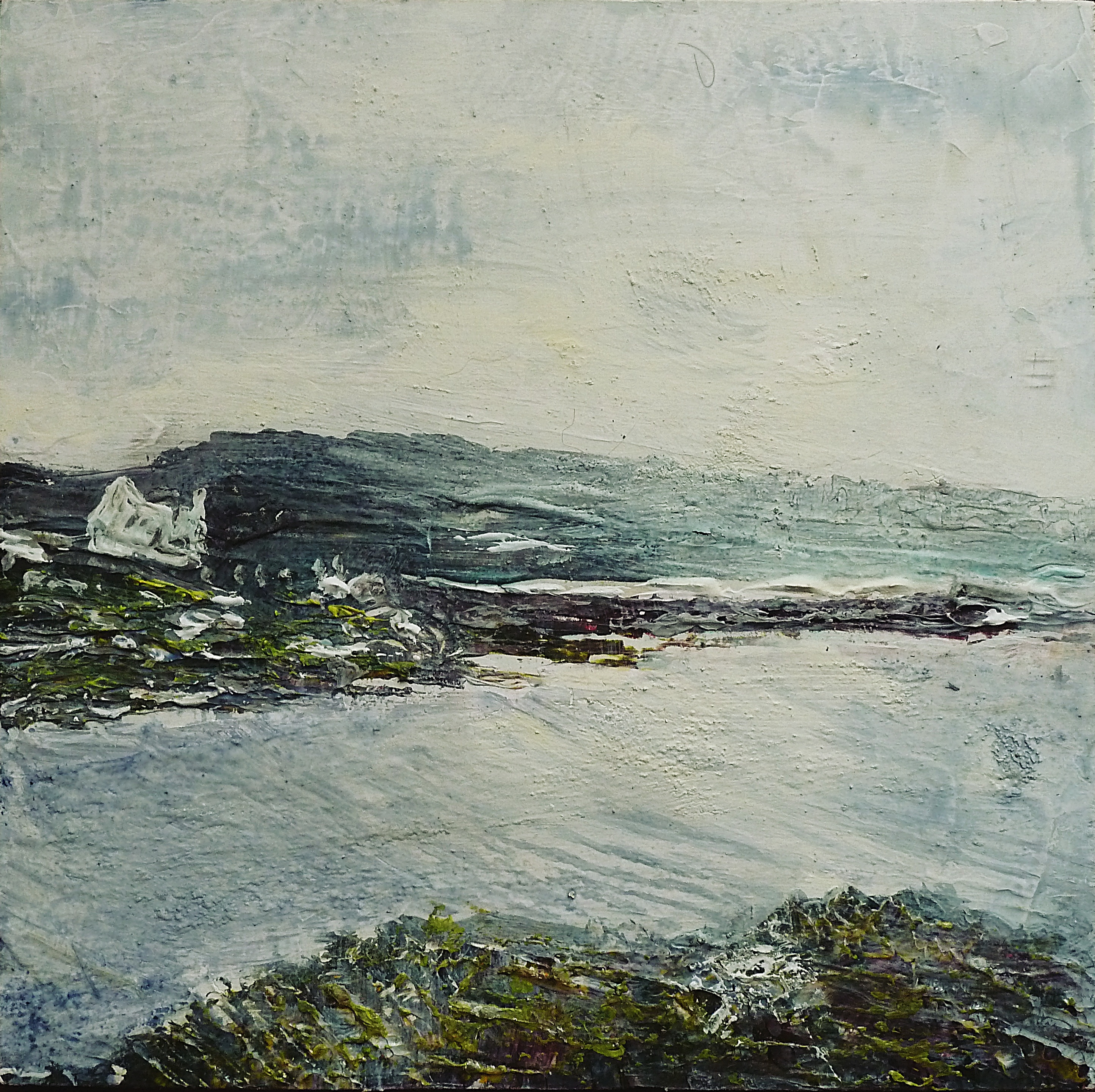
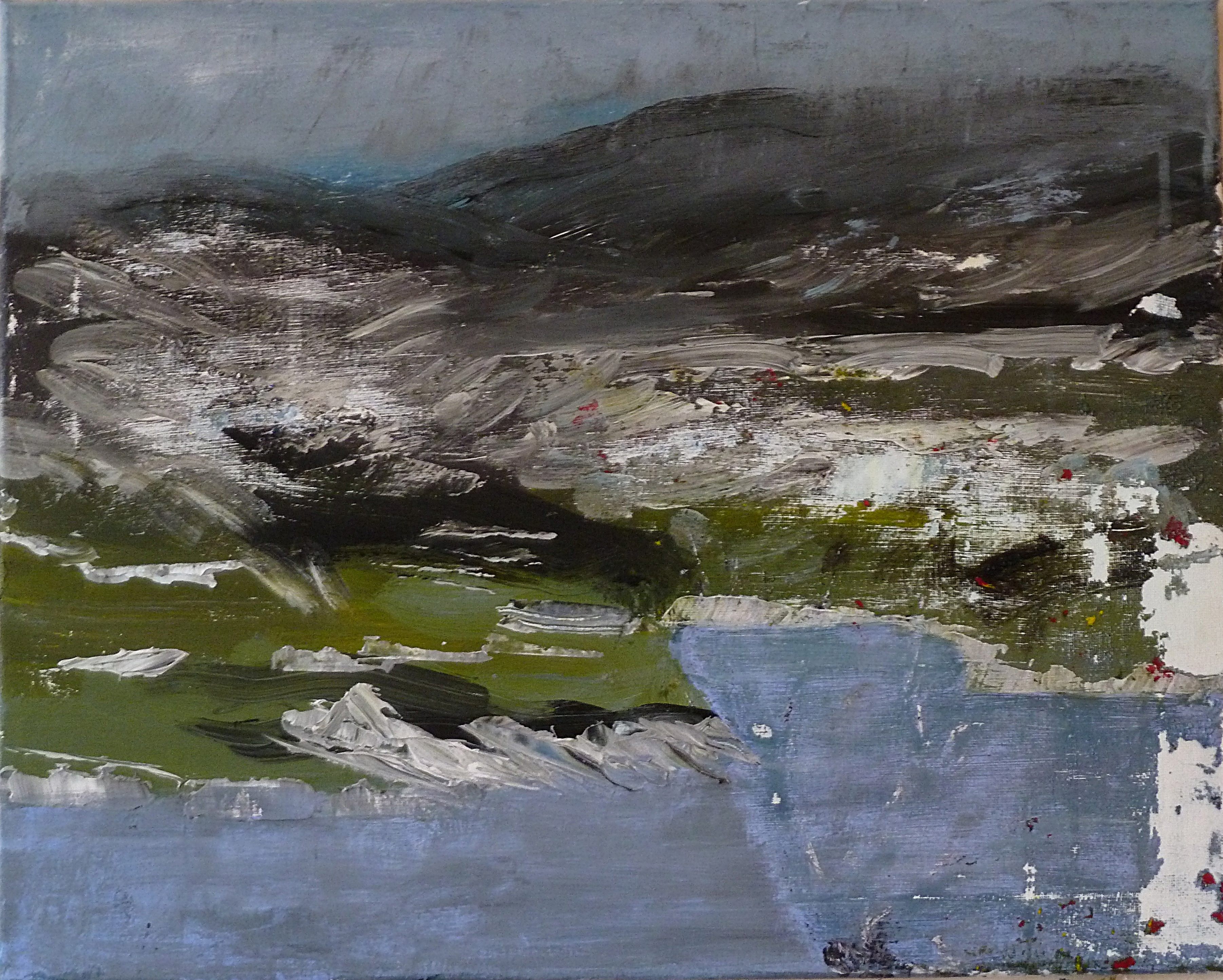
Loch Fhleoideabhaigh at Mannish, Harris. Mixed media on 8×5″ wood block

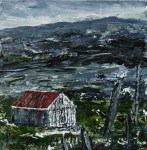
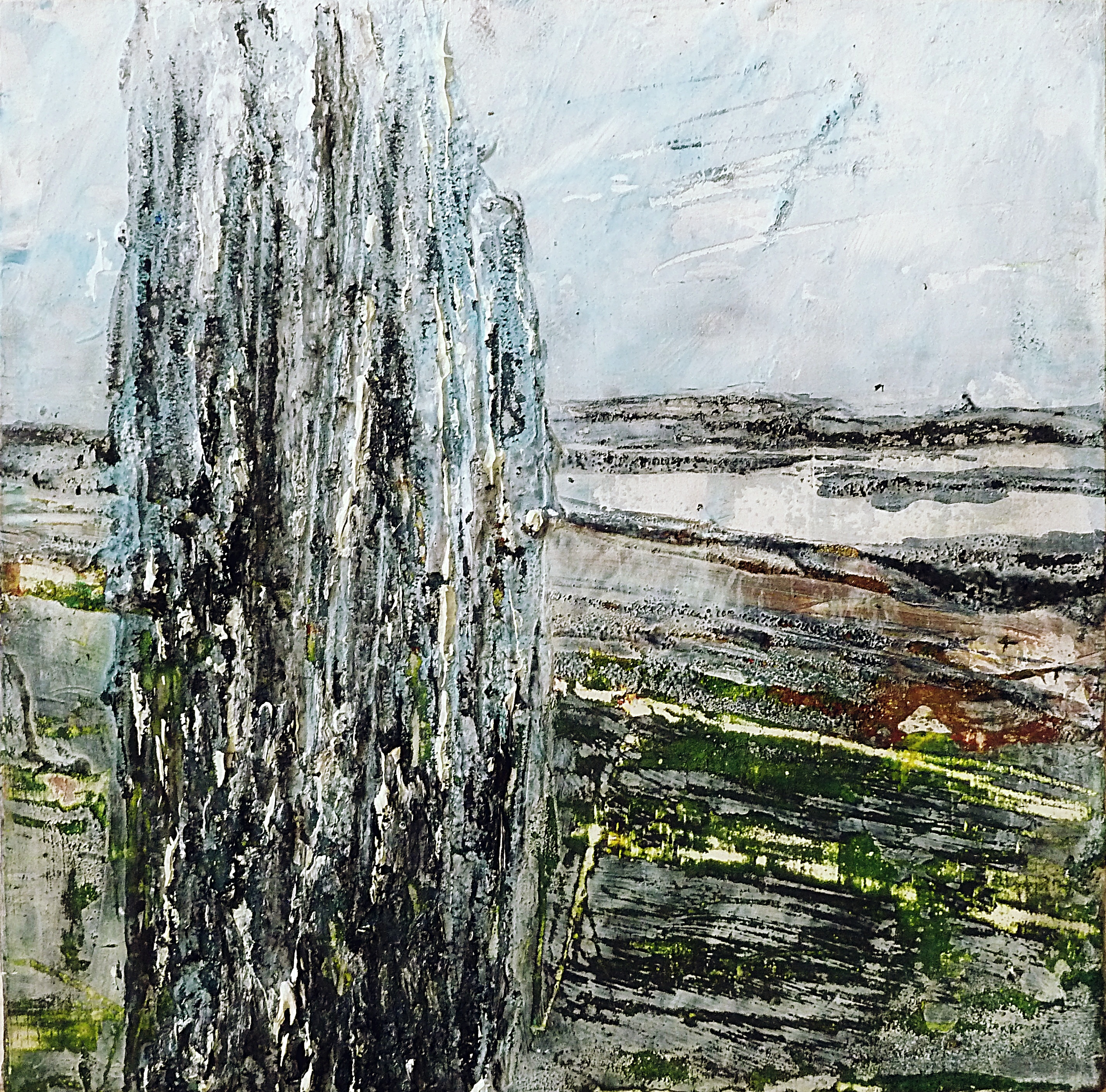
Hills near Beacravik, Isle of Harris. Mixed media on 6.5×5 wood block

Today’s paintings of the Island of Harris, for the upcoming exhibition on the 14th – 20th July at Whitespace Gallery, Edinburgh.

If you like any of these paintings you can reserve and buy them before the exhibition. If any sell before exhibition they’ll have a red ‘sale’ dot next to them, then they’ll be posted to you the day after the exhibition ends (July 21st). You are welcome to email me at rose.strang@gmail.com if you have any questions.

Below are all paintings so far (I’ll be painting larger ones at 9 x9 inches soon, and perhaps a few at 15×15 inches).


‘Damascus Rose’ update

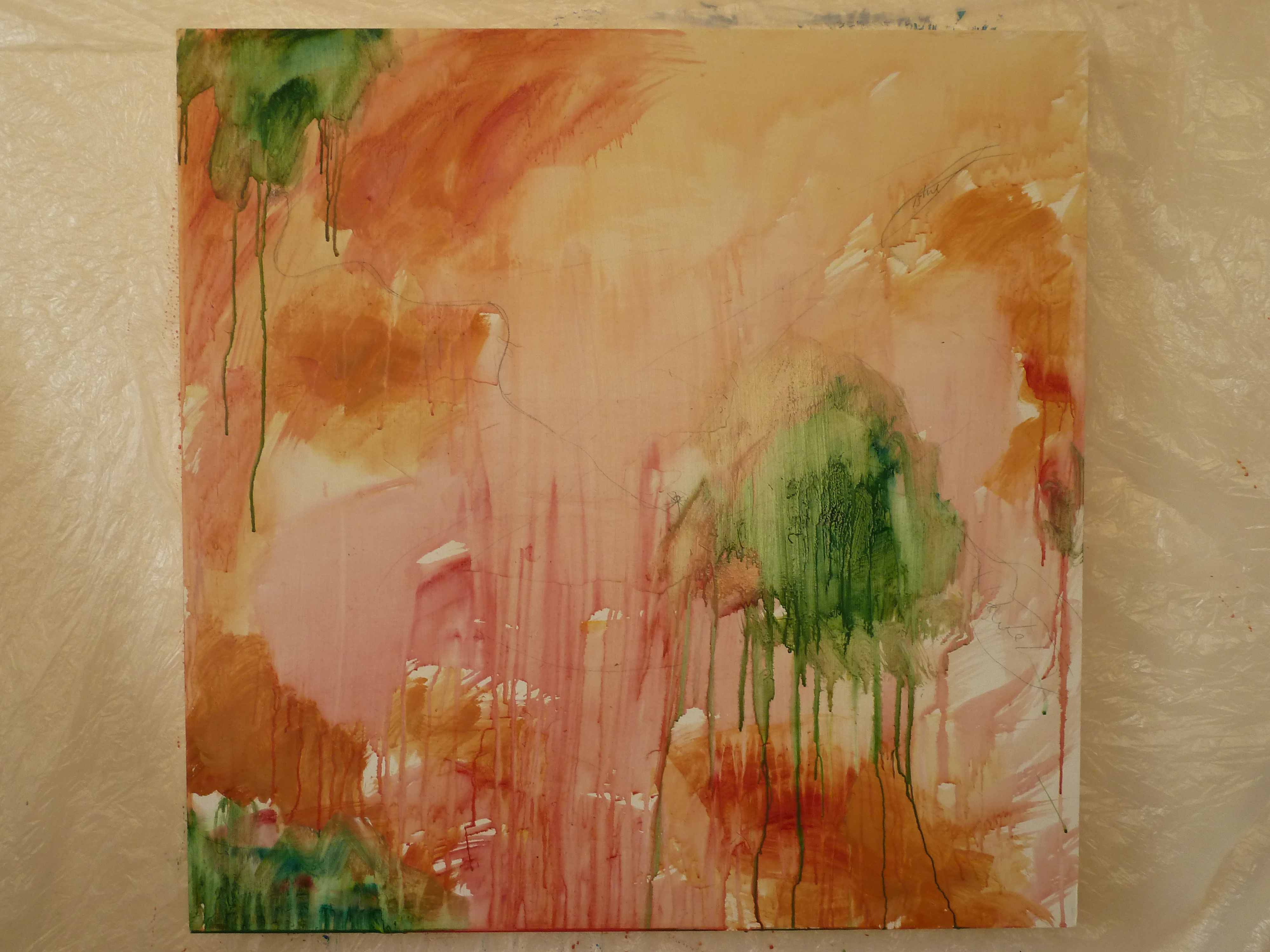
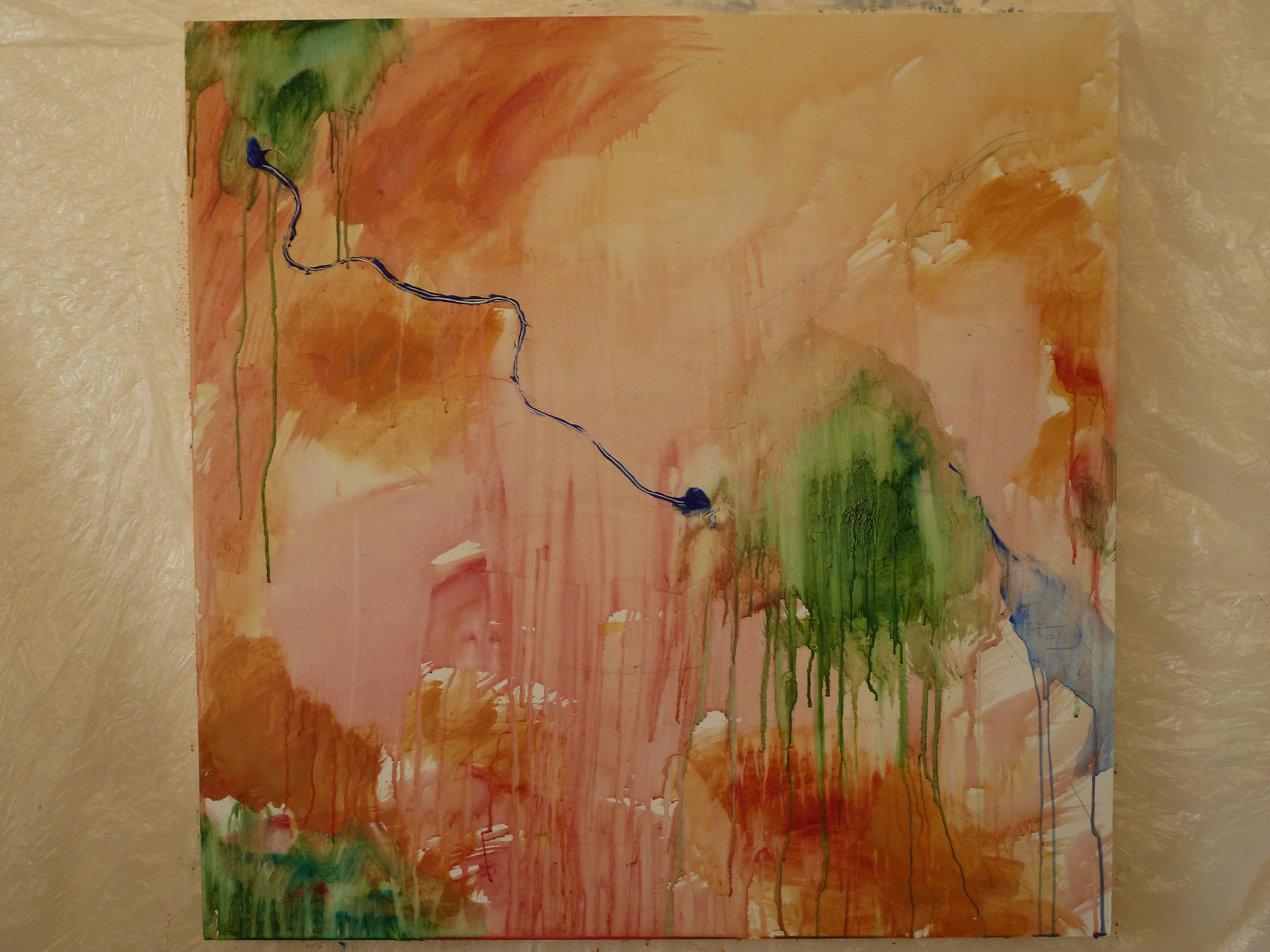
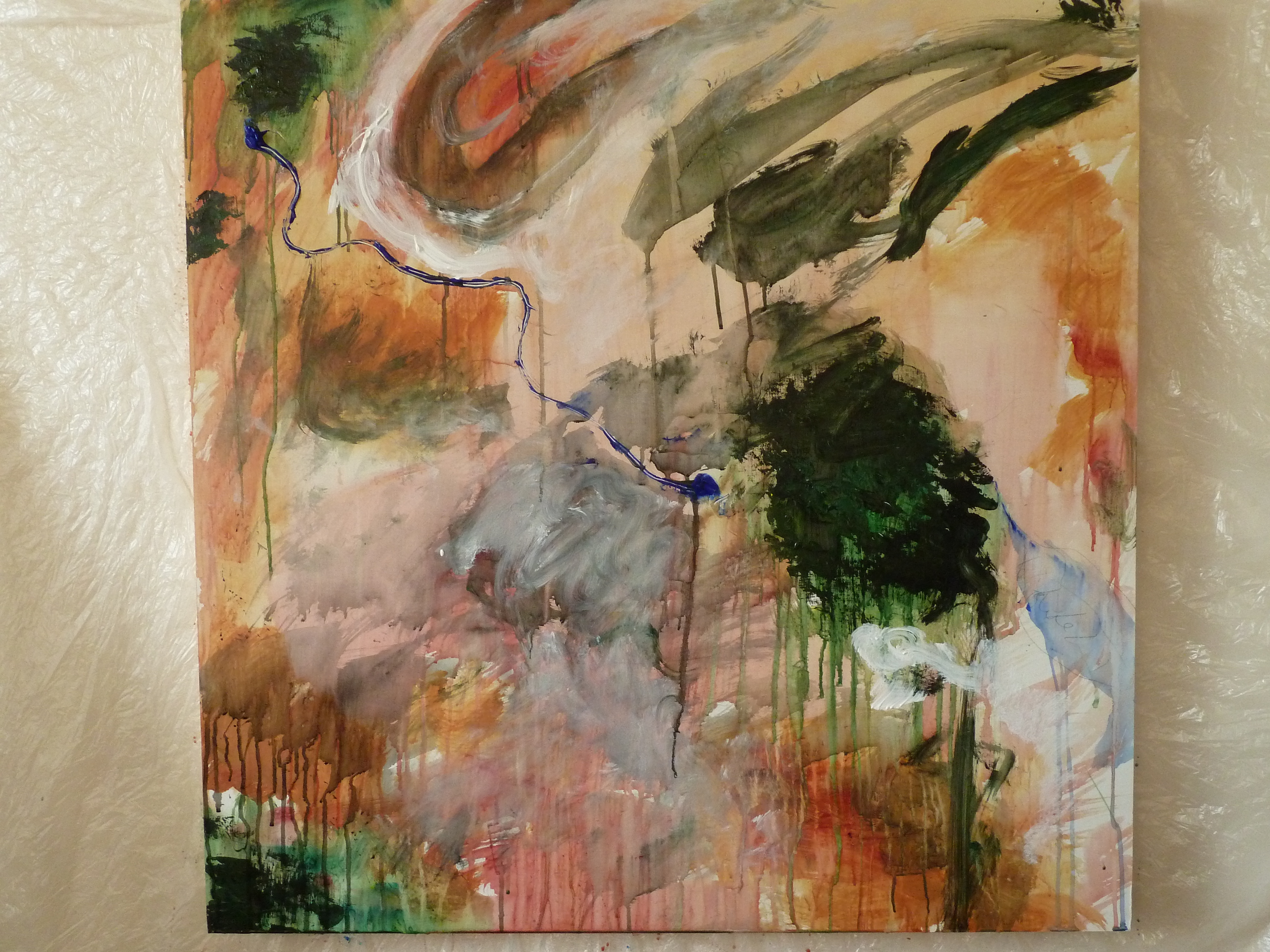
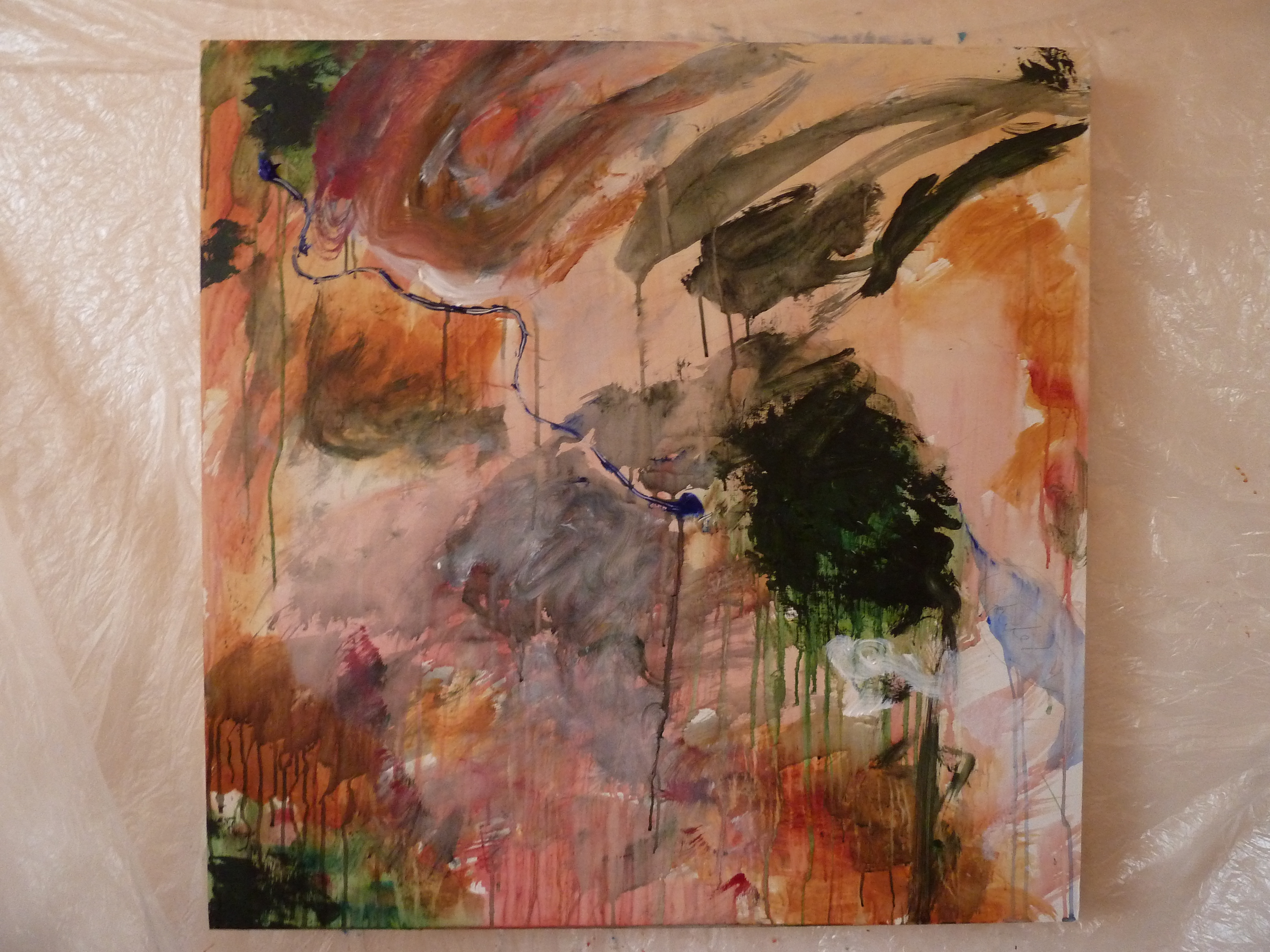
This low pressure weather and rain in the past few days has led to headaches for quite a few people including myself. A friend of mine got a migraine so nasty she was bed-ridden. Plans for a long walk over Arthur’s Seat today were thwarted, so I tackled my Damascus Rose series (updates above, original paintings below).

I’m not quite sure what I’ve done here! It’s quite a lurid green. I wasn’t too happy with these two before, and they needed a bit more work so I’ll re-think next week perhaps. Basically I didn’t just want pretty flowers, so maybe I’ve succeeded in toning down the pretty aspect of Damascus Rose 3 at least

‘Damascus Rose 3’. Mixed media on 36×36 inch wood panel

‘Damascus Rose 1’. Acrylic on 36×36″ wood panel


I’ve been following news of the sale of Basquiat’s Untitled at $110 million, which is an insane amount of money. Insanity aside though, I love theBasquiat painting below titled Portrait of Andy Warhol as a Banana – deceptively simple, it just works perfectly as an image –

Isle of Harris paintings


Harris paintings day 3

Croft at Geocrab Bay, Isle of Harris. Mixed media on 6.5×5″ wood bloack

Traigh an Taoibh Thuath, Isle of Harris. Mixed media on 8×5″ wood block

Loch near Beacravik, Isle of Harris. Mixed media on 6.5×5″ wood block

Rodel Bay, Isle of Harris. Mixed media on 5×5″ wood block

Today’s paintings of the Isle of Harris.

Here’s a map (if you find this interesting!) showing the areas in these paintings…


Harris paintings day 2

Isle of Harris, Green Sea, east coast. Mixed media on 5×5″ wood block

Stockinish Sea Loch from Lickisto (Isle of Harris). Mixed media on 5×5″ wood block

Today’s paintings of the Isle of Harris for the upcoming exhibition on the 14th July at Whitespace Gallery

Harris paintings day 1

Geocrab Lochan Isle of Harris, East Coast. Mixed media on 5×5″ wood block

Today’s attempts to paint the wonderful Isle of Harris. I’m happy with the looseness of Scadabay Houses.

Houses at Scarasta, Isle of Harris, West Coast. Mixed media on 5×5″ wood block

Scadabay, Isle of Harris. East Coast. Mixed media on 5×5″ wood block


A sideways view..

I’ll be painting around ten of these 5×5 inch works and around twenty at 10×10 inches on wood. The series will be on exhibition this summer from the 14th to the 20th of July at Whitespace Gallery.

A few sketches and photos

A few very quick sketches made on Harris. I photographed these at the time, then used half my sketchbook for our somewhat damp wood-burning stove!


And some more photos of myself and Donald below. There was not a hint of rain but there was a bracing north wind across Scotland which made nerdy hats a necessity! I’ll be posting new paintings from tomorrow..


Isle of Harris and Lickisto

Up on the hills of Harris at sundown

Tomorrow I begin a new series of paintings inspired by  the Isle of Harris in the Outer Hebrides.

It was wonderful to stay there longer this time. In September last year I travelled around the Hebrides (Lewis, Harris and Skye) with poet Louise Palfreyman, which was more of a research trip, resulting in a series of paintings and a short video featuring the poetry of Ian Stephen and Louise Palfreyman (you can view the paintings from the ‘Gallery’ page above, just scroll down to ‘Hebrides, Sea, Space and Sky’, and the video is on this link Here )

This time we (me and my friend Donald Ferguson) stayed in a yurt at Lickisto Blackhouse again, a campsite run by John Furniss who’s been developing the site for many years now, very organically and creatively, for want of better terms! I found it quite magical discovering more of the garden on our first night, under a moon so bright it was dazzling.

John’s aproach is to enhance what’s already there, using found materials and being true to the land and its history.  For example he cleared and revealed the ‘lazy beds’ – patches of ground surrounded by small drainage chanels, which date back thousands of years and were created by farmers dealing with the wet conditions and rocky ground of the islands. He also restored and thatched the remains of ancient crofts, having learned the skill from one of the UK’s last traditional thatching experts. The paths wind and meander through the site, following natural contours, leaving the  flora untouched. Here and there are  windbreaks developed from saplings of indiginous trees. No acres of gravel, no twee, no annoying signposts!


The east coast of Harris is completely different from the west – small rocky bays and the remains of crofts and piers from a time when fishing was the main source of income. The west of the island was always more popular as a place to dwell though, with fertile soil on the area of land islanders in the west of Scotland traditionally call the Machair. It’s also where tourists often head first, to the incredible Luskentyre beach  …


The intensity of colour at Luskentyre really was quite incredible, my eyes were practically on stalks, unable to quite take in that such luminous greens and blues exist in nature! More intense even than my photos above can capture. I’ve known several people who’ve never visited the west coast of Scotland say things like ‘have you used a filter on that photo?’ or when looking at one of my paintings ‘are the mountains really that pointy?’ No and yes, respectively!

But as an artist, it was the east coast I found fascinating – the odd colours and shapes of glacially worn ancient rock (Lewisian gneiss) and plain buildings set against the backdrop of shimmering sea, and the strange atmosphere which to me somehow brings Hithcock films and Bjork videos to mind at the same time!


Also on this side of the island you get the sense of how tough crofting life must have been back then, as it is even now which makes John’s landscaping and croft-mending at Lickisto all the more inspiring and impressive, it’s hard work and I hope he continues into the future.

I was reminded of the way the artist Ian Hamilton Finlay, with his wife Sue, gradually developed  ‘Little Sparta’ at Stonypath in Dunsyre, Lanarkshire, on barren moorland. At first small, quirky and domestic in scale, but gradually becoming more epic as decades passed. It’s now classed as one of Europe’s most unique and impressive works of art; combining landscape, philosophy, literature and art. (These links show the garden and give info on Finlay’s life as an artist – Little Sparta    Little Sparta and Ian Hamilton Finlay )

Finlay clearly had more obvious artistic ambitions, but I see the parallel with John’s creation at Lickisto in the sense of authenticity – the way a landscape is developed and nurtured; not as a show-piece to impress, but more an outpouring of imagination and sensitivity to the landscape.

I’ll be exhibiting my new series of paintings of Harris in July this year at the Whitespace Gallery (which has now moved to East Cross Causeway in Edinburgh’s Southside, website Here). As a new development I’ll also create a series of aquatint etchings, I haven’t atempted etching since art college days so I’m quite excited about how those will turn out!

Lastly, some photos of sundown and moonlight on Harris …