Tag Archives: Scottish landscape painting

Wells of Arthur’s Seat – day 2

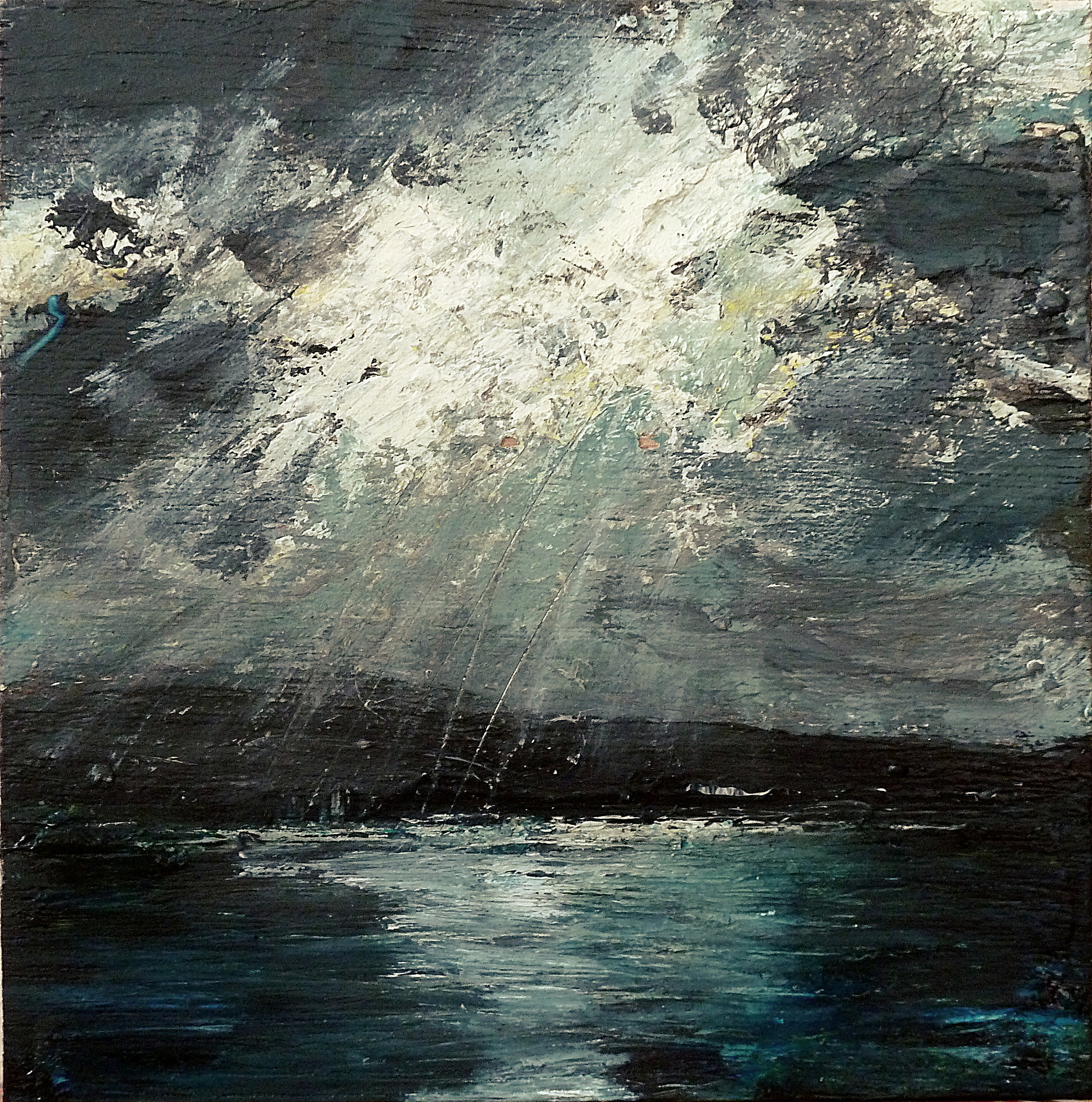
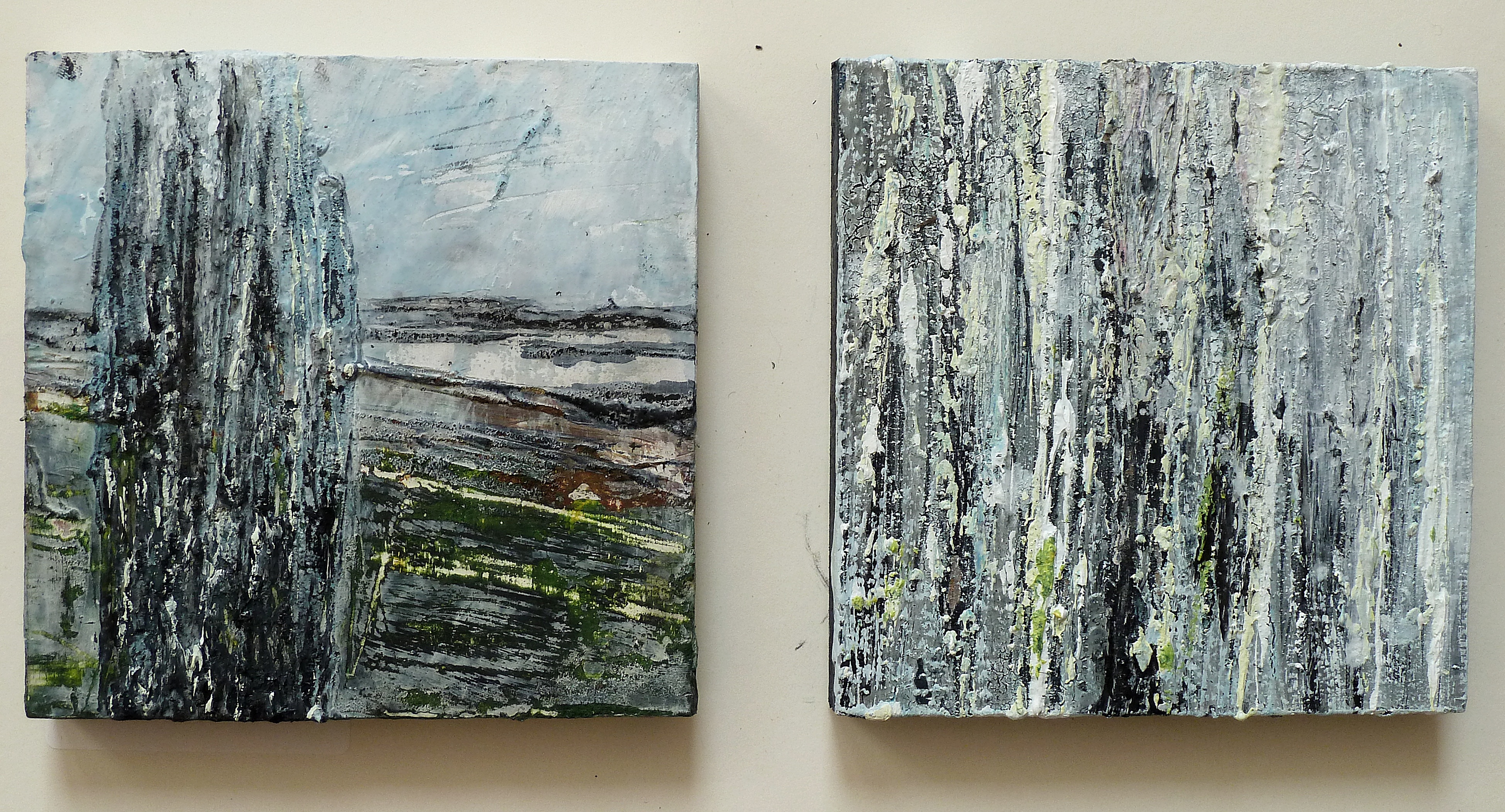
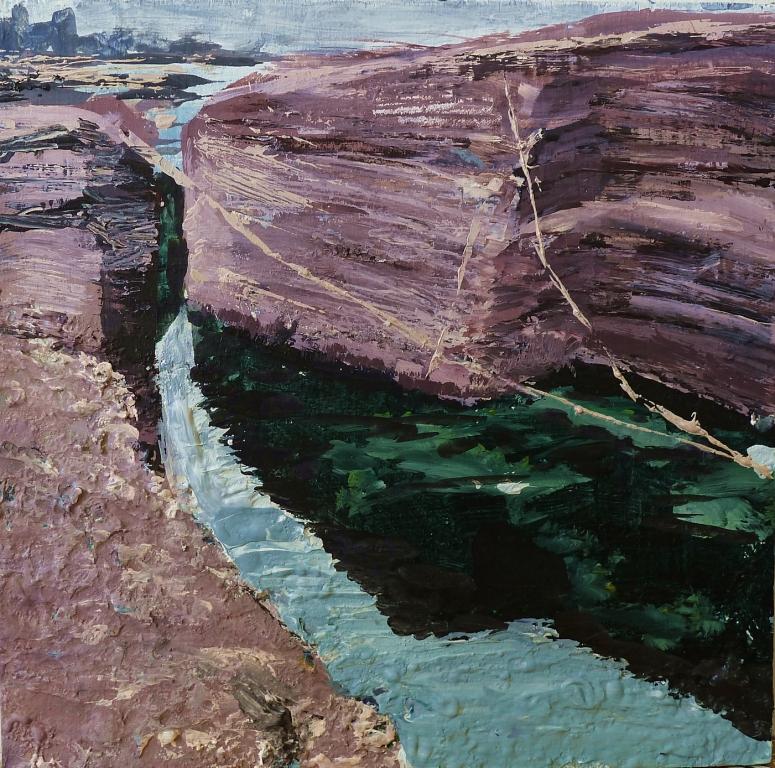
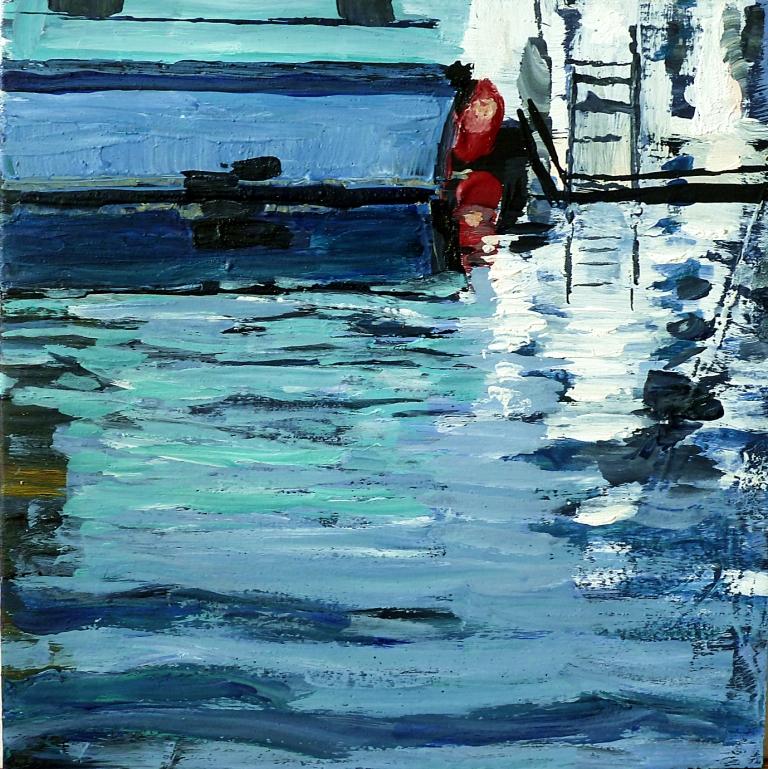
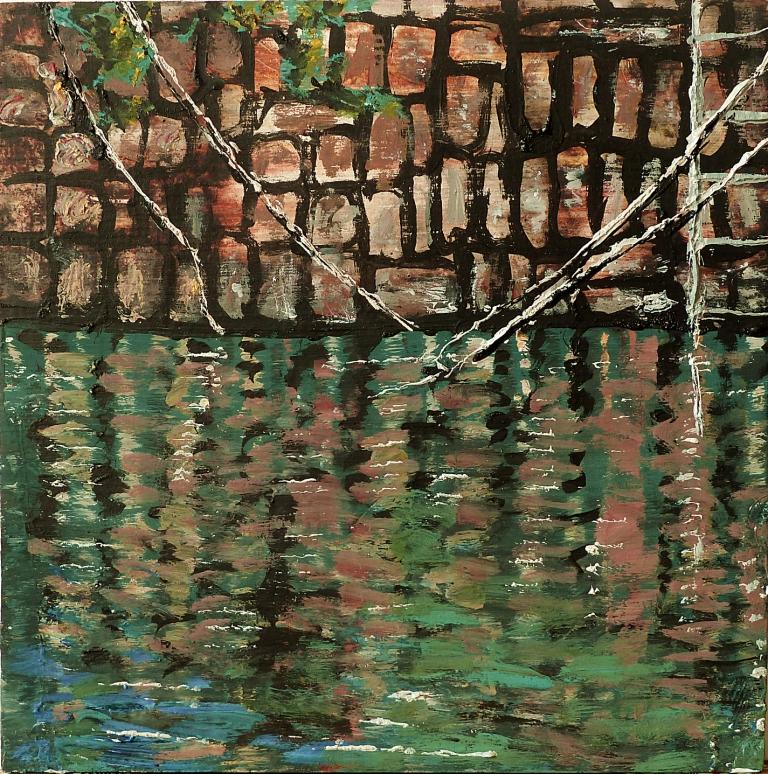
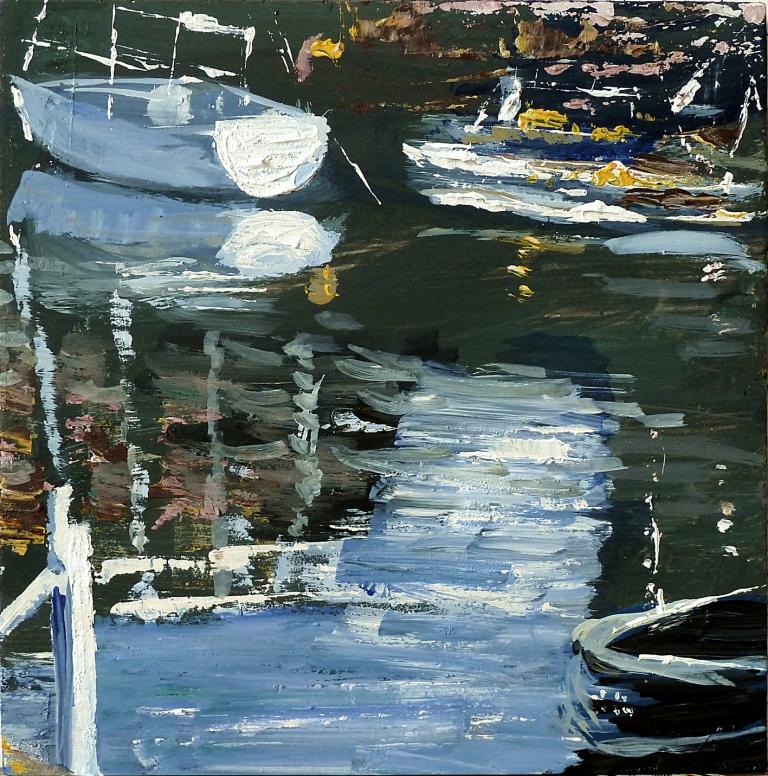
(in progress)’St Anthony’s Chapel II’. Mixed media on 24×16 inch wood panel. Rose Strang, 2018

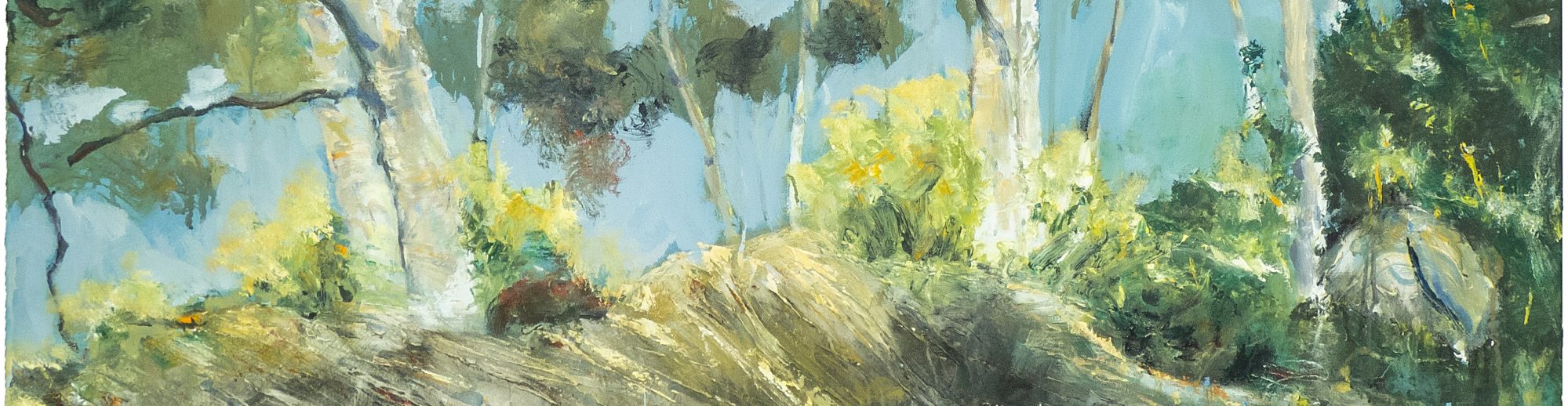
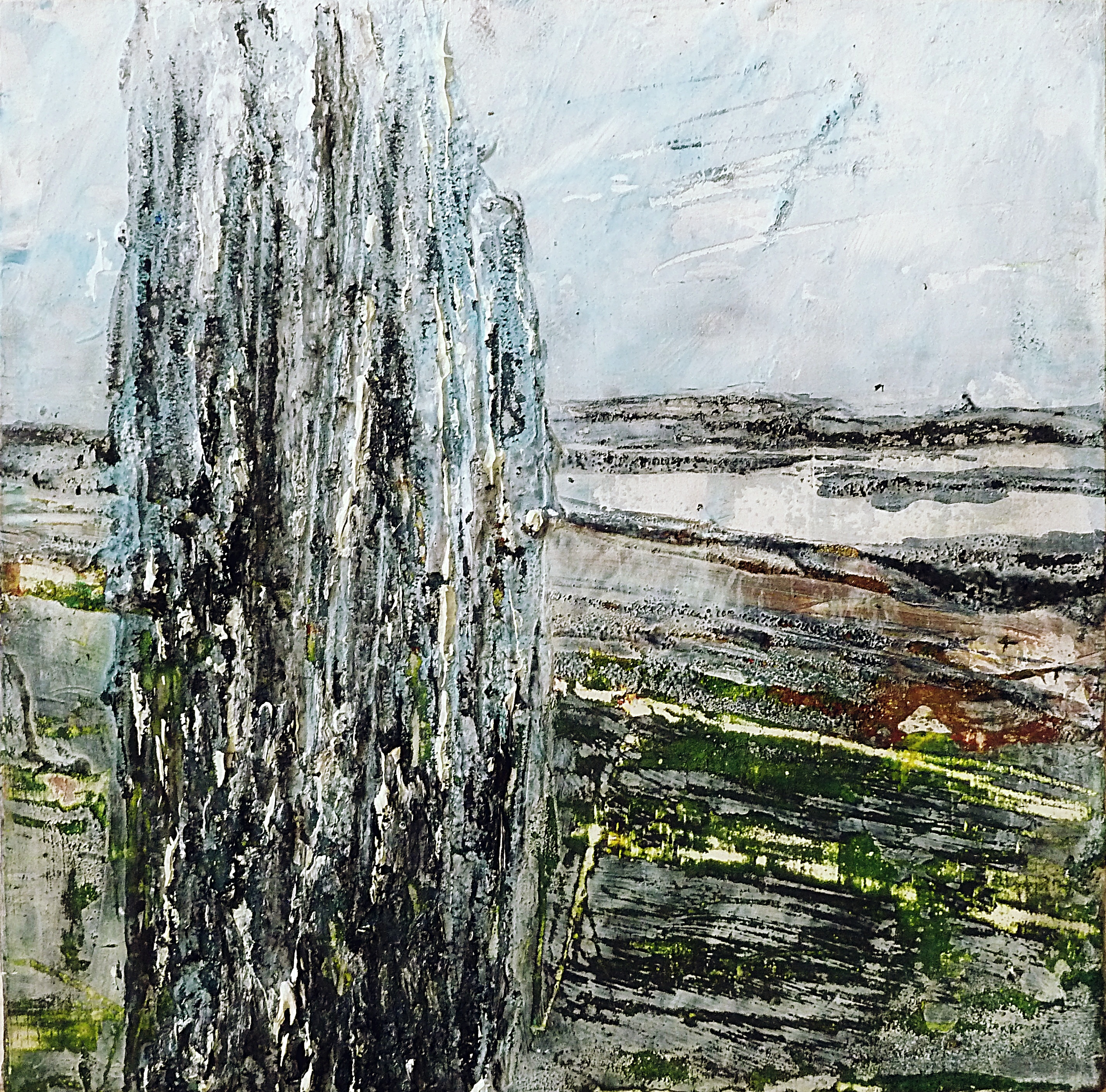
(in progress)’Tree Grove (Arthur’s Seat)’. Mixed media on 10×10 inch wood panel. Rose Strang, 2018

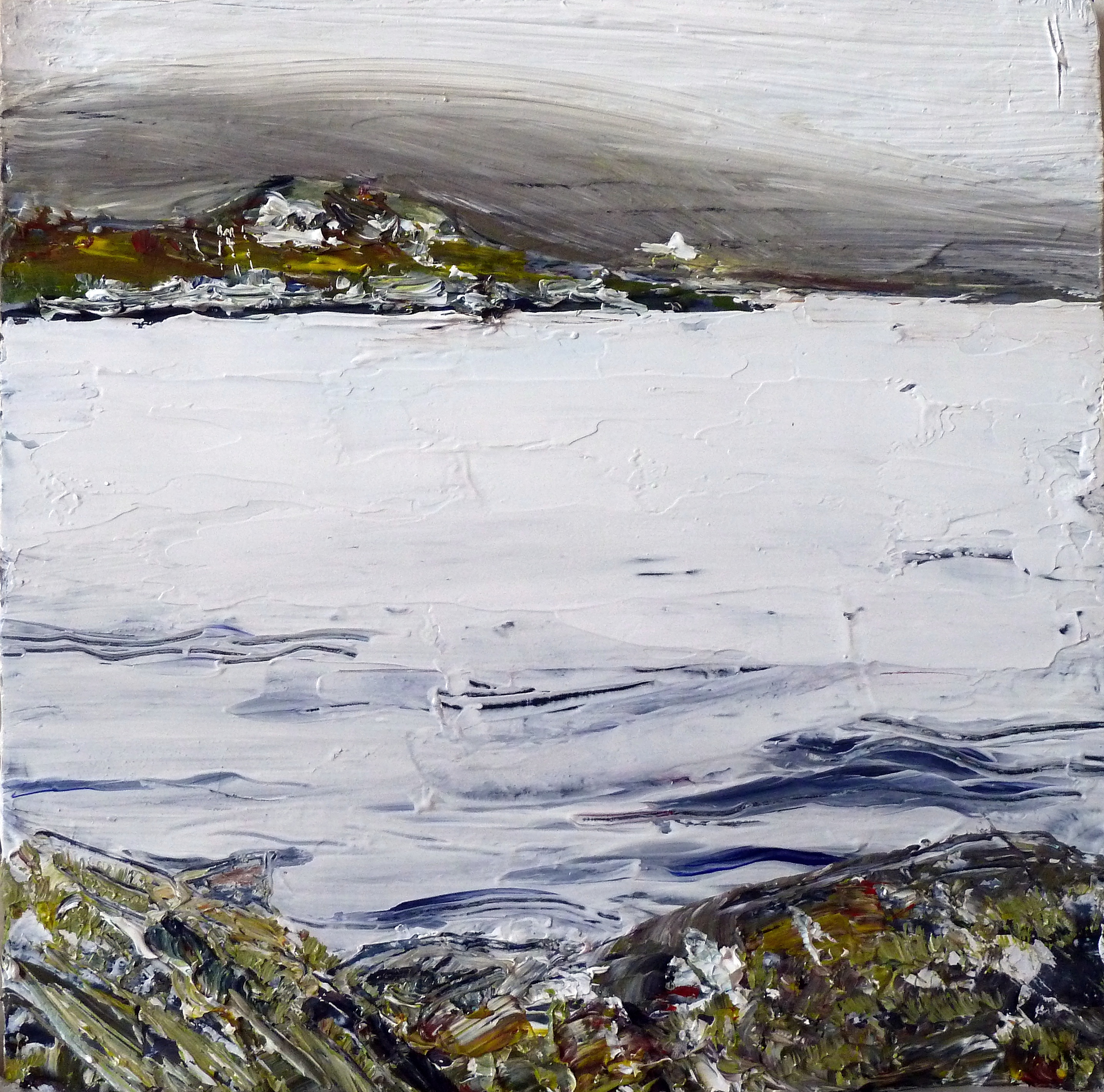
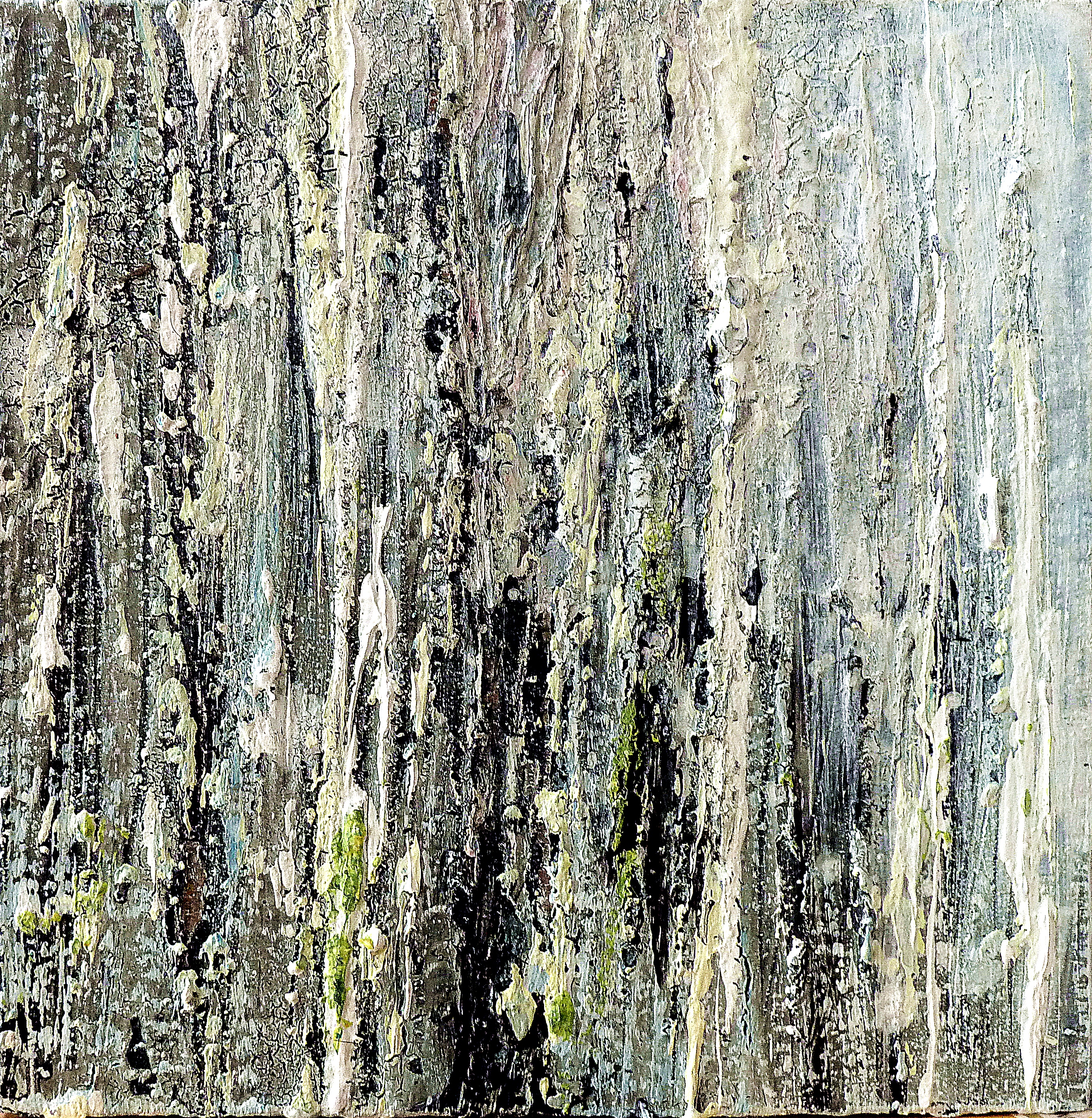
(in progress)’Spring (Arthur’s Seat)’. Mixed media on 10×10 inch wood panel. Rose Strang, 2018

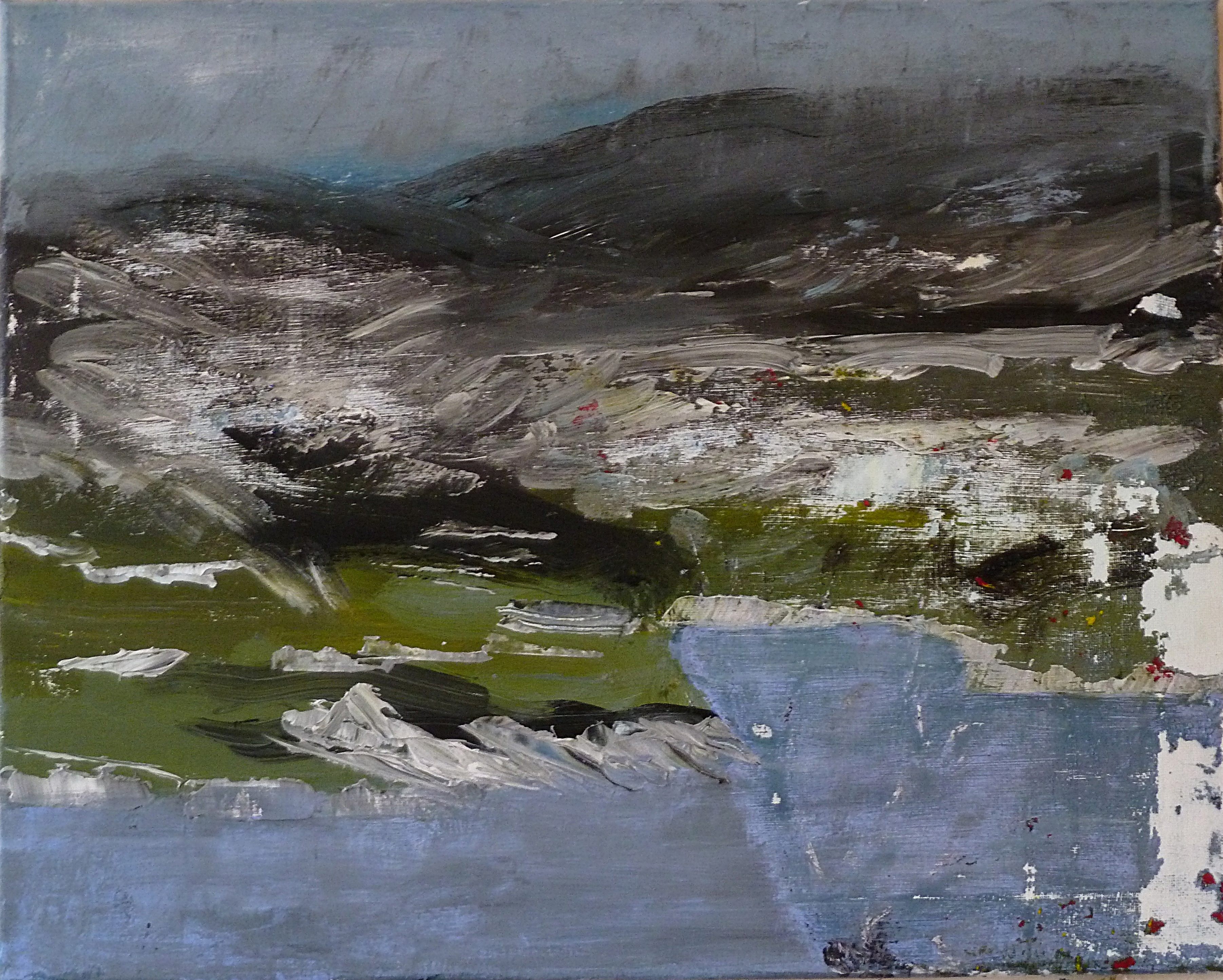
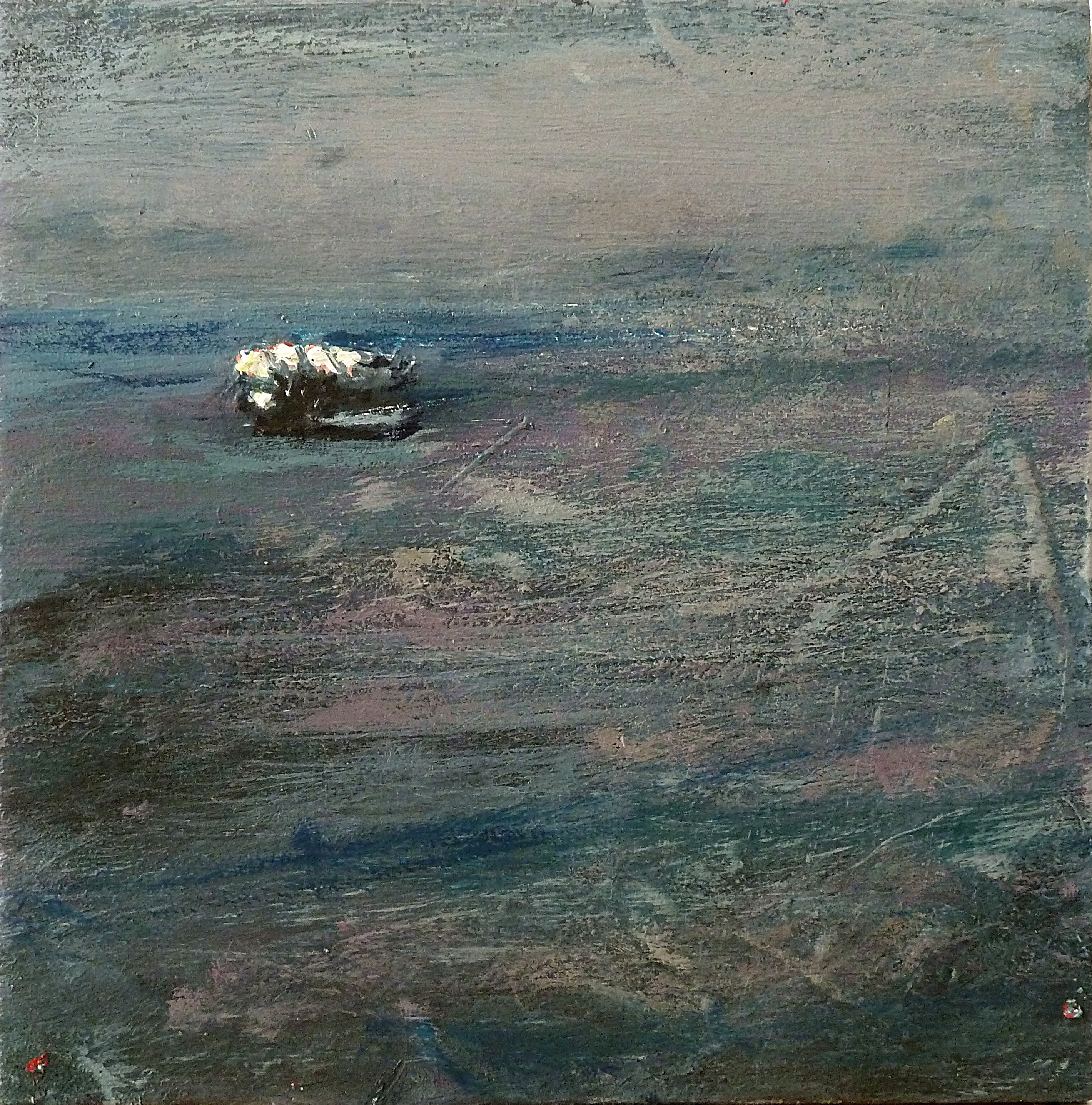
(in progress)’Green Spring (Arthur’s Seat)’. Mixed media on 10×8 inch wood panel. Rose Strang, 2018

Today’s paintings for the Arthur’s Seat exhibition and project, all info Here

More experimentation today, which got quite messy. I’ll have a look at these tomorrow and decide what to do with them. They’re loosely based on views of St Anthony’s Chapel, springs that run through the valleys of Arthur’s Seat and a grove of trees in Hunter’s Bog. I definitely want to progress in a more expressive direction, to convey atmosphere rather than a mimetic approach. It’s a bit of a return to previous styles which will suit this project.

The bits that work for me are the energy expressed in looser brushwork and more primal colours, and the sense of feeling a place as opposed to seeing it simply as it’s observed. I like the connection between clouds and spring-water through drips in ‘Green Spring’ (which needs a bit more work). I’m also trying to get a sense of flow between elements of sky, land and water.

Atzi, Alan and I were discussing ideas – the concept of ‘in-between’ or liminal spaces and places. In the last post I described rituals that would have taken place at these wells hundreds of years ago, and the way that people perceived water in certain places as possessing a magical property between the everyday and the sacred, also the idea of rituals that create a space in time, and a safe place in which to heal.

I’m not quite there with the atmosphere or ideas I want to capture, but with a month and a half to go I’ll hopefully get there!

Wells of Arthur’s Seat – Day 1

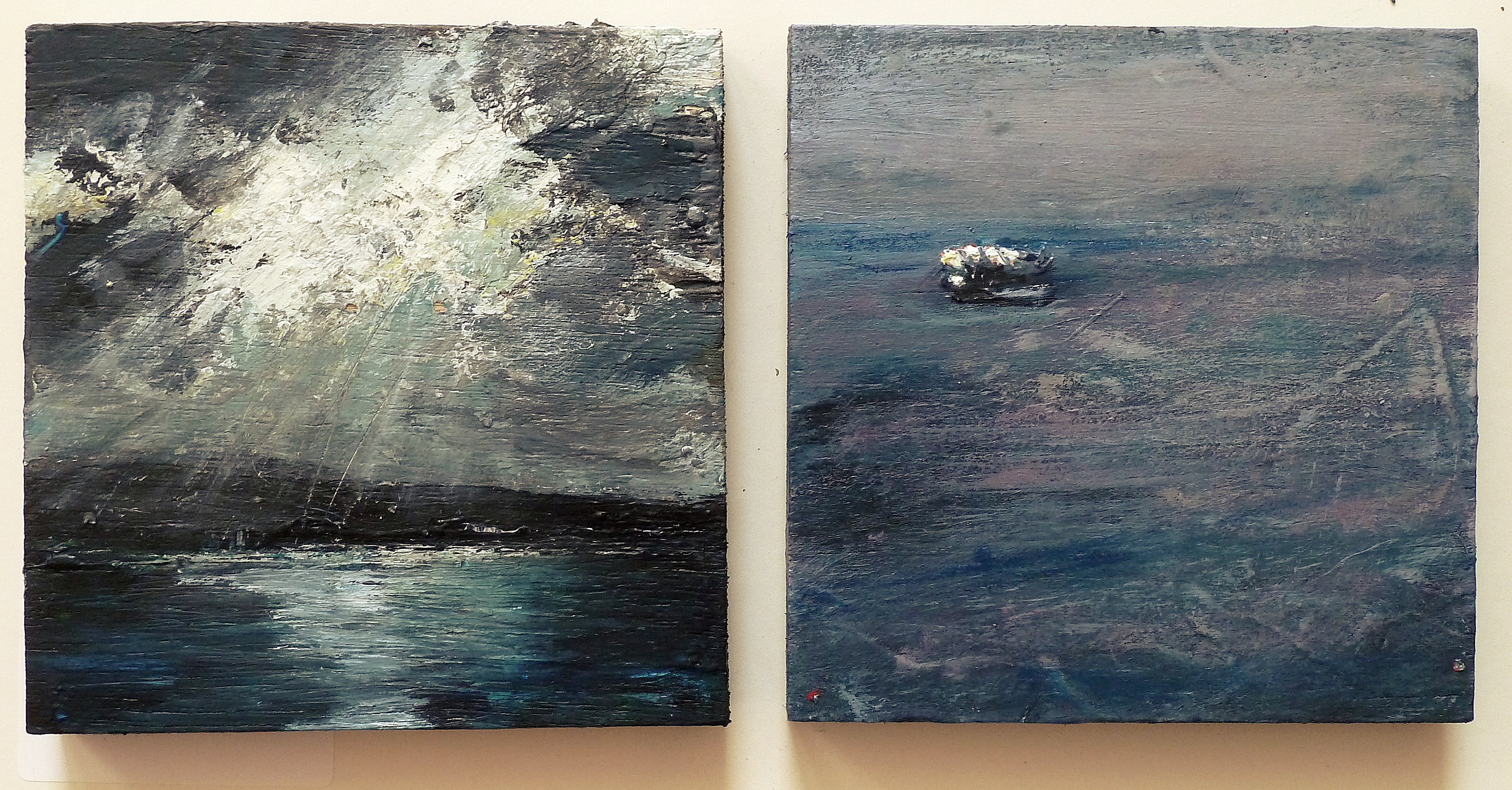
‘Spring sunlight on Hunter’s Bog, Arthur’s Seat’. Mixed media on 10×10 inch wood. Rose Strang 2018

‘St Anthony’s Chapel from St Margaret’s Loch’. Mixed media on 10×8 inch wood. Rose Strang 2018

‘Edinburgh from Arthur’s Seat’. Mixed media on 10×10 inch wood. Rose Strang 2018

Today’s paintings of Arthur’s Seat …

I played around with different experiments and approaches today, just to see what works, so I’ll have a think about these in the meantime.
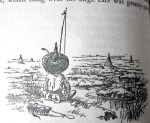
For the St Anthony’s Chapel painting, I was a bit inspired by the strangely beautiful atmosphere of Medieval paintings, such as those featured in the Medieval manuscripts – ‘The Book of Days’ (example below) I might work on that approach more.


I’ve also been working on the video for the project, as there will be a video showing the background to the project as part of the event.

As described in my last blog post, I’m exploring the history of Arthur’s Seat and in particular the way the wells were used for ancient healing rituals.

I’d discovered that St Anthony’s Chapel (painting above) was bult in the 12th century, but the nearby well (named St Anthony’s Well) had probably been used for many centuries beforehand as a place of worship or healing.

As mentioned, early Christian churches were usually built on or near sites of ancient worship. In the first place this was simply to encourage local people to incorporate Christian ideas with their own beliefs, but by the 16th century this had become unacceptable to the Christian church.

Martin Luther’s ideas for reformation of the Catholic church started out simply as a series of criticisms of corruption in the Catholic Church; one of his main points being that the church accepted payment for atonement of sins in lieu of confession and repentance, which obviously became a lucrative sideline!

The other complaint was that the worship of various Catholic saints was too similar to ancient ‘heathen’ practices of praying to or invoking numerous deities as the situation required, rather than one god. Also Luther believed that people could have a direct relationship to god, without requiring elaborate rituals by popes and the church hierarchy.

(By the way it’s probably best if I interject at this point to say that I don’t follow any religion and therefore have no prejudice towards any particular religion. Certainly I’m no expert on the subject! I thought I’d better explain this in case people assume I’m working towards a religious argument, when I’m simply showing the ways that religion was politicised or appropriated towards the aims of various rulers, whether from institutions of church or monarchy).

Luther’s observations made sense in many ways; but he’d never intended the subsequent actions during the Protestant Reformation which involved horrific violence, not least witch hunts, which were at their height during the reign of James VI of Scotland (First of England).

I won’t go into more detail about all of that though today, except as it concerns our well-worshipers on Arthur’s Seat. Some of their activities would have been viewed as devil worship at one time, not because they were running around naked, painted red and invoking Satan (as far as I know), but rather because their rituals didn’t invoke the one God of Christianity – they were not monotheistic, they invoked or prayed to a variety of deities, most often at those wells, springs or trees, which were believed to be sacred, or to have magical powers.

With varying details in each country or locality, this was a pan-European world-view in pre-Christian times, as explained by Aude le Borgne in her thesis, which I discovered online recently (* see reference/footnote at the end of this post).

Le Borgne’s thesis is a wonderfully rich source of information about the rituals people enacted at these wells, I’ve only read the part dealing with wells, but she goes into great depth about the possible meaning or beliefs behind the rituals.

You may have heard of ‘Clootie Wells’ (called Rag Wells in England). Clootie means cloth, in old Scots and to this day there are numerous wells around the British Isles,  Ireland and France where people leave a rag, cloth or offering, yet few people even know why they do this!

According to Le Borgne, whose evidence comes partly from court trials held during the Reformation, there were numerous types of ritual held at the wells, for a variety of purposes such as healing, praying for better crops, or marking important times of year in the calendar such as the summer and winter solstices, or May day.

She describes; “the notion of balance that underlies this mode of thought – that human beings and supernatural forces share power..” and explains that understanding this is helpful as part of her explanation “to show how popular healing practices clashed with the Christian ideology”. *

To describe a typical ritual, according to Le Borgne, here’s how a visitor or healer may have conducted a healing ritual at St Anthony’s Well on Arthur’s Seat …

First they circumambulated the well, this was thought to ‘close off’ the area, to create a barrier or make it a safe space for healing to take place. It was also to stand aside from time, from the everyday, so a healer might circumambulate the well three or more times. The healer, or visitor would walk around the well “sone gaitis, deiseil, i.e. sunwise” *, or clockwise as this was deemed lucky, to walk around anti-clockwise was seen as dangerous; against nature, or possibly attracting ill will.

Le Borgne describes in some detail how ritualistic approaches followed a belief that balance of opposites was vital in all aspects of life. Disease itself was viewed as an imbalance of nature, therefore each action or event had a counterpart, or required a counterpart for healing.

Interestingly, if you explore ancient religions or spiritual beliefs, balancing opposites was often perceived as the aim of life in general – the attainment of wisdom and well-being. Yin and yang for example.

Water was seen as possessing this liminal property – an essence or quality of ‘the in-between’. A Christian, for example, might describe a spiritual place as being ‘a thin veil between heaven and earth’. Wells were perceived in a similar way.

Borgne observes that water was universally perceived as possessing healing or sacred properties – Scottish rituals included. Water might provide a cure through drinking, immersion, or by washing afflicted body parts, but although it was valid for anyone to practice these rituals, it was often the case that a healer or another person would conduct the ritual on behalf of the person with the ailment or disease.

A mentioned in my last post, which quotes an eye witness from the 19th century at St Anthony’s Well (from Paul Bennett’s book; Ancient and Holy Wells of Edinburgh) people would dip a piece of cloth in the water, then apply it to the place that was diseased. What that quote didn’t describe though, is that the cloth was then buried in the ground near the well, or hung on a nearby bush or tree.

Le Borgne explains that the practice of using, then leaving, a ‘clootie’ or piece of cloth has often been misinterpreted in various ways, i.e. as an offering, or as an act of cermonial union with the deity of the well, but in fact its purpose (apart from dipping it in the water and applying it to the place that required healing) is likely to have been to ‘ask’ the well, or deity of the well to dissipate or ‘take away’ the disease (it was seen as unlucky to touch any such ‘clooties’ if they were encountered near a well, so bear that in mind if you visit a Clootie Well!)

Again, the idea of balance was observed; by way of gratitude, the visitor or healer would then leave a token of thanks or offering at the well, most often a coin, nail, or wild flower. As propitiation.

I think one of the most interesting aspects of these rituals though, is that they were often conducted in complete silence. Le Borgne explains that this practice, which again is fairly universal as part of many sacred rituals, may have been because the deity or magical property of the sacred place is seen as inexpressible, or that human words can’t equate to or communicate with the spiritual nature of the sacred place, which is unknowable.

Silence was perceived as a form of respect to the power of the sacred place, and again, this has parallels with many spiritual practices across all beliefs and religions – meditation for one example.

With that thought, I’ll end today’s post and wish you a peaceful evening …

* Thesis by Aude Le Borgne:

CLOOTIE WELLS AND WATER-KELPIES:
AN ETHNOLOGICAL APPROACH TO THE FRESHWATER TRADITIONS OF SACRED WELLS AND SUPERNATURAL HORSES IN SCOTLAND

Aude Le Borgne. PhD, The University of Edinburgh 2002

weblink: https://www.era.lib.ed.ac.uk/handle/1842/10540

(Please note, I’ve had no luck in finding contact details for Aude Le Borgne, I hope I’ve referenced the thesis accurately, and credited it sufficiently, but I’ll tag this post to make it clear I’ve quoted and referred to it. Any feedback or enquiries can be emailed to me at rose.strang@gmail.com)

Portrait and ‘Hawk’

Sold. ‘Hawk, River Tweed 3’. 40×40 inches £1500

Just a quick post to say that as I’m submitting my painting of Richard Demarco for a portrait award, I have to take all references to it off social media until around August this year.

Also – I recently sold ‘Hawk, River Tweed’ through the Limetree Gallery in Bristol, which is lovely news. I’m very fond of the painting, since the River Tweed is a special place for me, so will say goodbye to it by sharing this video (below) of the making of ‘Hawk’ again, which is accompanied by music by talented composer and pianist Jane Gardner (we were both really pleased with the way music and image enhanced each other). Thanks to The Limetree again, and to Jane!

SSA Open Exhibition

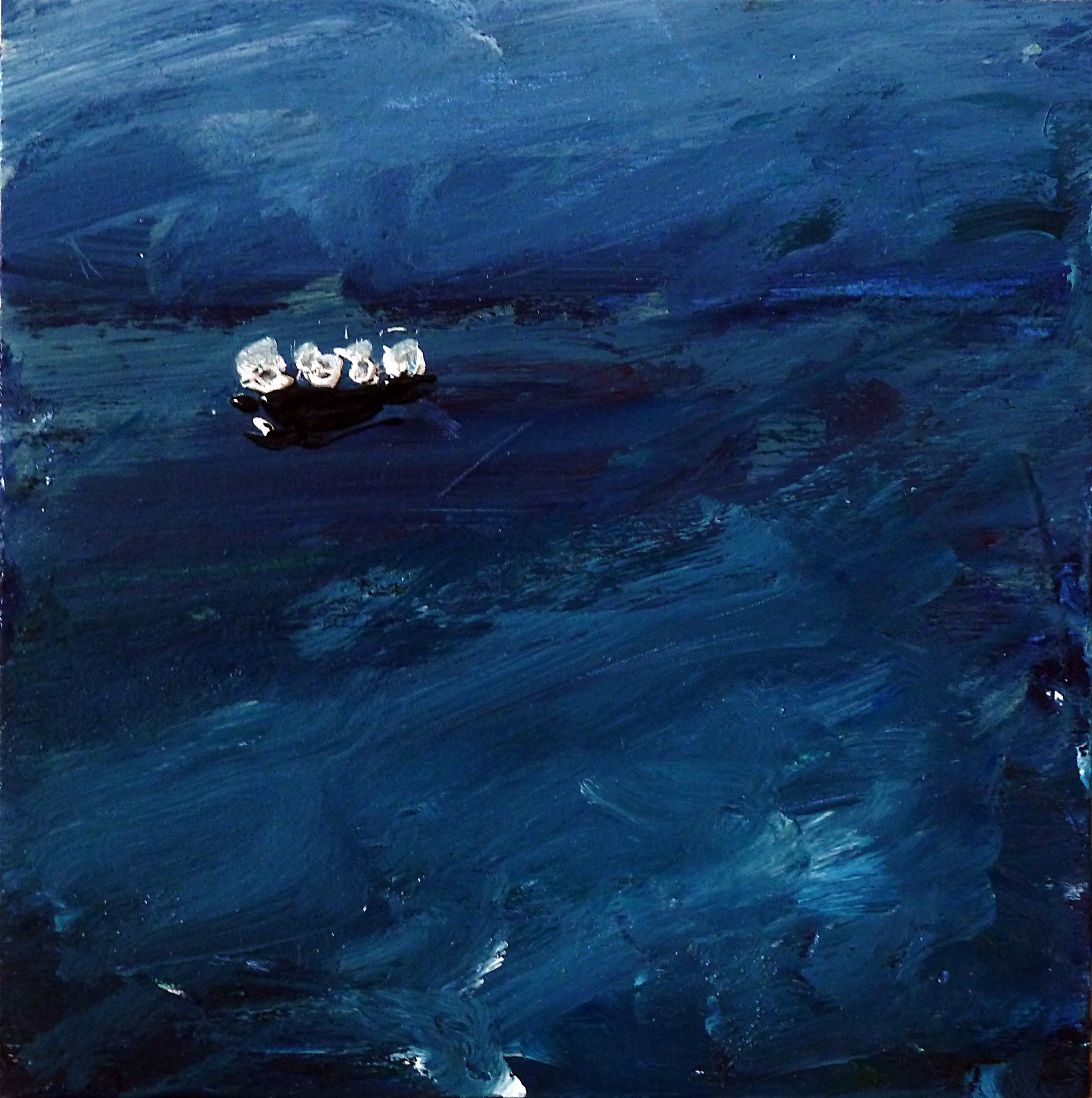
Sold . ‘Harris (Sea Loch 2)’ Mixed media on 10×10″ wood

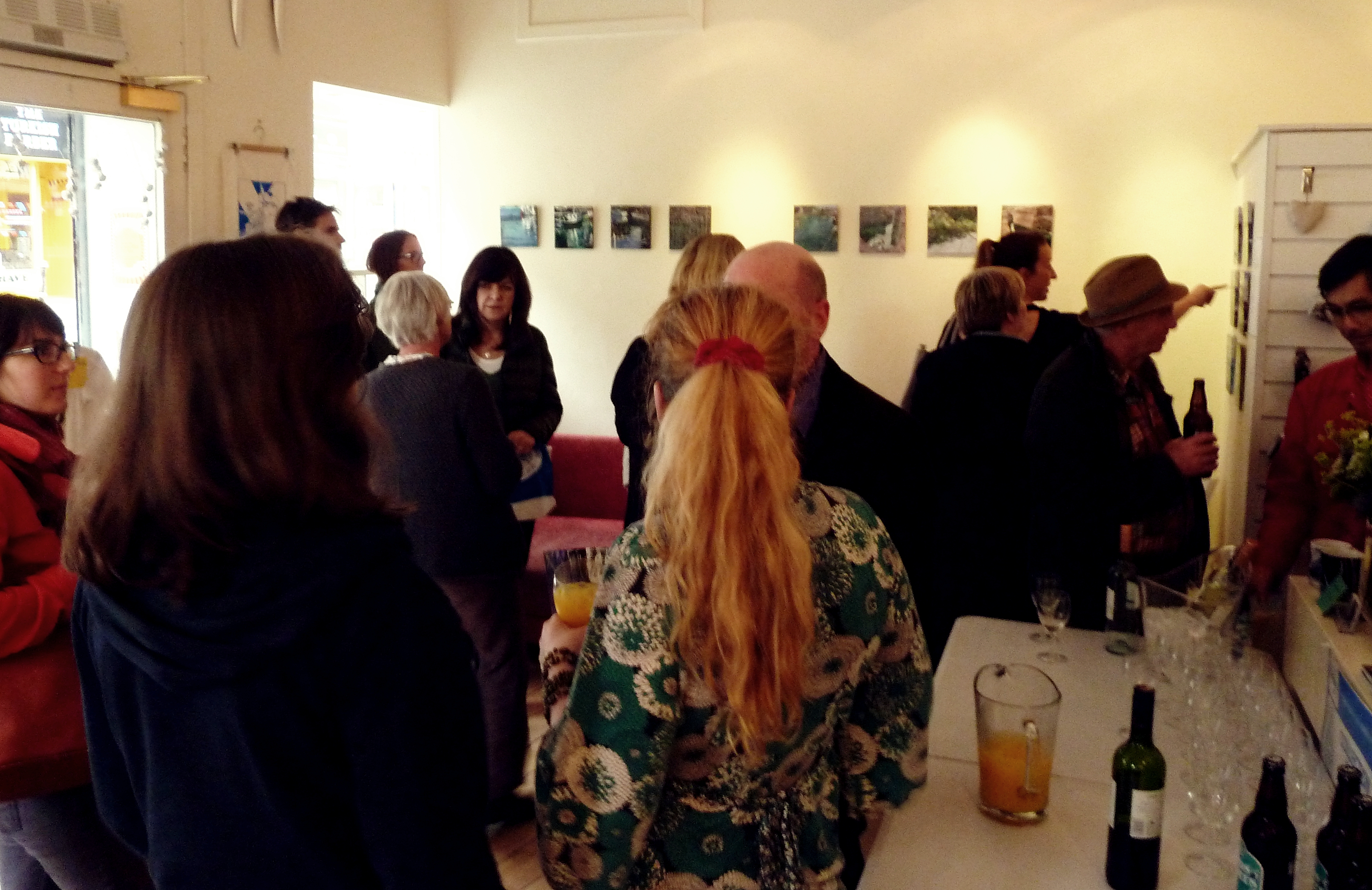
I’m delighted that Harris Sea Loch 2 (right) has sold at the SSA+VAS Open Exhibition (as part of the Society of Scottish Artist’s section).

There was a very lively buzz to the preview, and  I enjoyed it  – quite a few familiar faces in the photo below! I’ll definitely go back to view the works properly now  it’s a bit quieter .

The show runs from 29th Jan to 8th March 2018 (Monday to Saturday, 10am to 5pm, ​Sunday 12 noon to 5pm) at the Royal Scottish Academy, The Mound, Edinburgh EH2 2EL. Link – Here

First Look – new exhibition

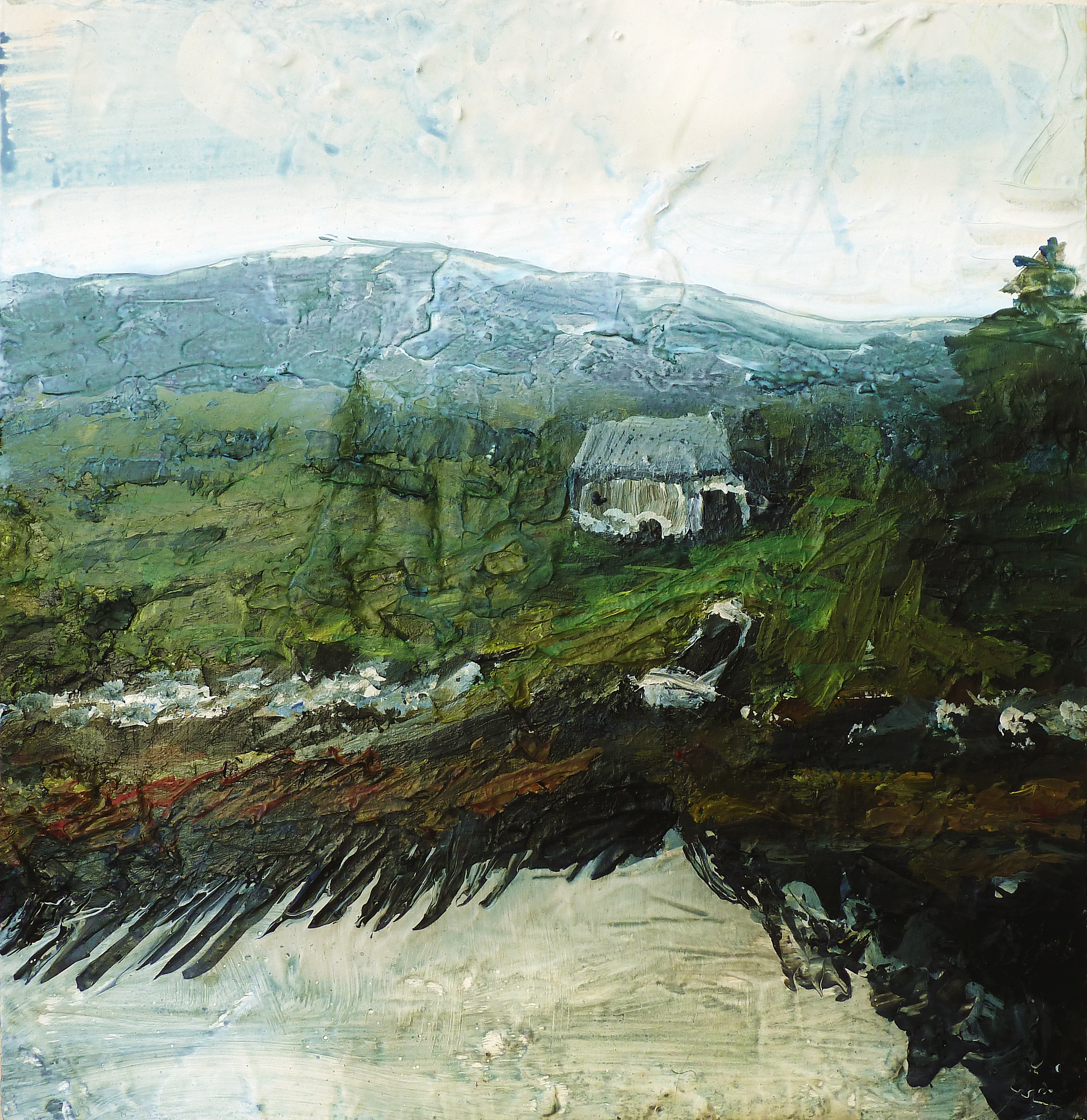
‘West Coast, Harris 3’. Mixed media on 13.5×12″ wood panel

Three of my most recent landscape paintings are included in the up-coming exhibition at  Limetree’s second Gallery in Long Melford, Suffolk.

The exhibition, called First Look runs from 10th February until March 20th. If you like the works (right and below) but can’t get to the exhibition, you can contact the gallery on their website, on this link –  Limetree Gallery


‘West Coast, Harris 2’. Mixed media on 14×10″ wood panel

‘West Coast, Harris 1’. Mixed media on 14×10″ wood panel

West Coast, Harris paintings

‘West Coast, Harris 1’. Mixed media on 14×10″ wood panel

‘West Coast, Harris 2’. Mixed media on 14×10″ wood panel

‘West Coast, Harris 3’. Mixed media on 13.5×12″ wood panel

More work on the West Coast of Harris paintings today for upcoming February exhibition at the Limetree Gallery in Bristol.

Available paintings

If you have any questions feel free to email me at rose.strang@gmail.com

Winter Series. 2017

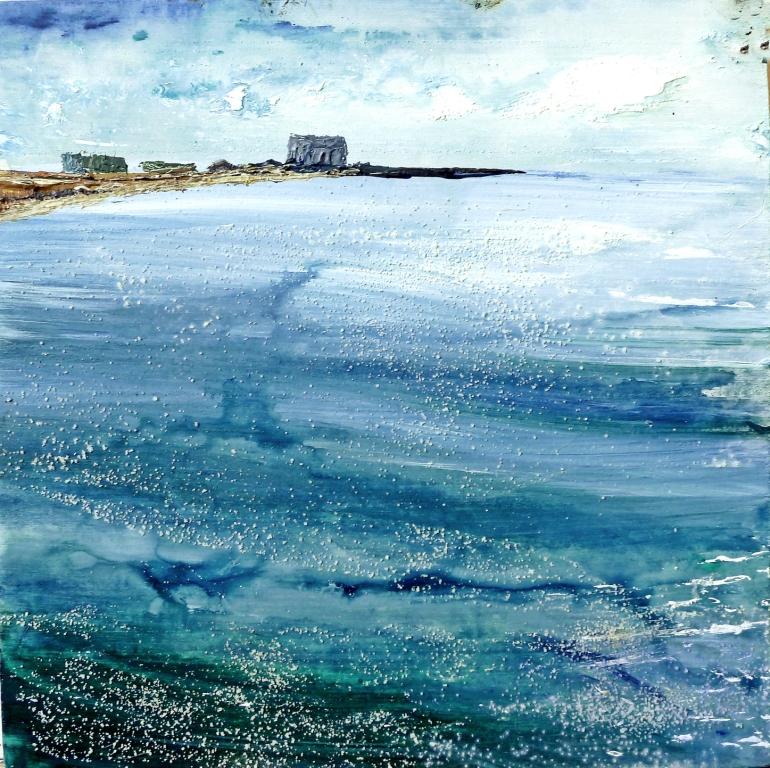
Isle of Harris. 2017


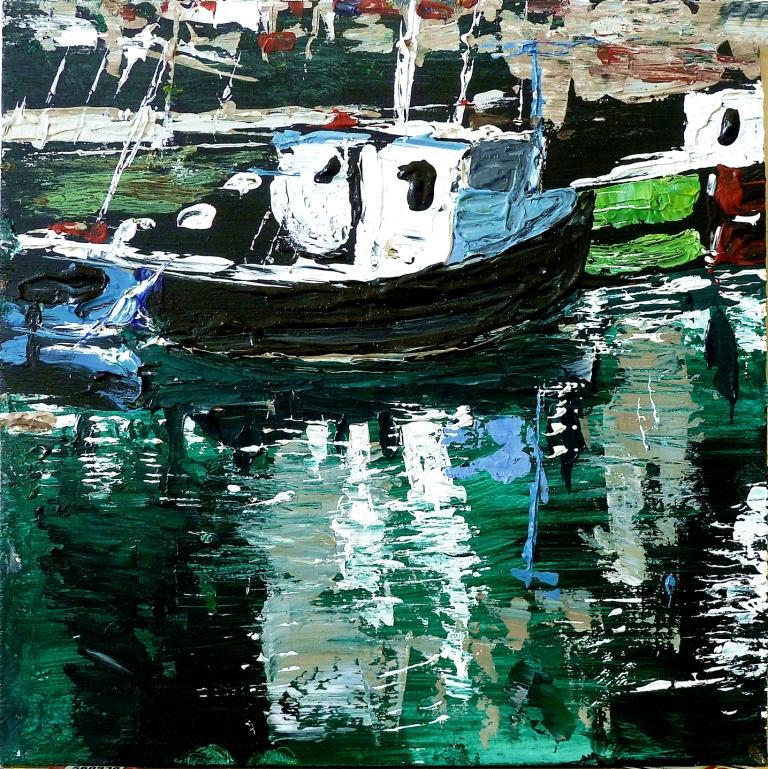
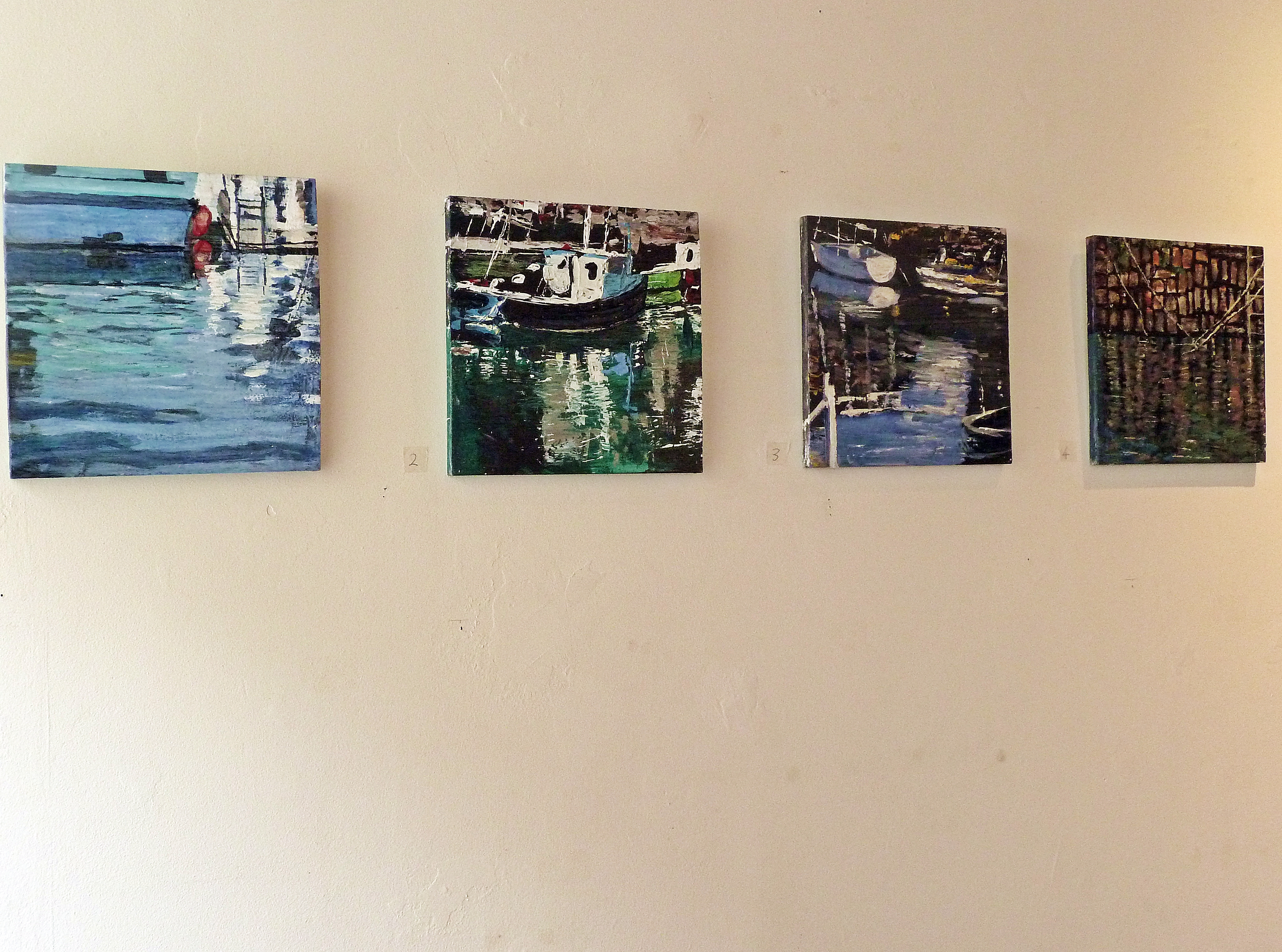
Harbours. 2016


Casares 2016


Edinburgh Art Fair

It was an absolutely buzzing preview at the Edinburgh Art Fair yesterday evening, with  barely room to move – I was impressed so many people showed up on a freezing November night!

I had the pleasure of meeting owners of the Limetree Gallery, Sue and Stephen (photo below) who included some of my works at their stand (In photo below – ‘Hawk, River Tweed’ and four works from the Canalscapes series).

Three of the Canalscape series sold through the Limetree as part of a mixed exhibition earlier this year and it’s been a pleasure working with them  – it’s not just about being paid on time (which is nice!)  but also clear, friendly communication, and I hope this enjoyable working relationship continues.

The Edinburgh Art Fair is on until 19th November, more info Here

Edinburgh Art Fair

This year I’ll be showing with the Limetree Gallery at the yearly Edinburgh Art Fair (EAF), which runs from the 17th to 19th November at the Corn Exchange.

It’s Scotland’s premier art fair and the largest in the UK outside London, so I’m excited to be a part of it. It includes around 60 galleries from around Britain and admission is £5 per day, but if you want to attend the preview evening, it’s £15 on the door, or you can buy tickets for £12 here – Tickets

The Limetree Gallery will be showing four of my Canalscapes series, and ‘Hawk, River Tweed’ which is one of my larger works (image and link to video showing the process of painting ‘Hawk’ below)

‘Hawk, River Tweed 3’. 40×40 inches

Hope to see you there!


Video –

Available paintings

 Winter Series. 2017

Isle of Harris. 2017


Harbours. 2016


Casares 2016