Monthly Archives: June 2015

Borders Country Day 8

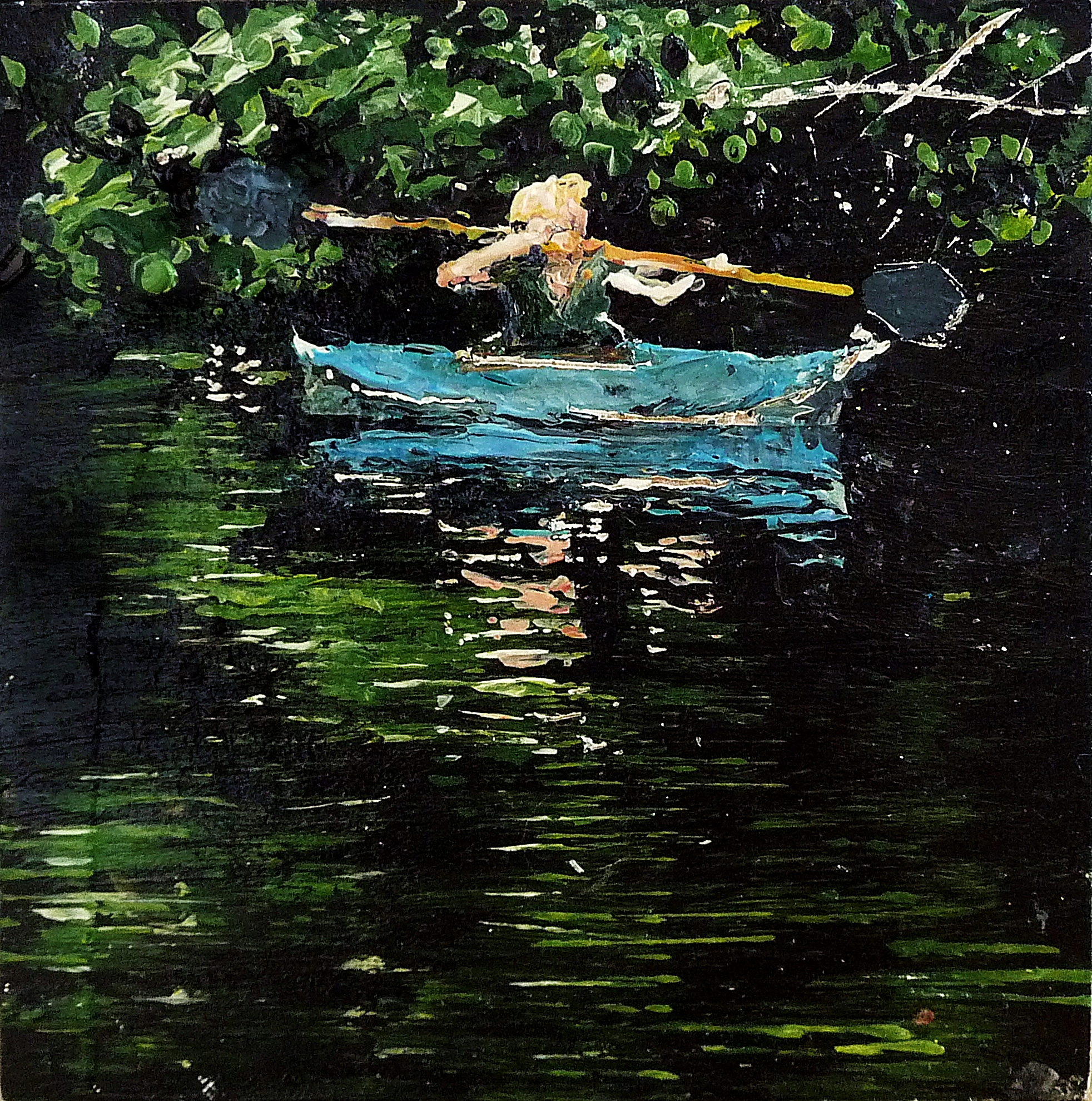
'Catherine in a Canoe, River Tweed'. Acrylic on 5x5" wood panel

‘Catherine in a Canoe, River Tweed’. Acrylic on 5×5″ wood panel
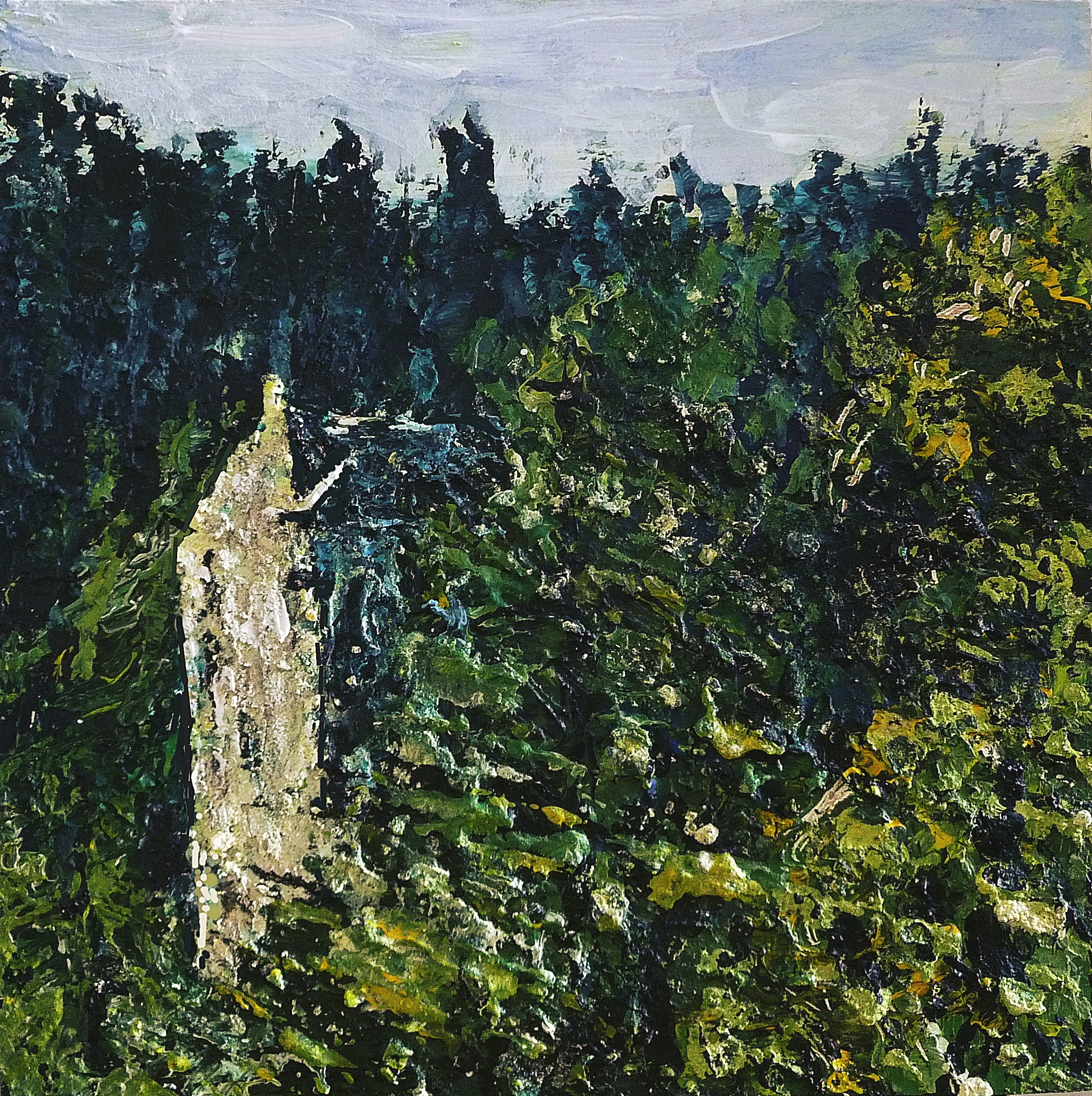
'Neidpath Castle on the River Tweed'. Mixed media on 10x10" wood panel

‘Neidpath Castle on the River Tweed’. Mixed media on 10×10″ wood panel

Today’s paintings – Neidpath Castle on the banks of the River Tweed near Peebles, and my sister canoeing on the River Tweed near Peebles.

I rarely paint people in landscapes unless there’s an inspirational reason but today I decided to paint my sister Catherine canoeing on the River Tweed. Firstly it’s a nice image and I love the reflections on the water, but also because I think it captures her personality.

A friend, Jamie Cossar (who I interviewed in this post The Healing Island, about Lindisfarne) was around last night for dinner and described Catherine as ‘floating calmly and regally, like a swan’. No doubt Catherine will have a giggle at that description, as well as finding it quite flattering!

So in this picture, here she is floating regally, but also paddling quite athletically – under the surface there’s a lot of thinking and activity going on. My sister Catherine’s a therapist, whose skills I and many others have benefited from over the years, so today’s painting hopefully captures something of her personality. You can read more about Catherine’s work on her website Here

Neidpath Castle (which sits on a bend of the River Tweed about a mile from Peebles) was built in the late 14th century (there was an earlier 12th century version). It has a long complicated history and enjoyed visits from various literary ‘giants’ such as Wordsworth and Sir Walter Scott. It’s said to be haunted…(of course!)

“The castle is said to be haunted by the ghost of Jean Douglas, referred to by Sir Walter Scott as “the Maid of Neidpath”, the youngest daughter of William Douglas, Earl of March. Forbidden to marry the son of the laird of Tushielaw, who was considered below her station, she dwined while her lover was sent away. When he returned she was so wasted that he did not recognise her, causing her to die of a broken heart. She is reputed to appear clad in a full-length brown dress with a large white collar. Sir Walter Scott wrote a poem about her”.(Wikipedia)
Borders Country Day 7

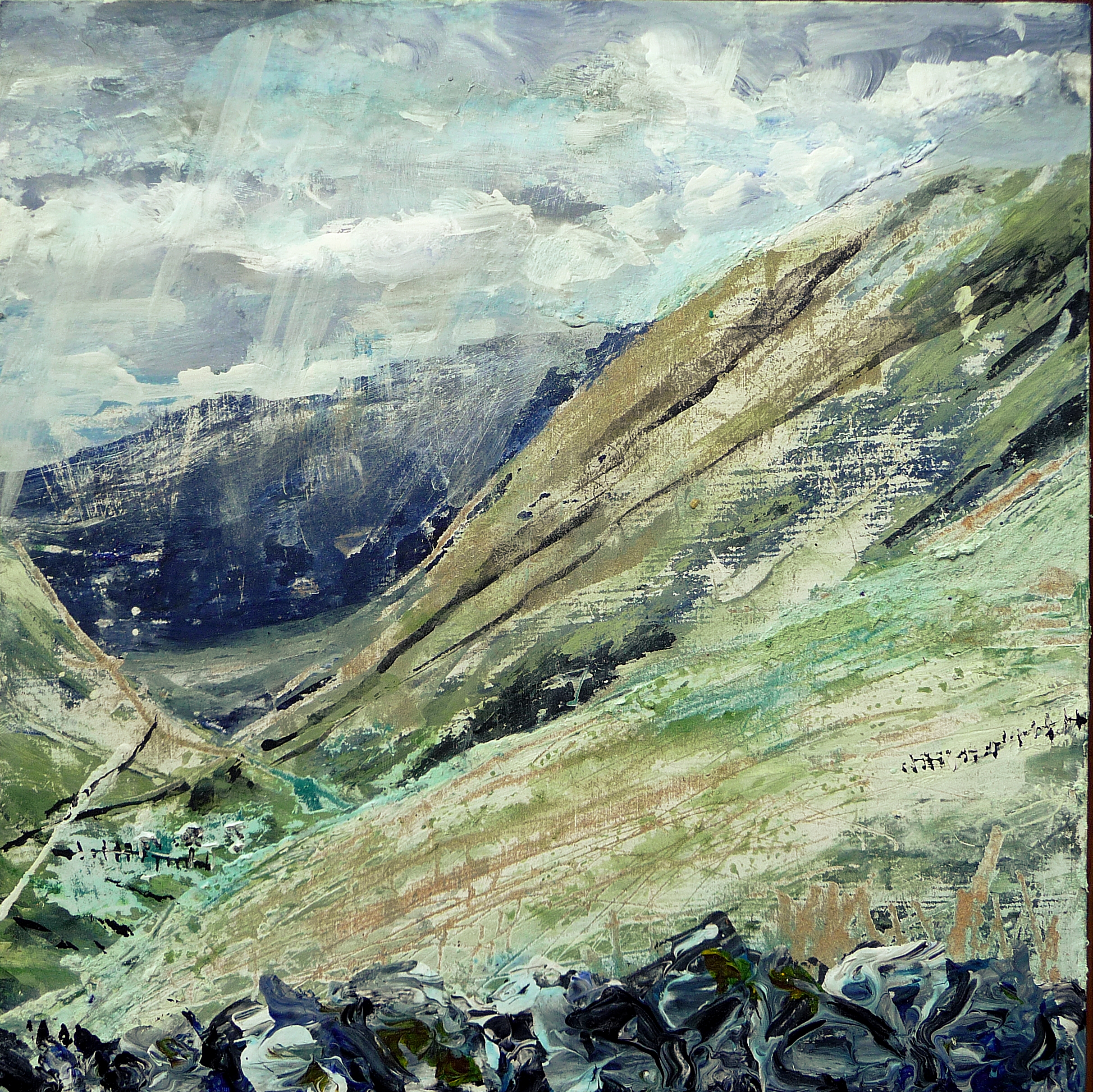
'Moffat Hills (2)'. Acrylic and ink on 10x10" wood panel

‘Moffat Hills (2)’. Acrylic and ink on 10×10″ wood panel

'White Horse (Kelso)'. Acrylic on 10x7" wood panel

‘White Horse (Kelso)’. Acrylic on 10×7″ wood panel

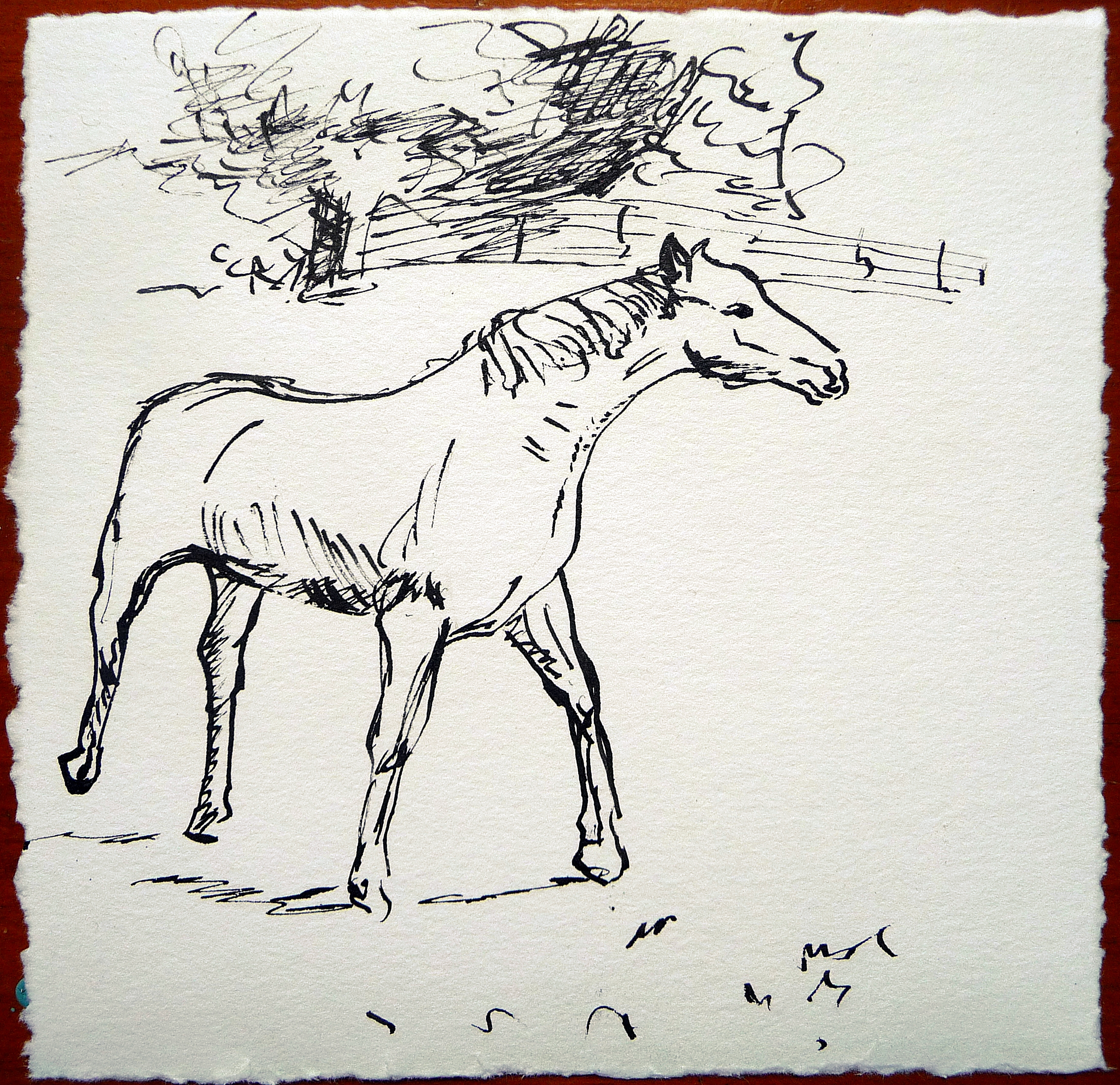
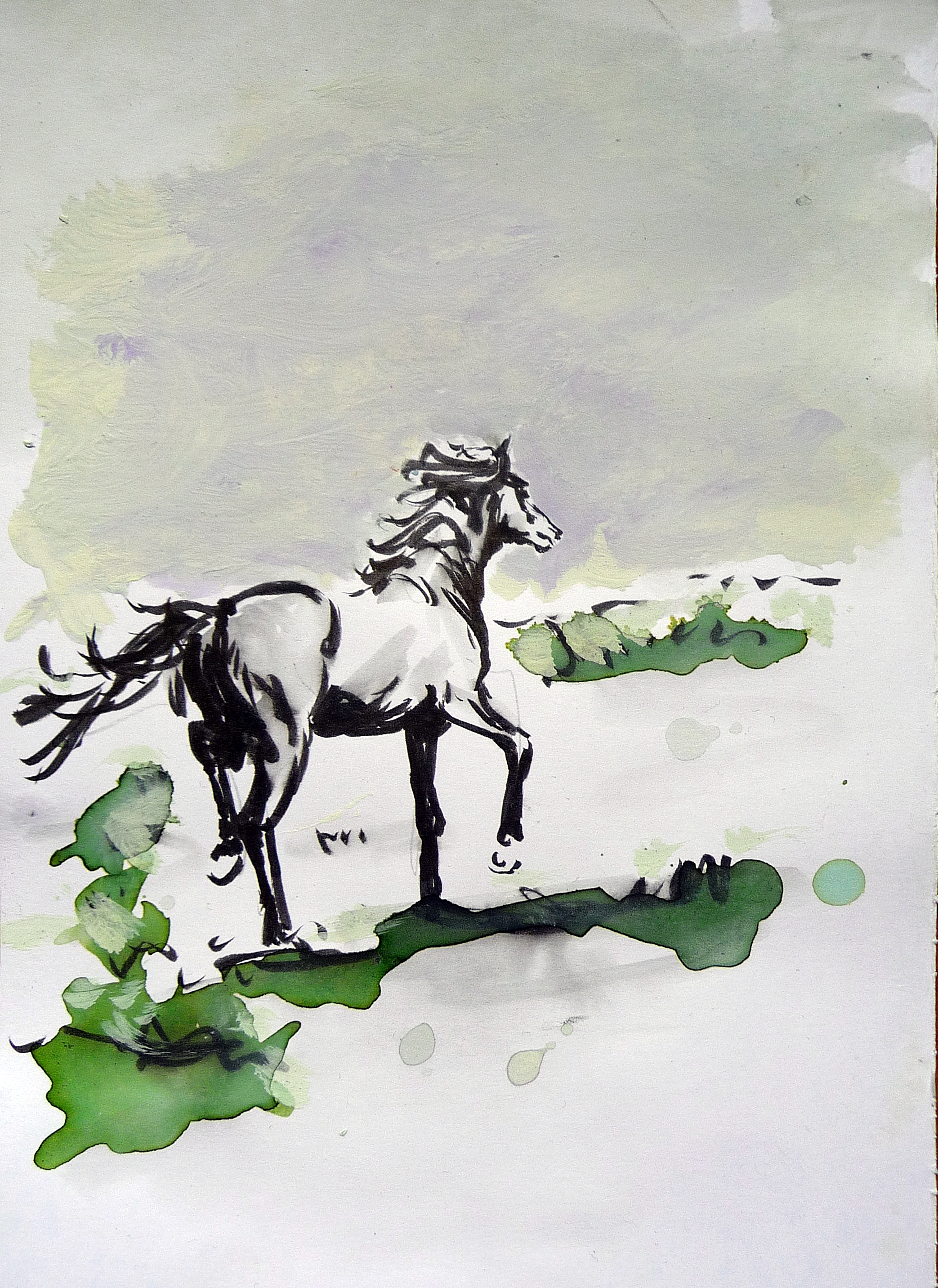
'Horse Sketch 1'. Pen and ink on 6x6" paper

‘Horse Sketch 1’. Pen and ink on 6×6″ paper

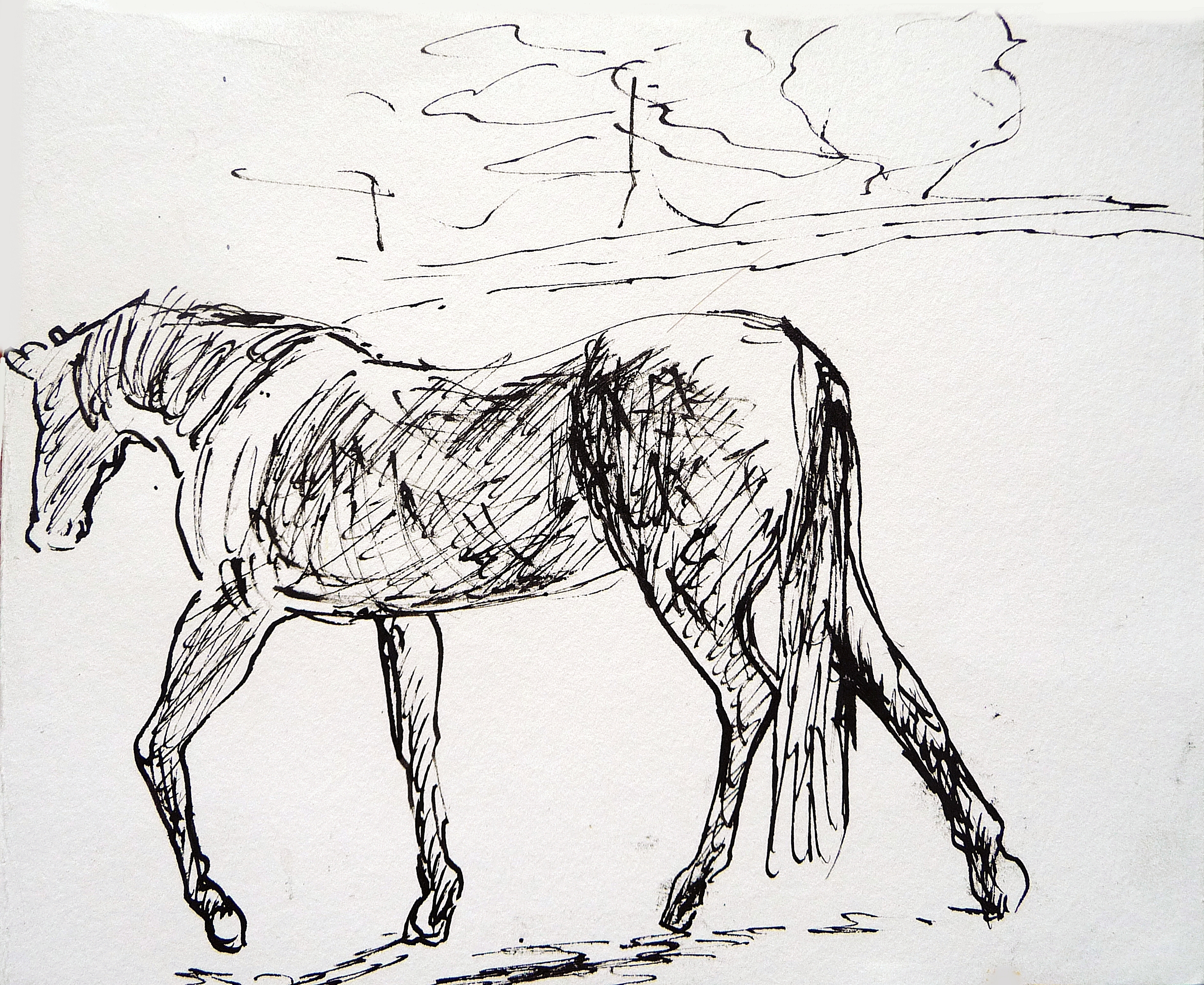
Horse Sketch 2. Pen and ink on 7x6" paper

Horse Sketch 2. Pen and ink on 7×6″ paper

Today’s paintings: In the Moffat Hills with the view down to the valley of the Grey Mare’s Tail, two horse sketches and a horse painting from this weekend’s trip to Kelso

(If you’re interested in buying the horse painting (£85) I’ll add in the two sketches free).

It’s been a real pleasure to spend the day sketching horses. I’ve been drawing them since I was a kid and used to enjoy horse-riding too (in fact I won second place at a gymkana when I was 12!).

It’s been a while since I’ve been on a horse though, I’m not sure if I’d stay on as I’m a bit rusty! We lived in the city and my family were’t very well off, so I never actually owned a horse, but my parents paid for a week-long horse-riding course. After that I worked in the stables every Saturday during summer and occassionally I’d get to ride a pony.


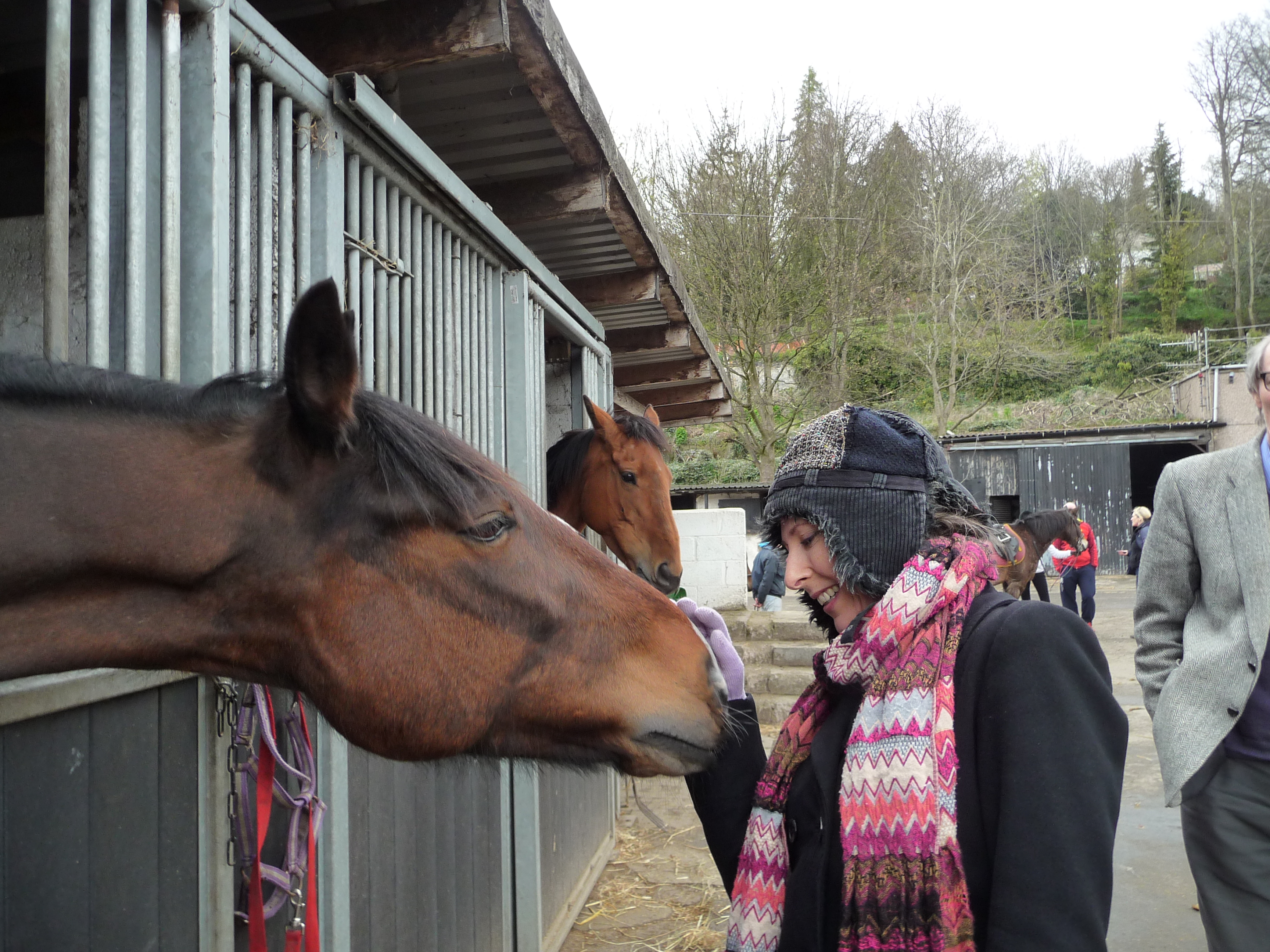
At Lasswade this year

At Lasswade this year

I remember the first time I rode a thorough-bred horse (the equivalent of a Mercedes if you want to compare horses to cars) it sprang into action at the lightest touch and floated along as though on air. I still drop into Lasswade stables outside Edinburgh once in a while.

Painting horses today was not just self indulgence though, horses are very topical indeed when it comes to the Borders. Going back to Riever times and up to the present day, horses have been a huge part of Borders culture. The Rievers were famed for their skill on horseback:

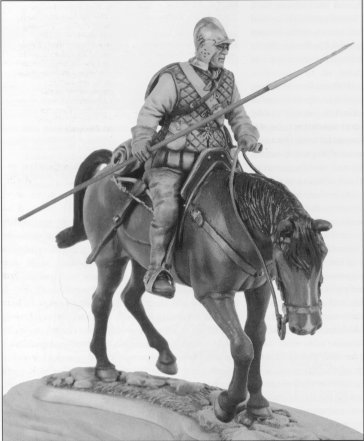
Reiver on horse

Reiver on horse

“The one indisputable fact concerning the Border Reivers was their supreme ability in the art of theft and guerilla warfare. A lifestyle which required specialist equipment. The fully equipped Reiver represented an elite light cavalryman, capable of navigating rough terrain at night with practiced stealth, and when required implementing deadly force. Figure 1 (Border Miniatures, Keswick) represents a Border Reiver c. 1590. The mount of the Reiver was as specialised as the equipment they used. It was small and sure footed ideally suited to the rough terrain of the border. Known as ‘hobbys’ or ‘hobblers’ they were capable of traveling around 60 – 80 miles per day” (G Fraser, The Steel Bonnets).

Nowadays there are various horse-riding events in the Borders, including the ‘ridings’,; a Borders-wide competition representing each region. (Typically I only discovered this one day after the Ridings finished for the year! They take place in May)

The horses painted today were discovered during our trip to Floors Castle at the weekend. I heard the clip-clop of hooves and discovered two beautiful horses in a field behind a walled garden.

Another horse sketch from 2013..

'Horse Sketch 2013'. Ink and brush on 8x6" paper

‘Horse Sketch 2013’. Ink and brush on 8×6″ paper