Category Archives: Uncategorized

Trees ..


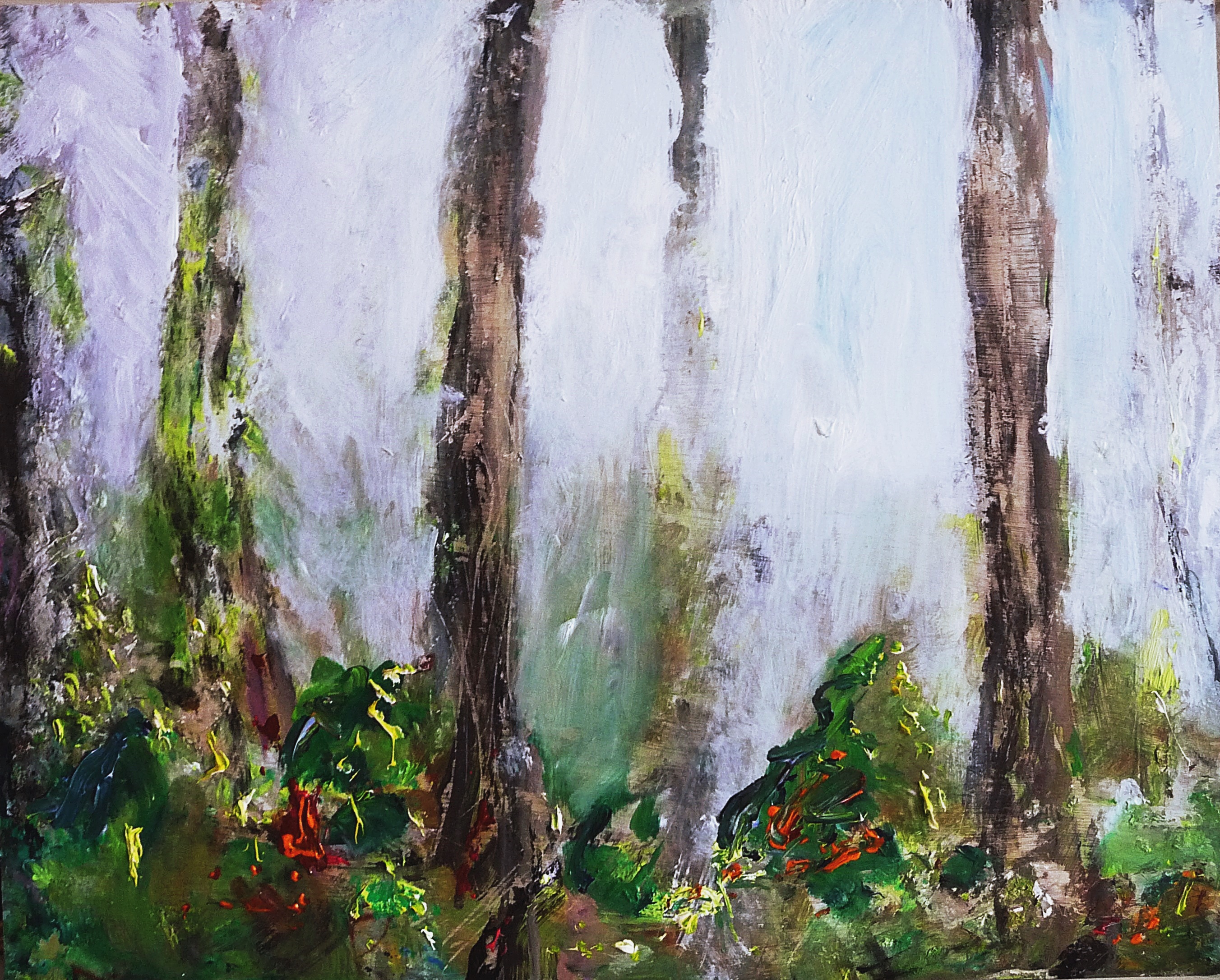
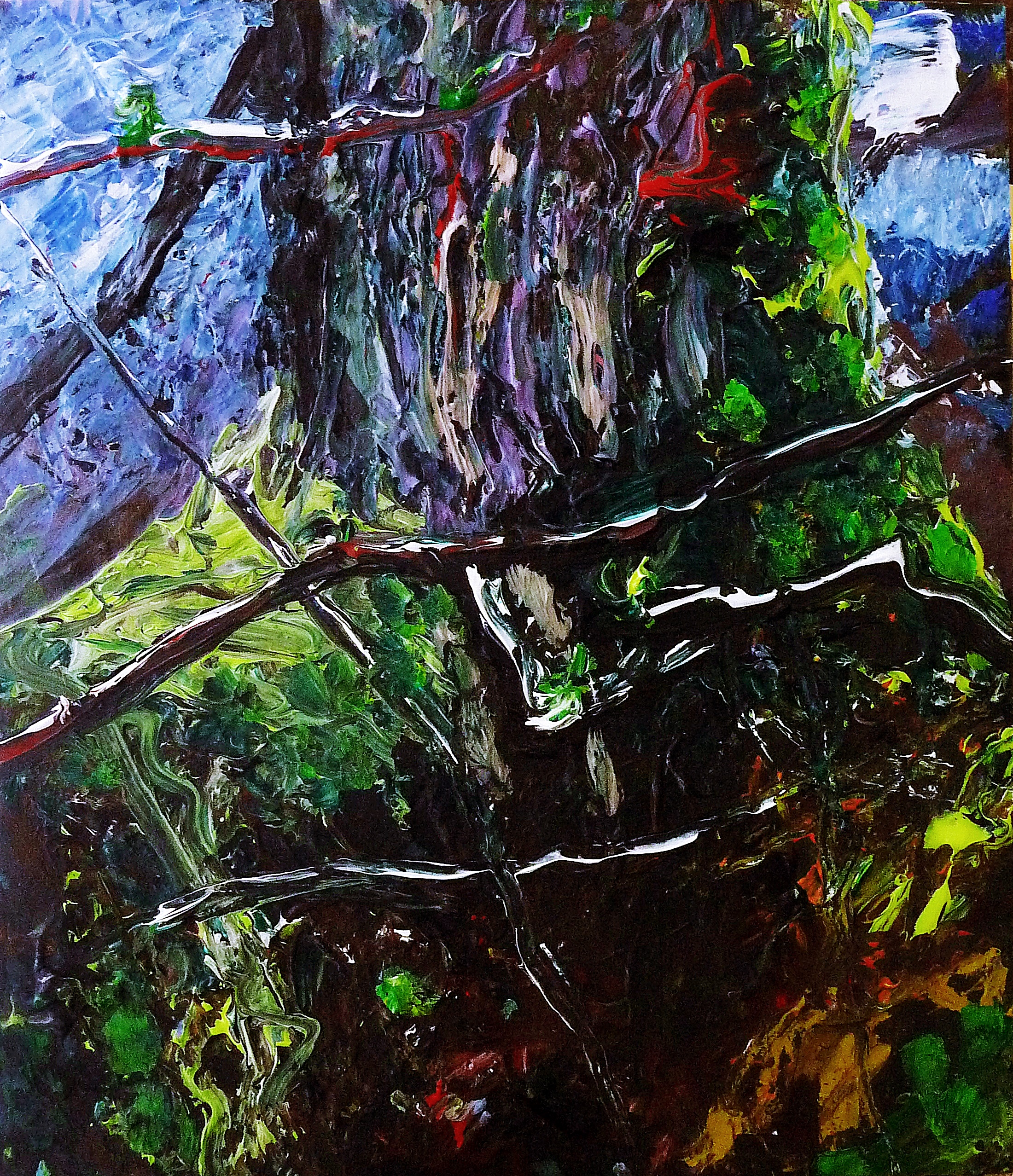
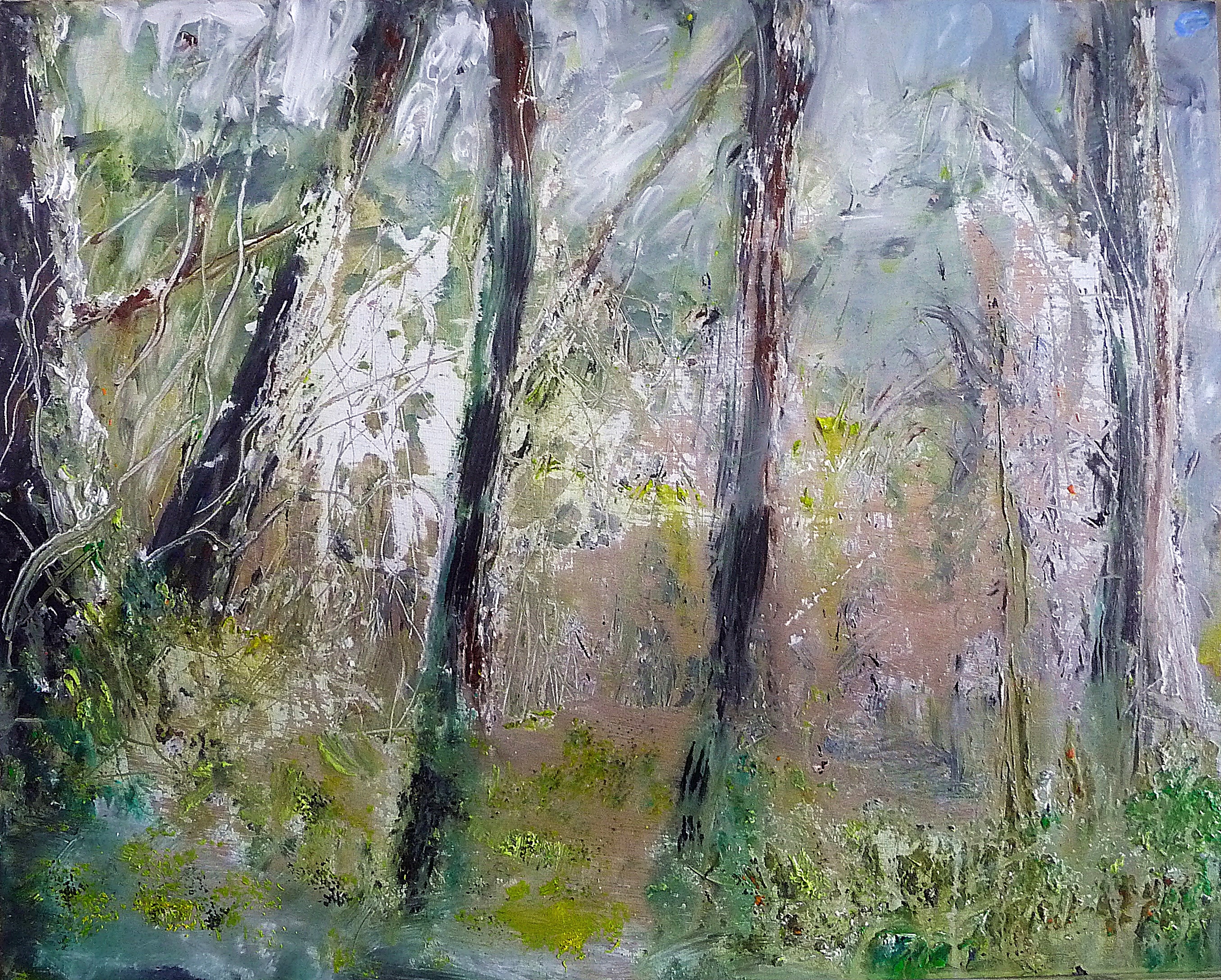
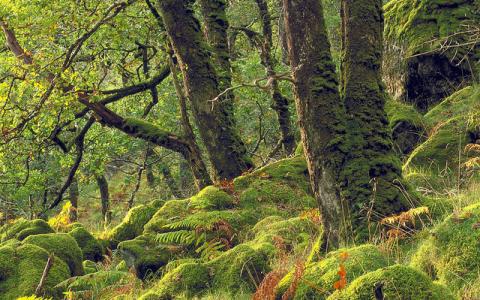
Today’s attempt to paint trees of Ariundle forest in Ardnamurchan …

It’s tricky to get the luminous colour, damp atmosphere and odd mossy shapes without straying into a sort of Hobbit-shire territory – all too easy to make it look picturesque without getting the feel of being there. The particularly lurid one started as a paint palette – there was a nice build up of impasto paint, so I played around with that.

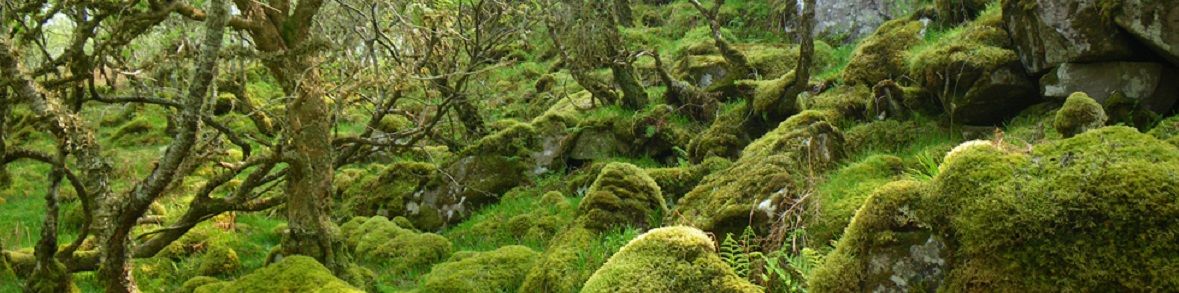
Being in Ariundle forest felt extremely lush and alive – the sense of a complicated ancient eco-system – Ariundle is the remnant of ancient oak wood that once stretched all the way along the Atlantic coast.

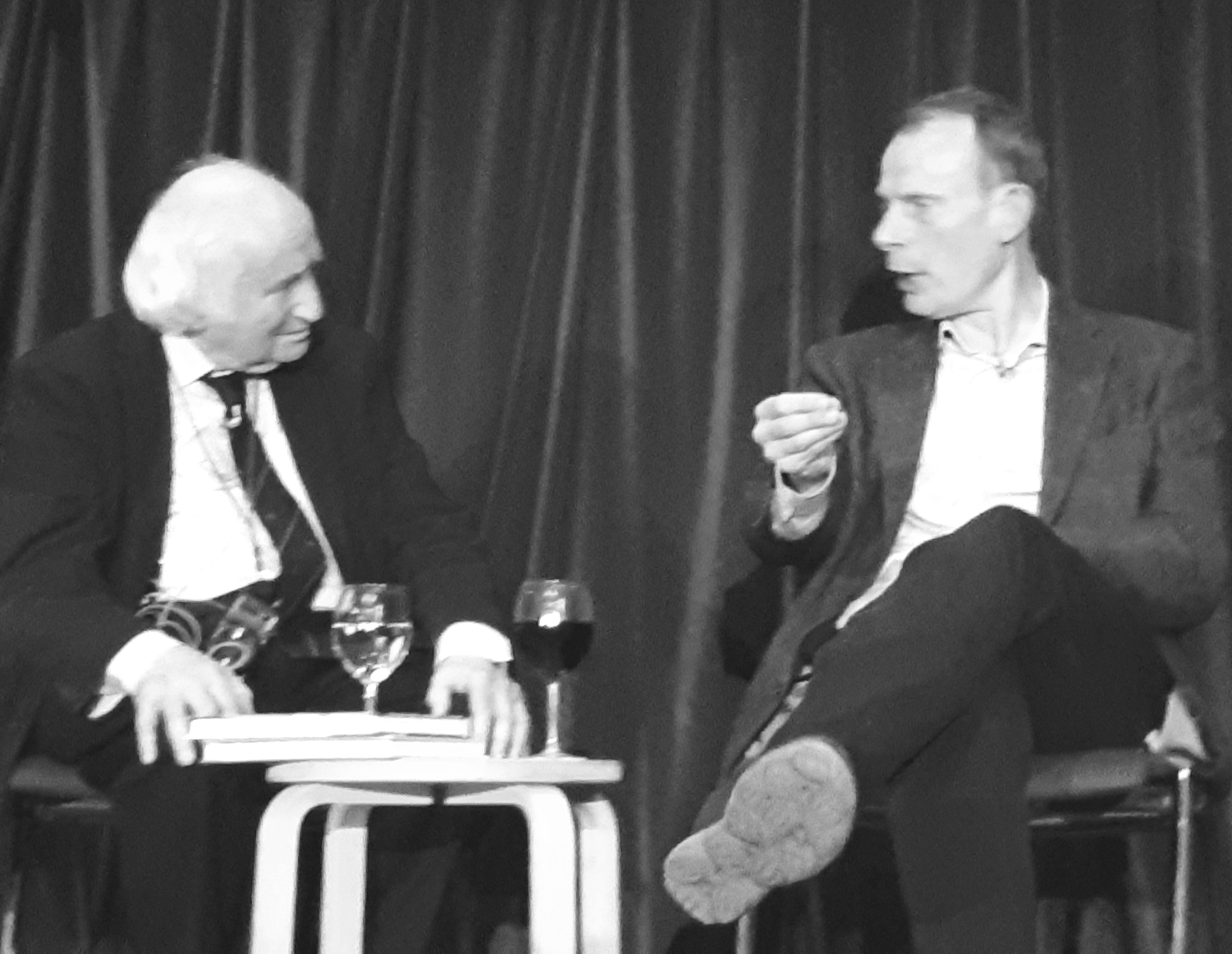
Last week I went along to Highland River, an exhibition featuring the work of journalist and presenter Andrew Marr. It was curated by Richard Demarco (co-curated by Fernanda Zei) at Summerhall in Edinburgh and included a really enjoyable conversation between Richard and Andrew Marr. They talked about the art of failing while painting. Judging by the empathic laughs from the audience there were plenty of artists there!

As Marr described – you make a mark and realise it’s a mistake, so you remedy that and keep making marks until it feels right (‘then you ruin it’, I muttered to myself) ‘Then you ruin it’ Marr echoed.

I bought his book on painting, much of which I agreed with (his views on Auerbach, Kurt Schwitters and others) some aspects not – for example his take on Beuys, it’s all subjective of course – but I thought Beuys had an incredible talent with deceptively simple, expressive line and colour. It’s a challenging book in some ways since he’s engaged with working with paint to explore complex ideas. Though not a conceptual artist, his approach is intellectual. Occasionally I attempt a deeper or more conceptual approach to painting and the results are often a complete mess. It is less challenging to simply attempt to capture the texture of tree bark in simple paint strokes or lines, but I find that valid in my world. Every so often something clicks into place and stronger ideas emerge.

Enough waffle though, this week I’ll write more on the Medieval planets theme – early spring; represented by Mars.

Highland River continues until 27th April – info here Highland River

Ariundle (in progress)

Today’s work on Ariundle Wood in Sunart on the west coast of Scotland. Once it’s dry I’ll be adding some foreground detail – spring twiglets and leaf buds.

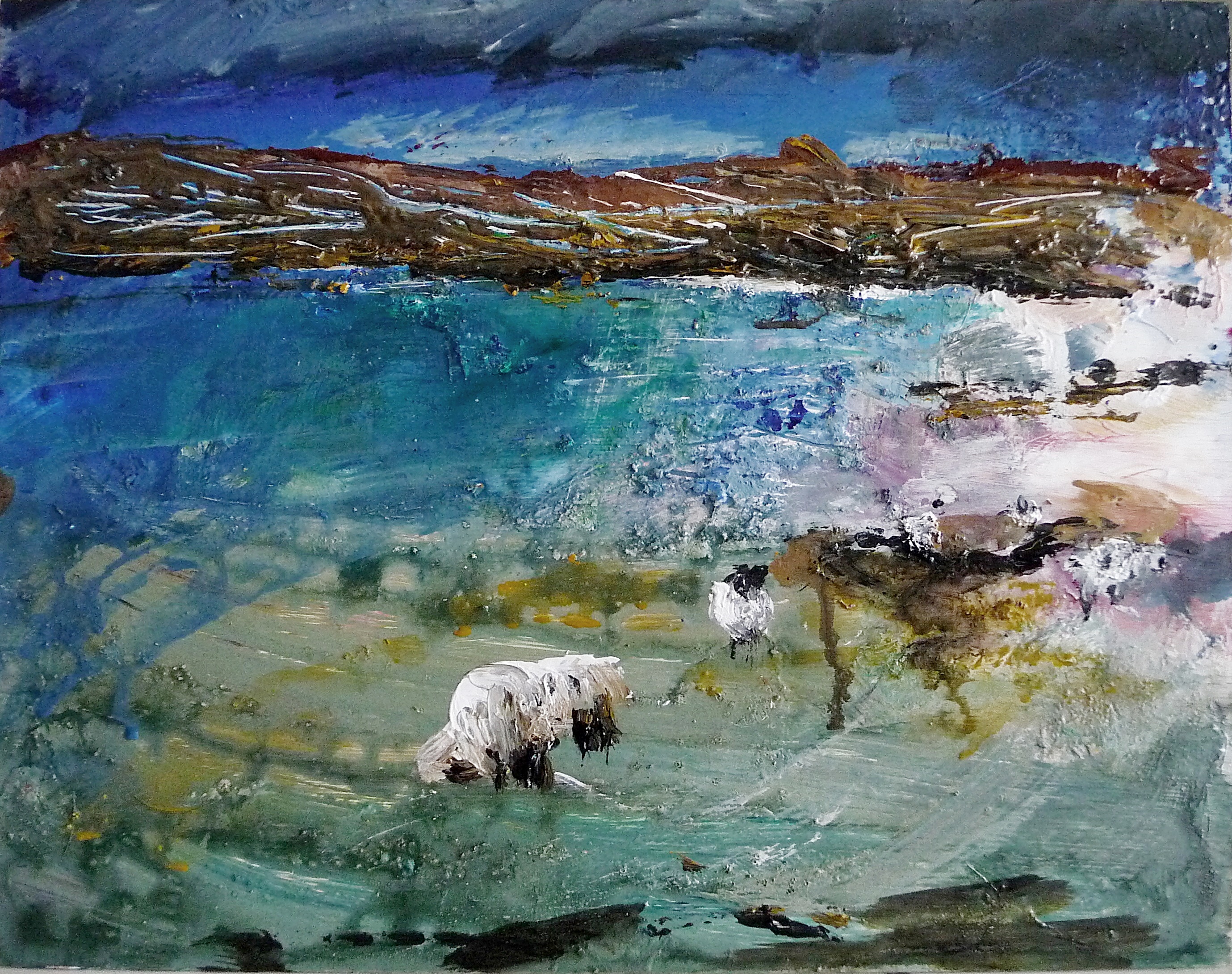
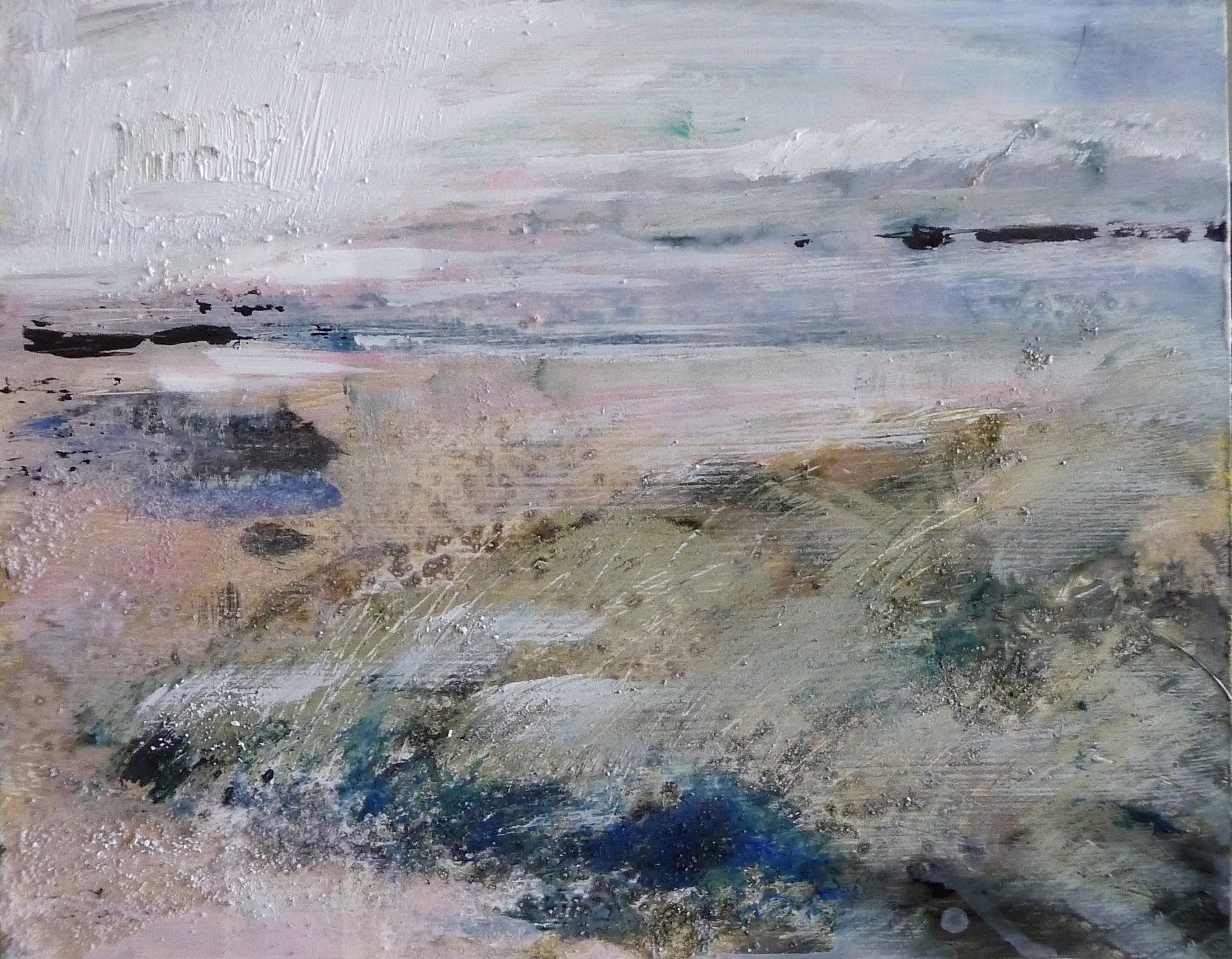
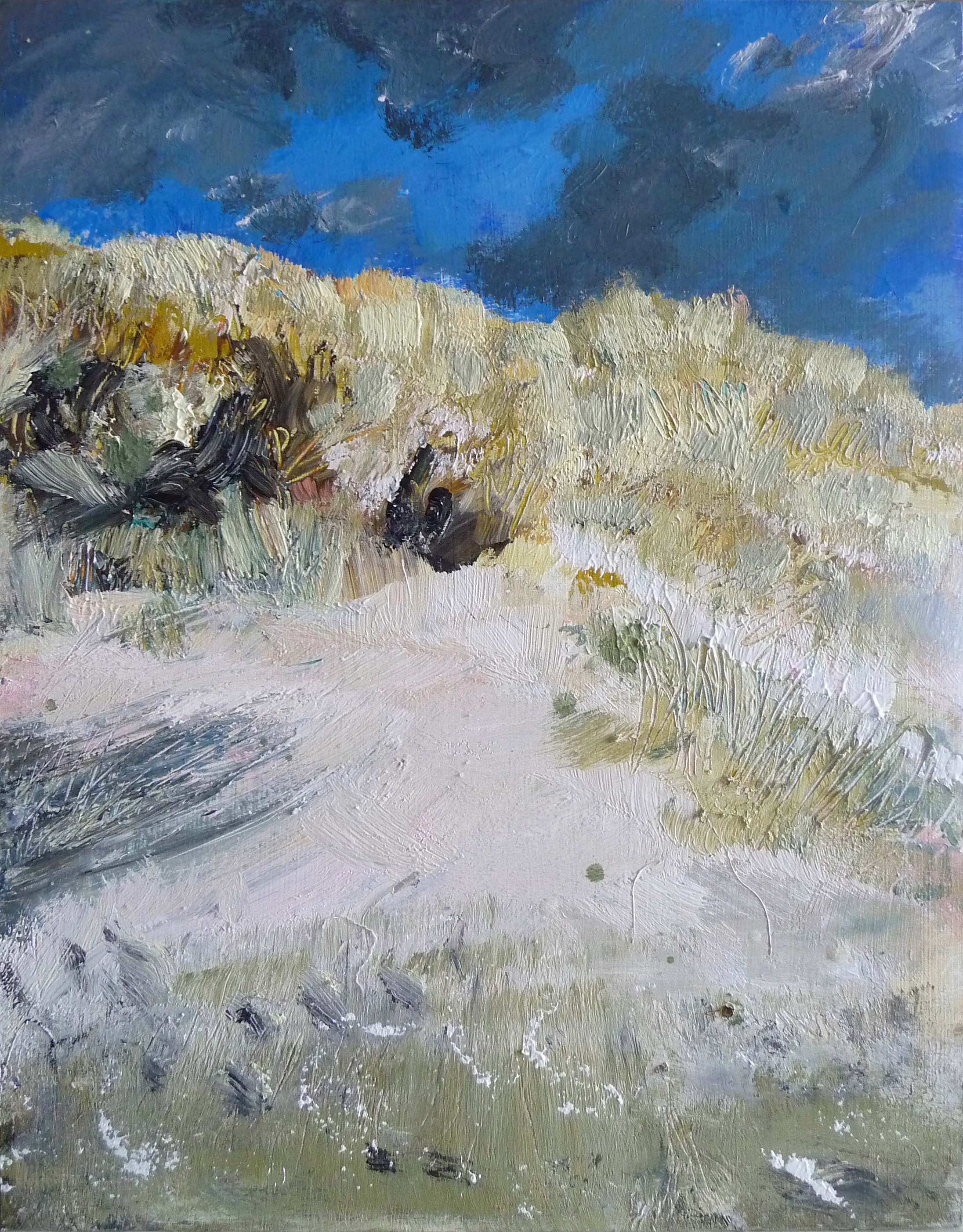
All four of the first paintings (below) of Ardnamurchan are now in the Morningside Gallery, Edinburgh.

‘Sanna Bay, dusk’. Mixed media on 14×11″ wood panel. Rose Strang, 2019

‘Ardnamurchan, Sheep’. Mixed media on 14×11″ wood panel. Rose Strang, 2019


‘Sanna Bay,afternoon’. Mixed media on 14×11″ wood panel. Rose Strang, 2019

‘Sanna Bay, sand dune’. Mixed media on 14×11″ wood panel. Rose Strang, 2019


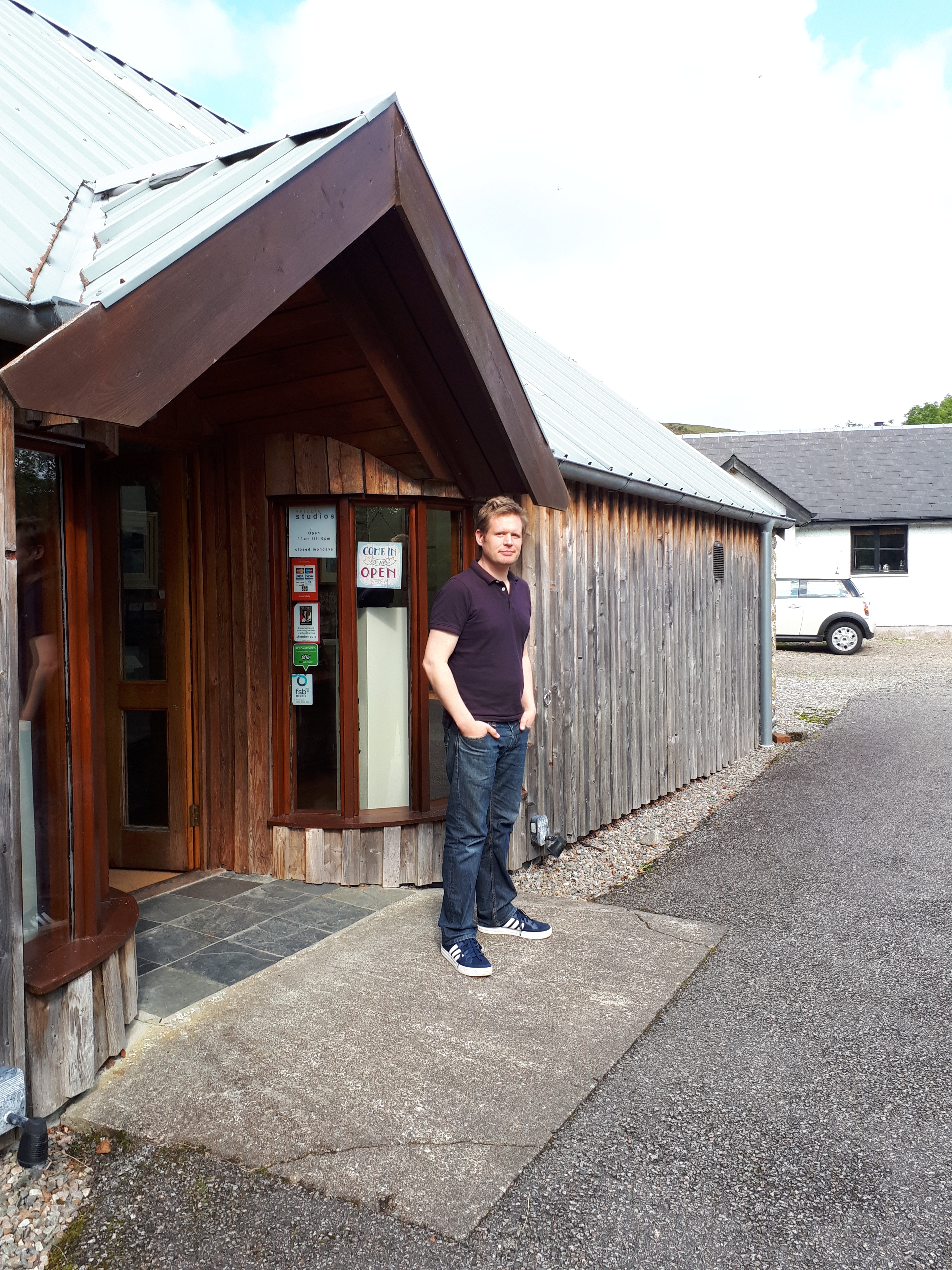
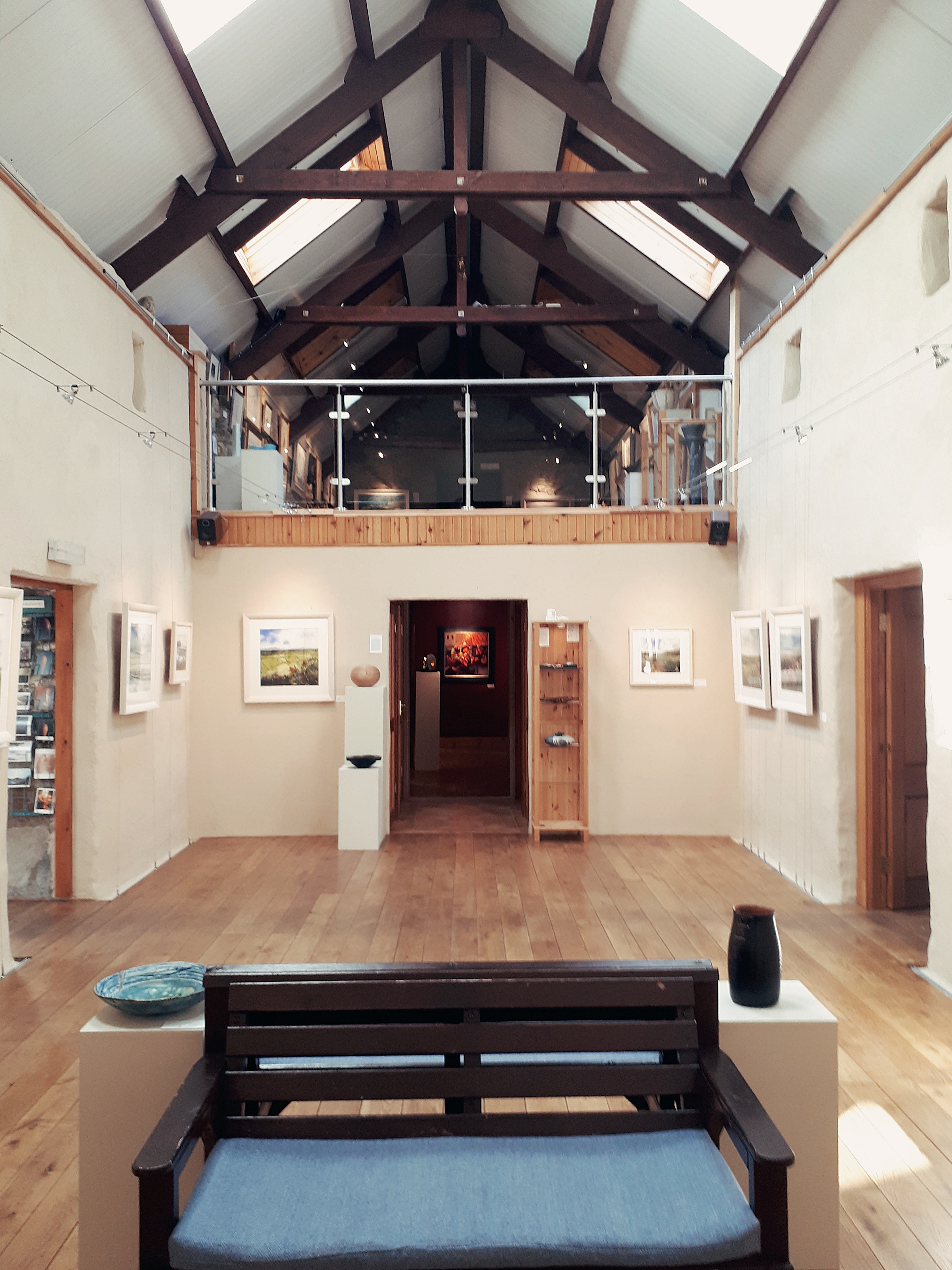
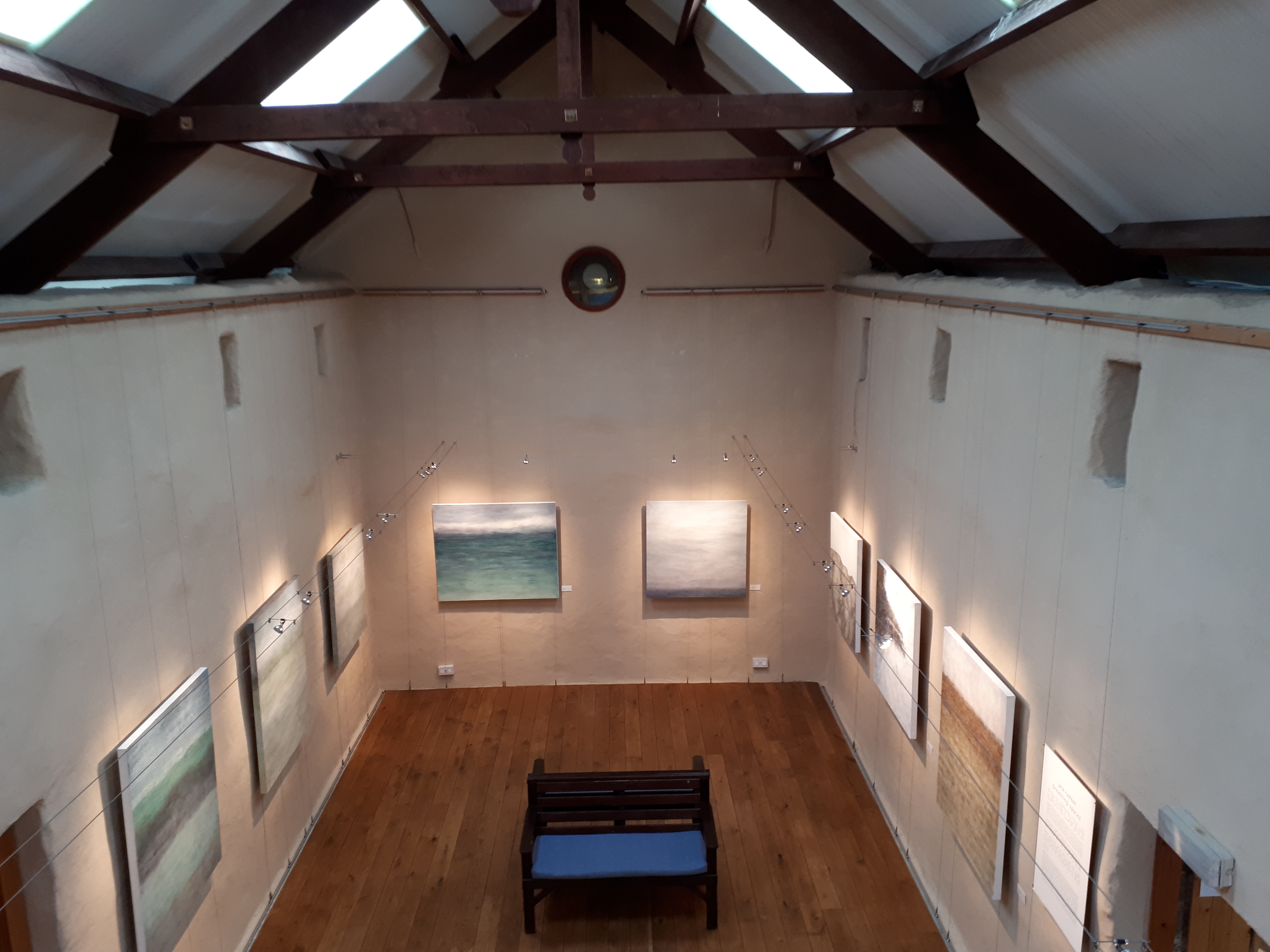
Also my new series of Ardnamurchan and Sunart will be part of an up-coming three-person exhibition at the Resipole Gallery on the west coast of Scotland, which is run by artist Andrew Sinclair (who converted a former agricultural byre into the gallery over two years).

I took some photos when I was there in September last year ..


And this year in March – some really nice work in the main gallery by Jane Rushton Breathing Spaces ..


I’ll post exact details of the exhibition soon, and send a link to the paintings once they’re added to the Resipole’s website. In the meantime, you can have a browse on this link – Resipole

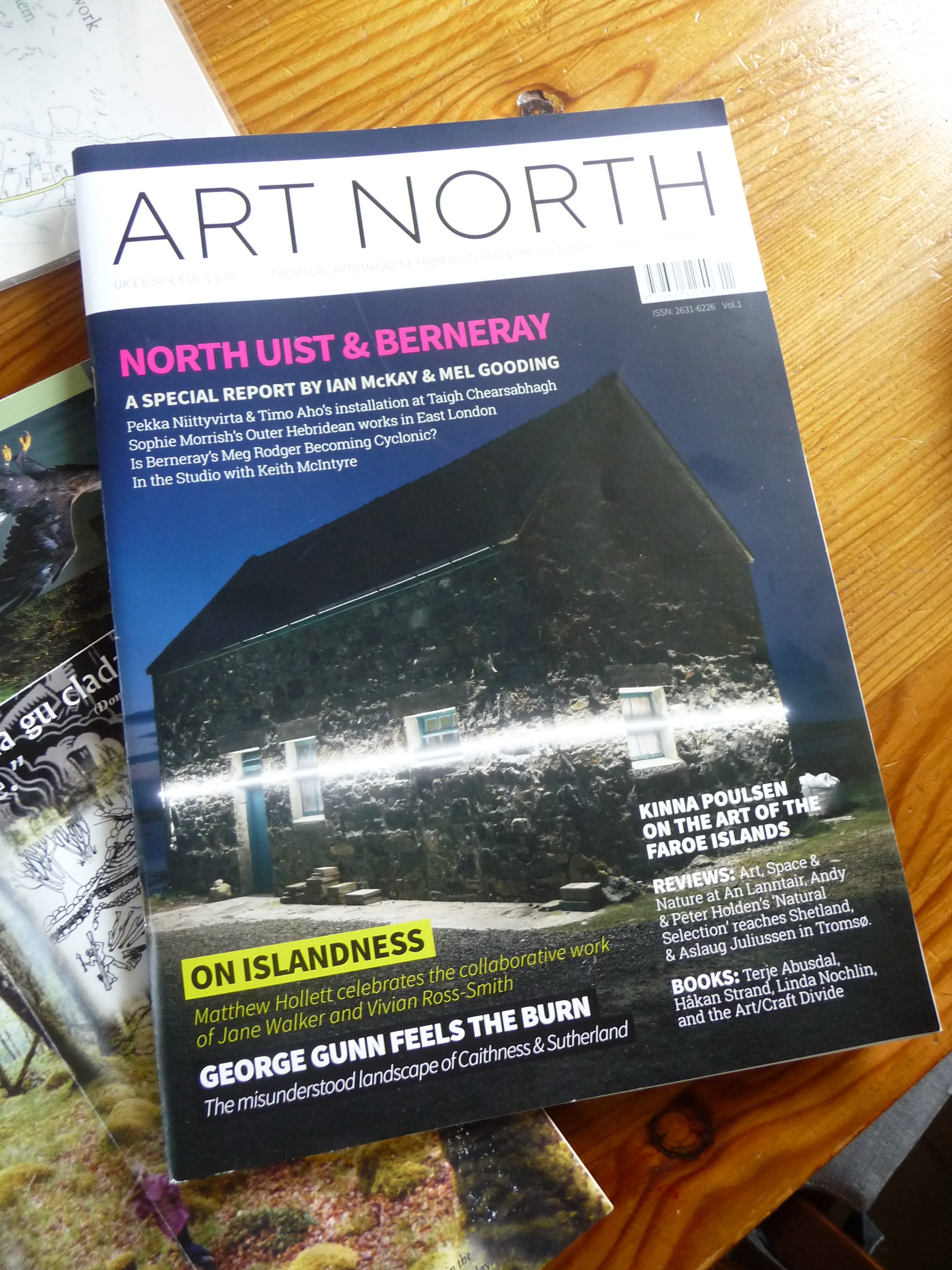
The gallery shows the work of some of Scotland’s most talented artists featured in the recent spring publication of the excellent Art North –  a new arts magazine focusing on Scottish contemporary arts.  Link here – Art North


A flurry of creativity …

'Sanna Bay, sand dune'. Mixed media on 14x11" wood panel. Rose Strang, 2019

‘Sanna Bay, sand dune’. Mixed media on 14×11″ wood panel. Rose Strang, 2019

Above, one of my paintings in progress (more below).

It’s been non-stop creativity since I got back from Ardnamurchan!

Here’s a holiday video I made, called Road Sketches, it was fun to get back into video-making with something informal, and I think it has a nice mood ..

The rest of the paintings in progress so far …

'Sanna Bay,afternoon'. Mixed media on 14x11" wood panel. Rose Strang, 2019

‘Sanna Bay,afternoon’. Mixed media on 14×11″ wood panel. Rose Strang, 2019

'Sanna Bay, dusk'. Mixed media on 14x11" wood panel. Rose Strang, 2019

‘Sanna Bay, dusk’. Mixed media on 14×11″ wood panel. Rose Strang, 2019

'Ardnamurchan, Sheep'. Mixed media on 14x11" wood panel. Rose Strang, 2019

‘Ardnamurchan, Sheep’. Mixed media on 14×11″ wood panel. Rose Strang, 2019


Sunart and Ardnamurchan

Sanna Bay, Ardnamurchan. Rose Strang 2019

Words and photos can’t do justice to the beauty of Ardnamurchan and Sunart. What an utterly inspiring experience it was.

Hopefully my upcoming paintings will capture something of how it feels to stand on the beach of Sanna. The light there makes you feel you’ve entered a different dimension, or as though you’re seeing beyond normal perceptions – everything opens up, including your self.

Which sounds as though I was on some sort of druggy trip, and it is a sort of high, but it’s more hyper-reality, almost raw in a way. It was an emotional experience, which is often how it feels when you’re in these places. It’s strange to return to Edinburgh – nice to be back home and what’s familiar, but it feels several steps removed from Sanna and Ariundel forest, so I must keep it alive in my mind and imagination for the paintings I’ll be working on, because nice as these photos are they don’t get what it’s like to be there.

Sanna Bay, Ardnamurchan. Rose Strang 2019

Sanna Bay, Ardnamurchan. Rose Strang 2019

Sanna Bay, Ardnamurchan. Rose Strang 2019


I took hundreds of photos, made various sketches and I’ll create a couple of edited videos as well as paintings I think. Also my friend Donald (who was an excellent companion throughout the trip), will hopefully be recording a guitar response to the videos once they’re made. Donald felt similarly moved by the experience; as he described it  –

‘the ocean, that was the most cosmic for me, looking beyond the sky, then inside the forest, walking the leaf-strewn path, then the wild and windy moors and glens from a speeding metal box’.

Absolutely. Something I’ve always really loved about these journeys is the contrast between the road-trip/car-time – chatting and playing music, the sound of the engine and the feel of impetus – then when you leave that small human-made world of your ‘speeding metal box’ and stand still on a beach of epic proportions looking out to the Atlantic – the almost shock of silence and space.

Also, Sanna is I think the most beautiful beach of the west coast and islands of Scotland I’ve seen. It felt sad to leave and I found myself walking backwards for several minutes as we headed back to the car. It was getting towards evening and it’s a long drive across the wildest parts of the Ardnamurchan peninsula on single-track roads …

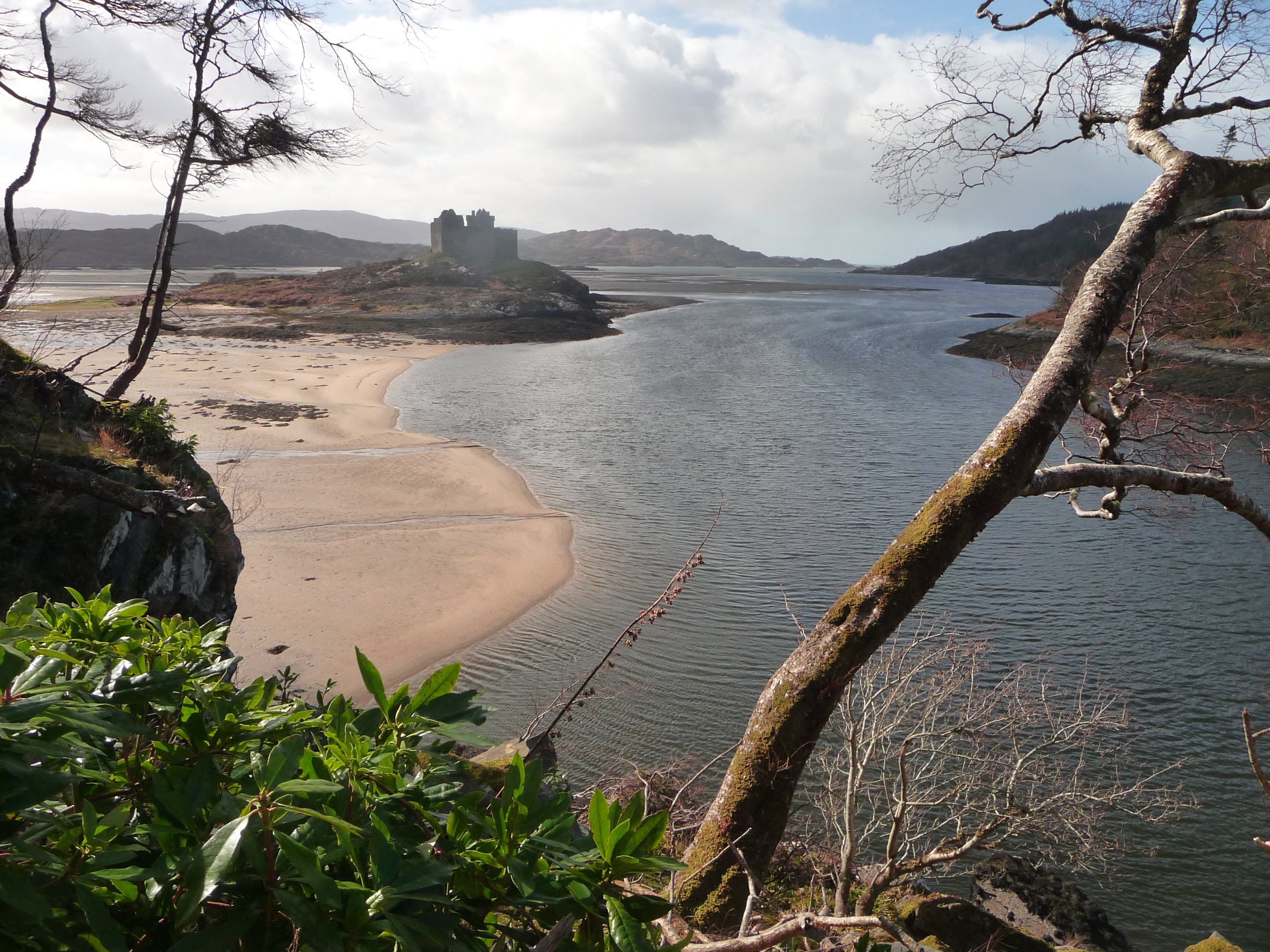
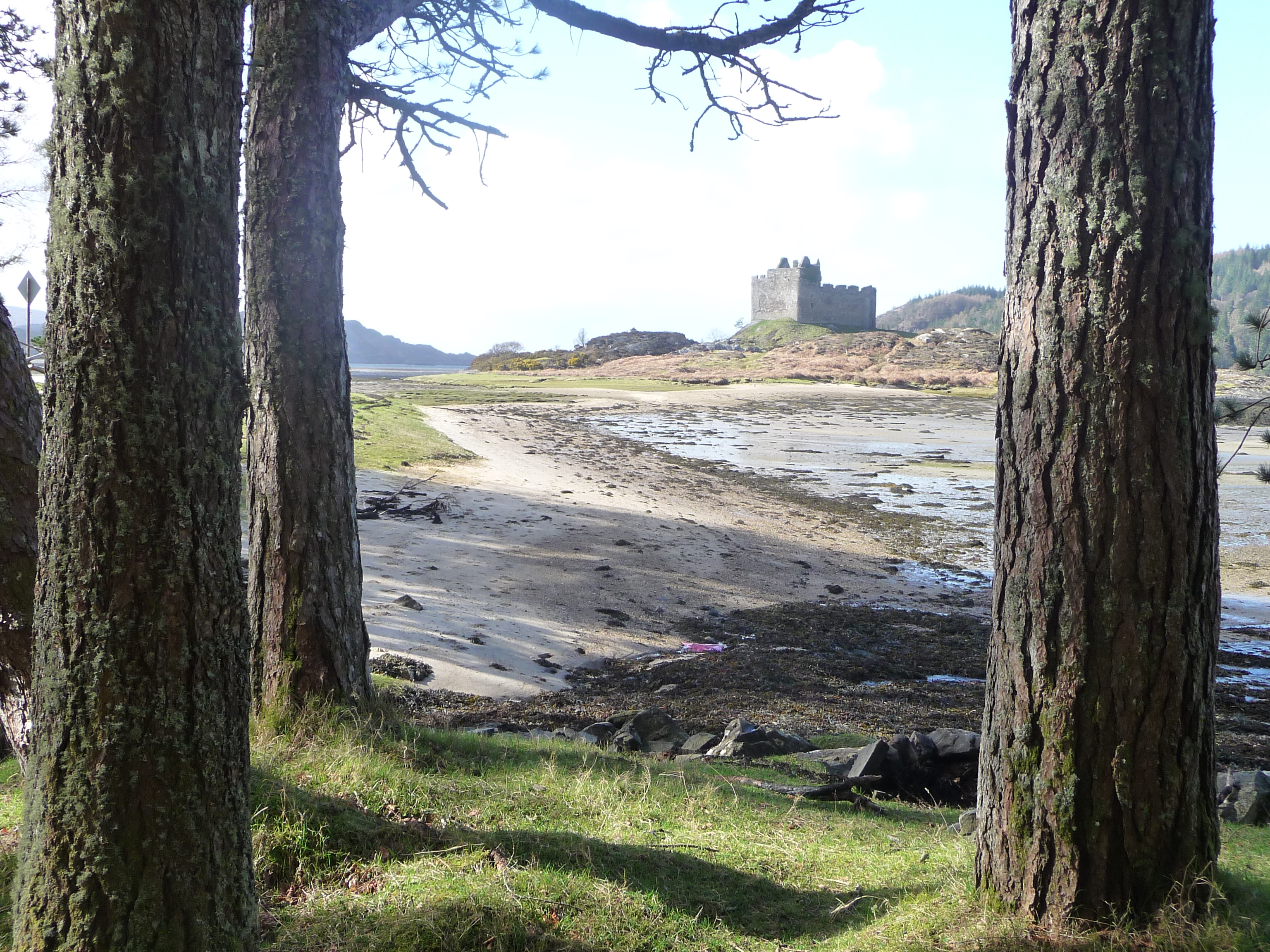
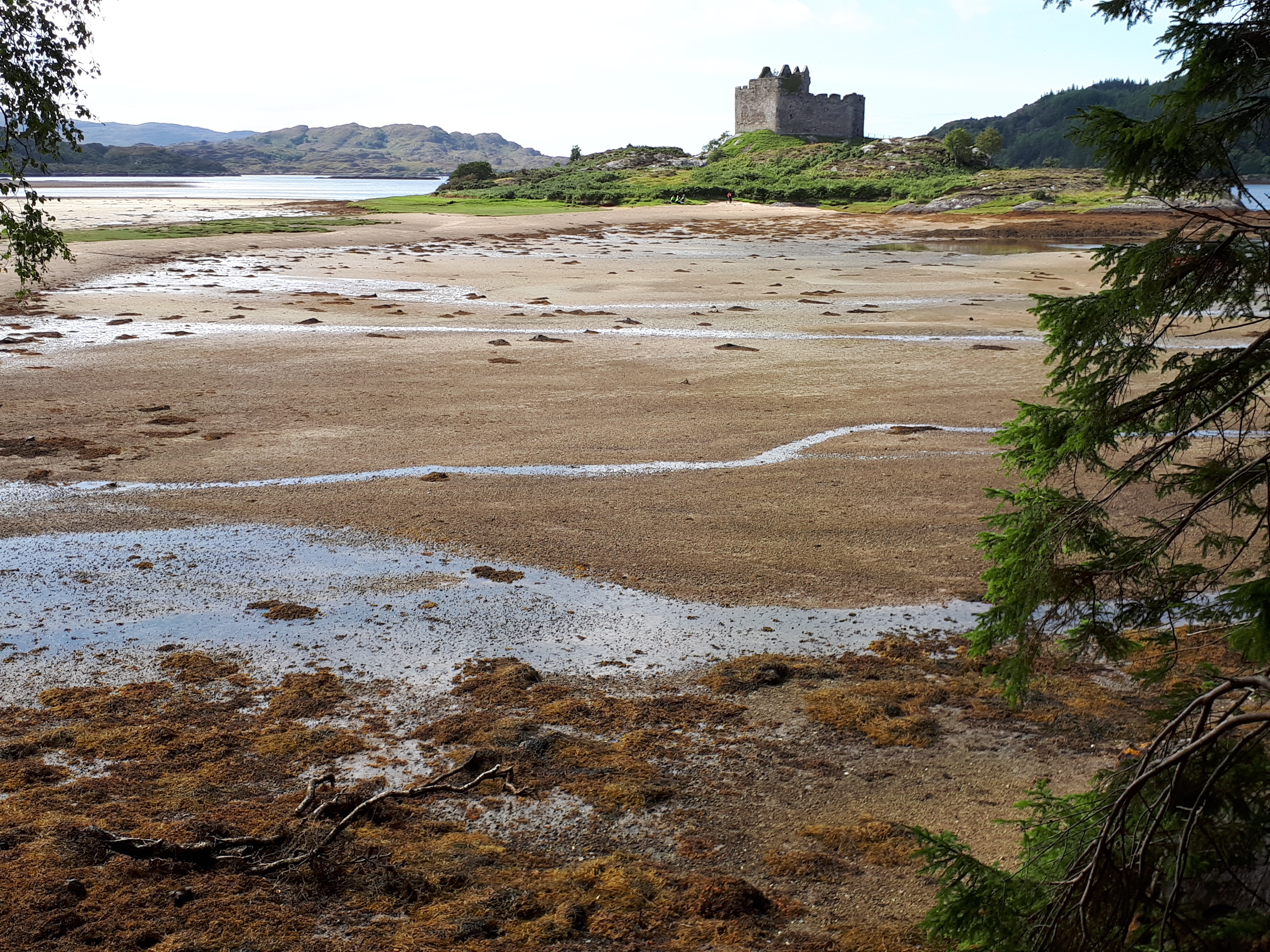
We also stopped that day at Castle Tioram, which has to be one of the world’s most beautiful settings for a castle. This is my third visit there, and each time I learn more about the area, the centuries of history and its golden age before Culloden and the Highland clearances. (I wrote about this in a previous post, link Here).

Castle Tioram, Sunart. Rose Strang 2019

Castle Tioram, Sunart. Rose Strang 2019


In that blog post I also talked about Ariundle oakwood in Sunart (which is before you head out west on the proper peninsula of Ardnamurchan). Suaineart ghorm an daraich – Green Sunart of the Oaks.

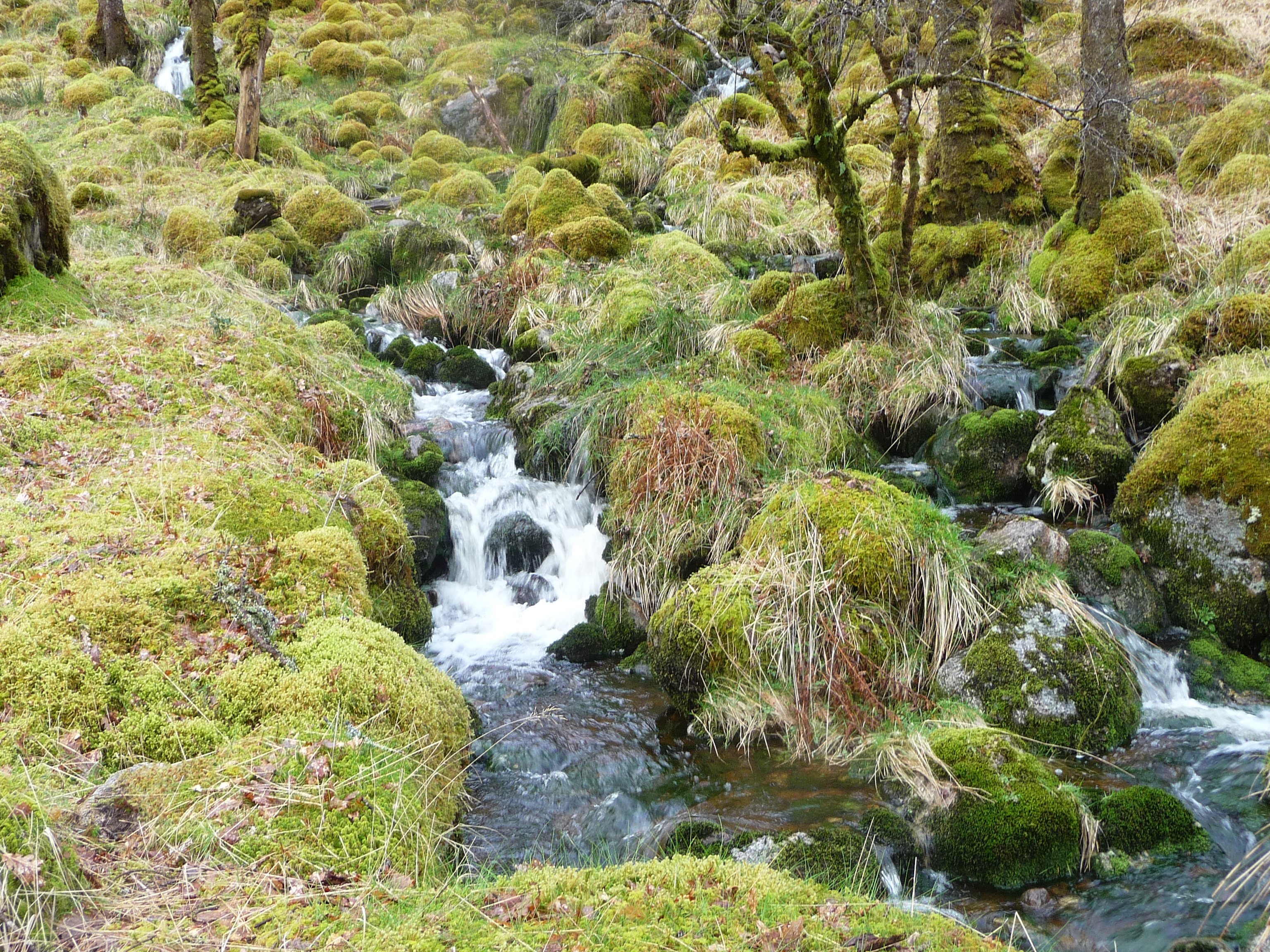
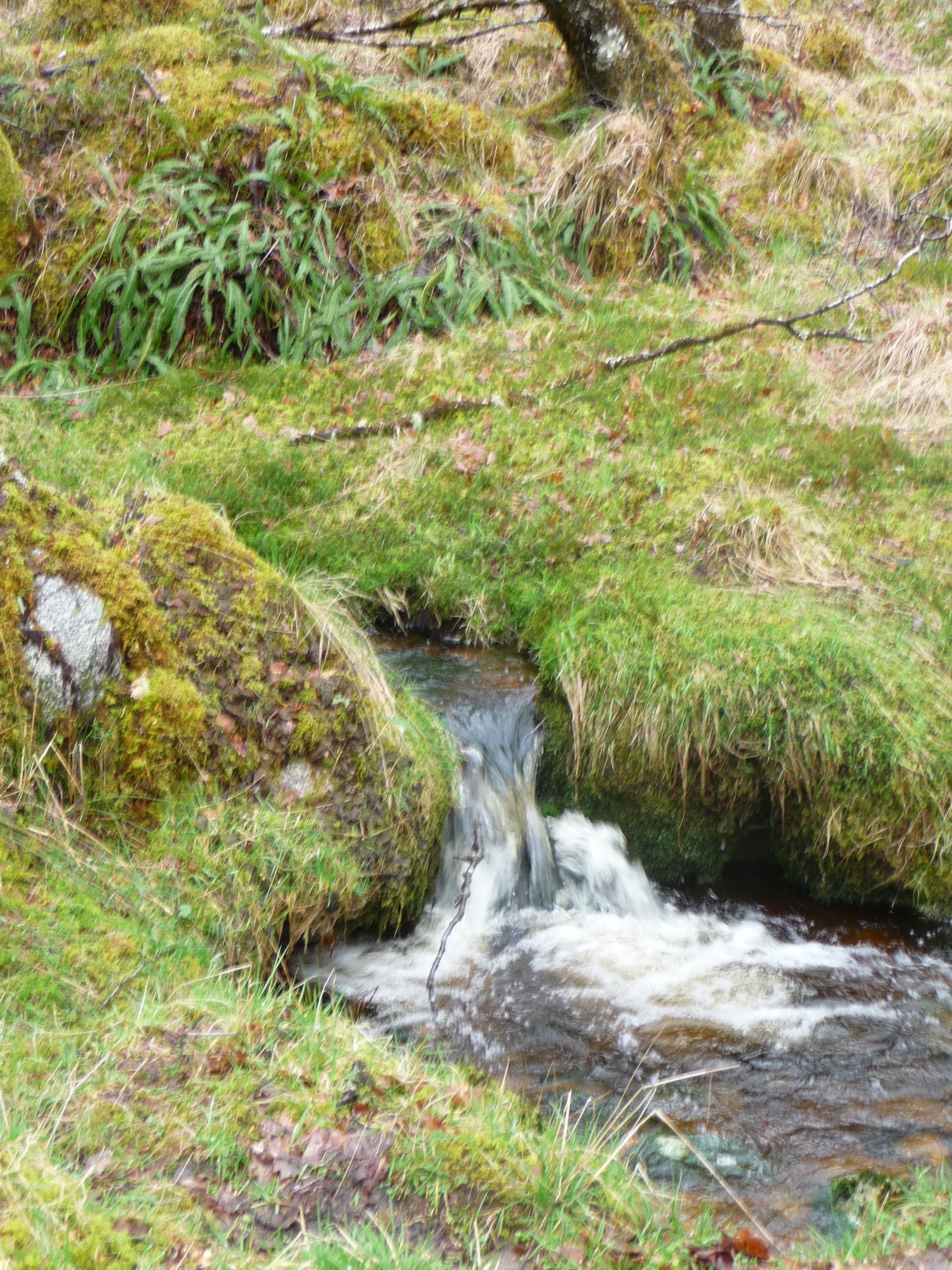
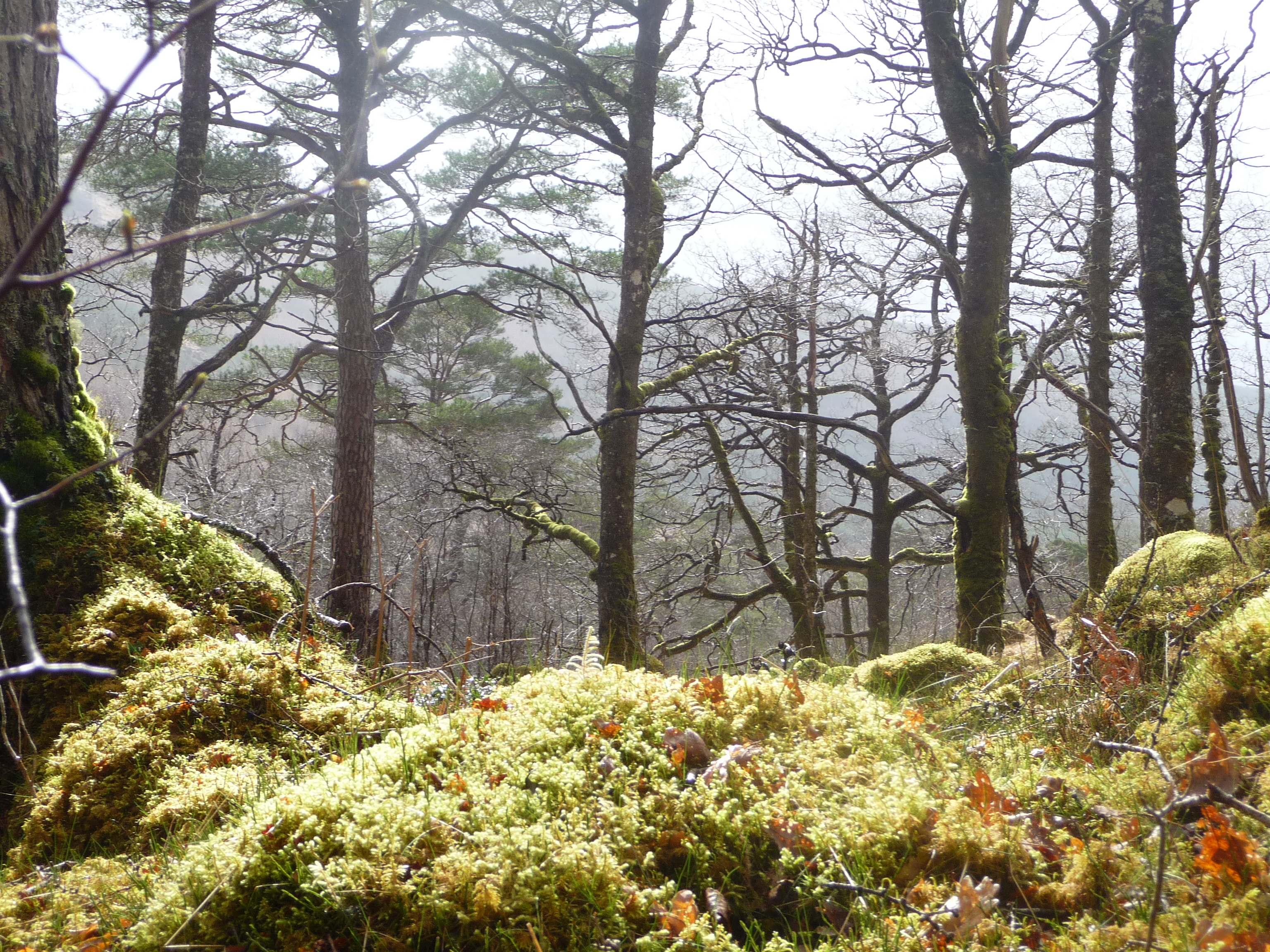
We visited Ariundle the next day and it was such a contrasting experience to the epic feel of Sanna. Such a gentle feeling amidst all those multi-hued mossy hillocks, flowing streams and lichen-covered oaks. (I made sure to pick up a pile of oak twigs for my niece, who wants to frame a couple of oak-leaves she was given at the hobbit-land place she visited in New Zealand!).

Ariundle – it is quite a Tolkien-esque sounding name don’t you think? It means shieling (or ‘settlement’) in the fair meadow. It’s heartening to see how much conservation work is going on there to preserve it – Ariundle is a remnant of the ancient oakwoods that once stretched from Portugal to Norway along the Atlantic coast – hence why it’s described as Atlantic oakwood.

Ariundle Oakwood, Sunart. Rose Strang 2019

Ariundle Oakwood, Sunart. Rose Strang 2019

Ariundle Oakwood, Sunart. Rose Strang 2019

Ariundle Oakwood, Sunart. Rose Strang 2019


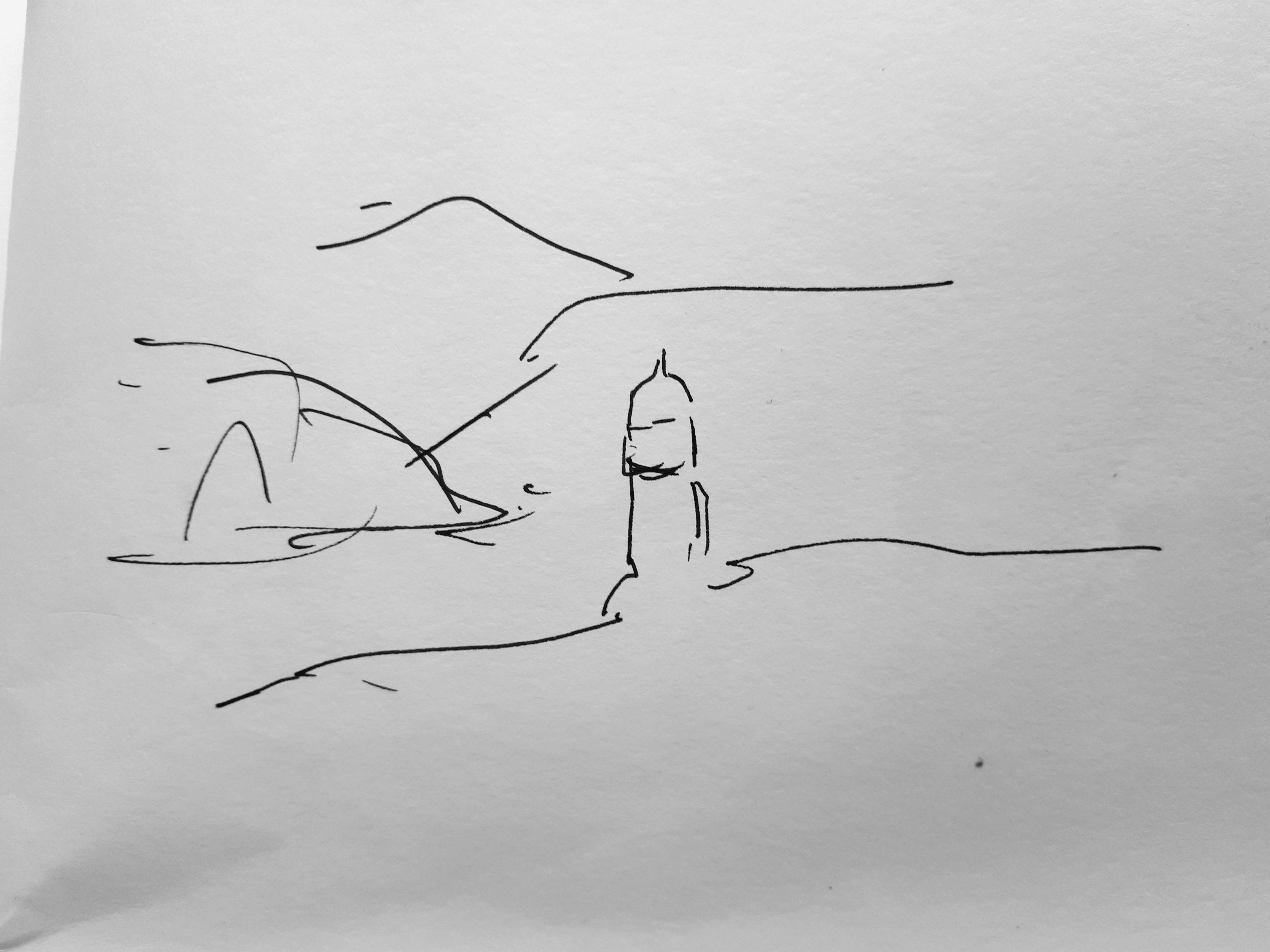
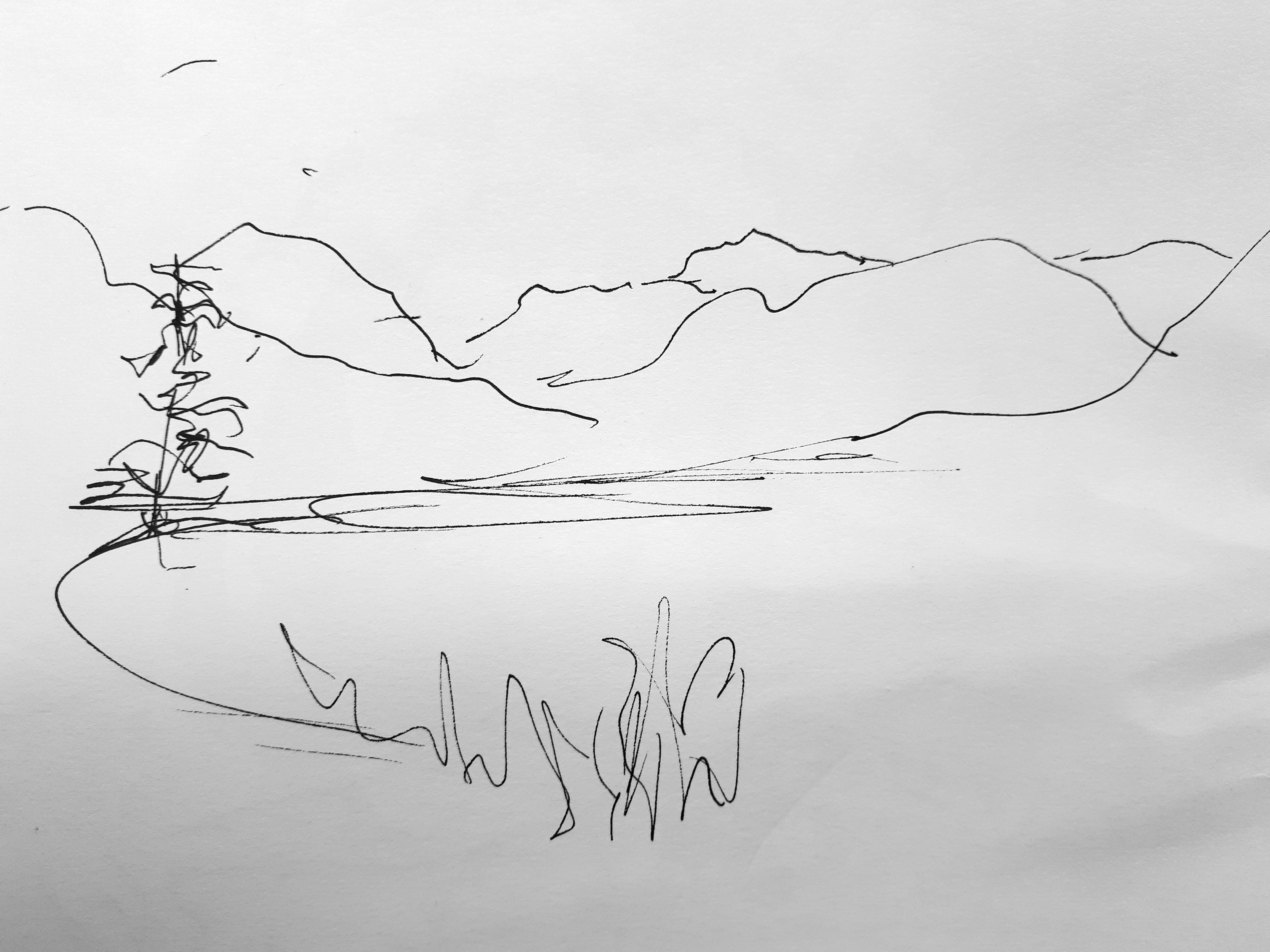
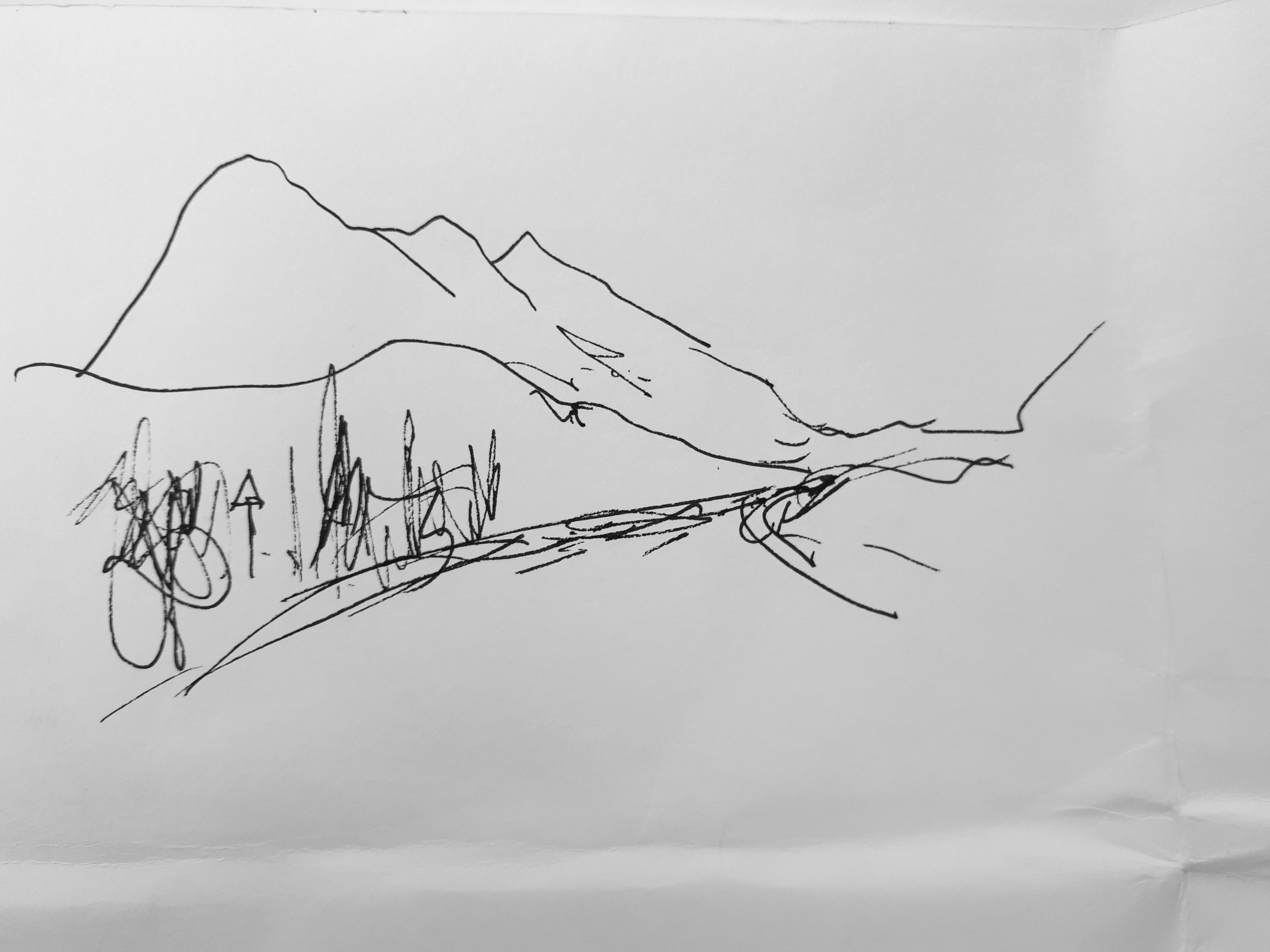
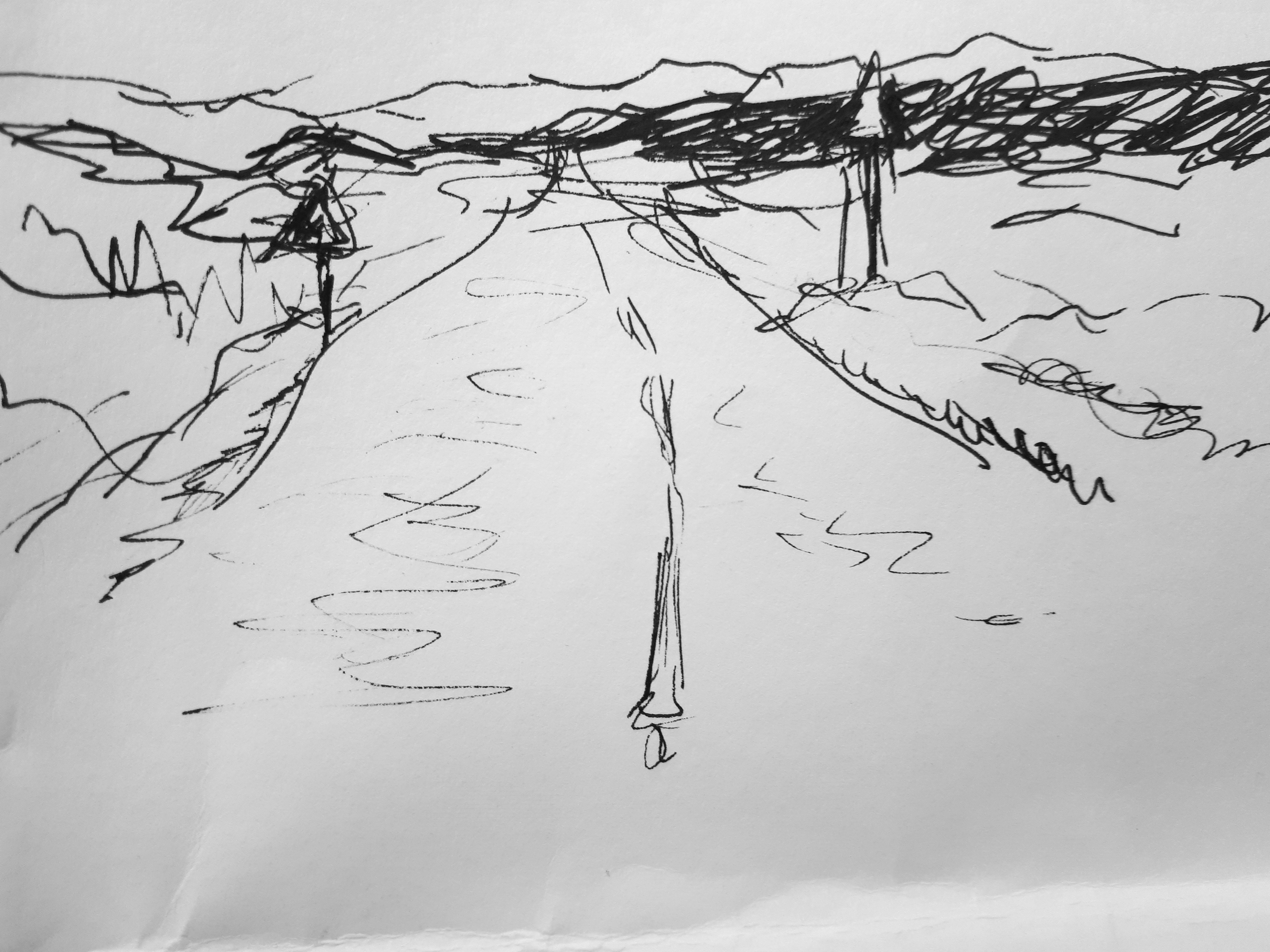
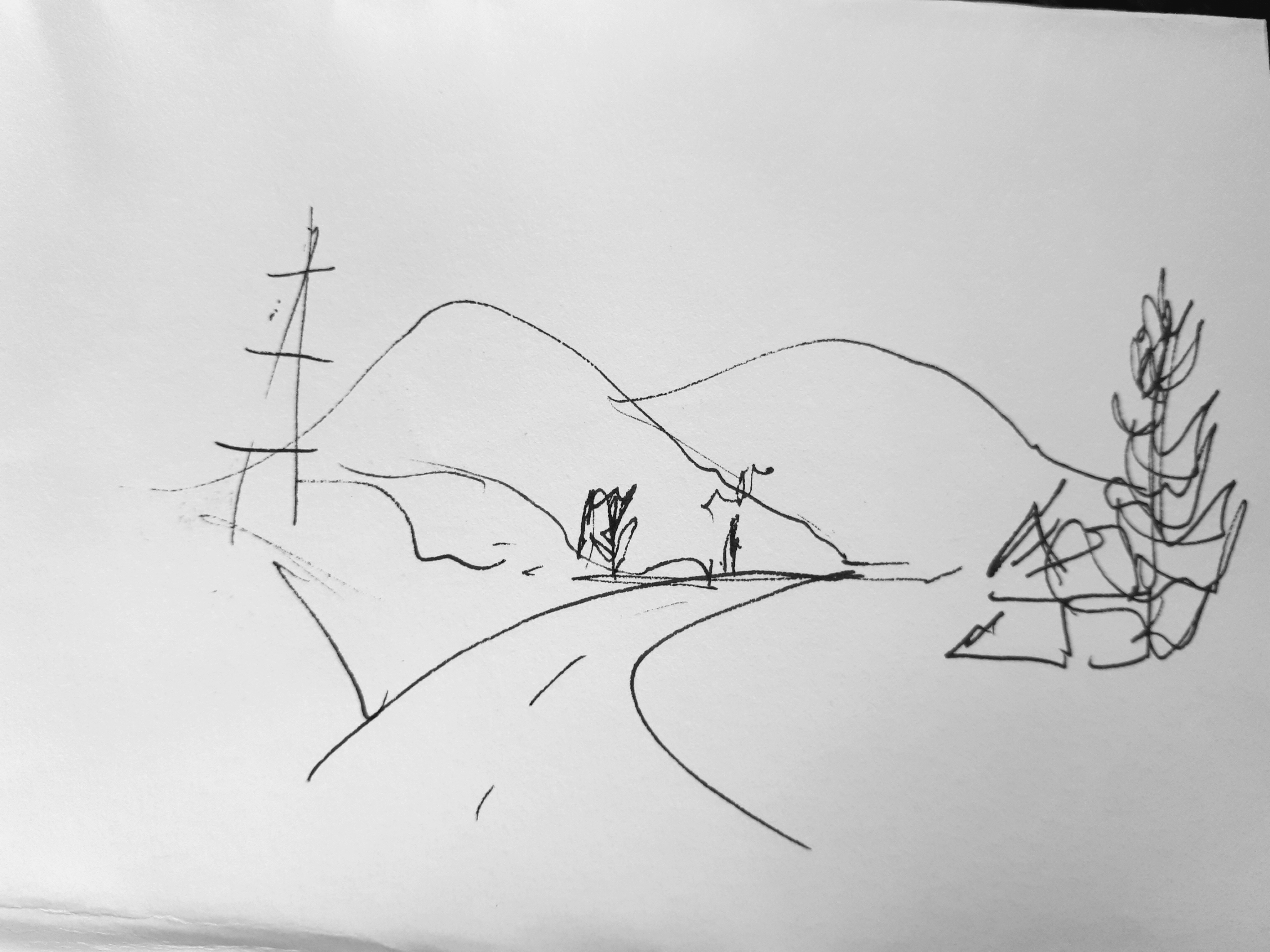
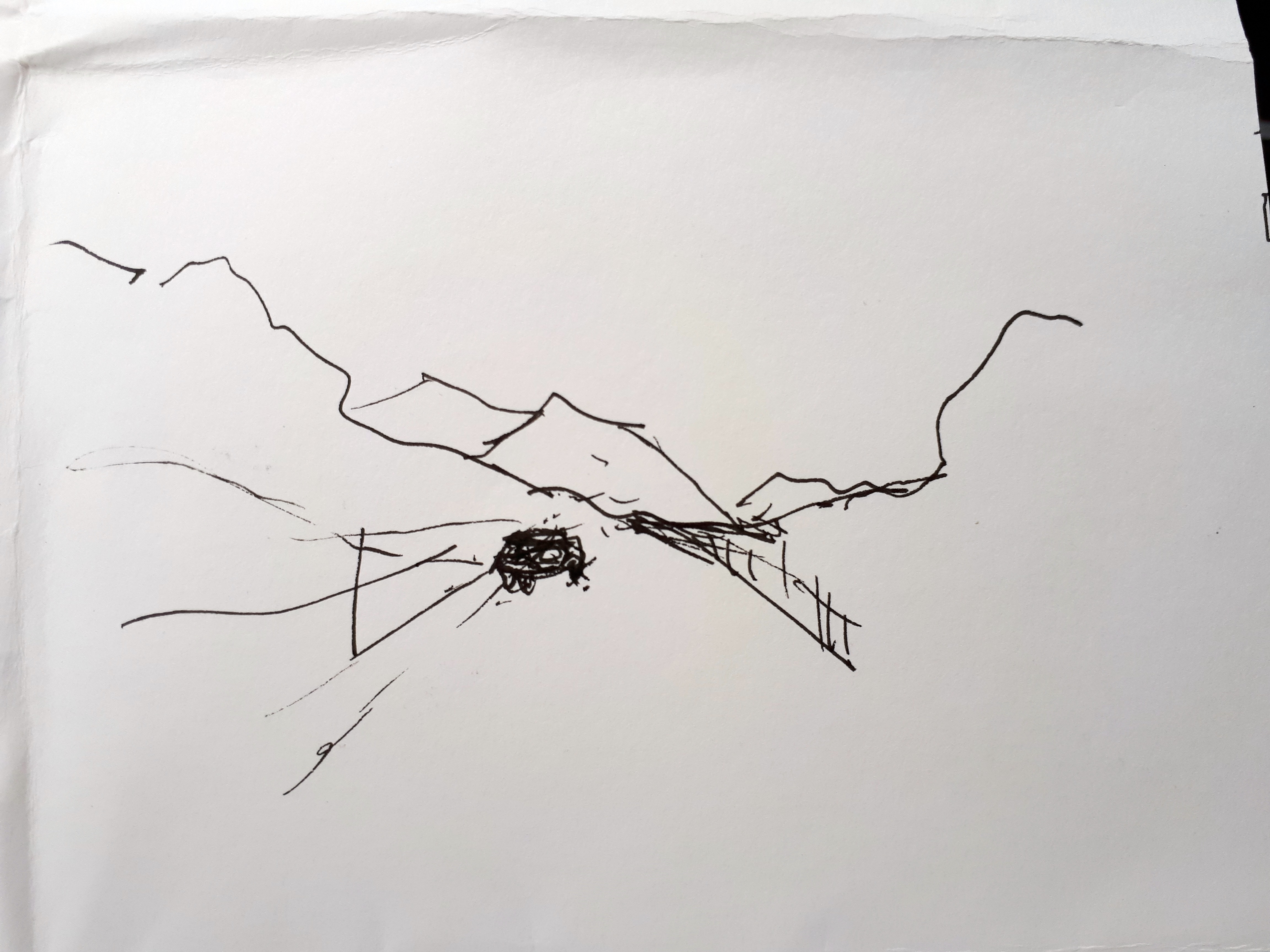
I discovered a new hobby on the return to Edinburgh – sketching the surrounding landscape from the car, it makes you quickly focus on the obvious points, shapes and lines – here they are (scenes from Corran ferry, Glencoe, Rannoch Moor and Balquhidder) …

Road sketches. Rose Strang 2019

Road sketches. Rose Strang 2019

Road sketches. Rose Strang 2019

Road sketches. Rose Strang 2019

Road sketches. Rose Strang 2019

Road sketches. Rose Strang 2019


I always like to visit Balquhidder before returning to Edinburgh, as it’s the last part of the Highlands before the relative flatness of Lothian – it eases the shock of re-entering the city I suppose!

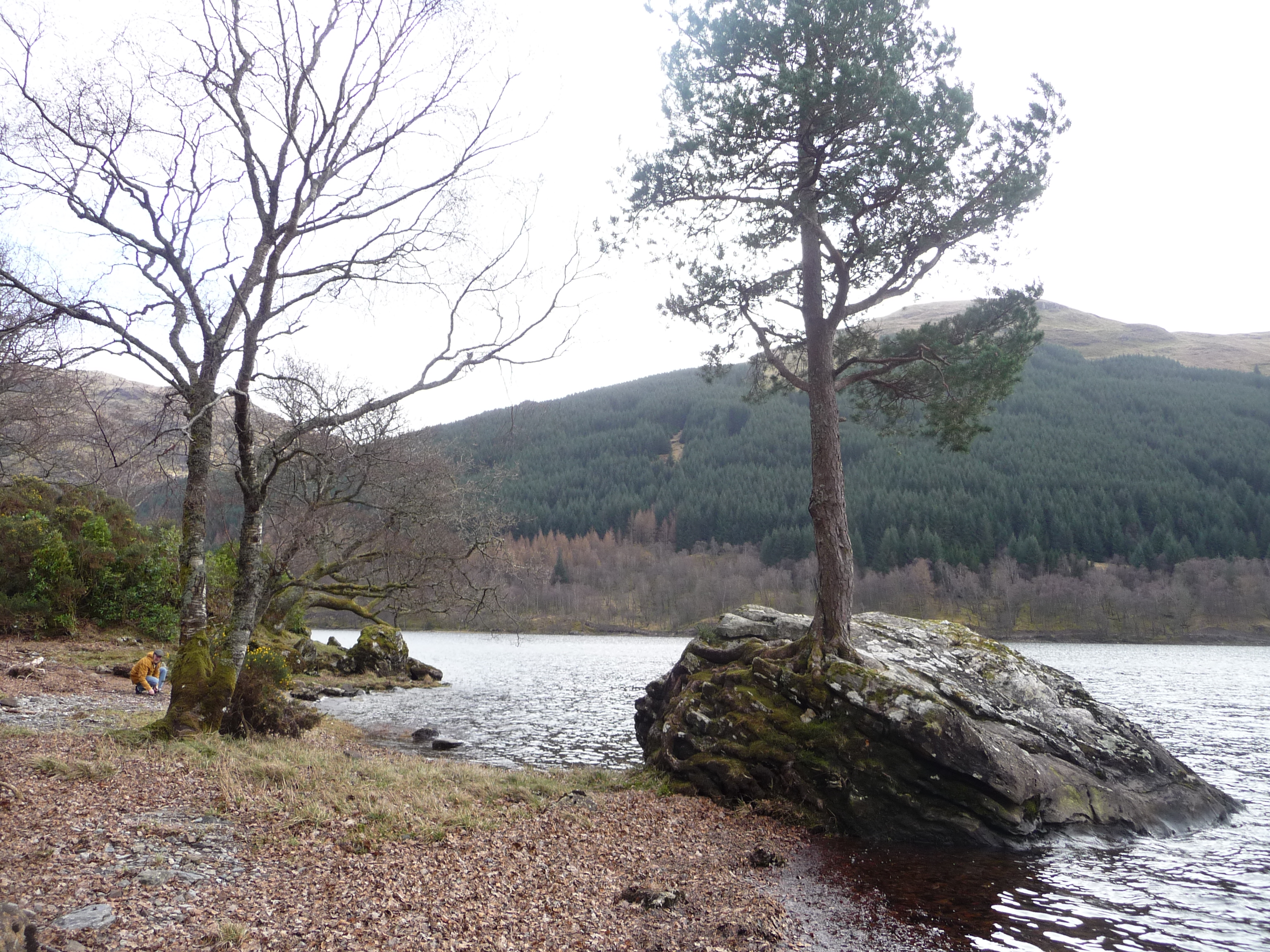
You head off the motorway after Edinchip on a little bypass, then you see the Mhor84 cafe, which serves excellent coffee and nice cakes, but if there’s time it’s nice to drive under the bridge and towards the village of Balquhidder then along the beautiful shores of Loch Voil. It’s always fairly quiet as the road ends after a few miles at the end of the loch – after that it would be a lo-o-ng and arduous walk over the mountains west to the coast again, if you wanted to keep going.

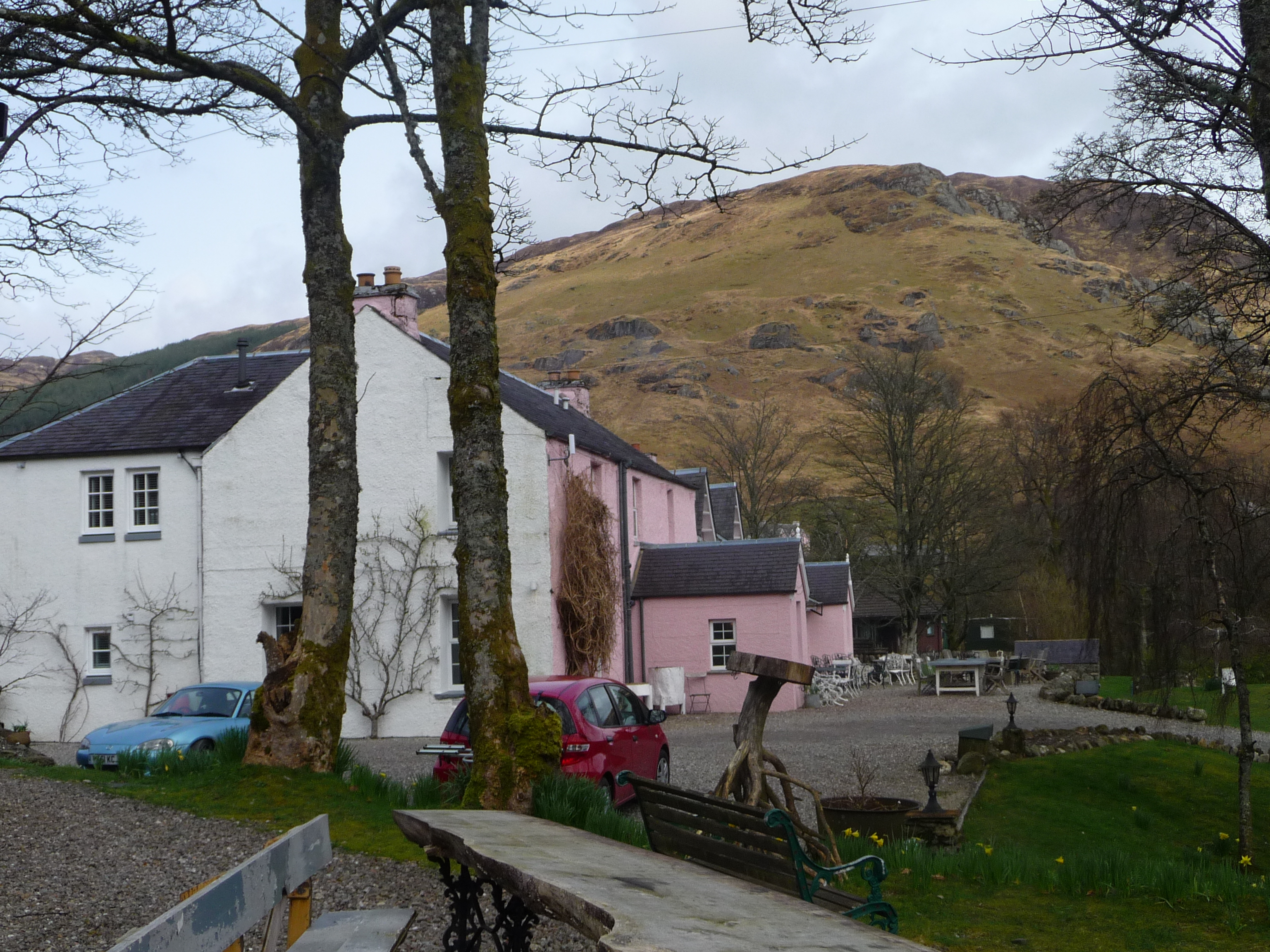
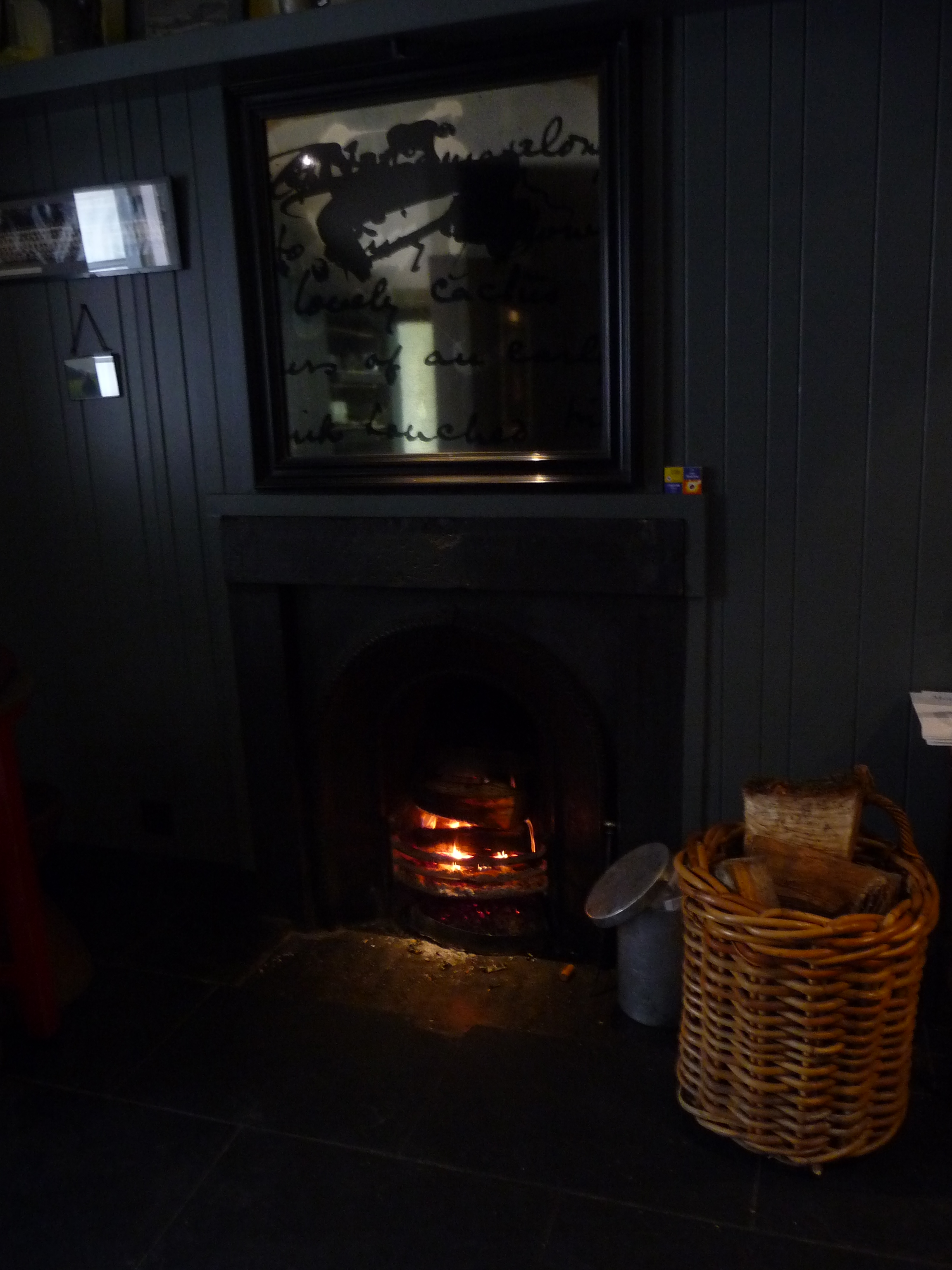
After a mile or so along the loch, you get to Monachyle Mhor Hotel, where you can stop for a drink by the open fire if it’s cold, or if it’s warm sit outside admiring oak trees, shimmering loch and mountain valleys. The hotel interior is lovely (if a bit ‘Farrow and Ball’ – you know – tasteful chalky paint finishes in deep colours or neutrals!) also they have an impressive art collection – it’s kind of perfect, as hotels go, I’ve yet to find out how much it costs to actually stay there.


Today I’ve been gessoe-ing up my wood panels. I’ll make a little road-trip video, then it’ll be on with the paintings, and a fuller video with paintings and music, wish me luck! In a few days I’ll post the first video, and also some info about an upcoming three-person exhibition at the Resipole Gallery in Sunart, which I’m looking forward to. I’m not forgetting that these paintings are part of my planets series. March is related to Mars – war, heroism and sacrifice, also early spring – Mars Silvanus –  new leaves – and the corresponding Narnian book, Prince Caspian. More on that too in later posts …

Painting trip to Ardnamurchan

Ardnamurchan, Ardtoe. (photo Rose Strang)

On the 22nd March I’m off to Ardnamurchan again on the west coast of Scotland. I’ll be painting Ariundle Oakwood and the coast of Ardtoe, including Castle Tioram.

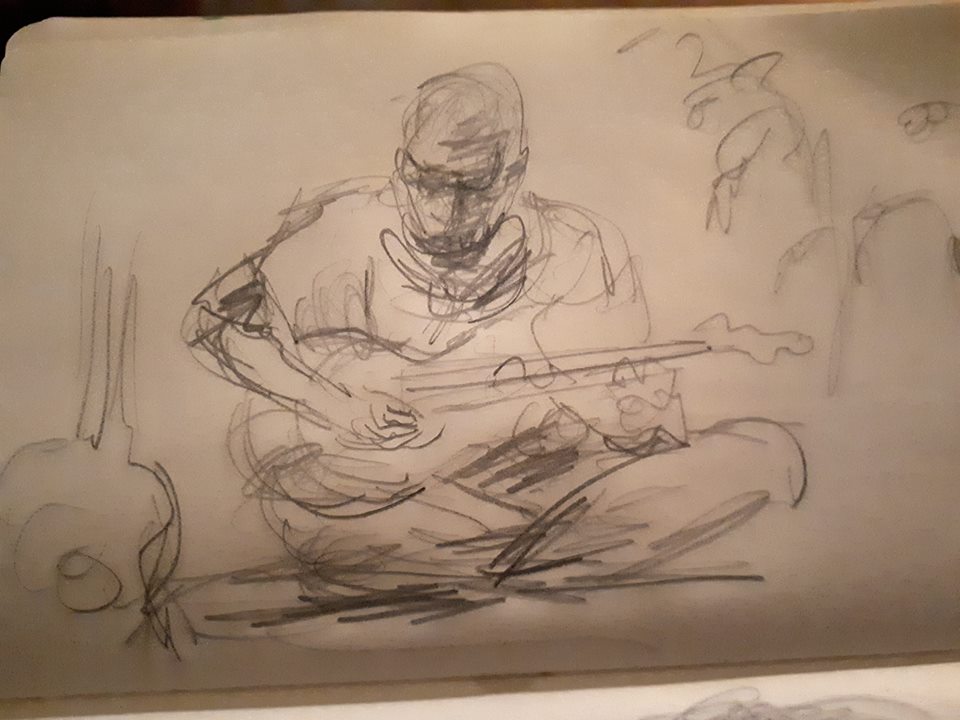
I’m traveling there with my friend Donald, who’s a  talented guitarist, and I’m hoping I can also capture some nice video footage of the landscape with accompanying guitar sounds! Here’s my recent sketch of Donald playing ..


And a vid of Donald and Charlotte playing at the Open studio eve in December last year ..

I’ll be dropping in to the Resipole Gallery again, it’s a lovely space, and I’m happy to be showing some larger works there (of Ardnamurchan) for their new exhibition from 17th May this year (I’ll also be showing paintings from Ardnamurchan at the Morningside Gallery, Edinburgh from this April)

The trip will continue exploration of the Planets series, this time the planet Mars, which in Medieval times was associated with war but also early spring and trees – hence the trip to Ariundle oakwood. I’ve never actually visited the wood before and look forward to it. It’s a remnant of the ancient oakwoods which once stretched all the way along the Atlantic coastline from Portugal to Norway.

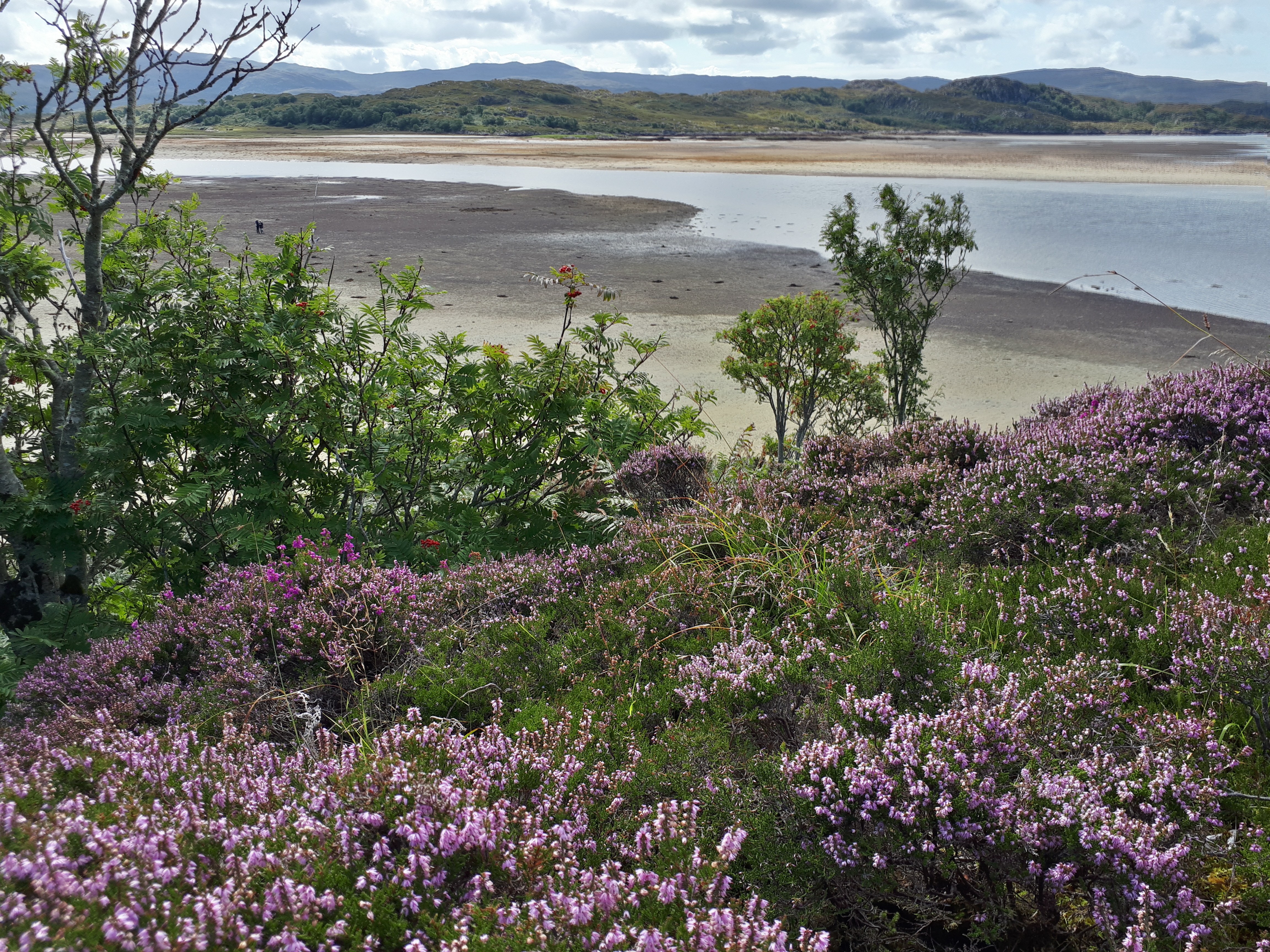
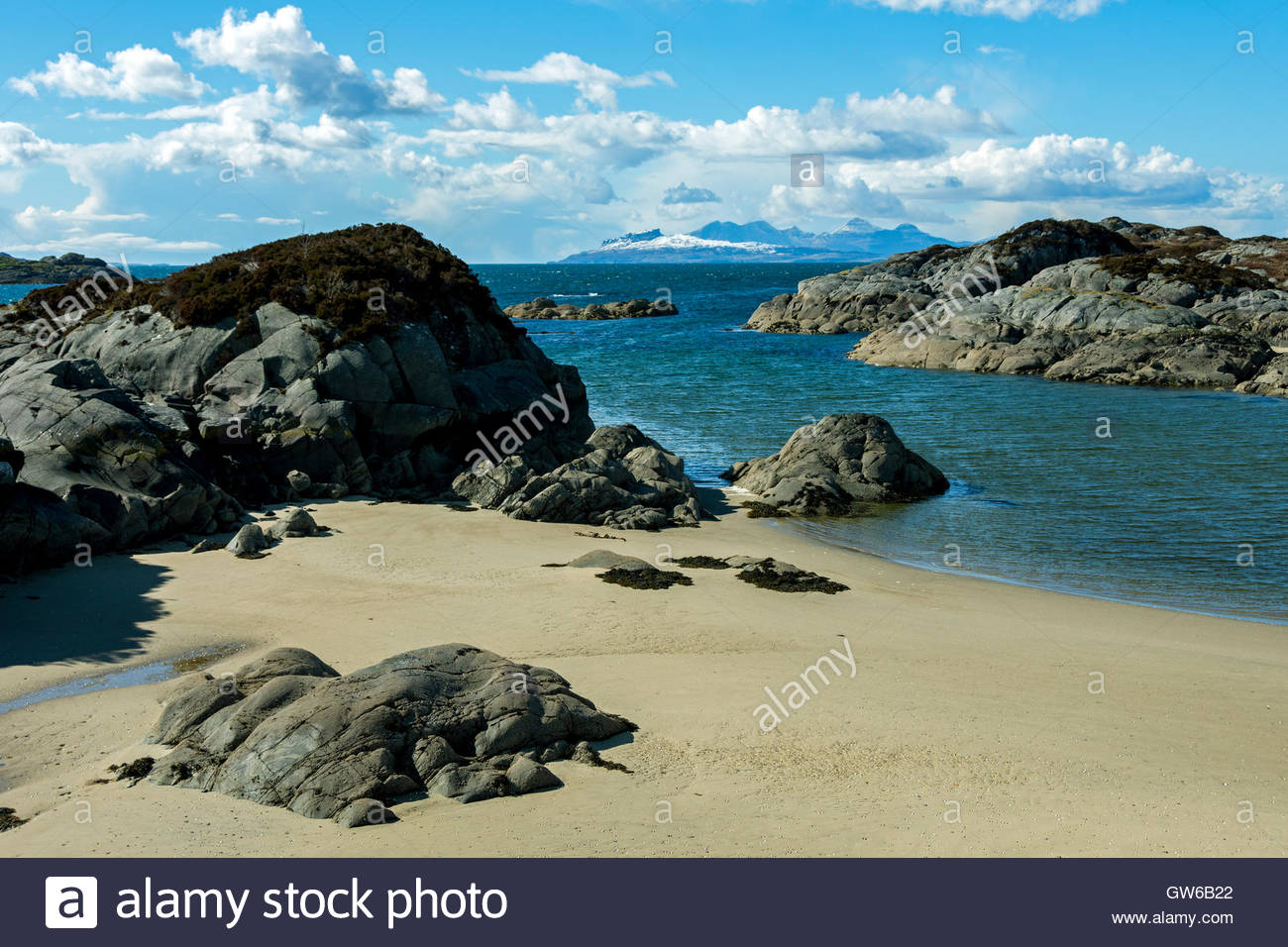
Some photos of Ariundle, and Ardtoe (these are stock photos, I’ll have many of my own photos after the trip) …

Ariundle

Ardtoe


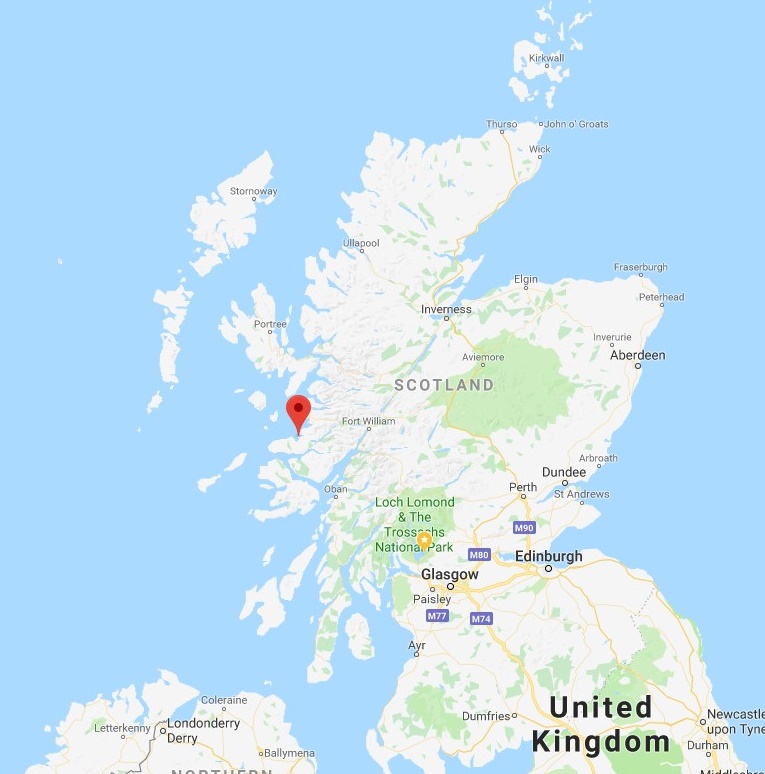
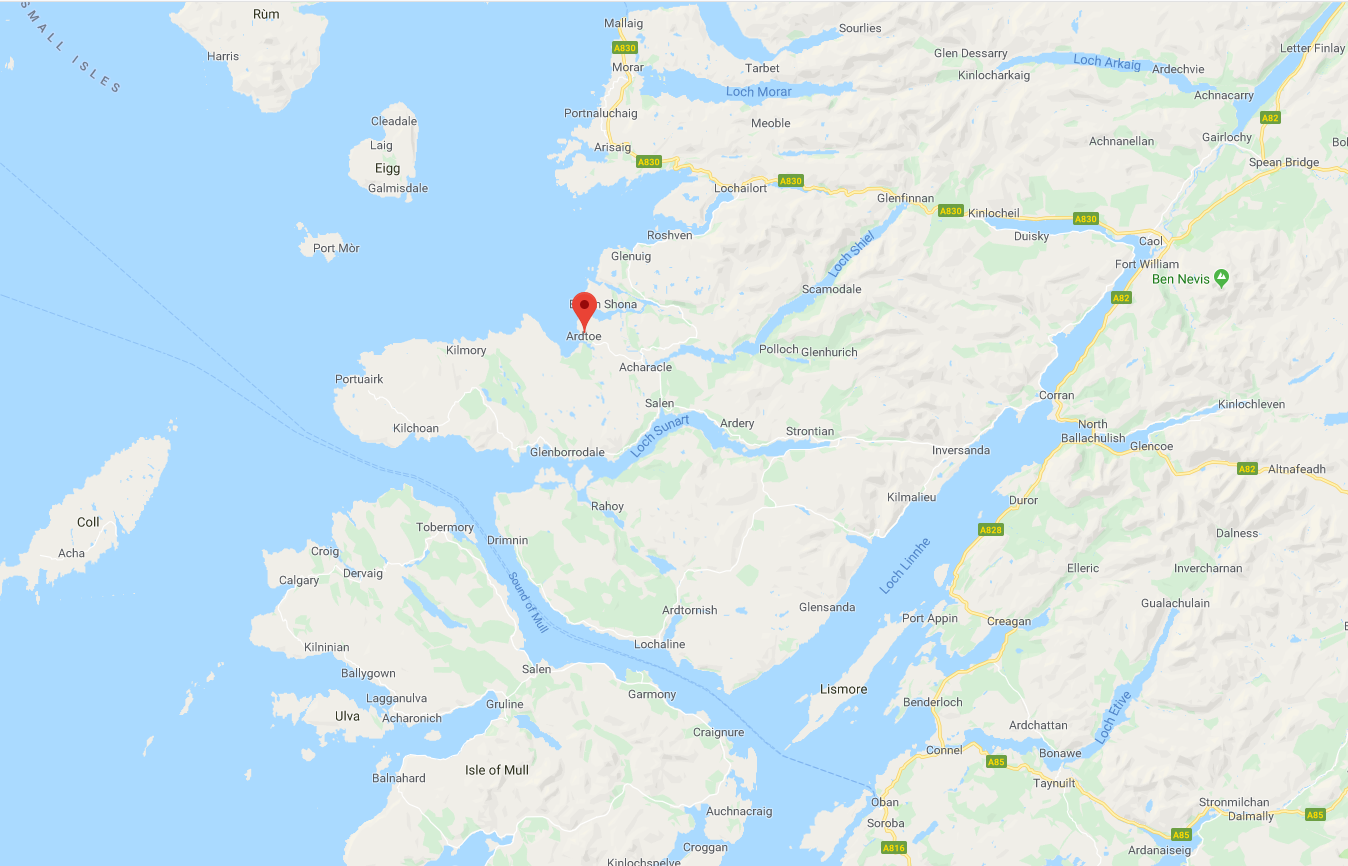
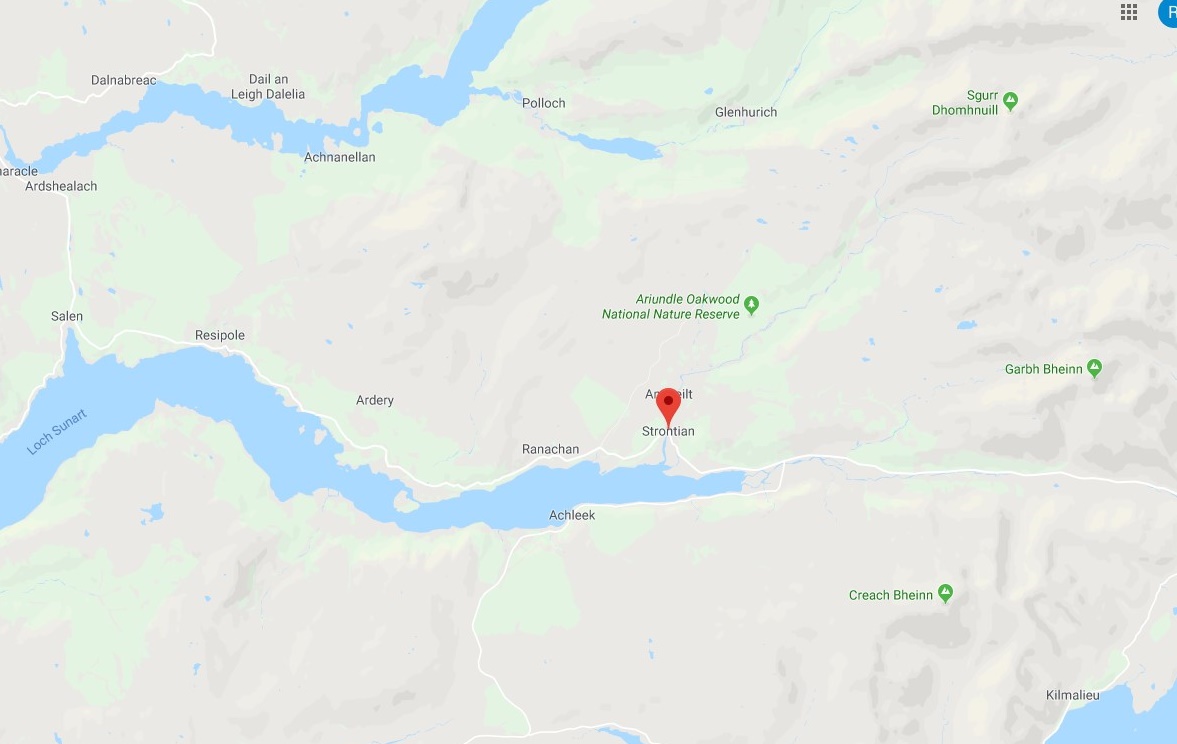
And some maps showing where we’ll be ..


Open Day, and available paintings …

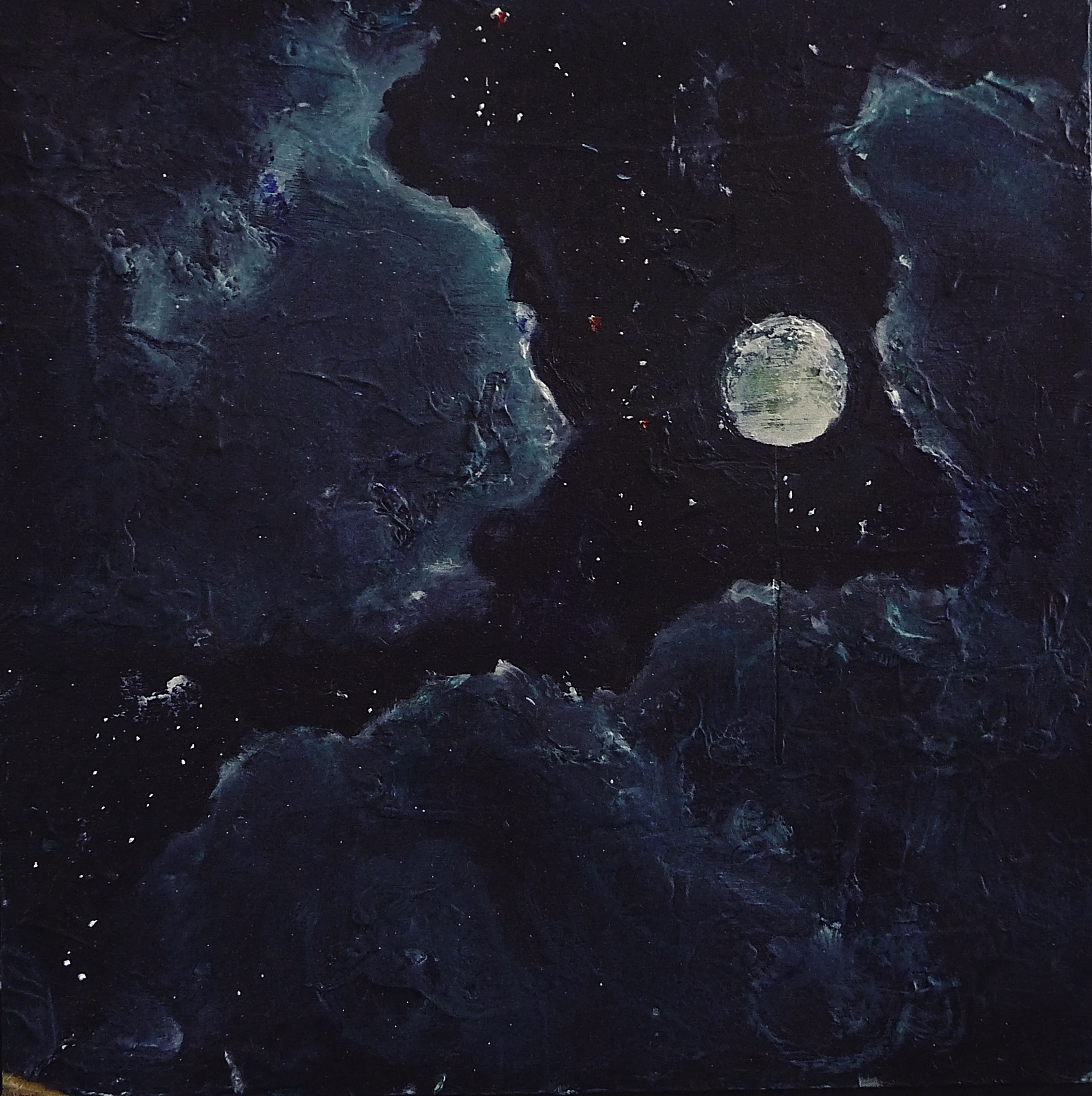
‘Moonscape’. Oil on 10×10″ wood panel. Rose Strang 2019. (unframed) £195

‘Jupiter (sketch)’. Mixed media on 10×7″ wood panel. Rose Strang 2019. £85


Above, two studies for the larger works (Jupiter and Saturn).

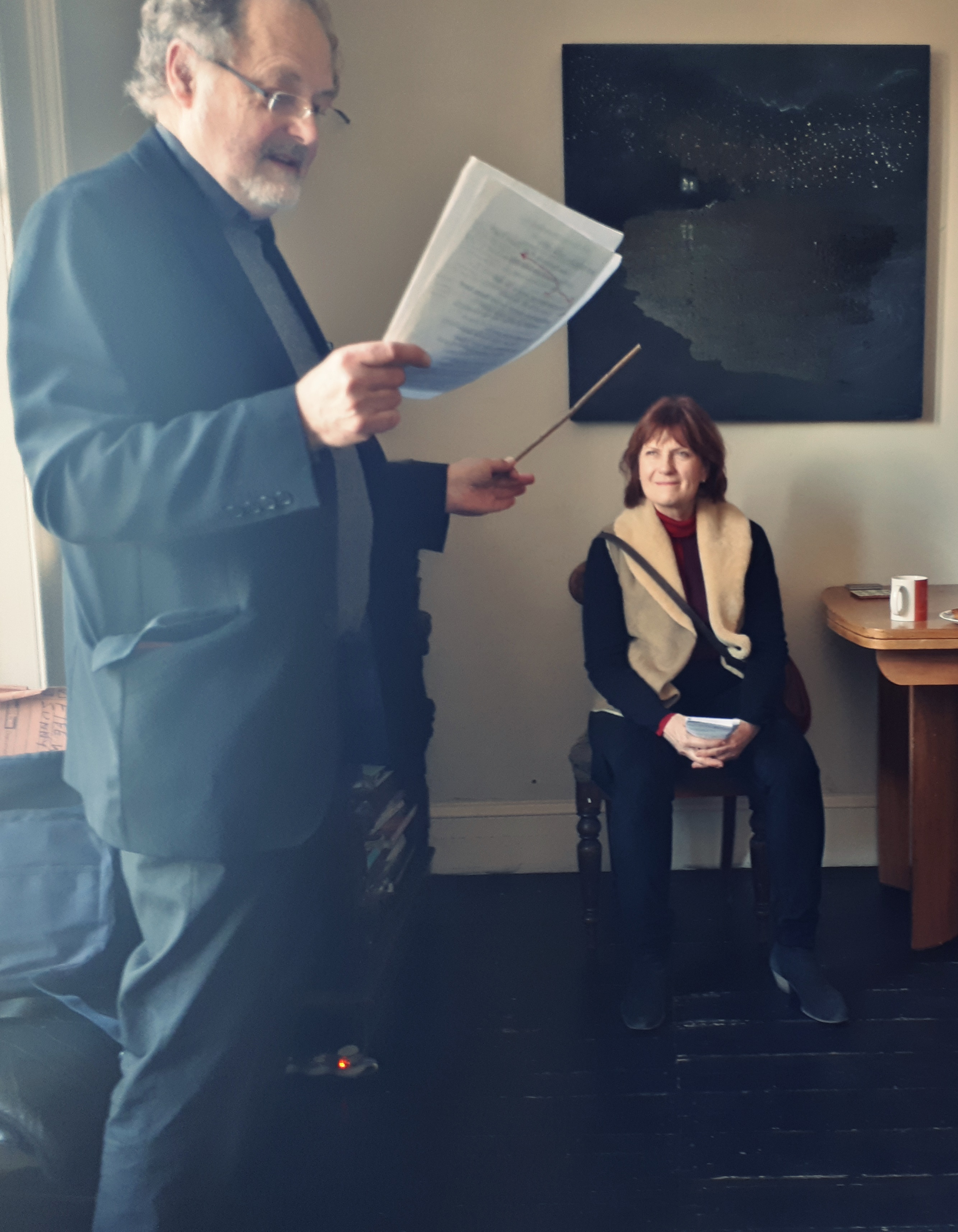
Thanks to all who dropped by for the Open Day today. It was most convivial and we enjoyed poet Tom Hubbard’s reading of  a comic poem (on the planets theme), translated from Czech into Scots, about a classroom of young frogs being taught astronomy (badly)!


The two studies for the larger paintings (above) are for sale, so email me if you’re interested in those at rose.strang@gmail.com.

Tomorrow I’ll be continuing with my private portrait commission, and will post some images of that as it progresses …

Planets Series Open Studio Day

‘Planet Series, Saturn’. Oil and mixed media on 40×40″ wood panel. Rose Strang 2019

‘Planets Series. Jupiter’. Mixed media on 40×40″ wood panel. Rose Strang 2019

Above, the first two paintings from the Planets Series which I’m working on throughout 2019.

This Sunday there will be an Open Studio day at Abbeyhill to view the paintings, all info here – Open Studio Event

This series of paintings takes inspiration from the planets as understood in Medieval cosmology and mythology, and the seven books of Narnia which were each inspired by the seven planets.

All info about inspiration for the series below ..

C.S. Lewis, the planets and the Narnia Chronicles

Until recently, literary critics tended to be slightly dismissive of the Narnia Chronicles. They appear to be a random set of stories, with unruly themes and a vague Christian element that comes to the fore most obviously in The Lion, the Witch and the Wardrobe and The Last Battle. Critics were confused about the structure of the stories; Tolkien (a close friend of Lewis) described them as a ‘hodge-podge’! Yet The Narnia Chronicles are among the most enduringly popular children’s stories of all time (over one hundred million have sold since their publication in the early 1950s).

They have broad appeal, not just to children but to adults, also to varying religious groups due to Christian themes (Lewis wrote on theology), and literary academics since Lewis was a scholar and professor of Medieval Classics. The author Michael Ward, one of the world’s leading experts on C.S. Lewis, was completely familiar with Lewis’s work and was the first person (publicly at least) to recognise that the books were inspired by the seven planets.

This wasn’t obvious to the average reader (or any reader) since C.S. Lewis deliberately obscured the idea of planets in the books – there is very little mention of planets, sun or moon other than the usual descriptions of light, time of day or night and so on. It took someone dedicated to Lewis’s work to recognise the particular mythologies and qualities of each planet, and to see that each of the books was written ‘under the influence’ of the planets.

C.S. Lewis wasn’t being secretive simply to amuse himself, this was more a reflection of his philosophy – he believed that objectivity, or pure reason, stultified imagination and therefore the emotional (or spiritual) influence and atmosphere of a story. He wanted readers to experience the effect of each planet, rather than understand the stories as allegories, or a series of symbols to be recognised by an educated few. As Michael Ward writes in Planet Narnia, the distinctive atmosphere in Lewis’s fiction was a deliberate and important element of his approach to story-telling.

The planets

Each of the seven books of the Narniad correspond to the planets as understood in Medieval cosmology…

Jupiter (The Lion the Witch and the Wardrobe) Mars (Prince Caspian), Sun (Voyage of the Dawn Treader), Venus (The Magician’s Nephew), Mercury (The Horse and his Boy), Moon (The Silver Chair) and Saturn (The Last Battle).

About the planets series of paintings …

 ‘Planets Series. Saturn’ …

‘Planet Series, Saturn’. Oil and mixed media on 40×40″ wood panel. Rose Strang 2019

(Side View) ‘Planet Series, Saturn’. Oil and mixed media on 40×40″ wood panel. Rose Strang 2019


Then Aslan said, ‘Now make an end.’

The giant threw his horn into the sea. Then he stretched out one arm – very black it looked, and thousands of miles long – across the sky till his hand reached the Sun. He took the Sun and squeezed it in his hand as you would squeeze an orange. And instantly there was total darkness.

C.S. Lewis The Last Battle

Saturn is the planet of endings, death, law, structure, order, liberation or learning following sacrifice, and time (the myth goes that Father Time will be the last person on earth at the end, who will extinguish the sun).

Saturn’s influence was understood in Medieval cosmology as dark, powerful and oppressive – it was perceived as the ultimate teacher through challenges or difficult experience. Its associations were Winter, the winter equinox, the darkest months of the year – December and January, the constellations Capricorn (goat) and Aquarius (water bearer). Its element is earth, its day, Saturday. Colours – black, dark and earthy colours. Associated animals include crows, ravens, owls…

Festivals, rituals and feasts have traditionally been held at the winter equinox since ancient times. Christmas adopts the date and corresponds to the themes of death and rebirth associated with Saturn.

‘Planets Series. Jupiter’…
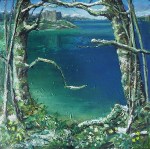
‘Planets Series. Jupiter’. Mixed media on 40×40″ wood panel. Rose Strang 2018

(Side view) ‘Planets Series. Jupiter’. Mixed media on 40×40″ wood panel. Rose Strang 2018

(Hand to show scale) ‘Planets Series. Jupiter’. Mixed media on 40×40″ wood panel. Rose Strang


Every moment the patches of green grew bigger and the patches of snow grew smaller. Every moment more and more of the trees shook off their robes of snow. Soon, wherever you looked, instead of white shapes you saw the dark green of firs or the black prickly branches of bare oaks and beeches and elms. Then the mist turned from white to gold and presently cleared away all together. Shafts of delicious sunlight struck down on to the forest floor and overhead you could see the blue sky through the treetops.

The Lion, the Witch and the Wardrobe 

In one of Lewis’s ‘Planets’ poems from the 1940’s, he describes the influence of Jupiter as Winter passed, Guilt Forgiven.

Jupiter represents the overcoming of Saturn and long winter. Not quite the arrival of spring (associated with Mars) but around February and March the days become noticeably longer and we see the first snowdrops.

Jupiter, ruler of Sagittarius and Pisces was seen as the ruler of all the planets. Jove (Roman title) was the name of the ruler of Jupiter, which also relates to Zeus (Greek title) and Thor (Norse), god of thunder, storm and the north wind.

Subjects associated with Jupiter were higher learning, theology, the cosmos and the sea. Qualities – joviality (optimism, laughter), honesty, monarchy or kingship. Colours – azure blue, sea green, purple. Animals – horses, dolphins and various others including the mythical centaur. Plants – wood anenome, celandines (among many others). Trees – Oak mainly (associated with Thor, also associated with Jupiter). Day – Thursday.

Also … Wardrobes! These were items of furniture which held robes worn by nobles of the court – ‘Ward Robes’ – associated with monarchy and therefore Jupiter.

(References:  Michael Ward’s Planet Narnia (2008) , and the Three Books of Occult Philosophy by Heinrich Cornelius Agrippa (1486-1535))

If you have any questions about the paintings email rose.strang@gmail.com
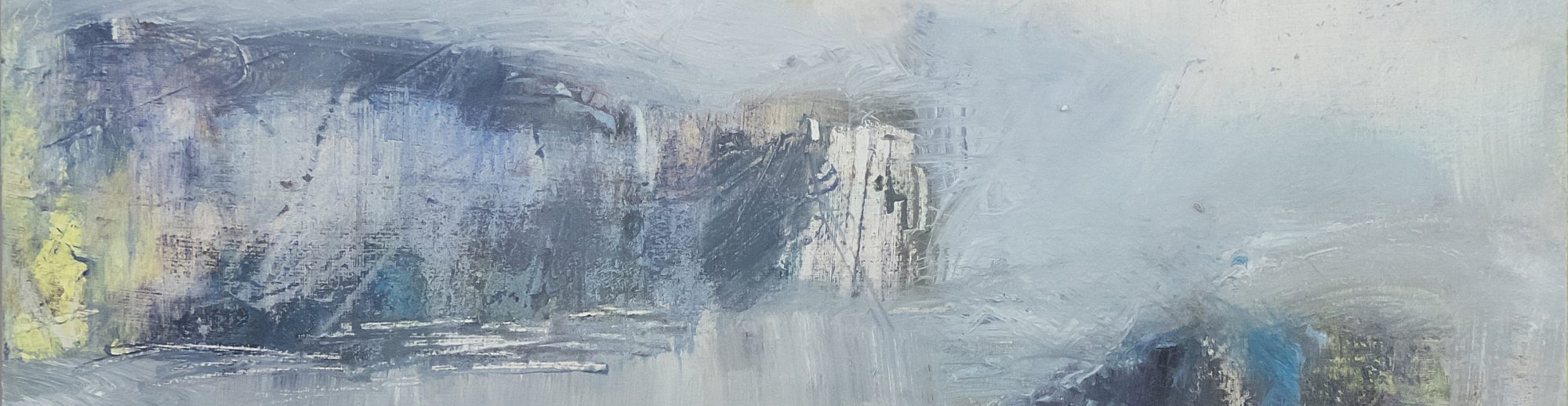
Planet Series – Jupiter.

‘Planets Series. Jupiter’. Mixed media on 40×40″ wood panel. Rose Strang 2019

(Side view) ‘Planets Series. Jupiter’. Mixed media on 40×40″ wood panel. Rose Strang 2019

The completed painting of ‘Planets Series. Jupiter’. I think it looks suitably Jupiterian and possibly quite Narnian!

A detail, and idea of scale next to my arm …
(Detail) (Side view) ‘Planets Series. Jupiter’. Mixed media on 40×40″ wood panel. Rose Strang 2019


Some ‘process’ photos …


‘This Guy’s Not for Burning’

‘Jacobite Rose’. UV pen and UV torch on A4 paper. (Created for the Traquair House ‘This Guy’s Not for Burning’ exhibition) November 2018. Rose Strang 2018.

Above, my ultra-violet design in UV pen.

It’s drawn free-hand from a Jacobite rose design, and is only viewable with UV torch. Some more images …


About the artwork …

I completely forgot to upload this artwork at the time, which was remiss of me! It’s from November last year, and I made it during my residency on the Isle of Iona.

I was invited by Richard Demarco to contribute a work for Traquair House’s annual ‘This Guy’s Not for Burning’ exhibition. This is something of a yearly tradition for the house, which has Catholic and Jacobite links going back many centuries.

Not being Catholic or a member of any religious group myself, I wondered what might be appropriate – obviously the name of the exhibition refers to Guy Fawke’s famous attempt to blow up the Houses of Parliament, the ‘Gunpowder Plot’ of 1605. He was part of a small group of Catholics who wished to see the Catholic royal dynasty restored to the throne, which was occupied at the time by the Protestant King James. Guy Fawkes was caught, tortured and sentenced to be hung, drawn and quartered. Mercifully the rope wasn’t arranged correctly and he was spared part of this by dying during the hanging, thus avoiding the rest.

And we celebrate this every year on the 5th November by burning an effigy of Fawkes….hmm, you don’t have to be Catholic to find that pretty repellent.

I felt honoured to be asked to contribute work for the exhibition, but flummoxed as to how I might respond to the theme – I couldn’t respond on one side or other on the religious argument, but I could honour the memory of those who sought to protect fugitives from such brutal justice (which occurred on both sides of course, at different periods of history). Also, as a supporter of Scottish independence, I could  respond on one level at least to the early (predominantly but not exclusively Catholic) Jacobite cause!

Looking into the history of Traquair House (a beautiful 12th century manor house situated in Innerleithen on the Scottish Border), it seems that it may have been a place for persecuted Jacobites to hide during the uprisings in order to escape torture and death. Clandestine Jacobite signs and symbols were used in letters or on brooches for example, that were a sign of someone dedicated to the cause. The Jacobite rose refers of course to the ‘white rose of Scotland’ – a symbol adopted by Jacobites at the time.


It struck me though that these symbols would have been quickly discovered by government intelligence at the time, so I speculated about the use of invisible ink, then – voila! – my Jacobite rose in UV pen.

This was a lot of fun to think up, but I was surprised by how aesthetically pleasing it was too. The particular shade of indigo blue is soothing, slightly mystical. As you can see it requires a UV torch to reveal the design. The design itself was drawn free-hand, while shining the torch on to paper. The darker the room, the more blue it appears, though it’s viewable with the torch in daylight too.

I now have just one week to complete ‘Jupiter’ before my open studio day at Abbeyhill Studio, and before the two paintings ‘Jupiter’ and ‘Saturn’ are sent off to the Limtree Gallery Bristol, for inclusion in the upcoming Battersea Art Fair. My latest post on the Planets Series Here


Planet series – Jupiter (in progress) day 3

‘Jupiter’ (in progress).

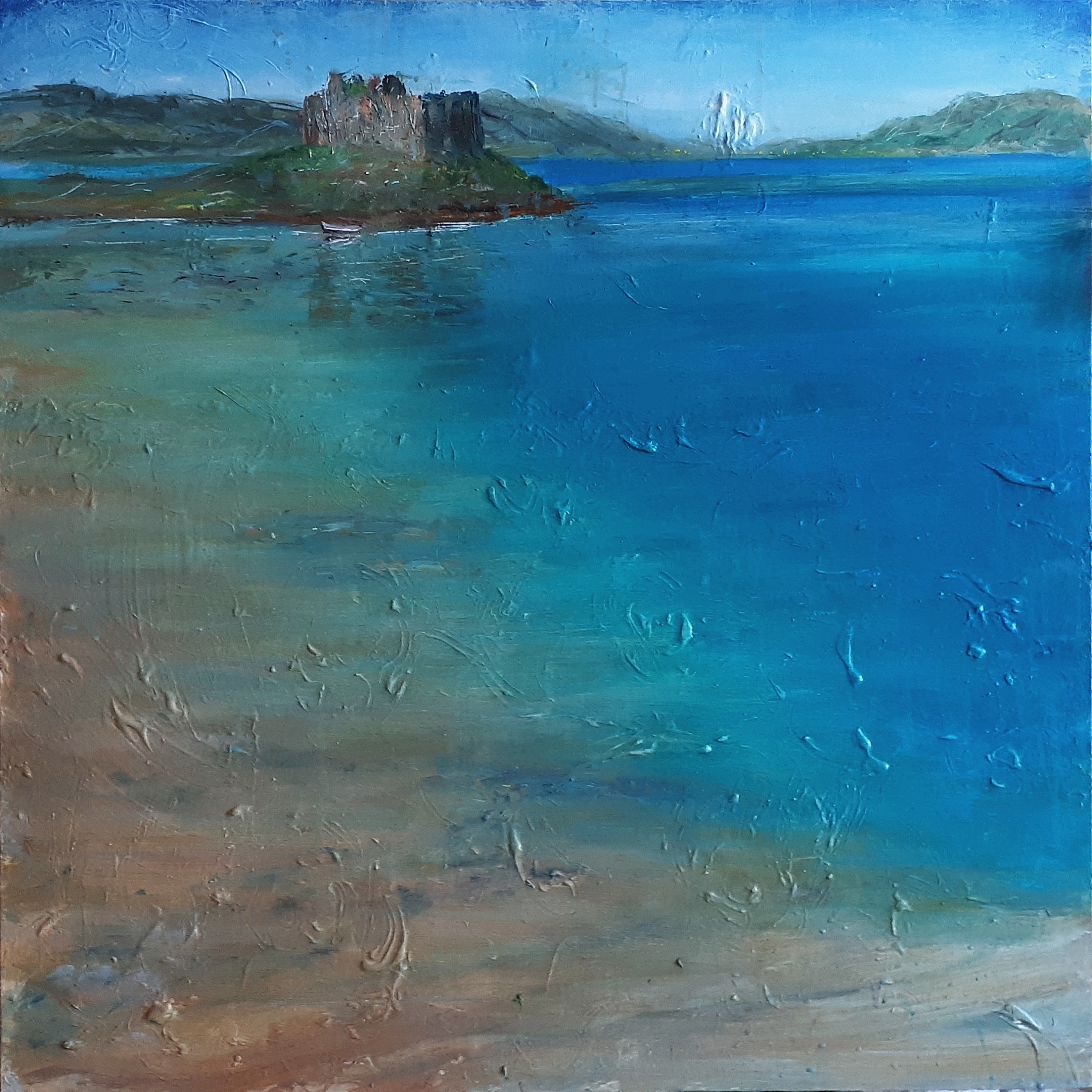
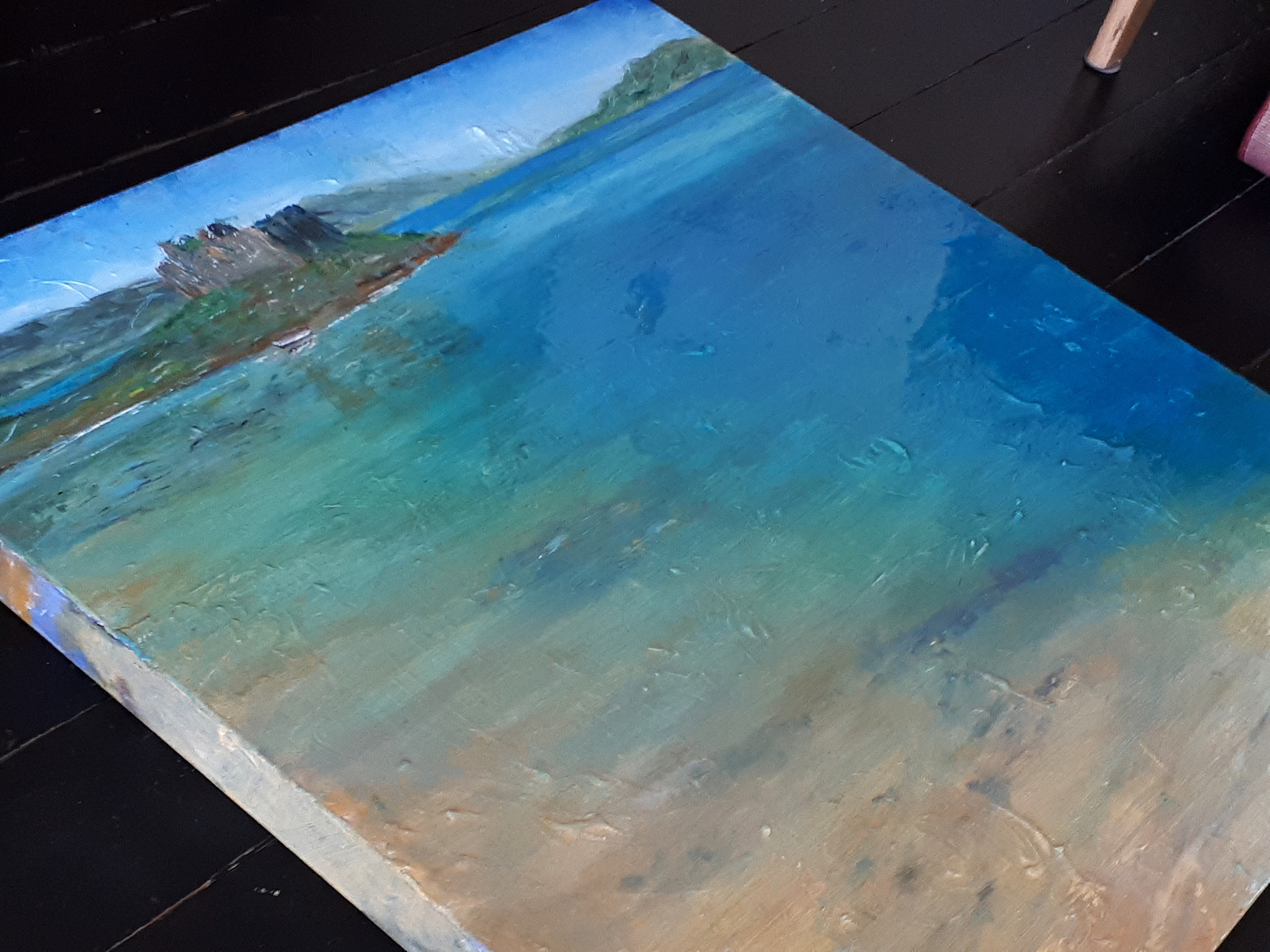
Today’s progress on ‘Jupiter’. I wanted to create a luminous backdrop for the painting – the sea is a glaze of blues and gloss varnish, which you can see slightly better in this image ..

(This is the second in a series of seven paintings inspired by the seven planets as understood in Medieval cosmology, and the seven books of Narnia, which as the writer Michael Ward discovered, were themselves inspired by the seven planets. For more about the series, click on ‘Home’, above, and scroll through previous posts).

As mentioned in a previous post, I decided to paint Castle Tioram as the theme for ‘Jupiter’. Jupiter rules the months of February and March and I’ll be including trees, flora and fauna related to the planet as the painting progresses.

Fairy Tales ..

Castle Tioram, photo Rose Strang September 2018

I first visited Castle Tioram (pronounced ‘Cheerum’) in the Ardnamurchan Peninsula in 1992, and returned again for the first time since then in September last year. It was a beautiful, entrancing place back then, and still is. The Ardnamurchan Peninsula is one of Scotland’s most remote and un-spoiled areas of landscape. Ancient forests grow right down to the coast. Mosses, lichens and rare plants flourish in the relatively unpolluted atmosphere – the forest’s ecosystem is more or less untouched, save for a very few pathways and single track roads that weave through the area.

If you’re interested in forest ecosystems you’ll know that forest trees ‘talk’ to one-another in a sense. ( https://en.wikipedia.org/wiki/Suzanne_Simard) .They communicate via their complex root system, so that younger trees, or weaker trees are fed nutrients by older trees – they’re interdependent. Before a tree dies, it sends nutrients to the roots of nearby trees. When the forest root-system is disturbed by, for example, motorways cutting one area off from another, the forest ecosystem is destroyed. An ancient forest is a sort of entity in a sense (or a community if you like)

So Tolkien wasn’t far wrong, and C.S. Lewis (a close friend of Tolkien for decades) shared this reverence for nature – both author’s books featured the idea of conscious trees. Lewis’s stories featured dryads (tree spirits) able to ‘leave’ the physical tree and travel far distances to communicate important news. (in The Last Battle for example a dryad tells King Rillian that her tree, miles away, is being destroyed along with the rest of the forest).

In the east part of Ardnamurchan, further inland, is one of Europe’s rare original oak forests. It’s called Ariundle (derived from Scottish Gaelic Àiridh –  meaning a shieling or collection of small huts and Fhionndail – a fair meadow). So, ‘a collection of huts in the fair meadow’. Ariundle is a remnant of the ancient coastal oakwood that formerly stretched along the Atlantic coast from Spain and Portugal to Norway.

Ariundle Oak Forest in Ardnamurchan

In early medieval times Castle Tioram and Ardnamurchan were far busier places than nowadays. The highways of the ancient world across Scandinavia and the north of Scotland were sea-routes – quicker to navigate than land before modern times when roads were cut through mountains and forests.

The north and west of Scotland as a whole was teeming with activity. There were numerous wars of independence and during the Middle ages, Scottish castles were often burned and destroyed during war-times to prevent them being occupied by incoming armies (which is what happened to Castle Tioram).

Towards the end of the 18th century (post-Culloden) Highland clearances, then the industrial revolution almost entirely emptied some areas of the west coast. Anyone who hadn’t emigrated, or been forced to emigrate, to America and Canada moved to the cities and towns for work.

The one upside of this is that the landscape has been left untouched. Castle Tioram, situated on a rocky outcrop in a glass-like sea surrounded by wild forest, can have quite an impact on visitors to the place –  it does look almost other-worldy, or mythical.

Maybe it’s just nostalgia that makes people respond with emotion to the castle, a sentiment or belief that things were better in times past. Looking into early Scottish history though, there are as always two stories – one from ruling leaders, post war, and the story discovered in ancient Gaelic manuscripts. Tioram was never defeated in battle, for hundreds of years it was relatively peaceable (for those times at least, when feuds were common throughout Europe).

The castle and surrounding area was home to a large community ruled by the MacDonalds under the complex laws of the early clan system. This society enjoyed thriving art, literary and music traditions, and although the more democratic approach to running society appeared chaotic or ‘barbaric’ to outsiders, it now looks ahead of its time. Men and women inherited title and property, children of the ruling monarchs were often placed in the poorest households of the clan, while poorer children in the community were adopted temporarily by the ruling family. This encouraged connections, the learning of skills, and a balanced community.

It wasn’t all peaceable of course, there were the numerous complex feuds between clans, and the wars of independence which occurred between the 13th to 18th centuries. In 1715 the then chief of Clan Donald, Allan MacDonald, torched the castle before joining the battle at Sherriffmuir (1715 Jacobite rebellion – thanks for correction Murdo MacDonald!) He expected to lose, and didn’t want the castle to fall in to government hands. The final battle took place in 1745 at Culloden, and after this the Scottish clan system was destroyed (also due to the fact that many Scottish clan chiefs bought into the new feudal system as it offered unlimited opportunities for wealth and land) and Scotland never regained independence.

All of that explains some of the historical reasons why we respond to such places, but maybe our response to castle ruins in a wild remote landscape is also related to the power of fairy tale or archetypes – it ‘speaks’ to us of something important and valuable. In Ardnamurchan the air feels different because it is different – it’s clean, scented with salty brine, sun-warmed wood, mossy forest floors and the honey of heather throughout summer – it feels idyllic. Nowadays we understand the environmental fragility of such places.

In an earlier post I described C.S. Lewis’s fascination with Medieval mythology and cosmology – an era in which he believed imagination held an important philosophical role. From a different perspective Jung also explored this area – focusing on the importance of archetypes in the collective human psyche. Early Medieval thinking hadn’t yet lost that sense of universality, and connection to nature.

A castle on a remote island reminds us of a thousand different myths and fairy tales – tangled forests, ogres, battles, knights, magicians, princesses plotting escape, not to mention Camelot – a legend based on dreams of a lost golden age and the search for a mysterious holy grail. One conflict of the story is the battle of Pagan and Christian religions – neither of which comes out on top, interestingly. The myth goes (of course!) that both Merlin (Pagan) and Arthur (Christian) will return again.

It all reminds me of this sort of art …

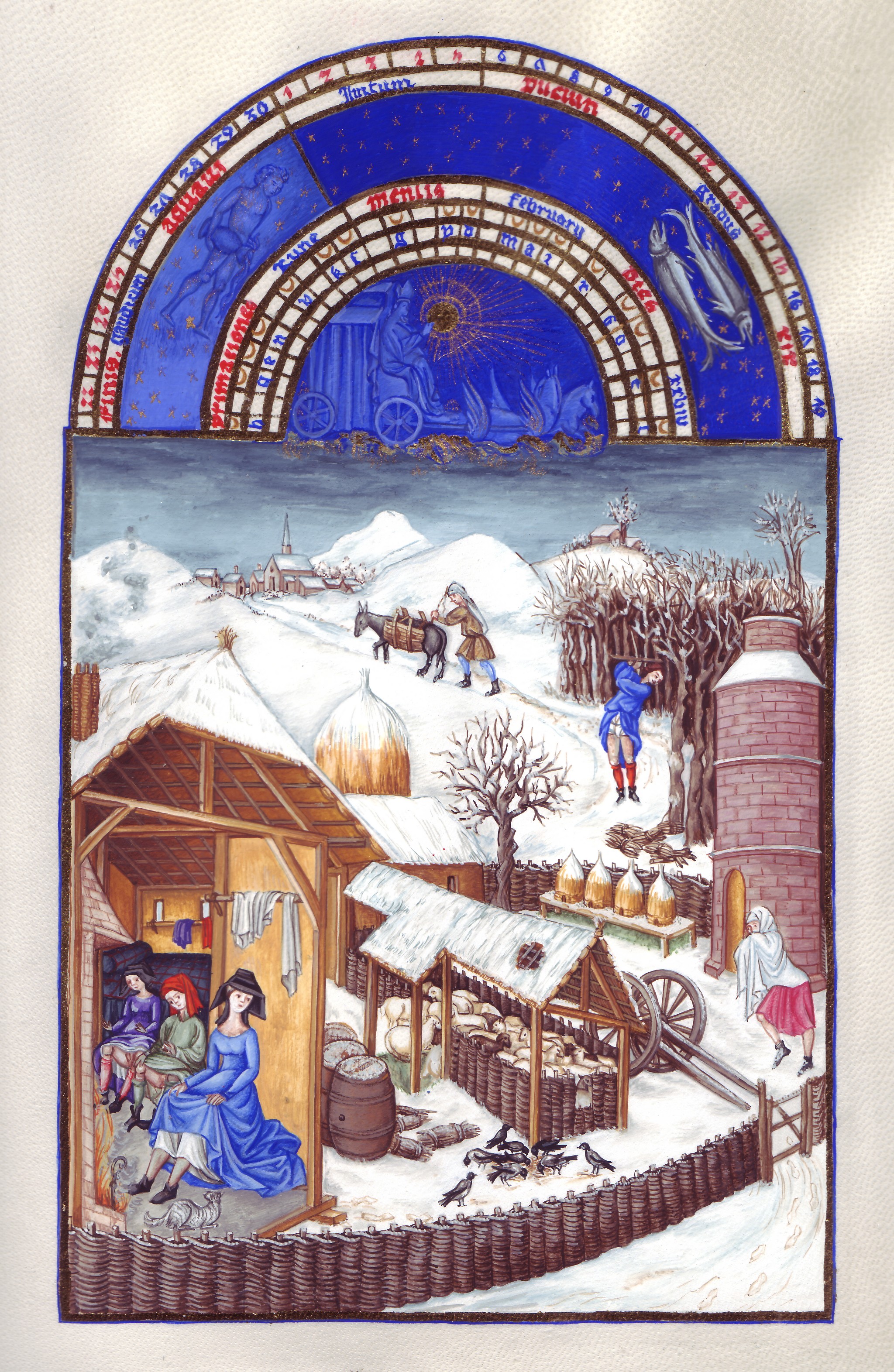
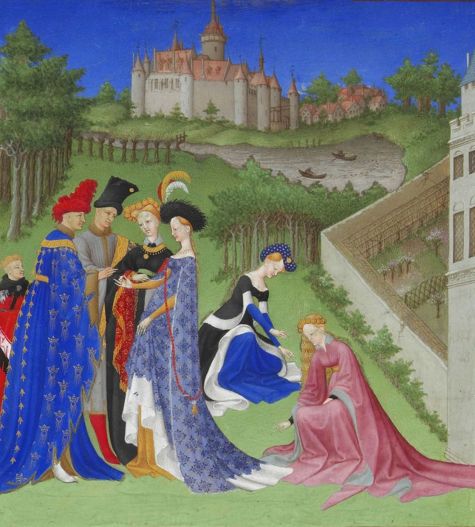
From ‘Très Riches Heures’. 15th cent’  French illuminated manuscript

From ‘Très Riches Heures’. 15th cent’ French illuminated manuscript

This Gothic or pre-renaissance style of painting is a continuation of Byzantine art. It made way for new ideas of realism in art – perspective and so on – leading to high renaissance art and ‘the age of reason’. Boticelli was sn artistic bridge between these styles and Northern renaissance art sometimes referred back to this earlier era stylistically.

All of this is ideal subject matter for my Jupiter painting, relating also to the Jupiterian book from the Narnia Chronicles The Lion the Witch and the Wardrobe which centres on the idea of Winter passed, guilt forgiven – restoration of a golden age of peace in the sea-side castle of Cair Paravel after years of cold and brutality, but this comes after challenges, sacrifice and re-birth (the Christian element of the story – though there are many themes).

In this story, the dryads and trees of Narnia are still fully alive (in later books they have to be re-awakened) and since the oak is the tree most closely associated with Jupiter, that’s another reason to paint Ardnamurchan, one of the few places where you can enjoy fully living forests.

Here’s a link with more about Ariundle – https://www.wildlochaber.com/ardnamurchan/wildlife/ariundle-oakwood

Ariundle Forest . https://www.nnr.scot (Scotland’s National Nature Reserves, website)